
A yard of fabric is 36 inches long. That is the same as 3 feet or about 91 centimeters. Think about a yardstick, or the width of two adult shoulders. It is also close to the length of a small dining table. Fabric usually comes in a rectangle, but the width can be different. Knowing the size helps you plan for sewing or crafts. It also helps when you go shopping. Almost half of Americans do creative projects every year.
Key Takeaways
A yard of fabric is 36 inches long. This is also 3 feet or about 91 centimeters. You can picture a yard of fabric by thinking of a bath towel or a yardstick. Fabric is usually shaped like a rectangle. This makes it easy to cut and sew for different projects. Fabric widths are often 36, 44, 54, 60, or 72 inches. The width changes how much fabric you need for your project. Always look at the fabric width before you buy it. This helps you not run out or waste fabric. You can use a yard of fabric for many things. Some examples are clothes, home decorations, and crafts. When you measure fabric, use a soft measuring tape. Make sure the fabric is flat to get the right size. Keep a conversion table close by. This helps you change between fabric measurement units easily.
How Big is a Yard of Fabric
Yard of Fabric Dimensions
Length in Inches, Feet, and Meters
You might wonder, what is the dimension of a yard of fabric? The answer is pretty straightforward. A yard of fabric measures 36 inches long. That equals 3 feet. If you prefer metric, it’s about 91 centimeters or 0.9144 meters. You can check out the table below for a quick look at these measurements:
Unit | Measurement |
|---|---|
Inches | 36 inches |
Feet | 3 feet |
Meters | 0.9144 meters |
Centimeters | 91 cm |

If you ever ask yourself how many feet are in a yard of fabric, just remember it’s always 3 feet. When you shop for fabric, you’ll see these numbers a lot. You might also need to know how many meters are in a yard of fabric. That’s just under one meter, so it’s easy to picture.
Rectangular Shape Explained
A yard of fabric doesn’t come as a square. You get a rectangle. The length stays the same—36 inches—but the width can change. Most fabric shops sell fabric in rolls, so you buy a strip that’s one yard long and as wide as the roll. This shape makes it easy for you to cut, fold, and sew.
Here’s why the rectangular shape helps you:
You can cut different shapes for sewing or crafts.
The size works well for making quilts, bags, or home decor.
Straight edges make sewing easier.
The selvage edge keeps the fabric from fraying.
You’ll notice that the edges feel different. The selvage edge is tighter and stops threads from coming loose. That’s handy when you work on projects.
Visualizing a Yard of Fabric
Double Shoulder Width Analogy
Let’s talk about how big is a yard of fabric in real life. If you hold a yard of fabric behind your back, it stretches about twice as wide as your shoulders. Imagine a mannequin that stands 5 feet 8 inches tall. A yard of fabric behind it looks almost double the shoulder width. This trick helps you guess how much fabric you need for shirts, dresses, or costumes.
Yardstick Comparison
You can also use a yardstick to picture a yard of fabric. The length matches exactly. If you lay a yardstick on the table, that’s how long your fabric will be. This is a great way to answer questions like how many feet are in a yard of fabric or how many meters are in a yard of fabric. You see the answer right in front of you.
Other ways to visualize a yard of fabric:
Think about the length of a small dining table.
Picture the distance from your hand to your shoulder.
Compare it to the width of a door frame.
Tip: Try laying out your pattern pieces on a table before you cut. This mock layout helps you see if you have enough fabric. You waste less and make fewer mistakes.
Visualization tricks like these make it easier to plan your projects. You get a better idea of how much fabric you need. You also avoid buying too much or too little. If you work with big pieces or prints that need to face a certain way, these tricks help even more.
How Wide is a Yard of Fabric
When you buy a yard of fabric, you might wonder, “How wide is a yard of fabric?” The answer depends on the type of fabric and where you shop. Fabric width can change from one bolt to another. You need to know the width before you start any sewing or craft project.
Common Fabric Widths
Fabric stores offer many widths. Some are narrow, and some are extra wide. Here are the most common widths you will see:
36-Inch Width
You sometimes find fabric that is 36 inches wide. This width is popular for quilting cottons and some specialty fabrics. If you buy a yard of fabric that is 36 inches wide, you get a piece that is 36 inches long and 36 inches wide. This size works well for small projects, pillowcases, or crafts.
44-Inch Width
Most cotton fabrics come in 44-inch widths. You see this size a lot in quilting shops. A yard of fabric at 44 inches wide gives you a nice rectangle. You can use it for shirts, dresses, or table runners. Many patterns use this width, so it is easy to plan your project.
54-Inch, 60-Inch, 72-Inch Widths
Some fabrics are much wider. You find home decor fabrics, knits, and upholstery materials in 54-inch, 60-inch, or even 72-inch widths. These wide fabrics help you cover more area with less yardage. If you want to make curtains, bedding, or costumes, you might choose a wider fabric. You save time and money because you need fewer yards.
Here’s a quick look at some fabric widths you might see in stores in the United States and Europe:
Fabric Type | Width (cm) | Description |
|---|---|---|
Wide widths fabrics | 200+ | Great for curtains and large projects |
Cotton Fabric / Canvas | 220 | Decorative, sold by the meter |
Cotton fabric / canvas | 300 | Decorative, sold by the meter |
Blackout Curtain Fabric | 280-290 | Blocks light, good for home decor |
Tip: Always check the fabric width before you buy. Patterns often tell you what width works best. If you use a different width, you might need more or less fabric.
Selvedge Edge and Measurement
When you measure how wide is a yard of fabric, you need to look at the selvedge edge. The selvedge runs along both sides of the fabric. It keeps the threads from fraying and marks the true edge. You measure fabric width from one selvedge to the other. Sometimes, the selvedge has a tight weave or a printed border. You should not count this part as usable fabric.
The usable width is the space between the selvedge edges, not including any rough or printed areas. If the selvedge is wide or has flaws, you lose some usable width. This can change how much fabric you need for your project. Standards like EN 1773 and ISO 22198 say that the usable width is what matters most. If you get less usable width than you expect, your finished product might not look right.
Why Fabric Width Matters for Your Projects
Fabric width affects your sewing and crafting in big ways. Wider fabrics mean you need fewer yards for large pieces. Narrow fabrics might require you to buy extra yardage. Always check the pattern instructions for the recommended width. If you use a different width, you could run out of fabric or have too much waste.
Standard widths like 45 inches or 60 inches help you figure out how much fabric to buy.
Accurate measurements save you money and reduce waste.
This matters for clothes, curtains, and crafts. The right width helps you finish your project without surprises.
When you plan your next project, remember to ask, “How wide is a yard of fabric?” You will make smarter choices and get better results.
Compare Yard of Fabric to Common Objects
Bath Towel Size
You probably use a bath towel every day, so it makes a great object for comparing size. When you look at a yard of fabric, you might wonder if it is bigger or smaller than your towel. Most bath towels come in different sizes, but they usually fall between 20 inches by 40 inches and 30 inches by 58 inches. A yard of fabric, on the other hand, measures 36 inches long. If you buy a square yard, it is 36 inches on each side.
Here’s a quick table to help you see the difference:
Item | Length (inches) | Width (inches) |
|---|---|---|
Bath Towel | 20 – 58 | 20 – 30 |
Yard of Fabric | 36 | 36 |
You can also think about it like this:
Most bath towels are longer than a yard of fabric in one direction, but they are not as wide.
A yard of fabric gives you a square, while a towel is more of a rectangle.
If you lay a yard of fabric on the floor, it will look almost as big as a large bath towel, but it will be more even on all sides.
If you ever need to guess how much space a yard of fabric will cover, just picture your bath towel. The fabric will cover about the same area, but with a more balanced shape. This trick helps you plan for sewing, crafts, or even home projects. Next time you fold your towel, you can imagine how much fabric you might need for your next idea.
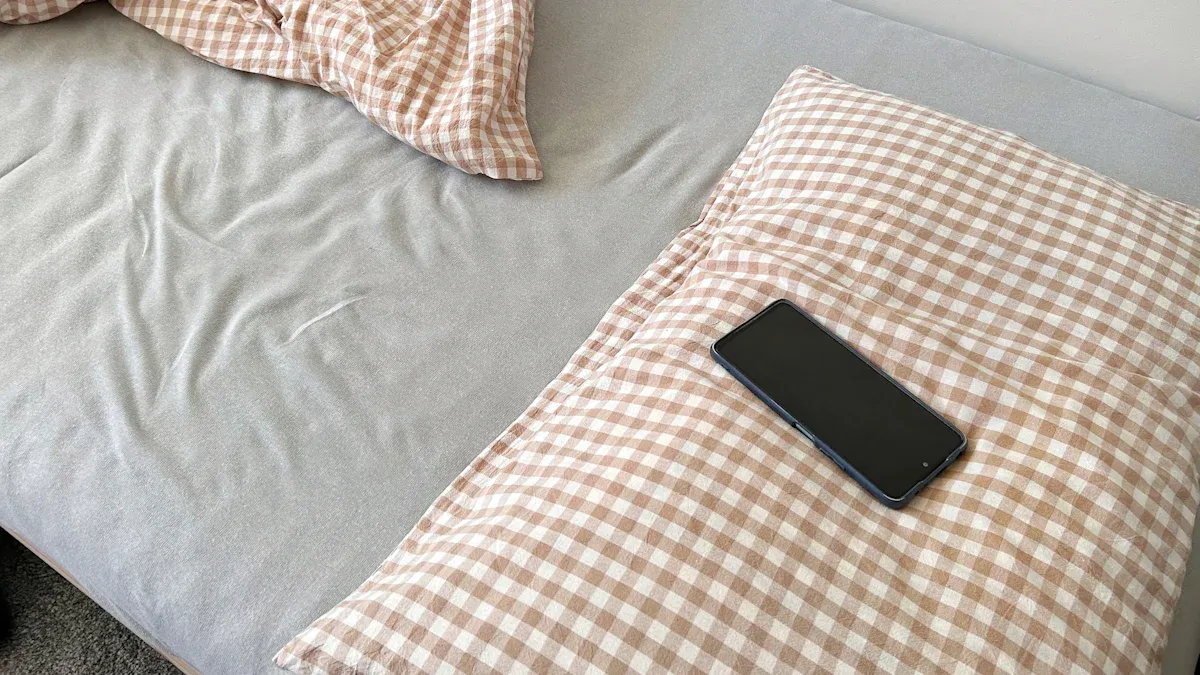
Bed Sheet or Pillowcase
Have you ever wondered how a yard of fabric compares to something you use every night, like a bed sheet or pillowcase? You might be surprised at how close the measurements are. If you want to make your own pillowcase or even a small sheet, knowing the size of a yard of fabric helps you plan better.
Let’s start with pillowcases. Most standard bed pillows measure about 20 inches by 26 inches. Queen-size pillows are a bit longer at 20 inches by 30 inches. King-size pillows stretch out to 20 inches by 36 inches. You can see how much fabric you need for each pillow cover in the table below:
Type of Pillow | Dimensions (Length x Width) | Amount of Fabric Needed for 1 Pillow Cover |
|---|---|---|
Standard bed pillow | 20 x 26 inches | 5/8 yard |
Queen-size pillow | 20 x 30 inches | 1-1/8 yards |
King-size pillow | 20 x 36 inches | 1-1/4 yards |
If you look at the numbers, you notice that a yard of fabric is enough for one standard pillowcase and almost enough for a queen-size pillowcase. For a king-size pillowcase, you need a little more than a yard. This means that when you buy a yard of fabric, you can easily make a pillowcase for most beds, especially if you use fabric that is at least 36 inches wide.
Now, let’s talk about bed sheets. Twin sheets usually measure about 66 inches by 96 inches. That’s much bigger than a yard of fabric, so you would need several yards to make a full sheet. However, if you want to make a small fitted sheet for a crib or a toddler bed, a yard of fabric might be enough, depending on the mattress size and the fabric width.
Tip: When you plan to sew pillowcases or sheets, always check the width of your fabric. Wider fabric means you can cut larger pieces without seams. You save time and get a smoother finish.
You can use a yard of fabric for other bedding projects, too. Try making decorative pillow covers, small throw pillows, or even a matching set for your bedroom. If you want to personalize your space, picking out your own fabric lets you choose colors and patterns that fit your style.
Here’s a quick way to picture it: Lay a yard of fabric on your bed. You’ll see that it covers most of a pillow and a good part of the mattress. This trick helps you decide how much fabric to buy for your next bedding project.
If you ever feel unsure about how much fabric you need, just remember that a yard of fabric goes a long way for pillowcases and small bedding items. You can get creative and make something unique for your room.
Fabric Measurement Conversion
Inches, Feet, Centimeters, Meters
You might feel confused when you see fabric measurements in different units. Sometimes you see yards, other times you see inches or centimeters. If you shop online or visit a store, you often need to switch between these units. Knowing how to convert them helps you buy the right amount of fabric for your project.
Let’s break down the most common conversions. If you have a yard of fabric, you can easily figure out how many inches, feet, centimeters, or meters that is. Here are some simple facts:
One yard equals 36 inches.
One yard equals 3 feet.
One yard equals 91 centimeters.
One yard equals 0.9144 meters.
If you want to go the other way, you can use these quick tricks:
One meter equals about 1.1 yards.
To get yards from inches, divide the total inches by 36.
To change inches to centimeters, multiply by 2.54.
To change centimeters to inches, multiply by 0.393.
To get meters from centimeters, divide by 100.
Tip: Keep a calculator or your phone nearby when you shop for fabric. You can quickly switch between units and avoid mistakes.
Quick Reference Table
You don’t need to memorize all these numbers. A quick reference table makes your life easier. You can check it before you buy or cut fabric. Here’s a handy table you can use:
From | To | Conversion Factor |
|---|---|---|
Yards | Meters | |
Yards | Centimeters | 1 yard = 91 centimeters |
Yards | Inches | 1 yard = 36 inches |
Yards | Feet | 1 yard = 3 feet |
Meters | Yards | 1 meter = 1.1 yards |
Inches | Yards | Total inches / 36 |
Inches | Centimeters | Inches × 2.54 |
Centimeters | Inches | Centimeters × 0.393 |
Centimeters | Meters | Centimeters / 100 |
You can use this table to check your math. If you see a pattern that asks for 2-3/4 yards of 44-inch wide fabric, but you pick a fabric that is 60 inches wide, you only need 2 yards. If your fabric is 36 inches wide, you will need 3-3/8 yards instead. This table helps you avoid buying too much or too little.
You save money by getting the right amount.
You waste less fabric.
You finish your project with fewer surprises.
Note: Patterns often list fabric amounts in yards, but you might find fabric sold by the meter in some stores. Always check the width and use the table to convert.
If you keep this table handy, you can shop with confidence. You will know exactly how much fabric you need, no matter what units you see. Next time you plan a project, use these conversions to make your sewing or crafting easier.
How Do You Measure a Yard of Fabric
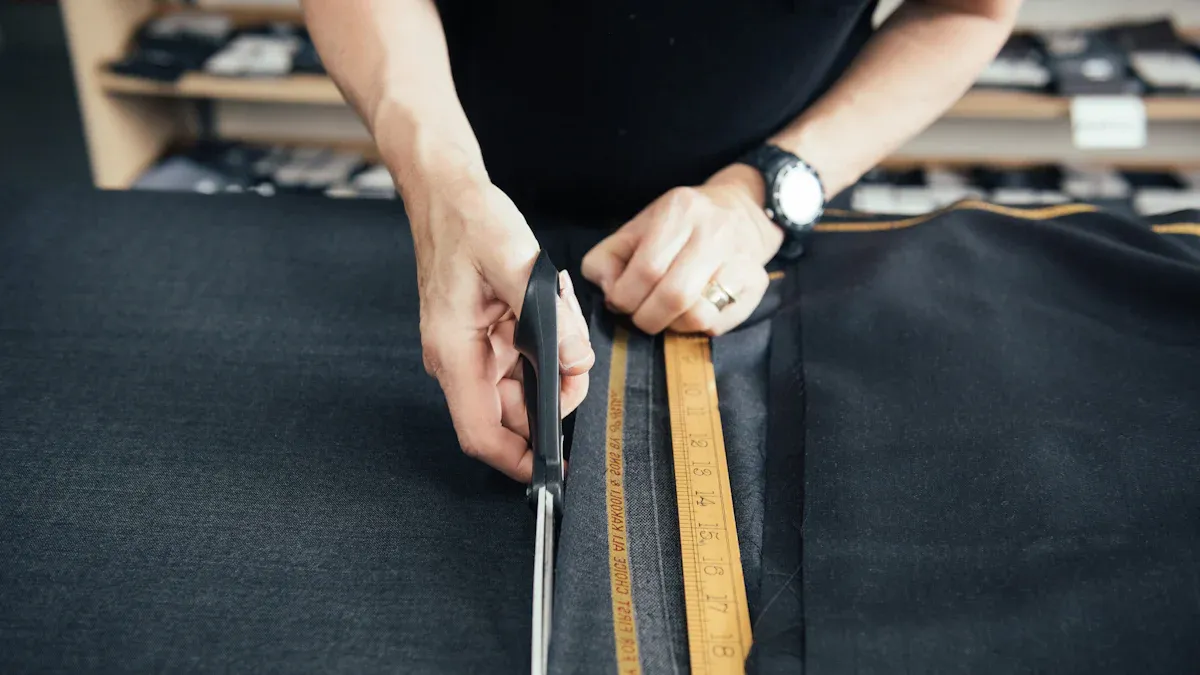
Measuring fabric at home can feel tricky, but you can do it with just a few simple tools and tricks. If you ever ask yourself, “how do you measure a yard of fabric?” you’re not alone. Let’s break it down so you can get the right amount every time.
Using Measuring Tape
A measuring tape is your best friend when you want to measure a yard of fabric. Here’s a step-by-step guide to help you get it right:
Pre-wash and Iron: Always wash and iron your fabric first. This helps you avoid surprises later because some fabrics shrink.
Lay Fabric Flat: Place your fabric on a flat, hard surface like a table or clean floor. This keeps the fabric from bunching up or stretching.
Use a Flexible Tape: Grab a flexible measuring tape. It bends easily and gives you a more accurate reading.
Measure Along the Grain: Start at the selvedge edge and measure along the grainline. This keeps your fabric strong and prevents twisting.
Mark Your Spot: Use a fabric marker or chalk to mark the 36-inch point. This shows you exactly where to cut.
Double-Check: Measure twice before you cut. This simple step saves you from costly mistakes.
Use Clear Rulers: If you have a clear ruler, use it to see the fabric underneath and line up your marks.
Tip: Always be gentle with the fabric. Pulling or stretching can change your measurement.
Estimating with Household Items
Sometimes you don’t have a measuring tape handy. No worries! You can still figure out how do you measure a yard of fabric using things around the house.
Yardstick: A yardstick is exactly 36 inches. Lay it next to your fabric for a quick check.
Standard Table Edge: Many dining tables are about a yard wide. Use the edge as a rough guide.
Shoulder Width: Two adult shoulder widths side by side are close to a yard.
Door Frame: The width of a standard door frame is usually about 36 inches.
Bath Towel: A large bath towel often measures close to a yard in length.
These tricks help you estimate when you can’t find your tape. Just remember, these are rough guides. For sewing or crafts, always try to use a real measuring tool if you can.
Tips for Accurate Measurement
You want your project to turn out just right. Here are some tips from professional tailors to help you measure a yard of fabric with confidence:
Use a flexible measuring tape for the best results.
Make sure your fabric lies flat and relaxed. No wrinkles or folds.
Measure twice before you cut or list your fabric.
Avoid stretching the fabric while measuring. Keep it loose and natural.
Clearly mark your measurement points with chalk or a washable marker.
Note: If you plan to sell or share your fabric, always specify where you measured from and to. This helps others understand exactly what they’re getting.
Getting the right measurement makes your sewing and craft projects much easier. Next time you wonder how do you measure a yard of fabric, just follow these steps and tips. You’ll save time, money, and avoid frustration.
Practical Uses for a Yard of Fabric
You might wonder what you can actually make with a yard of fabric. The answer is—quite a lot! Whether you love to sew, enjoy crafts, or want to spruce up your home, a single yard can go a long way.
Sewing Projects
If you sew, you know the thrill of turning fabric into something useful. You can make many popular items with just one yard. Here are some favorites:
V9008 Shorts
Sun Tote Pattern from Chalk and Notch
Tank tops
Butterick B6874 Top View C
Butterick B6859 View D
Vogue 1835 – Asymmetrical Misses Top View A
Vogue 8750 – Pencil skirt View B
Simple one-piece or two-piece swimsuits like B4526
Simplicity S8882 – View B from Gertie
You can finish most of these projects in a weekend. If you want to try something new, grab a yard of fabric and pick a pattern from this list. You will see how much you can create with just a little material.
Tip: Always check your pattern for fabric width. Some projects need wider fabric to fit all the pieces.
Crafts and DIY
A yard of fabric is perfect for quick crafts and DIY projects. You can cut it into smaller pieces or use it whole. Try making fabric flowers, headbands, or even a simple tote bag. You can also use fabric scraps for patchwork or quilting. If you like to give handmade gifts, use a yard to sew reusable gift bags or wrap presents in a unique way.
Make a set of cloth napkins for your next family dinner.
Sew a cute apron for baking days.
Create a fabric banner for parties or holidays.
You do not need fancy tools. Just scissors, thread, and a little imagination.
Home Decor
You can change the look of a room with just a yard of fabric. Many home decor items need only a small amount. Here are some ideas:
Home Decor Item | Description |
|---|---|
Lampshade | Create a custom lampshade for a room. |
Drawer Lining | Line the drawers of a nightstand with fabric for a decorative touch. |
Fireplace Screen | Use fabric to make a decorative screen for a non-working fireplace. |
Table Runner | Transform a table by creating a stylish table runner. |
You can also try these easy projects:
Fringey table runner: Cut the fabric in half lengthwise, sew together, and add some trim.
Simple pillowcase: Cut, fold, and sew to fit your pillow.
Note: Home projects like these let you match your decor and show off your style.
With a yard of fabric, you can sew, craft, or decorate. You do not need a lot of material to make something special. Try one of these ideas and see how far a single yard can take you.
Visualizing Fabric Size
Mental Tricks
You do not always need a ruler to picture a yard of fabric. You can use simple tricks to estimate the size. Many experts use objects you see every day. For example, a baseball bat is about one yard long. If you have one at home, you can lay it next to your fabric for a quick check.
You can also use your own body. Try the arm-span technique. Stretch your arm out straight and measure from your nose to your fingertips. For many adults, this distance is close to a yard. If you take two big steps, you usually cover about two yards. Just take one step for a rough yard.
Floor tiles help too. Most standard tiles are 12 inches on each side. If you line up three tiles, you get a yard. This trick works well in kitchens or bathrooms.
Here’s a quick table to help you remember:
Object | Approximate Length |
|---|---|
Baseball Bat | |
Arm Span Technique | 30-36 inches |
Floor Tiles | 12 inches each |
Tip: Use these tricks when you shop or plan a project. You will feel more confident about how much fabric you need.
Templates and Patterns
Templates and patterns make planning much easier. You can lay out your pattern pieces on the fabric before you cut. This helps you see if you have enough material. Some people use paper templates or even cardboard cutouts. These tools let you move pieces around and try different layouts.
Many sewing planners and apps include special features to help you track fabric. You can use reference fields to keep notes on each fabric you own. The remaining yardage field tells you how much you have left after each project. Some tools even have a rollup column that adds up all the fabric you use, so you do not have to do the math.
Feature | Description |
|---|---|
Reference Fields | Track multiple fabrics for better planning and visualization. |
Remaining Yardage Field | Know how much fabric you have left for future projects. |
Rollup Column | See the total fabric used across projects without manual updates. |
Note: Templates and tracking tools help you avoid running out of fabric in the middle of a project.
Shopping Advice
Shopping for fabric can feel tricky, but you can make it simple. Start by measuring the item you want to make. If you sew clothes, measure your body and add a little extra for comfort. For home decor, measure the size of your curtains or cushions. Quilters should check the total block size and add space for borders.
Here are some tips from fabric store pros:
Measure the dimensions of your project before you shop.
For home items, measure the actual object, like a pillow or window.
For quilts, add up the block sizes and include borders.
Always buy a little extra fabric for seams and mistakes.
You can also:
Check the sewing pattern for yardage estimates.
Use online fabric calculators to help with math.
Add about 10% more fabric for matching patterns or fixing errors.
Tip: Buying a bit more fabric saves you from last-minute trips to the store. It also helps if you make a mistake or want to match prints.
With these tricks and tools, you can shop smarter and feel sure about your fabric choices every time.
You now know a yard of fabric is about as long as a guitar or half a door’s height. When you measure at home, keep your fabric straight and try using a square or the tearing method for a clean edge. Remember, a large bath towel is close in size, so you can use it to help visualize. Use these tips to make sewing, crafts, and shopping much easier. Understanding fabric size helps every project go smoother!
FAQ
How much does a yard of fabric weigh?
The weight depends on the fabric type and width. Lightweight cotton feels much lighter than denim or canvas. You can check the label or ask the store for the fabric’s weight per yard.
Can you wash a yard of fabric before using it?
Yes, you should always wash your fabric before sewing. This helps prevent shrinking or color bleeding later. Just follow the care instructions on the label for best results.
Is a yard of fabric enough for a shirt?
A yard works for small tops, tank tops, or kids’ shirts. For adult shirts, you usually need more—about 1.5 to 2 yards. Always check your pattern for the exact amount.
How do you store leftover fabric?
Fold your fabric neatly and keep it in a cool, dry place. Use clear bins or labeled bags to organize scraps by size or color. This makes it easy to find what you need later.
What does “selvage” mean on fabric?
The selvage is the tightly woven edge along each side of the fabric. It keeps the threads from unraveling. You usually don’t use the selvage in your project, so cut it off before sewing.
Can you return fabric after buying it?
Most stores do not accept returns on cut fabric. Always double-check your measurements and inspect the fabric before buying. If you find a flaw, talk to the staff right away.
How do you cut a straight line on fabric?
Lay your fabric flat and use a ruler or straight edge. Mark your line with chalk or a washable marker. Cut slowly with sharp scissors or a rotary cutter for the best results.
What if you need more than a yard?
Just ask for the amount you need at the fabric counter. Stores can cut fabric in half-yard or quarter-yard increments. Always buy a little extra for mistakes or matching patterns.