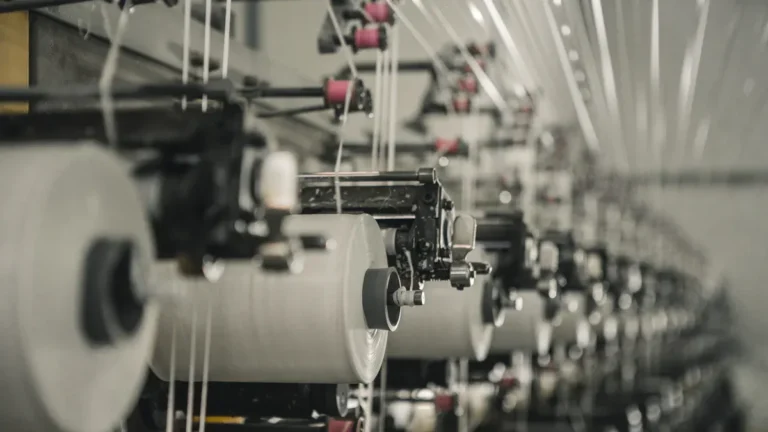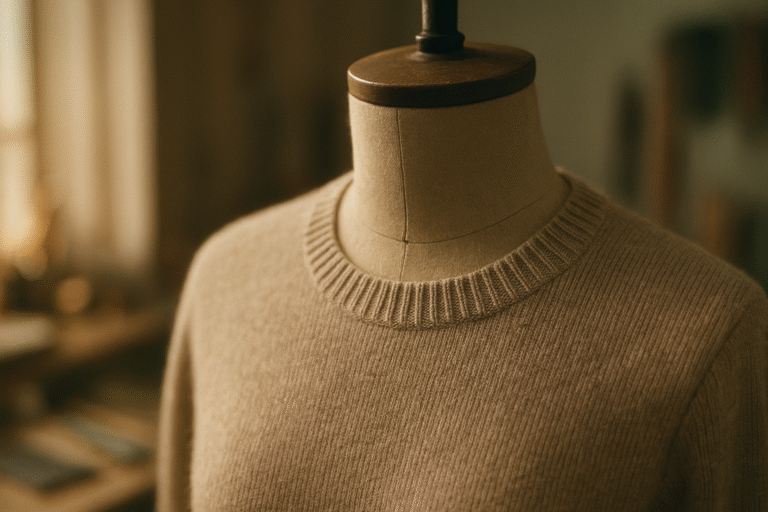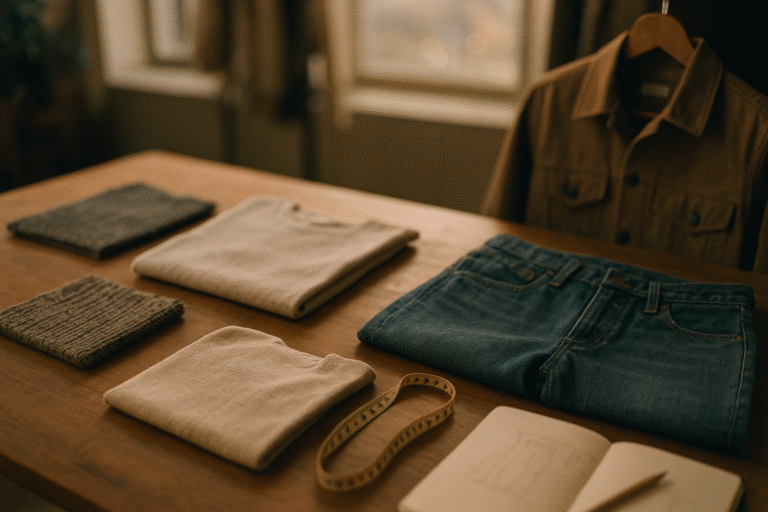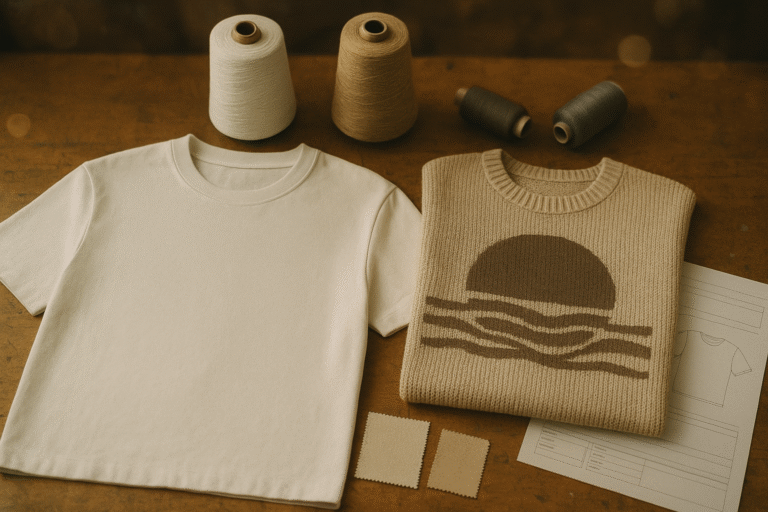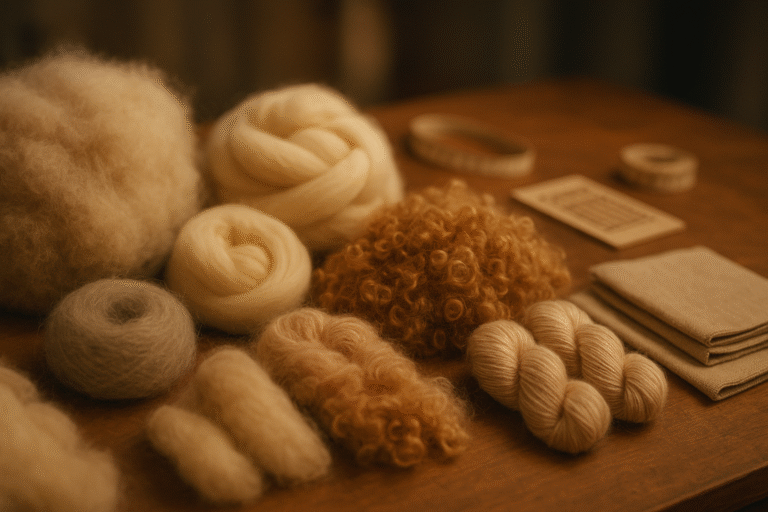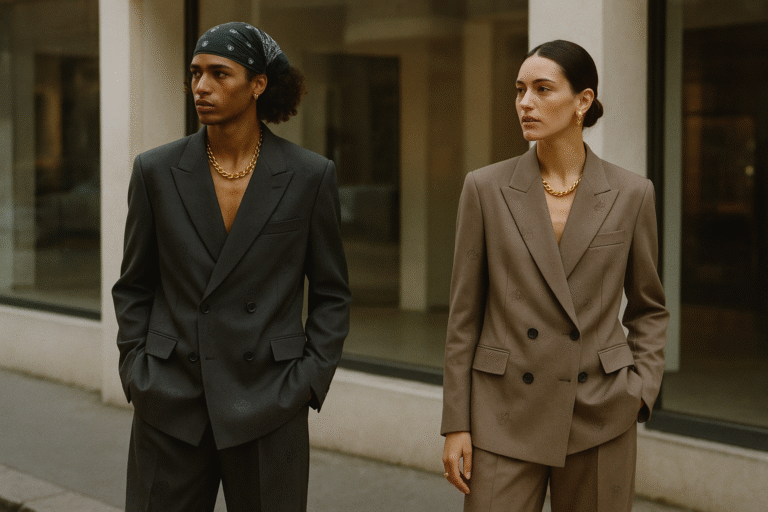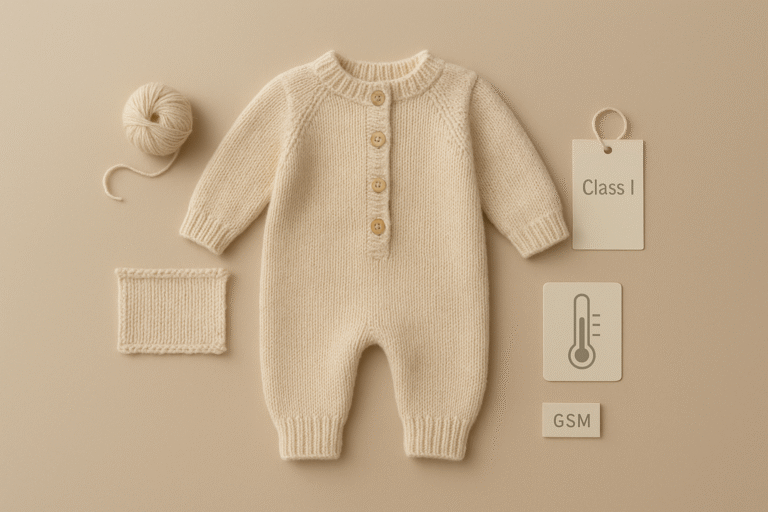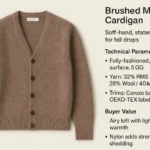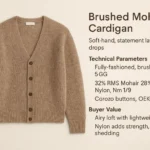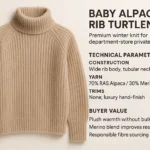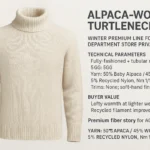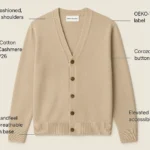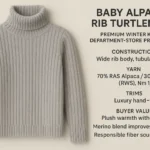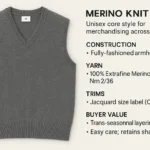

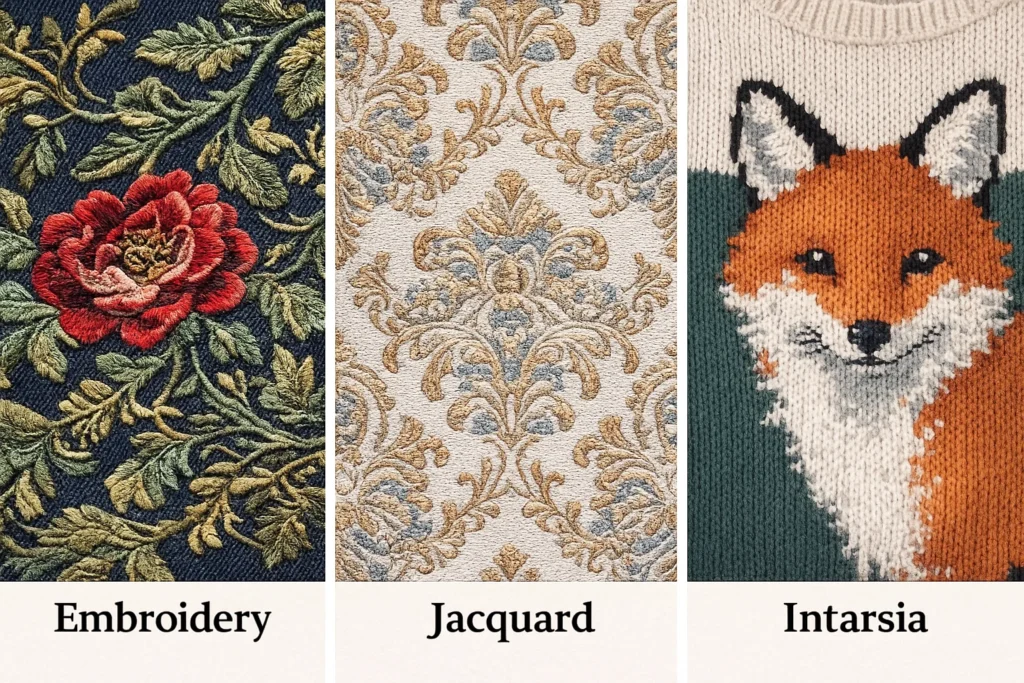
Imagine you want to make a sweater with a special design. You have to pick custom embroidery, jacquard, or intarsia. Each way makes your knitting look and feel different. Custom embroidery vs jacquard vs intarsia for knitwear means you choose how patterns show up, how thick the fabric is, and how long your design stays.
Key Takeaways
-
Custom embroidery puts special designs on finished knitwear. It makes each piece personal and unique. Jacquard knitting puts colorful patterns into the fabric. These patterns are thick and strong. Intarsia knitting uses different yarns for each color. This lets you make bold shapes and smooth color changes. Pick custom embroidery for small and detailed designs. It is good for adding personal touches. Choose jacquard for warm and tough patterns. These patterns cover big areas and work well for winter. Use intarsia for light and creative designs. These designs have clear lines and bright colors. Think about how to care for each style. Jacquard is strong, but embroidery and intarsia need gentle care. Plan your project by thinking about your design, budget, and how fast you want it done.
Knitwear Decoration Methods
Custom Embroidery Overview
Custom embroidery adds a special look to knitwear. You stitch designs onto finished fabric. Tools help keep patterns neat and strong. Basting stitches hold your motif in place. Cutaway backing supports your design. Water-soluble topping keeps stitches crisp. Ballpoint needles protect the knitting loops. Multi-element alignment helps patterns match across seams. Duplicate stitch blends your motif into the knit. Dual stabilizer system gives extra support. The table below lists main features of custom embroidery:
|
Technique/Tool |
Description |
|---|---|
|
Multi-Element Alignment |
Aligns motifs that span seams or curves, ensuring symmetry and balance. |
|
Basting Stitch Techniques |
Holds stabilizers and motifs in place, especially on large or slippery knits. |
|
Cutaway Backing |
Provides permanent support to prevent distortion during wear and washing. |
|
Water-Soluble Topping |
Keeps stitches from sinking into textured knits, rinsing away easily for a crisp finish. |
|
Duplicate Stitch |
Mimics the knit structure for seamless integration of motifs, enhancing the overall design. |
|
Ballpoint Needles |
Prevents runs in the fabric by gently parting loops, preserving elasticity. |
|
Dual Stabilizer System |
Combines cutaway backing with a water-soluble topper for optimal support and protection. |
Custom embroidery is good for making knitwear personal. You can put patterns almost anywhere on your clothes. This method lets you make unique designs. The pattern sits on top of the fabric, not inside it.
Jacquard Knitting Overview
Jacquard knitting is great for bold, colorful projects. You weave several colors into the fabric at once. This technique uses many colors in one row. You can make complex patterns that cover big areas. The patterns are part of the fabric, not just decoration. Jacquard patterns last a long time. The fabric is thick and warm because threads run along the back. Jacquard works best for repeating shapes and geometric designs.
Here is a table that compares jacquard, intarsia, and printed designs:
|
Technique |
Description |
Durability |
|---|---|---|
|
Jacquard |
Integrates multiple colors directly into the fabric, creating intricate patterns. |
High (woven in) |
|
Intarsia |
Uses separate pieces of yarn for each color, not woven into the fabric. |
Moderate (applied) |
|
Printed Designs |
Patterns are applied on the surface of the fabric. |
Low (surface) |
Jacquard knitting is strong if you want patterns that last. Use it for sweaters, scarves, and hats. Jacquard makes patterns look professional and stay nice after washing.
Tip: Jacquard knitting is best for colorful projects with repeating patterns. You get thick, cozy fabric that lasts.
Intarsia Knitting Overview
Intarsia knitting lets you make big blocks of color. You use separate yarns for each color section. Threads do not run across the back. This keeps patterns light and neat. Intarsia is best for big, bold shapes or pictures. You get sharp edges and smooth color changes. The back stays tidy because there are no loose yarns.
The table below shows what makes intarsia special compared to jacquard and embroidery:
|
Technique |
Unique Features |
|---|---|
|
Intarsia |
No floating yarn on the reverse side, lightweight, clean patterns, ideal for large blocks of color. |
|
Jacquard |
Carries inactive threads on the back, resulting in thicker fabric, suitable for repeating patterns. |
|
Embroidery |
Involves stitching designs onto fabric rather than knitting them into the fabric itself. |
Intarsia is great for projects with big, clear patterns. Use it for statement sweaters or accessories. If you want smooth, light patterns, intarsia knitting is a good choice.
Custom Embroidery vs Jacquard vs Intarsia for Knitwear
Technique Differences
Each method uses a different way to make sweater designs. Custom embroidery lets you add designs after the sweater is made. You use needles and thread to stitch patterns on top. This is good for names, logos, or small pictures. You can put designs almost anywhere you want.
Jacquard uses a special knitting style. You knit with many colors at once. This weaves designs into the fabric. Jacquard is used for sweaters with repeating shapes. It carries extra yarns on the back, so the fabric gets thicker. Jacquard is best for bold and colorful patterns.
Intarsia uses separate yarns for each color block. You do not carry yarn across the back. This makes big shapes with sharp edges. Intarsia is used for sweaters with large pictures or geometric designs. The fabric is thinner and lighter than jacquard. Use intarsia for sweaters with artistic or detailed designs.
Tip: Pick jacquard or intarsia for complex sweater designs. Use custom embroidery for small, personal touches.
Visual Effects
Each method changes how your sweater looks and feels. The table below shows what each technique does best:
|
Technique |
Description |
Best For |
|---|---|---|
|
Intarsia |
Multi-colored blocks woven seamlessly. |
Artistic, graphic designs (e.g., landscapes, logos). |
|
Jacquard |
Integrates complex patterns into the fabric. |
Vibrant, long-lasting designs for statement pieces. |
|
Embroidery |
Adds dimensional embellishments to garments. |
Enhancing visual appeal with texture. |
Custom embroidery adds texture and depth. The stitches sit on top, so you can feel them. This makes designs stand out and look 3D. Use embroidery to highlight small areas or add details.
Jacquard makes bold, colorful designs that cover big areas. The patterns are part of the fabric. These designs last a long time and do not fade. Jacquard is good for sweaters with fair isle or repeating patterns.
Intarsia gives smooth, flat designs with sharp edges. The colors stay separate, so each block stands out. You can make sweaters with big pictures or logos. Intarsia is great for clean, artistic looks.
Durability
How long your sweater design lasts depends on the technique. Jacquard is the strongest. The designs are part of the fabric, so they stay bright after many washes. Jacquard sweaters last for years and do not fade.
Intarsia weaves designs into the fabric with separate yarns. The designs look smooth and pretty, but they can stretch or pull. Intarsia sweaters need gentle care to stay nice.
Custom embroidery puts designs on top of finished sweaters. The stitches can snag or wear out if washed a lot. Embroidery is best for small designs that do not get much rubbing. Use strong thread and good backing to help designs last.
Note: Jacquard is best for sweaters that need to last. Intarsia looks beautiful but needs gentle care. Embroidery adds special touches, but may not last as long as the other methods.
Thickness and Texture
When you pick how to decorate knitwear, think about how thick and textured it will feel. Each way makes the fabric feel different:
-
Jacquard makes sweaters thick and warm. This is because yarns cross and overlap on the back. The fabric feels dense. You might see some colors faintly inside.
-
Intarsia gives a lighter, smoother fabric. You only use new yarn when you change colors. There are no extra threads on the back. This makes intarsia good for big, colorful pictures that feel soft.
-
Custom embroidery adds texture on top of the knitwear. The stitches make a raised design you can touch. The rest of the fabric stays the same thickness. The embroidered part feels a little thicker.
If you want a sweater for all seasons, jacquard gives a medium-weight feel. It keeps you warm but is not too heavy. Intarsia is good for a clean look and lighter feel. Embroidery is best for adding texture to small spots.
Sampling and Production Time
You should also think about how long it takes to make samples and finish making the sweaters. Each way has its own time:
-
Jacquard sweaters need more time because the patterns are made while knitting. For example, making 100 jacquard sweaters can take about 28 days. If you order 1 to 500 pieces, it usually takes 35 days.
-
Intarsia can take longer, especially for hard designs. Each color block needs careful work. This makes it slower than simple jacquard patterns.
-
Custom embroidery is usually faster for small orders. You add designs after the sweater is made. You do not have to wait for special knitting. This makes embroidery good if you want to try different designs quickly.
Here is a table that shows how long jacquard production takes:
|
Quantity (pieces) |
Lead time (days) |
|---|---|
|
1 – 100 |
35 |
|
101 – 500 |
35 |
|
501 – 1000 |
35 |
|
> 1000 |
To be negotiated |
If you need your knitwear fast, embroidery may be best. For big orders with detailed patterns, plan for more time with jacquard or intarsia.
Industry Confusion
Many people in knitwear get confused about jacquard and intarsia. Both use many colors, but they work differently. Sometimes, the designs look the same, which makes it confusing. The main difference is how you make the patterns and how the fabric feels.
|
Aspect |
Jacquard |
Intarsia |
|---|---|---|
|
Technique Type |
Multi-color pattern knitting |
Multi-color pattern knitting |
|
Functionality |
Different design execution |
Different design execution |
|
Common Confusion |
Similarities in appearance |
Differences in execution |
You might see a sweater with a colorful pattern and not know if it is jacquard or intarsia. The best way to tell is by looking at the back. Jacquard has extra threads inside, making it thicker. Intarsia has neat color blocks and no floating yarns. Knowing these differences helps you pick the right way and avoid mistakes.
Jacquard Knitting Details
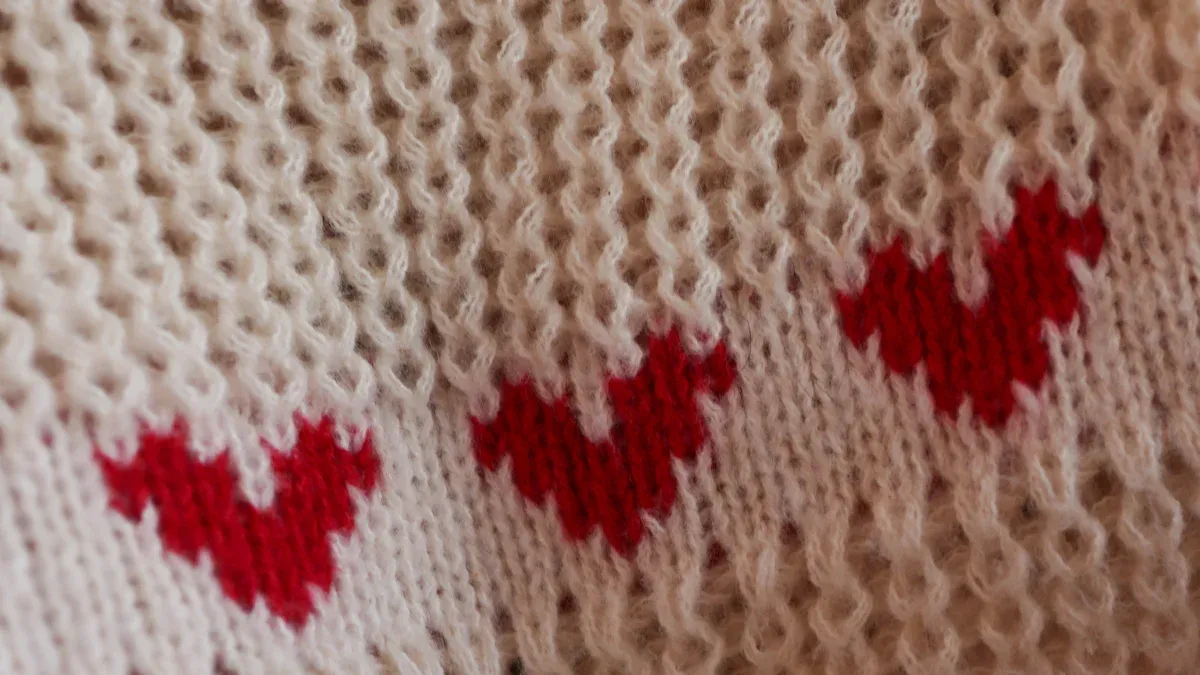
Jacquard Technique
You can create beautiful patterns in knitwear using the jacquard technique. This method lets you knit with several colors at the same time. You follow a series of steps to make sure each color appears in the right spot. Here is how you work with jacquard:
-
Set up a ladder by moving your main color yarn to the front. Cast a single stitch with a contrast color using a backwards loop or e-wrap cast-on. Move the main color yarn to the back and keep knitting.
-
When you reach the ladder stitch, bring the main color yarn to the front. Knit the ladder stitch with the contrast color yarn. Move the main color yarn to the back.
-
To finish a ladder, knit until one main color stitch remains before the ladder stitch. Work an SSK (slip, slip, knit) to connect the ladder to the fabric.
This process helps you keep the colors separate and the pattern neat. You can use jacquard to make sweaters, hats, and scarves with eye-catching designs.
Tip: Practice each step slowly. You will get better at switching yarns and keeping your stitches even.
Pattern Complexity
Jacquard knitting allows you to make very complex patterns. Modern machines can use four to six yarn colors in one design. You can create detailed pictures, geometric shapes, or repeating motifs. The patterns appear directly in the fabric, so they do not fade or peel like printed designs.
You can choose simple stripes or go for intricate designs. Jacquard gives you the freedom to experiment with color and style. Many commercial sweaters use jacquard for bold looks that stand out in a crowd.
-
You can design your own pattern and see it come to life in the knit.
-
You can mix colors to make your sweater unique.
-
You can use jacquard for both small details and large areas.
Durability in Garments
Jacquard knitwear offers good durability, especially when made with high-quality yarns. The patterns are woven into the fabric, so they last longer than surface prints. You do not have to worry about fading or peeling. Jacquard can be more delicate because of its complex construction, but careful engineering makes it strong.
Here is a table that compares the durability of jacquard and solid knits:
|
Type of Knitwear |
Durability Characteristics |
|---|---|
|
More delicate due to complex construction, but high-quality options maintain durability. |
|
|
Solid Knit |
Offers uniform strength and higher resistance to wear, making it generally more durable. |
-
Jacquard knits can be more delicate because of the intricate designs.
-
High-quality jacquard fabrics are made to last.
-
Solid knits provide better overall strength and wear resistance.
Jacquard knit fabrics keep their patterns bright and clear for a long time. You can enjoy your sweater season after season.
Best Uses for Jacquard
Jacquard knitting gives you a way to add bold patterns and rich textures to your clothes. You can use this technique for many types of garments. The patterns become part of the fabric, so they last a long time and look sharp. If you want your knitwear to stand out, jacquard is a smart choice.
You can use jacquard for both formal and casual clothing. The table below shows some of the best garments for jacquard knitting and why they work well:
|
Garment Type |
Description |
|---|---|
|
Evening Gowns |
Ideal for structured silhouettes, perfect for formal events like galas and weddings. |
|
Tuxedos and Suits |
Adds sophistication to traditional formal wear, suitable for both formal and semi-formal events. |
|
Blouses and Shirts |
Great for casual outfits, can be styled in various ways for a fashionable look. |
|
Skirts and Shorts |
Versatile for casual wear, can be dressed up or down depending on the occasion. |
|
Sarees |
Used in ethnic wear, known for intricate designs and rich colors, suitable for special occasions. |
|
Kimonos |
Showcases complex patterns, perfect for traditional Japanese attire, suitable for formal events. |
You can see that jacquard fits many styles. Evening gowns and tuxedos use jacquard for a touch of luxury. The patterns give these garments a special look that stands out at formal events. Blouses and shirts with jacquard patterns add interest to everyday outfits. You can wear them to school, work, or a party. Skirts and shorts with jacquard designs let you dress up or keep it casual.
Ethnic garments like sarees and kimonos often use jacquard. The technique helps show off detailed patterns and bright colors. These clothes look beautiful at weddings, festivals, or other special days.
Tip: Choose jacquard for garments where you want the pattern to last and the fabric to feel rich. You get both beauty and strength.
You can also use jacquard for accessories. Scarves, hats, and gloves with jacquard patterns look stylish and keep you warm. The thick fabric makes these items cozy for cold weather.
If you want to make a statement, try jacquard for sweaters. The patterns can cover the whole sweater or just a part. You can pick classic shapes like stripes or go for bold, modern designs. Jacquard works well for both men’s and women’s fashion.
You should use jacquard when you want:
-
Patterns that do not fade or peel.
-
Clothes that feel thick and warm.
-
Designs that look professional and last a long time.
Jacquard gives you many options. You can create clothes for any season or event. The technique lets you mix colors and shapes in creative ways. When you want your knitwear to stand out and last, jacquard is the way to go.
Intarsia Knitting Details
Intarsia Technique
Intarsia knitting gives you the power to create colorful pictures and bold shapes in your knitwear. You work with separate yarns for each color block, so you avoid carrying threads across the back. This keeps your project neat and light. You follow a series of steps to get clean color changes:
-
Cast on with the first color. Add the second color where you want the design to start.
-
Knit to the point where you want to change colors.
-
Lay the old yarn over the new yarn at the color change. This twist helps prevent holes.
-
Grab the new yarn and knit across to the end of the row.
-
On the wrong side, repeat the process, but purl instead of knit.
You should keep your tension even to avoid gaps. Always bring the new yarn up from underneath the old yarn to create a twist. This technique helps you make sharp edges and smooth transitions between colors. Intarsia knitting works well for sweaters, scarves, and accessories that need big, clear designs.
Tip: Practice the color change steps until you feel comfortable. You will see fewer holes and cleaner lines in your finished piece.
Design Styles
Intarsia knitting lets you explore many design styles. You can create large, solid-color features like fruits, flowers, or geometric shapes on sweaters. Argyle patterns use diagonal lines and often include Swiss darning for extra detail. Creative designs allow you to show off your personal style, whether you want something subtle or vibrant.
|
Design Style |
Description |
|---|---|
|
Sweaters |
Large, solid-color features like fruits, flowers, or geometric shapes. |
|
Argyle |
Typically includes diagonal lines, often enhanced with Swiss darning. |
|
Creative Designs |
One-of-a-kind looks that can be subtle or vibrant, reflecting personal style. |
You can also try abstract styles inspired by famous artists. Some knitters use intarsia knitting for fun motifs like moose, rainbows, or playful shapes. Subtle and neoclassical designs work well if you want a classic look. Intarsia knitting gives you freedom to experiment and make your knitwear unique.
Thickness and Beauty
Intarsia knitting creates a thinner fabric compared to jacquard. You only use yarn for the color blocks you need, so the finished piece feels light and smooth. The clean blocks of color make intarsia perfect for illustrations and graphic designs. Many people think intarsia knitwear looks more beautiful because of its sharp edges and neat appearance.
|
Technique |
Thickness |
Perceived Beauty |
|---|---|---|
|
Intarsia |
Thin |
More beautiful |
|
Jacquard |
Thick |
Less beautiful |
You get a lightweight sweater that feels comfortable and looks artistic. Jacquard gives you a warm and dense fabric, but intarsia knitting stands out for its elegance and clarity. If you want your knitwear to look like a work of art, intarsia knitting is the best choice.
Note: Intarsia knitting works best for designs that need clean lines and bright colors. You can make your sweater look like a painting with this technique.
Best Uses for Intarsia
Intarsia lets you do many things with knitwear. You can make bold designs that people notice. Many knitters pick intarsia for big color blocks or pictures. You can use it for sweaters, hats, or scarves. This method helps you make special pieces.
Intarsia is great for sweaters with pictures. You might want a sweater with a heart or an animal. You can knit these shapes with sharp edges and bright colors. Scarves and hats look cool with intarsia, too. You can add stripes, shapes, or words to them.
Designers use intarsia for fashion that stands out. You can see it in runway shows and everyday clothes. This technique helps you make unique garments. You can design your own patterns and show your creativity.
Intarsia does not need yarn carried across the back. This makes the fabric light and smooth. You can wear intarsia knitwear in any season. The patterns stay neat and do not make clothes bulky. You get comfort and style together.
If you want to learn more about knitting, try intarsia. You can practice color changes and see how stitches work. Many knitters say intarsia helps them feel confident. You can try new ideas and watch your designs appear.
Intarsia helps you learn how knitting works. You join color sections and keep your work tidy. This technique makes hard ideas easier to understand. You can feel proud when you finish an intarsia project.
Here are some good ways to use intarsia in knitwear:
-
Sweaters with big, colorful designs
-
Scarves and hats with bold patterns
-
Fashion pieces that stand out
-
Gifts with names or pictures
-
Light clothes for any season
Tip: Use intarsia when you want your knitwear to be special. You can make patterns that show your style and personality.
Intarsia gives knitters new ideas. You can try new designs and be creative. Many people think this technique is fun and rewarding. You can use intarsia to make clothes that look nice and feel good.
Custom Embroidery Details
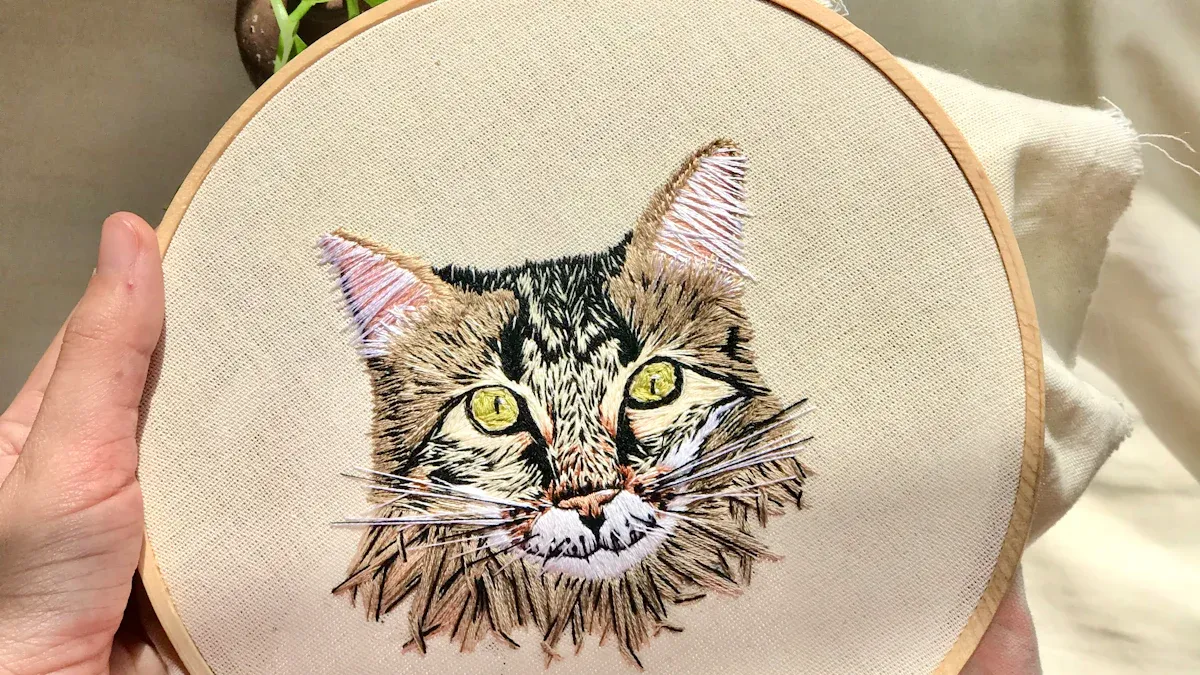
Embroidery Methods
You can use different embroidery methods to decorate knitwear. Each stitch gives a special look and feel. Some stitches work best for edges. Others fill shapes or make outlines. Here are some popular embroidery stitches you might use:
-
Blanket Stitch: Good for sewing patches or fixing holes. It makes a neat edge.
-
Herringbone Stitch: Adds decoration and covers edges nicely.
-
Swiss Darning (Duplicate Stitch): Helps fix worn spots and lets you add designs that blend in.
-
Back Stitch: Useful for joining pieces of fabric.
-
Chain Stitch: Another way to join fabric, making a textured line.
-
Stem Stitch: Great for outlining shapes or making flower patterns.
You need to pick the right thread for your project. Wool embroidery thread stretches and blends with knitwear. Cotton embroidery floss makes sharp stitches and works best for firm knits. Silk threads shine and look fancy. Rayon threads are glossy but do not stretch much. Acrylic yarn costs less but may not match wool well. Always use a ballpoint needle for knits. This needle moves between loops and stops snags.
Personalization
Custom embroidery helps you make knitwear special. You can add names, initials, or messages. Many brands sell embroidered sweaters for men and women. You can choose v-neck sweaters, cardigans, or quarter zip styles. Sizes go from XS to 5XL, so you find one that fits.
For babies and toddlers, you can pick chunky knit sweaters with hand-lettered embroidery. These come in many colors and usually have one name on each sweater. This makes every piece unique and personal. Personalized embroidered sweaters are great gifts. They become keepsakes with special meaning for you or someone you love.
Tip: Adding a name or message makes your sweater one-of-a-kind.
Placement and Longevity
Where you put embroidery on knitwear changes how it looks and lasts. Dense fabrics give a smooth surface, so designs stay clear for a long time. A medium thread count works well for most projects. High thread counts are best for fancy, delicate embroidery.
|
Fabric Characteristic |
Impact on Embroidery Longevity |
|---|---|
|
Higher Density |
Smoother surface for embroidery, keeps details clear and intact over time. |
|
Moderate Thread Count |
Good for general embroidery projects. |
|
Higher Thread Count |
Best for delicate, high-end embroidery designs. |
To help embroidery last, use a stick-and-tear stabilizer on the back. Watch your thread tension to stop puckering or loose stitches. Always pick the right needle for your fabric. For knits, use a ballpoint needle. For woven fabrics, use a sharp needle. Make sure the needle size fits your fabric so it does not get damaged.
Note: Careful planning and using the right tools keep your embroidery looking nice for years.
Best Uses for Embroidery
You can use embroidery to make knitwear look special. Embroidery adds color, texture, and style to clothes. You get to pick where your design goes and how it looks. This makes embroidery a good choice for many projects.
Many people use embroidery to show off parts of a sweater. You might want to make the front stand out or add a small detail to a sleeve. Embroidery works for big and small designs. You can make something bold or keep it simple.
Here are some knitwear projects that look great with custom embroidery:
-
Sweaters: Put big designs like dragonflies or flowers on the front or yoke. These designs make your sweater stand out and look unique.
-
Mittens: Let plant stems or vines go up the back of the hand. This gives a cool, natural look that people notice.
-
Cardigans: The wide front gives you room for bright flowers or leaves. Embroidery can turn a plain cardigan into something special.
You can also use embroidery on hats, scarves, and socks. A small flower or initials can make these items feel personal. Embroidery is great for gifts. You can add a name or message to make the gift special.
Tip: Embroidery can fix old knitwear. You can cover stains or holes with a new design. This helps your clothes last longer and cuts down on waste.
Embroidery is also good for branding. Many companies put logos on sweaters or hats. This helps people know the brand and looks professional. You can use embroidery for team uniforms, school sweaters, or club clothes.
You can use embroidery to remember special days. For example, you might add a date or symbol for a birthday or trip. This makes the item a keepsake.
The table below shows some ways to use embroidery in knitwear:
|
Garment Type |
Embroidery Placement Ideas |
Effect |
|---|---|---|
|
Sweater |
Front panel, yoke, cuffs |
Bold, eye-catching |
|
Mittens |
Back of hand, wrist |
Organic, detailed |
|
Cardigan |
Front edges, pockets, back |
Statement, decorative |
|
Hat |
Brim, side, crown |
Personal, playful |
|
Scarf |
Ends, along edge |
Subtle, elegant |
You can see embroidery works for many styles and needs. You can use it to decorate, fix, or make your knitwear personal. Embroidery lets you show your style and make each piece your own.
Choosing the Right Technique
Project Needs
You need to think about your project goals before you choose the technique for your knitwear. Each method works best for different types of designs and uses. If you want a sweater with a large, bold picture or a logo, intarsia is a smart choice. This technique gives you clean blocks of color and a lightweight feel. You should use intarsia for projects that need stretch or have isolated motifs in the center.
Jacquard knitting works well for sweaters with repeating geometric patterns. You get a thick, warm fabric that is best for patterns with many colors. Jacquard is easy to knit in the round and gives you strong, long-lasting designs. Custom embroidery lets you add personal touches, like names or small images, after you finish knitting. You can place embroidery almost anywhere on your garment.
Here is a table to help you compare the main benefits and disadvantages of intarsia and jacquard:
|
Technique |
Benefits |
Disadvantages |
|---|---|---|
|
Intarsia |
Lightweight, clean patterns without floats, perfect for large blocks, very stretchy |
Long to knit, requires several yarns/bobbins, difficult if there are many color changes |
|
Jacquard (Fair Isle) |
Simple repeats, warm, ideal for geometric patterns, easy in the round |
Floats visible at the back, thicker fabric, limited to two colors per row |
Tip: Think about the design you want and how you will use the sweater. This helps you choose the technique that fits your needs.
Budget and Time
Your budget and timeline matter when you plan a knitwear project. Intarsia takes more time to knit, especially if your design has many color changes. You need several yarns or bobbins, and you must pay attention to each section. Jacquard is faster for simple, repeating patterns. You can knit jacquard in the round, which saves time for larger orders.
Custom embroidery is usually quicker for small batches. You add designs after the sweater is made, so you do not need special knitting skills. Embroidery works well if you want to test different motifs or need a fast turnaround.
If you have a tight deadline or a limited budget, embroidery may be the best option. For big orders with complex patterns, plan for more time with intarsia or jacquard. Sampling times also vary. Jacquard production for 100 pieces can take about 35 days. Intarsia may take longer if your design is detailed.
-
Intarsia: Good for small projects with unique designs, but slow for large orders.
-
Jacquard: Best for patterns that repeat, faster for bulk production.
-
Embroidery: Fast for small runs, flexible for last-minute changes.
Desired Look
You want your knitwear to match your style and vision. Intarsia gives you sharp edges and smooth color changes. The fabric stays light and stretchy, which makes it comfortable to wear. You should think about when to use intarsia if you want your design to look like a painting or a graphic.
Jacquard creates bold, colorful patterns that stand out. The fabric feels thick and cozy, and the design lasts a long time. Jacquard is best for patterns that repeat or cover large areas. Custom embroidery adds texture and dimension. You can make your sweater unique with raised stitches and special details.
Note: Choose the technique that matches your design, comfort, and style goals. Each method gives you a different look and feel.
If you want a lightweight sweater with a big picture, intarsia is the way to go. For warmth and strong patterns, pick jacquard. Embroidery works best for personal touches and small details.
Care and Maintenance
You want your knitwear to look great and last a long time. Each decoration method needs special care. You should learn how to wash, store, and handle your sweaters, scarves, or hats. This helps you keep colors bright and patterns sharp.
Custom Embroidery Care
Embroidery sits on top of your knitwear. The stitches can snag or loosen if you wash them roughly. You should turn your garment inside out before washing. Use cold water and a gentle cycle. Hand washing works best for delicate embroidery. Lay your item flat to dry. Do not wring or twist the fabric. If you see loose threads, use small scissors to trim them. You can iron embroidery with a cloth over it to protect the stitches.
Jacquard Knitwear Care
Jacquard patterns are part of the fabric. The extra yarns make the garment thick and warm. You should wash jacquard knitwear in cold water. Use a gentle detergent. Machine washing is possible, but you should use a mesh laundry bag. Lay the item flat to dry. Hanging can stretch the fabric. You should avoid bleach and strong chemicals. If you see pilling, use a fabric shaver to remove it.
Intarsia Knitwear Care
Intarsia gives you smooth color blocks. The fabric is thinner than jacquard. You should wash intarsia knitwear by hand or on a gentle cycle. Cold water keeps colors from bleeding. Lay your garment flat to dry. You should not hang intarsia sweaters, as they can lose shape. If you see gaps or loose stitches, you can fix them with a needle and matching yarn.
Tip: Always check the care label on your knitwear. The label gives you the best advice for washing and drying.
Here is a table to help you remember the main care steps for each technique:
|
Decoration Method |
Washing |
Drying |
Special Care |
|---|---|---|---|
|
Embroidery |
Hand or gentle |
Flat |
Trim loose threads, iron with cloth |
|
Jacquard |
Gentle or mesh |
Flat |
Remove pilling, avoid bleach |
|
Intarsia |
Hand or gentle |
Flat |
Fix gaps, avoid hanging |
Storage Tips
You should store knitwear in a cool, dry place. Fold your sweaters and lay them flat. Hanging can stretch the fabric and ruin the shape. You can use tissue paper between layers to stop snags. Keep your knitwear away from sunlight to prevent fading.
Long-Term Care
You should check your knitwear for damage after each wash. Fix small problems early. If you see stains, treat them right away. You can use gentle stain removers. For special pieces, like embroidered gifts, you can store them in a cloth bag.
Note: Good care helps your knitwear stay beautiful and last for years. You protect your investment and enjoy your favorite pieces longer.
You can keep your knitwear looking new with simple steps. Choose the right care for embroidery, jacquard, or intarsia. You get more wear and keep your designs fresh.
Common Mistakes
Embroidery Pitfalls
You might think embroidery is simple, but it has its own set of challenges. If you use the wrong needle, you can snag or damage the knit fabric. Ballpoint needles work best for knits because they slide between the loops. Sharp needles can split the yarn and leave holes.
Many people forget to use stabilizers. Without a stabilizer, your design can stretch or pucker. Always place a stabilizer behind your work before you start stitching. If you skip this step, your embroidery may not last.
Thread choice matters. If you pick a thread that does not stretch, your design can break when the sweater stretches. Wool or polyester threads work better than cotton or rayon for knits.
Tip: Test your embroidery on a scrap piece of knit fabric before working on your final garment.
Here is a quick checklist to avoid embroidery mistakes:
-
Use a ballpoint needle.
-
Always use a stabilizer.
-
Choose stretch-friendly thread.
-
Test your design first.
Jacquard Challenges
Jacquard knitting looks impressive, but it can be tricky. You need to manage multiple yarns at once. If you pull the yarn too tight, the fabric will pucker. If you leave the yarn too loose, you get messy floats on the back.
You must watch your tension. Uneven tension can make the pattern look wavy or distorted. Practice helps you keep your stitches even.
Floats on the back can catch on fingers or jewelry. If you make floats too long, they can snag and break. Try to keep floats short by twisting yarns every few stitches.
|
Common Jacquard Mistake |
How to Avoid It |
|---|---|
|
Tight floats |
Loosen your tension |
|
Long floats |
Twist yarns regularly |
|
Uneven stitches |
Practice even tension |
Note: Always check the back of your work as you knit. Fix problems early to save time later.
Intarsia Issues
Intarsia gives you bold designs, but it has its own problems. You need to twist yarns at every color change. If you forget, you get holes between color blocks. Always bring the new yarn under the old yarn to close the gap.
Managing many yarn bobbins can get messy. If you do not keep them organized, they tangle quickly. Use small bobbins and untangle them often.
Tension is important in intarsia. If you pull too tight, the fabric puckers. If you knit too loosely, you get gaps. Practice helps you find the right balance.
Tip: Lay out your yarns before you start. Keep your workspace tidy to avoid tangles.
Here are some common intarsia mistakes and how to fix them:
-
Forgetting to twist yarns: Always twist at color changes.
-
Tangled bobbins: Use small bobbins and untangle often.
-
Uneven tension: Practice and check your work as you go.
You can avoid most mistakes by working slowly and checking your progress often. This helps you create beautiful, long-lasting knitwear.
Inspiration and Examples
Modern Embroidery
You can see modern embroidery everywhere in knitwear today. Designers use embroidery to add fun, personal touches to sweaters, hats, and even socks. You might notice small flowers on a cardigan or a bold name stitched across a pullover. Many brands let you choose your own words or images for a custom look.
Here are some ways you can use embroidery in your own projects:
-
Add your initials to the cuff of a sweater.
-
Stitch a favorite animal or symbol on the chest.
-
Decorate hats with colorful shapes or words.
Tip: Try using bright thread colors to make your embroidery stand out on dark knitwear.
Modern embroidery often mixes old and new styles. You can use classic stitches, like chain or satin stitch, to create trendy designs. Many people also use embroidery to repair holes or cover stains, turning a problem into a cool feature.
Jacquard in Fashion
Jacquard patterns have become a big trend in fashion. You see them in sweaters with bold geometric shapes, scarves with repeating motifs, and even in designer runway shows. Jacquard lets you wear art on your clothes because the patterns are part of the fabric.
Check out these popular jacquard knitwear ideas:
|
Garment Type |
Common Jacquard Patterns |
Why It Works |
|---|---|---|
|
Sweaters |
Fair Isle, zigzags, diamonds |
Warm, eye-catching, classic |
|
Scarves |
Stripes, snowflakes |
Cozy, stylish, detailed |
|
Hats |
Nordic stars, checks |
Fun, colorful, unique |
You can find jacquard in both casual and fancy clothes. Many winter sweaters use jacquard for warmth and style. Some brands use metallic yarns for a shiny effect. You can even design your own jacquard pattern using online tools.
Note: Jacquard knitwear lasts a long time because the pattern is woven in, not printed on.
Intarsia Statement Pieces
Intarsia helps you make knitwear that stands out. You can knit big pictures, logos, or words right into your sweater. Many famous designers use intarsia for bold, graphic looks. You might see a sweater with a giant heart, a rainbow, or even a cartoon face.
Here are some statement ideas you can try with intarsia:
-
Knit a sweater with a large animal or flower on the front.
-
Make a scarf with blocks of bright colors.
-
Create a hat with your favorite sports team’s logo.
Intarsia works well for gifts. You can knit a child’s name or a special date into a blanket. Many people love intarsia because it makes each piece unique and personal.
Tip: Use intarsia when you want your knitwear to tell a story or show off your creativity.
You can find inspiration for intarsia designs in art, nature, or even your favorite books. Try sketching your idea on graph paper before you start knitting. This helps you plan your colors and shapes.
You now know that custom embroidery, jacquard, and intarsia all make knitwear look different.
-
Custom embroidery lets you add special details and texture.
-
Jacquard puts strong, bright patterns right into the fabric.
-
Intarsia makes light, colorful designs with clear lines.
Try new knitwear styles or talk to someone who knows a lot. Pick the method that fits what you want and shows your creative side.
FAQ
What is the main difference between jacquard and intarsia knitting?
You create jacquard patterns by carrying yarns across the back. Intarsia uses separate yarns for each color block. Jacquard feels thicker. Intarsia feels lighter and smoother.
Can you add embroidery to jacquard or intarsia knitwear?
You can add embroidery to both types. Embroidery sits on top of the fabric. You use it for names, logos, or small details. It works well for personalizing any knitwear.
Which technique lasts the longest after washing?
Jacquard patterns last the longest. The design is part of the fabric. You see less fading or wear. Intarsia and embroidery need gentle care to stay nice.
Is intarsia knitting harder than jacquard?
You may find intarsia harder. You manage many yarns and twist them at color changes. Jacquard uses repeating patterns, which are easier for beginners.
What knitwear projects work best with embroidery?
You use embroidery for sweaters, hats, scarves, and mittens. You add names, flowers, or logos. Embroidery works best for small areas or special details.
How do you care for embroidered knitwear?
You wash embroidered knitwear gently. Turn your item inside out. Use cold water and lay it flat to dry. Trim loose threads with scissors. Avoid rough washing to protect the stitches.
Can you use jacquard for lightweight sweaters?
You can use jacquard for lightweight sweaters, but the fabric feels thicker than intarsia. Choose thinner yarns and simple patterns for a lighter result.