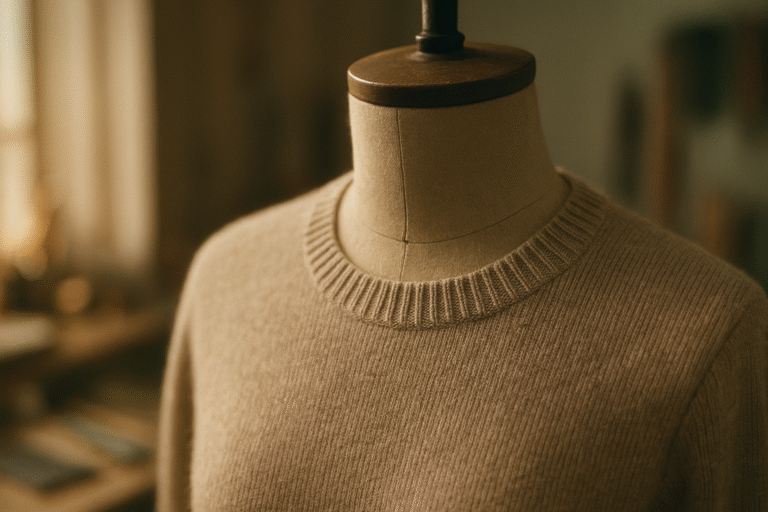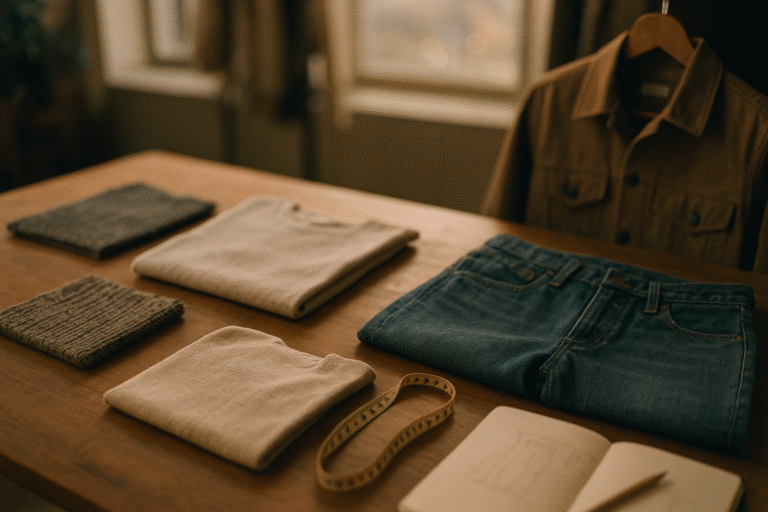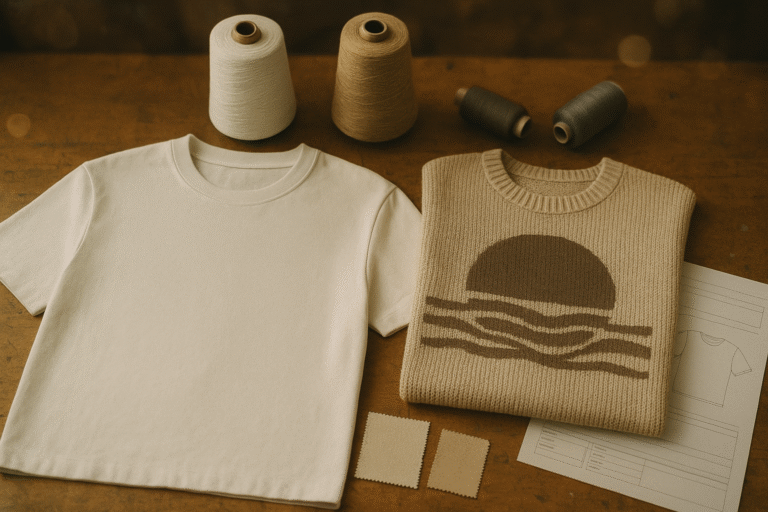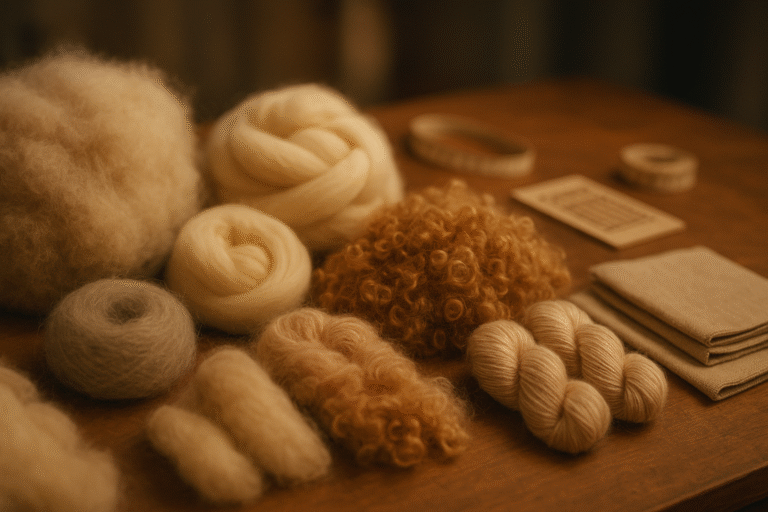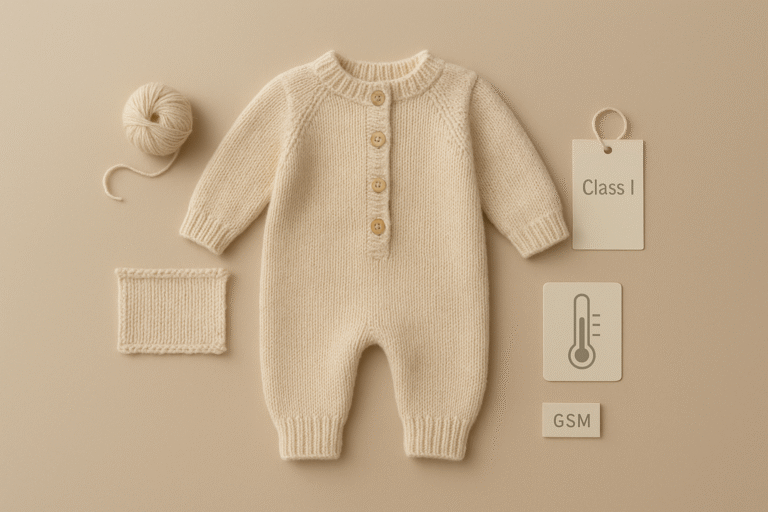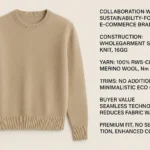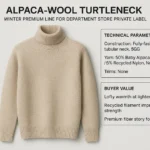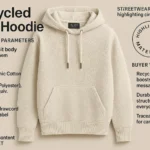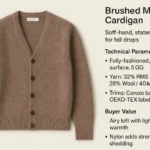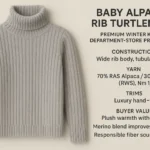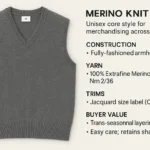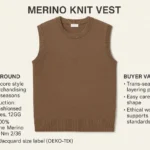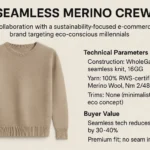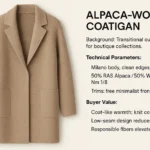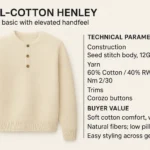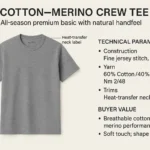

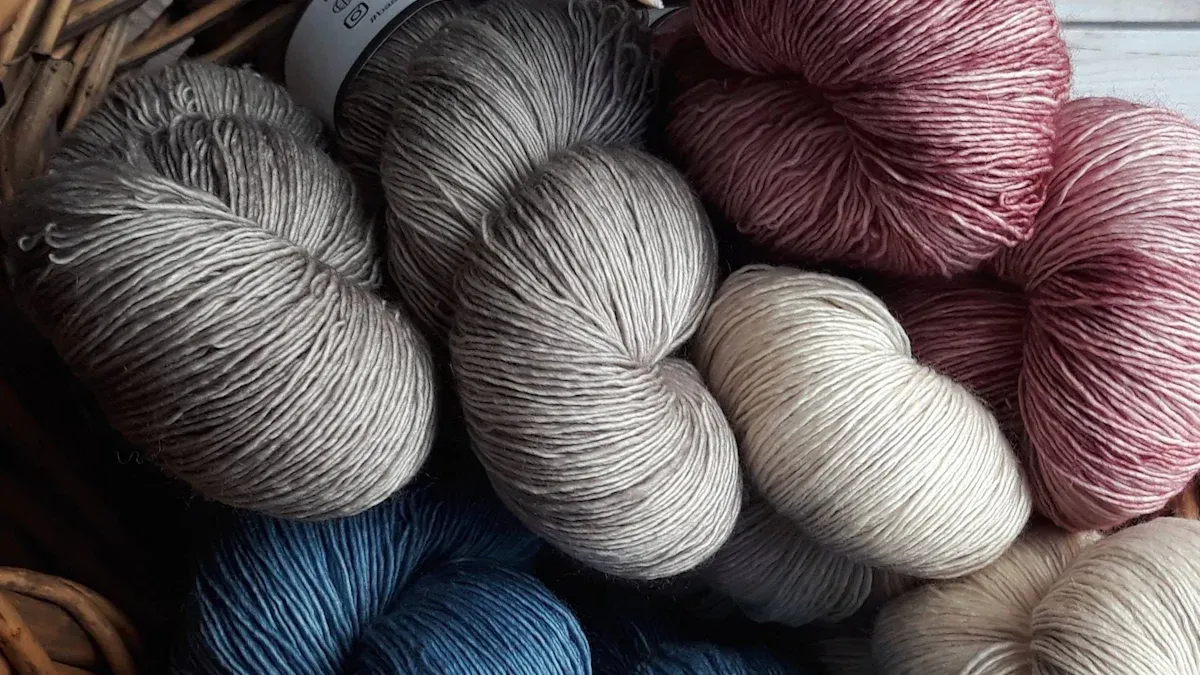
When you choose yarn for custom knitwear, you want it to fit your needs and feel just right. Think about fiber type, weight, and what you want to make. Your favorite color and how the yarn feels on your skin matter, too. Recent surveys show that most people love wearing knits every day, especially when they can pick the style and color they like best. Some worry that knits get too warm, so consider the season and how you’ll use your project. Choosing the right yarn for your custom knitwear means thinking about what matters most to you—softness, durability, color, or even sustainability.
Style and color choices make people more likely to wear their handmade items.
Some worry about knits being too warm, so yarn thickness and fiber are key for each season.
Key Takeaways
Think about what you want to make before picking yarn. Sweaters and scarves need different yarn types.
Pick yarn that matches the weather. Use cotton for summer because it is cool. Use wool for winter because it is warm.
Check if you have skin that gets itchy. Pick soft yarns like Merino wool or bamboo if your skin is sensitive.
Always look at the pattern’s yarn tips. Following these tips helps your project fit and look right.
Make a swatch before you start. This lets you test how the yarn acts and if it fits well.
Read yarn labels with care. Knowing what is in the yarn, its weight, and how to wash it helps you avoid mistakes.
Pick yarns that are good for beginners. Try yarns that are easy to use, like worsted weight or acrylic blends.
Buy a little more yarn than you think you need. This helps if you need more later and keeps the color the same.
Choosing the Right Yarn for Your Custom Knitwear
When you start choosing the right yarn for your custom knitwear, you want to think about your project, the season, and what you like best. Each step helps you get closer to a finished piece you will love to wear.
Identify Project Needs
Garment or Accessory
First, decide what you want to make. Are you planning a sweater, a scarf, or maybe a hat? Each project needs something different. Scarves and shawls feel best when you use soft yarns like Merino wool or alpaca. These yarns feel gentle against your skin. Sweaters and cardigans need yarns that keep you warm and last a long time. Wool or cotton blends work well for these. The type of project you choose will guide you in picking the right fiber, weight, and texture. Choosing the right yarn for your custom knitwear starts with knowing what you want to create.
Intended Use
Think about how you will use your finished piece. Will you wear it every day, or is it for special occasions? If you want something for daily wear, pick a yarn that can handle lots of washing and still look good. If your project is for a special event, you might want a yarn that feels extra soft or has a bit of shine. Choosing the right yarn for your custom knitwear means matching the yarn’s qualities to your needs.
Season and Climate
Warm Weather
Summer knitting feels fun and light. For warm weather projects, you want yarns that let your skin breathe. Cotton, linen, and silk keep you cool and comfortable. These yarns feel light and soft, perfect for summer knitting. When you pick yarn for summer, look for these qualities:
Breathable: Lets air and moisture pass through, so you stay cool.
Cool: Some yarns help absorb heat, making you feel cooler.
Lightweight: Keeps your project from feeling heavy or bulky.
Choosing the right yarn for your custom knitwear in summer means picking fibers that help you stay comfortable, even on hot days.
Cold Weather
When the weather turns cold, you want your knitwear to keep you warm. Wool, cashmere, and lambswool trap heat and feel cozy. Heavier yarns make thicker garments, which help block out the cold. The number of threads, or ply, in your yarn also matters. More plies can make your project warmer. For winter, choose yarns that feel soft but also insulate well. Choosing the right yarn for your custom knitwear in winter helps you stay warm and stylish.
Personal Preferences
Sensitivities
Some people have sensitive skin. If you do, you might want to avoid scratchy yarns. Merino wool, bamboo, and cotton feel soft and gentle. Always touch the yarn before you buy it, if you can. If you know you have allergies, check the label for fiber content. Choosing the right yarn for your custom knitwear means picking something that feels good every time you wear it.
Style Choices
Your style matters. Do you like bright colors or soft pastels? Do you want your knitwear to stand out or blend in? Yarn comes in many colors and textures. Some yarns have a smooth finish, while others look fluffy or textured. Think about what matches your wardrobe and your taste. Choosing the right yarn for your custom knitwear lets you show off your personality.
Tip: Always check the pattern’s recommendations before you buy yarn. Patterns suggest certain yarns for a reason. They help you get the right fit, look, and feel.
Here’s a quick table to help you match yarn to your pattern:
Check | Why It Matters | Your Action |
|---|---|---|
Gauge | Knit, wash, and block a 6×6 inch swatch. | |
Yarn Weight | Affects fabric thickness and density. | Compare the yardage-per-gram ratio. |
Fiber Content | Influences fabric characteristics like drape and warmth. | Choose a fiber that performs similarly to the original. |
Choosing the right yarn for your custom knitwear means thinking about your project, the season, and your personal needs. When you match your yarn to the pattern’s recommendations, you get the best results. Summer knitting, winter projects, and everything in between become easier when you know what to look for. Enjoy the process and let your choices reflect your style and comfort.
Yarn Characteristics and Fiber Types
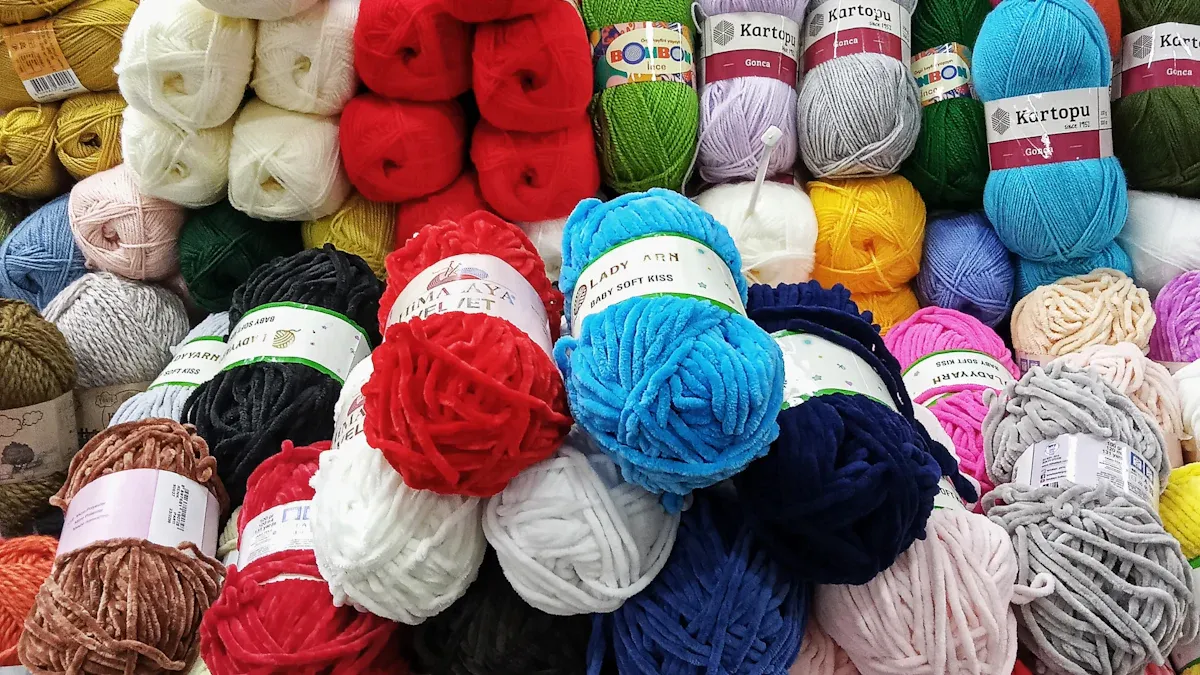
When you pick yarn for custom knitwear, you want to know what makes each type special. Yarn comes in many forms, and each one changes how your project looks, feels, and lasts. Let’s break down the main features so you can make smart choices.
Natural vs. Synthetic Fibers
You’ll find yarn made from natural fibers and synthetic fibers. Each kind has its own strengths and weaknesses.
Wool, Cotton, Alpaca
Natural fibers come from plants or animals. Wool, cotton, and alpaca are popular choices. Wool keeps you warm and feels soft. Cotton is great for lightweight projects and breathes well. Alpaca feels extra soft and adds a touch of luxury. Natural fibers feel comfortable and let air move through your knitwear. They break down over time, so they’re better for the planet.
Acrylic, Nylon, Blends
Synthetic fibers are made by people in factories. Acrylic and nylon are common. These yarns last a long time and resist wear. Blends mix natural and synthetic fibers, giving you the best of both worlds. Synthetic fibers cost less and don’t soak up water easily, so your knitwear dries fast.
Here’s a table to help you compare:
Characteristic | Natural Fibers | Synthetic Fibers |
|---|---|---|
Durability | Generally less durable, but strong (e.g., hemp) | Highly durable and resistant to wear |
Warmth | Excellent insulation (e.g., wool) | Varies, but often less warm than natural |
Breathability | Highly breathable (e.g., cotton, linen) | Often less breathable, can trap heat |
Water Absorption | Good moisture control (e.g., cotton) | Often resistant to moisture, not absorbent |
Note: Natural fibers feel softer and let your skin breathe. Synthetic fibers last longer and cost less.
Natural fibers: Come from plants and animals, feel comfortable, break down naturally, and let air flow.
Synthetic fibers: Made by people, last longer, resist water, and save money.
Yarn Weight and Gauge
Yarn weight tells you how thick or thin the yarn is. Gauge means how many stitches and rows fit in an inch. Both change how your knitwear turns out.
Fine vs. Bulky Yarns
Fine yarns are thin and lightweight. You use them for delicate projects like lace shawls or summer tops. Bulky yarns are thick and make warm, cozy sweaters or chunky scarves. Lightweight yarns let you create detailed patterns and soft fabrics. Bulky yarns finish fast and keep you warm.
Yarn weight changes the size, texture, and look of your project.
Lightweight yarns give you more stitches per inch, so your project looks neat and detailed.
Bulky yarns add warmth and make your knitwear feel dense.
You finish projects faster with bulky yarns than with lightweight ones.
The weight decides how your knitwear hangs and moves.
Gauge and Stitch Count
Gauge matters if you want your knitwear to fit. You count how many stitches and rows you get in a small square. If your gauge matches the pattern, your project will turn out the right size. Lightweight yarns need more stitches, so your project takes longer. Bulky yarns need fewer stitches, so you finish quickly.
Tip: Always check your gauge before you start. Knit a small sample to see if your yarn matches the pattern.
Ply and Texture
Ply means how many strands twist together to make the yarn. Texture changes how your knitwear looks and feels.
Single Ply vs. Multi-Ply
Single ply yarns use one strand. They feel soft and look smooth. Multi-ply yarns twist several strands together. These yarns last longer and resist wear. Multi-ply yarns add strength and help your knitwear keep its shape.
Texture Impact
Texture makes your knitwear stand out. Some yarns feel smooth, while others look fluffy or bumpy. Texture changes comfort, breathability, and style.
Here’s a table showing how ply and texture affect your project:
Characteristics | Impact |
|---|---|
Softness | Affects comfort and wearability |
Breathability | Influences temperature regulation |
Durability | Determines longevity of the garment |
Visual Appeal | Affects aesthetic quality and design |
Gauge, yarn ply, and finishing treatments all change how your knitwear feels and lasts.
Lightweight yarns with smooth texture make soft, airy garments.
Bulky, multi-ply yarns add strength and warmth.
If you want a lightweight sweater for summer, pick a fine, smooth yarn. For a chunky winter scarf, choose a bulky, multi-ply yarn with lots of texture.
Now you know how fiber type, yarn weight, and texture change your custom knitwear. You can pick the best yarn for any project, whether you want something lightweight and breezy or thick and cozy.
How to Choose Yarn by Weight and Pattern
Choosing yarn for your custom knitwear project can feel tricky, but you can make it simple by focusing on weight and pattern recommendations. Every pattern gives you clues about the best yarn to use. You want your finished piece to look and feel just right, so let’s break down how to match the yarn to your pattern and adjust if you need to substitute.
Matching Yarn to Pattern Recommendations
Fiber Content
When you pick yarn, check the fiber content listed in your pattern. Some patterns call for wool, cotton, or blends. Wool keeps you warm and holds its shape. Cotton feels soft and breathes well. Blends combine the best features of different fibers. If your pattern suggests a certain fiber, try to use something similar. This helps your project turn out as expected.
Weight and Gauge
Patterns always mention yarn weight and gauge. Yarn weight means how thick the yarn is. Gauge tells you how many stitches fit in an inch. If you use the wrong weight, your project might end up too big or too small. Here’s a table showing popular yarn weights for knitwear patterns in 2025:
Yarn Weight | Description | Common Uses |
|---|---|---|
Lace | Very fine and delicate, perfect for airy shawls. | Shawls |
Fingering/Sock | Light and strong, often used for socks. | Socks, baby clothes, lightweight garments |
Sport/DK | Versatile middle ground, great for sweaters. | Sweaters, accessories, everyday wear |
Most popular weight, easy to work with. | Scarves, blankets, beginner projects | |
Bulky/Chunky | Thick and warm, works up quickly. | Hats, cowls, cozy winter wear |
Super Bulky/Jumbo | Extra thick, perfect for quick projects. | Oversized blankets, statement pieces |
Always check your pattern for the recommended yarn weight. This helps you match the yarn and get the right fit.
Adjusting for Substitutions
Sometimes you can’t find the exact yarn your pattern suggests. Don’t worry! You can substitute yarn if you follow a few best practices.
Swatching for Gauge
Before you start, knit a small swatch. This helps you see if your stitches match the pattern’s gauge. If your swatch is too tight or too loose, try a different needle size. Swatching saves you time and helps your project fit.
Calculating Yardage
Patterns list how much yarn you need. If you use a different yarn, check the yardage. Make sure you have enough to finish your project. You can look up similar yarns online or ask the yarn company for advice. Many knitters check Ravelry for notes on substitutions. Some people combine yarns for unique textures or colors. Others use a high-quality yarn with a budget-friendly one to manage costs.
Tip: Always knit a gauge swatch and adjust your needle size if needed. This helps you match the yarn to your pattern and avoid surprises.
Here are some best practices for substituting yarn:
Search for yarns with similar fiber content and gauge.
Contact the yarn company for replacement suggestions.
Look for affordable brands with similar fibers.
Combine yarns for new textures and colors.
Adjust needle sizes if your gauge does not match the pattern.
Choosing yarn by weight and pattern helps you create knitwear that fits, feels good, and looks great. You can enjoy every step, from picking yarn to finishing your project.
Reading Yarn Labels
Yarn labels might look small, but they hold a lot of important information. If you want your custom knitwear to turn out just right, you need to know how to read these labels. Let’s break down what you should look for and how it helps you plan your project.
Understanding Gauge and Yardage
When you pick up a skein of yarn, check the label for two things: gauge and yardage. Gauge tells you how many stitches and rows you get per inch. Yardage shows you how much yarn you have in one skein. Both help you plan your project and avoid running out of yarn halfway through.
Here’s a quick table to show why these details matter:
Aspect | Description |
|---|---|
Yardage | Tells you the length of yarn in each skein. Helps you figure out how many skeins you need. |
Gauge | Shows the tension for the yarn. Helps you get the right size for sweaters, hats, and more. |
Swatch Instructions
Always knit a small swatch before you start your project. This helps you check if your stitches match the gauge on the label. If your swatch is too big or too small, try a different needle size. Swatching saves you from surprises later.
Yarn Amount Needed
You don’t want to run out of yarn in the middle of your project. Check your pattern for the total yardage needed. Buy all your yarn at once, plus an extra skein or two, just in case. This way, your colors match and you finish your project without stress.
Tip: Yarn labels also list fiber content, weight, and color number. These details help you match yarns and keep your project looking great.
Needle Recommendations
Yarn labels suggest which needle size works best for that yarn. Using the right needle size helps you get the right gauge and fabric feel. Here’s a handy table for common yarn weights and their recommended needle sizes:
Yarn Weight | |
|---|---|
Lace | 000-1 |
Super Fine | 1-3 |
Fine | 3-5 |
Light | 5-7 |
Medium | 7-9 |
Bulky | 9-11 |
Super Bulky | 11-17 |
Jumbo | 17+ |
If you want a tighter or looser fabric, you can change your needle size. Always check your swatch to see what works best for you.
Care and Durability
Care instructions on yarn labels help you keep your knitwear looking new. Some yarns need gentle washing, while others can go in the machine. If you wash your knits the wrong way, they might shrink, felt, or lose their shape. Always follow the care symbols on the label.
Care instructions help your knitwear last longer.
Washing the right way keeps your project soft and in shape.
Following the label means your custom knitwear stays beautiful for years.
Remember: Yarn labels are your best friend. They guide you from start to finish, making sure your custom knitwear turns out just the way you want.
Best Yarn for Different Projects
Sweaters and Cardigans
When you knit a sweater or cardigan, you want it to feel soft and last a long time. You also want it to keep you warm without making you itch. Merino wool is a favorite because it feels very soft and gives you plenty of warmth. Cotton blends work well if you want something lighter and easy to wash. Acrylic yarns are tough and simple to care for, so you can toss them in the washing machine. Alpaca wool feels extra cozy, but it needs gentle washing.
Here’s a table to help you compare your options:
Yarn Type | Softness | Warmth | Durability | Care |
|---|---|---|---|---|
Merino wool | Very soft | Warm | Durable | Hand or machine wash (superwash) |
Cotton blend | Soft | Moderate | Durable | Machine washable |
Acrylic | Moderate | Moderate | Very durable | Easy care, machine washable |
Alpaca wool | Very soft | Very warm | Less durable | Hand wash recommended |
Wool keeps you warm and lets your skin breathe, so it’s great for winter.
Synthetic or blended yarns make washing easier and help your sweater last longer.
Merino wool and cotton blends feel soft and don’t itch, so you can wear them close to your skin.
If you want your sweater to last, pick yarns with a solid twist. Bulky or worsted weights trap heat and make your sweater cozy. You get the best yarn for sweaters and cardigans when you balance softness, warmth, and durability.
Hats, Scarves, and Gloves
You want your hats, scarves, and gloves to feel warm and flexible. Wool is a top choice because it insulates well and feels springy. Merino wool gives you extra softness and helps wick away moisture, so your head and hands stay dry. Cashmere feels light and luxurious, perfect for scarves and hats when you want something special.
Wool keeps you warm and feels soft.
Merino wool is moisture-wicking and flexible, so it works for many projects.
Cashmere is lightweight and breathable, making it great for scarves and hats.
If you like bold colors or textures, try pairing a simple pattern with a vibrant yarn. This way, your accessories stand out without looking too busy.
Tip: For outdoor wear, choose yarns that hold their shape and resist pilling. You’ll enjoy your hats and gloves longer.
Socks and Baby Items
Socks and baby items need yarn that feels gentle and keeps skin safe. Cotton and bamboo yarns are soft, breathable, and hypoallergenic. These fibers help prevent irritation and feel comfortable for babies and sensitive feet. Merino wool works well for socks because it’s soft and durable.
Here’s a table to guide your choices:
Yarn Type | Softness | Breathability | Hypoallergenic | Durability |
|---|---|---|---|---|
Cotton | High | High | Yes | Moderate |
Bamboo | Very High | Very High | Yes | Moderate |
Wool | Moderate | High | Yes (Merino) | High |
You want the best yarn for socks and baby items to be soft, safe, and easy to wash. Pick yarns that won’t irritate skin and can handle frequent cleaning. For baby blankets or booties, look for yarns labeled “baby safe” or “hypoallergenic.”
Note: Always check the yarn label for care instructions. Some baby yarns need gentle washing to stay soft.
Beginner-Friendly Yarns
Starting a new knitting project feels exciting, but picking the right yarn can make it even better. If you are new to custom knitwear, you want yarns that are easy to use, soft to touch, and simple to care for. Some yarns work better for beginners because they do not split easily, show your stitches clearly, and come in lots of fun colors.
You might wonder which yarns are best for your first projects. Here are some top choices that many beginners love:
Brava Worsted: This yarn is affordable and machine-washable. You get bright colors and a soft feel. It works great for scarves, hats, and blankets.
Wool of the Andes Worsted: You see your stitches clearly with this yarn. It is strong and perfect for sweaters, mittens, and felted projects.
Dishie: This yarn feels sturdy and does not stretch much. It is perfect for dishcloths, coasters, and kitchen accessories.
Swish DK: You get a soft touch and easy washing. It is great for baby clothes, shawls, and lightweight accessories.
Billow Bulky: This yarn feels chunky and soft. You finish projects quickly, like blankets and cozy scarves.
Shine Sport: You feel a silky softness with a little shine. It works well for summer tops and baby clothes.
Palette: This yarn gives you crisp stitch definition. It is perfect for colorwork, gloves, and socks.
Tuff Puff: You see big, bold stitches with this super bulky yarn. It is great for chunky scarves, hats, and home decor.
Hawthorne Fingering: This yarn is strong and beautiful. It works well for socks, shawls, and lightweight sweaters.
Chroma Worsted: You get soft yarn with color changes. It is perfect for colorful scarves, hats, and statement pieces.
Tip: If you are just starting out, pick a yarn that is not too thin or too thick. Worsted weight yarn is a great choice. It is easy to handle and helps you see your stitches.
Here is a quick table to help you match yarns to your first projects:
Yarn Name | Best For | Why Beginners Like It |
|---|---|---|
Brava Worsted | Scarves, hats, blankets | Soft, washable, colorful |
Wool of the Andes | Sweaters, mittens, felting | Clear stitches, durable |
Billow Bulky | Blankets, chunky scarves | Fast projects, soft feel |
Dishie | Dishcloths, coasters | Sturdy, easy to use |
Swish DK | Baby clothes, shawls | Soft, easy care |
You do not need to spend a lot to get good yarn. Many beginner yarns cost less and still feel great. Try a few different types to see what you like best. If you want to show off a bold yarn, use a simple pattern. This way, your stitches stand out and you do not get lost in tricky designs.
Knitting should feel fun and stress-free. With the right beginner-friendly yarn, you will enjoy every stitch and finish projects you feel proud to wear or share.
Swatching and Testing Yarn
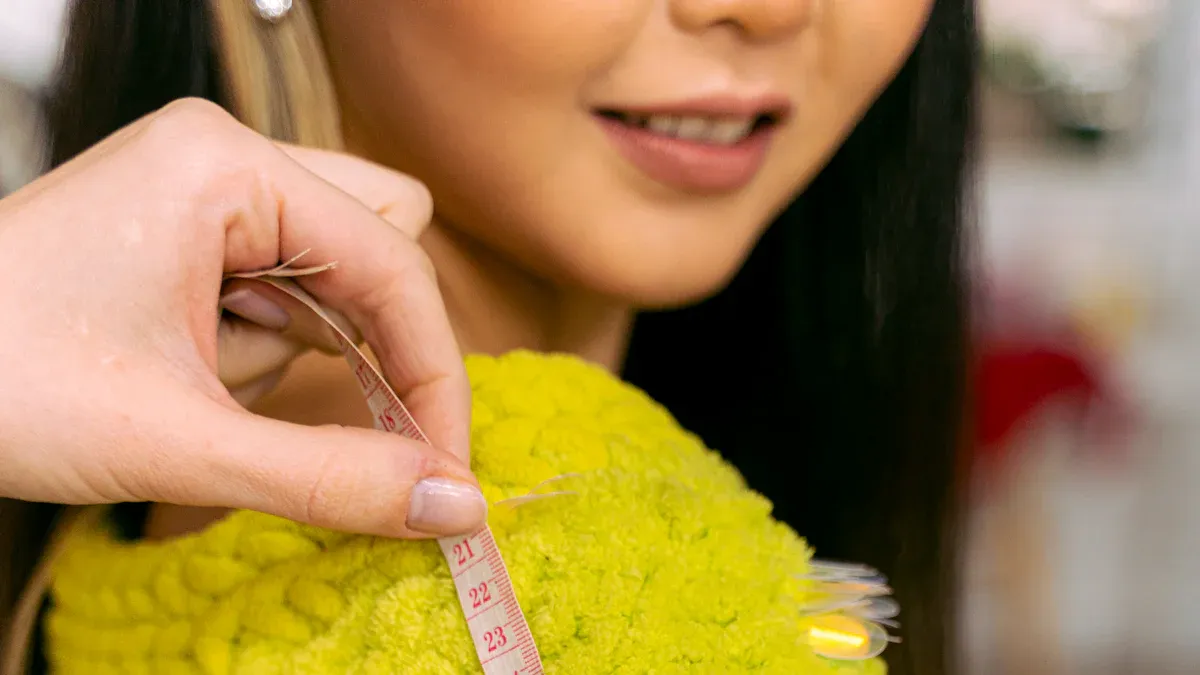
Why Swatching Matters
Swatching might seem like an extra step, but it can save you a lot of trouble later. When you knit a swatch, you get a sneak peek at how your yarn will behave. You want your custom knitwear to fit perfectly and look just the way you imagined. Swatching helps you make that happen.
Here are some reasons swatching matters:
You make sure your finished knitwear has the right size and shape.
You get to try out different yarn fibers before you start the whole project.
You figure out the correct number of stitches and rows you need.
If you skip swatching, your sweater might end up too small or too big. You could also find out too late that the yarn feels scratchy or the color looks different in a big piece. Swatching gives you control and confidence before you dive in.
Tip: Swatching is like a test drive for your yarn. You learn how it feels, stretches, and looks after washing.
Making and Measuring a Swatch
You want your swatch to give you accurate results. Start by checking your pattern for special instructions. Patterns often tell you which stitch to use and how big your swatch should be.
Here’s how you can make and measure a swatch:
Cast on more stitches than the pattern’s gauge suggests. Multiply the required gauge by 1.5 to get the right number.
Knit your swatch using the main stitch pattern from your project.
Use the same yarn and needle size as your project.
Make your swatch larger than 4 inches (10 cm) for better accuracy.
Knit your swatch flat or in the round, just like your project.
Block your swatch by washing and drying it as you would your finished item.
To measure your swatch:
Place a pin next to the edge of your swatch.
Measure 10 cm (4 in) from the first pin and place another pin.
Count the stitches between the pins, including any partial stitches.
A good swatch helps you match the pattern’s gauge. If your stitch count is off, try a different needle size and make another swatch.
Note: Blocking your swatch shows you how the fabric will behave after washing. You avoid surprises later.
Testing for Drape and Colorfastness
You want your knitwear to move nicely and keep its color. Testing for drape and colorfastness helps you pick the best yarn for your project.
To check colorfastness:
Use yarn ties from the hank and soak them in water with a little detergent. Look for color bleeding.
Wind a butterfly of yarn and soak it in warm water with a white rag. If the rag picks up color, the yarn may bleed when washed.
To test for drape:
Wash and block your swatch. Hold it up and see how it hangs. Does it feel stiff or flowy? You want the fabric to move the way you like.
You can also try these tests:
Washing fastness: See if the color fades or bleeds after laundering.
Rubbing fastness: Rub the yarn against another fabric to check for color transfer.
Light fastness: Leave your swatch in sunlight and watch for fading.
Perspiration fastness: Expose the yarn to sweat and see how the color reacts.
Tip: Testing your yarn before you start helps you avoid surprises. You get knitwear that looks great and lasts longer.
Common Mistakes When You Choose Yarn
Ignoring Fiber Content
You might feel excited to pick a yarn just because it looks pretty or feels soft. But if you ignore the fiber content, you can run into problems later. The fiber in your yarn decides how your knitwear feels, stretches, and even how long it lasts. Wool keeps you warm and bounces back into shape. Cotton feels cool and soft but can stretch out. Acrylic is easy to wash but might not breathe well.
If you care about the planet, fiber content matters even more. Studies show that fiber production is the biggest part of the environmental impact in knitwear. When you skip checking the fiber, you might pick something that harms the environment more than you think. Choosing organic cotton or recycled yarns can help the planet and sometimes even save you money.
Tip: Always check the label for fiber content. Think about how you want your project to feel and how you plan to care for it.
Overlooking Gauge
Gauge might sound boring, but it is one of the most important things in knitting. Gauge tells you how many stitches and rows fit in a certain space. If you skip checking gauge, your sweater might turn out way too big or way too small—even if you follow the pattern exactly.
Here are some things that can go wrong if you overlook gauge:
Your finished piece might not fit as you hoped.
You could waste time and yarn fixing mistakes.
Different yarns can change the way your project drapes or stretches.
You might need to redo big parts of your project.
Even if you pick the right yarn weight, not testing gauge can mess up your whole project. Always knit a small sample to check your gauge before you start.
Not Swatching
Swatching feels like an extra step, but it saves you from big headaches. When you skip swatching, you miss out on seeing how your yarn will act in a bigger piece. You might not notice if the yarn stretches, shrinks, or changes after washing.
Here’s why swatching matters:
You see if your stitches match the pattern.
You can test how the yarn feels and looks after washing.
You avoid surprises with size and fit.
Skipping the swatch can lead to sizing issues, wasted yarn, and a finished project that does not match your vision.
Common mistakes knitters make when choosing yarn:
Not checking how much yarn you need
Mixing yarns from different dye lots
Take your time with these steps. You will thank yourself when your custom knitwear turns out just right!
Misreading Labels
Have you ever grabbed a skein of yarn because the color looked perfect, only to realize later that it was the wrong type for your project? Misreading yarn labels happens more often than you think. Yarn labels pack a lot of information into a small space. If you skip over the details or misunderstand them, you might end up with a project that shrinks, stretches, or just doesn’t look right.
Yarn labels tell you about fiber content, weight, yardage, recommended needle size, and care instructions. You need to check each part before you buy. Sometimes, the label uses symbols or abbreviations that seem confusing. If you miss something important, you could waste time and money.
Let’s break down what you should look for:
Fiber Content: This tells you what the yarn is made of. Wool, cotton, acrylic, and blends all behave differently. If you want a soft scarf, you might choose merino wool. For dishcloths, cotton works best.
Yarn Weight: Labels use terms like “worsted,” “DK,” or “bulky.” These words show how thick the yarn is. If you pick the wrong weight, your project might turn out too big or too small.
Yardage and Skein Size: You need enough yarn to finish your project. Always check how many yards or meters are in each skein. Patterns tell you the total yardage needed.
Recommended Needle Size: The label suggests which needles work best. If you use needles that are too big or too small, your stitches might look loose or tight.
Care Instructions: Some yarns need hand washing. Others can go in the machine. If you ignore these instructions, your knitwear might shrink or felt.
Here’s a quick table to help you read yarn labels:
Label Info | What It Means | Why It Matters |
|---|---|---|
Fiber Content | Wool, cotton, acrylic, blend | Affects feel and durability |
Yarn Weight | DK, worsted, bulky | Changes size and texture |
Yardage | Length per skein | Ensures enough for project |
Needle Size | US/metric recommendation | Impacts stitch size |
Care Instructions | Wash, dry, iron symbols | Keeps knitwear looking good |
Tip: Take a photo of the label before you start your project. You can check it later if you forget something.
You might feel rushed at the store or excited to start knitting. Slow down and read the label. If you see symbols you don’t know, ask a store employee or look them up online. Many yarn companies have guides on their websites.
Misreading labels can lead to frustration. You might run out of yarn, end up with a sweater that doesn’t fit, or ruin your project in the wash. You can avoid these problems by double-checking every part of the label. Make it a habit to read carefully. Your future self will thank you when your custom knitwear turns out just right! 🧶
Yarn Selection Checklist
Choosing yarn for custom knitwear can feel overwhelming, but you can make it easy with a clear checklist. You want your project to look great and feel comfortable. Let’s walk through each step together.
Step-by-Step Guide
You can follow these steps to pick the best yarn for your project. Each step helps you avoid mistakes and get the results you want.
Check the Weight
Match the yarn weight to your pattern. If your pattern calls for worsted, don’t pick lace or bulky. The right weight keeps your project the right size and shape.Look at Fiber Characteristics
Choose yarn with similar fiber content. If your pattern uses wool, try to stick with wool or a blend that acts like wool. Fiber affects warmth, softness, and durability.Think About Construction
Select yarn with a similar construction method. Some yarns are single-ply, while others have multiple plies twisted together. Construction changes how your knitwear feels and lasts.Make a Swatch
Create a large swatch using the stitch pattern from your project. This lets you see how the yarn behaves and helps you spot any problems early.Evaluate Your Swatch
Measure the stitches and rows in your swatch. Check if they match your pattern’s gauge. If not, try a different needle size or yarn.
Tip: Swatching saves you time and frustration. You can catch issues before you start the full project.
Here’s a quick table to help you remember each step:
Step | Why It Matters |
|---|---|
Weight | Keeps project size accurate |
Fiber Characteristics | Affects feel and durability |
Construction | Changes texture and strength |
Swatch | Reveals yarn behavior |
Evaluate Swatch | Ensures correct fit and look |
Final Questions Before Buying
Before you buy your yarn, ask yourself a few important questions. These can help you avoid surprises and make sure you love your finished knitwear.
How many colors do you want to use?
Mixing colors can add style, but you need to plan for extra yardage.How many strands will you use?
Using more strands can change the thickness and texture of your project.Do you want to mix different fibers?
Mixing fibers can affect the price and the way your knitwear feels.If you combine different types of fiber, how will this affect washability?
Some blends need special care. Check the label for washing instructions.
🧶 Note: Always buy a little extra yarn, especially if you use multiple colors or fibers. Dye lots can change, and you want your project to match perfectly.
You can use this checklist every time you start a new project. It helps you stay organized and confident. When you ask the right questions and follow each step, you set yourself up for success. Happy knitting!
You now know how to pick the best yarn for your custom knitwear. Match the yarn’s fiber, weight, and texture to your project. Use the checklist before you buy. Try new yarns and see what you like best. Mistakes help you learn and grow as a knitter.
Remember: Every project is a chance to create something special. Enjoy the process and have fun with your yarn choices! 🧶
FAQ
What yarn is best for beginners?
You should try worsted weight yarn. It is easy to see your stitches and does not split much. Acrylic or cotton blends work well. These yarns are soft, affordable, and simple to care for.
How do I know how much yarn to buy?
Check your pattern for the total yardage. Buy all your yarn at once. Always get an extra skein. This helps you match colors and finish your project without running out.
Can I mix different yarn fibers in one project?
Yes, you can mix fibers. Just test a swatch first. Some fibers shrink or stretch differently. Mixing can change the feel and care needs of your knitwear.
What does “superwash” mean on a yarn label?
Superwash means you can machine wash the yarn. The wool will not felt or shrink. This makes it great for easy-care projects like socks or kids’ clothes.
Why does my project look different from the pattern photo?
Your yarn choice, gauge, and even your knitting style can change the look. Try to match the pattern’s yarn weight and fiber. Swatch before you start for best results.
How do I stop my yarn from splitting?
Use smooth, tightly spun yarns. Try needles with rounded tips. Knit with even tension. If your yarn splits often, switch to a different brand or type.
Is expensive yarn always better?
Not always. Some budget yarns feel soft and last a long time. Expensive yarns may offer special fibers or colors. Choose what fits your project and budget.
Can I use crochet yarn for knitting?
Yes, you can use most yarns for both knitting and crochet. Just check the weight and fiber. Make a swatch to see if you like the fabric.