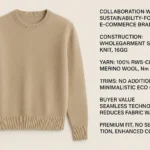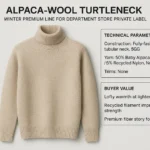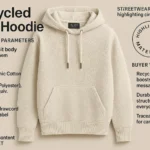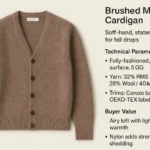

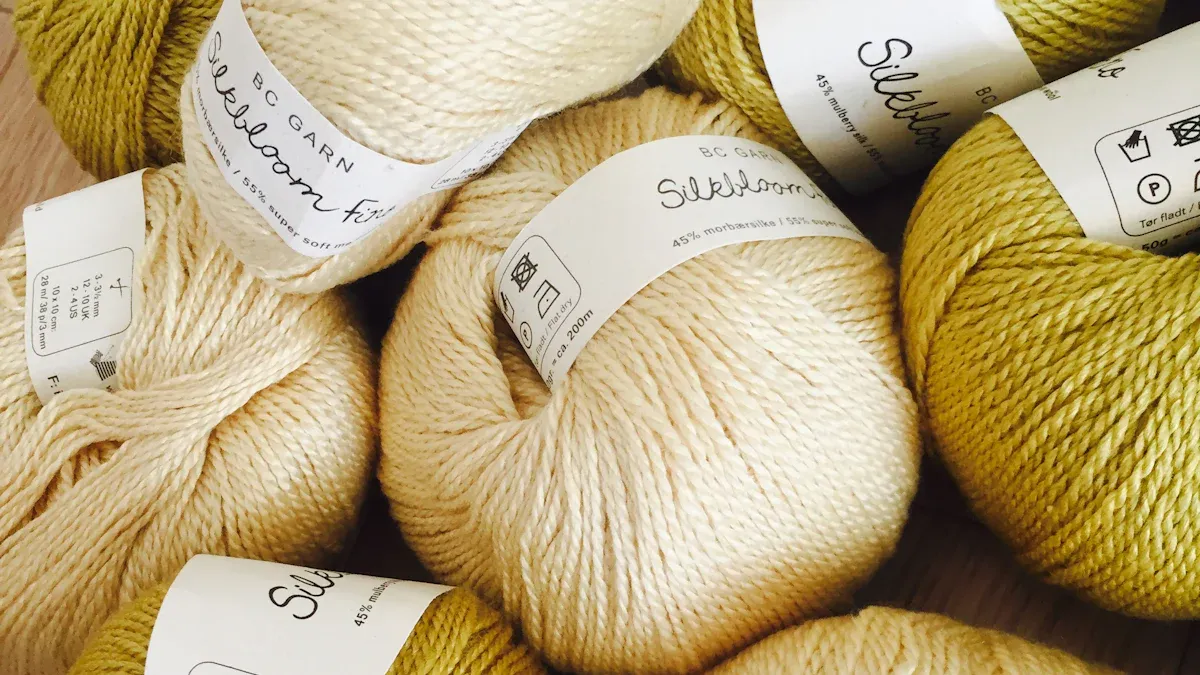
You might wonder about the real difference in the Worsted vs Aran Yarn debate. Both yarns sit in the medium-weight category, but you’ll notice aran yarn feels thicker and leans closer to bulky. Worsted yarn comes out a bit thinner and is more like lighter yarns. These small differences can change the look and feel of your project. If you shop for yarn in different countries, you’ll see these terms used in unique ways. Here’s what you need to know:
Aran yarn is thicker than worsted.
Worsted yarn is thinner and lighter.
These differences matter for beginners because the yarn you pick affects your final project.
Key Takeaways
Aran yarn is thicker than worsted yarn. It is good for warm and chunky projects like sweaters and scarves. Worsted yarn is lighter and smoother. It works well for lighter clothes and accessories. Always look at your pattern for the right yarn weight. This helps you avoid making your project the wrong size. Both yarns can be used for many projects. But they make different textures and drapes. Gauge swatching is very important when you use a different yarn. It helps your project fit and look right.
Worsted vs Aran Yarn
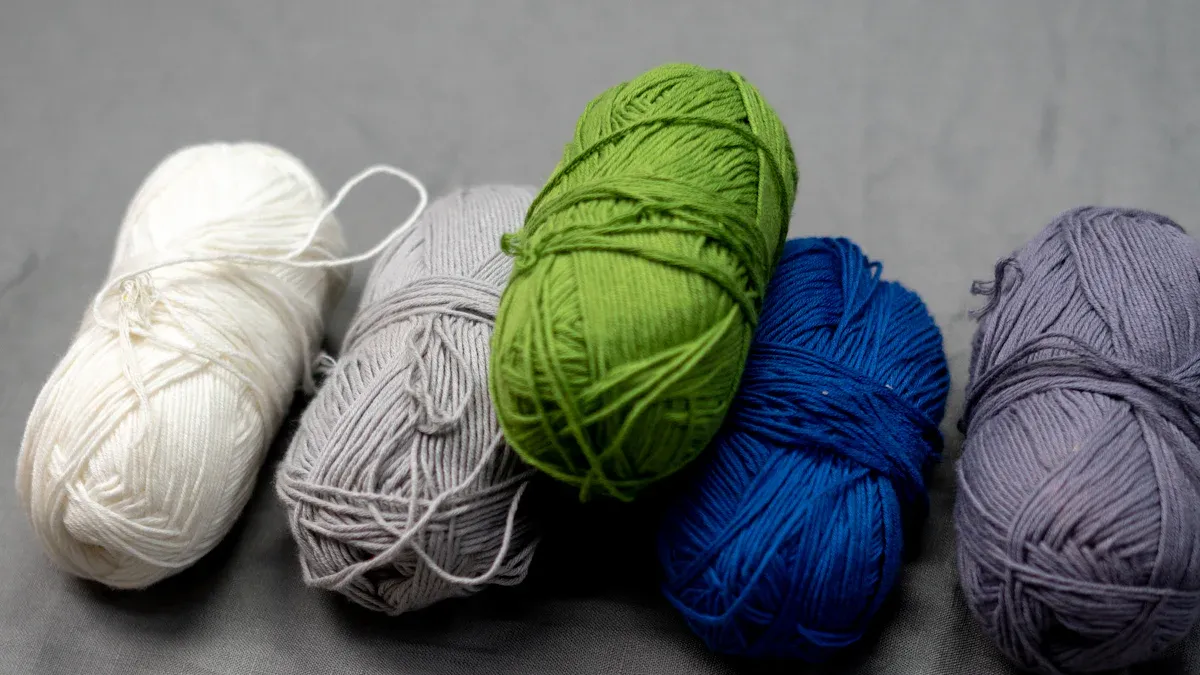
Difference Between Aran and Worsted
When you look at worsted vs aran yarn, you will notice a few key differences. Aran yarn feels thicker in your hands. Worsted yarn is a bit lighter and smoother. If you knit or crochet with aran, your stitches look bigger and your project grows faster. Worsted gives you a finer, more even texture.
You can see the difference between aran and worsted in the way they work up. Worsted yarn usually calls for a 4.5mm knitting needle. Aran yarn works best with a 5mm needle. This small change makes a big difference in the size and feel of your finished piece.
If you want a chunky scarf or a cozy sweater, aran yarn gives you warmth and bulk. Worsted yarn is great for lighter sweaters, hats, and accessories. Both yarns are strong and hold their shape well, but aran yarn creates a thicker fabric.
Tip: Always check your pattern for the recommended yarn weight. Using aran instead of worsted can make your project larger than expected.
Similarities
Worsted vs aran yarn have a lot in common. Both belong to the medium-weight category. You can use them for many of the same projects, like sweaters, hats, and blankets. They both offer good stitch definition, so your patterns and textures stand out.
You will find that both worsted and aran yarns are easy to work with. They do not split easily, and they glide smoothly on your needles or hook. Many beginners start with these yarns because they are forgiving and versatile.
Here are some ways worsted and aran yarns are similar:
Both are medium-weight yarns.
They work well for garments and home décor.
You can find them in many colors and fibers.
They are easy to substitute for each other with a little adjustment.
Regional Terminology
The terms worsted and aran can get confusing, especially if you shop for yarn from different countries. In the United States, worsted and aran are two separate yarn weights. Worsted is finer, and aran is a bit thicker. In the United Kingdom, people often use the term aran for what Americans call worsted. This can lead to mix-ups when you follow patterns from other countries.
Here is a quick table to help you see the difference:
US Terms | UK Terms | Description |
|---|---|---|
Worsted | Aran | Worsted weight yarn is finer than aran weight yarn. Aran is thicker and loftier than worsted yarn. |
You might also hear aran yarn called “heavy worsted” or “10-ply yarn” in places like Australia. If you pick up a UK pattern that asks for aran, you may need to use worsted yarn if you are in the US. Always check the recommended needle size. Worsted yarn usually uses a 4.5mm needle, while aran yarn uses a 5mm needle.
Note: Understanding these regional terms helps you avoid mistakes. You will save time, money, and frustration by choosing the right yarn for your project.
Worsted vs aran yarn can seem tricky at first, but once you know the differences and similarities, you can pick the perfect yarn every time.
Yarn Weight Classification
Standard Yarn Weights
When you walk into a yarn shop, you see so many choices. The Craft Yarn Council makes things easier with a standard yarn weight system. This system helps you pick the right yarn for your project and understand the difference between each type.
Here’s how the system works:
0 (Lace): The finest yarn, perfect for delicate projects.
1 (Super Fine): Slightly thicker, good for socks and baby items.
2 (Fine): Great for lightweight garments.
3 (Light): Versatile for many projects.
4 (Medium): The most common yarn weight, used for sweaters and blankets.
5 (Bulky): Thicker yarn for quick projects.
6 (Super Bulky): Very thick, works up fast.
7 (Jumbo): The thickest yarn, ideal for chunky knits.
Each category comes with suggested needle and hook sizes, stitch gauges, and project ideas. You can use this guide to compare yarns and see the difference between them.
If you ever feel lost in the yarn aisle, just check the label for the yarn weight number. It saves you time and helps you avoid mistakes.
Where Worsted and Aran Fit
Worsted and aran both fall under the medium weight yarn category, which is number 4 in the Craft Yarn Council’s system. You might notice a small difference between them. Aran yarn feels a bit thicker and heavier than worsted, even though both share the same category.
Here’s a simple chart to show you the difference:
Feature | Worsted Weight | Aran Weight |
|---|---|---|
Common Usage | US brands | European brands |
Weight | Lighter | Heavier |
Gauge | 16-20 stitches/4 inches | 14-18 stitches/4 inches |
Drape | More flexible | Denser, less flexible |
Both worsted and aran yarns use similar needle and hook sizes. You can use US 7-9 (4.5mm-5.5mm) needles or I-9 to K-10 ½ (5.5mm–6.5mm) hooks. The difference in thickness means aran yarn creates a denser fabric, while worsted gives you a lighter feel.
Medium weight yarn is popular because it works for so many projects. You can make sweaters, hats, scarves, and blankets. Knowing the difference between worsted and aran helps you choose the right yarn and get the results you want.
Substituting Yarn
Gauge Swatching
When you want to substitute aran for worsted in your knitting or crochet projects, you need to start with a gauge swatch. Gauge swatching helps you check if your new yarn matches the stitches and rows per inch in your pattern. If you skip this step, your sweaters or blankets might turn out too big or too small. You can avoid surprises by knitting a small sample with your chosen yarn and needles. If your gauge is off, try changing your needle size or adjust your pattern. This step is key for winter garments, especially when you want a cozy fit.
You can see if the new yarn meets the pattern’s requirements.
Adjustments are easy if you catch problems early.
Adjusting Tools
You might notice aran yarn feels thicker than worsted weight yarn. When you substitute aran for worsted, you often need to use a larger needle. Going up a size or two helps loosen the fabric and gives your project more drape. This works well for winter sweaters and other winter projects. Patterns for aran and worsted weight yarns can be interchangeable, but the finished look will change. You can knit a swatch to see how the fabric feels and looks. If you want a lighter feel, stick with worsted weight yarn and smaller needles.
Yarn Type | Suggested Needle Size | Drape |
|---|---|---|
Worsted | 4.5mm – 5mm | Flexible |
Aran | 5mm – 6mm | Denser |
Fiber Content
Fiber content matters when you substitute yarns. Wool gives warmth and stretch, while cotton feels cooler and less stretchy. If you want your winter garments to stay soft and cozy, match the fiber content as closely as possible. Different fibers change the look and feel of your knitting projects. Designers pick yarns based on fiber because it affects the final appearance. For example, a baby blanket made with worsted weight yarn in wool will feel different from one made with aran cotton. You can keep the intended drape and texture by choosing similar fibers.
Tip: Always check the yarn label for fiber content before you substitute. This helps you avoid common mistakes and keeps your knitting and crochet projects looking their best.
If you follow these steps, you can substitute aran for worsted or vice versa with confidence. You will get winter-ready sweaters, cozy blankets, and other common uses for worsted weight yarn without worry. Swatching, adjusting tools, and matching fiber content make substitution easy for all your knitting and crochet projects.
Uses for Worsted and Aran
Garments and Accessories
You can make lots of things with worsted and aran yarn. Sweaters, hats, scarves, and mittens are all good choices. Worsted yarn makes a strong fabric. This is great for things you use a lot, like hats and socks. Aran yarn is thicker and warmer. It keeps you cozy in cold weather. Many beginners like these yarns. They are easy to use and show stitches well. Wool is a popular pick for both yarns. It keeps you warm and works in many seasons. Acrylic yarn is also a good choice. It is great for practice and saves money.
Tip: If you want to make your first sweater or hat, try worsted or aran yarn. You will see your project grow fast and feel proud.
Home Décor
Worsted and aran yarns are great for home décor. You can make blankets, pillows, and baskets that last long. Worsted yarn, like Red Heart Super Saver, is strong and easy to wash. It stays soft even after many washes. This yarn is gentle on skin, so it is good for families. Aran yarn is thicker. It makes blankets and pillows extra cozy.
Yarn Type | Durability | Appearance |
|---|---|---|
Worsted | Sturdy fabric | |
Aran | Durable, varies by fiber content | Soft, drapey look |
Project Ideas
There are many things you can make with these yarns. Try a pocket cardigan, a ribbed pullover, or a warm wrap. You can make a project bag, a market tote, or simple amigurumi toys. Worsted and aran yarns are good for ribbed hats, mittens, and leg warmers. Wool yarn gives warmth and stretch. Acrylic yarn is good for trying new things. If you follow a pattern, check if it uses worsted or aran yarn. Both types work for all skill levels.
Beginner Oversized Cardigan
Crochet Coat Cardigan with Hidden Pockets
Free Easy Crochet Scallop Wrap
Long Stripe Pullover
Easy Project Bag
Chevron Pot Holders
Market Tote Bag
Boot Socks
Classic Ribbed Hat
Ultimate Mittens
Color Study Blanket
Poetic Poncho
You can pick wool yarn for special gifts. You can use acrylic yarn for everyday projects. Both worsted and aran yarns help you make nice, lasting things.
Choosing the Right Yarn
Matching Patterns
Picking the right yarn for your project starts with the pattern. Patterns often tell you which yarn weight to use. If the pattern calls for worsted, try to match that weight as closely as possible. Aran yarn is thicker, so it can change the size and feel of your finished item. Always check the fiber content, too. Cotton and wool behave differently. Wool gives warmth and stretch, while cotton feels cool and sturdy. The number of plies in the yarn also matters. More plies can make your project stronger or change how it looks.
Look at the number of plies for durability.
Tip: If you want your project to look like the picture, use the recommended yarn type.
Skill Level
You do not need to be an expert to work with worsted or aran yarn. Both yarns are easy to handle and show stitches well. Beginners love worsted because it is simple and versatile. Aran yarn is also great for basic skills. You can make hats, scarves, or blankets with either yarn. As you get better, you can try more complex patterns. These yarns help you learn new techniques without frustration.
Aran yarn suits basic and intermediate skills.
Both yarns work for simple and advanced projects.
Budget and Quality
Your budget plays a big role when you choose yarn. Prices can vary a lot. For big projects, you might want to use blends or high-quality synthetics. These options save money and still look nice. If you want something special, splurge on luxury yarn for gifts or keepsakes. Aran yarn is thicker and makes a denser fabric, which is great for warm sweaters or blankets. Worsted yarn is less dense and works for many patterns.
Yarn Type | Best Use | Price Range |
|---|---|---|
Worsted | Everyday items, versatile | $-$$ |
Aran | Warm garments, blankets | $$-$$$ |
Note: Always check care instructions. Wool and alpaca need gentle washing. Cotton and acrylic are usually machine washable. Make sure all yarns in your project have the same care needs to avoid shrinkage or damage.
You now know the main differences and similarities between worsted and aran yarns. Check out this quick table for a recap:
Feature | Worsted Yarn | Aran Yarn |
|---|---|---|
Weight | Finer | Thicker and loftier |
Needle Size | 4.5mm | 5mm |
Gauge | 4.5-5 sts/inch | 4-4.5 sts/inch |
Remember:
Always match yarn weight to your pattern.
Make a gauge swatch before you start.
Compare fiber content for best results.
With these tips, you can plan projects and swap yarns with confidence! 😊
FAQ
What happens if I use aran yarn instead of worsted in my project?
You might notice your project turns out bigger and thicker. Aran yarn creates a denser fabric. Always check your gauge before you start. Swatching helps you avoid surprises.
Can I mix worsted and aran yarns in one project?
You can mix them, but your fabric may look uneven. Try to match the gauge and fiber content. Swatch both yarns together first. This helps you see if the result works for your pattern.
How do I know if my yarn is aran weight?
Check the yarn label for the weight category. Aran weight usually falls under medium or number 4. The label may also list recommended needle sizes and gauge. If you are unsure, ask at your local yarn shop.
Is aran yarn good for beginners?
Yes! Aran yarn is easy to handle and shows stitches clearly. You can see your progress quickly. Many beginners start with aran yarn for scarves, hats, and simple sweaters.
What projects work best with worsted and aran yarns?
You can make sweaters, hats, scarves, and blankets. Both yarns work well for home décor too. Try making a cozy throw or a chunky pillow. These yarns are great for gifts and everyday items.