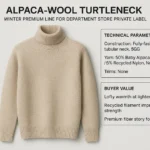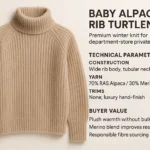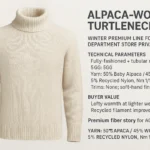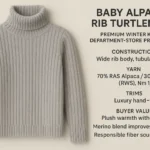

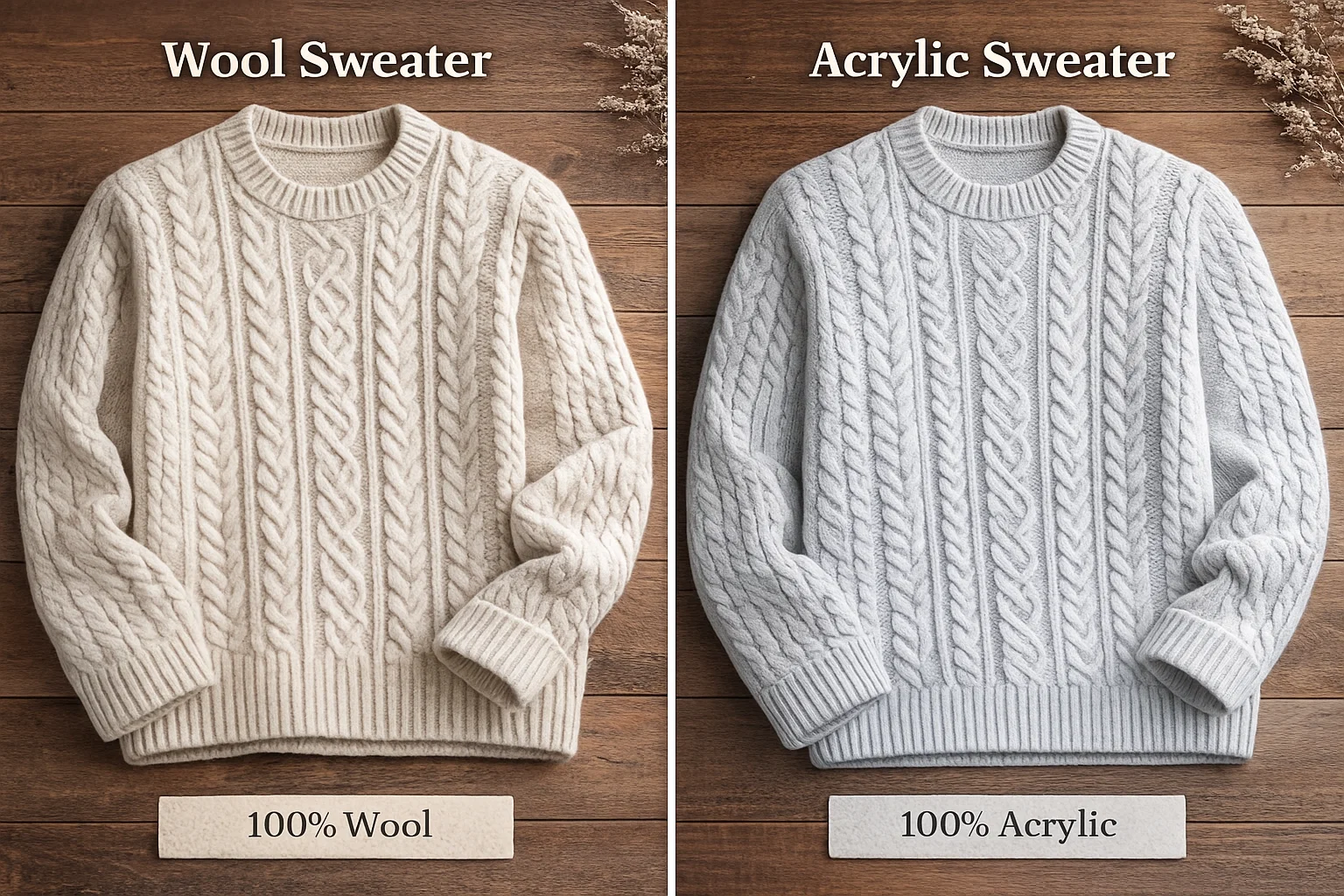
When you consider wool vs acrylic for custom sweaters, it’s essential to find the right balance of warmth, comfort, and easy care. If you’re looking for a sweater that feels soft and remains fresh, wool is an excellent choice because it allows air circulation and resists odors. On the other hand, acrylic is preferable if you want something that is easy to wash and budget-friendly. Check out this table to see how these yarns compare:
|
Factor |
Acrylic |
Wool |
Better Choice |
|---|---|---|---|
|
Ease of Care |
Machine washable, low maintenance |
Requires special handling, prone to felting |
Acrylic |
|
Warmth-to-Weight |
Very high |
Medium |
Acrylic |
|
Breathability |
Medium |
Very high |
Wool |
|
Odor Resistance |
Low |
High |
Wool |
|
Cost |
Low–Medium |
High |
Acrylic |
You can use these insights on wool vs acrylic for custom sweaters to make an informed decision based on strength, allergies, environmental impact, and style.
Key Takeaways
-
Wool keeps you very warm, even if it gets wet. This makes it great for cold days.
-
Acrylic is light and simple to wash. It is good for daily use and busy people.
-
Wool lets air move through and handles sweat well. It helps you stay comfy all day.
-
Acrylic costs less, so you can buy more sweaters. You do not have to spend a lot of money.
-
Wool needs special washing, like hand wash or dry cleaning. Acrylic can go in the washing machine.
-
If your skin is sensitive, acrylic is usually safe. It does not often cause skin problems.
-
Wool is better for the earth because it breaks down fast. Acrylic can pollute and stays in landfills for many years.
-
You can pick sweaters with both wool and acrylic. This gives you warmth, comfort, and easy care.
Wool vs Acrylic for Custom Sweaters: Key Differences
Warmth & Insulation
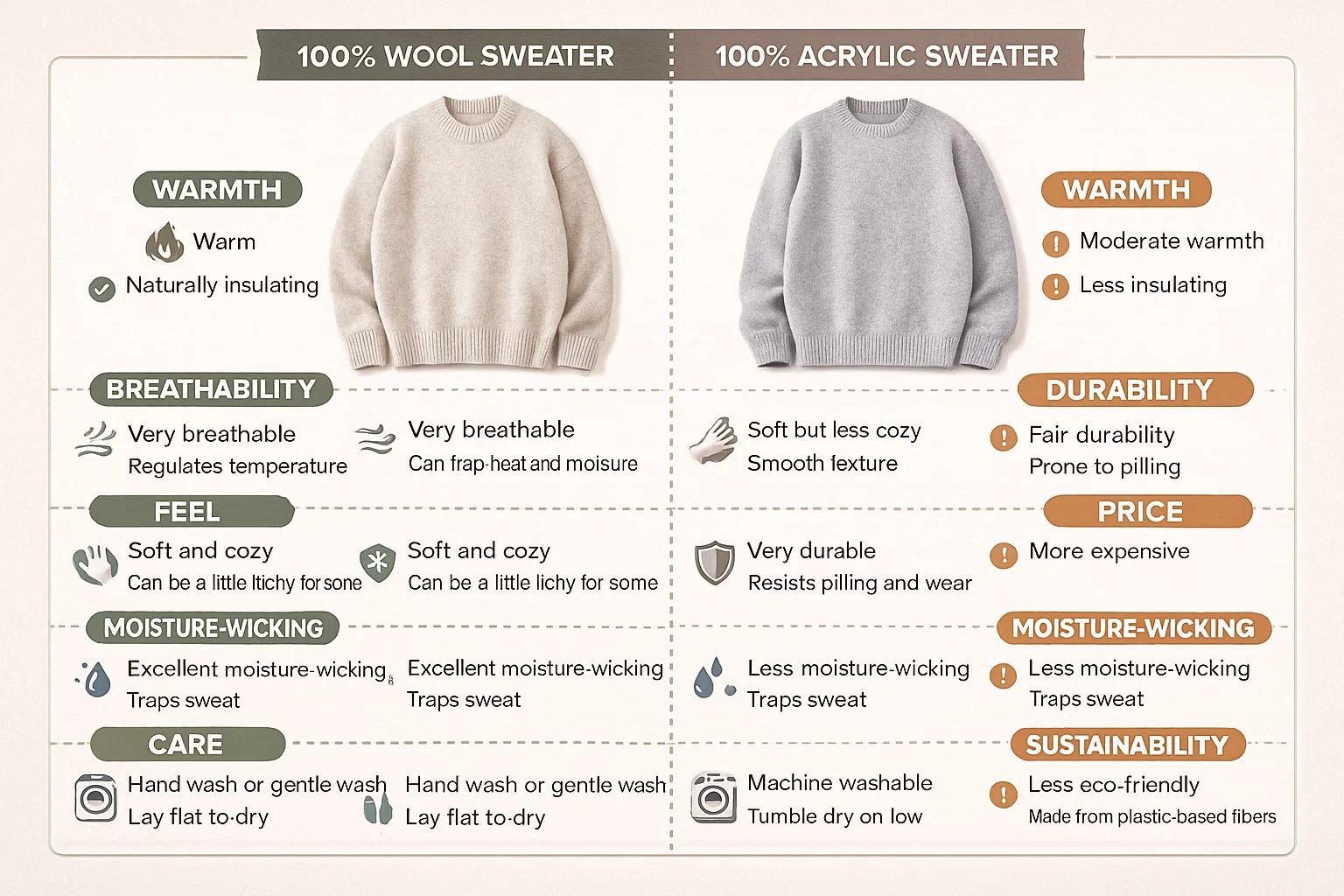
When you compare wool vs acrylic for custom sweaters, warmth is usually the first thing you think about. Wool yarn is famous for keeping you cozy, even when the weather turns cold or damp. Acrylic yarn also offers good insulation, but it works a bit differently. Let’s look at how these two materials stack up:
|
Material |
|
|---|---|
|
Wool |
193 |
|
Acrylic |
200 |
Lower thermal conductivity means better insulation. Wool has a slight edge here, so you get more warmth for your body. Studies show that wool has superior thermal retention compared to acrylic. Wool’s natural fibers trap air, which helps keep you warm. Acrylic yarn can feel warm, but it doesn’t hold heat as well as wool, especially if you get wet or the temperature drops.
-
Wool sweaters keep you warm even when damp.
-
Acrylic sweaters provide warmth, but not as much as wool.
-
Wool is recognized for its natural thermal insulation.
-
Acrylic is lighter, so it feels less bulky.
If you want the best warmth, wool is the winner. Acrylic is a good choice if you want something lighter and less expensive.
Comfort & Breathability
Comfort matters a lot when you pick a sweater. Wool yarn feels soft and gives you a “comfy warm” feeling. Many people say wool sweaters are their favorite for chilly days. Wool fibers trap air pockets, which help with warmth and moisture management. You stay dry and comfortable, even if you sweat a little.
Acrylic yarn can feel soft, but comfort depends on humidity and how active you are. Sometimes, acrylic sweaters trap heat and make you feel clammy. You might notice static or discomfort after wearing acrylic for a long time. Wool is more breathable, so you don’t get that sticky feeling.
-
Wool keeps you comfortable and dry.
-
Acrylic can feel less breathable and may trap heat.
-
Wool is better for moisture management.
-
Acrylic is lightweight, but may not feel as cozy.
If you want a sweater that feels good all day, wool is the better choice. Acrylic is fine for short wear or mild weather.
Maintenance & Care
Taking care of your sweater is important if you want it to last. Wool vs acrylic sweaters need different care routines. Wool yarn needs gentle handling. You often have to hand wash or dry clean wool sweaters. If you use hot water or rough washing, wool can shrink or felt. Acrylic yarn is much easier to care for. You can usually toss acrylic sweaters in the washing machine without worry.
Here are some tips for caring for both types:
-
Pre-treat stains at least 15 minutes before washing.
-
Use a heavy-duty detergent for heavily soiled garments.
-
Wash in warm or cold water, not hot, to prevent stretching.
-
Check for stains before drying, especially oil stains.
-
Tumble dry on low and remove while slightly damp.
|
Material |
Shrinkage Risk |
|
|---|---|---|
|
Acrylic |
Generally machine washable with minimal risk |
Low |
|
Wool |
Requires careful handling, often hand washing or dry cleaning |
High, unless machine-washable options are used |
Acrylic yarn wins for easy care and low shrinkage risk. Wool yarn needs more attention, but you get better quality and longevity if you treat it right.
Tip: If you want a sweater that’s easy to clean and keeps its shape, go for acrylic. If you value durability and a premium feel, wool is worth the extra effort.
Cost Comparison
When you shop for custom sweaters, price often plays a big role in your decision. Wool vs acrylic for custom sweaters shows a clear difference in cost. Acrylic yarn is made in factories using synthetic processes. This makes it much cheaper to produce. Wool comes from sheep and needs extra steps like shearing and cleaning. These steps add to the price.
If you want a budget-friendly option, acrylic sweaters usually cost less. Wool sweaters are more expensive because of the natural fiber and the work needed to process it. You might pay more for wool, but you get a premium feel and higher quality.
Tip: If you want to save money or buy several sweaters, acrylic is a smart choice. If you want a luxury feel and don’t mind spending more, wool is worth it.
Durability & Longevity
Durability and longevity matter when you want your sweater to last. Wool vs acrylic shows big differences here. Wool sweaters can last for years if you care for them properly. Acrylic sweaters wear out faster, especially after many washes.
Here’s a quick look at how long each material lasts:
|
Material |
|
|---|---|
|
Wool |
5–10+ years |
|
Acrylic |
1–3 years |
Wool stands out for its durability and longevity. You can wear a wool sweater for many seasons. Acrylic sweaters may pill or lose shape after a few years. Wool fibers resist wear and tear better, so you get more value over time.
Both wool and acrylic go through tests for abrasion and pilling. Wool usually performs better in these tests, which means it keeps its look and feel longer. Acrylic can show signs of wear sooner, especially if you wash it often.
Note: If you want a sweater that keeps its shape and quality for years, wool is the better pick. Acrylic is fine for short-term use or if you like changing styles often.
Allergies & Sensitivities
Some people have allergies or sensitive skin. Wool vs acrylic can affect how comfortable you feel. Wool can cause itchy skin, rashes, or even a runny nose and cough. Acrylic can also trigger allergies, sometimes with serious reactions like itchy rashes, bloodshot eyes, or breathing problems.
Here’s a table showing common wool allergy symptoms:
|
Symptoms of Wool Allergy |
|---|
|
irritated eyes |
|
runny nose |
|
cough |
Acrylic allergies can show up quickly. You might notice a rash on your hands and arms on the first day. By the second day, your eyes could get itchy and red. On the third day, you might start wheezing or have trouble breathing.
-
Day 1: slight itchy rash on hands and arms
-
Day 2: itchy and bloodshot eyes
-
Day 3: wheezing and difficulty breathing
If you have sensitive skin, you should test a small patch before wearing a new sweater. Wool is natural but can still cause reactions. Acrylic is synthetic and may trigger stronger allergies for some people.
Tip: If you know you have allergies, look for sweaters labeled “hypoallergenic” or choose blends designed for sensitive skin.
Eco-Friendliness
When you care about the planet, the material you pick for your sweater matters. Wool and acrylic have very different effects on the environment. Let’s break it down so you can see which one fits your values best.
First, think about how much energy and water each material uses. Wool comes from sheep, so farmers need land, water, and food for the animals. This means wool uses a lot of water during production. Acrylic, on the other hand, is made in factories from oil. It uses less water, but it needs a lot of energy and creates more pollution.
Here’s a quick look at how they compare:
|
Material |
Carbon Footprint |
Water Usage |
|---|---|---|
|
Wool |
Lower |
High |
|
Acrylic |
High |
Low |
-
Wool has high water usage in its production.
-
Acrylic has low water usage in its production.
Now, let’s talk about what happens when you throw away your sweater. Wool is a natural fiber. If you toss a wool sweater in the trash, it breaks down in just a few months. Acrylic is different. It is a type of plastic, so it can stay in landfills for decades. This means acrylic sweaters can add to pollution and even release tiny plastic fibers into rivers and oceans.
Check out this table to see how long each material takes to break down:
|
Fiber Type |
Biodegradability Rate |
Time to Decompose |
|---|---|---|
|
Wool |
High |
|
|
Acrylic |
Low |
Decades |
-
Acrylic fibers have poor biodegradability.
-
They persist in landfills for many decades.
-
Acrylic can also cause microfiber pollution in water bodies.
If you want a sweater that is kinder to the earth, wool is usually the better choice. It comes from a renewable source and breaks down quickly. Acrylic is cheaper and uses less water, but it sticks around in the environment for a long time. When you choose, think about what matters most to you—saving water, reducing pollution, or making sure your sweater won’t harm the planet after you’re done with it.
🌱 Tip: If eco-friendliness is your top priority, go for wool or look for recycled yarns. Every small choice helps protect the planet!
Acrylic vs Wool: Pros and Cons
Wool: Advantages
Superior Warmth
Wool yarn keeps you warm on cold days. The fibers trap air. This helps your body stay cozy. Wool controls your body temperature. You feel good in cold or mild weather. Wool still works if it gets wet. It keeps you warm even when damp.
Breathability
Wool lets your skin breathe. You do not get sweaty or sticky. Wool yarn takes in moisture. It lets it out into the air. This keeps you dry and comfortable all day. Fine wool feels soft on your skin. It is a good choice for comfort.
Durability
Wool is strong and tough. Your sweater lasts a long time. Wool keeps its shape after stretching. It does not wear out fast. If you care for it, wool yarn lasts for years. Your sweater looks nice every season.
Moisture-Wicking
Wool can soak up lots of water. If you sweat or get wet, wool pulls moisture away. You stay dry and do not feel clammy. Wool also fights odor. You can wear your sweater many times before washing.
Eco-Friendly
Wool is a natural fiber. It comes from sheep and is renewable. Wool breaks down fast in nature. Wool-acrylic blends help the planet too. Pure wool is best if you care about the earth.
Wool yarn gives you warmth, comfort, and strength. It is smart if you want a sweater that feels good and lasts.
Here’s a quick look at how wool’s natural properties help you:
|
Property |
Benefit |
|---|---|
|
Thermal regulation |
Keeps your body temperature steady. You stay warm or cool. |
|
Moisture wicking |
Soaks up water. You do not feel damp or itchy. |
|
Anti-odor properties |
Stops bad smells. You can wear it many times. |
|
Comfort and softness |
Fine wool is soft. It does not bother your skin. |
|
Elasticity and shape retention |
Stays in shape after stretching. Your sweater fits well. |
|
Durability |
Lasts a long time. It does not wear out fast. |
|
Natural UV Protection |
Blocks harmful sun rays when you are outside. |
|
Lightness |
Feels light. You can move easily when playing sports. |
|
Versatility |
Works for many sports and activities. You can layer it. |
Wool: Disadvantages
Higher Cost
Wool yarn costs more than acrylic. You pay for the natural fiber. Making wool takes more work. Wool is great for luxury sweaters. If you need to save money, wool may be too expensive.
Special Care
Wool needs gentle care. You often hand wash or dry clean it. Hot water or rough washing can shrink wool. This special care can be hard if you want easy cleaning.
Allergies
Some people find wool itchy. You might get a rash or feel bad if your skin is sensitive. Wool can cause allergies. It may not be good for everyday wear if you react to animal fibers.
Shrinking Risk
Wool shrinks if you wash it wrong. Hot water or high heat makes sweaters smaller. You must follow care rules to keep your wool sweater looking nice.
Here’s a table showing some common disadvantages:
|
Disadvantages of Wool for Custom Sweaters |
|---|
|
Wool pills if rubbed a lot. |
|
Wool does not handle heat well. |
You might also notice:
-
Wool needs special care, which can be hard.
-
Some people think wool is itchy.
-
Wool can get moth damage if not cleaned often.
If you want a sweater that’s easy to clean, wool may not be best.
Acrylic Yarn: Advantages
Affordable
Acrylic yarn is cheap. You can buy more sweaters or try new styles. Acrylic costs less than wool. It is easy for everyone to get. You find acrylic yarn in many stores. You have lots of choices.
Here’s a quick look at why acrylic is so popular:
|
Key Point |
Description |
|---|---|
|
Affordability |
Acrylic yarn costs less than wool or cotton. It is budget-friendly. |
|
Accessibility |
Its low price helps hobbyists and pros make big projects. |
|
Availability |
You can find it in many stores. There are lots of choices. |
Easy Care
Acrylic yarn is simple to clean. You can wash it in a machine. It keeps its shape after many washes. You do not worry about shrinking or felting. This makes acrylic good for busy people or families.
Vibrant Colors
Acrylic yarn comes in many bright colors. You can find almost any shade. The colors stay bold after washing. Your sweater looks fresh and fun. Acrylic lets you make creative designs and patterns.
Lightweight
Acrylic yarn feels light. Your sweater is easy to wear and move in. It is good for layering or mild weather. You do not feel heavy. You can be comfortable all day.
You also get these benefits:
-
You can make many patterns and textures.
-
It is good for people who are allergic to animal fibers.
-
You can make unique and personal designs.
-
You get new sweaters fast, often in less than 21 days.
-
It is cheap to buy more sweaters.
Acrylic yarn is smart if you want cheap, easy-care, and stylish sweaters.
Acrylic Yarn: Disadvantages
Less Warmth
Acrylic yarn sweaters do not keep you as warm as wool. They trap some heat, but not as much as wool. You may feel cold in acrylic sweaters during winter. If you want a sweater for very cold days, choose something warmer.
Lower Durability
Acrylic yarn sweaters look nice at first. They do not last as long as wool sweaters. After many washes, you may see fuzz balls or pilling. The fibers break down faster. Your sweater may lose its shape or softness over time. If you wear or wash it a lot, you might need a new one sooner.
Less Breathable
Acrylic yarn does not let air pass through well. It can trap heat and sweat against your skin. You may feel sweaty or uncomfortable, especially in warm weather. Some people think acrylic yarn feels plastic-like. It is not as soft or fancy as wool. If your skin is sensitive, it might feel rough or cold.
Here’s a table with common complaints about acrylic yarn sweaters:
|
Disadvantage |
Description |
|---|---|
|
Low Breathability |
Acrylic yarn does not wick moisture or breathe well, making it uncomfortable in warm weather. |
|
Skin Sensitivity |
Some people find acrylic yarn rough or cold, especially if it is lower quality. |
-
Acrylic yarn can make you feel clammy when it is humid.
-
The texture may not feel as nice as natural fibers.
-
You might sweat more if you wear acrylic yarn in the heat.
Environmental Impact
Acrylic yarn is made from crude oil, which cannot be replaced. Making acrylic yarn uses lots of energy and causes pollution. Washing acrylic sweaters can release tiny plastic fibers. These fibers can get into rivers and oceans. They can hurt fish and other animals. Acrylic yarn does not break down fast in nature. It can stay in landfills for many years.
|
Disadvantage |
Description |
|---|---|
|
Acrylic yarn is made from oil and can release microplastics that pollute water and harm wildlife. |
|
|
Flammability |
Acrylic yarn is highly flammable and can melt, which may be a safety concern in some situations. |
🌎 Note: If you care about the earth, pick natural fibers or recycled yarns instead of acrylic yarn.
Acrylic yarn is cheap and easy to clean. But you should think about these problems before you buy. If you want a sweater that is warm, lasts long, and is better for the planet, look at other choices.
Choosing Wool or Acrylic: What Matters Most
Budget Needs
When you shop for a custom sweater, your budget often comes first. You want to get the most value for your money. Acrylic sweaters usually cost much less than wool. This makes acrylic a smart pick if you want to buy several sweaters or need to stick to a tight budget. You can also finish big projects for less money when you choose acrylic.
-
Acrylic is much cheaper than wool, so you can buy more or try new styles.
-
Wool costs more, but you get better warmth, durability, and a soft feel.
-
If you want a sweater that lasts for years, wool’s higher price might be worth it.
Think about how often you will wear your sweater. If you want something for everyday use and do not want to spend a lot, acrylic is a good choice. If you want a sweater that feels special and will last a long time, you might want to invest in wool.
💡 Tip: If you want both value and quality, look for blends that mix wool and acrylic. You get some of the benefits of both.
Sensitivity & Allergies
Your skin can help you decide which sweater material is best. Some people have sensitive skin or allergies. You might feel itchy or get a rash from certain fibers. Natural, breathable fabrics like cotton, silk, and some types of wool are gentle on sensitive skin. Cashmere is also a good choice because it feels soft and can help calm your skin.
-
Cotton is soft, breathable, and wicks away moisture. It works well for most people with sensitive skin.
-
Silk keeps your skin comfortable and is great if you have eczema.
-
Cashmere feels gentle and can help if you have skin problems.
-
Some types of wool are soft, but others might feel itchy.
If you know you have allergies, test a small patch of the sweater before wearing it all day. You can also look for sweaters labeled “hypoallergenic” or pick blends that use gentle fibers.
Climate & Warmth
Where you live and how cold it gets will shape your sweater choice. Acrylic is lightweight and feels soft, much like wool. It keeps you warm in cold weather and dries quickly after washing. This makes acrylic a good pick for chilly places, especially if you want a sweater that is easy to care for.
-
Acrylic keeps you warm and dries fast, which is helpful in cold, wet weather.
-
Wool insulates better when it is damp, so you stay cozy even if it rains.
-
Blended sweaters with both wool and acrylic give you warmth, absorb moisture, and last longer.
Some brands have found that using 100% brushed acrylic can lower costs and speed up production. If you want a sweater for winter, both wool and acrylic can work. Wool is best for staying warm in damp climates. Acrylic is great if you want something light, quick-drying, and easy to wash.
🧥 Note: If you live somewhere with changing weather, a wool-acrylic blend gives you the best of both worlds.
Care Preferences
When you pick a sweater, think about how much time you want to spend on care. Wool and acrylic need different routines. Wool gives you great warmth and lasts a long time, but it needs gentle handling. You often have to hand wash wool or take it to the dry cleaner. Hot water or rough washing can shrink or damage wool. If you want a sweater that looks new for years, you must follow the care instructions closely.
Acrylic makes life easier. You can toss it in the washing machine and even use the dryer. It keeps its shape and does not shrink much. If you have a busy schedule or want something low-maintenance, acrylic is a smart pick. You do not have to worry about special detergents or careful drying.
Here’s a quick table to help you compare:
|
Feature |
Wool |
Acrylic |
|---|---|---|
|
Care Routine |
Hand wash or dry clean |
Machine wash and dry |
|
Shrinkage Risk |
High if not handled properly |
Low |
|
Durability |
High with proper care |
Medium |
|
Skin Sensitivity |
Can cause irritation |
Often hypoallergenic |
If you have sensitive skin, acrylic usually feels better. Wool can sometimes cause itching because of lanolin. Acrylic is often hypoallergenic, so it works well for most people.
Tip: If you want a sweater you can wash and wear without worry, choose acrylic. If you love a sweater that feels special and do not mind extra care, wool is a great choice.
Sustainability
You might care about how your sweater affects the planet. Wool and acrylic have very different impacts. Wool comes from sheep, so it is a natural fiber. It can break down in nature if you throw it away. But, the way wool is made can use a lot of water and land. Some farms use good practices, but others may not.
Acrylic is made from oil in factories. It does not break down in landfills. When you wash acrylic, it can shed tiny plastic fibers. These microplastics can end up in rivers and oceans. Making acrylic also uses toxic chemicals, which can harm workers and the environment.
Here’s what you need to know:
-
Wool is usually more eco-friendly, especially if it comes from responsible farms.
-
Acrylic can pollute the environment with microplastics and does not biodegrade.
-
The wool industry can have climate and ethical impacts, but wool can be biodegradable if processed well.
|
Aspect |
Wool (Responsible Sourcing) |
Acrylic |
|---|---|---|
|
Biodegradable |
Yes |
No |
|
Microplastic Pollution |
No |
Yes |
|
Environmental Impact |
Varies |
High |
🌱 Note: If you want to help the planet, pick wool from trusted sources or look for recycled yarns. Try to avoid acrylic if you worry about pollution.
Style & Color Options
Style and color matter when you want a sweater that fits your look. Acrylic gives you lots of choices. You can find almost any color, from bright neons to soft pastels. Acrylic holds dye well, so colors stay bold after many washes. You can also find many patterns and textures with acrylic yarn.
Wool sweaters often come in classic styles. You might see cozy rib knits, V-necks, or long sleeves. Wool blends can feel soft and stretchy, making them comfortable to wear. Some wool sweaters use a mix of fibers, like polyester or spandex, to add softness and shape.
If you want a sweater that stands out, acrylic is a good pick for color and design. If you like timeless, cozy styles, wool is a great choice.
Tip: For bold colors and fun patterns, go with acrylic. For a classic, soft, and warm sweater, choose wool or a wool blend.
Comparison Table: Wool vs Acrylic
Feature-by-Feature Overview
You want to see how wool and acrylic stack up side by side? Here’s a simple table that shows you the main features. This makes it easy for you to compare and pick the best yarn for your custom sweater.
|
Feature |
Wool |
Acrylic |
|---|---|---|
|
Warmth |
Excellent, even when damp |
Good, but less in wet weather |
|
Breathability |
Very high |
Medium |
|
Softness |
Soft, especially fine wool |
Soft, but can feel synthetic |
|
Durability |
Lasts for years with care |
Wears out faster, pills easily |
|
Care |
Hand wash or dry clean |
Machine washable, easy care |
|
Cost |
Higher |
Lower |
|
Color Options |
Natural, classic shades |
Bright, bold, many choices |
|
Allergy Risk |
Can cause itchiness |
Rare, but possible |
|
Eco-Friendliness |
Biodegradable, renewable |
Not biodegradable, synthetic |
|
Weight |
Heavier, feels substantial |
Lightweight, easy to wear |
|
Odor Resistance |
Resists odors well |
Can hold smells |
|
Shrinkage Risk |
High if washed wrong |
Low |
You can use this table to see which features matter most for you. Maybe you want a sweater that feels soft and keeps you warm. Wool does that best. If you want something easy to wash and cheap, acrylic wins.
Here are a few quick points to help you decide:
-
Wool gives you natural warmth and breathability.
-
Acrylic offers easy care and lots of color choices.
-
Wool lasts longer if you treat it right.
-
Acrylic is great for busy days and tight budgets.
💡 Tip: If you want a sweater for cold winters and care about the planet, pick wool. If you want something fun, colorful, and easy to clean, go with acrylic.
You might also think about your skin. Wool can feel itchy for some people. Acrylic is usually gentle, but sometimes feels less cozy. If you want a sweater that stands out, acrylic gives you more style options.
When you look at the table, ask yourself what matters most. Do you want warmth, easy care, or bright colors? Your answer will help you choose the perfect yarn for your custom sweater.
Wool vs Acrylic: Best Use Cases
Cold Weather Sweaters
You want a sweater that keeps you warm when the temperature drops. Wool is famous for its natural insulation. Wool yarn traps air and helps your body stay cozy, even if you get caught in the rain or snow. You can wear wool for outdoor activities like hiking or skiing. Wool-acrylic blends also work well for cold weather. These blends combine the warmth of wool with the easy care of acrylic yarn.
Acrylic yarn is lighter than wool. You might like acrylic if you want a sweater that feels less bulky. Acrylic sweaters dry quickly, so you can wash them and wear them again soon. Acrylic does not insulate as well as wool, but it still keeps you comfortable in chilly weather. If you live somewhere with mild winters, acrylic yarn is a good choice.
Here’s a quick table to help you decide:
|
Feature |
Wool |
Acrylic |
|---|---|---|
|
Warmth |
Excellent |
Good |
|
Weight |
Heavier |
Lightweight |
|
Moisture |
Stays warm when wet |
Dries fast |
Tip: Choose wool for harsh winters. Pick acrylic yarn for lighter sweaters or layering.
Everyday Wear
You want a sweater that fits your daily routine. Acrylic yarn stands out for everyday use. You can wash acrylic sweaters in the machine and wear them often. Acrylic yarn keeps its shape and color after many washes. You do not have to worry about shrinking or fading. Acrylic is also affordable, so you can buy several sweaters for school, work, or play.
Wool feels soft and looks classic. You might wear wool for special occasions or when you want a premium feel. Wool yarn lasts a long time if you care for it. You need to wash wool sweaters gently. If you want a sweater that looks new for years, wool is a smart pick.
Acrylic yarn comes in many colors and styles. You can find bright shades or fun patterns. Wool-acrylic blends give you the best of both worlds. You get the durability of wool and the easy care of acrylic.
-
Acrylic yarn is perfect for busy days.
-
Wool is great for comfort and style.
-
Wool-acrylic blends offer balance.
Sensitive Skin
You might have sensitive skin or allergies. Wool can sometimes feel itchy. Some people get rashes from wool yarn. If you have sensitive skin, test a small patch before wearing a wool sweater all day. Acrylic yarn is usually gentle. Most people do not react to acrylic. You can wear acrylic sweaters for hours without discomfort.
Acrylic yarn is hypoallergenic. You do not have to worry about animal fibers. Wool-acrylic blends can help if you want warmth but need a softer feel. Look for sweaters labeled “hypoallergenic” if you have skin concerns.
Note: If you have sensitive skin, acrylic yarn is a safe choice. Try wool-acrylic blends for extra comfort.
Eco-Conscious Choices
You care about the planet. You want your sweater to match your values. Let’s talk about how your choice between acrylic yarn and wool yarn affects the environment.
Acrylic yarn comes from petroleum. Factories use lots of energy to make it. When you wash sweaters made with acrylic yarn, tiny plastic fibers can break off. These microplastics travel through water and end up in rivers and oceans. Fish and birds can eat these fibers. That’s not good for wildlife. Acrylic yarn does not break down in landfills. It can stay there for decades.
Wool yarn is different. Sheep produce wool naturally. Farmers shear sheep and clean the wool. Wool yarn breaks down in nature. If you throw away a wool sweater, it will decompose in a few months. That means less waste in landfills. Wool yarn comes from a renewable source. You can feel good about choosing it if you want a sweater that is better for the earth.
Here’s a table to help you compare:
|
Feature |
Acrylic Yarn |
Wool Yarn |
|---|---|---|
|
Source |
Petroleum-based |
Renewable (sheep) |
|
Biodegradability |
Very low |
High |
|
Microplastic Pollution |
High |
None |
|
Energy Use |
High |
Medium |
|
Landfill Impact |
Lasts decades |
Breaks down quickly |
You might wonder if there are better options. Some brands now offer recycled acrylic yarn. This yarn uses old plastic bottles or leftover factory scraps. You help reduce waste when you pick recycled acrylic yarn. You can also look for sweaters made with blends. Some blends use recycled fibers or organic cotton. These choices lower your impact on the planet.
Here are some tips for eco-friendly sweater shopping:
-
Check labels for recycled acrylic yarn or organic fibers.
-
Buy fewer sweaters and choose quality over quantity.
-
Wash sweaters less often to reduce microplastic pollution.
-
Support brands that care about the environment.
🌱 Tip: If you want the most eco-friendly sweater, pick wool yarn or recycled acrylic yarn. You help protect the planet with every choice.
You make a difference with your sweater. You can choose acrylic yarn for bright colors and easy care. You can pick wool yarn for natural warmth and biodegradability. You can look for recycled options if you want to lower your footprint. Every small step helps the earth.
Final Recommendation
Summary Points
You have a lot to think about when you choose between wool vs acrylic for custom sweaters. Each type of yarn brings something special to the table. Wool gives you warmth, breathability, and a classic feel. Acrylic offers easy care, bright colors, and a lower price. Yarn choice affects how your sweater feels, how long it lasts, and how you care for it.
Let’s break it down:
-
Wool keeps you warm, even when it’s wet. It feels soft and cozy. You get a sweater that lasts for years if you care for it.
-
Acrylic yarn is lightweight and simple to wash. You can find it in almost any color. It works well for everyday sweaters.
-
Wool-acrylic blends give you a mix of both. You get some warmth and softness from wool, plus the easy care and color options from acrylic.
-
Yarn choice also matters for the planet. Wool breaks down in nature. Acrylic yarn can last a long time in landfills.
Remember: The best yarn for you depends on what you want most—warmth, easy care, price, or eco-friendliness.
Actionable Advice
Ready to pick the right yarn for your next sweater? Here’s what you can do:
-
Think about your climate. If you need a sweater for cold, damp days, wool is your best friend.
-
Check your skin. If you have allergies or sensitive skin, test a small patch of the yarn before you buy.
-
Look at your schedule. If you want a sweater you can toss in the wash, acrylic yarn is the way to go.
-
Care about the earth? Choose wool or recycled yarns to help the planet.
-
Want the best of both worlds? Try wool-acrylic blends for a balance of comfort and easy care.
🧶 Tip: Visit a local yarn shop and feel the yarn before you decide. Ask for samples or advice from the staff. You’ll find the perfect match for your custom sweater project.
You have all the facts about wool vs acrylic for custom sweaters. Now you can make a choice that fits your style, your needs, and your values.
You now know the main differences between wool and acrylic sweaters. Wool gives you warmth, breathability, and lasts for years. Acrylic is easy to wash and costs less. If you want a sweater for cold days and care about the planet, pick wool. If you need something simple and affordable, acrylic works well. Think about your needs, your skin, and your style. Choose the sweater that fits your life best!
FAQ
Can you machine wash both wool and acrylic sweaters?
You can machine wash most acrylic sweaters. Wool sweaters usually need hand washing or dry cleaning. Always check the care label before washing.
Do wool sweaters always feel itchy?
Not all wool feels itchy. Fine wool, like merino, feels soft on your skin. If you have sensitive skin, try touching the sweater before buying.
Which sweater lasts longer, wool or acrylic?
Wool sweaters last longer if you care for them. Acrylic sweaters may pill or lose shape faster. Wool gives you more years of wear.
Are acrylic sweaters safe for people with allergies?
Most people with allergies can wear acrylic sweaters. If you have very sensitive skin, test a small area first. Acrylic is usually hypoallergenic.
Do acrylic sweaters keep you as warm as wool?
Acrylic sweaters feel warm, but wool keeps you warmer, especially when it’s wet. Wool traps heat better and works well in cold weather.
Can you find bright colors in wool sweaters?
You can find some bright colors in wool, but acrylic sweaters offer more color choices. Acrylic holds dye well, so you get bold, fun shades.
Is wool better for the environment than acrylic?
Wool comes from sheep and breaks down in nature. Acrylic is made from oil and does not biodegrade. If you want an eco-friendly sweater, choose wool.