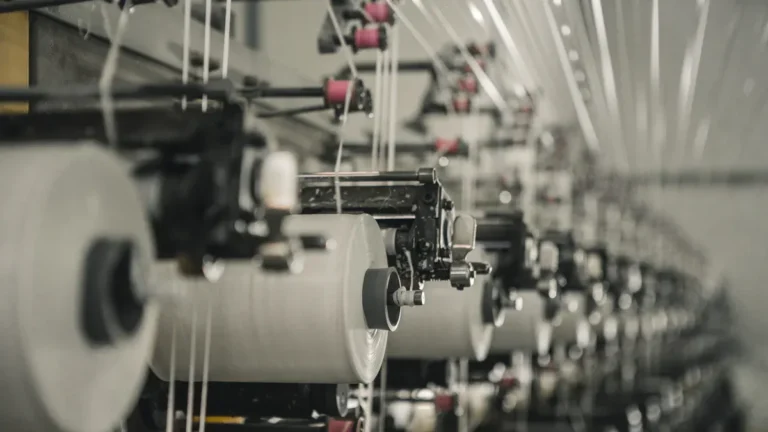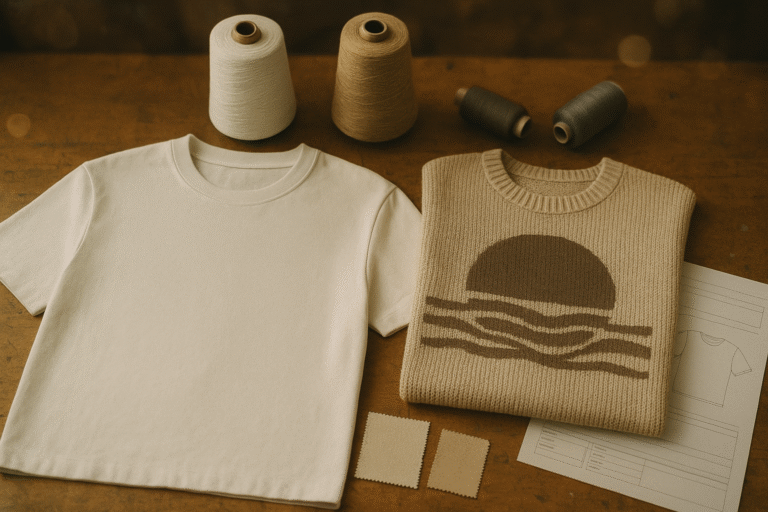
You might be asking, what affects the lead time of sweater manufacturing? Several factors impact how long it takes to produce custom knitwear. What affects the lead time of sweater manufacturing includes sourcing materials, the complexity of the design, sample approval, labor availability, machine setup, shipping logistics, and inventory management. Understanding what affects the lead time of sweater manufacturing allows you to plan your orders more effectively and keep sweater production on schedule. This knowledge helps you manage time, prevent delays, and ensure smooth operations in the garment industry. Careful planning based on what affects the lead time of sweater manufacturing gives you better control over production timelines and improves the quality of your knitwear.
By knowing what affects the lead time of sweater manufacturing at each stage, you can plan ahead and keep production running smoothly.
Key Takeaways
Delays in getting materials can slow down making sweaters. Use more than one supplier to lower risks.
Picking stock fabrics instead of custom-dyed ones can save time. Choose stock fabrics when you can.
It is important to have reliable suppliers. Work with suppliers you can trust to get materials on time.
Complicated designs take longer to make. Simple designs are made faster than detailed ones.
Fast sample approval helps speed up making sweaters. Make choices quickly so there are no delays.
Skilled workers and good machine setup help finish sweaters on time. Spend money on training and keeping machines working well.
The size of the order and how many SKUs you have can change how long it takes. Fewer SKUs can help make sweaters faster.
Good quality control during production finds problems early. This stops delays and helps deliver sweaters on time.
What Affects the Lead Time of Sweater Manufacturing?
If you wonder what affects the lead time of sweater manufacturing, you should look at a few main things. One big thing is material sourcing delays. These delays can change how fast you finish making sweaters and if you can deliver them on time.
Material Sourcing Delays
Yarn and Fabric Availability
You need fabric to keep making clothes. If you do not get yarn or fabric when you need it, your whole plan can change. Many factories have problems because they do not get materials on time or there are not enough supplies. Sometimes, things like late shipments or supply chain problems cause these delays. The table below shows some reasons for delays in getting materials:
Cause of Delay | Description |
|---|---|
Raw Material Shortage and Procurement | Not having enough materials or getting them late can slow down work. |
Equipment Breakdown | Machines can break suddenly and stop work, so deadlines are missed. |
Inefficient Production Planning | Bad planning can make work messy and timelines hard to meet. |
Supply Chain Issues | A split supply chain makes it harder to manage work and talk to everyone. |
Manual Quality Control | Checking things by hand takes a long time and can miss problems until it is too late. |
No Digital Tracking | Old ways of tracking can have mistakes and cause delays. |
You can lower these risks by getting materials from more than one place. If you have more suppliers, you are less likely to run out of things you need. Planning ahead helps you avoid last-minute problems and keeps your schedule steady.
Stock vs. Custom-Dyed Materials
The fabric you pick also changes what affects the lead time of sweater manufacturing. Stock fabrics are ready to use and can save you days or weeks. Custom-dyed materials need more time to make. This can add 7 to 15 days to your wait, especially when many people are ordering. The table below shows the difference:
Fabric Type | Lead Time Impact | Notes |
|---|---|---|
Stock fabrics | Low (0–2 days) | Makes production much faster. |
Custom-dyed fabrics | Medium (7–15 days) | Needs more time to process. |
Tip: To make sweaters faster, use stock fabrics when you can. This helps you keep up with what customers want.
Supplier Reliability
Delivery Consistency
How well your suppliers do their job matters a lot for what affects the lead time of sweater manufacturing. Good suppliers bring materials on time and help you stay on track. If your supplier is late a lot, your whole order can be delayed. You can get better results by working well with your suppliers and having more than one.
Location Impact
Where your suppliers are also changes what affects the lead time of sweater manufacturing. Local suppliers can bring things faster than ones far away. But sometimes you have to choose between saving money and getting things quickly. If you use suppliers from other countries, you need to plan for longer shipping and possible customs delays. Planning well and talking clearly with suppliers helps you handle these problems.
When you know what affects how long custom knitwear takes to make, you can make better choices about where to get your materials. These things decide your lead time and help your business stay strong. By focusing on getting materials, picking good suppliers, and planning smart, you can control how long it takes to make sweaters and keep your customers happy.
Design Complexity and Sample Approval
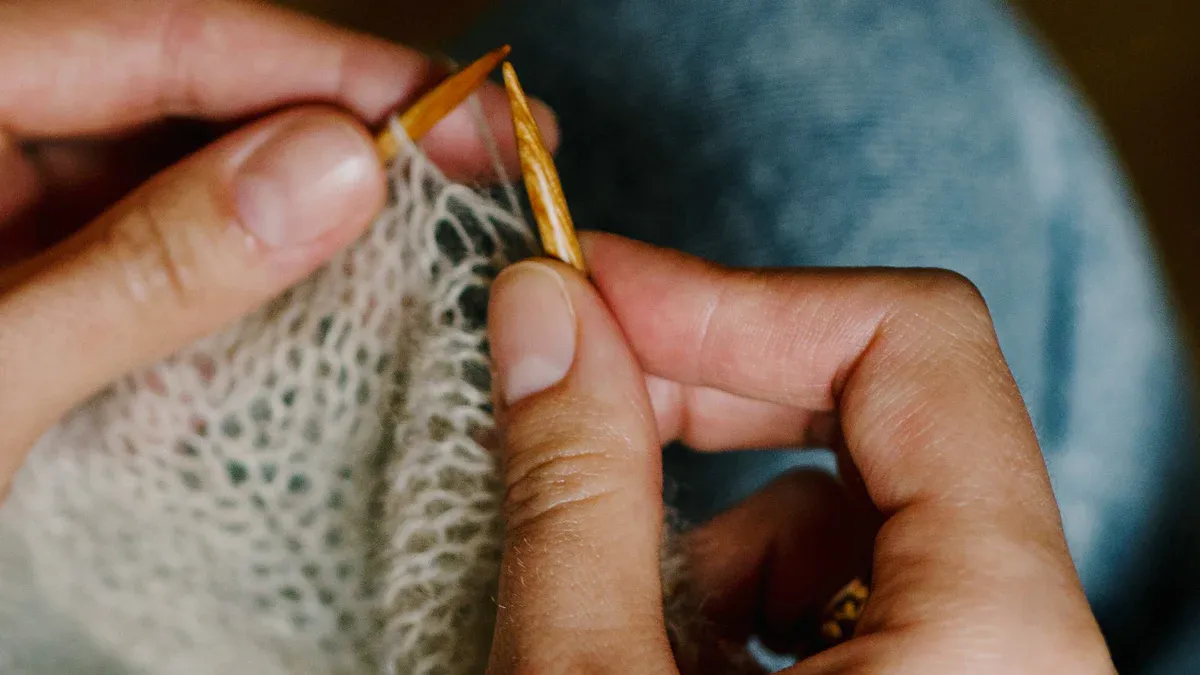
How hard your design is changes how long sweaters take to make. You should think about your design before you start making sweaters. Simple patterns are faster and use fewer materials. Hard designs need more steps and careful planning.
Intricate vs. Simple Designs
You can pick simple or detailed designs for your sweaters. Simple patterns finish faster in the factory. Detailed designs take longer because they need more skill and care. The table below shows how design difficulty changes the time for each sweater:
Design Complexity | Estimated Time (Hours) |
|---|---|
Simple Patterns | 6 to 10 |
Intermediate Designs | 20 to 40 |
Complex Designs | 50 or more |
Hand-Knitted vs. Machine-Knitted
You can choose hand-knitted or machine-knitted sweaters. Hand-knitted sweaters take more time because workers make each one by hand. Machine-knitted sweaters are faster and help you finish orders quickly. If you need sweaters fast, machine-knitted ones are a good choice.
Multi-Color Patterns
Using many colors makes the process longer. You need to plan and test color mixes. Picking colors can be hard because there are many choices. Colors can look different when put together, so you need to check them. These things can make lead time longer in sweater making.
You must pick colors carefully to avoid mistakes.
Colors can change when mixed, so you need to check the final look.
Sample Approval Process
You must approve samples before making lots of sweaters. The sample approval step can change how long production takes. If you need many sample rounds, you will wait longer to start making sweaters.
Iterations and Delays
You follow several steps to approve a sample. Each step adds time to making custom sweaters. The process usually goes like this:
Sketch and Reference: You decide on your design and make the first pattern.
Proto Round One to Three: You test shapes, fit, and fabrics.
Fit and Adjustments: You change samples for comfort and style.
Sew By: You set a standard for the factory to follow.
PP Sample: You check the final sample before making more.
TOP Check: You look at the first finished sweater.
Delays in sample approval can push back your planned start date. You may need to hurry production, which can lower quality and cause mistakes. Shipments can be late, and customers may not get their sweaters on time. You should plan enough time to avoid these problems.
Tip: You can make production faster by deciding quickly and talking clearly during sample approval.
You control many things that change lead time. By picking simple designs and moving fast through sample approval, you keep your sweater business running well.
Labor and Machine Setup
You need skilled workers and ready machines for smooth sweater making. Labor and machine setup are important for finishing orders fast. If you want to work better, focus on your team and your equipment.
Labor Availability and Skill
You must have enough workers with good skills. Skilled workers help you finish sweaters quickly. They also make sure the sweaters look nice. Training helps your team learn new things and fix problems fast. Experience is important because trained workers make fewer mistakes.
The table below shows how skilled workers help your sweater business:
Aspect | Skilled Labor Impact |
|---|---|
Efficiency | Workers do more and finish faster |
Quality of Output | Sweaters look better and last longer |
Diversification of Products | You can make fancy sweaters |
Human Capital Index | Vietnam has more skilled workers than China |
Tip: Hire skilled workers and train them often to make sweaters faster.
Training and Experience
You should keep training your team so they get better. Experienced workers can do hard jobs and fix problems quickly. Training helps your team meet deadlines and keep customers happy.
Knitting Machine Setup Time
You must get your machines ready before making sweaters. Setup time depends on the yarn, the machine, and the design. Good materials and modern machines help you set up faster.
Yarn Threading
You need to put yarn in the machine before starting. The kind of yarn changes how long this step takes. New or special yarns may need more time. Plan for this step when you get your materials.
Design File Processing
You must put the design file into the knitting machine. Hard designs take longer to set up. The operator’s skill and how you organize your workspace also matter.
Setting up knitting machines can take 30 minutes to 8 hours.
The machine type and design difficulty change setup time.
Skilled operators and neat workspaces make setup faster.
Note: You can save time by making your process simple. If you set up quickly, you can deliver orders faster.
If you want short lead times, get skilled workers and prepare machines well. Good planning and smart choices help you avoid delays and keep your sweater business strong.
Order Size and Production Volume
Order size and production volume play a big role in how quickly you receive your knitwear. When you place an order, you need to think about how many pieces you want and how many different skus you include. These choices affect your manufacturing lead time and can change your delivery timelines.
Small vs. Large Orders
If you order a small batch, you might think it will be faster. Sometimes, that is true. However, small orders often require more setup time per piece. Workers must prepare machines and materials for each sku, which can slow things down. On the other hand, large orders need more fabric and labor, so they take longer to finish. You also need to consider the number of skus in your order. Each sku means a new style, color, or size, and each one adds extra steps.
Larger orders increase production time because you need more fabric and labor.
Simple designs with stock materials move through production faster than complex ones.
More skus or complicated designs require extra time at every stage.
Order quantity and product complexity are key factors that affect how long your custom knitwear production time will be.
Batch Processing
Factories often use batch processing to handle multiple skus at once. This method helps when you have a big order with many skus. Workers group similar items together, which saves time and reduces waste. Batch processing works best for large orders with fewer changes between skus. If you have many unique skus, the factory must stop and reset machines more often, which adds to the lead time.
Size Variations
When you order sweaters in different sizes, you add more work for the factory. Each size needs its own pattern and setup. The number of skus grows quickly when you offer many sizes, colors, or styles. This can slow down production and make it harder to keep timelines on track.
Pattern Adjustments
Factories must adjust patterns for each size. This step takes time and careful planning. The table below shows how different factors impact the production timeline when you have many skus and size variations:
Factor | Impact on Production Timeline |
|---|---|
Yarn Procurement | Large orders use yarn more efficiently. Small orders with many skus can waste yarn and cost more. |
Knitting Machinery | Small orders with many skus need more setup time, which increases costs and slows production. |
Labor Costs | Management time stays the same, but large orders with fewer skus are more efficient. |
Miscellaneous Factors | Poor scheduling for small orders with many skus hurts efficiency and increases delays. |
Tip: If you want to reduce your lead time, try to limit the number of skus in each order. Fewer skus mean less setup and faster production.
You can see that both order size and the number of skus affect your custom knitwear production time. Planning your orders with fewer skus and size variations helps you get your knitwear faster and keeps your timelines steady.
Quality Control and Garment Manufacturing Lead Time
Quality control helps keep lead time short. You need to check sweaters often. This helps you find problems early. If you miss mistakes, you might redo work. This can make customers wait longer.
In-Process Checks
You should check knitwear while making it. Do not wait until the end. In-line quality control finds defects fast. When you spot issues early, you can fix them. This saves time and keeps lead time steady.
Inspection Frequency
You can check sweaters more often to help lead time. Frequent checks catch mistakes quickly. If you wait, you might find big problems later. Big problems take longer to fix. Regular checks keep production moving. This helps you deliver on time.
Tip: Make a schedule for inspections at each step. This keeps your team alert and helps you avoid delays.
Here are some good ways to check quality:
Quality Control Measure | Description |
|---|---|
In-line Quality Control | Done during making to find defects fast and stop big issues. |
Pre-production Inspections | Checks raw materials and patterns before making to catch problems early. |
Production Quality Control | Frequent checks during making to fix things like stitching errors before making many sweaters. |
You can use these ways to keep timelines on track. This helps you avoid last-minute surprises.
Final Testing and Rework
After making sweaters, you need to test them. Final testing checks quality and standards. If you find a problem, you must fix it. Fixing mistakes adds time, so catch them early.
Compliance Standards
You must follow strict rules when making sweaters. Compliance standards help keep products safe. These rules mean you must check suppliers and watch production closely. Meeting standards builds trust with customers. It helps you get sweaters to market faster.
If you ignore rules, your reputation can get hurt. Customers may stop buying if products are unsafe or poor quality. Studies show a bad reputation hurts sales. People may avoid your brand. Always follow rules to protect your business and keep lead time short.
Note: High standards help you avoid legal trouble and keep production efficient.
Quality control and rules work together to keep lead time short. You can use frequent checks and strict rules to deliver good knitwear on time.
Logistics, Shipping, and Supply Chain

You must manage logistics and shipping well. This helps keep lead time short. Every step matters, from moving materials in the factory to shipping sweaters to customers. If you know these steps, you can work faster and avoid problems in the supply chain.
Internal Transportation
Stage-to-Stage Movement
Inside the factory, you move materials from one stage to another. If you plan this movement well, you save time. Good planning keeps production moving. Bad planning causes delays and slows everything down. You should make clear paths for workers. Use carts or conveyors to move yarn and sweaters fast. When each stage is connected, your team works better and meets deadlines.
External Shipping
Domestic vs. International
Shipping sweaters to customers is very important. Domestic shipping is faster and easier to control. You can get delivery in 1 to 5 days. International shipping takes longer, from 2 days to 4 weeks. You must plan for these differences when you set your schedule.
Shipping Type | Average Time |
|---|---|
Domestic | 1 to 5 days |
International | 2 days to 4 weeks |
If you ship to other countries, you need to think about extra steps. Customs checks and long travel routes can change delivery dates. These steps affect how happy your customers are.
Customs Delays
Customs delays can slow down international shipping. You may have problems like missing papers or extra checks. These issues can add days or weeks to delivery time. If you do not prepare documents well, you might pay extra fees. Goods may stay longer at customs. Even small customs delays can stop your supply chain. This hurts how fast you work. You should use good shipping partners and check all papers before sending sweaters.
Customs delays make delivery take longer.
Missing papers and checks cause problems.
Delays hurt supply chain and may cost more money.
Even small delays can stop production for just-in-time orders.
Supply Chain Efficiency
Inventory Buffering
You can work better by managing inventory well. Keeping extra yarn or sweaters helps you handle sudden changes. If suppliers are late, you still have stock to keep working. Studies show inventory buffers can cut lead time changes by up to 20%. This means you deliver orders faster and avoid slowdowns.
Inventory buffers help you keep production steady.
You match stock with demand and avoid running out.
Buffering helps you stop delays and meet customer needs.
You should build strong supplier relationships. Use just-in-time inventory when you can. These steps help keep your supply chain strong and lead time short.
Description | |
|---|---|
Supplier Lead Times | Suppliers may be slow and cause delays. |
Congestion at Transportation Hubs | Crowded ports and customs slow deliveries. |
Warehousing and Inventory Management | Extra stock during busy times can cause shortages. |
Last-Mile Distribution Difficulties | Traffic and high demand make delivery hard. |
Complexity of Global Supply Chain | Getting materials from many places can change schedules. |
Tip: You can stop delays by planning shipments early and keeping extra stock during busy times.
If you focus on logistics, shipping, and supply chain, your sweater business runs smoothly. Good planning and extra inventory help you avoid delays and deliver good products on time.
Strategies to Reduce Lead Time
Supplier Partnerships
You can make lead time shorter by working well with suppliers. Good suppliers help you stay on schedule and avoid problems. If you talk often with factories, they try harder to meet deadlines. You should agree on clear rules so everyone knows what to do. Getting raw materials early and keeping extra fabric helps during busy times. Buying materials from local places makes delivery faster. Some companies hire experts to check quality and speed up work. These ideas help you control how long it takes to make custom knitwear and keep your business running well.
Strategy | Description |
|---|---|
Build long-term partnerships with reliable factories. Negotiate clear SLAs to reduce risks. | |
Optimize Raw Material Procurement | Pre-book raw materials, keep fabric stock, and source locally to save weeks. |
Collaborate with Third-Party Experts | Partner with quality control companies to minimize last-minute surprises and delays. |
Tip: You can plan ahead and pick suppliers who fit your needs. This helps you reach your lead time goals.
Process Optimization
You can make sweaters faster by fixing your work steps. Good planning matches orders with what machines and workers can do. You should share work evenly so nothing gets stuck. Using planning software helps you see and control your work better. Training your team and using a skill chart helps everyone do their job well. Giving rewards makes workers want to work faster and better. Checking machines often and giving yarn to the right place stops slowdowns. Checking quality during work and finding problems early means less fixing later. Studying how work is done helps you find and remove wasted steps. These ideas help you make lead time shorter and keep your schedule steady.
Plan production to match orders and avoid slow spots.
Train workers, use skill charts, and give rewards to help them work better.
Keep machines working and give yarn where it is needed.
Check quality during work and fix problems early.
Remove wasted steps by studying how work is done.
Note: You can plan your work in a smart way to keep your sweater business running well.
Technology Integration
You can use new technology to make lead time shorter and work better. Many brands control every step from design to shipping. This helps you react fast when things change and manage lead time. Making only what you need lets you change plans quickly if sales go up or down. Store managers can tell designers what people want, so you can make changes fast. Robots with A.I. can help put sweaters together faster and use less money for workers. A.I. also helps you watch your supply chain and get sweaters delivered on time. Studies show most delays happen before making starts, so planning early saves more time than moving factories. These ideas help you keep lead time short and give good sweaters to your customers.
Robots with A.I. help you work faster and save energy.
Watching your supply chain helps you manage stock and deliveries.
Sharing information quickly lets you change plans fast.
Tip: You can use smart planning and new technology to stay ahead and make lead time shorter.
Inventory Management
You can make sweaters faster if you manage inventory well. Good inventory management stops you from running out of yarn or fabric. It also helps you keep enough finished knitwear ready. When you know what you have, you can plan better. This helps you finish orders on time.
Start by counting your materials often. If you know what is in stock, you can order more before you run out. Many factories use software to track inventory. This software shows what you have and what you need. You can set alerts to remind you when supplies get low.
Here are some ways to manage inventory and make manufacturing lead time shorter:
Set minimum stock levels: Decide how much yarn and fabric you need to keep. If supplies drop below this level, order more right away.
Use first-in, first-out (FIFO): Always use the oldest materials first. This keeps yarn and fabric fresh and stops waste.
Plan for busy seasons: Look at past orders to see when you sell the most knitwear. Order extra supplies before busy times so you do not run out.
Work with suppliers: Tell your suppliers what you need ahead of time. Good communication helps you get materials faster.
Tip: You can use inventory buffers to handle sudden changes. If a supplier is late, you still have enough stock to keep working.
The table below shows how different inventory strategies help you keep production moving:
Inventory Strategy | Benefit | Risk if Ignored |
|---|---|---|
Minimum Stock Levels | Stops shortages | Production stops |
FIFO | Cuts waste | Materials expire |
Seasonal Planning | Meets high demand | Missed sales |
Supplier Coordination | Faster restocking | Long delays |
You can use technology to help with inventory. Barcode scanners and tracking apps make counting supplies easy. Some factories use automatic ordering systems. These systems order more yarn or fabric when stock gets low.
If you manage inventory well, you keep manufacturing lead time short. You avoid delays and deliver knitwear on time. You can meet your timelines and keep customers happy.
You can make lead time shorter by working on important things.
Plan where you get materials and pick good suppliers.
Pick designs that match your schedule.
Teach your team and get machines ready.
Check your supplies and watch how you ship sweaters.
If you plan ahead, you can control how long it takes to make custom knitwear. This helps you keep your production time steady. When you work fast but still make good sweaters, your business gets better.
FAQ
What is lead time in sweater manufacturing?
Lead time is the time from order to delivery. You must plan for getting materials, making sweaters, and shipping.
How can you reduce delays in sweater production?
You can stop delays by picking stock materials and using good suppliers. Approve samples fast. Good planning helps you avoid last-minute problems.
Does design complexity affect production speed?
Yes, hard designs take more time to make. Simple patterns and fewer colors help you finish sweaters faster and stay on schedule.
Why does sample approval matter for lead time?
Sample approval lets you check fit and style before making many sweaters. Fast choices and clear feedback help you start sooner.
How does order size change manufacturing time?
Big orders need more time and workers. Small orders with many styles or sizes also slow things down because of extra setup.
What role does quality control play in production?
Quality control helps you find mistakes early. Checking often keeps sweaters looking good and helps you deliver on time.
Can shipping methods affect delivery time?
Yes, shipping in your country is faster than shipping overseas. Customs checks and long trips can add days or weeks.
Why is inventory management important for sweater factories?
Inventory management helps you keep enough yarn and fabric ready. Good tracking stops shortages and keeps work moving.