
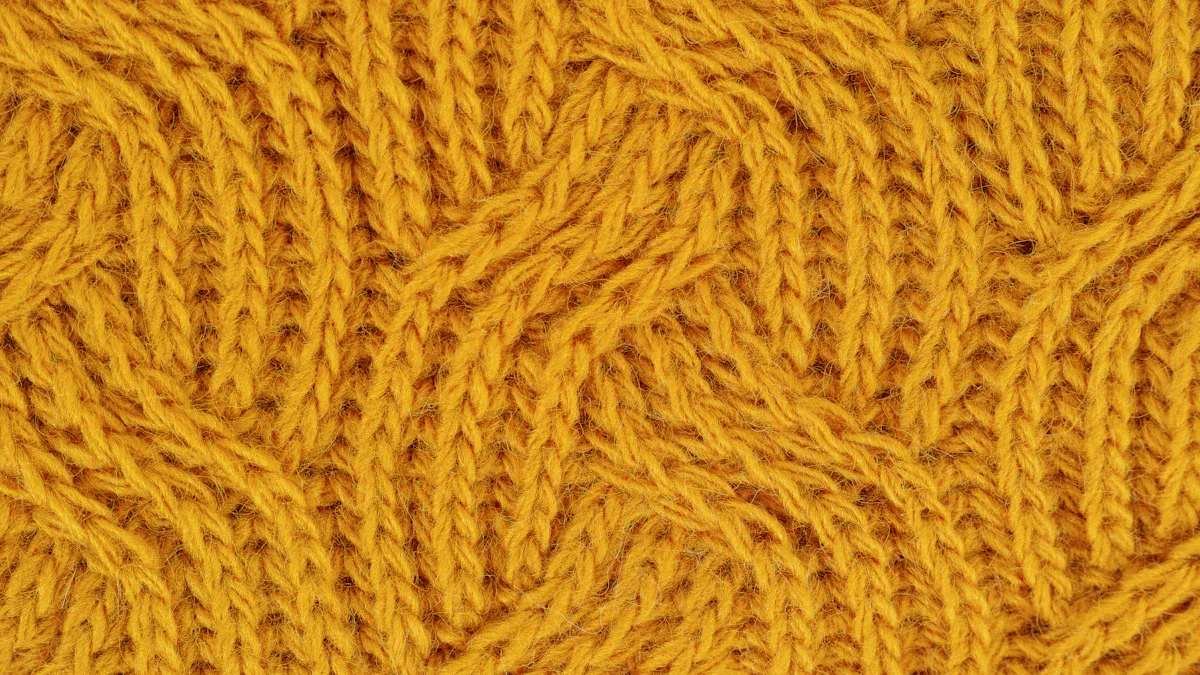
Have you ever wondered how your knitwear can grab attention in a crowded market? You want your sweaters to stand out, not just for style, but for the story they tell. Brands that shine often focus on texture and yarn innovation.
Texture brings timeless appeal and catches eyes on social media.
Advanced knitting techniques create a unique tactile experience.
When you ask yourself, how do I create a cable knit design for my brand?, start by picturing the look and feel that matches your brand’s spirit.
Key Takeaways
Set your brand values. These help you make design choices. They also help you connect with customers.
Learn what your audience likes. This helps you make cable knit designs they enjoy.
Build a strong look for your brand. This makes your brand easy to spot.
Look at history and trends for ideas. This helps you make special cable knit patterns.
Study and try different cable patterns. This helps you find what matches your brand’s style.
Use swatching to test yarn and needle sizes. Try patterns before you start your main project.
Write clear instructions. Make charts so others can follow your designs easily.
Share your designs well. Tell your brand story and talk with your audience.
Define Your Brand Style
Identify Brand Values
Your brand values shape every sweater you knit. They guide your choices and help you connect with people who care about the same things. Many successful knitwear brands focus on values like:
Ethical practices
Quality craftsmanship
Innovation
For example, Brunello Cucinelli stands out by focusing on humanistic capitalism and ethical practices. Zhongshan Xingtai works hard to reduce environmental impact and create healthy workplaces. When you know what matters most to you, you can make decisions that match your beliefs. Ask yourself: Do you want to use eco-friendly yarn? Do you care about fair wages for workers? Your answers will help you build trust with your customers.
Tip: Write down your top three values. Use them as a checklist when you design, choose materials, and talk about your brand.
Know Your Audience
You want your cable knit designs to fit the people who wear them. Start by learning about your audience. Think about their age, style, and what they need from a sweater. Here’s a quick look at different age groups and what they often want:
Age Group | Characteristics |
|---|---|
Teenagers | Influenced by social media, fashion trends, and have increasing spending power. Early adopters of trends. |
Adults | Largest segment, diverse preferences, seek stylish yet comfortable options for work and casual wear. |
Seniors | Prioritize comfort and functionality, growing demand for warmth and ease of wear. |
You can learn even more by talking to your customers. Ask them what they like about your sweaters. Find out which colors, fits, and features they want. When you listen and adjust your designs, you show that you care. This helps you build loyalty and get great word-of-mouth buzz.
Have real conversations with your customers.
Collect feedback during the design process.
Look for patterns in what people say about wearability and quality.
Visual Identity
Your visual identity is how people recognize your brand at a glance. It’s more than just a logo. It’s the whole look and feel of your brand, from your labels to your website. Here are some key elements:
Element | Description |
|---|---|
Logo | The heart of your brand’s identity. It connects with your audience emotionally. |
Label | Shows off your logo and style, adding to your brand’s look. |
Hangtag | Like a mini billboard, it tells your story and grabs attention. |
Patterns | Unique designs that make your knitwear stand out. |
Typography | The style of your text shapes how people see your brand. |
Embroidery | Adds texture and a sense of quality. |
Packaging | Makes unboxing special and memorable. |
Digital Presence | Your website and social media show off your brand to the world. |
Color also plays a big part. Colors can make people feel excited, calm, or inspired. For example, red brings energy, while blue feels trustworthy. Keep your logo in the same spot on every sweater and tag. This helps people remember your brand every time they see it.
Note: A strong visual identity makes your cable knit designs easy to spot and hard to forget.
How Do I Create a Cable Knit Design for My Brand?
You may wonder, how do I make a cable knit design for my brand? The answer starts with being curious and ready to try new things. Let’s look at the steps to turn your ideas into a sweater that shows off your brand.
Gather Inspiration
To stand out, look at the past and the present. Many famous cable knit designs have a long history. The Aran Islands are where cable knit sweaters began. Elvis Presley and Steve McQueen wore these sweaters in movies and music. Vogue magazine and The Clancy Brothers made cable knits popular. John Lennon also wore them, showing these sweaters never go out of style.
Aran Islands: Where cable knit sweaters started.
Elvis Presley: Wore cable knits in ‘Jailhouse Rock’.
Vogue: Shared Aran-inspired designs with everyone.
The Clancy Brothers: Wore cable knits on TV.
Steve McQueen and John Lennon: Made cable knits famous.
You can find ideas in museums, old photos, or movies you like. Ask yourself, how do I make a cable knit design for my brand? Start by collecting pictures, fabric samples, and stories that inspire you. Look at both old and new styles. Notice how designers use texture, color, and shape.
Tip: Keep a sketchbook or a digital folder for your ideas. Add anything you like, from old sweaters to street fashion.
Research Cable Patterns
Now, let’s look at the details. How do I make a cable knit design for my brand? You need to know what is popular and what lasts. Study both old and new cable patterns. Some designers look at old textiles, like those in the V&A Museum, to find special stitches and shapes. They collect good photos, read about the history, and pick out cool stitch patterns or ways to make the sweater.
Here’s a simple way to use history in your work:
Pick a sweater or textile that inspires you.
Gather photos and notes about its details.
Find out what makes its cables special, like how the stitches twist or the yarn used.
Learn about the time and why people wore those styles.
Choose a yarn that fits your brand.
Make samples with different needles and tension until you like the look.
Write or draw the cable patterns using today’s knitting words.
Decide if you want to keep the old way of making it or change it for modern knitters.
Write your pattern, including sizes and steps.
Knit a sample and change things until you are happy.
You can also check what is popular now. Here are some cable knit patterns that are trending:
Pattern Name | Description | Yarn Type |
|---|---|---|
Selah Bonnet | DK weight bonnet with delicate cable detail for texture. | N/A |
Angie Bulky Mittens | Bulky mittens with a bold cable for a stylish look. | Lion Brand Hue + Me |
Nicolas Cowl | Cowl with stretchy rib and chunky cables, two patterns in one. | KnitPicks Wonderfluff |
Youth Peter Sweater | V-neck sweater for kids with a classic cable panel. | KnitPicks Mighty Stitch |
Peter Vest | Cropped vest for women with the same cable panel as the Youth Peter | Premier Yarns Anti-Pilling |
Cable Crossbody Bag | Bag with a cable center panel, showing cables in accessories. | KnitPicks CotLin |
Child Ruth Skirt | Skirt with elastic waistband and a cabled band for a playful look. | KnitPicks Heatherly |
When you research, ask yourself, how do I make a cable knit design for my brand? Look for patterns that fit your brand’s style. Try mixing old cables with new shapes or colors. This is where knitting cables gets fun and creative.
Reference Existing Garments
You do not have to start from nothing. Many designers look at sweaters and accessories to learn about fit, shape, and style. If you want to know how do I make a cable knit design for my brand?, start by looking at clothes you like. Notice where the cables are, how the sleeves are shaped, and how the sweater fits different sizes.
Here are some important things to check:
Feature | Description |
|---|---|
Makes the fabric chunky and warm | |
Characteristics | Typical of cable knit fabrics |
Uses | Common in sweaters |
Fit and how you make the sweater are important, too. When you knit cables, you need to plan where the cables go, especially near armholes and necklines. If you want your design to look good in every size, you may need to change the cable repeats or break up a pattern in the middle for balance. Some designers use long strips to see how the width changes, or they fit the cables into the cross-back area to keep the look the same.
Evidence Description | Key Insight |
|---|---|
Shaping armholes needs careful cable placement and changes. | Planning cable placement is important for a balanced design in new sweaters. |
Grading for sizes may need changes for cable repeats. | Knowing how to change designs for sizes keeps the look the same for all sweaters. |
Breaking a diamond in the center can look better. | Smart design choices can make cable knit patterns look nicer. |
Matching row repeats makes patterns easier to follow. | Simple patterns help keep cable designs clear in the whole sweater. |
Looking at long strips helps see width changes. | This helps plan cable layouts for sweater size. |
Fitting cable layouts into the cross-back is important for size. | Keeping the right size helps bigger sweaters look like the smaller ones. |
Keeping cable placement the same for all sizes keeps the look. | Making sure big and small sizes look alike is important for your design. |
Some designers use special tools, like marking the needle bed with water-soluble ink or using paper tapes, to keep track of their cable patterns. When you study other garments, you learn tricks to make your own designs fit better and look more finished.
Note: The more you study and try new things, the more sure you will feel when someone asks, how do I make a cable knit design for my brand? Your own style will show in every cable you knit.
By finding inspiration, learning about cable knit patterns, and looking at other garments, you build a strong base. Soon, you will see that knitting cables is not just about following steps—it is about telling your brand’s story with every stitch.
Design Your Own Sweater: Planning & Sketching
Visualize in 3D
When you want to design your own sweater, seeing your ideas in three dimensions helps you spot problems before you start knitting. You can use blocking boards, pins, and yarn to lay out your design on a flat surface. This gives you a sense of how the cables will look and feel. Many designers now use digital tools to make this process even easier. With 3D modeling software, you can see your cable patterns on a virtual sweater right away. Some programs let you try out different yarns, colors, and textures. You can even scan your own yarn to see how it will look.
Here’s a quick look at some features you might find in 3D visualization tools:
Feature | Description |
|---|---|
3D Model Reflection | Patterns show up instantly on a 3D model, so you can see the finished product before you knit. |
AI Pattern Search | The software finds similar patterns from images, giving you new ideas for your design. |
Yarn Simulation | You can pick from over 170 yarn types or scan your own for a custom look. |
Realistic Simulation | The images look like real photos, so you get a true sense of texture and color. |
Automatic Knitting Codes | The program writes knitting codes for you, making it easier to work with factories. |
When you use these tools, you can move your cables around, change the size, and mix different patterns. This helps you get creative and try new things. You don’t have to guess how your sweater will turn out. You see it right in front of you.
You can create and change knit patterns in a virtual space.
Real-time visualization helps you place patterns and see textures clearly.
You can combine different patterns and textures, which leads to new ideas and styles.
If you prefer hands-on work, you can use blocking boards and pins to lay out your yarn. This lets you see how the cables will twist and turn. You can adjust the layout until it looks just right. Both digital and physical methods help you plan your sweater and avoid mistakes.
Draw Motif Ideas
Drawing is a big part of the design your own sweater process. You don’t need to be an artist. Simple sketches help you see where your cables will go and how they will look on the sweater. Start by drawing the shape of your sweater. Then sketch the cable motifs you want to use. You can try different styles and see what fits your brand.
Here’s a table with some best practices for sketching cable knit motifs:
Best Practice | Description |
|---|---|
Visualize in 3D | Use apps or software to see your cable patterns in 3D before you start knitting. |
Sketch Ideas First | Draw cables on a sweater diagram to plan your design and spot any problems early. |
Check Your Gauge | Always check your gauge when you change stitch patterns. This keeps your measurements accurate. |
When you sketch, think about how the cables will move across the sweater. Try drawing a few different motifs. You might like diamonds, braids, or twists. You can mix and match until you find something that feels unique. If you want to get more detailed, use colored pencils or markers to show different yarns or textures.
Don’t forget to check your gauge. Knit a small sample with your chosen yarn and needles. Measure how many stitches and rows you get in an inch. This helps you make sure your sweater will fit the way you want. If your gauge changes, your measurements might be off, and your sweater could end up too big or too small.
Diagram & Layout
Once you have your sketches, it’s time to make a clear diagram and layout for your sweater. This step helps you organize your ideas and plan out every detail. You can use simple tools like graph paper, or try digital options like Google Sheets or Inkscape. These tools let you draw precise schematics and keep track of your measurements.
Here’s a table showing some methods and tools for making accurate diagrams:
Method/Tool | Description |
|---|---|
Google Sheets | Use it to design and grade patterns, make size charts, and calculate finished measurements. |
Inkscape | Create clear schematics with exact measurements and easy-to-read visuals. |
When you design your own sweater, you need to pay close attention to measurements. Start by measuring a sweater that fits you well. Write down the chest circumference, sleeve length, and body length. Use these numbers to plan your new design. Always check your gauge with a swatch before you start. If your gauge is off, your sweater might not fit as planned.
Gauge and size selection matter for accurate measurements.
Measure an existing sweater to find the right chest circumference.
Swatching helps you catch gauge changes that affect fit.
Lay out your cable motifs on your diagram. Make sure the cables line up with key parts of the sweater, like the center front or sleeves. You can use colored blocks or symbols to show where each cable goes. This makes it easy to follow your plan when you start knitting cables.
If you want to knit cables that look great in every size, plan how the motifs will change for small, medium, and large sweaters. Use your diagram to adjust the repeats and placement. This keeps your design balanced and professional.
Tip: Accurate measurements and clear diagrams save you time and yarn. You’ll feel more confident when you start knitting cables, and your finished sweater will match your vision.
When you combine 3D visualization, sketching, and careful layout, you make the design your own sweater process smooth and creative. You get to see your ideas come to life, fix problems early, and create a cable knit sweater that truly represents your brand.
Materials & Swatching for Cable Knit Sweater
Choose Yarn & Needles
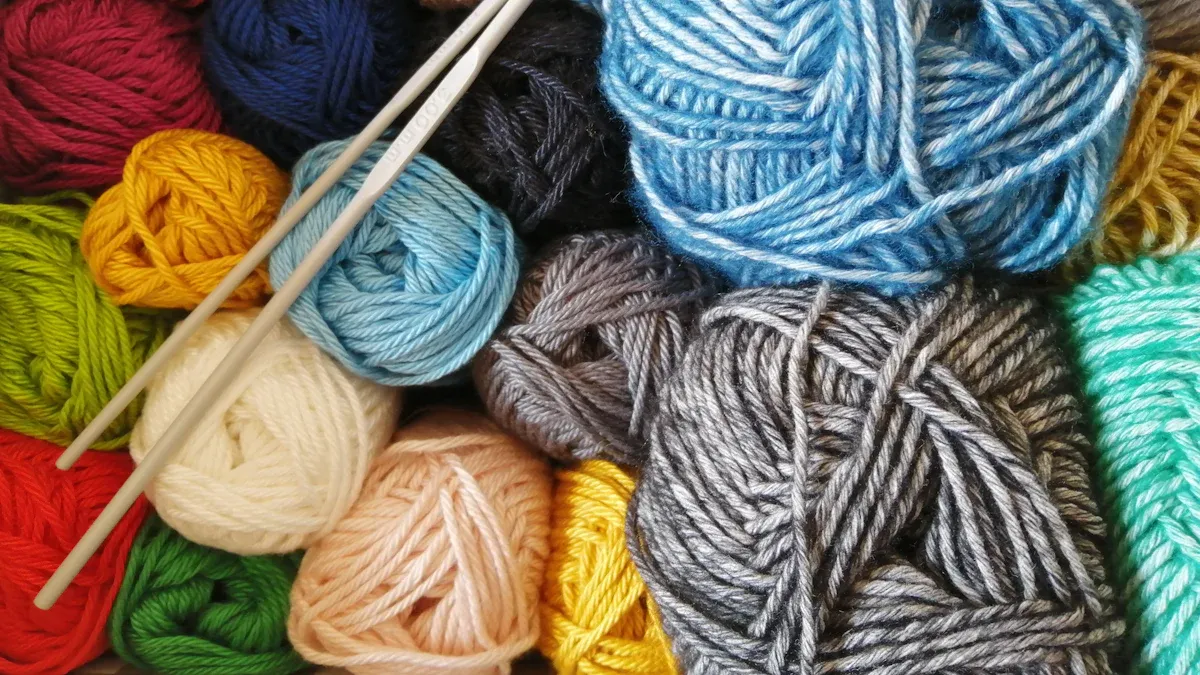
Picking the right yarn and needles sets the stage for your cable knit sweater. You want your cables to stand out and feel great. Yarn type changes how your cables look and how your sweater feels. Plied yarns, like superwash merino, make cables pop and hold their shape. Sock weight yarn mixed with lace cashmere gives a softer look and a nice drape. Animal fibers add warmth and texture, while plant or synthetic fibers need more testing to get the right effect.
Here’s a quick table to help you compare yarns for knitting cables:
Yarn Type | Effect on Cables |
|---|---|
Plied, Superwash Merino | Cables pop and have structure |
Sock Weight + Lace Cashmere | Cables are subtle with a lovely drape |
Blockable Fibers | Hold shape after washing, enhancing cable definition |
Animal Fibers | Texture and warmth |
Plant/Synthetic Fibers | Need more experimentation |
Needle size matters, too. Smaller needles make tighter cables, while bigger needles give a looser look. Try different combinations to see what works best for your design.
Tip: Tightly plied yarns show off your cables. More plies mean better stitch definition, so your cable knit sweater looks crisp and professional.
Swatch & Test Patterns
Swatching is your secret weapon for gorgeous cable knit sweaters. When you knit a swatch, you test your yarn, needles, and cable patterns before starting the real project. Swatching lets you see how your cables behave and helps you fix problems early. Expert knitters treat swatching as a way to explore ideas and refine their designs.
Swatching helps you test different yarns and stitches.
You find the right gauge for your cable knit sweater.
You can adjust your needle size to get the texture and durability you want.
Make a gauge swatch with the yarn and needles you plan to use. Measure how many stitches and rows fit in a set space. Even small changes in gauge can make a big difference in the final size of your sweater.
Note: Swatching is not just a test. It’s a chance to play with your design and make sure your knitting cables look perfect.
Select Stitch Count
Stitch count shapes the look and fit of your cable knit sweater. If you swap just a few stitches, you get a thin cable. Use more stitches, and your cable gets bigger and bolder. The way you repeat your cable stitches changes the height and texture. Closer repeats make a tight, braid-like cable. Spaced-out repeats create a rounder, softer look.
Small stitch counts give you thin cables.
Large stitch counts make big, dramatic cables.
Repeating cables often creates a dense, textured fabric.
Spacing out cables gives your sweater a lighter feel.
Gauge measures how many stitches and rows you have in a certain area. Getting the right gauge is key for a cable knit sweater that fits well. If your gauge is off, your sweater might end up too big or too small. Always check your stitch count and adjust as needed.
Tip: Try different stitch counts and cable placements. You’ll discover new textures and styles for your cable knit sweater.
When you choose the right yarn, needles, and stitch count, and you swatch your patterns, you set yourself up for success. Your cable knit sweater will look and feel just the way you want, and your brand’s style will shine through every twist and turn.
Develop & Refine Your Pattern
Knit Samples
You want your cable knit design to look sharp and feel great. The best way to see how your ideas work is to knit samples. Try out your cables on small swatches before you start the full sweater. This helps you spot problems early and make changes without wasting yarn.
Practice knitting intersections evenly. This gives your cables a clean and precise look.
Use cable needles or stitch markers. These tools make working with tricky patterns much easier.
Experiment with different yarns and needle sizes. You might find that a chunky yarn makes your cables stand out, while a thinner yarn gives a softer effect.
Be patient. Some patterns seem tough at first, but you’ll get better with practice.
If your sample doesn’t look right, don’t worry. You can always try again with a new yarn or needle size. Every swatch teaches you something new about your design.
Adjust for Uniqueness
You want your sweater to show off your brand’s personality. Adjusting your pattern helps you stand out from the crowd. Play with different types of cable stitches. Mix in bold twists, braids, or diamonds. You can also add color to highlight your cables and make your sweater pop.
Try new cable stitches for a personal touch.
Use colors to make your cables the star of the show.
Combine cable patterns with ribbing or lace. This creates a one-of-a-kind look.
Designers often blend cables with other textures to create something fresh. You can do the same. If you see a knitting pattern you like, think about how you can change it to fit your brand’s style.
Here’s a table showing how designers adjust patterns for originality and fit:
Aspect of Adjustment | Description |
|---|---|
Understanding Construction | Know if you knit flat or in the round. This helps you make smart changes. |
Modifying Dimensions | Change the size for a better fit. Use special strategies to get it right. |
Changing Stitch Patterns | Make sure your new stitch pattern matches the old gauge. This keeps the design balanced. |
Troubleshoot Techniques
Sometimes, things don’t go as planned. Maybe your cables twist too tightly, or the fabric puckers. Troubleshooting helps you fix these problems and improve your design.
If your cables look messy, check your tension. Try knitting a little looser or tighter.
Use stitch markers to keep track of complex repeats.
If your sweater doesn’t fit, measure your swatch again and adjust your stitch count.
Don’t give up if a pattern feels hard. Take breaks and come back with fresh eyes.
You learn a lot by solving problems as you go. Each fix makes your cable knit design stronger and more unique.
Tip: Keep notes on what works and what doesn’t. Your future projects will be easier, and your brand’s style will keep getting better.
Finalize, Document & Produce
Write Instructions
You want your cable knit design to be easy for others to follow. Clear instructions help knitters create your sweater just the way you imagined. Start by breaking down each step. Write out the cast-on, row repeats, cable crossings, and shaping. Use short sentences. Number each step so readers can track their progress. If you use special stitches, explain them in a simple way. Add tips for tricky parts. You can even include a small glossary for new knitters.
Tip: Ask a friend or fellow knitter to test your instructions. They might spot confusing parts that you missed.
Create Charts
Charts make your cable patterns easy to understand. You can use symbols to show each stitch and cable movement. Many knitters prefer charts because they can see the whole pattern at a glance. Draw your chart on graph paper or use a digital tool. Label each row and column. Use a key to explain what each symbol means. If your pattern has repeats, highlight them with bold lines or colors.
Here’s a simple chart key you can use:
Symbol | Meaning |
|---|---|
○ | Knit stitch |
▒ | Purl stitch |
↔ | Cable cross |
▲ | Increase |
▼ | Decrease |
Charts help knitters avoid mistakes. You can also include written instructions for those who prefer reading step-by-step.
Prepare for Production
You want your design to look great whether you knit one sweater or a hundred. Professional knitwear designers follow a clear process to get ready for large-scale production. Here’s how you can do it:
Gather trends and sketch your design. Develop technical specifications for your sweater.
Select yarn by checking fiber content, weight, texture, and color. Make sure it matches your brand style.
Prepare your knitting machine or tools. Cast on and shape the garment as planned.
Choose dyeing methods if you want custom colors. Inspect each sweater for quality.
Do a final inspection. Check for mistakes, loose threads, or uneven cables. Label and package your sweaters so they look professional.
Note: Good preparation means fewer surprises. Your cable knit design will look polished and ready for your customers.
When you write clear instructions, create helpful charts, and follow a solid production plan, you set your brand up for success. Your cable knit sweater will be easy to make, easy to wear, and easy to love.
Branding & Showcasing
Photograph Your Work
Great photos help your cable knit designs shine. You want people to see the texture, color, and details that make your sweater special. Use natural light when you can. Morning or late afternoon gives you soft, even light. Place your sweater on a simple background. White or light gray works well. Try a few angles. Show the front, back, and close-ups of the cables. If you have a model, ask them to wear the sweater. People love to see how a sweater fits and moves.
You can use your phone for photos. Clean the lens before you start. Hold the camera steady. Tap the screen to focus on the cables. Take more photos than you think you need. Later, pick the best ones. Edit your photos to brighten them and make the colors true to life. Good photos help your brand look professional and trustworthy.
Tip: Add a small prop, like a ball of yarn or a knitting needle, to show your creative process.
Add Brand Elements
You want people to remember your brand. Add your logo to your sweater tags or packaging. Use the same colors and fonts on your website, labels, and social media. This helps people spot your work right away. You can also add a special stitch or motif to every design. This becomes your signature.
Think about your story. Why did you start your brand? What makes your cable knits different? Share this story in your product descriptions and on your website. Use sensory words. Describe how the sweater feels—soft, warm, or cozy. Tell who the sweater is for. Maybe it is perfect for chilly mornings or cozy nights by the fire.
Here are some ways to add brand elements:
Sew custom labels inside each sweater.
Use branded tissue paper or bags for packaging.
Include a thank-you note with every order.
Market Your Design
Now you want people to find and love your cable knit designs. Start with a strong product description. Use words that help people imagine wearing your sweater. Tell them what makes it special. Is it the bold cables? The soft yarn? The perfect fit?
You can use email marketing to stay in touch with your customers. Send a newsletter when you launch a new design. Offer a discount for signing up. Share behind-the-scenes photos or stories about your creative process. This keeps people interested and excited about your brand.
Working with others can help you reach more people. Team up with a yarn dyer or another designer. You can create a special collection together. This brings your work to new audiences who already love knitting.
Here’s a table with some top branding strategies for cable knit designs:
Strategy | Description |
|---|---|
Use sensory words and stories to excite customers. Highlight what makes your design unique and who it is for. | |
Email Marketing | Build a direct connection with newsletters. Offer sign-up perks and share updates to keep interest high. |
Collaboration | Partner with yarn dyers or designers. Reach new audiences and boost your brand’s visibility. |
Write creative product descriptions.
Send regular email updates.
Collaborate with others in the knitting world.
Note: When you show your work with pride and tell your story, people remember your brand. Your cable knit designs become more than sweaters—they become part of someone’s life.
You now have a roadmap for making your own signature cable knit design. Start by thinking about your brand’s values and style. Gather inspiration, sketch your ideas, and test your patterns. Try new stitches and colors. Don’t be afraid to make mistakes—each one helps you grow. Your creativity sets your brand apart. Remember, your unique touch makes every sweater special. Go ahead and let your ideas shine! ✨
FAQ
How do I choose the best yarn for cable knit designs?
You want yarn that shows off your cables. Plied yarns work well. Wool and blends hold shape. Try a few swatches before you decide.
Can I design cable knits if I am a beginner?
Yes! Start with simple cables. Practice on small projects. You will learn as you go. Mistakes help you improve.
What tools do I need for cable knitting?
You need knitting needles, cable needles, and stitch markers. A measuring tape helps with sizing. A notebook keeps your ideas organized.
How do I make my cable knit design unique?
Mix different cable patterns. Play with color and texture. Add a special motif or stitch. Your style will shine through.
Why does my cable knit look uneven?
Check your tension. Try knitting slower. Use the same yarn throughout. Swatch before starting your project.
How can I grade my cable knit pattern for different sizes?
Use a table to track measurements for each size:
Size | Chest (inches) | Sleeve (inches) |
|---|---|---|
Small | 36 | 22 |
Medium | 40 | 23 |
Large | 44 | 24 |
Adjust cable repeats to fit each size.
What is the easiest way to fix a mistake in cables?
Use a crochet hook to fix dropped stitches. Unravel just the section with the mistake. Take your time. You can always redo a row.
How do I add my brand to my cable knit sweater?
Tip: Sew a custom label inside your sweater. Use your brand colors for tags and packaging. Share your story on social media.