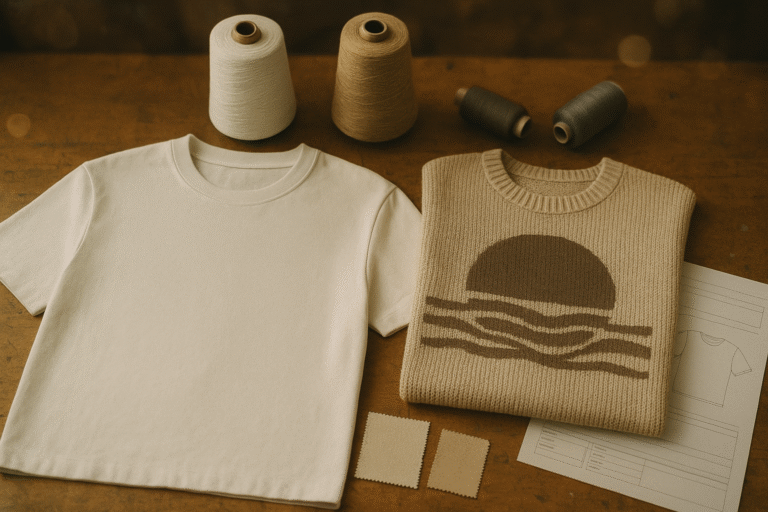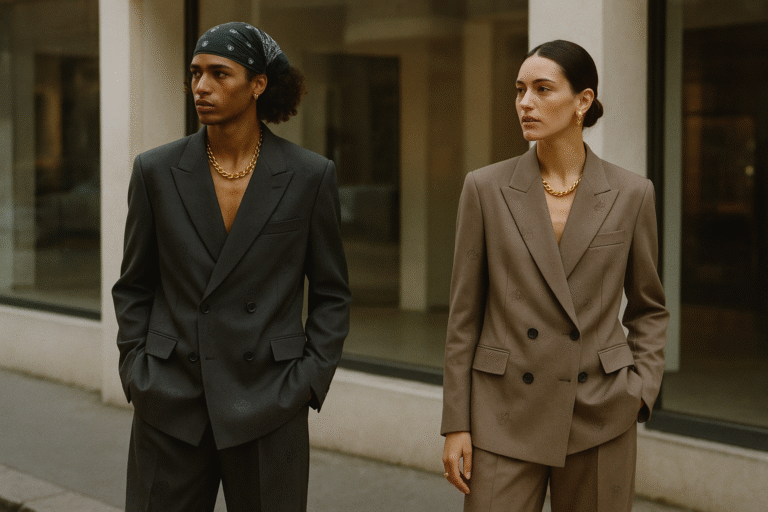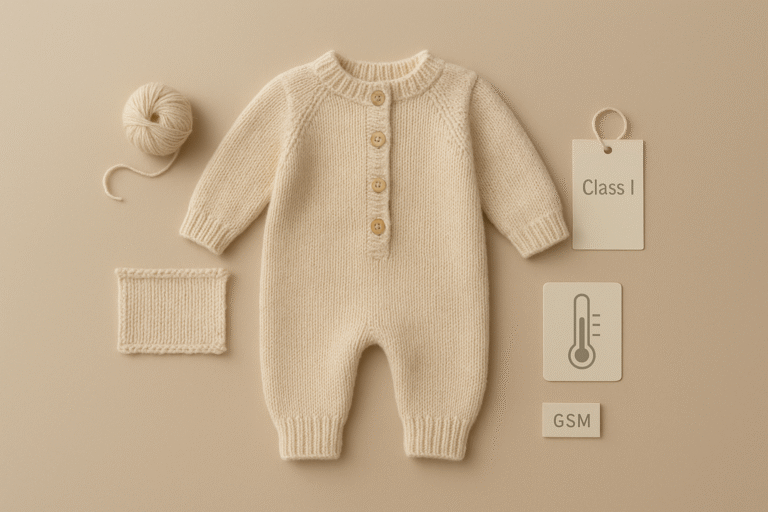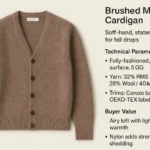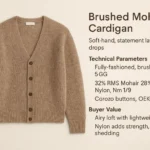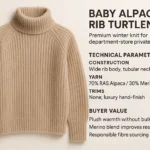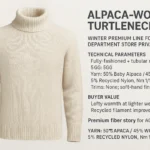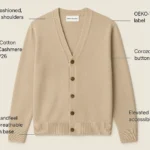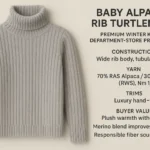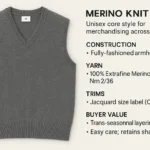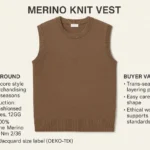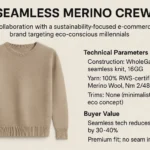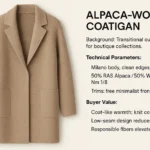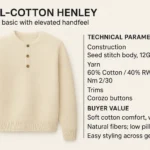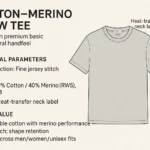


Wondering how do brands create matching knitwear sets? You see these warm, cool sets everywhere. Their popularity keeps rising. The global knitwear market is huge. It reached USD 780.21 billion in 2024 and is expected to more than double by 2031. If you want to know how it works, brands follow some main steps. They first find their niche. Then they study yarn and fabric. Next, they build their brand identity. After that, they design the collection. Finally, they get tech packs ready for production.
Key Takeaways
Begin with a clear theme for your knitwear set. This helps you decide how your designs will look and feel.
Find out who will buy your products. Study what customers like and look at their ages and interests. This helps you make things people want to buy.
Watch for new trends so your designs stay popular. Notice what styles and colors are in demand each season.
Pick yarn and fabric that feel good and last long. Good materials make your knitwear sets more attractive.
Use matching patterns and colors in your designs. Mixing different textures and colors can make your set unique.
Make tech packs with lots of details for making your products. This helps workers turn your ideas into real items.
Try out samples to see if they fit well and look good. Change your designs if needed after testing them in real life.
Check every product carefully during production. This keeps your items the same and makes customers happy.
How Do Brands Create Matching Knitwear Sets?
Thematic Direction
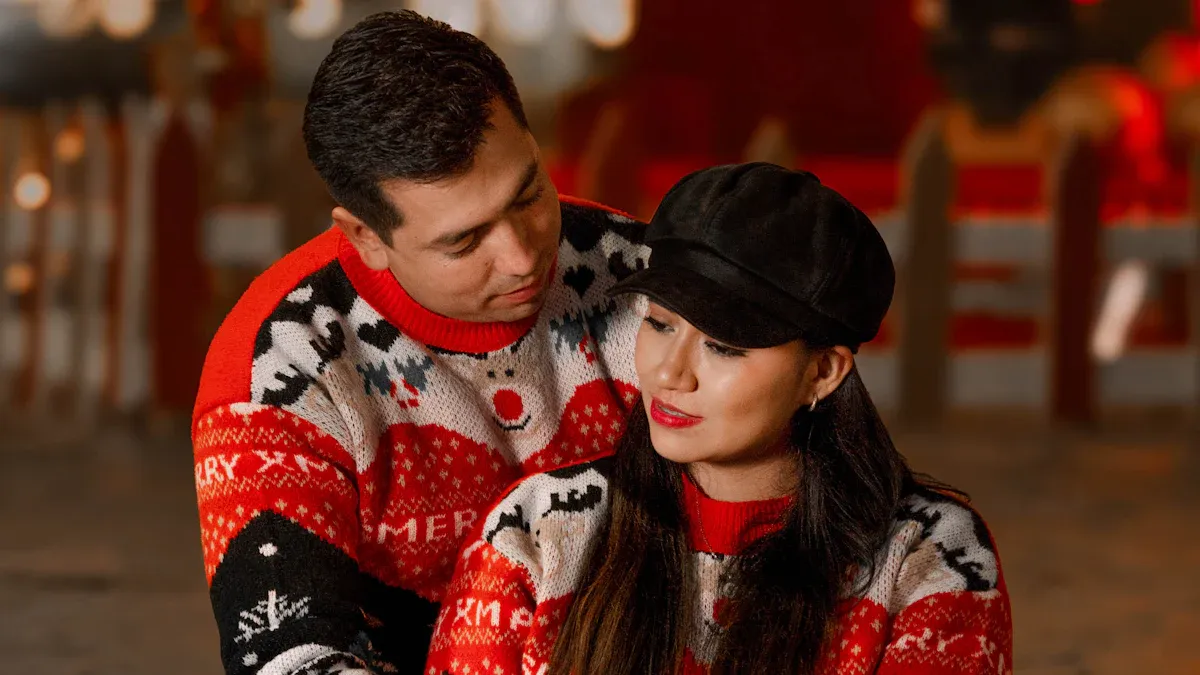
When you want to know how do brands create matching knitwear sets, you need to look at the very first step. Brands always start with a theme. This theme gives the collection a clear direction. Maybe you see a new collection inspired by cozy winter nights or bright spring mornings. The theme helps you feel a certain mood when you look at the knitwear.
If you want to start a knitwear brand, you should pick a theme that matches your vision. Some brands choose classic looks, while others go for bold colors or playful patterns. The theme guides every part of the design. It shapes the colors, the patterns, and even the way the pieces fit together. When you see a collection that feels put together, it is because the brand followed a strong theme from the start.
Niche & Target Market
You might wonder how do brands create matching knitwear sets that people actually want to buy. The answer is simple. They study their niche and target market. Brands do not guess what you want. They use real methods to find out.
Here is a quick look at how brands figure out their niche and target market:
Method | Description |
|---|---|
Understanding Preferences | Identify what customers are looking for and what they desire in knitwear sets. |
Analyzing Demographics | Consider age, location, gender, lifestyle, and spending habits to tailor offerings. |
Studying Competitors | Examine competitors’ product ranges, pricing, and marketing strategies to find market gaps. |
When you start a knitwear brand, you need to know who will wear your collection. Maybe you want to reach young adults who love trendy styles. Or maybe you want to make sets for families who want to match during the holidays. You look at what other brands are doing, but you also try to find something new. This helps your new collection stand out.
The popularity of matching knitwear sets keeps growing. Sales of matching sets jumped by 200% this year for some brands. Stores added thousands of new styles for both men and women. You can see that people love these sets, so brands focus on them more and more.
Trend Influence
Trends play a big role in how do brands create matching knitwear sets. You see new styles every season. Brands pay close attention to what is popular right now. They look at colors, patterns, and even the way people wear their knitwear.
Seasonal demand shapes the design and marketing of each collection.
Two-piece sets are very popular, so brands make sure to include them in every new collection.
Many brands try new materials and focus on sustainability because shoppers care about the planet.
Search interest for sweater sets goes up in autumn and winter. Brands launch their new collection in late summer or early fall to catch your attention.
If you want to know what makes a matching knitwear set successful, you should look at a few key things:
The fabric and construction must feel high-quality.
The design should let you wear the pieces in different ways.
The collection needs to match current trends, like popular colors or patterns.
Brands also listen to what you say. They read your reviews and watch what you buy. If you ask for softer yarn or better sizing, they make changes in the next collection. This feedback helps brands improve and keep you coming back for more.
Tip: If you want to spot the next big trend in knitwear, watch for new arrivals in stores just before the weather changes. That is when brands launch their latest matching sets!
So, when you ask how do brands create matching knitwear sets, remember that it all starts with a theme, a clear target market, and a close eye on trends. This is how your favorite brands keep their collections fresh and exciting every season.
Yarn and Fabric Selection
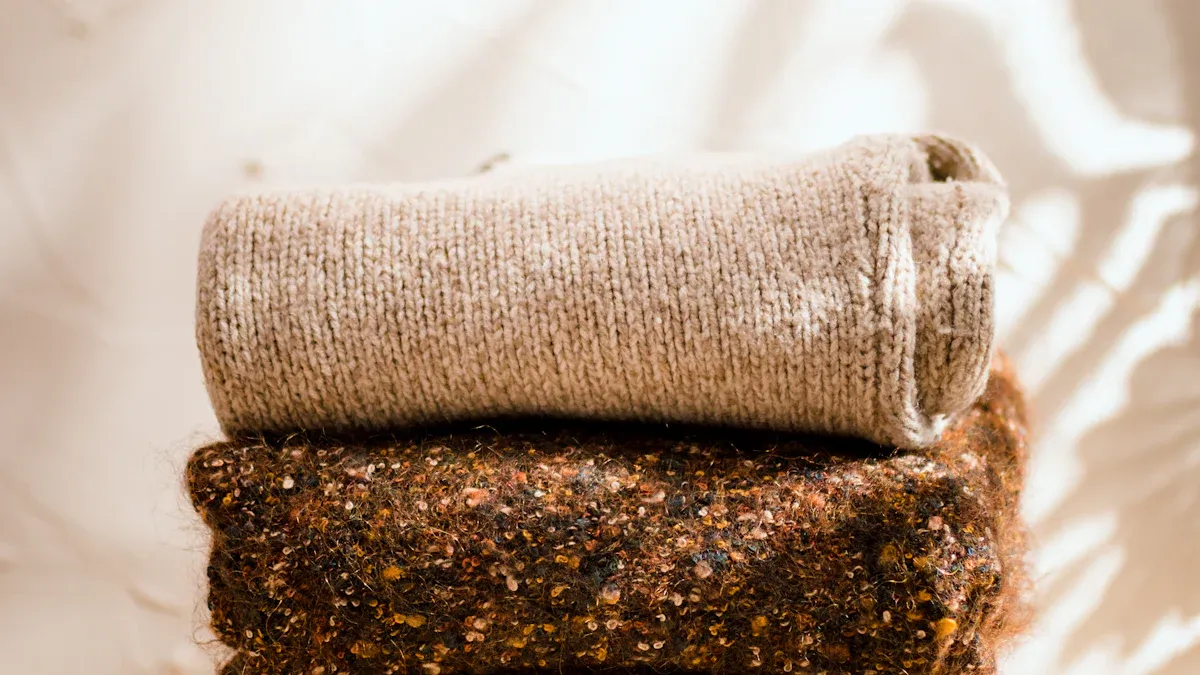
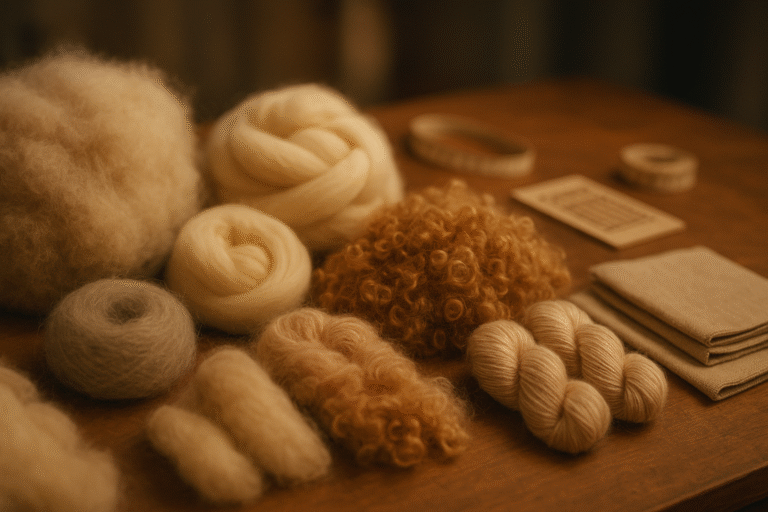
Choosing the right yarn and fabric is a big step when you want to create matching knitwear sets. You want your pieces to feel soft, last a long time, and look great together. Let’s break down how brands make these choices.
Yarn Types
You might wonder how brands pick the perfect yarn for their collections. They look at a few important things:
The purpose of the project. Are you making cozy loungewear or something for outdoor adventures?
How much wear and tear the set will face. Durability matters, especially if you want your knitwear to last.
How much care you want to give your clothes. Some yarns need gentle washing, while others can handle the machine.
Brands also check the details of each yarn:
Fiber content, like wool, cotton, or blends, tells you how the fabric will feel and perform.
Weight, measured by thickness, affects how warm or light the set feels.
Care instructions help you know how to wash and keep your knitwear looking new.
You see, brands want you to love wearing your set again and again.
Fabric Compatibility
Matching sets need to look and feel right together. Brands test different fabrics to make sure they work well as a pair. Here’s what they check:
Performance Factor | Importance |
|---|---|
Makes sure the pieces drape nicely and fit the style. | |
Stretch and recovery | Keeps the set comfy and helps it bounce back after wearing. |
Shrinkage behavior | Stops surprises after washing and keeps returns low. |
Breathability and opacity | Helps you layer pieces and stay comfortable in any weather. |
Comfort and durability matter a lot. Many people say they want knitwear that feels good and lasts. Ribbed knits are popular because they stretch, fit well, and keep their shape even after many washes. You want your set to stay looking sharp, even after a busy season.
Sustainable Choices
Today, you probably care about where your clothes come from. Brands do, too. They look for sustainable fibers that are better for the planet. Some top choices include:
Cotton, which is natural, biodegradable, and often made in small batches.
Cashmere, especially organic blends, for a soft and eco-friendly feel.
Organic merino wool, cashmere wool blends, and even cashmere silk or cotton blends.
Wool stands out because it’s renewable and lasts for decades. It uses less water and energy than synthetic fabrics and breaks down naturally. Big brands now use special lists to keep harmful chemicals out of their production. This helps protect workers, you, and the environment.
Tip: If you want to support sustainability, check the label for organic or recycled materials. Your choice can make a difference!
When you pick matching knitwear sets, you get comfort, style, and a chance to help the planet. Brands work hard to give you options that feel good and do good.
Design Process
Coordinated Patterns
When you design your collection, you want every piece to work together. You start by thinking about custom patterns that make your knitwear stand out. Brands often use a mix of textures and shapes to create interest. You might see a chunky cable knit paired with a smooth ribbed pattern. This mix adds depth and keeps your set from looking flat.
Here are some design principles that help you create coordinated patterns:
Color harmony makes your set look polished. You choose shades that blend well, like soft blues with grays or warm browns with creams.
Balanced proportions matter. You can pair a loose sweater with fitted pants or a cropped top with high-waisted bottoms. This helps you create a pleasing silhouette.
Texture and pattern mixing pushes the boundaries of knitwear. You might add a bold stripe to one piece and a subtle diamond pattern to another. These custom knitwear designs keep your collection fresh.
Tip: If you want your matching set to pop, try mixing custom patterns with different textures. This simple trick can make your outfit look unique.
Color Harmony
Color plays a huge role in custom knitwear designs. You want your pieces to look good together, not clash. Brands use a few tricks to get this right. You can pick complementary colors, like blue and orange, for a bold look. If you want something softer, try analogous colors, such as blue and green, which sit next to each other on the color wheel.
Here’s a quick table to help you see how brands achieve color harmony:
Color Strategy | Effect on Knitwear Sets |
|---|---|
Complementary Colors | High contrast, vibrant look |
Analogous Colors | Soft, easy-to-wear palette |
Warm & Cool Mix | Needs careful balance |
You should be careful when mixing warm and cool colors. If you get it wrong, your set might look off. When you design your collection, always test your color combos before you start making the pieces.
Fit & Silhouette
Fit and silhouette can make or break your matching knitwear set. You want your clothes to flatter your body and feel comfortable. Brands think about body shape when they design each piece. They choose cuts that look good on different figures. The type of knit fabric also changes how the set feels and fits.
Here are some things to keep in mind:
Understanding body shape helps you pick styles that look great.
The cut and fit of each piece affect how the whole set looks.
Knit fabric type changes the comfort and style. A stretchy rib knit hugs your body, while a chunky knit gives a relaxed vibe.
Styling tricks, like tucking in a sweater or rolling up sleeves, can help you create a balanced silhouette.
When you focus on fit, you push the boundaries of knitwear. You can use custom patterns to highlight your favorite features. If you want your set to stand out, pay attention to how each piece fits and moves with you.
Note: Always try on your knitwear before you buy. The right fit makes you feel confident and comfortable.
Tech Packs & Prototypes
When you want your matching knitwear sets to look and feel just right, you need to start with a strong plan. This is where tech packs and prototypes come in. These steps help you turn your ideas into real clothes that fit well and show off your brand’s style.
Tech Pack Essentials
A tech pack is like a blueprint for your knitwear. It gives everyone involved the details they need to make your vision come true. If you want your sets to have the best fit and style, you need a clear tech pack. Here’s what you should include:
Cover page and project info so everyone knows what the project is about.
Technical sketches and CAD drawings to show the design from every angle.
Measurements and sizing charts to make sure each piece fits as planned.
Yarn, fabric, and color details for perfect matching and customization.
Construction and stitch details to guide the makers.
Branding, labeling, and packing instructions for a polished finish.
You can see how important customization is at this stage. You get to choose every detail, from the yarn to the label. This helps your knitwear stand out and match your brand’s story.
Prototype Development
After you finish your tech pack, you move on to making a prototype. This is your first real sample. You start with sketches, tech packs, and sometimes even swatches or inspirational images. Next, you pick the yarn. Sometimes you choose it yourself, or you work with a consultant who knows about yarns and fabrics.
Here’s how the process usually goes:
You gather your sketches, tech packs, and any inspiration you have.
You select the yarn that matches your vision and allows for customization.
Makers create the first prototype based on your instructions.
You try out the prototype, check the fit, and see if it matches your idea.
After testing, you make changes and create a final sample.
This step lets you see your customization choices in action. You can touch the fabric, check the color, and decide if you want to tweak anything before making more sets.
Tip: Always test your prototype in real-life situations. Wear it, wash it, and see how it holds up!
Fitting Adjustments
Getting the fit right is key for matching knitwear sets. You want every piece to feel comfortable and look great. The fitting process starts with the prototype. You try it on, look for any problems, and make notes about what needs to change.
The steps for fitting adjustments include:
Prototyping, where you create a sample to check the design and fit.
Pattern development, which turns your ideas into patterns for production.
Skilled artisans, who use their experience to program machines and make changes for better customization.
You might need to adjust the length, the width, or even the type of stitch. Customization at this stage makes sure your knitwear fits different body types and matches your brand’s promise. When you pay attention to these details, you end up with a set that people love to wear.
Production Partnerships
When you want your matching knitwear sets to reach stores, you need the right partners. These partners help you turn your designs into real products. Let’s look at how brands work with different types of partners to make the production process smooth and efficient.
Full-Package Manufacturing
Full-package manufacturers make your life much easier. They handle almost everything for you, from the first sketch to the final delivery. You can find these manufacturers in the USA, UK, Germany, and many other countries. Some can even produce 10,000 matching knitwear sets in just one week!
Here’s what you get when you work with a full-package manufacturer:
They help you develop styles, even if you only have a rough idea or a simple sketch.
You get lots of material options, so your knitwear feels just right.
They make samples quickly—sometimes in as little as five days.
They manage large-scale production, starting from 2,000 pieces.
You can choose custom packaging that makes your brand stand out.
They take care of everything, making sure your sets are high quality and delivered on time.
Service Offered | Description |
|---|---|
Design Assistance | Turn your ideas into market-ready styles. |
Material Selection | Pick the best yarns and fabrics for your needs. |
Sample Making | Get samples fast to test your designs. |
Mass Production Management | Handle big orders with ease. |
Custom Packaging Solutions | Create packaging that fits your brand. |
You can see why so many brands trust full-package manufacturers for their production needs.
On-Demand Production
On-demand production is a smart choice if you want to avoid extra stock and waste. You only make what your customers order. This method helps you save money and respond quickly to new trends.
Benefit | Explanation |
|---|---|
You only produce what sells, so you don’t end up with unsold sets. | |
Cost Savings | Pre-orders give you money up front, which helps your cash flow. |
Quick Response to Trends | You can change your designs fast when you see what’s popular. |
If you want to stay flexible and keep up with what your customers want, on-demand production is a great option.
Sample to Bulk Production
Moving from a single sample to a big order takes careful planning. Here’s how you do it:
Match your product and pattern with your team.
Make a first prototype to test your design.
Update the pattern after each test.
Check the fit and how the sample works.
Finish your tech pack and pattern.
Request a size set to check all sizes.
Confirm the design with a pre-production sample.
Approve the top sample before starting bulk production.
You need to check the fit, construction, and materials at every step. This helps you catch problems early and make sure your matching knitwear sets look and feel great when they reach your customers.
Tip: Always pay close attention during the sample stage. Good quality control here means fewer problems later in production.
Now you know how brands use different partnerships to make sure their matching knitwear sets are made well, delivered on time, and ready for the market.
Quality Control & Launch
Consistency Checks
You want every knitwear set to look great. Brands use many steps to check each piece. They make sure color, size, and quality all match. Before making the sets, teams test yarn and check colors. Sampling teams look at samples in every size. This keeps sizing the same for all sets. While knitting, quality teams do random checks. They look for problems early. After knitting, panel checkers search for flaws. This stops sweaters with holes or loose threads from reaching you.
Here’s how brands keep things the same:
What It Does | Who Handles It | Why It Matters | |
|---|---|---|---|
Pre-production checks | Checks yarn, tension, and color | Sampling | Finds problems early |
Sample inspection | Looks at fit and sizing for all sizes | Sampling | Keeps sizing accurate |
Real-time checks | Spots defects during knitting | Quality Assurance | Prevents wasted materials |
Panel inspection | Finds flaws after knitting | Panel Checking | Fixes issues cheaply |
Linking checks | Checks seams for strength and looks | QA/Linking Supervisor | Makes sets durable |
Full garment inspection | Inspects every finished piece | MUP | Avoids costly mistakes |
Hand-hemmed edge review | Checks edges for neatness | MUP | Keeps luxury look |
Bright light inspection | Finds hidden surface flaws | MUP | Reveals tiny defects |
Post-wash review | Tests for shrinkage and dye bleeding | Washing | Mimics real use |
Size spec comparison | Measures against approved specs | Finishing/QA | Satisfies customers |
Final inspection | Checks cleaned garments before packing | QA/Finishing | Catches last-minute issues |
Packing verification | Checks folding, labeling, and barcodes | Finishing | Prevents shipping delays |
Carton inspection | Inspects boxes before shipping | Quality Assurance | Builds buyer trust |
Tip: If you find a flaw in your knitwear, it missed many checks. Brands try hard to stop that from happening!
Final Touches
You want your knitwear set to feel special. Brands add small details to make each piece unique. They check hand-hemmed edges to make sure they look neat. Teams use bright lights to spot tiny problems. After washing, they check for shrinking or color fading. If a sweater shrinks too much or loses color, it does not go to stores.
Before packing, finishing teams check each piece’s size. They make sure every set matches what the brand promises. Labels get checked to be correct. Barcodes must scan the right way. These steps help you get a product that looks and feels perfect.
Note: The last inspection is the final chance to find mistakes. Brands want you to be happy when you open your new set.
Retail Preparation
Getting knitwear sets ready for stores takes planning. Brands design labels with their logo, care tips, and material info. Graphic designers use special programs to make labels look nice and easy to read. The label material matters a lot. Polyester, cotton, or satin is picked to match the sweater’s feel and last long.
Here’s how brands get sets ready for stores:
Step | What Happens | Why It Matters | How It’s Done | Result |
|---|---|---|---|---|
Design | Create labels with logo and info | Builds brand identity | Graphic design software | Attractive, clear labels |
Material Selection | Pick label material to match garment | Ensures comfort and durability | Choose polyester, cotton, etc. | Labels that last |
Printing | Print label design onto material | Keeps info readable | Screen, thermal, or digital | Fade-resistant labels |
Attachment | Sew labels onto sweaters | Secures label, easy to find | Sewing machine | Labels stay put |
Quality Check | Inspect labeled garments for defects | Guarantees quality | Manual inspection | Satisfied customers |
After labels are attached, teams check every set again. They look for loose threads, crooked labels, or missing info. Only sets that pass all checks go into boxes for shipping. When you buy a matching knitwear set, you get something checked, packed, and prepared with care.
If you love seeing a neat label on your new sweater, you are enjoying careful retail preparation!
When you want to launch your first collection, each step is important. Careful checks help find loose threads and bad stitches. This makes every set look its best. Teams talk and share ideas to fix problems fast. They use online design briefs to make quick changes.
Collaboration Aspect | How It Helps You |
|---|---|
Fast response time | Solves problems quickly |
Design teamwork | Matches colors and styles easily |
Production speed | Gets your sets to stores on time |
If you pay attention to details and work well with your team, your knitwear sets will be special. People like clothes that feel good, look nice, and can be mixed for any event.
FAQ
What makes a knitwear set “matching”?
You get a matching knitwear set when the top and bottom use the same yarn, color, and pattern. The pieces look like they belong together. You can wear them as a set or mix them with other clothes.
How do I care for my knitwear set?
Always check the care label first! Most knitwear sets need gentle washing. Use cold water and lay flat to dry. This keeps your set soft and helps it last longer.
Can I wear matching knitwear sets in every season?
Yes! You can find lightweight cotton sets for spring and summer. Wool or cashmere sets keep you warm in fall and winter. Just pick the right fabric for the weather.
Are matching knitwear sets only for women?
No way! Brands make matching sets for everyone—men, women, and kids. You can find styles for any age or taste. Matching sets work for families, couples, or friends.
Why do matching knitwear sets cost more than single pieces?
You pay more because you get two or more pieces that match perfectly. Brands use quality yarn and careful design. This takes extra time and skill.
How do I style a matching knitwear set?
Wear both pieces together for a bold look.
Mix one piece with jeans or a skirt for something new.
Add sneakers or boots for a casual vibe.
What should I look for when buying a set?
Feature | Why It Matters |
|---|---|
Softness | Feels good on your skin |
Fit | Looks great on you |
Color | Matches your style |
Care label | Easy to wash |
Can I find sustainable matching knitwear sets?
Absolutely! Look for sets made with organic cotton, recycled yarn, or certified wool. Many brands now offer eco-friendly options. 🌱