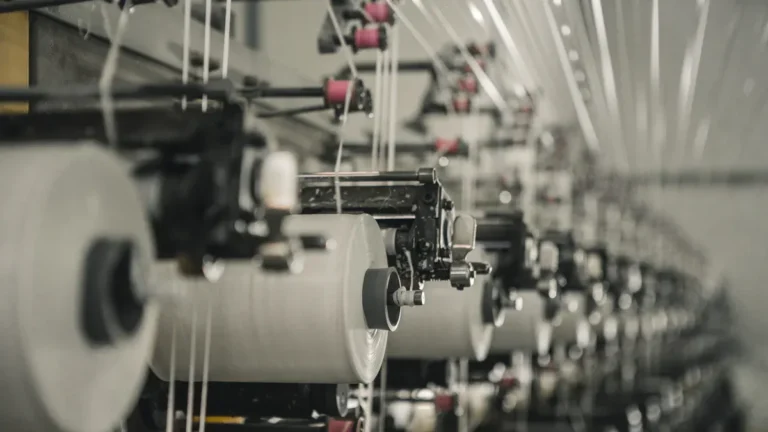


When asking, “how do I evaluate a factory’s technical capability?”, you need a clear plan to assess the factory’s strengths. This approach helps you make informed decisions and improve supplier performance.
To answer “how do I evaluate a factory’s technical capability?”, start with a capability analysis to see if the factory meets your product requirements and to identify ways to enhance quality.
Conducting a process capability study is another key step in how do I evaluate a factory’s technical capability, as it shows whether the factory can consistently meet customer demands over time.
Understanding machinery capacity is also part of how do I evaluate a factory’s technical capability, ensuring you can deliver products on time and fulfill customer expectations.
Key Takeaways
Begin with a capability analysis to see if the factory fits your product needs. This helps you find ways to improve quality.
Make clear goals for your evaluation. This helps you focus on the most important parts of the factory’s technical skills.
Set quality and performance rules using known standards like ISO 9001. This makes sure the product quality stays the same each time.
Do a full compliance check to see if the factory follows all laws and rules. This keeps your business safe.
Look at important things like machines, worker skills, and maintenance plans. This helps you judge how good the factory is.
Follow a step-by-step process to check production areas and machine output. Find times when machines are not working to learn more.
Do manufacturing audits to get facts about the factory’s past, certificates, and reputation. This helps you make smart choices.
Use continuous improvement ideas like lean practices and kaizen. This helps the factory work better and makes products higher quality.
Set Evaluation Objectives
When you set clear evaluation objectives, you can measure a factory’s technical capability better. You need to know your goals before you start checking the factory. This step helps you pay attention to the most important things and gather good information.
Define Product and Process Needs
First, write down what you need for your product and how you want it made. Think about the materials, design, and ways of making the product that are important for your company. In electronics, factories often use lean manufacturing, closed-loop material recovery, and energy management systems. These methods help cut down waste and make work faster. You also need to think about predictive maintenance and equipment reliability. These use IoT technology to watch machines and keep them working well. When design and manufacturing teams work together early, the results are better.
Challenge | Strategic Solutions |
|---|---|
Lean manufacturing principles | Focused on waste reduction |
Closed-loop material recovery systems | For precious metals and rare earth elements |
Energy management systems | Optimize power consumption across production lines |
RoHS and REACH compliance programs | For material selection |
Predictive Maintenance and Equipment Reliability | IoT-enabled predictive maintenance systems utilizing vibration, thermal, and performance analytics |
Design for Manufacturability (DFM) Integration | Early collaboration between design and manufacturing teams is essential for optimal outcomes |
You should use these ideas to set your own product and process needs. This will help you pick the best factory and make your products better.
Establish Quality and Performance Criteria
You need to choose which quality rules and performance goals matter for your products. These rules help you compare different factories and pick the right one. Many companies use standards like ISO 9001, ISO 13485, GMP, ISO/TS 16949, and AS9100. These standards focus on what customers want and making sure products are made the same way every time.
Standard | Description |
|---|---|
ISO 9001 | A widely recognized standard for Quality Management Systems focusing on customer requirements. |
ISO 13485 | Ensures product development processes meet quality management standards for medical devices. |
GMP | Regulations ensuring consistent production and control according to quality standards. |
ISO/TS 16949 | Specific standard for automotive quality management. |
AS9100 | Aerospace industry-specific quality management standard. |
You should also learn about Six Sigma and good manufacturing practices. These help you watch important numbers for quality. You can use numbers like defect rates, yield, and customer complaints to check quality. When you set clear numbers, it is easier to see how the factory is doing and make things better.
Identify Compliance Requirements
You need to make sure the factory follows all laws and rules. This is very important if you want to sell products in the European Union. Factories must follow rules like REACH Regulation, CE Marking, and the Machinery Directive. These rules need registration, risk checks, and technical papers. You also need to get export papers like the Bill of Lading, Commercial Invoice, Packing List, and Customs Declaration.
Compliance Requirement | Description |
|---|---|
REACH Regulation (EC 1907/2006) | Requires registration, risk assessment, and communication for chemicals over 1 ton/year; essential for manufacturers and importers. |
CE Marking & Machinery Directive (2006/42/EC) | Applicable to most industrial and electrical equipment; requires conformity assessments and technical documentation. |
Export Documentation | Includes necessary documents such as Bill of Lading, Commercial Invoice, Packing List, and Customs Declaration. |
Export Controls | Requires understanding of jurisdiction over goods and potential need for export licenses. |
Restricted Party Screening | Involves checking against restricted party lists to avoid legal violations. |
You should make a checklist for compliance. This helps you stay out of trouble and makes sure your products meet world rules. By following compliance, you keep your business safe and keep quality high.
How Do I Evaluate a Factory’s Technical Capability?
When you ask, “how do I evaluate a factory’s technical capability?”, you need to check a few important things. You want to see if the factory can make your products and do a good job. You also need to know if the factory can fill your orders and keep quality high. This section will show you what to look for and how to check each part.
Key Factors to Assess
You should pay attention to these main things when you ask, “how do I evaluate a factory’s technical capability?”:
Production Equipment: See if the machines are new and work well. Old or broken machines can slow down work and hurt how well things are made.
Workforce Skills: Check if the workers have good training and experience. Skilled workers help make better products and stop mistakes.
Process Control: Look for good systems that control each step. Good process control means better results and fewer problems.
Quality Systems: Make sure the factory checks quality often. Good systems catch problems early and keep customers happy.
Production Capacity: Find out how much the factory can make each day or month. You need to know if the factory can finish your orders on time.
Maintenance Programs: Ask how the factory keeps machines working. Regular maintenance stops breakdowns and keeps things running well.
Tip: When you visit a factory, look at the production floor and talk to the workers. You will learn a lot about how the factory works and how they fix problems.
Step-by-Step Evaluation Process
You can use easy steps to answer, “how do I evaluate a factory’s technical capability?” and get clear results. Many companies use these steps to check technical capability and performance:
Designate Which Production Area Will Be Analyzed
Pick the part of the factory you want to check. You might choose assembly, packaging, or testing. This helps you focus and get better answers to “how do I evaluate a factory’s technical capability?”.Identify the Output of Each Machine
Write down how much each machine makes in a set time. This shows you how well the machines work.Identify Nonproductive Hours
Find out when machines are not working. This can be for cleaning, repairs, or breaks. Nonproductive hours make work slower and hurt performance.Subtract Nonproductive Hours From Total Hours
Take away the nonproductive hours from all the hours you have. This gives you the real working time for each machine.Calculate Capacity Per Machine
Use the working hours and output to see how much each machine can make. This step helps you know if the factory can meet your needs and keep doing a good job.
Step | What You Learn | Why It Matters |
|---|---|---|
1 | Focus area | Helps you check the right part |
2 | Machine output | Shows how well machines work |
3 | Downtime | Finds hidden problems |
4 | True hours | Gives you real numbers |
5 | Capacity | Tells you if the factory is right for you |
You should do these steps for each important part of the factory. This process gives you a clear answer to “how do I evaluate a factory’s technical capability?” and helps you compare different factories. You will see what is good and what needs work. This helps you make better choices for your business.
Note: Always ask for records and data to back up what you see. Numbers and facts help you trust your check and make better decisions.
Manufacturing Audits and Preliminary Research
Manufacturing audits help you learn about a factory’s technical capability before you choose to work with them. You use the manufacturing audit process to see if the factory can meet your quality rules and send products on time. Audits show you how the factory works and what needs to get better. You use audit checklists to help you review everything and not forget anything important. Production audits and manufacturing audits also help you find risks and make smarter choices for your company.
Review Factory Background
You begin your manufacturing audit by checking the factory’s background. You want to know how long the factory has worked and what things it makes. You check if the factory uses new technology and keeps good records. Factories with more data can find problems early and fix quality faster. You look for correct data because it helps you trust your audit results. You also check if the factory uses both operational technology and information technology. This mix helps the factory learn more and make production better.
Data volume shows if the factory can find and fix quality problems.
Data accuracy helps you make good choices about inventory and process yield.
Integration of technologies lets the factory use information to get better at quality and efficiency.
Tip: Always ask for sample reports and data logs when you do manufacturing audits. These papers help you see how the factory checks quality and solves problems.
Check Certifications and Accreditations
Certifications show if the factory follows world rules for quality and safety. You use audit checklists to look for important certificates during your audit. These certificates prove the factory cares about quality and follows industry rules. You look for certifications that fit your product needs and what your customers want. The table below lists some top certifications you should check during your audits:
Certification | Focus Area |
|---|---|
CPSD® | Supplier diversity and inclusion |
CSSCP | Sustainability integration in supply chains |
CSSCLP | Sustainability principles in logistics and procurement |
ISO 14001 | Environmental management system |
Sedex | Ethical business practices |
SA8000 | Social accountability and fair labor practices |
You check each certificate and make sure it is still good. You also ask for audit checklists and old audit records. These papers help you see how the factory handles quality and follows the rules.
Analyze Reputation and Track Record
You need to know if the factory has a good name. You look at customer reviews, old audit reports, and production audits. You check if the factory makes good products and sends them on time. You use audit checklists to compare the factory’s record with what you need. You also talk to other customers and suppliers to learn more about the factory’s strong and weak points.
Manufacturing audits help you see if the factory can keep up with your orders and keep quality high. You use the manufacturing audit process to find risks and make sure the factory can help your business. Audits also help you plan for getting better and making customers happy.
Manufacturing audits make sure there is quality and rule-following.
Audits help you find risks and make processes better.
Audit checklists help you review and make smart choices.
Production audits show how the factory does over time.
Note: Always use audit checklists when you do manufacturing audits. These tools help you stay organized and make sure you check every part of the factory.
Capacity Analysis
Knowing a factory’s capacity analysis helps you see what it can make. You need to check if the factory can fill your orders and send them on time. This part shows you how to check production capacity, find slow spots, and use extra capacity.
Measure Production Capacity
You want to find out how much a factory can make in a certain time. First, break down each step in your production process. Each step uses machines and people to move products along. You should look at every machine and see how it helps total production.
Calculate Machine Output
To get the best numbers, do these steps:
List each step in your production process.
Find the cycle time for each item. This is how long it takes to make one piece.
Figure out the machine-hour capacity. Use this formula:
Machine-hour capacity = number of usable machines × number of working hoursUse the production capacity formula:
Production capacity = Machine-hour capacity / Cycle time for each unit
This way, you get a clear idea of what each machine can make. You can use these numbers to plan your orders and avoid problems.
Assess Productive Hours
Not all hours are used for making products. Machines need time for cleaning, fixing, or changing jobs. You should keep track of the real hours machines spend making things. Take away downtime from total hours to get true productive hours. This helps you see the real output and plan better.
Tip: Keep a daily log of machine work. This helps you see patterns and fix problems early.
Identify Bottlenecks
Bottlenecks slow down work and hurt your results. You need to find these weak spots to help your factory do better. Common bottlenecks in car factories are:
Unplanned downtime from broken machines or sensor problems
Slow cycle times when machines or workers are too slow
Changeovers and setups that take too long
Quality problems that cause scrap or rework
Not enough data, which makes it hard to find the real problem
When you find a bottleneck, you can work on fixing it. This step helps you make more products and keep orders on time.
Unlock Hidden Capacity
Many factories have extra capacity they do not use. You can find and use this extra capacity with smart ideas:
Cut changeover time by using quick-change tools and better planning
Use a flexible Kanban system to keep inventory low and react fast
Give teams digital work instructions to handle changes quickly
Map your value stream to find planning gaps and delays
Use real-time data to control production and stop making too much
You can also cut downtime, add overtime, check your vendors, and use Lean or Six Sigma methods. A machine data platform gives you real-time numbers for better choices.
Note: Small changes in your process can help you make a lot more. Always look for ways to get better and use your machines well.
Assess Equipment and Technology
Inspect Production Equipment
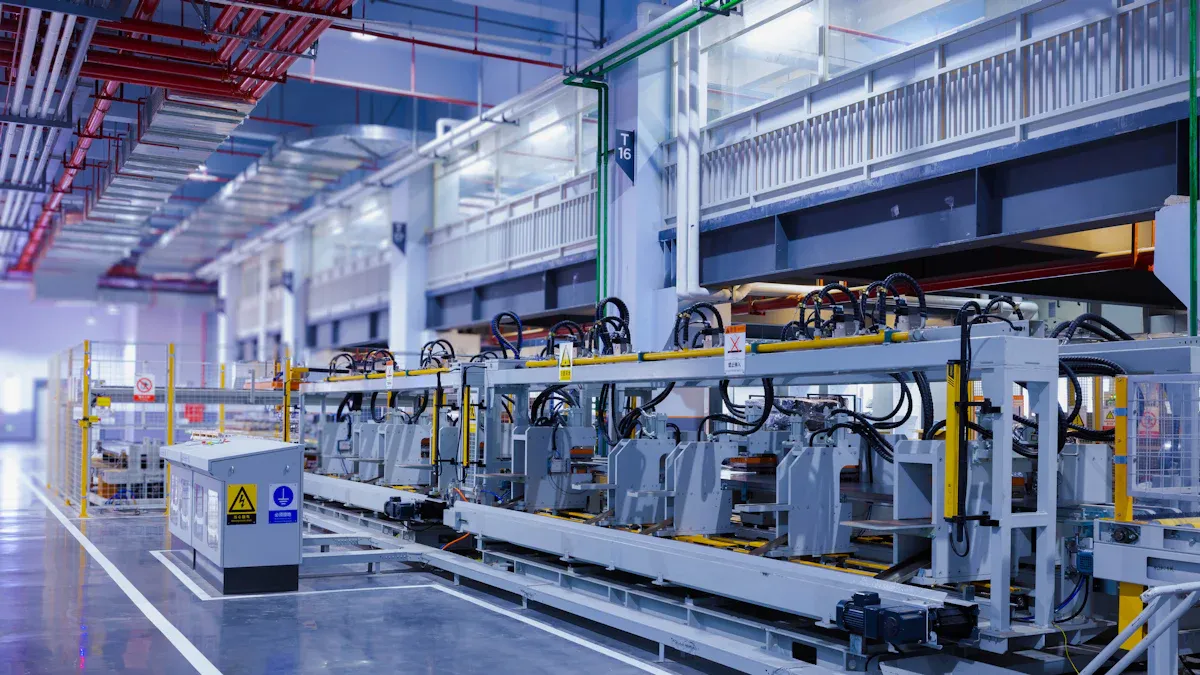
When you do an audit, you need to check the factory’s machines. You want to see if the machines can make your products. The machines should also meet industry standards. In aerospace factories, some machines are very advanced. You should look for:
Powder-bed laser printing systems
Laser metal deposition with wire (LMD-w)
These machines help factories make strong and exact parts. During your audit, ask to watch the machines work. You should also check if the machines get updates. Make sure workers follow standard operating procedures. Good machines break down less and make better products.
Tip: Always put equipment checks on your audit checklist. This helps you find problems before they hurt your orders.
Evaluate Automation and Digital Tools
You need to see how much the factory uses automation and digital tools. Automation can help a factory work better. When you do an audit, look for these good things:
It lowers labor costs and makes work safer.
Real-time data helps control quality and stop mistakes.
Automation cuts waste and machine downtime.
Digital factories have less machine downtime and better worker productivity.
During your audit, ask how the factory uses digital tools to track work. See if they use sensors, software, and dashboards to watch machines. Factories with good automation can fill orders faster and keep quality high.
Note: Automation and digital tools should be checked in every audit. They show how modern and reliable the factory is.
Review Maintenance Records
Maintenance records show how well a factory takes care of its machines. You need to check these records during your audit. Good records mean the factory can fix problems fast and keep machines running. Look for these best ways to keep records:
Use a computerized maintenance management system (CMMS) instead of paper.
Maintenance teams should watch machine performance and repair costs.
Equipment logs must be updated often and kept neat.
Good records help plan repairs and keep data right.
Smart technology and skilled teams make maintenance better.
Ask to see maintenance logs during your audit. You want to see clear records of repairs, checks, and upgrades. This helps you know if the factory can keep up with your orders and avoid delays.
Maintenance Practice | Why It Matters |
|---|---|
CMMS | Fast access to equipment data |
Updated equipment logs | Reliable planning |
Skilled maintenance teams | Fewer breakdowns |
Tip: Always check maintenance records as part of your audit. This step helps you find hidden risks and pick the best factory for your needs.
Human Resources Evaluation

A factory’s technical capability depends a lot on its people. You need to check if workers have the right skills. You also need to see if training keeps them updated. It is important to know if workers stay at the factory for a long time. This section will show you how to check these things.
Check Staff Qualifications
Start by looking at what skills the technical staff have. In ISO 9001-certified factories, each job needs special skills and knowledge. You want to make sure every worker can do their job well. This helps the factory reach its quality goals. Here are steps to check staff qualifications:
Step | Description |
|---|---|
1 | Find out what skills each job needs, like technical skills and knowing the processes. |
2 | Check and keep the skills your team needs to help your company’s quality goals. |
3 | Write down how you check these skills and give training to workers who need it. |
Ask for records that show how the factory checks and updates worker skills. This helps you see if the team can handle your products and meet your standards.
Review Training Programs
Training programs help workers learn new things and keep up with changes. You should look for training that matches what the industry needs. Good training programs:
Help workers get better at their jobs, especially where more help is needed.
Train many workers so they have more skills and job chances.
Use systems to manage skills and follow rules.
Make work easier and help workers grow in their jobs.
Give feedback often, so workers can learn and stay excited.
Build a place where everyone wants to do their best and keep learning.
Tip: Ask how often the factory does training and how they check worker progress. Good training helps the factory stay strong and keep quality high.
Assess Workforce Stability
A stable workforce means better products and fewer delays. You should check how long workers stay at the factory. You also need to see if workers like their jobs and feel involved. Use these key numbers to measure workforce stability:
Metric | Description |
|---|---|
Employee Turnover Rate | High turnover means more workers leave, which hurts work and costs more. Low turnover means workers stay longer. |
Employee Tenure | If workers stay longer, they are usually happy and loyal. This means the workforce is stable. |
Employee Engagement | Workers who care about their jobs work harder and stay longer. They also help the company more. |
Employee Satisfaction Index | When workers are happy, they do better work, stay longer, and miss fewer days. |
You can ask for reports or surveys that show these numbers. Factories with low turnover and happy workers usually do better and keep customers satisfied.
Note: When you check human resources, you learn if the factory can keep good workers and keep quality high.
Capability Analysis for Improve Quality
You should use capability analysis to make quality better in your factory. This helps you see if your factory can meet what customers want every time. When you check process capability, you find ways to make fewer mistakes. You also learn how to fix problems before they get bigger.
Analyze Process Capability
First, you measure how well your process works. You use process capability indices to help keep products inside the right limits. These numbers show if your process can make good products again and again. The most common indices are Cp, Cpk, Pp, and Ppk. The table below shows how each one helps you make quality better:
Index | Description | Usage |
|---|---|---|
Cp | Measures the capability of a process to produce output within specified limits consistently. | Used for established processes in statistical control. |
Cpk | Accounts for the centering of the process relative to specification limits. | Considered a more robust measure of process capability. |
Pp | Preliminary process capability, based on whole population data. | Used for new or non-statistical control processes. |
Ppk | Preliminary process capability index, also based on whole population data. | Used for new or non-statistical control processes. |
You use Cp to see if your process stays inside the limits. Cpk helps you check if your process is in the middle, which is important for quality. Pp and Ppk are good for new lines or when you do not have much data. When you use these numbers, you can make better choices and improve quality.
Tip: Always check your process capability before you start making a lot of products. This helps you avoid big mistakes and keep quality high.
Review Statistical Techniques
You need to use statistical techniques to make quality better in your factory. These tools help you watch your work and find problems early. In electronics, you use process-capability analysis to pick the best machines and improve quality. Control charts help you see if your work stays inside the limits. For example, you can check solder height on a PCB to keep quality high. If the solder is too low or too high, you know there is a problem. You can use root cause analysis to find out why the solder is wrong. Maybe a machine needs fixing or the material is not good. When you use these tools, you save money and make better products.
Use control charts to watch daily work and keep quality high.
Track key numbers, like solder height, to stop waste and keep quality.
Use root cause analysis to fix problems and make quality better.
Note: Good data helps you make quality better. Always keep records of your work numbers.
Validate Against Specifications
You must check if your work meets what customers want to keep quality high. In some industries, you use special steps to make sure your products are right. You start with Installation Qualification (IQ) to see if machines are set up right. Next, you do Operational Qualification (OQ) to check if machines work inside the limits. Then, you use Performance Qualification (PQ) to see if your work meets real needs. You also keep calibration and maintenance records to make quality better. A traceability matrix helps you link tests to customer needs. You can test your machines in different ways to find weak spots. Sometimes, you try to make machines fail on purpose to see if they can handle problems. These steps help you keep quality high and make customers happy.
Use IQ, OQ, and PQ to check your work and keep quality high.
Keep good records to show you follow the rules and make quality better.
Test your machines in many ways to find weak spots and improve quality.
Tip: Always check your work against what customers want. This helps you keep quality high and build trust.
Quality Control and Customer Satisfaction
Inspect Quality Management Systems
A strong quality management system helps keep products good. This system makes sure you meet what customers want. It also helps make customers happy. First, you learn what your customers need. Next, you set simple goals for quality. You plan your work and use your tools to reach these goals. You must follow rules like ISO 9001 to show you care about quality.
Here are the main parts of a good quality management system:
Find out what customers need and want.
Set easy-to-understand goals for quality.
Make good plans and use your tools well.
Follow the rules for your industry.
Plan, check, and watch your products and services.
Train workers and manage your suppliers.
Check and test to make sure you meet standards.
Stop mistakes by using numbers and feedback.
Fix problems when things go wrong.
Check each part when you do your audit. This helps you find weak spots and make your quality better.
Review Testing and Validation (FAT)
Factory Acceptance Testing, or FAT, checks products before they leave the factory. FAT is a big step for quality. You test if products work, are safe, and do their job. This helps you find problems early. If you fix problems before shipping, you save money and time. You also keep your good name.
FAT gives you these benefits:
You make sure products are good before they ship.
You test if products work, are safe, and do their job.
You find and fix problems early.
You lower the chance of problems after setup.
You save money and keep customers happy.
Always use FAT in your work. This step helps you send out good products and keep customers pleased.
Ensure Traceability and Documentation
Good traceability and records help keep your quality high. In some jobs, like making medicine, you must keep careful records. These records help you track each batch and find problems fast. You follow good rules to make sure everyone has the right info. You use clear systems to keep papers neat and up to date.
Here is how you can organize your documentation:
Purpose | |
|---|---|
Keep careful records | Give a trail to check if there is a bad batch. |
Follow good manufacturing practices (GMP) | Make sure everyone has the info needed to release a batch. |
Use good systems for documents | Set rules for all materials and how to make things. |
Check batches and complaints | Look at quality and see if you need to change things. |
Control papers and changes | Stop old papers from being used and keep a list of changes. |
Look at your records often. This helps you spot problems and make your work better. Good traceability helps keep customers happy and builds trust in your factory.
Tip: Always keep your records neat and current. This makes audits easy and helps you fix problems fast.
Link Quality to Customer Satisfaction
You want your customers to be happy with every product. Quality control helps make sure this happens. When you use strong checks, each item meets your standards. This stops you from sending products with mistakes. Customers notice when they get good products every time. They trust your brand and feel safe buying again.
Quality control does more than find problems. It helps your company have a good name. When you keep quality high, you show you care about your customers. You also follow the rules for your industry. This keeps your business safe and helps you avoid trouble. Customers want to trust your products. When you meet industry standards, you give them peace of mind.
Studies show better quality control leads to happier customers. When you lower mistakes and keep products the same, customers feel more satisfied. They are less likely to return items or complain. This saves you time and money. It also means more customers will tell others about your products.
Here are ways quality control connects to customer satisfaction:
Fewer Defects: Customers get products that work well.
Consistent Experience: Every item meets the same standard.
Trust in Your Brand: Customers know they can count on you.
Fewer Complaints: You spend less time fixing problems.
Better Reviews: Happy customers leave good feedback.
Tip: Ask customers for feedback after they get your products. Use their comments to find ways to make quality better.
You can use a simple table to track how quality control affects customer satisfaction:
Quality Control Action | Customer Impact |
|---|---|
Regular inspections | Fewer returns and complaints |
Staff training | |
Clear documentation | Faster problem solving |
Meeting industry standards | Higher trust and loyalty |
When you focus on quality, your business can grow. Customers who trust your products will buy again. They will also tell friends and family about your company. This helps you build a strong reputation and find new customers.
Remember, quality is not just about the product. It is about the whole experience with your company. Keep your standards high, listen to feedback, and always look for ways to improve. This will help you keep your customers happy and your business successful.
Supply Chain and Material Management
Evaluate Supplier Qualification
You need to make sure your suppliers can help your factory. Good suppliers keep your production moving. When you do an audit, check how suppliers send parts and materials. See if they deliver on time and if the quality is good enough. You also need to look at their payment terms. Good payment terms help you control your money.
Here is a table that shows what to check when you pick a supplier:
Criteria | Description |
|---|---|
Punctuality | Timeliness of deliveries from the supplier. |
Average Lead Time | The average time taken by the supplier to deliver products. |
Quality of Products Delivered | Assessment based on relevant quality certifications like IATF. |
Payment Terms | Favorable payment conditions for the ordering company. |
You should use these checks in your audit. Ask for proof of delivery times and quality reports. This helps you know if the supplier can meet your needs.
Review Inventory Systems
You need a good inventory system so you do not run out of parts. If you have no parts, your production will stop. During your audit, look for systems that track inventory right away. Some factories use JobBOSS² to see what they have and when to order more. Other factories use Just-in-Time systems. These bring in materials only when you need them. This saves money and keeps work moving. RFID technology can also help. It uses tags to count items and stop mistakes.
Here is a table that shows some top inventory systems:
System | Key Features | Benefits for Reducing Stockouts |
|---|---|---|
JobBOSS² | Real-time inventory tracking, automated reorder points | Minimizes errors, optimizes stock levels |
Just-in-Time | Receives materials only as needed | Reduces carrying costs, ensures continuous flow |
RFID | Enhances inventory tracking accuracy | Automates counts, reduces errors |
Check if the factory uses these systems during your audit. Ask how they handle low stock and how often they count items. This helps you stop delays in production.
Assess Risk Management
You need to look for risks that can hurt your supply chain. During your audit, ask how the factory deals with late shipments or bad materials. See if they have backup suppliers. Check if they have a plan for emergencies. Good risk management keeps your production safe.
Use this checklist during your audit:
Check if the factory has a list of backup suppliers.
Ask how they handle late deliveries.
Look for plans that cover fires, floods, or other emergencies.
Review how they track and solve supply problems.
Make sure they keep records of all risk events.
You should always check for risks in every audit. This helps you find weak spots before they cause big trouble. When you manage risks well, you keep your production going and your customers happy.
Tip: Always update your audit checklist to cover new risks in your supply chain. This keeps your factory ready for anything.
Continuous Improvement Initiatives
Lean Manufacturing Practices
You can use lean manufacturing practices to make your factory better. Lean helps you cut waste and improve how you work. When you do an audit, you should look for signs of lean in every area. You might see 5S systems, which help keep workspaces clean and safe. You can also check if workers use visual boards to track progress. During your audit, ask workers how they spot waste and fix problems. Lean tools like value stream mapping help you see where you can make improvement. You should always include lean checks in your audit checklist.
Tip: Lean practices help you find small problems before they become big ones. Use your audit to spot these early.
Kaizen and Innovation
Kaizen means making small changes every day. You can use kaizen to drive improvement in your factory. When you do an audit, ask workers if they share ideas for getting better. You should see suggestion boxes or team meetings for new ideas. Kaizen works best when everyone joins in. You can use your audit to check if teams track their kaizen projects. Look for boards that show improvement goals and results. Innovation also matters. During your audit, ask how the factory tests new tools or methods. You should see pilot projects or trials for new ideas. This shows the factory wants to keep improving.
Kaizen Activity | What to Look for in Audit |
|---|---|
Suggestion programs | Worker ideas and feedback |
Team meetings | Notes or action plans |
Pilot projects | Records of tests and results |
Corrective Actions
Corrective actions help you fix problems fast. You should always check how the factory handles mistakes during your audit. Ask to see records of past problems and how the team solved them. You want to see a clear process for finding the root cause. The audit should show if the factory uses tools like the 5 Whys or fishbone diagrams. You can also check if teams follow up to see if the improvement worked. Good corrective actions stop problems from coming back. You should use your audit to make sure every step is clear and complete.
Note: Every audit gives you a chance to find ways to make improvement. Use your findings to help the factory get better every day.
You can use this checklist during your audit:
Check for lean tools and clean workspaces.
Ask about kaizen meetings and suggestion boxes.
Review records of corrective actions and follow-ups.
Look for proof of improvement after changes.
Continuous improvement depends on strong audits. When you use your audit well, you help the factory grow and reach higher quality.
Summarize Findings and Make Decisions
After you finish your factory evaluation, you need to turn your results into clear actions. This step helps you understand what the audit tells you. You can use your findings to choose the best factory and improve your supply chain.
Score Against Criteria
You should score each area of your audit using a simple system. Give points for each part, such as equipment, staff skills, and quality systems. You can use a table to keep your scores organized.
Audit Area | Score (1-5) | Notes |
|---|---|---|
Equipment Condition | ||
Staff Qualifications | ||
Quality Systems | ||
Production Capacity | ||
Maintenance Records |
You fill in the scores after your audit. Use your notes to explain why you gave each score. This helps you see which factories meet your needs. You can also compare different factories using the same audit system.
Tip: Use the same scoring method for every audit. This makes your results fair and easy to understand.
Identify Strengths and Gaps
Look at your audit results to find what the factory does well. You also need to spot weak areas. Write down the strengths, such as strong training programs or good maintenance. Mark the gaps, like old machines or missing records.
Strengths help you know where the factory can support your business.
Gaps show you where the factory needs to improve.
You can use a checklist to keep track:
Good equipment
Skilled workers
Fast problem solving
If you find gaps during your audit, write them down. This helps you plan what to fix first.
Recommend Next Steps
After you finish your audit, you need to decide what to do next. You can use your findings to make smart choices. If a factory scores high in your audit, you can move forward with them. If you find many gaps, ask the factory to fix them before you start working together.
Here are some next steps you can take:
Share your audit results with the factory.
Ask for a plan to fix any gaps.
Set a date for a follow-up audit.
Use your audit to choose the best factory for your needs.
Keep your audit records for future checks.
Note: Always use your audit to guide your decisions. This helps you improve quality and keep your customers happy.
When you follow these steps, you turn your audit into real results. You make better choices and build a stronger supply chain.
You can improve your factory’s results with a clear audit process. When you use an audit, you see what works and what needs to change. An audit helps you check capacity, spot risks, and plan for growth. You should use an audit to measure quality and track progress. Each audit gives you facts for better choices. You can use an audit to train your team and set new goals. An audit also helps you keep customers happy. Start your audit today and build a stronger factory.
FAQ
What is a factory audit?
A factory audit checks if a factory meets your needs for quality, safety, and capacity. You use an audit to see if the factory can make your products the right way. This helps you avoid problems later.
Why should you perform an audit before choosing a supplier?
You perform an audit to find out if a supplier can meet your standards. An audit helps you see risks, check quality systems, and make sure the factory can deliver on time. This step protects your business.
How often should you conduct an audit?
You should conduct an audit at least once a year. If you find problems or make big changes, you may need more audits. Regular audits help you keep quality high and spot issues early.
What should you include in your audit checklist?
Your audit checklist should cover equipment, staff skills, quality systems, production capacity, and safety. You also need to check maintenance records and supplier management. A good checklist helps you review every part of the factory.
Can you use remote audits?
Yes, you can use remote audits with video calls and digital records. Remote audits help when you cannot visit the factory. You still check key areas, but you may miss some details you see in person.
What happens if a factory fails an audit?
If a factory fails an audit, you ask them to fix the problems. You may give them a deadline for changes. If they do not improve, you may need to find another supplier to protect your business.
How does an audit improve product quality?
An audit finds weak spots in the factory’s process. You use the audit results to fix problems and train workers. This helps you make better products and keep your customers happy.
Who should perform the audit?
You can perform the audit yourself or hire a third-party expert. Third-party audits give you an unbiased view. Choose someone with experience in your industry for the best results.