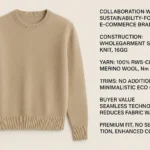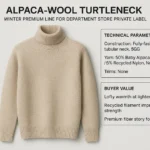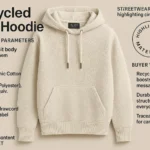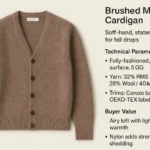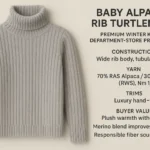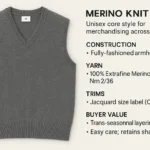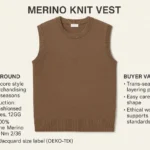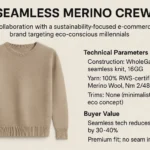


Imagine your knitwear brand facing rising demand in 2025. You want more customers, but you worry about keeping quality high and costs low. OEM support can help you grow your brand and stay true to your vision. Your brand needs clear identity and efficient production. You see industry trends change quickly. Ask yourself, how do I scale a knitwear brand with OEM support? Your brand’s growth depends on making smart choices and adapting with confidence.
Key Takeaways
Learn about OEM support. It helps you make your designs into products. You can keep quality and control with OEM help.
Make clear goals for growing your brand. Decide what you want to reach. Check your progress often to stay on track.
Find out who your target audience is. Study their age and likes. This helps you make products they will enjoy.
Pick the best OEM partner. Look for someone with experience. Make sure they have certifications. Good communication is important for working well together.
Try making small batches first. This helps you avoid waste. You can get customer feedback early this way.
Care about sustainability. Use materials that are good for the planet. Choose practices that are eco-friendly. Customers want ethical products.
Watch quality control closely. Check your products often. This makes sure they meet standards. It keeps your customers happy.
Be ready for market changes. Use data to help design new products. Change quickly when customers want something new.
OEM Support and the 2025 Outlook
What Is OEM for Knitwear?
OEM can help your knitwear brand grow. OEM means Original Equipment Manufacturer. In knitwear, OEM providers turn your ideas into real products. They give many services to make your brand better and faster. Here is a table that shows what OEM providers do:
Service Type | Description |
|---|---|
Design and Prototyping | Make new designs and samples for your brand. |
Pattern Making and Grading | Make sure all sizes fit well and look nice. |
Cut and Sew Manufacturing | Make clothes quickly and with care. |
Quality Assurance | Check each step to keep quality high. |
Fabric Exporting Services | Offer many fabrics, even eco-friendly ones. |
Global Logistics | Ship your products safely and on time worldwide. |
OEM providers help you keep control of your brand. You can pick eco-friendly materials and use green practices. This helps you meet customer needs for ethical products. It also supports new ideas and sustainability.
OEM vs ODM: Key Differences
You might wonder how oem and odm clothing are different. OEM lets you design your own products. You work closely with the manufacturer. This gives you more control over quality and your brand. ODM, or Original Design Manufacturer, has ready-made designs. You choose from their catalog and add your label. Here are some main differences:
Cost: OEM usually costs less because there are no extra markups. ODM adds 15-30% for their services.
Flexibility: OEM lets you change designs and quality fast. ODM uses set templates, which can slow things down.
Brand Control: OEM gives you direct talk and more control. ODM uses third-party factories, so you have less say.
If you want a special brand, oem and odm clothing models are important. OEM gives you more power to pick eco-friendly options and focus on sustainability. ODM may limit your choices, especially if you want green materials.
Industry Trends and Outlook for 2025
The future for 2025 shows big changes in knitwear making. More brands will use oem and odm clothing models to meet demand. The global knitwear market will grow 5.0% each year until 2035. By then, the market could reach $1,255 billion. Asia Pacific will lead this growth.
Sustainability is now very important. Brands want eco-friendly yarns and materials that break down. This cuts waste and pollution. It also saves water and lowers carbon emissions. You can make your brand better by picking green options. Here is a table showing how sustainability shapes OEM work:
Trend | Implication for OEM Operations |
|---|---|
Demand for sustainable textiles | OEMs offer more eco-friendly materials. |
Innovative biodegradable materials | Less waste in the supply chain. |
Sourcing choices influenced | Brands pick ethical and sustainable suppliers. |
You will also see more automation and digital supply chain tools. These new tools help you react faster to market changes. If you focus on oem and odm clothing, you can use these tools to stay ahead. Sustainability, green choices, and new ideas will help you succeed in 2025.
Build a Strong Brand Identity
Define Your Brand’s Core Values
You need to start by knowing what your brand stands for. Core values guide every choice you make. They help you decide how your brand looks, feels, and acts. When you set clear values, you show customers what makes your brand special. Many top brands focus on values like quality, honesty, and care for the environment. These values help you build trust with your customers. If you want to stand out, you must keep your brand’s core values at the center of every decision.
Tip: Write down three words that describe your brand. Use these words to guide your designs and messages.
Understand Your Target Audience
Knowing your audience helps you make better products and stronger marketing. You should look at key facts about your customers. These facts include age, gender, and income. For knitwear, age groups matter a lot. Here is a breakdown of age groups who buy knitwear:
17.8% are 18 to 24 years old
31% are 25 to 34 years old
17.2% are 35 to 44 years old
14.6% are 45 to 54 years old
11.3% are 55 to 64 years old
8.2% are 65 or older
You should also think about where your customers live, what jobs they have, and how much money they make. Their interests and lifestyle choices matter too. When you know your audience, you can design products that fit their needs. This helps your brand connect with people and grow faster.
Align Product Design with Brand Story
Your product design should match your brand story. This helps your brand stand out in a busy market. Many leading brands use new ideas and focus on quality to get noticed. For example, some brands use three-dimensional embossed sweaters. These sweaters have raised textures that look and feel special. You can also offer personalized designs to meet customer needs.
Technique | Benefit for Your Brand |
|---|---|
Three-dimensional embossed knits | Makes your products unique and eye-catching |
Personalization | Lets customers choose details they love |
Shows your brand cares about the planet |
When you tell your brand story, focus on what makes you different. Use simple stories that show your values and connect with your audience. Building a strong brand means making sure every product and message fits your story. This creates a bond with your customers and keeps them coming back.
How Do I Scale a Knitwear Brand with OEM Support?
If you want to grow your knitwear brand with OEM support, you need a good plan. First, you should know what you want to achieve. You also need to understand what you need to make your products. Try out your ideas before making a lot of items. This helps you avoid mistakes and build a strong base for your brand.
Set Clear Scaling Goals
You need to set goals before you try to grow your brand. Goals help you make choices and see if you are doing well. When you ask, “how do I scale a knitwear brand with oem support?”, think about what you want to reach. Here are some steps to help you set goals you can measure:
Make your brand basics strong. Know your purpose and keep your message the same.
Pick good OEM partners and choose green options.
Stay in touch with your customers. Use their data to make marketing better and improve service.
Use technology to help your brand grow. Try tools for inventory and marketing.
Work with other brands and make special products together.
Teach your team so they know your brand values.
Use direct marketing like emails and texts to talk to your customers.
When you set these goals, it is easier to see how you are doing. You also get your brand ready to grow and sell more in the future.
Tip: Write your goals down and check them every month. This keeps you on track and helps you change your plan as your brand grows.
Identify Product and Production Needs
You need to know what your brand needs to grow with OEM support. This means looking at what you want to make and how you will make it. When you ask, “how do I scale a knitwear brand with oem support?”, check if your OEM partner can do what you need. Here is a table to help you see common production needs:
Production Need | Description |
|---|---|
Production Capacity | See if the factory can make small or big batches. |
Customization | Look for options like patterns, grading, trims, printing, and embroidery. |
Certifications | Ask for audits like BSCI, ISO, OEKO-TEX, GOTS, and factory reports. |
MOQs & Samples | Learn about sample fees and the smallest order you can make. |
Lead Times | Make sure you know how long samples and big orders will take. |
Sustainability | Check if the OEM can trace fibers and control wastewater if you care about the environment. |
Talk about these needs with your OEM partner. This helps you avoid problems and delays as you grow. You also make sure your products are what your customers want.
Note: Always get lead times and certifications in writing. This keeps your brand safe and helps you plan for growth.
Plan for Small Batch Testing
Testing small batches is a smart way to grow your brand with OEM support. You make a small number of items and see how they do in the market. This helps you answer, “how do I scale a knitwear brand with oem support?” without spending too much money or making too many products.
Small batch testing has many good points:
Makers often use better and greener materials, so your clothes are higher quality.
You make less waste because you only make what people want.
You help the planet and support slow fashion.
Small batch making helps you earn money and be responsible. You can use zero-waste cutting and only make what people order. These ways cut down on fabric waste and stop you from having too many unsold items. Up to 40% of clothes made are not sold, so small batch testing helps you avoid this problem.
Here is a table that shows why small batch testing is helpful:
Benefit | Description |
|---|---|
Inventory Cost Reduction | You save money on storage and insurance by having less unsold stock. |
Market Testing and Risk Reduction | You see how people like your products before making a lot, so you risk less. |
Cash Flow Optimization | You spend money on making products only when you know they will sell. |
Pricing Flexibility | You can change prices based on what people want, without lots of extra stock. |
Strategic Value | You learn about the market and build your brand, even if you do not make a lot of money at first. |
Small batch testing also lets you hear what customers think. You can try new designs without spending a lot. You can react fast to what people want. This makes your brand quick and helps you grow with confidence.
Tip: Use what customers say about small batch items to make your products better. This helps you make smart choices before you make more.
If you follow these steps, you build a strong base for your brand. You lower risk, make better products, and get ready to grow. You also make sure your sales and growth fit your goals. If you want to know how do I scale a knitwear brand with oem support?, start with clear goals, smart planning, and small batch testing.
Find and Evaluate OEM Partners
Research OEM Capabilities
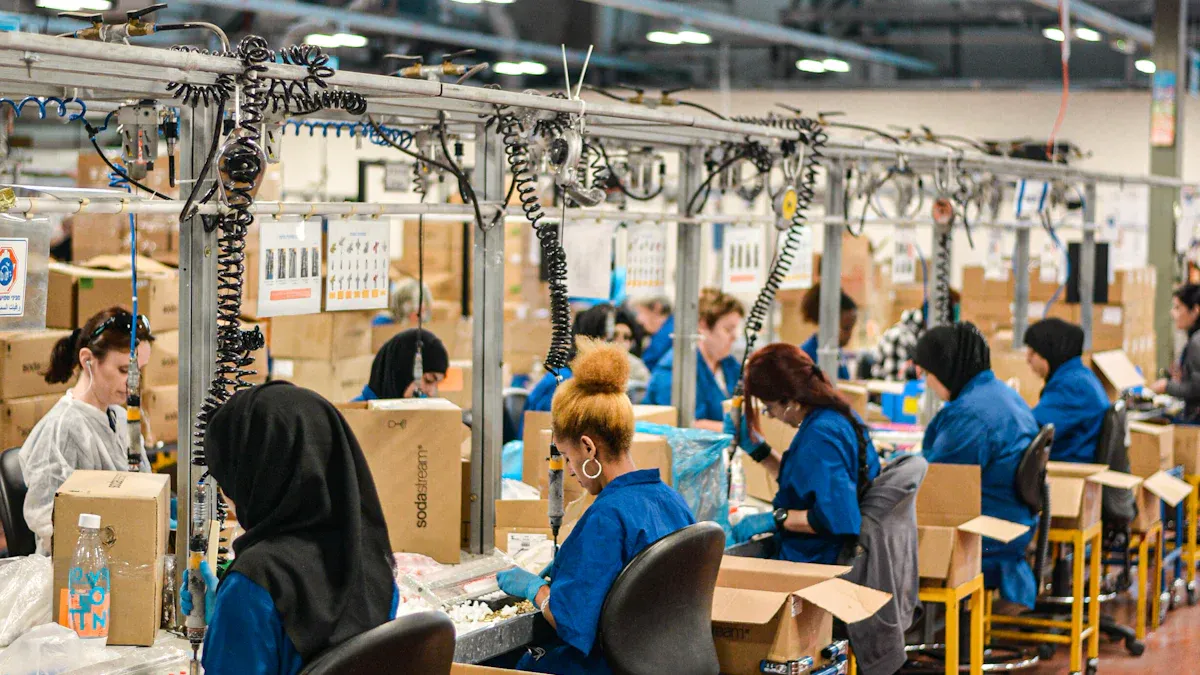
You need to pick a good manufacturing partner for your brand. Start by learning about the market. Look for oem factories with new machines and good work systems. Big factories with lots of space and workers can make large orders. They also keep your supply chain steady. Some factories are huge, covering 16,000 square meters. They can make millions of pieces every year.
Use this table to help you look:
Criteria | Description |
|---|---|
Factory Structure and Infra. | Modern machines and efficient methods boost quality. |
Quality Control Standards | Strong checks keep product quality consistent. |
Customization Capabilities | Quick changes and special requests help your brand adapt. |
Client Collaboration | Clear communication builds trust with your partner. |
Certifications | BSCI or ISO show fair labor and high quality standards. |
Automated machines help make products faster and stop delays. Programmable patterns let you follow new trends and make cool designs. Knitting with care keeps your products the same every time. This is important if you want to sell around the world.
Assess Sustainability and Communication
You want your brand to be known for doing the right thing. Pick a manufacturing partner who cares about fair work and the environment. Factories that follow these rules earn trust and help the earth. Find oem partners with certifications like BSCI or ISO. These show they care about quality and being green.
Check how your partner talks with you. Good communication helps fix problems fast and keeps things running well. Being open is important. Customers want to know where materials come from and how things are made. Use this checklist:
Find certifications that show they care about the planet.
Ask if they are open about how they make things.
Make sure your partner tells you about their materials and work.
This way, your brand gets respect and loyal customers.
Aspect | Description |
|---|---|
Standards | Reliable partners follow strict sustainability rules. |
Certifications | Third-party checks confirm environmental and social responsibility. |
Importance of Transparency | Sharing information builds trust with your customers. |
Compare Quality, Cost, and Flexibility
You need to check oem partners for quality, price, and how easy they are to work with. Good quality means fewer mistakes and happy customers. A strong manufacturing partner keeps your supply chain steady and can change when you need it. See how each partner deals with new designs and different order sizes.
Prices are not the same for every partner. Some oem providers use better machines, which can save you money. For example, using new servers and storage can lower costs by 40–70% compared to old ones. This helps your brand stay strong in the market.
Equipment Type | OEM Cost (per year) | TPM Cost (per year) | Savings (%) |
|---|---|---|---|
Servers | $5,000 | $1,500 – $3,000 | 40 – 70% |
Storage Arrays | >$50,000 | $15,000 – $25,000 | 50 – 70% |
Networking Equipment | $10,000 | $3,000 – $6,000 | 40 – 70% |
Being flexible is important. Your brand needs a partner who can change fast when the market does. A steady supply chain and good quality checks help you grow. Always do your research before you pick a partner.
Tip: Try to visit factories if you can. Seeing them in person helps you know if they are good and trustworthy.
Test and Optimize with Small Batches
Place Pilot Orders
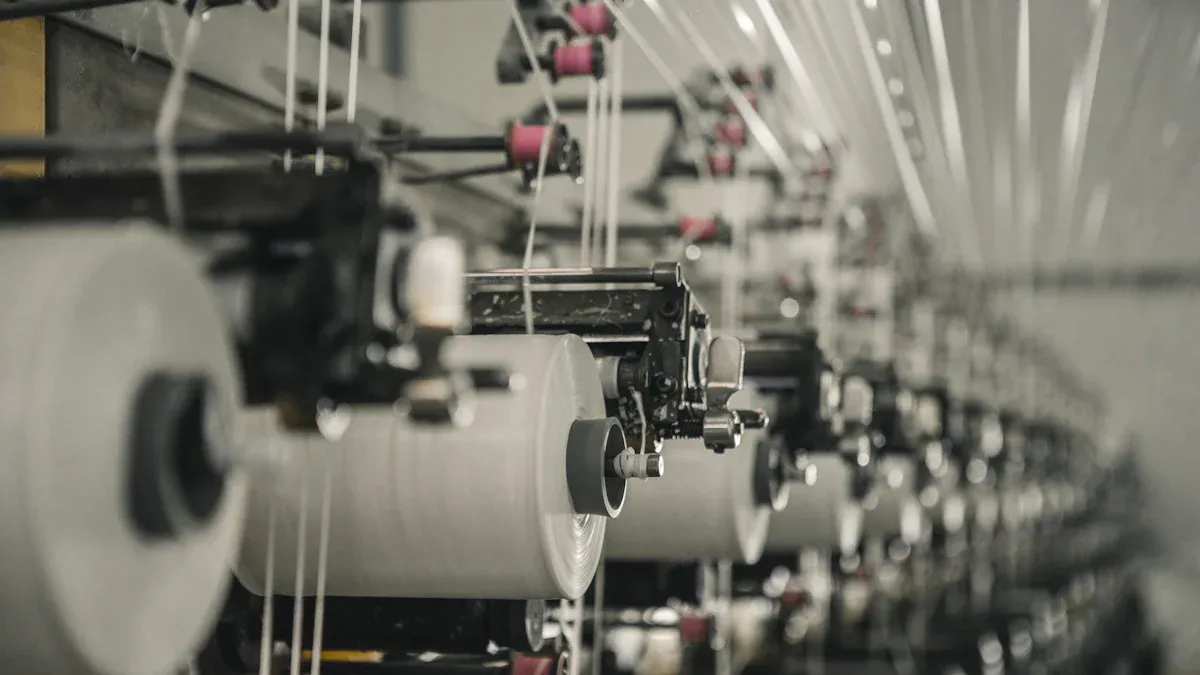
You can begin by making pilot orders with your OEM partner. These small batches help you try new designs and materials. You do this before making lots of products. Pilot orders let you see your ideas in real life. You can check the colors, textures, and details. This step helps you avoid expensive mistakes. You get a chance to fix things early.
Many knitwear brands use pilot orders to keep quality high. When you work with your OEM, ask for a sample run. Look at each item closely. Check for problems with stitching, sizing, or finishing. If you find issues, you can fix them before making more. This process helps you trust your manufacturer.
Tip: Always ask for a clear timeline for your pilot order. This helps you stay on track and plan your next steps.
Gather Customer Feedback
After you get your pilot batch, you need to ask customers for feedback. This feedback helps you learn what people like and what needs work. You can use different ways to get helpful ideas:
Use surveys on your store to ask about customer likes.
Sell a small number of products and ask for feedback after.
Ask buyers to share reviews and photos on social media.
Feedback helps you change things fast. You learn which styles, fits, and colors are best. Testing with small batches helps you avoid making too much. You can focus on items that sell well and keep your stock small.
Note: Customer feedback is very useful. It helps you make design choices and keep product quality steady.
Refine Fit and Quality
Once you have feedback, you can make your knitwear fit and feel better. Work with your OEM partner to improve your products. Many brands, like Fexwear, have made over 120 custom knit projects. They use pilot batches to test and change every detail. For example, they give fabric charts and reports from outside groups. These steps show they care about being honest and having high standards.
You can ask your OEM to check quality at every step. This makes sure your products are good from start to finish. If you want happy customers, you must focus on sizing, comfort, and strength. Make changes based on what you learn from pilot batches. This helps you build a good name for quality.
Step | Action Taken | Result |
|---|---|---|
Pilot Batch Review | Check fit, stitching, and finishing | Spot issues early |
Customer Feedback | Collect opinions and preferences | Improve future designs |
Quality Control | Test at every stage of production | Achieve consistent product quality |
Tip: Keep a record of all changes you make. This helps you see your improvements and keep high standards as you grow.
Scale Your Clothing Brand Efficiently
Manage Minimum Order Quantities (MOQ)
You need to know how minimum order quantities affect your brand’s growth. Factories set MOQs for different reasons. If your design is complex, you may need to order more pieces. Special fabrics or trims can make the MOQ higher, especially for printed materials. The way fabric is used for sizes matters too. Factories want to use fabric in smart ways.
Most OEM knitwear makers set MOQs from 50 to 1,000 pieces per style. Some factories help new brands by offering lower MOQs. You should ask about this when you talk to partners. Here are some things that change MOQ:
Complex designs mean you need to order more.
Special fabrics and trims can raise the minimum order.
Using fabric well helps keep costs low.
Small orders can make factory work harder and cost more.
Buying fabric in bulk cuts waste and keeps products the same.
Labor costs are higher for small batches.
Factories may not earn money with very low MOQs.
If you plan carefully, you can balance small batches with what the factory needs. This helps you grow your brand without wasting money or materials.
Tip: Always ask your OEM partner if they have flexible MOQs for new brands.
Monitor Production and Quality Control
You must watch production and quality control as your brand grows. Good quality control keeps your products the same and makes customers happy. OEM partners use different ways to check every item meets your standards.
Description | |
|---|---|
Standardization and Documentation | Write down every step to keep quality the same for each batch. |
Training and Skill Development | Teach workers so they know how to make good products. |
Statistical Process Control | Use numbers to check and improve quality during production. |
Technology and Automation | Use machines and computers to make products more exact and steady. |
You should ask your OEM partner about their quality control steps. Make sure they use clear rules and train their workers well. Machines can help find mistakes early. When you watch these steps, you protect your brand and keep customers coming back.
Note: Keep records of quality checks for every batch. This helps you fix problems fast.
Adapt to Market Trends
You need to pay attention to changes in the market. Successful knitwear brands use data tools to see what styles and colors people like. These tools help you know what is popular. You can teach your team to read and use this data. When everyone knows how to use data, your brand can make smart choices.
Start with small projects that use data to help you decide. Mix what you learn from data with creative ideas. This helps you design collections that match what people want now. Check your data often so you stay up to date. Work together with all teams to react fast when the market changes.
Buy data tools that work with your current systems.
Teach your team to use and understand data.
Start with small projects to test your ideas.
Mix data with creative thinking.
Update your data often.
Work together across all teams.
If you follow these steps, you can grow your brand and keep up with what customers want. Staying flexible and knowing what is happening helps you succeed in a changing market.
Tip: Use customer feedback and sales numbers to help plan your next collection.
You can grow your knitwear brand by taking simple steps with OEM support. First, pick your niche and know who will buy your products. Next, create a strong brand identity that shows what makes you special. Then, choose a manufacturer who fits your needs. Make sure you check quality and care about the planet. Always listen to what your customers say.
A good OEM partner helps your brand last a long time. Be ready to change and follow new trends like using green materials and making custom products in 2025. Start looking for OEM resources now. This helps you build good partnerships and get your brand ready for success.
Remember, what you do now will help your brand do well in the future.
Resource Name | Description |
|---|---|
Production Directory | |
Materials Hub | Connects you with new material makers and sellers. |
Fashion Manufacturing Initiative | Gives support with grants and lists of manufacturers. |
FAQ
What does OEM mean for my knitwear brand?
OEM stands for Original Equipment Manufacturer. You design your products. The OEM factory makes them for you. You keep control of your brand and quality.
How do I choose the right OEM partner?
You should check their experience, certifications, and communication. Visit the factory if possible. Ask for samples and review their quality control process.
Can I start with small orders when working with OEM?
Many OEMs offer low minimum order quantities for new brands. You can test your designs with small batches before scaling up.
How do I ensure product quality with OEM?
You need to set clear standards. Ask for regular quality checks. Review samples before full production. Keep records of every batch.
What is the difference between OEM and ODM?
OEM lets you create custom designs. ODM offers ready-made products you can brand. OEM gives you more control over style and quality.
How does sustainability fit into OEM manufacturing?
You can request eco-friendly materials and ethical practices. Many OEMs now offer green options. Ask for certifications like OEKO-TEX or GOTS.
How do I handle feedback and changes with OEM?
Share customer feedback with your OEM partner. Use pilot batches to test changes. Communicate clearly to improve fit, style, and quality.
What trends should I watch for in 2025?
Look for sustainable materials, automation, and digital supply chain tools. Brands that adapt quickly to new trends grow faster.