
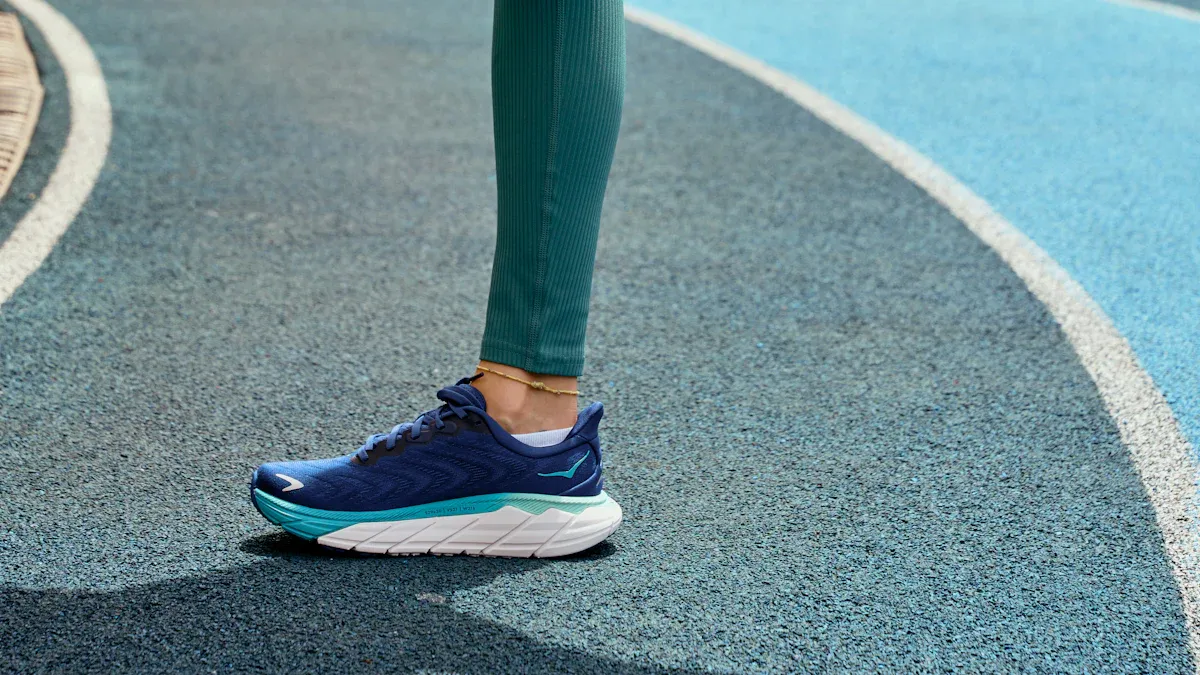
You know that feeling when your clothes move with you, not against you? That’s the magic of stretchy pants. Stretch fabrics use special fibers to bounce back into shape, so you get comfort and freedom all day. Unlike stiff, regular fabrics, these pants let you bend, stretch, and relax. Over the past few years, many people like you have picked stretchy pants for work, exercise, or just hanging out at home. Sales of activewear and sweatpants soared in 2021, showing that everyone wants to feel good in what they wear.
Key Takeaways
Stretchy pants feel good and let you move easily all day. You can bend and stretch without feeling tight or stuck. Look for pants made with spandex or elastane. These materials help pants stretch and keep their shape. Four-way stretch fabric is best for sports and exercise. It helps you move better and feel more comfortable. Wash your stretchy pants in cold water. Let them air dry to keep them strong and fitting well. Try different styles of stretchy pants. You can wear leggings for relaxing or pick work pants for your job. There is a style for every event or place.
What Is Stretch Fabric?
You see stretch fabric in lots of clothes. Leggings, yoga pants, and jeans use it. But why are these fabrics special? Stretch fabric moves with your body. It can stretch and then go back to its shape. This gives you comfort and flexibility. The fit feels just right.
Let’s look at how stretch and non-stretch fabrics are different. Here is a table to help you see the difference:
Type of Fabric | Characteristics |
|---|---|
Stretch Fabric | Ability to stretch and recover, can be 2-way or 4-way stretch, commonly used in activewear and swimwear. |
Non-Stretch Fabric | Lacks elasticity, does not stretch, typically used in more structured garments. |
Stretch fabrics started as a science experiment with neoprene. Spandex was the first commercial stretch fabric in 1958. Swimsuits and bras used it first. By the 1990s, stretch pants became very popular.
Elastic vs. Mechanical Stretch
Not all stretch fabric works the same way. There are two main types. These are elastic stretch and mechanical stretch.
Tip: If you want pants that feel soft and close, pick elastic stretch. If you want pants that look like classic trousers but still move, choose mechanical stretch.
Here is a table to compare them:
Feature | Elastic Stretch Fabric | |
|---|---|---|
Stretch Mechanism | Yarn crimp and weave structure | Elastane fibers like spandex |
Durability & Recovery | Excellent long-term durability and recovery | Recovery can degrade over time |
Breathability | Often more breathable, made from natural fibers | Can trap heat and moisture |
Aesthetic & Handfeel | Classic look and feel, good for formal wear | Synthetic feel, sporty look |
Heat Resistance | Higher heat resistance, easy to iron | Sensitive to high heat |
Mechanical stretch uses the way the fabric is woven. This gives you flexibility. It is durable and lets air through, especially with cotton or wool. Elastic stretch uses fibers like spandex. These fibers make fabric super stretchy. But they can wear out if you use heat or chlorine.
Key Fibers: Spandex, Elastane, Lycra
You might see spandex, elastane, or Lycra on labels. These words mean the same thing. They are fibers that make pants stretchy. Spandex is a man-made fiber with great elasticity. It is made from a polyether-polyurea copolymer. This lets it stretch up to eight times its size. The polymer chains inside spandex give it strength and flexibility.
Here is a table about the fibers in stretch fabric:
Fiber | Characteristics | |
|---|---|---|
Polyester | Durable, resists shrinking, easy care, keeps shape, affordable | Sportswear, casual wear, home textiles |
Nylon | Strong, elastic, moisture-wicking, quick-drying | Sportswear, intimate wear |
Cotton | Natural, breathable, soft, comfortable | Casual wear, home textiles |
Spandex | Exceptional stretch and recovery, enhances stretchability | Sportswear, activewear, intimate wear |
Spandex, elastane, and Lycra all use polyurethane as their base. DuPont helped make these fibers. Now you see them in leggings and swimwear.
How Stretch Fabric Works
How does stretch fabric snap back after you pull it? The secret is in the fiber and how the fabric is made.
Recovery is when stretch fabric goes back to its shape.
Spandex is the main fiber that helps with recovery.
Elasticity depends on the fiber, how it is made, and finishing.
Fabrics with good stretch memory bounce back every time. If the memory is bad, your pants might sag or lose shape.
When you stretch leggings, the polymer chains in spandex move past each other. When you let go, they snap back. This is why stretch fabric feels comfy and keeps its shape, even after many wears.
Note: Stretch fabrics are great for activewear, sports, and everyday comfort. You can move freely, and your clothes always look nice.
Benefits of Stretchy Pants
Comfort and Movement
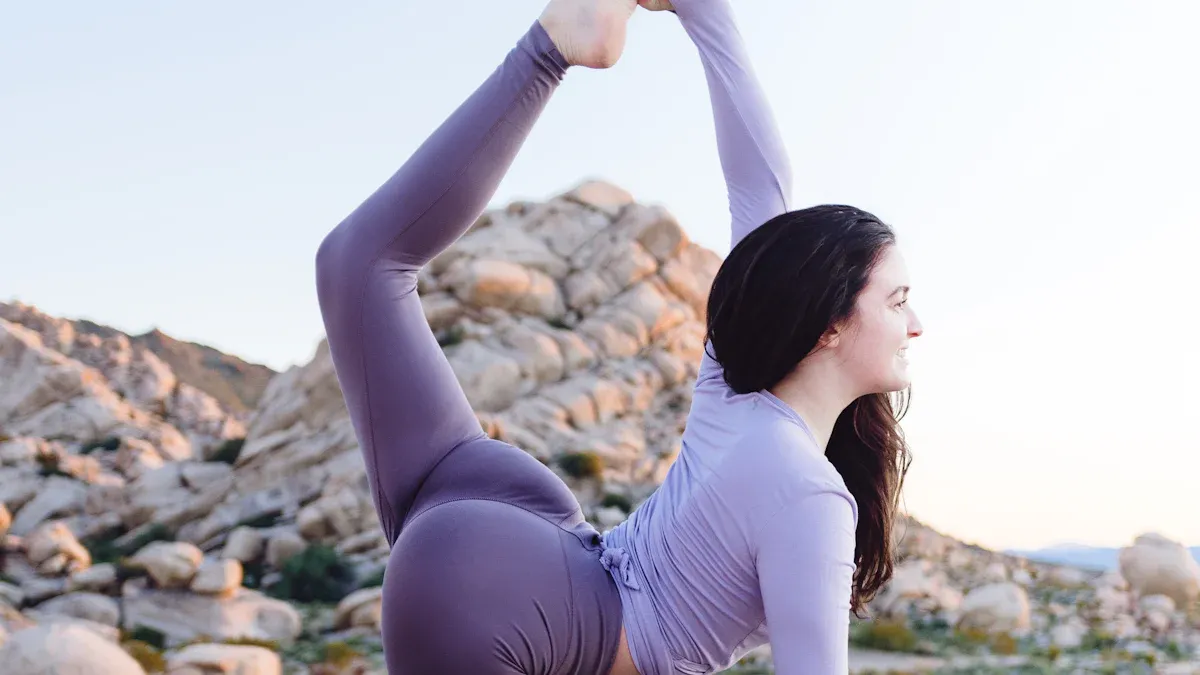
You want pants that feel nice all day. Stretchy pants give you comfort from morning until night. The stretch in the fabric helps you move easily. You can sit, run errands, or do yoga. You don’t need to worry about tight spots. The fabric bends and flexes with every step.
Athletes and active people like stretchy pants. They help you move in many ways. Studies show elastic textiles help your body move better. Here is how different stretch fabrics work for movement:
Evidence | Description |
|---|---|
Elasticity in Textiles | Elastic textiles let clothes move with you. This helps you stretch and perform better during activities. |
Knitted Textiles | Knitted textiles can stretch a lot. Their loop structure lets you move in many ways. |
Importance of Yarn Structure | Yarn structure is important. It affects how stretchy and strong the fabric is. This changes how you move. |
Seamless knit yoga fabric gives you four-way stretch. You can stretch, bend, and twist in all directions. This flexibility helps you do deep stretches and hard poses. Four-way stretch fabric is now common in athletic wear. It gives comfort and movement for every activity.
Tip: For sports, pick pants with four-way stretch. You will notice the difference in every workout.
Fit and Body Support
Stretchy pants fit your body well. The stretch fabric hugs your shape but does not squeeze too much. You get support where you need it. The pants move with you. This makes you feel sure of yourself at work, in class, or with friends.
You don’t need to worry about sagging knees. The waistband does not stretch out. High-performance stretch fabrics keep their shape after many washes. Brands using four-way nylon-spandex blends have fewer returns. Customers are happier. You get pants that look good and feel good for months.
Here are ways stretchy pants help you feel supported:
The fabric fits your body for a custom fit.
You get gentle compression for muscle support during exercise.
Stretchy pants do not dig into your skin or leave marks.
You feel sure because your pants stay in place and keep their shape.
Durability and Style
You want pants that last long. Stretchy pants use strong fabric blends like polyester and spandex. These fabrics resist wear and tear. Mechanical stretch fabrics are popular in workwear. They give comfort and durability. You can wear them for tough jobs or daily tasks. They do not rip or lose their stretch.
Here is how stretch fabric helps with durability and style:
Applications | |
|---|---|
Everyday Clothing | Activewear, intimate apparel, children’s clothing, dresses |
Activewear | 4-way stretch leggings, moisture-wicking T-shirts |
Sportswear | Mesh fabric for breathability and flexibility during workouts |
Specialized Uses | Costume design, medical garments, wearable technology (e.g., wetsuits) |
Fashion and Apparel | Leggings, yoga pants, bodycon dresses, suits, denim |
Costumes and Dancewear | Stage outfits and performance wear for dramatic movement |
Special Occasion Wear | Stretch taffeta for bridesmaids’ dresses, prom gowns, cocktail wear |
You find stretchy pants in many styles. There are jeans, leggings, and dress pants. The fabric lets designers make trendy looks that feel good. You get breathability in mesh sportswear. You get flexibility in fitted jeans. Polyester blends add strength. Your pants keep looking new.
Note: Stretchy pants are great for work, sports, and daily life. You get comfort, style, and durability all together.
Types of Stretchy Pants Fabrics
You see so many options when you shop for stretchy pants. Each type of fabric gives you a different feel and look. Let’s break down the most popular types you’ll find.
Spandex and Elastane Blends
Spandex and elastane blends are everywhere. You find them in leggings, yoga pants, and even jeans. These blends give your pants that snap-back stretch you love. Spandex, sometimes called Lycra, helps your pants move with you and keeps their shape. Some brands mix spandex with polyester or cotton for extra softness and durability.
Here’s a quick look at common blends and what they offer:
Fabric Type | Benefits |
|---|---|
Spandex | Gives elasticity and recovery |
Sorona® | Adds eco-friendly stretch and softness |
Feels soft, smooth, and flexible |
You might see Sorona® in newer pants. It feels soft and stretches well, but it’s also better for the planet.
Tip: If you want pants that last and feel good, look for blends with spandex or Sorona®.
Mechanical Stretch Fabrics
Mechanical stretch fabrics use a special weave to create flexibility. They don’t always need spandex. You get a classic look with hidden comfort. Many work pants use this type of fabric. They hold up to tough jobs and lots of washing.
Some common types include:
TR Twill Roma (polyester, viscose, spandex)
EME
PBT
EOL
These fabrics are strong and resist wear. You see them in uniforms for security, medical, and outdoor work. They let you move without feeling stiff.
Two-Way and Four-Way Stretch
You might wonder what “two-way” or “four-way” stretch means. It’s all about how the fabric moves.
Criteria | 2-Way Stretch Fabric | 4-Way Stretch Fabric |
|---|---|---|
Direction of Stretch | Stretches one way (side to side) | Stretches both ways (side to side, up and down) |
Amount of Stretch | Moderate | High |
Common Uses | Dresses, skirts, pants | Activewear, sportswear, flexible clothing |
Two-way stretch fabric moves in one direction. It works well for pants that need a little give. Four-way stretch fabric moves in every direction. You get the most comfort and freedom. If you love yoga or sports, you’ll want four-way stretch.
Note: The right stretch fabric makes your pants fit better and last longer. Try different types to see what feels best for you.
Choosing and Caring for Stretchy Pants
How to Choose the Right Fabric
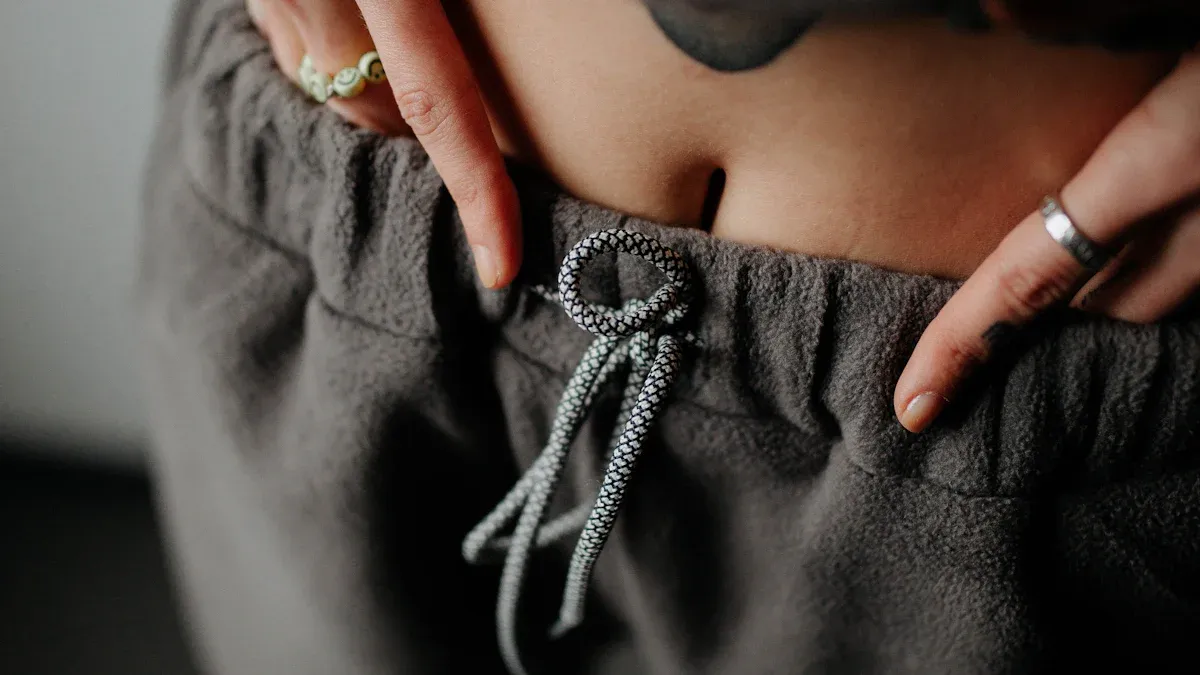
Picking the best stretchy pants starts with checking the fabric. You want pants that feel good and last long. Always read the label on the inside of the pants. It tells you what kind of fabric is used. Look for blends with spandex or elastane if you want extra stretch. If you need pants for sports, go for four-way stretch. These pants move with you in every direction. For workwear, choose fabric that is strong and holds up after many washes.
Here’s a table to help you decide which fabric works best for your needs:
Factor | Description |
|---|---|
Stretch Type | Four-way stretch for maximum flexibility; two-way stretch for less demanding activities. |
Moisture-Wicking Ability | Keeps you dry and comfortable during sports or busy days. |
Durability | Important for uniforms and work pants that get lots of use. |
Comfort | Fabric should move with you and keep its shape. |
UV Resistance | Good for outdoor sports to protect your skin. |
Fabric Construction | Knitted fabrics stretch more; blends affect durability and comfort. |
Stretch Percentage | Look for at least 50% stretch for balance and performance. |
Tip: Try the water test at home. Put a drop of water on the fabric. If it soaks in fast, it’s likely cotton. If it beads up, it’s probably synthetic.
Washing and Maintenance Tips
Taking care of your stretchy pants helps them last longer. Wash them by hand or use a gentle cycle with cold water. Mild detergents work best. Avoid using bleach or strong chemicals. Air dry your pants instead of using high heat. If you use a dryer, pick the lowest heat setting. Fold your pants instead of hanging them. This keeps the fabric from stretching out. Handle waistbands and cuffs gently. Spot clean when you can to avoid too many washes.
Wash by hand or on a delicate cycle in cold water.
Use gentle, enzyme-free detergents.
Air dry or use low heat in the dryer.
Fold pants to store them.
Avoid fabric softeners; vinegar is a good alternative.
Check for wear and fix small problems early.
Note: Regular inspection helps you catch small issues before they get worse.
Preventing Stretch Loss
You want your pants to keep their stretch and fit. High heat can damage the elastic fibers in the fabric. Don’t iron your stretchy pants. Chemicals like chlorine and bleach break down the stretch. Sunlight can make the fabric yellow and lose its stretch. Overstretching the pants can change their shape for good. Store your pants in a cool, dry place. Humidity and heat speed up aging of the fibers.
Keep pants away from high heat and sunlight.
Avoid bleach and chlorine.
Don’t overstretch the fabric.
Store in a cool, dry spot.
Tip: Handle your pants with care. This helps them keep their stretch and shape for a long time.
You’ve learned how stretchy pants make life easier. They give you comfort, keep their shape, and let your skin breathe. Check out this quick table:
Benefit | Everyday Perk |
|---|---|
Comfort | Move freely all day |
Shape Retention | Pants stay looking new |
Durability | Last through many wears |
When you pick pants, look for soft fabrics and a good fit. Use these tips to keep them fresh:
Read care labels before washing.
Wash in cold water.
Store in a cool, dry spot.
Stretchy pants help you feel great every day. 😊
FAQ
What makes stretchy pants so comfortable?
Stretchy pants use special fibers like spandex. These fibers let the fabric move with you. You feel less restricted. The pants fit your body and bounce back after you stretch or bend.
Can you wear stretchy pants for work?
You can wear stretchy pants at work. Many brands make dress pants with stretch fabric. These pants look professional and feel comfortable. You get style and flexibility in one.
How do you keep stretchy pants from losing their shape?
Wash your pants in cold water. Use gentle detergent. Air dry them. Avoid high heat and bleach. Fold your pants instead of hanging them. These steps help your pants keep their stretch.
Are stretchy pants good for sports?
Stretchy pants work great for sports. Four-way stretch fabric lets you move in every direction. You can run, jump, and stretch easily. Athletes love the comfort and flexibility.
Do stretchy pants shrink in the wash?
Most stretchy pants do not shrink if you follow care instructions. Use cold water and low heat. Spandex and polyester blends resist shrinking. Always check the label before washing.