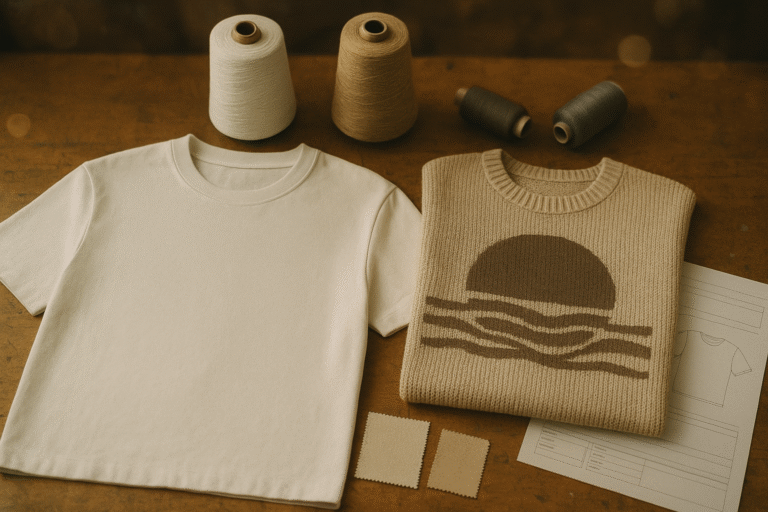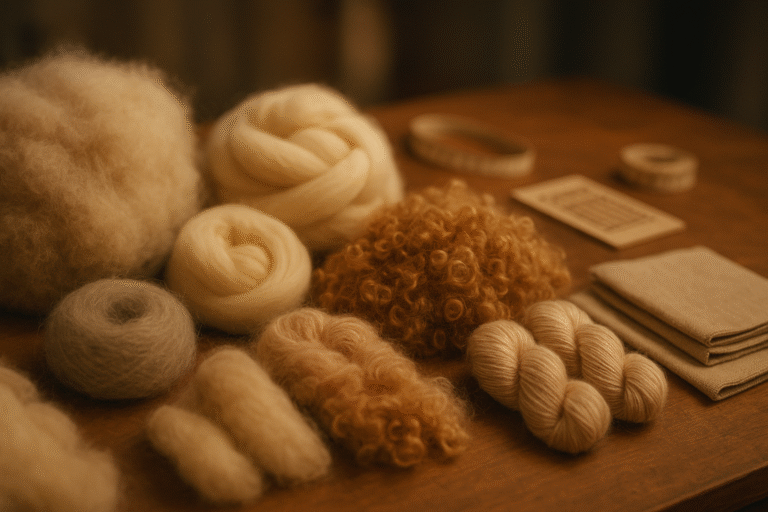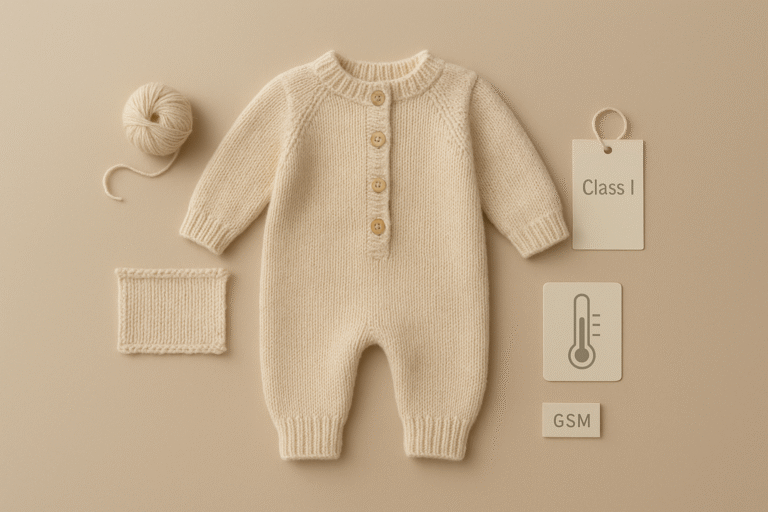

You might wonder how much does a knitwear weigh when choosing clothes for travel, daily wear, or gifts. How much does a knitwear weigh can range from just a few ounces to several pounds, depending on the item and the materials used. If you want warmth, heavier pieces usually keep you cozy, but the fabric matters too. For example, a 300g knitwear made with lambswool feels warmer than the same weight in cashmere silk. How much does a knitwear weigh affects packing because you can twist and compress it, saving space in your suitcase. How much does a knitwear weigh also matters when you need lightweight clothing and want to avoid extra luggage fees. How much does a knitwear weigh plays a role in shipping costs, so knowing the weight helps you plan better.
Key Takeaways
Knitwear weight can be very different. Sweaters can weigh between 6 and 28 ounces. Blankets can weigh from 2 to 8 pounds. Knowing the weight helps you pick the right item for you.
Yarn type and thickness change how much knitwear weighs. Heavier yarns make warmer and thicker things. Lighter yarns make soft and light pieces. Pick your yarn for the warmth and comfort you want.
Think about the design and size of your knitwear. Bigger sizes and fancy designs need more yarn. This makes the item heavier. Always look at the pattern to know how much yarn you need.
Light knitwear is easier to pack and send. It takes up less space in your bag. It also costs less to ship. Pick lighter items when you travel or send gifts.
Knowing knitwear weight helps you feel comfortable. Heavy items keep you warm in cold weather. Lighter pieces are good for layering. Try different weights to see what you like best.
How Much Does a Knitwear Weigh by Type
Sweater
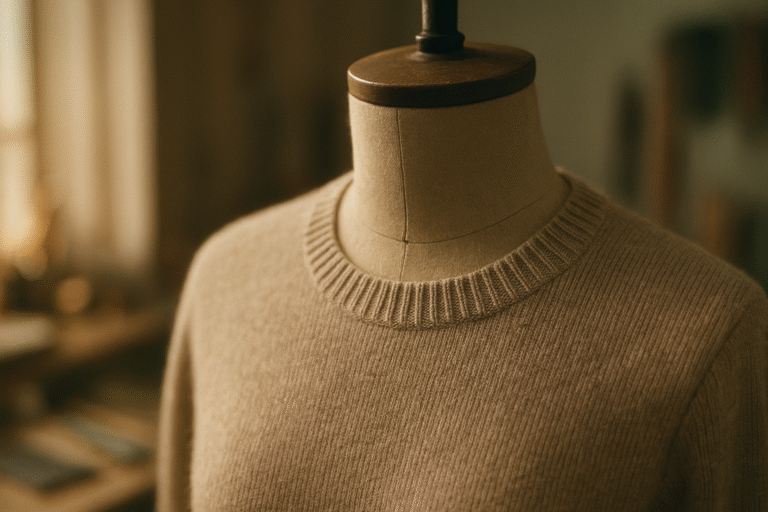
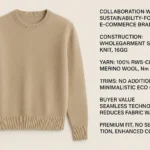
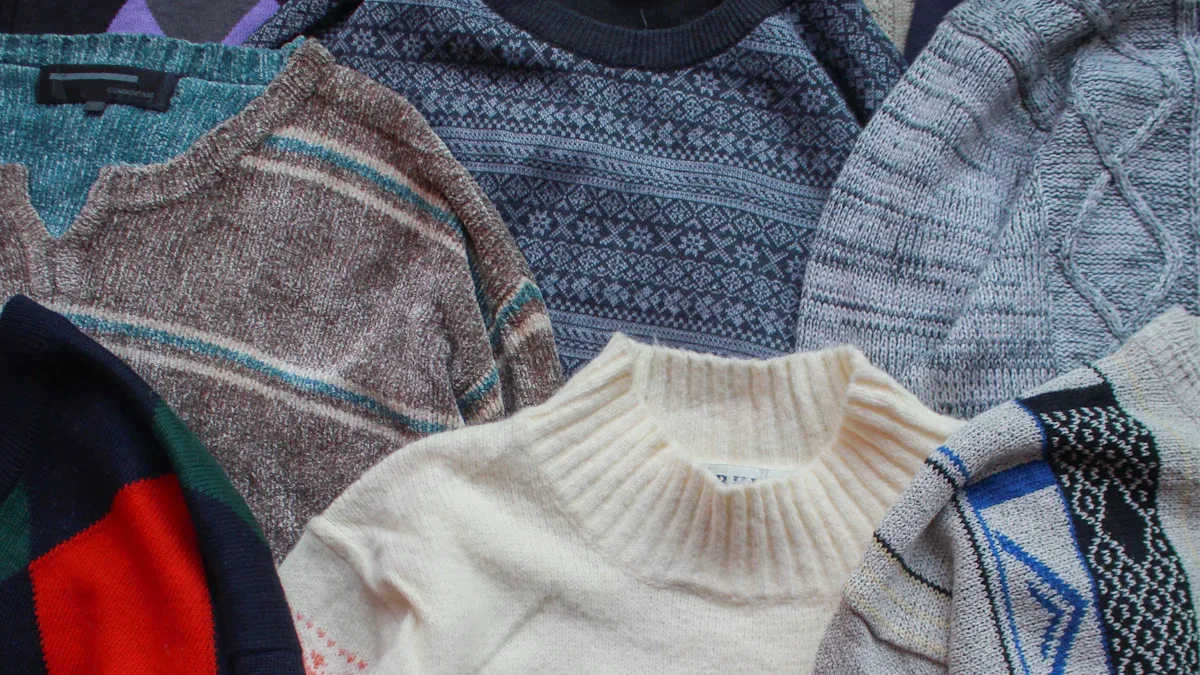
You will find that a sweater can weigh anywhere from 6 to 28 ounces (170 to 794 grams). The weight depends on the yarn type, size, and thickness. If you choose a chunky alpaca sweater, it will feel much heavier than a lightweight cotton pullover. A typical adult medium sweater often uses two to three 100g skein balls of yarn, but larger sizes or thicker yarns require more.
Tip: Lighter yarns create a softer drape, while heavier yarns add warmth and structure to your sweater.
Here is a table showing what affects the weight of your sweater:
Factor | Impact on Weight |
|---|---|
Yarn Type | Changes drape, warmth, and durability |
Size | Larger sweaters use more material and weigh more |
Thickness | Thicker yarns make heavier sweaters |
You can see that both the yarn and the pattern play a big role. If you use a 100g skein of worsted wool, you will get a classic, medium-weight sweater. If you want a lighter feel, try a lace-weight yarn, but remember you may need more yardage.
Cardigan
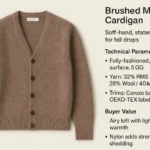
A cardigan usually weighs between 8 and 24 ounces (225 to 680 grams). The weight changes based on the yarn, the length, and the design. If you knit a long, cozy cardigan with bulky yarn, it will feel much heavier than a cropped, lace cardigan. Most cardigans use two to four 100g skein balls, depending on the size and style.
Choosing the right yarn weight is important for the look and feel of your cardigan.
Heavier yarns give more insulation and structure.
Lighter yarns allow for more drape and movement.
Following the pattern’s recommended yarn weight helps your cardigan fit as expected.
If you want a flowing, lightweight cardigan, pick a fingering or lace yarn. For a warm, chunky cardigan, use worsted or bulky yarn. You should always check the pattern for the suggested yarn weight. Using a different yarn can change the size and weight of your cardigan.
Note: A 100g skein of bulky yarn will add more weight to your cardigan than the same amount of lace yarn.
Scarf
Scarves show a wide range of weights. A typical scarf weighs between 3 and 10 ounces (85 to 285 grams), but extra-long or chunky scarves can weigh more. The yarn weight and pattern make a big difference. For example, a scarf made with a single 100g skein of worsted yarn will feel medium-weight and cozy.
Here are some popular yarns and weights for scarves:
Yarn Weight | Suggested Yarn |
|---|---|
Worsted | Red Heart Super Saver |
Worsted | Purl Soho Worsted Twist |
Worsted | Purl Soho’s Alpaca Pure |
Super Bulky | Purl Soho’s Lanecardate Feltro |
DK | KnitPicks Alpaca Cloud DK |
Fingering | KnitPicks Stroll Gradient |
Bulky | Lion Brand Hue + Me |
Sport | Knit Picks Wool of the Andes Sport |
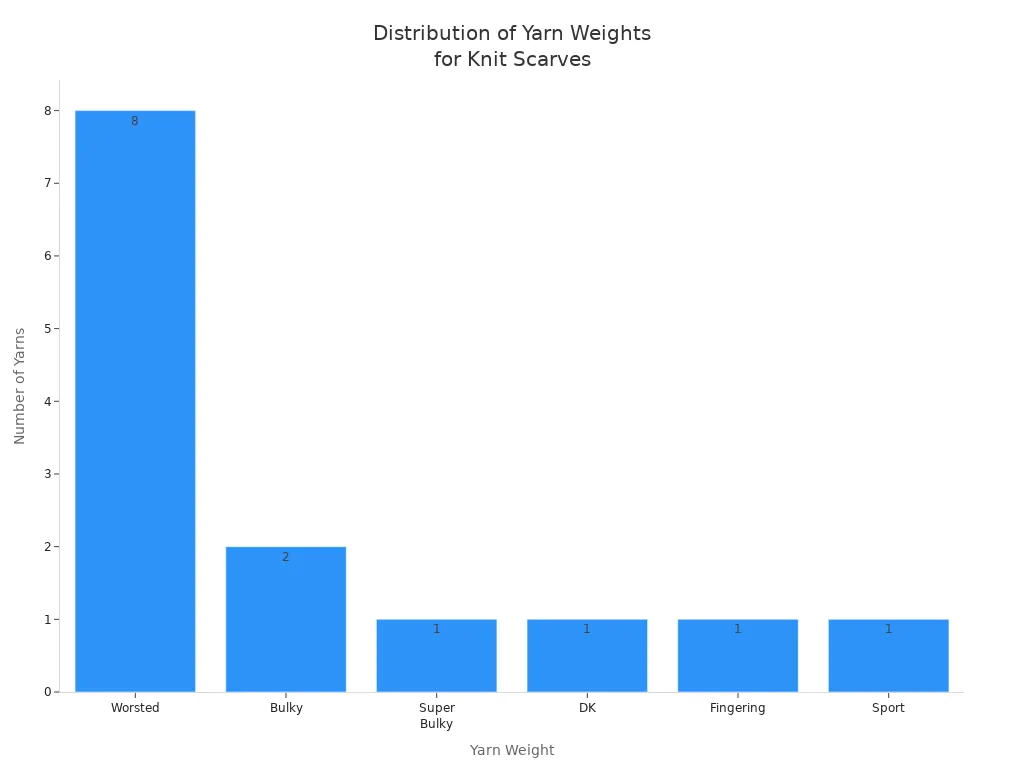
If you want a lightweight scarf, choose fingering or DK yarn. For a chunky winter scarf, pick super bulky yarn. The pattern and stitch also affect the final weight.
Hat
Most knit hats weigh between 2 and 4 ounces (57 to 113 grams). A simple beanie uses about half of a 100g skein, while a thick, slouchy hat may use a full 100g skein. The yarn weight, stitch pattern, and size all matter. If you use bulky yarn, your hat will feel heavier and warmer. If you use sport or DK yarn, your hat will feel lighter and more flexible.
Hats make great projects for using up leftover yarn from a 100g skein.
Blanket
Blankets can weigh a lot more than other knitwear. A standard throw blanket (50″ x 60″) often weighs 2 to 5 pounds (900 to 2,300 grams), depending on the yarn and stitch. A full-size bedspread can weigh 5 to 8 pounds (2,300 to 3,600 grams) or more. Baby blankets are much lighter, usually under 2 pounds (900 grams).
Blanket Size | Yarn Required (yards) | Yarn Type |
|---|---|---|
Standard Throw (50″ x 60″) | 2,000 | Medium-weight yarn |
Full-size Bedspread (80″ x 90″) | 2,500 to 3,000 | Varies by type |
Smaller Blankets (e.g., baby blankets) | Less than 2,000 | Varies by type |
If you use a thick, chunky yarn, your blanket will feel much heavier. A lightweight acrylic or cotton yarn will make a lighter blanket. The number of 100g skein balls you need depends on the size and yarn weight.
Socks
A standard pair of knit socks weighs about 1.5 to 3 ounces (42 to 85 grams). If you knit ankle socks, they will weigh less than crew or knee-high socks. Most adult socks use less than one 100g skein of fingering or sport yarn.
Different sock sizes use different amounts of yarn.
Crew socks weigh more than ankle socks.
Compression socks are heavier because of their dense knit.
Yarn weight and needle size affect the thickness and warmth of your socks.
Lightweight yarns and small needles make everyday socks.
Heavier yarns and large needles create thick, warm socks.
If you want delicate socks, choose a lighter yarn. For hiking or winter socks, use a heavier yarn.
Gloves and Mittens
Knit gloves and mittens usually weigh about 3.5 ounces (100 grams) for a pair. You can make most pairs with a single 100g skein of worsted or DK yarn. The weight depends on the yarn, the size, and the stitch pattern. Thicker mittens for winter use heavier yarn and weigh more. Lightweight gloves for spring use finer yarn and weigh less.
Measurement | Weight |
|---|---|
Ounces | 3.5 oz |
Grams | 100 gms |
You can finish a pair of gloves or mittens with just one 100g skein, making them a quick and practical project.
Yarn Weight Categories and Their Impact
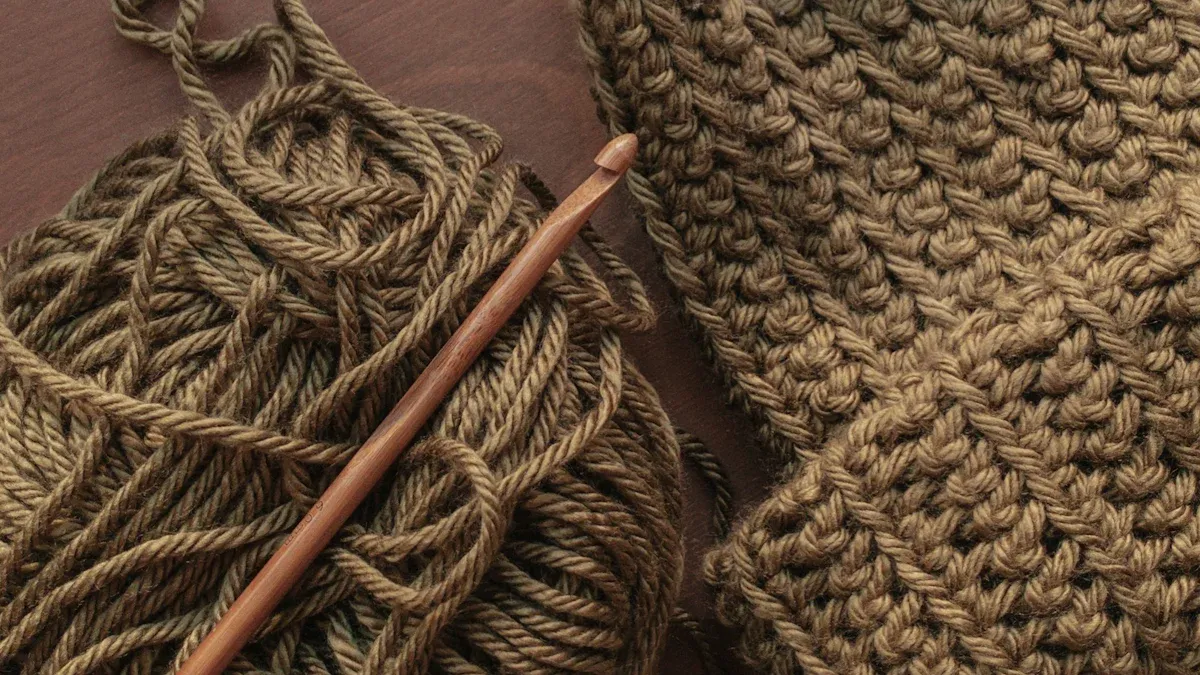
When you choose yarn for your project, you need to understand how yarn weight categories affect the final result. Yarn weight tells you how thick or thin the yarn is. This choice changes how heavy your knitwear will feel and look.
Lace and Super Fine
Lace and super fine yarns create light and delicate items. You often use these for shawls, summer tops, or lacy scarves. A lace yarn usually weighs less than 1 ounce (28 grams) per 400 yards. You will notice that a lace-weight shawl feels almost weightless. Super fine yarns, like sock yarn, also keep your projects light. You can knit a pair of socks with less than 100 grams of yarn. If you want something airy, pick a lower yarn weight.
Fine and Worsted
Fine yarns, such as sport or DK, give you a balance between lightness and warmth. You can use them for hats, gloves, or baby sweaters. Worsted yarn is thicker and heavier. It is a popular choice for sweaters and medium-weight scarves. One skein of worsted yarn (about 100 grams) usually has 200 yards. You will see that a worsted-weight sweater feels cozy but not too heavy. If you want a classic look and medium weight, worsted yarn works well.
Bulky and Extra Bulky
Bulky and extra bulky yarns make your projects thick and warm. You can use them for chunky scarves, heavy blankets, or oversized cardigans. Bulky yarn often weighs 100 grams for only 100 yards. This means your knitwear will feel much heavier and thicker. If you want a quick project that feels warm, choose a higher yarn weight. Remember, the higher the yarn weight, the fewer stitches you need to finish your item.
Tip: Always check the yarn label for weight and yardage. This helps you plan how much yarn you need for your project.
You can see that yarn weight categories play a big role in how much your knitwear weighs. Your choice will change the comfort, warmth, and look of your finished piece.
What Affects Knitwear Weight
When you want to know how much your knitwear will weigh, you need to look at several important factors. Each one changes the answer to how much yarn do i need for your project. You can use these tips to make better choices for sweaters, scarves, or any other knitwear.
Yarn Type and Thickness
Yarn type and thickness have a big impact on weight. Wool, cotton, and acrylic all feel different. Thick yarns add more weight than thin ones. If you want a chunky sweater, you will need more yarn and the finished piece will weigh more. When you ask how much yarn do i need for a pullover, you should check the yarn label for weight and yardage. Bulky yarns make heavier items, while lace yarns keep things light. Always look at yardage estimates before you start.
Stitch Density
Stitch density means how tightly you knit your stitches. Tighter stitches use more yarn and make your knitwear heavier. Loose stitches use less yarn and feel lighter. If you want to know how much yarn do i need for a scarf or blanket, look at the pattern’s stitch density. Denser patterns, like cables or ribbing, need more yarn. Openwork or lace patterns use less. You can calculate yardage by making a small swatch and measuring how much yarn you use.
Size and Fit
The size and fit of your project change how much yarn do i need. Larger sizes always need more yarn. If you knit a long cardigan or an oversized sweater, you will use more yarn than for a cropped version. When you check yardage estimates, always match your size to the chart. For example, the yarn needed for a pullover in size XL will be much more than for size S. You should measure yourself and read the pattern notes before you buy yarn.
Design Features
Design features like pockets, hoods, or cables add extra weight. If you add a hood to a sweater, you will need more yarn. Fancy stitches or colorwork also increase the amount of yarn needed for a pullover or any other item. When you wonder how much yarn do i need for a project with special details, always add a little extra to your total. Patterns with simple designs use less yarn and weigh less.
Tip: Always buy a bit more yarn than you think you need. This helps you avoid running out before you finish.
You can see that yarn type, stitch density, size, and design all affect how much yarn do i need for any knitwear. Use these ideas to plan your next project and get the right yardage estimates every time.
Why Knitwear Weight Matters
Comfort and Warmth
You want your knitwear to feel good when you wear it. The weight of your sweater or scarf changes how it feels on your body. A heavy sweater gives you more warmth in cold weather. A light sweater feels better in spring or fall. If you choose a thick, bulky yarn, your knitwear will trap more heat. This helps you stay cozy during winter. If you pick a lighter yarn, you get a soft and airy feel. You can wear it indoors or layer it with other clothes.
Tip: Try on different weights of knitwear before you buy. You will notice the difference in comfort and warmth right away.
Some people like the feeling of a weighted blanket or a chunky cardigan. Others prefer something light that does not weigh them down. You should think about where and when you will wear your knitwear. The right weight makes a big difference in how comfortable you feel.
Packing and Shipping
You need to think about knitwear weight when you travel or send gifts. Heavy knitwear takes up more space in your suitcase. It can also make your bag go over the airline weight limit. Lighter items pack down smaller and help you save room for other things.
Light hats and socks fit easily in your luggage.
Thick blankets or chunky sweaters add extra pounds.
If you ship knitwear, weight affects the cost. Shipping companies charge more for heavier packages. You can save money by choosing lighter yarns for gifts you plan to mail.
Note: Always check the weight of your finished project before packing or shipping. This helps you avoid surprises at the airport or post office.
You can plan better when you know how much your knitwear weighs. This makes travel and gift-giving easier and less expensive.
You now know the average weights for common knitwear items:
Sweaters: 6–28 oz (170–794 g)
Cardigans: 8–24 oz (225–680 g)
Scarves: 3–10 oz (85–285 g)
Hats: 2–4 oz (57–113 g)
Blankets: 2–8 lbs (900–3,600 g)
Socks: 1.5–3 oz (42–85 g)
Gloves/Mittens: 3.5 oz (100 g)
Understanding knitwear weight helps you choose the right item, care for it, and avoid surprises when packing or shipping. Use these facts to make smart choices when shopping, traveling, or sending gifts.
FAQ
How do you weigh knitwear at home?
You can use a kitchen scale. Place your knitwear on the scale. Read the number in grams or ounces. Make sure the item is dry for an accurate result.
Does washing make knitwear heavier?
Wet knitwear always weighs more. Water adds extra weight. Dry your knitwear before weighing. This gives you the true weight of the item.
What is the lightest type of knitwear?
Scarves, hats, and socks are the lightest. You can make these with lace or fingering yarn. Most weigh less than 4 ounces (113 grams).
Can you reduce the weight of a finished knitwear item?
You cannot make finished knitwear lighter. You can choose lighter yarns and open stitch patterns for your next project. This helps you create lighter items.