
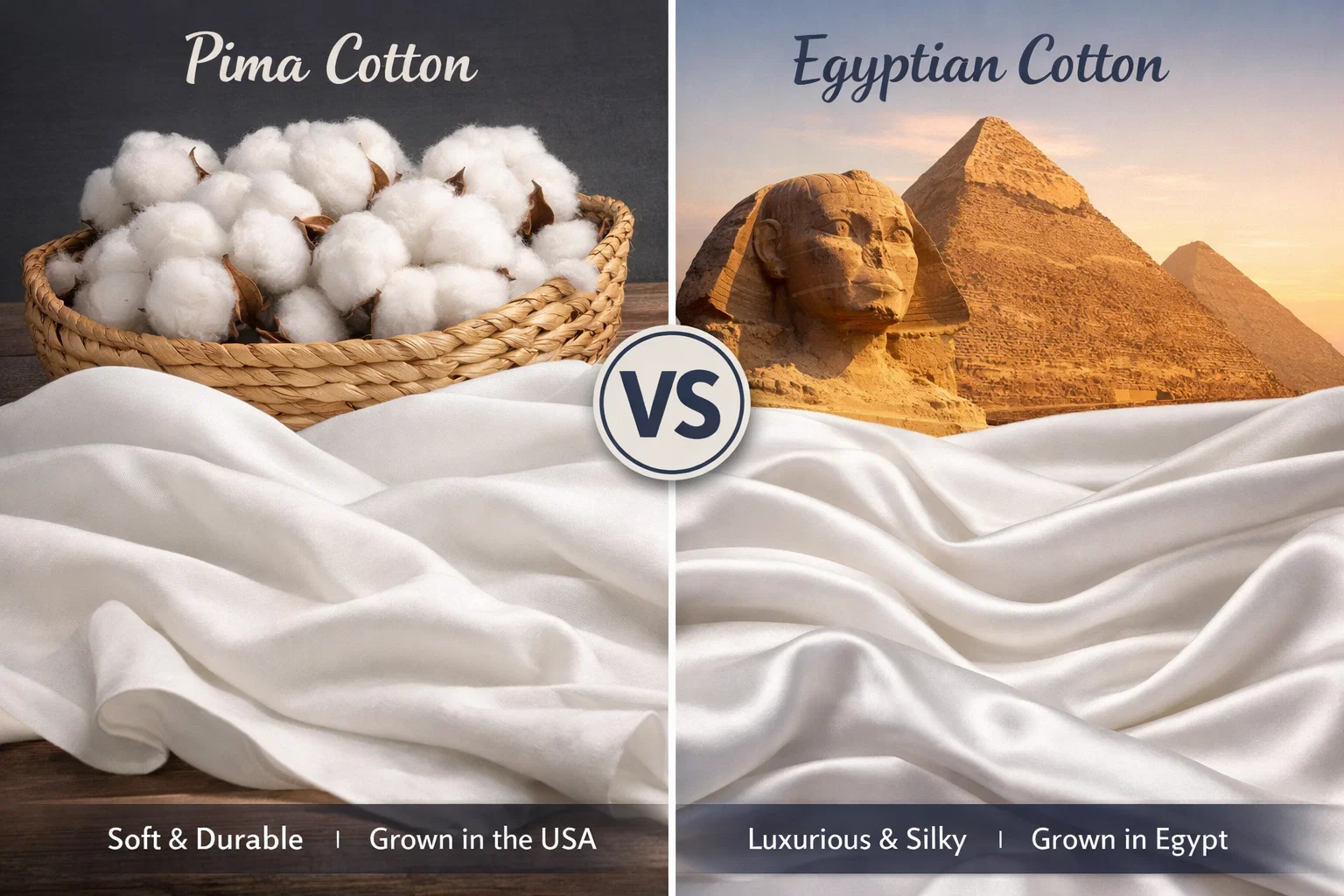
If you’re deciding between pima cotton vs egyptian cotton for your sheets, you want the best option for comfort and durability. Many people choose cotton because it’s natural and long-lasting. When comparing pima cotton vs egyptian cotton, you’ll notice each type offers unique advantages. Egyptian cotton is often softer and feels more luxurious, while pima cotton provides a crisp, smooth texture at a more affordable price. The right choice in the pima cotton vs egyptian cotton debate depends on whether you value softness, strength, or cost the most.
Tip: Check out the quick comparison table below to see which option in the pima cotton vs egyptian cotton comparison fits your needs best.
Key Takeaways
Pick Egyptian cotton if you want sheets that feel very soft and smooth. It is best for people who like their bedding to feel fancy.
Choose Pima cotton if you want sheets that last a long time and cost less. These sheets feel crisp and are stronger than regular cotton.
Both types of cotton do not get fuzzy balls and stay nice after many washes. This means your sheets will feel good for a long time.
Always read the labels to make sure the cotton is real. Look for ‘100% Egyptian cotton’ or ‘Supima’ to know you are buying good sheets.
Think about how much you want to spend and what you like. Pima cotton is a good deal and still feels nice, so it is great for everyday use.
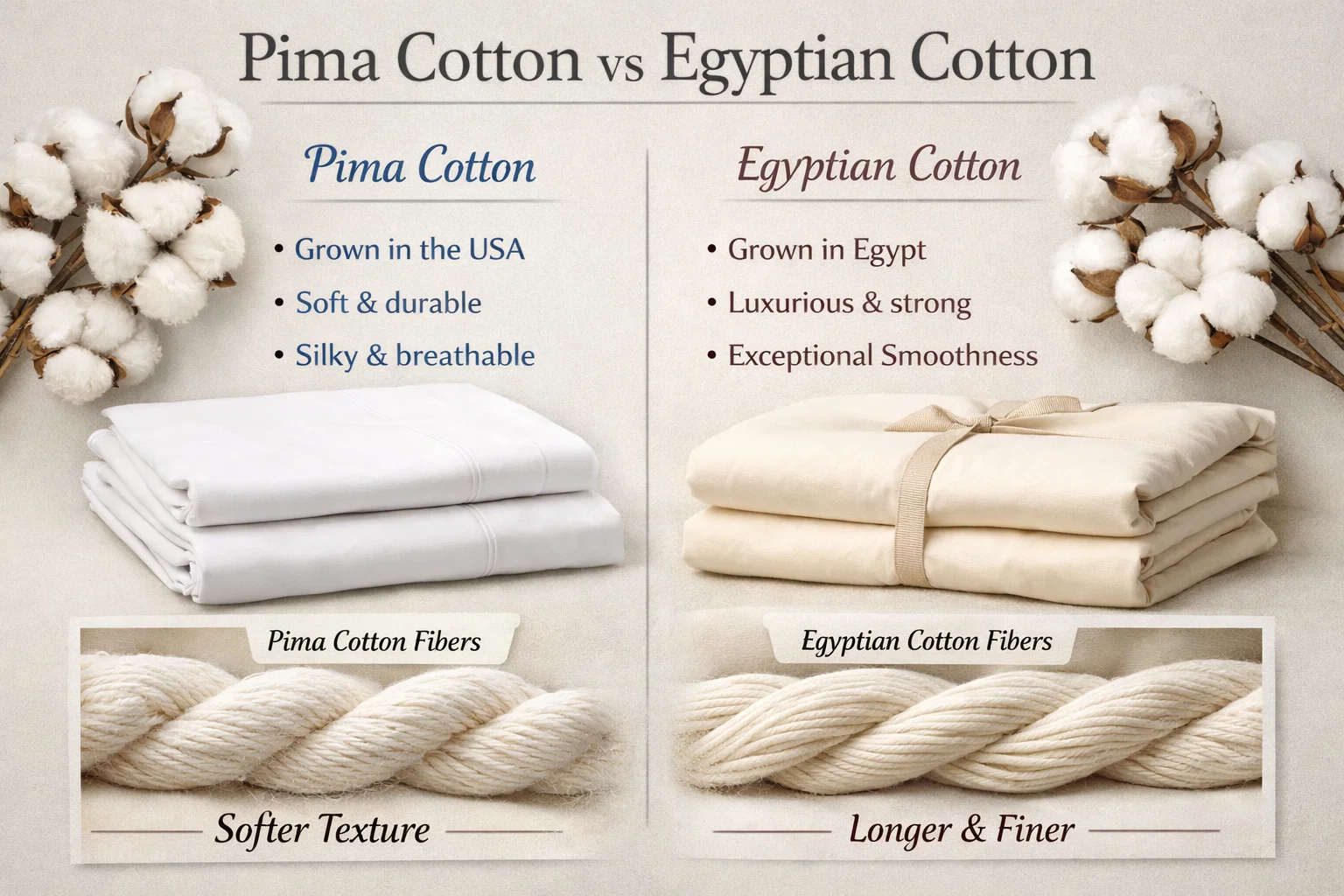
Pima Cotton vs Egyptian Cotton: Quick Comparison
At-a-Glance Table
You might want to know how pima cotton and egyptian cotton are different. The table below lets you see the main features side by side. This helps you pick the best sheets for what you need.
Feature | Egyptian Cotton | Pima Cotton |
|---|---|---|
Typical Origin | Egypt | Peru, United States |
Price Point | $$$ | $$ |
Softness | Softer, more luxurious | Crisp, smooth |
Fiber Length | Extra-long staple | 35% longer than regular cotton |
Durability | Very durable, resists pilling | Durable, resists pilling |
Care | Gentle wash, lower temp | Easy care, standard wash |
Authenticity | Often blended, check labels | Usually pure, check labels |
Summary of Key Differences
There are some big differences between these two cottons. Egyptian cotton is known for being very soft and fancy. It gets even smoother after you wash it a few times. Pima cotton feels crisp and smooth. It is strong and comfy but costs less.
Egyptian cotton has extra-long staple fibers. This makes the sheets soft and strong.
Pima cotton uses long-staple fibers too. These fibers are about 35% longer than regular cotton.
Both types do not pill much and last a long time.
Egyptian cotton is usually more expensive. You pay more for the best quality and feel.
Pima cotton gives you many of the same good things but for less money.
Note: Long-staple cottons like pima and egyptian cotton make fabric smoother and stronger. Sateen weaves feel soft and heavy. Percale weaves feel cool and light.
Always look at the labels to make sure you get real cotton sheets. Some brands mix in other fibers, which can change how the sheets feel. If you want the softest sheets, pick egyptian cotton. If you want crisp sheets and a better price, pima cotton is a good pick.
What Is Pima Cotton?
Origin and Fiber Qualities
You might wonder where pima cotton comes from. It grows from the Gossypium barbadense plant. Farmers grow it in South America, Peru, Australia, and the Southwest United States. The fibers are between 1.4 and 2 inches long. These fibers are much longer than regular cotton fibers. The extra length helps the fibers twist together tightly. This makes the fabric stronger and less likely to tear.
Take a look at the table below to see how pima cotton fibers compare:
Characteristic | Description |
|---|---|
Length | Fibers measure 1.4 to 2 inches, much longer than regular cotton. |
Strength | Tightly intertwined fibers boost durability and resist tearing. |
Softness | Longer fibers create smoother yarns for a silky, luxurious feel. |
Pilling Resistance | Less likely to form fuzz balls after washing. |
Sheets made from pima cotton last longer and feel smoother. These fiber qualities help the sheets stay strong and soft. Pima cotton lasts about 50% longer than other cotton products. You can count on it for comfort and durability.
Feel and Reputation
When you touch pima cotton, it feels smooth and crisp. The long fibers make it feel silky. Many people like this texture. Bedding experts often suggest pima cotton for its softness and strength. You find it in high-end cotton sheets because it resists pilling. It also keeps its shape after many washes.
Pima cotton is sometimes called Supima. It has a good reputation in the bedding world. You get a fabric that feels fancy but is tough enough for everyday use. If you want sheets that are comfy and last long, pima cotton is a smart pick.
Tip: If you want cotton sheets that feel soft and last a long time, pima cotton gives you both without costing as much as some luxury sheets.
What Is Egyptian Cotton?
Origin and Fiber Qualities
Egyptian cotton grows in the Nile Delta. The weather is dry and the soil is rich there. This helps the Gossypium barbadense plant grow slowly. Slow growth makes the fibers extra-long and very thin. Farmers call this cotton “white gold” because it is so good.
Egyptian cotton fibers are between 38 and 50 millimeters long. These fibers are longer than regular cotton fibers. The extra length makes the fabric smooth and strong. Egyptian cotton feels cool when you touch it. The fibers help control your body temperature. You stay dry on hot nights and warm when it is cold.
Here is a table that shows how egyptian cotton compares to other types:
Cotton Type | Fiber Length | Purity | Durability | Softness |
|---|---|---|---|---|
Egyptian Cotton | Extra-long | High | Superior | Luxurious |
Other Varieties | Shorter | Variable | Standard | Regular |
You can see egyptian cotton is special for its long fibers and purity. The Nile Delta’s weather and soil make these things possible.
Egyptian cotton has extra-long staple fibers.
These fibers are stronger and thinner than regular cotton.
The Nile Delta helps give egyptian cotton these special traits.
Tip: When you buy cotton sheets, check the label for fiber length. Longer fibers mean the fabric is smoother and lasts longer.
Feel and Reputation
You notice the difference when you touch egyptian cotton. The fabric is soft, smooth, and cool. Many people pick it for fancy sheets because it gets softer after each wash. You get comfort and air flow with these sheets. The fabric hangs nicely and keeps its shape.
“Egyptian cotton is known for comfort, breathability, and strength. It also gets softer every time you wash it. This is why luxury bedding brands use it.”
You should make sure your egyptian cotton is real. Some sheets use blends or lower-quality fibers. Sheets certified by the Cotton Egypt Association are true egyptian cotton.
Now you know why egyptian cotton is famous. Fancy sheets made from this cotton feel special and last a long time. You get a fabric that feels nice and works well every night.
Pima Cotton vs Egyptian Cotton: Differences
Softness and Texture
When you look at pima cotton and egyptian cotton, you can feel a difference. Egyptian cotton feels very smooth and silky. It has a shiny look that makes your bed look fancy. Pima cotton feels soft but also has a firm touch. Many people like this for daily use. If you want sheets that feel extra smooth, pick egyptian cotton. If you like sheets that are soft but not shiny, pima cotton is a good choice.
Cotton Type | Softness | Texture |
|---|---|---|
Egyptian Cotton | Silky and smooth | Subtle sheen, medium warmth |
Pima Cotton | Soft, structured | Matte finish, more breathable |
Egyptian cotton: Feels smooth and shiny, great for a fancy bed.
Pima cotton: Feels soft and firm, nice for everyday use.
Tip: For cool and smooth sheets, choose long-staple fibers. Both types use these fibers to make the fabric soft.
Durability and Longevity
It is important that your sheets last a long time. Both pima cotton and egyptian cotton are strong and do not tear easily. Pima cotton lasts about half again as long as regular cotton. Egyptian cotton also stays nice for many years because of its strong fibers. Your sheets will keep their shape and feel smooth after many washes.
Pima cotton: Lasts longer than most cotton, does not wear out fast.
Egyptian cotton: Stays soft and strong for a long time.
If you want sheets that last, both are good picks. You can wash them often and they will not get ruined.
Breathability and Comfort
You want sheets that help you sleep well. Both pima cotton and egyptian cotton let air move through the fabric. This keeps you from getting too hot at night. The long-staple fibers make the fabric airy and light. Egyptian cotton soaks up sweat and keeps you dry. Pima cotton also pulls sweat away, which helps if you get hot at night.
Both types let air flow and move sweat away from your skin.
Pima cotton: Lets air in, keeps you from overheating.
Egyptian cotton: Soaks up sweat, keeps you dry if you get hot.
Both types are good for all seasons. You stay cool in summer and warm in winter.
Price and Value
How much you pay matters when picking sheets. Egyptian cotton costs more because it is seen as fancy. Pima cotton gives you many of the same good things for less money. You get soft, nice sheets without spending a lot.
Cotton Type | |
|---|---|
Pima Cotton | $6.5 |
Egyptian Cotton | $5.75 |
Pima cotton: Costs less, still feels soft and comfy.
Egyptian cotton: Costs more, feels fancy.
Many people think pima cotton is a smart buy. You get good sheets that last and feel nice.
Care and Washing
Taking care of your sheets helps them last longer. Both pima cotton and egyptian cotton need gentle washing. Use cold or warm water to stop shrinking and keep the fibers strong. Pick a mild liquid soap to keep them soft. Do not use bleach or strong cleaners because they can hurt the fabric.
Wash in cold water by itself.
Dry on low heat.
Use a gentle cycle to stop damage.
Do not use powder soap or softeners, they can leave marks.
Note: Washing in cool water keeps your sheets soft and stops shrinking. Always check the care label for the best way to wash.
If you follow these steps, your sheets will stay soft and strong. You will enjoy them for a long time.
Identifying Authentic Cotton Sheets
Choosing real cotton sheets can feel confusing. Many brands use words like “Egyptian” or “pima” on their labels, but not all sheets are truly made from these high-quality fibers. You want to make sure you get what you pay for. Here’s how you can spot the real thing.
Spotting Real Pima Cotton
When you shop for pima cotton sheets, check the label first. Look for the word “Supima.” This is a trademark for American-grown pima cotton. If you see “Supima” on the tag, you know the sheets use pure, long-staple fibers. Some brands may just say “pima cotton,” but you should read the fine print. True pima cotton sheets will list the country of origin, like the United States or Peru.
You can also feel the fabric. Real pima cotton feels smooth and crisp. The weave looks tight and even. If the sheets feel rough or thin, they may not be pure pima cotton. Ask the seller if you are not sure. Many trusted brands will share details about their cotton source.
Tip: Sheets labeled “100% pima cotton” or “Supima” give you the best chance of getting real, high-quality cotton.
Spotting Real Egyptian Cotton
Finding real Egyptian cotton sheets takes a little extra care. Many products claim to be Egyptian cotton, but only a few are truly made from cotton grown in Egypt. You should look for special certifications and logos on the packaging. These marks show the sheets have passed strict tests.
Here are the most trusted labels for Egyptian cotton:
Certification/Label | Description |
|---|---|
A registered trademark that ensures the product is made from genuine Egyptian cotton after rigorous verification, including DNA testing. | |
Official Golden Seal of Authenticity | Issued by the Egyptian Cotton Association, confirming the sheets are made from 100% Egyptian cotton grown in Egypt after thorough testing. |
If you see these marks, you can trust the sheets are real Egyptian cotton. The fabric should feel soft, smooth, and cool to the touch. The weave will look fine and even. If the label does not mention Egypt or lacks these seals, the sheets may be a blend or a lower-quality cotton.
Note: Always check for official seals and read the label carefully. This helps you avoid fake or blended cotton sheets.
Egyptian Cotton vs Pima Cotton: Which to Choose?
For Luxury Seekers
If you want the fanciest sheets, look at both types. Egyptian cotton is known for being very soft and special. Many fancy hotels use it on their beds. Pima cotton is also soft and smooth, but Egyptian cotton feels silkier and has a little shine. You can see the main differences in the table below:
Factor | Egyptian Cotton | Pima Cotton |
|---|---|---|
Softness | Superior softness | Comparable softness |
Durability | Strong and durable | Strong and durable |
Breathability | Highly breathable | Highly breathable |
Price Point | Higher due to prestige and limited supply | More accessible than Egyptian cotton |
Blends | Often blended with inferior fabrics | May also be blended with other fabrics |
You might pay more for Egyptian cotton, but it feels extra nice. If you want your bed to feel like a hotel, Egyptian cotton is a great pick.
For Everyday Use
You may want sheets that feel nice and last for daily use. Both types work well if they are pure. Here are some things to think about:
Egyptian cotton:
Feels soft and lasts a long time.
Sometimes mixed with lower-quality fibers.
Feels soft and stays strong after many washes.
Usually costs less than Egyptian cotton.
Can be blended, so check the label.
Look for sheets that say “100% Egyptian cotton” or “100% Pima cotton” for the best quality.
For Budget Buyers
If you want good sheets but do not want to spend a lot, you have choices. It helps to know the difference between Pima and Egyptian cotton. Thread count is important too. Higher thread counts usually mean smoother sheets. Some sheets cost less than $50, but nicer ones cost more.
Learn about the fabric to pick what feels best.
Check the thread count for softer sheets.
Compare prices to get the best deal.
Pima cotton often gives you good quality for the price.
Other Considerations
You might care about how your sheets are made. Organic cotton is grown in safe and earth-friendly ways. GOTS-certified organic cotton is better for the planet and workers. Some people pick organic Pima or Egyptian cotton to help the environment.
Organic cotton is grown without bad chemicals.
GOTS certification means the sheets are safe and green.
Picking organic helps protect the earth.
You can find both types made with organic methods. This lets you sleep well knowing your choice is good for you and nature.
You can spot big differences between Pima and Egyptian cotton sheets. The table below shows how they compare in comfort, durability, and price:
Feature | Egyptian Cotton | Pima Cotton |
|---|---|---|
Comfort | Soft, breathable, crisp | |
Durability | Strong, long-lasting | Durable, softens with each wash |
Cost | Higher price | More affordable |
Pick Egyptian cotton if you want sheets that feel fancy and silky. Choose Pima cotton if you want sheets that are comfy for daily use and cost less. Before you buy, think about what is most important to you. Do you care most about softness, strength, or price?
FAQ
What is the main difference between Pima and Egyptian cotton sheets?
You will notice Egyptian cotton feels silkier and softer. Pima cotton feels crisp and smooth. Egyptian cotton usually costs more. Both types use long-staple fibers for strength and comfort.
How can you tell if your sheets are real Egyptian or Pima cotton?
Check the label for “100% Egyptian cotton” or “Supima” for Pima cotton. Look for certifications like the Egyptian Cotton™ logo. Ask the seller for details if you are unsure.
Do Pima and Egyptian cotton sheets shrink after washing?
You can expect minimal shrinkage if you follow care instructions. Wash in cold water and use a gentle cycle. Avoid high heat when drying to keep your sheets in good shape.
Are Pima cotton sheets good for hot sleepers?
You will stay cool with Pima cotton sheets. The fabric breathes well and pulls moisture away from your skin. Many hot sleepers choose Pima cotton for comfort all year.