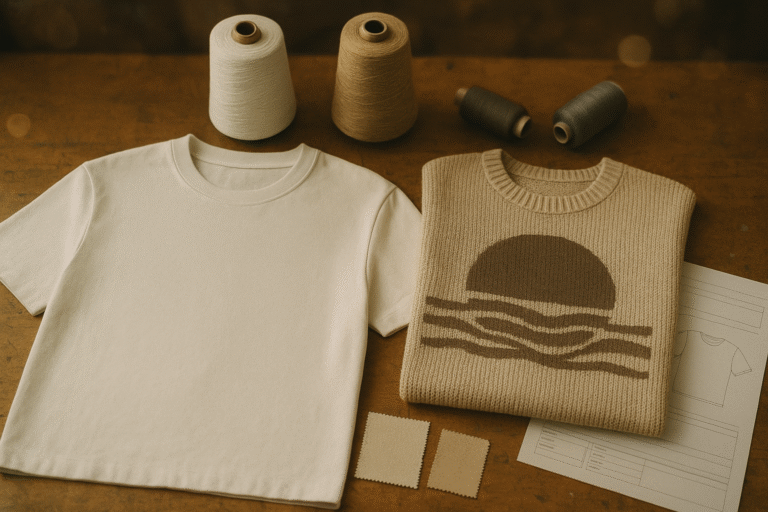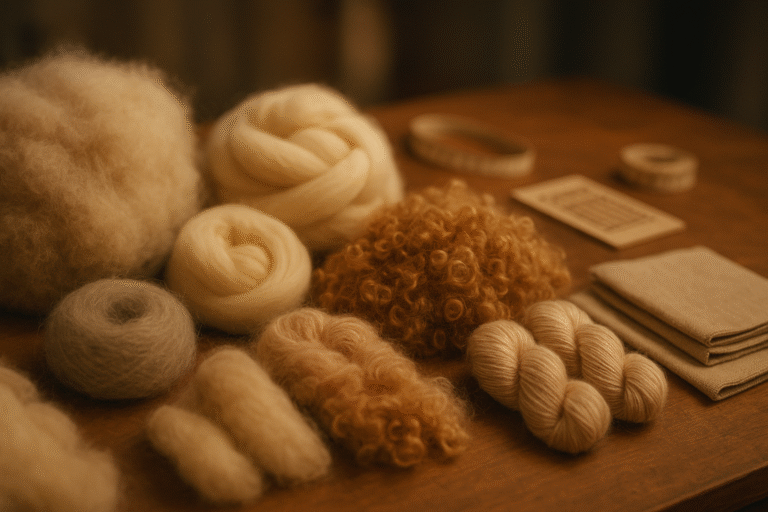

When you walk into a store, you might notice tags that say cotton or poplin and start wondering about poplin vs cotton. Cotton is a natural plant fiber, widely used for clothing and home goods because it’s soft, durable, and breathable. Many people choose cotton since it’s environmentally friendly. Poplin, on the other hand, refers to a specific type of weave and can be made from cotton or other fibers, which adds to the confusion in the poplin vs cotton debate. People often mix up poplin and cotton, and there are some common misconceptions:
Poplin is often mistaken for other cotton weaves in the poplin vs cotton discussion.
Some assume poplin is always strong, but it can actually be thin and prone to wrinkling.
Poplin’s smooth and lightweight feel leads to confusion about its best uses.
This blog will clarify the differences between poplin vs cotton, helping you choose the right fabric for your needs.
Key Takeaways
Cotton is a natural fiber. It feels soft and lets air through. It is strong, so it works well for clothes and things at home.
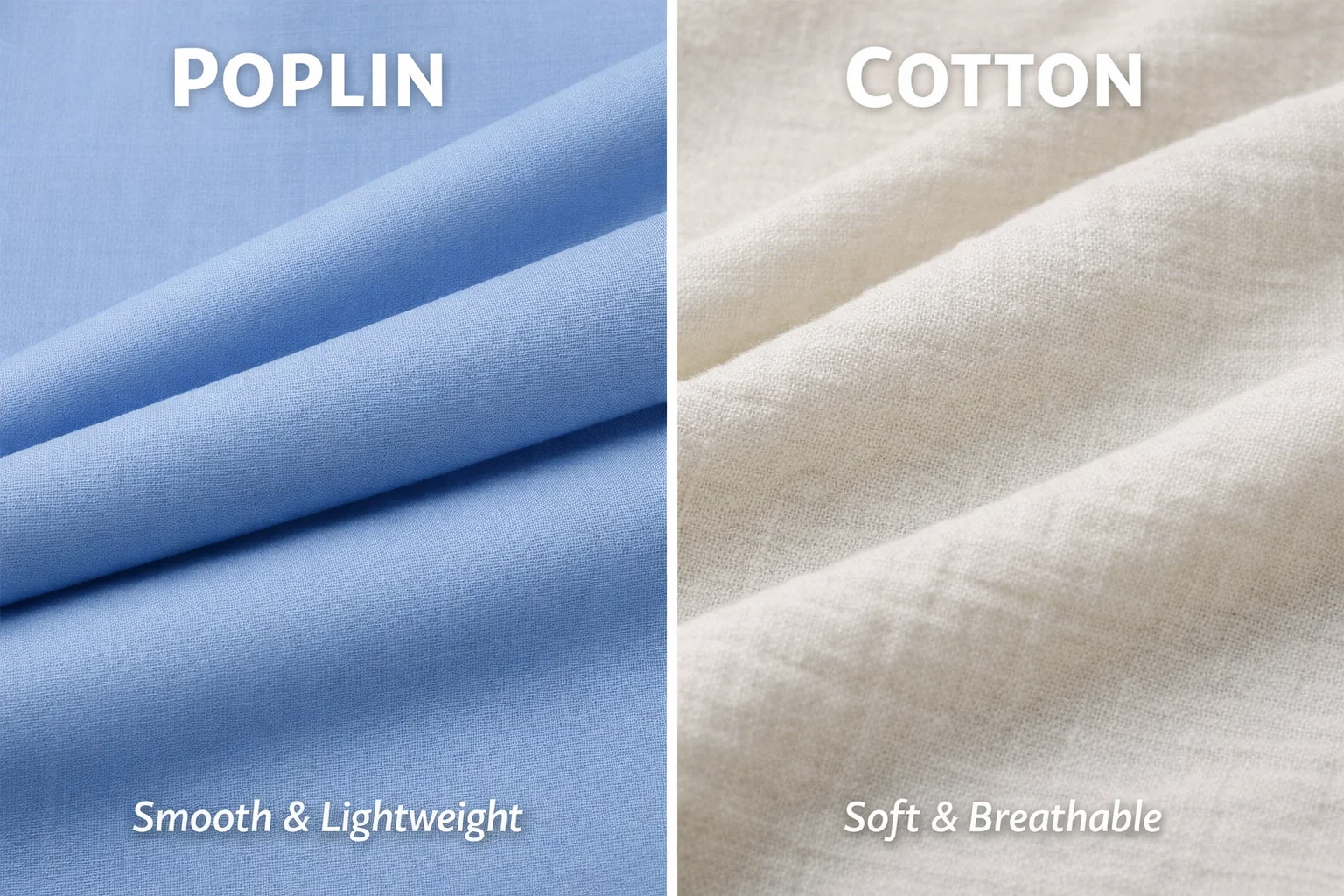
Poplin is a special way of weaving. It can use cotton or other fibers. Poplin feels smooth and crisp.
Poplin does not wrinkle as much as regular cotton. This makes it good for uniforms and dress shirts.
When you pick poplin or cotton, think about how they feel and last. Also, look at how the fabric looks to choose what is best for you.
Cotton and poplin are both special in their own ways. Knowing how they are different helps you pick the right one for clothes and things at home.
What Is Cotton?
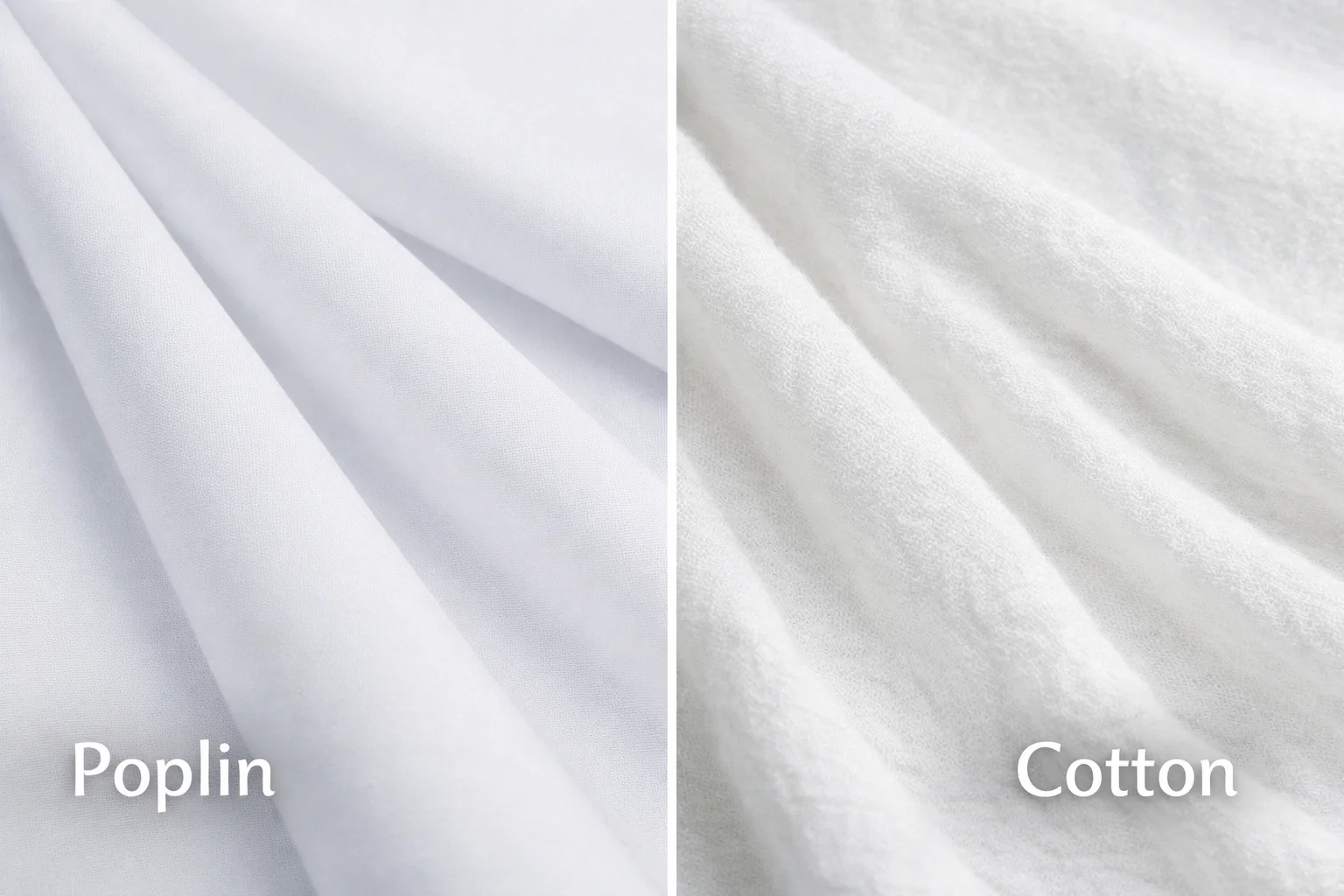
Cotton as a Natural Fiber
When you look at cotton, you see a fiber that comes from a plant. You find cotton growing in warm climates, where farmers harvest the fluffy bolls. Cotton fibers are made of cellulose, which is a carbohydrate found in plants. Unlike wool or silk, which come from animals, cotton is a plant-based fiber. You notice that cotton feels soft and comfortable against your skin. Cotton stands out because it is absorbent and holds color well. You can wash cotton in a machine or take it to the dry cleaner. Cotton fibers have length, strength, and fineness. You get the best cotton when the fibers are long and uniform. Cotton also has good strength, so you can use it for many things. You find that cotton drapes well and is easy to sew. Cotton is comfortable for everyday wear. You can handle cotton easily, and it prints well for colorful designs.
Tip: If you want a fabric that feels soft and lets your skin breathe, cotton is a great choice.
Here are some main features that define cotton as a natural fiber:
Soft hand and comfortable feel
Absorbent and good at holding moisture
Strong and durable
Good color retention
Easy to handle and sew
Machine-washable and dry-cleanable
Drapes well for clothing and home goods
Common Cotton Uses
You see cotton everywhere in your daily life. Cotton is the main fiber in clothing like t-shirts, jeans, and socks. You use cotton towels and washcloths at home. Cotton makes bedspreads, sheets, and window shades. You find cotton in medical supplies such as bandages and swabs because it absorbs well. Cotton is used in industrial products like tarpaulins and thread. You might not know that cotton is in paper currency and bookbinding. Cotton fibers help make coffee filters. Cottonseed oil is used in cooking oils and snacks.
Here are some common products made from cotton:
Money: Paper currency contains cotton fibers.
Coffee filters: Many filters use cotton for strength.
Medical supplies: Bandages and swabs use cotton for absorbency.
Bookbinding: Cotton adds durability to books.
Food industry: Cottonseed oil is found in snacks and cooking oils.
You can see that cotton is a versatile fiber. Cotton helps you stay comfortable, keeps your home clean, and even plays a role in industries you might not expect.
What Is Poplin?
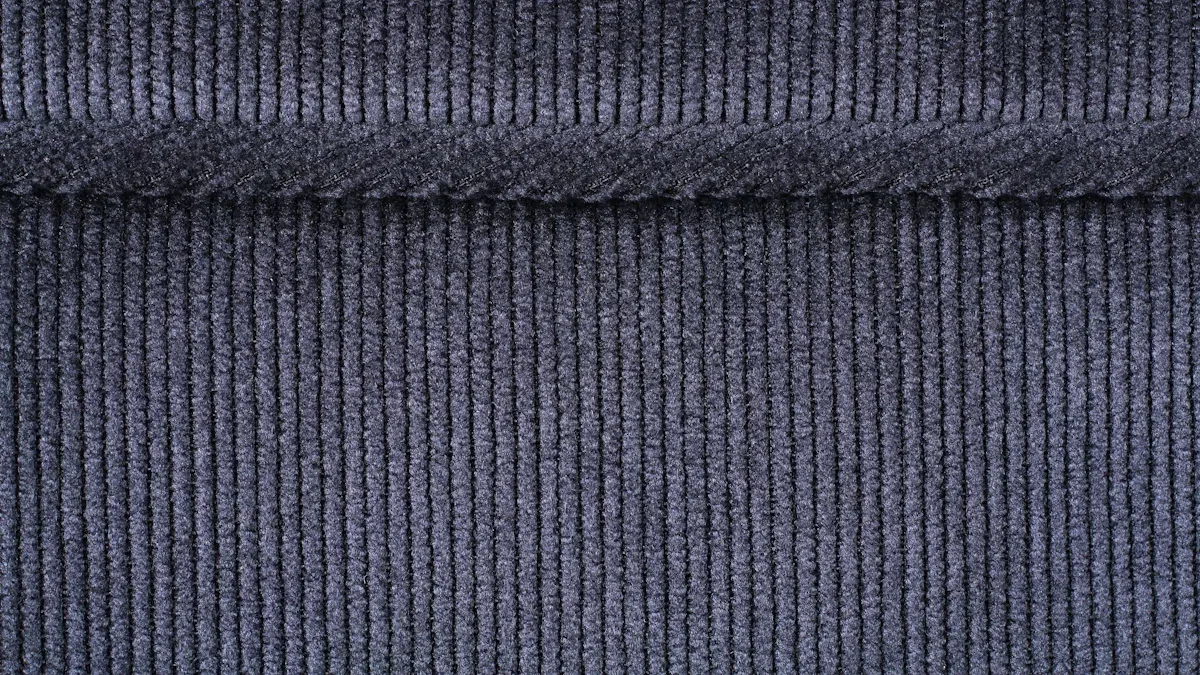
Poplin Weave Explained
You might see poplin in many shirts and dresses, but you may not know what makes this fabric special. Poplin is not a fiber. It is a type of weave that gives the fabric its unique look and feel. The poplin weave uses fine yarns running lengthwise and thicker yarns running across the fabric. This creates a smooth surface with tiny ribs that you can feel if you run your fingers over it. These ribs make poplin strong and give it a slight sheen.
Poplin has a rich history. It first appeared in the 15th century in Avignon, France. People made the original poplin by weaving fine silk threads with thicker wool threads. This mix gave poplin both softness and strength. The Catholic Church used poplin for fancy robes because it looked rich and felt smooth. The name poplin comes from the French word “papelino,” which connects to the Pope and the church. Over time, poplin became popular for everyday clothing because it was both sturdy and comfortable.
Note: Poplin’s crosswise ribs set it apart from plain cotton fabrics. You get a fabric that resists wear and keeps its shape.
Materials Used in Poplin
You can find poplin made from many different fibers. Cotton is the most common choice. Cotton poplin feels soft and lets your skin breathe. Polyester is another popular fiber for poplin. Polyester poplin resists wrinkles and dries quickly. Many poplin fabrics use a blend of cotton and polyester. This blend gives you the comfort of cotton and the easy care of polyester.
Some luxury poplin fabrics use silk. Silk poplin shines and feels extra smooth. Wool can also be used for heavier poplin, which works well in cooler weather. You can choose poplin based on the fiber that fits your needs best.
Here are the main fibers used in poplin:
Cotton: Soft and breathable for everyday wear.
Polyester: Durable and wrinkle-resistant.
Cotton-polyester blends: Combine comfort and easy care.
Silk: Adds shine and luxury.
Wool: Makes poplin warm for winter clothing.
Poplin gives you many options, whether you want a crisp shirt, a smooth dress, or a sturdy uniform.
Poplin vs Cotton: Key Differences
When you compare poplin vs cotton, you see that they are not the same thing. Cotton is a natural fiber that comes from a plant. Poplin is a type of weave that can use cotton or other fibers. You might find poplin fabric made from cotton, polyester, silk, or even wool. Not all cotton fabrics are poplin, but you can have cotton poplin. This difference is important when you shop for clothing or bedding.
Material Composition
You can look at the table below to see how poplin and other cotton fabrics compare:
Feature | Poplin | Other Cotton Fabrics |
|---|---|---|
Weave | Tight, plain weave with fine ribs | Various weaves, including plain, twill, and sateen |
Texture | Smooth, crisp | Can be soft, textured, or brushed |
Breathability | High | Varies based on weave |
Durability | Strong, resistant to wrinkles | Can range from delicate to highly durable |
Stretch | Minimal, but can be blended with spandex | Depends on weave and fiber content |
Best Uses | Shirts, dresses, uniforms, quilting | Wide range, from casual wear to home textiles |
Poplin fabric stands out because of its tight weave and fine ribs. You get a smooth and crisp feel. Cotton fabrics can have many different weaves. Some are soft and fluffy, while others are thick and strong. You see that poplin vs cotton is not just about the fiber, but also about how the fabric is made.
Texture and Feel
When you touch poplin, you notice a smooth and cool surface. The fine ribs give poplin fabric a crisp feel. You might feel a slight sheen on poplin shirts or dresses. Cotton fabrics can feel very different. Some cotton is brushed and feels soft, like flannel. Other cotton fabrics feel rough or thick. Poplin vs cotton shows that poplin fabric feels lighter and more polished than many cotton fabrics. You often choose poplin when you want a shirt that feels smooth and looks neat.
Tip: If you want a fabric that feels crisp and cool, poplin is a good choice. If you want something soft and cozy, try brushed cotton.
Durability and Strength
You want your clothes and bedding to last. Poplin fabric is strong because of its tight weave. It resists tearing and holds its shape well. Poplin is also less likely to wrinkle compared to regular cotton. You can see this in the table below:
Fabric Type | Wrinkle Resistance |
|---|---|
Poplin | Less prone to wrinkles |
Cotton | More prone to wrinkles |
Cotton fabrics can be strong, but some types wrinkle easily or wear out faster. Poplin vs cotton shows that poplin fabric is a good choice for uniforms and work shirts because it stays neat. You may need to iron poplin to keep it looking sharp, but it will not wrinkle as much as some cotton fabrics.
Breathability and Comfort
You want your clothes to breathe, especially in hot weather. Poplin fabric lets air flow through, so you stay cool. The tight weave of poplin gives it good breathability, but it is not as airy as some loose cotton fabrics. Cotton is famous for letting your skin breathe. You feel comfortable in cotton t-shirts and sheets. Poplin vs cotton shows that both fabrics work well for summer, but cotton may wick moisture better because of its natural fibers.
Poplin has moisture-wicking properties but is less effective than cotton due to its tighter weave.
Poplin’s breathability and moisture-wicking properties make it suitable for summer clothing.
You can wear poplin shirts on warm days, but if you sweat a lot, pure cotton may keep you drier.
Appearance and Finish
You notice that poplin fabric looks smooth and has a slight shine. The fine ribs in poplin give it a polished look. You often see poplin used for dress shirts, blouses, and uniforms. Cotton fabrics can look very different. Some cotton is matte and soft, while other types have a fuzzy finish. Poplin vs cotton shows that poplin fabric looks crisp and professional. You choose poplin when you want a sharp, clean look.
Note: Poplin fabric keeps its shape and finish after washing, but you may need to iron it for the best appearance.
Care and Maintenance
You want your clothes to last, so you need to care for them the right way. Poplin and cotton fabrics both need gentle washing. Here are some tips for caring for poplin:
Use cold or lukewarm water to avoid shrinkage.
Select a gentle cycle to minimize damage to fibers.
Avoid bleach to maintain fabric integrity.
For cotton fabrics, you should:
Check care labels for fiber content and specific instructions.
Use cold water for delicate fabrics to prevent damage.
Opt for a gentle washing cycle to minimize wear.
Turn clothes inside out before washing to preserve colors.
Air dry delicate fabrics to maintain their shape.
You should always check the care label before washing. Poplin fabric shrinks less than regular cotton. Cotton can shrink 3% to 10% after washing, while poplin shrinks only 3% to 4.5%. Poplin vs cotton shows that poplin fabric is easier to care for, but both fabrics need gentle handling to last longer.
Remember: Both poplin and cotton fabrics can last a long time if you wash them gently and avoid harsh chemicals.
Difference Between Cotton and Cotton Poplin
Weave and Density
You may ask why cotton poplin feels different from other cotton fabrics. The reason is the way it is woven and how dense it is. Cotton poplin has a tight weave with small ribs that go across the fabric. These ribs make poplin smooth and crisp. Other cotton fabrics use different weaves, like plain, twill, or sateen. Each weave changes how the fabric feels and looks.
Here is a table to show the main differences:
Feature | Poplin | Other Cotton Fabrics |
|---|---|---|
Weave | Tight, plain weave with fine ribs | Various weaves, including plain, twill, and sateen |
Poplin’s tight weave makes it strong and helps stop wrinkles. This fabric keeps its shape and looks neat. Other cotton fabrics can feel softer or thicker, based on their weave. Some, like flannel, are loose and feel warm and fuzzy. Others, like sateen, look shiny. The main difference between cotton and cotton poplin is how the threads are woven.
Typical Applications
You see cotton poplin in many clothes. It is light and lets air through, so it is good for hot days. Poplin is used for shirts, dresses, uniforms, and quilting. The fabric is strong, so you can wash and wear it often. Poplin stays crisp, which is great for work and school uniforms.
Other cotton fabrics are used for many things. You find them in t-shirts, jeans, pajamas, towels, and bedding. Some cotton fabrics are soft and cozy, so they are nice for home items. Others are tough and good for casual clothes.
Here is a quick comparison:
Best Uses | Poplin | Other Cotton Fabrics |
|---|---|---|
Best Uses | Shirts, dresses, uniforms, quilting | Wide range, from casual wear to home textiles |
Poplin is light and airy, so it is good for summer.
It does not wrinkle as much as other cotton fabrics.
Poplin gives a neat look for both casual and dressy clothes.
Cotton poplin is popular in fashion. You see it in shirts, dresses, skirts, blouses, and pants. It is comfy, strong, and stylish, so people use it for everyday and special events.
Poplin vs Cotton: Uses
Clothing
You see poplin in many types of clothing. People choose poplin for tailored items. You often find cotton poplin in dress shirts, blouses, dresses, and skirts. These clothes look polished and feel comfortable. Cotton, as a fiber, appears in almost every kind of clothing. You wear cotton t-shirts, jeans, pajamas, and socks every day. Cotton poplin fabric stands out when you want a crisp look. You pick poplin for uniforms and workwear because it stays neat. Cotton poplin fabric also works well for lightweight jackets and summer pants. You notice that cotton poplin fabric keeps its shape and resists wear. Poplin gives you a smooth finish, while other cotton fabrics can feel soft or textured.
Poplin Shirt
You may want a shirt that feels smooth and looks sharp. A poplin shirt gives you both. Cotton poplin fabric makes the poplin shirt lightweight and breathable. You stay cool in warm weather. The poplin shirt feels silky and comfortable against your skin. You can wear a poplin shirt under sweaters or jackets without feeling bulky. The poplin shirt has a crisp appearance, perfect for work or special events. You find that a poplin shirt is easy to care for and holds color well. The table below shows why you might choose a poplin shirt:
Disadvantages of Poplin Shirt | |
|---|---|
Lightweight and breathable | Prone to wrinkles |
Durable and strong | Limited stretch |
Smooth, crisp texture | Slightly stiff at first |
Easy to care for | May shrink if not pre-washed |
Versatile style | Less drape than soft fabrics |
Excellent color retention | Can crack during sewing |
You see that a poplin shirt works well for layering. You can wear a poplin shirt with a tie or open at the collar. The poplin shirt is a favorite for school uniforms and office wear. You enjoy the smooth feel and the way a poplin shirt keeps you looking neat all day.
Bedding and Home Textiles
You want bedding that feels soft but lasts a long time. Cotton poplin fabric is a smart choice for sheets, pillowcases, and duvet covers. The tight weave of cotton poplin fabric gives your bedding a smooth surface. You notice that cotton poplin fabric feels cool and crisp when you get into bed. Cotton poplin fabric is lightweight yet strong, so your bedding stays nice after many washes. You also find cotton poplin fabric in curtains, tablecloths, and napkins. The fine texture of cotton poplin fabric adds style to your home. You enjoy how cotton poplin fabric lets air flow, keeping you comfortable at night. Cotton poplin fabric is easy to wash and care for, making it a practical option for busy homes.
Tip: Choose cotton poplin fabric for bedding if you want comfort, durability, and a fresh look.
Pros and Cons of Poplin and Cotton
Poplin Pros and Cons
You want to know if poplin is right for your shirt. Poplin gives you a lightweight and breathable fabric. You feel comfortable when you wear a poplin shirt, especially in warm weather. Poplin is durable, so your shirt lasts a long time. You can wash your shirt often, and it keeps its shape. Poplin is easy to care for, which makes your shirt a good choice for busy days. You can wear a poplin shirt for business or casual events. Poplin is versatile, so you can use it for dress shirts, uniforms, or even a summer shirt.
However, poplin has some drawbacks. Poplin has limited stretch, so your shirt may feel stiff at first. Poplin can be prone to creases, so you may need to iron your shirt. The texture of poplin can feel stiff, especially when your shirt is new. Poplin sometimes comes in limited colors and patterns, so your shirt choices may be fewer.
Here is a table to help you see the main pros and cons of poplin fabric:
Disadvantages of Poplin Fabric | |
|---|---|
Lightweight and breathable | Limited stretch |
Durable | Prone to creases |
Easy to care for | Stiff texture |
Versatile | Limited colors and patterns |
Tip: If you want a shirt that feels cool and looks crisp, poplin is a smart pick for dress shirts or business wear.
Cotton Pros and Cons
You see cotton in many shirts. Cotton feels soft and comfortable against your skin. You can wear a cotton shirt in any season. Cotton absorbs moisture, so your shirt keeps you dry. Cotton is durable, so your shirt lasts through many washes. Cotton resists static, which helps your shirt stay smooth in winter. Cotton comes in many weights and textures, so you can find a shirt for any need.
Cotton also has some downsides. Cotton can shrink when you wash your shirt, especially in hot water. Cotton wrinkles easily, so you may need to iron your shirt. Cotton takes longer to dry than synthetic fabrics, so your shirt may need extra time after washing. Cotton colors may fade with repeated washing, so your shirt may look older over time.
Here is a table to show the main pros and cons of cotton fabric:
Pros | Cons |
|---|---|
Comfort: Breathable and moisture-absorbing, suitable for all seasons. | Shrinkage: Can shrink when washed, especially in high heat. |
Durability: Highly durable and suitable for everyday use. | Wrinkling: Tends to wrinkle easily, requiring ironing. |
Static-Free: Resists static, useful in colder months. | Drying Time: Takes longer to dry compared to synthetics. |
Versatility: Available in various weights and textures for multiple uses. | Color Fading: Colors may fade with repeated washing. |
Note: If you want a shirt that feels soft and works for any season, cotton is a classic choice for dress shirts, casual shirts, or business shirts.
How to Choose: Poplin or Cotton?
Factors to Consider
When you decide between poplin and cotton, you need to look at several important factors. Each fabric has unique qualities that make it better for certain uses. Here are some things you should think about:
Fiber Content: The type of fiber changes how the fabric feels and works. Cotton poplin lets your skin breathe, so you stay cool. Polyester poplin lasts longer and resists wrinkles.
Weave Quality: A tight, high-quality weave makes the fabric stronger and smoother. This helps your clothes or bedding last longer and look better.
Weight and Drape: The weight of the fabric affects how it hangs and moves. Lighter fabrics work well for summer shirts and dresses. Heavier fabrics give more structure and warmth.
Finish and Color: The finish can make the fabric shiny or matte. Color adds style and helps you match your clothes or home décor.
Tip: Always check the fabric label before you buy. This helps you know what you are getting and how to care for it.
You have learned that cotton is a natural fiber. Poplin is a special way of weaving fabric. Here is a table that shows how they are different:
Feature | Cotton | Poplin |
|---|---|---|
Type | Natural fiber | Fabric weave |
Softness | Soft and breathable | Smooth and crisp |
Durability | Durable | Holds shape better |
Breathability | High | Moderate |
Wrinkle Resistance | Prone to wrinkles | Resists wrinkles |
Knowing these facts makes it easier to choose fabric. You can use this for shirts, bedding, or uniforms. Think about what matters most to you. Do you want something soft, something that breathes, or a fabric that looks crisp? Both cotton and poplin are good choices for comfort and style.
FAQ
What is the main difference between poplin and cotton?
You see cotton as a natural fiber from plants. Poplin is a type of weave. Poplin can use cotton, polyester, or silk. Cotton describes the material. Poplin describes how the fabric is woven.
Is poplin good for hot weather?
You stay cool in poplin. The fabric breathes well and feels light on your skin. You can wear poplin shirts or dresses in summer. Poplin helps you feel comfortable when temperatures rise.
Does poplin wrinkle easily?
You notice that poplin resists wrinkles better than regular cotton. You may still need to iron poplin for a crisp look. Polyester poplin wrinkles less than cotton poplin.
Can you use poplin for bedding?
You can use poplin for sheets and pillowcases. Poplin feels smooth and cool. You get bedding that lasts and looks neat. Poplin works well if you want crisp, lightweight sheets.