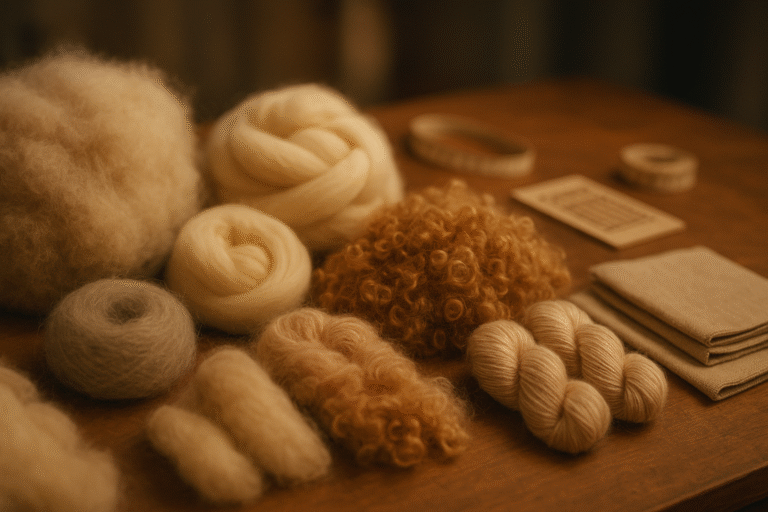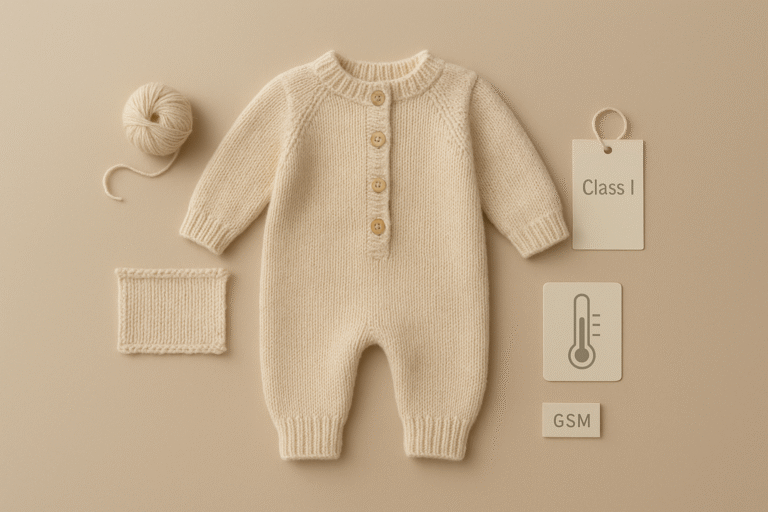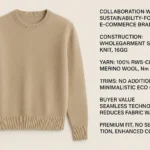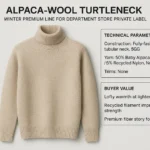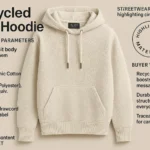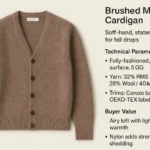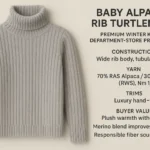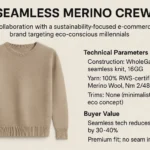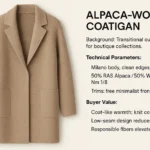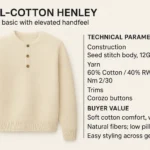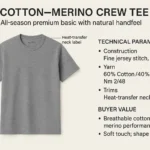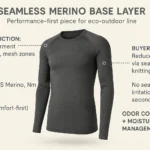

Looking for new basics? You have great options beyond the usual. Try hemp from KÜHL or Patagonia for durability. Linen from Quince keeps you cool. Bamboo basics from Cozy Earth feel soft. Lyocell from Toad&Co wicks moisture. If you want alternatives for price, allergies, or a merino wool vs uniqlo heattech debate, think about what you need most.
Key Takeaways
Try different fabrics like bamboo, Tencel, and recycled polyester. These are good for comfort and the environment. They make nice base layers. – Pick synthetic base layers if you want them to dry fast. They also keep you warm. These are great for sports and daily use. – Think about natural fibers like hemp and organic cotton. They let your skin breathe and feel soft. These are good if your skin is sensitive.
Heattech Alternatives
You want basics that keep you warm. You also want them to be comfy, breathable, and good for the planet. Let’s check out some choices besides Uniqlo Heattech. There are options like synthetic base layers, bamboo and modal, silk thermals, fleece, and heated jackets. Each one has its own good points. You can pick what works best for you.
Synthetic Layers
Synthetic base layers are popular because they keep you warm and dry. These basics dry fast and feel light. Many brands make good ones that are as nice as Uniqlo Heattech.
Patagonia Capilene Midweight Crewneck keeps you warm and lets air in. It uses 100% recycled polyester and a special grid to hold warm air.
Under Armour ColdGear Leggings fit tight and keep you very warm. The nylon-polyester mix pulls sweat away from your skin, so you stay dry.
These synthetic base layers are great for sports and everyday use. They last through lots of washes. They help you stay warm when it’s cold.
Tip: Synthetic base layers dry fast. You can wash them at night and wear them the next day.
Here’s a quick look at how these basics affect the environment compared to Uniqlo Heattech:
Material | Environmental Impact |
|---|---|
Uniqlo HeatTech | Bad – made from oil, does not break down, sheds tiny plastics |
Merino Wool | Good – comes from sheep, breaks down, less pollution |
If you want basics that are better for the earth, look for recycled polyester or brands that care about the planet.
Bamboo and Modal
Bamboo and modal basics feel soft and smooth on your skin. They keep you comfy and dry without making you itchy like some synthetics. These are good if you have sensitive skin or want something more natural.
Fabric Type | Moisture-Wicking | Comfort Level |
|---|---|---|
Bamboo | Excellent | High |
Modal | Good | Moderate |
Bamboo basics from Cozy Earth or tentree keep you dry and comfy. Modal basics from Toad&Co feel silky and keep you warm. You can wear these for relaxing or under other clothes.
Note: Bamboo basics fight germs, so you can wear them longer before washing.
Silk Thermals
Silk thermals are light but keep you warm. They feel smooth and work well under shirts or sweaters. Brands like Winter Silks make good silk base layers that trap heat but are not bulky. Silk basics are great for travel because they pack small and dry fast.
If you want to stay warm without heavy clothes, silk thermals are a smart pick. You can wear them for sleep, work, or outside. Silk basics also help your body stay at a good temperature all day.
Fleece and Heated Jackets
Fleece basics and heated jackets keep you extra warm. They are good for hiking, camping, or walking to school. Fleece base layers hold heat and feel soft. Heated jackets use batteries to keep you warm even when it’s freezing.
Trek 2.0 Fleece Jacket lets you pick how warm you want to be. The battery is easy to charge and use for different things.
Foreman 2.0 Jacket has a warm inside and four heating spots. The battery lasts up to 12 hours on low, so you stay warm longer.
If you care about the planet, check out these brands:
Manufacturer | Sustainability Practices |
|---|---|
Patagonia | 86% of Fall 2025 line uses better materials, 100% renewable by 2025, Worn Wear program for repairs and resales. |
100% recycled or safe materials by 2025, Renewed program for fixing used gear. |
Manufacturer | Sustainability Practices |
|---|---|
Patagonia | 70% recycled materials in heated jackets, Fair Trade Certified, Bluesign-approved materials. |
The North Face | 60% recycled materials in heated jackets. |
You get basics that are warm, strong, and made with care for the earth. These synthetic base layers and jackets give you comfort and warmth for cold days.
Tip: Fleece basics are easy to wear with other clothes. Heated jackets are best for outdoor fun or long walks in winter.
If you want something other than Uniqlo Heattech, you have lots of good basics to try. Synthetic base layers, bamboo and modal, silk thermals, and fleece or heated jackets all keep you warm, let your skin breathe, and are better for the planet. Pick the basics that fit your style and needs.
Merino Wool Alternatives
You may like how merino wool base layers feel. But sometimes you want something new. Maybe you have allergies or want to spend less money. Or you just want to try other basics. Here are some top choices that give you warmth and comfort.
Cotton Blends
Cotton blends are easy to find. You see them in basics from Hanes and Fruit of the Loom. Some sports brands use them too. These base layers feel soft and familiar. They are good for wearing at home or every day.
But cotton blends do not handle sweat well. When you sweat, cotton holds the moisture. It dries slowly and can make you feel cold. In very cold weather, wet cotton can be risky. It can make you lose body heat.
Cotton blends are cheap and comfy. But for sports or outdoor fun, pick something else. Merino wool base layers keep you warm even when damp. Cotton blends can make you chilly.
Tip: Wear cotton blends on mild days or inside. For hiking or winter sports, use natural base layers that handle sweat better.
Recycled Polyester
Recycled polyester, or rPET, is a smart pick. It works well and helps the planet. Brands like Patagonia and REI use recycled bottles and old clothes. These merino wool base layers alternatives wick sweat, dry fast, and feel light.
Here is how recycled polyester compares:
Aspect | rPET Benefits |
|---|---|
Energy Use | |
CO₂ Emissions | Cuts CO₂ by 50–60% compared to new polyester |
Water Usage | 20% less water than new polyester |
Performance | Same as regular polyester—wicks sweat, resists wear |
You get basics that work well and help cut waste. But recycled polyester may not last as long as merino wool base layers. It can shed tiny plastics when washed. This is not good for the earth.
Material | Durability | Environmental Impact |
|---|---|---|
Recycled Polyester | Not the best for durability; sheds microplastics when washed | Made from recycled stuff, but microplastics can harm the planet |
Merino Wool | Needs land and water for sheep, but breaks down naturally |
If you want basics that balance performance and care for the planet, recycled polyester is a good choice. Wash them in a laundry bag to catch microfibers.
Other Natural Fibers
You have more choices for natural base layers. Tencel, hemp, and bamboo are great options. These fibers feel soft and let air flow. They keep you comfy in many kinds of weather.
Hemp and organic cotton soak up sweat and let air move. You stay cool and dry, even when working out.
Tencel is soft and strong. It wicks moisture better than cotton. You feel dry and fresh. It also helps stop odor.
Bamboo gives you great airflow and comfort. It is nice when it is hot outside.
Natural fibers are breathable, absorbent, and comfy. They can be recycled and break down when you are done with them.
Lyocell is soft, gentle on skin, and manages moisture well. These are the three main benefits over other choices.
Natural base layers are good if you want basics that are kind to your skin and the planet. They break down after use, so they do not add to landfill waste.
Quick Pros and Cons Table
Fiber Type | Warmth | Moisture-Wicking | Comfort | Sustainability | Best Use |
|---|---|---|---|---|---|
Cotton Blends | Low | Poor | High | Moderate | Everyday, mild weather |
Recycled Polyester | Medium | Good | Good | Good | Sports, layering |
Tencel/Lyocell | Medium | Excellent | High | Excellent | All-day, sensitive skin |
Hemp/Bamboo | Medium | Good | High | Excellent | Warm climates, active |
Merino Wool | High | Excellent | High | Good | Cold, wet conditions |
When you want something other than merino wool base layers, you have many good choices. Try natural base layers like Tencel, hemp, or bamboo for softness and breathability. Pick recycled polyester for performance and eco-friendliness. Use cotton blends for comfort on easy days. You can find basics that fit your needs and budget.
Best Base Layers by Type
Tops
When you look for the best base layers, you want tops that keep you dry, warm, and comfortable. Some brands stand out for their basics. Icebreaker and Minus33 use soft merino wool. Helly Hansen and Patagonia offer synthetic options that work well for sports. You can check out this table to see what makes a top great:
Feature | Description |
|---|---|
Moisture Management | Keeps sweat away from your skin. Look for moisture wicking and fast drying. |
Warmth | Heavier fabrics and wool give you more warmth. |
Features & Versatility | Some tops have zippers or pockets. You can wear them alone or as a mid-layer. |
Value | Some basics give you high performance for a good price. |
Comfort | Soft fabric and flat seams feel good all day. |
If you want a top for outdoor sports, try Woolpower or Icebreaker. For daily wear, Patagonia and Helly Hansen feel soft and last long.
Leggings
You need leggings that keep your legs warm and let you move. The best base layers for your legs come from brands like Kyodan, Baleaf, and Lululemon.
Kyodan Sherpa Fleece Lined Leggings keep you warm in freezing weather. The sherpa lining feels super soft.
Baleaf Fleece-Lined Leggings work well for cold days and have handy pockets.
Lululemon Fast and Free Brushed Tights give you great stretch and comfort for running or hiking.
These leggings fit well and move with you. You can wear them for sports or just relaxing at home.
Full Sets
Full sets give you top-to-bottom warmth. Brands like Minus33 and Icebreaker offer matching tops and leggings. These sets work well for winter sports, camping, or just staying cozy. You get the best base layers for all-day comfort. Many sets use soft wool or high-tech fabrics for warmth and breathability.
Tip: Pick a set if you want basics that match and keep you warm everywhere.
Sustainable Base Layers
Eco-Friendly Materials
You want to stay warm and make good choices. You can do both with sustainable base layers. Many brands now use materials that are better for the earth and your skin. Here are some top picks for eco-friendly fabrics:
Organic cotton is soft and lets your skin breathe. Farmers grow it without bad chemicals and use less water.
Hemp grows quickly and does not need much water. It fights germs and lasts a long time.
Tencel comes from wood pulp. It feels smooth, lets air in, and breaks down in nature.
Recycled polyester uses old bottles and clothes. It dries fast and keeps you warm.
Econyl is nylon made from trash. It is strong and pulls sweat away from your body.
You might wonder which material is best for the planet. A new study shows bamboo lyocell has a much smaller carbon footprint than recycled polyester. Over five years, bamboo lyocell puts out 38% less CO₂. That means you help the earth more when you pick bamboo lyocell for your base layers.
Fiber Type | CO₂e (kg/kg) | Key Mitigation |
|---|---|---|
Bamboo Lyocell | 1.6 | Renewable steam, zero-CS₂ |
Recycled Polyester | 9.0 | Switch to rPET, renewable grid |
Tip: If you want to help the planet, try Tencel, hemp, or bamboo lyocell. These choices support green fashion and keep you comfy.
Ethical Brands
You can find many brands that care about people and the earth. Some brands lead the way in green fashion and fair work. Look for these names when you shop for sustainable base layers:
Brand | Core Commitments |
|---|---|
Uses only organic cotton, checks supply chains, and uses safer dyes. | |
H&M Group | Helps farmers, uses better cotton, and adds QR tags for honesty. |
Stella McCartney | Uses only organic cotton and works with farms that help nature. |
Brands like tentree and Patagonia also focus on green practices. They use recycled stuff and pay fair wages. You can trust these brands to offer good basics that do good things.
When you shop, look for special labels. These show the brand meets high standards for green choices:
Fair Trade Certified
bluesign® approved
GOTS certified organic
ZQ Merino Standard
Responsible Wool Standard
These labels mean workers get fair pay, animals are treated well, and the earth stays safe. You make a difference every time you choose sustainable base layers.
Note: Picking sustainable base layers helps you support a cleaner world and better lives for workers.
Merino Wool vs Uniqlo Heattech
Warmth and Comfort
You want to stay warm, but you also want to feel comfortable. When you look at merino wool vs uniqlo heattech, you notice big differences. Merino wool keeps you cozy in cold weather. It feels soft and does not itch. You can wear it for hours and still feel good. Uniqlo Heattech uses synthetic fibers. It traps heat and feels light. You might like it for layering. Some people find Heattech less breathable, especially if you sweat a lot. If you have sensitive skin, merino wool feels better.
Price and Value
Let’s talk about your budget. Merino wool vs uniqlo heattech shows a clear price gap. Merino wool costs more. You pay for natural fibers and long-lasting quality. Uniqlo Heattech is cheaper. You get good value for everyday basics. If you want to save money, Heattech works well. If you want something that lasts and feels premium, merino wool is worth the extra cost. Some alternatives, like bamboo or recycled polyester, offer a middle ground.
Option | Price Range | Value for Money |
|---|---|---|
Merino Wool | $$$ | High |
Uniqlo Heattech | $ | Good |
Bamboo | $$ | Good |
Recycled Poly | $-$$ | Good |
Durability and Care
You want basics that last. Merino wool vs uniqlo heattech gives you choices. Merino wool resists odors and stays fresh. You can wear it many times before washing. It needs gentle care, like hand washing or cold cycles. Uniqlo Heattech is easy to wash and dries fast. It may pill or lose shape after many washes. If you want easy care, Heattech is simple. If you want long-lasting basics, merino wool is strong. Bamboo and Tencel also last well and need little care.
Tip: Pick merino wool for warmth and comfort. Choose Uniqlo Heattech for price and easy care. Try bamboo or recycled polyester if you want something in between.
You can pick many good basics besides Uniqlo Heattech and merino wool. If your skin is sensitive, soft merino wool is a smart choice. Polypropylene and polyester are good if you want to spend less or need clothes that dry fast. For outdoor trips, choose base layers that fit close, last long, pull sweat away, and stop bad smells. Try different options to see what works best for you!
FAQ
What is the warmest alternative to Uniqlo Heattech?
You get the most warmth from fleece-lined or heated base layers. These keep you cozy even on the coldest days. Try brands like Patagonia or The North Face.
Can I wear bamboo or Tencel if I have sensitive skin?
Yes! Bamboo and Tencel feel soft and smooth. They rarely cause itching or rashes. Many people with sensitive skin love these fabrics.
How do I wash merino wool alternatives?
Most alternatives wash easily in cold water. Use a gentle cycle. Skip the dryer for bamboo and Tencel. Always check the care label first!