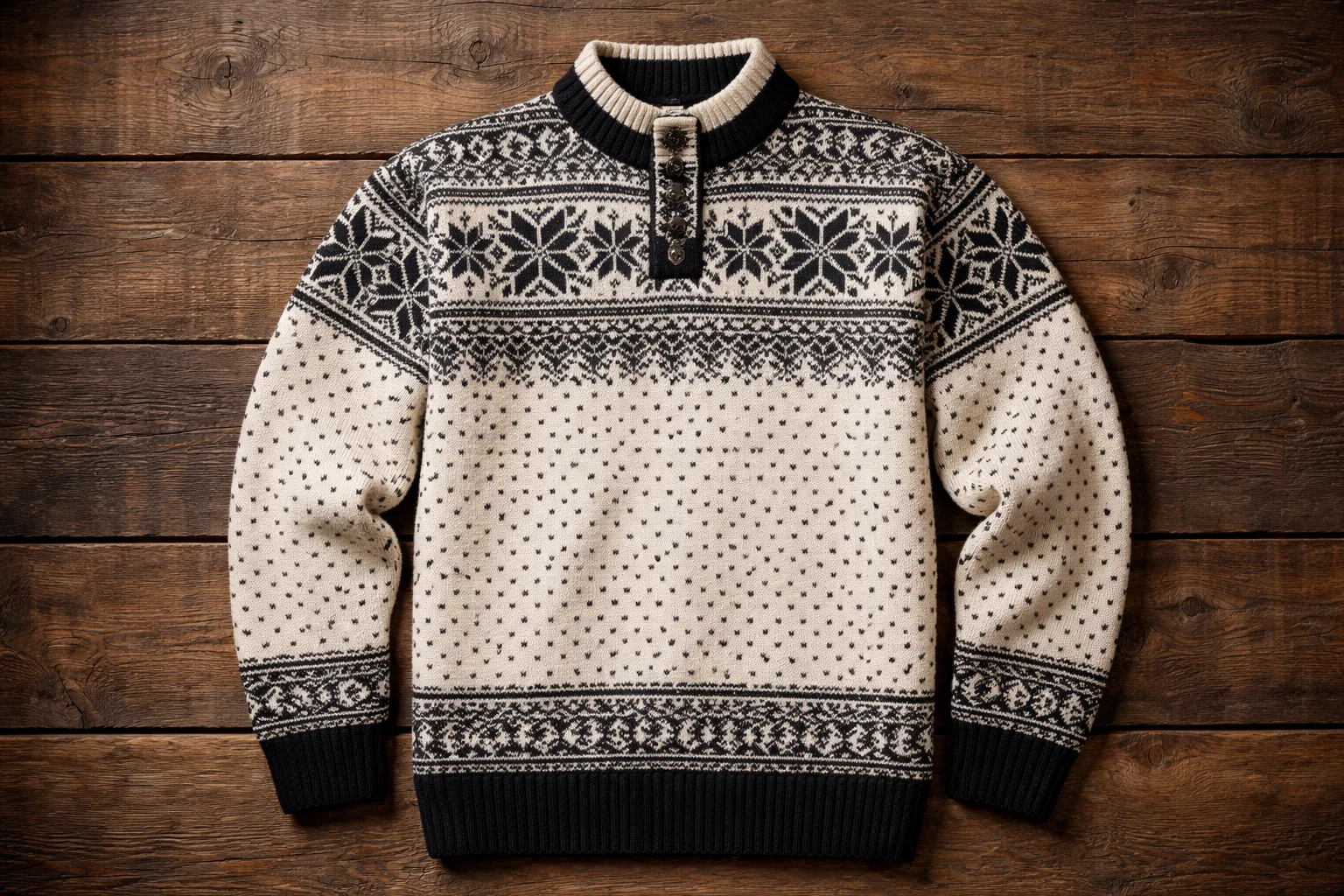
The lusekofte sweater has tiny dots and thick edges. These designs stand out in Norway. People in Norway wear lusekofta at family parties, church, and on holidays. These times show the sweater changed from work clothes to a sign of tradition. It now means identity for many people. Every stitch shares a story about the past. It shows how people feel close to their village. Many people ask why this Norwegian sweater still brings people together. It connects communities through many years.
Key Takeaways
The lusekofte sweater stands for Norwegian identity and tradition. It helps people feel close to their roots.
At first, the lusekofte was made to keep people warm. It was also practical. Now, people wear it for special events. It shows cultural pride.
The special patterns, like the ‘lice’ design, show local history. They also show skilled work. Each sweater tells its own story.
Norwegian wool makes the lusekofte strong and comfortable. This helps it stay popular for work and fashion.
New versions of the lusekofte prove it matters today. They mix old traditions with new styles for everyone.
Origins of the Lusekofte Sweater
19th-Century Beginnings in Setesdal
The lusekofte sweater started in Setesdal Valley in the 1800s. People there had cold winters and needed warm clothes. They worked together to make sweaters that kept them warm. The lusekofte sweater became a sign of teamwork and clever ideas. People used wool from their own sheep and simple tools to make them. The patterns on each sweater showed how skilled and creative the makers were. The lusekofte sweater is part of Setesdal’s history. It helps people remember their past and where they come from.
Note: The lusekofte sweater is important in Norway’s knitwear story. It shows how people used old skills to fix daily problems.
Meaning Behind “Lusekofte”
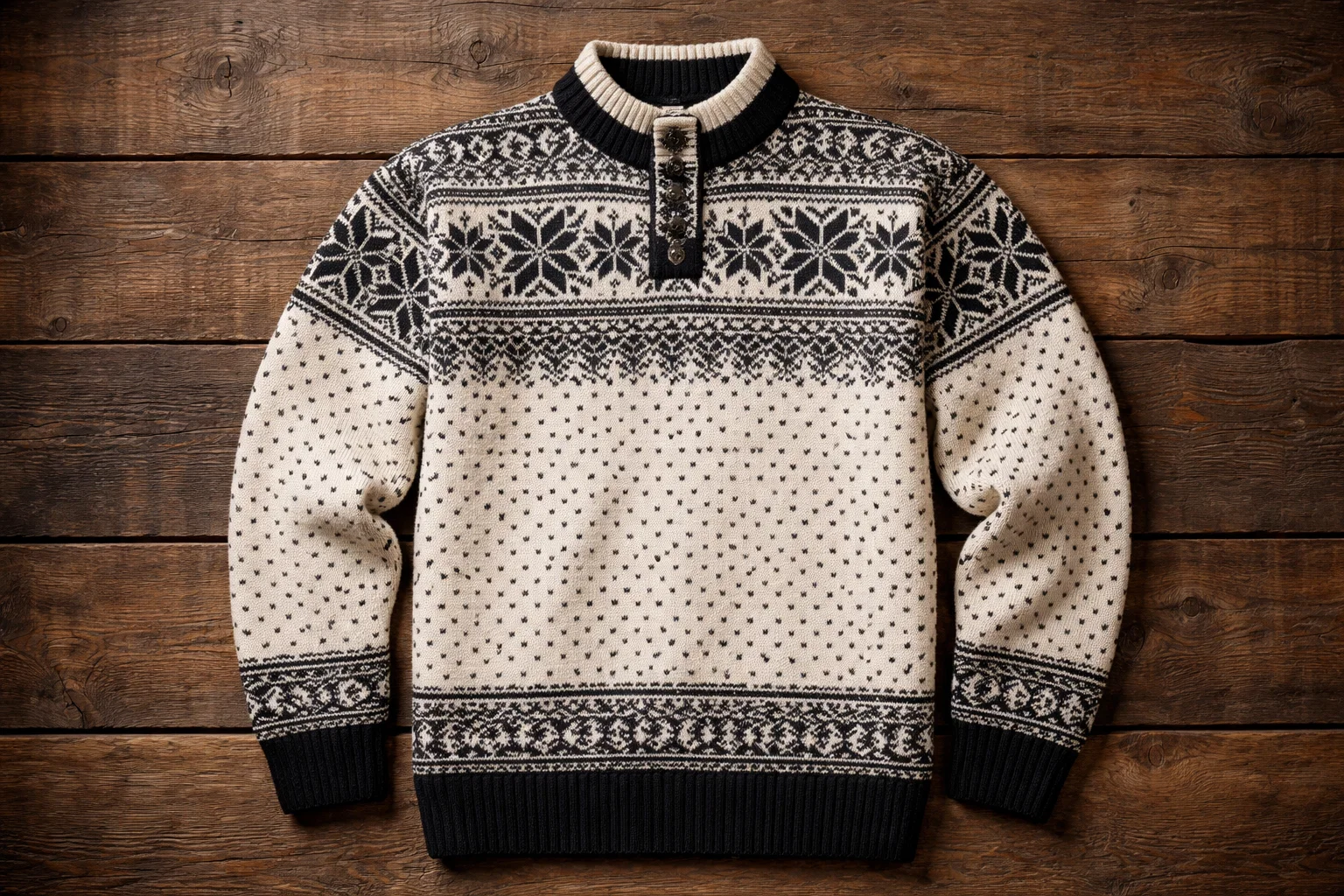
The word “lusekofte” is made from two Norwegian words. “Luse” means “lice” and “kofte” means “sweater.” The name comes from the small dots on the sweater that look like tiny lice. These dots are a big part of real Norwegian designs. The lusekofta is also called a traditional Norwegian lusekofte. The name tells us about how the sweater looks and its place in Norway’s pattern history. People in Norway think the lusekofta is more than just something to wear. It is a sign of their history and pride in their culture.
Early Use as Workwear and Festive Attire
At first, people wore the lusekofta for work. Farmers and workers needed strong, warm clothes for long days outside. The traditional Norwegian lusekofte kept them safe and warm. Many wore the sweater under their pants to stay warm. Later, the lusekofta became part of parties and special days. It was worn with the bunad, Norway’s national costume. Now, people wear the lusekofta at weddings, holidays, and family events. This shows how Norway’s sweaters went from everyday use to special times. The marius pattern and other designs made the lusekofta a symbol of Norway’s history. Today, people see the lusekofta as useful and as a piece of culture. It stands with other Norwegian jumpers as a sign of pride. The marius pattern and other styles help keep the tradition going. The lusekofta is still loved by people who care about old sweater styles and old ways of making things.
Patterns and Symbolism in Lusekofta
Iconic Diamonds and Dots
The lusekofte sweater is easy to spot because of its special patterns. The most well-known ones are small dots and diamond shapes. These designs started showing up in the 1800s. Later, they became popular in the 1950s and 1960s when people wore them for skiing. Dale of Norway and other brands still use these patterns now. The dots are called the “lice” pattern and look like tiny V or T shapes. They cover the sweater and make it look unique. Diamonds add more detail and help each lusekofta stand out. Many sweaters also have a bright band on the edges and silver clasps to close them.
Most sweaters use black and white, but some use grey or creamy colors. The open front with a fancy band is another classic part.
Cultural Significance of Motifs
The patterns on the lusekofta are not just for looks. They show how Norwegian culture and skill are connected. The lice pattern started in Setesdal and became a sign of tradition. Each design shares a story about the people who made it. The patterns have changed over time, but they still show pride in local history. Many families and places in Norway have their own special patterns. These designs often mean safety, family, and stories from the area.
Pattern | Description | Symbolism |
|---|---|---|
Lice pattern | Small, scattered stitches in a different color | Shows tradition and social status |
Colorful embroidery | Decorative bands, often used for special events | Stands for prestige and cultural heritage |
Silver clasps | Used to close the sweater, sometimes shaped in special ways | Believed to protect from evil spirits |
Lusekofta in Norwegian Celebrations
People in Norway wear the lusekofta at big celebrations. The special patterns help show where someone is from. Each area has its own style, and families often keep their favorite designs. During holidays, weddings, and national events, the lusekofta stands for unity and pride. The patterns help everyone remember their shared history and the skills of people before them. Wearing a lusekofta helps people feel close to their roots and keeps old traditions going.
Norwegian Wool Sweaters: Craftsmanship and Quality
Local Wool and Natural Colors
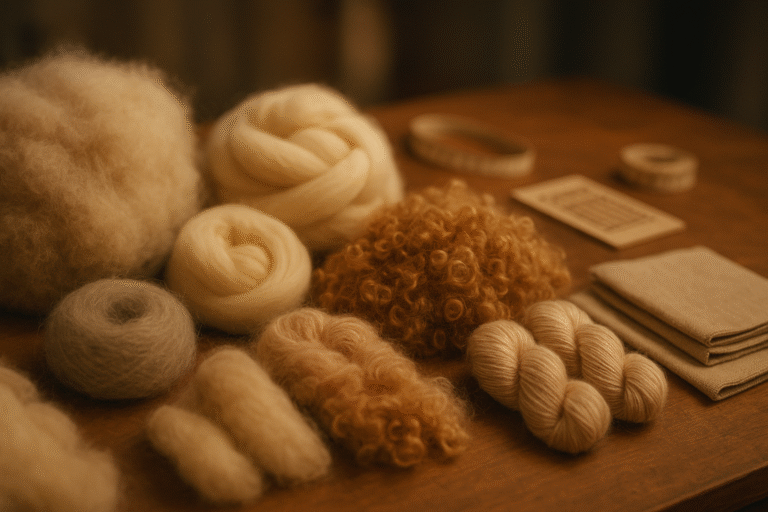
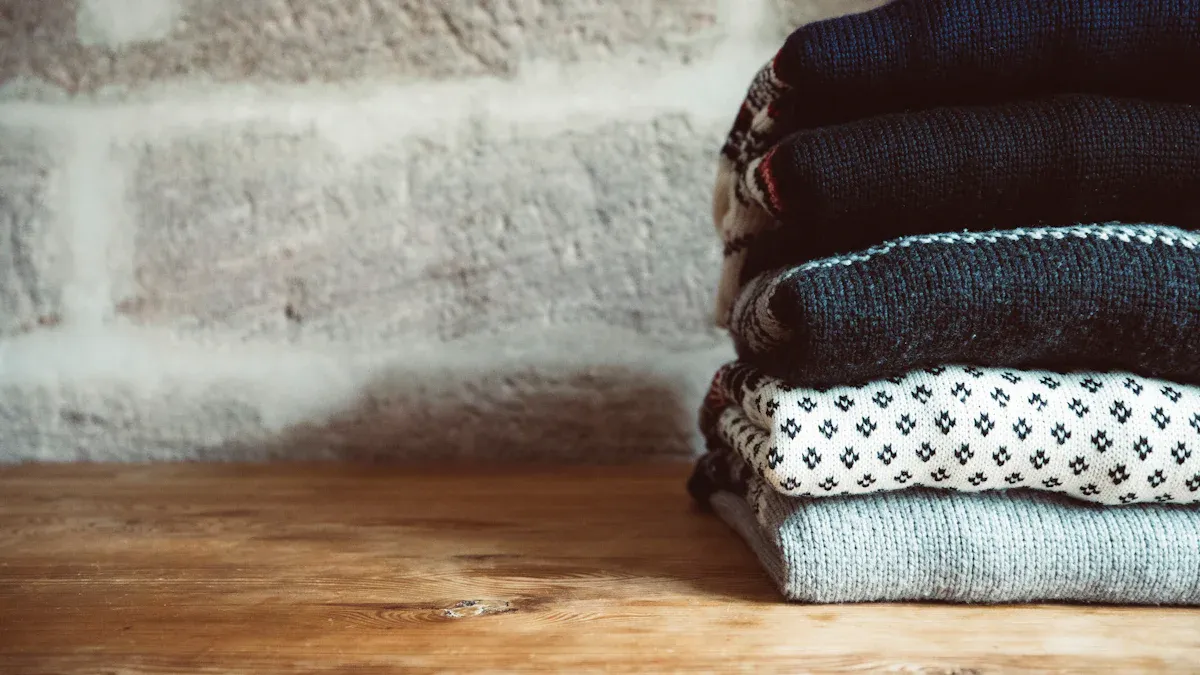
Norwegian wool makes lusekofte sweaters look and feel special. Farmers in Norway take care of sheep with thick, warm wool. This wool keeps people warm when it is cold outside. It also lets air move through the sweater, so people do not get too hot. Norwegian wool helps sweat dry fast and keeps the body comfortable. These things make it great for lusekofte sweaters.
The colors of the wool make each sweater pretty. Makers use black and white wool from local sheep. These colors help create the style of the lusekofte. The colors also mean something important in Norway.
Influence | Description |
|---|---|
Historical Use | The Setesdal lusekofte was first made with black and white sheep wool, which gave these sweaters their look. |
Color Symbolism | Black stands for sadness and safety, and white means being pure and good. These meanings make the sweaters special in Norway. |
Durability and Comfort
Norwegian wool sweaters last a long time. The wool is strong and does not break easily. People wear these sweaters for work or for parties. The sweaters are soft and warm. Many people trust Dale of Norway for good sweaters. This company has made sweaters for more than 100 years. They use the best Norwegian wool. Their designs come from skiing and winter sports, so the sweaters are comfy in cold weather.
Feature | Description |
|---|---|
Brand History | Dale of Norway has made wool sweaters for over 100 years. |
Material Quality | The company uses the best Norwegian wool, which is strong and warm. |
Design Inspiration | Sweaters have designs from skiing and winter sports, making them nice for cold days. |
Knitting Traditions
Making lusekofte sweaters takes skill and care. Knitters use two yarn colors, usually white and a dark one. They pick Norwegian wool because it is strong and warm. A big round needle is used for the sweater’s body. Small needles shape the sleeves and neck. When the sweater is done, a tapestry needle hides the yarn ends. These steps show how old Norwegian ways are still used today.
Tip: If you learn to knit a lusekofte sweater, you can learn about Norwegian culture and history.
Norwegian Sweaters in Modern Life
Fashion Adaptations
Lusekofte sweater designs still inspire clothes in Norway today. Designers use old patterns and colors in new ways. These sweaters show how knitters worked hard in the past. Fashion brands mix old styles with new ideas. Teens wear these sweaters with jeans or skirts. This makes them part of daily outfits. The lusekofte sweater shows both tradition and fashion.
Sustainability and Global Appeal
Many companies make norwegian sweaters that help the earth. They use natural fibers like merino wool, silk, and linen. These materials break down and do not pollute with microplastics. Local workers get fair pay and safe jobs. Brands like Oleana make fewer sweaters that last longer. This helps stop waste and too much making.
Natural fibers keep sweaters good for nature.
Local workers earn fair money and work safely.
Strong sweaters mean people buy less and keep them longer.
People everywhere now want norwegian sweaters. More people buy them because they are strong and look cool. New designers change old styles to fit many places. Buyers like that sweaters use local wool and last for years.
Continued Relevance in Norway
Norwegian sweaters are still special for all ages in Norway. Young knitters join groups to learn old ways and make sweaters together. Many pick these sweaters because they like slow fashion and want clothes with meaning. Companies hire young people to meet the new demand. Stores sell new norwegian sweaters every year. These sweaters help people feel proud of their history and culture.
The lusekofte sweater is still important in Norway. Its story shows how old ways and special meanings keep traditions strong. People like the sweater because it uses tough wool and has cool patterns. It also looks good with new clothes. The table below shows why people in Norway still love the lusekofte:
Factor | Explanation |
|---|---|
Historical Significance | The lusekofte is a traditional garment that symbolizes Norwegian heritage. |
Made from high-quality wool, the lusekofte is durable and sustainable. | |
Adaptability to Modern Fashion | The lusekofte has evolved into a fashionable outerwear piece. |
Wearing these sweaters helps people remember their history.
Family memories and group events keep the tradition alive.
Sharing sweaters at parties helps people feel close.
The lusekofte sweater shows that clothes can bring people together and help save culture for the future.
FAQ
What makes a lusekofte sweater different from other Norwegian sweaters?
A lusekofte sweater uses small dots and diamond patterns. Dale of Norway and other brands keep these designs. The sweater stands out because of its history and special look. Many people in Norway see it as a symbol of tradition.
Why do people trust Dale of Norway for sweaters?
Dale of Norway has made sweaters for over 100 years. The company uses strong Norwegian wool. Dale designs come from skiing and winter sports. People trust Dale because the sweaters last long and feel comfortable.
Dale of Norway keeps old knitting skills alive.
How do Norwegian sweaters stay warm in cold weather?
Norwegian sweaters use thick wool from local sheep. Dale of Norway uses this wool in every sweater. The wool traps heat and lets air move. This keeps people warm and dry during cold days in Norway.
Can you wear a Dale of Norway sweater for sports?
Yes, many people wear Dale of Norway sweaters for skiing and outdoor fun. Dale makes sweaters that move well and keep the body warm. The designs come from Norway’s winter sports history.
Where can someone buy a real Dale of Norway sweater?
People can buy a Dale of Norway sweater in stores or online. Dale sells sweaters in Norway and other countries. Many shops offer different Norwegian patterns and sizes.