
You’re screening a knitwear factory for fine-gauge merino and you don’t have time for guesswork. This audit-style guide gives you a reusable, printable merino OEM checklist to verify real 16–18GG capability for men’s sweaters and to approve pre-production samples (PPS) with measurable acceptance criteria.
Scope: fully-fashioned flat knitting, men’s merino pullovers/cardigans at 16–18GG. Primary use cases: supplier pre-screening/knitwear OEM due diligence (signing a new factory) and small-lot pre-production review. A tertiary section covers inline/final inspections.
This is written from a manufacturing engineer/technical auditor’s perspective. Every checkpoint calls for specific evidence (photos, logs, reports) and a clear pass/fail definition, so you can make decisions quickly and repeatably.
Key takeaways
Don’t accept “we can do 16–18GG” without proof. Ask for machine nameplate photos, model/gauge lists, and recent maintenance logs.
Treat PPS like a mini pilot: measure post-finishing, verify tolerances (typical starting band ±0.5–1.0 cm), and review seam/linking macro photos before sign-off.
Stabilize and test: log stitch density and finished weight (±5% vs spec), and run shrinkage (ISO 6330/AATCC 135) plus pilling/fastness tests.
Use an AQL plan (commonly Major 2.5/Minor 4.0 under ISO 2859-1) with your PPS as the golden reference sample.
How to use this merino OEM checklist
Two modes:
Supplier onboarding (one-time per factory): verify capability, compliance, and data discipline before you award a PO.
Pre-production (per style): validate the knitting program, finishing, measurements, and seams with a documented PPS pack before bulk.
Evidence-first workflow: for each item, request specific artifacts. If the factory can’t supply them, mark “Fail” or “Needs correction” and define the corrective action. Keep files in a single source of truth (drive or PLM) and require change control for spec updates.
Quick-reference checklist (printable)
Use this table during factory intake and PPS review. Add a Pass/Fail and Notes column for your records.
Item | Mandatory | Evidence required | Acceptance criteria |
|---|---|---|---|
Machine park & gauge capability (16–18GG) | Yes | Machine list with brand/model/gauge; nameplate photos; count of active 16–18GG beds; maintenance log | At least one active line certified for 16–18GG fully-fashioned; maintenance log current; operator/programmer skill matrix available. Reference fine-gauge models (e.g., Shima Seiki series covering 16–18GG per the manufacturer’s lineup). See the official lineup of flat knitting machines for gauge availability in shaping series from Shima Seiki. |
Programming workflow | Yes | CAD/M1plus/Shima screenshots (if NDA permits); sample knit tickets | Workflow documented and repeatable; versioned programs; approvals recorded. |
Fully-fashioned PPS submission | Yes | Panels pre-linking photos; PPS garment post-finish; knitting ticket; blocking/finishing records | PPS matches tech pack; shaping and symmetry correct; documents complete for traceability. |
Dimensional tolerances (post-finish) | Yes | Measurement report with calibrated tools; tolerance table | Key POMs within agreed bands; typical starting guidance ±0.5–1.0 cm at 16–18GG; method and conditioning documented. |
Linking/looping quality | Yes | Macro seam photos at shoulders/underarm/side; defect log | No skipped loops; even bite; seams lie flat; rib/course alignment preserved; stress check passes; aligns with linking quality standards you define. |
Stitch density & finished weight | Cond. | Swatch density log (courses×wales/10 cm); garment weight log | Matches PPS reference; finished weight ±5% unless otherwise agreed; relaxation/conditioning time recorded. |
Shrinkage & finishing | Yes | Shrinkage test (ISO 6330 or AATCC 135) report; finishing parameters | Linear shrinkage within your target band (fashion knits often ≤5%); finishing parameters recorded for repeatability. |
Pilling & color fastness | Rec. | Lab reports (ISO 12945-2 or ASTM D4970; ISO 105-C10/X12 or AATCC 8/116) | Pilling grade ≥3–4 at specified cycles; rubbing ≥4 dry/≥3–4 wet (or brand standard). |
Rib recovery (cuffs/hem/neck) | Rec. | Test report (ISO 20932-1 or ASTM D2594) | Recovery ≥90–95% after final cycle; method/forces stated. |
AQL plan (inline/final) | Rec. | AQL sheet (ISO 2859-1/ANSI Z1.4), code letters, Ac/Re | Critical 0; Major 2.5; Minor 4.0; General Level II; PPS is the reference for visual/measure checks. |
Compliance & traceability | Yes | OEKO-TEX certificate nos.; ISO 9001 procedures (if applicable); yarn COAs; lot traceability sheet | Certificates valid and verifiable; lot/batch tracking covers yarn→panel→garment; docs accessible. |
Communication & change control | Rec. | Single source of truth for tech pack; ECN log; bilingual approvals | All changes logged; timestamps and approvers recorded; response SLAs defined. |
Links and sources for several acceptance criteria are provided in relevant sections below.
Supplier onboarding due diligence
Machines and programming capability
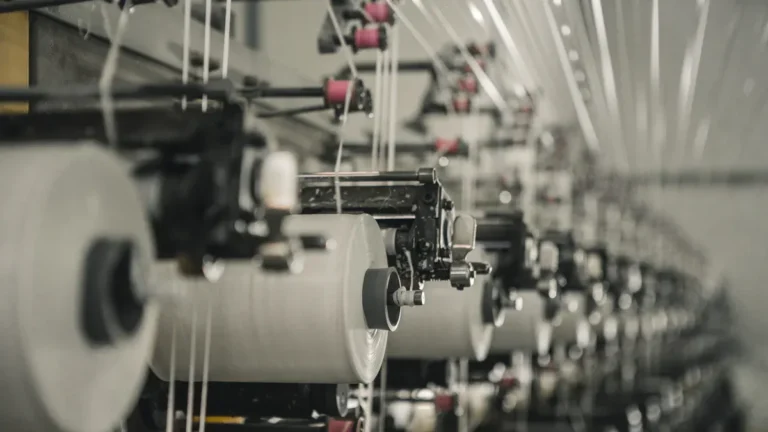
For fine-gauge merino stability and shaping control, verify the machine park, not just verbal claims. Request a machine list with brand, model, gauge and knitting width, plus nameplate photos and the count of active 16–18GG beds. Shima Seiki publishes gauge coverage for models used in shaped knitting, including 16 and 18GG in several series; review the manufacturer’s lineup to corroborate claims in your verification step according to the documented gauges in the shaping-capable series (see the Shima Seiki flat knitting machine lineup).
Source: Review the manufacturer’s flat knitting machine lineup for gauge availability in shaping series on Shima Seiki’s official site: the Flat Knitting Machines product lineup page is here: Shima Seiki flat knitting machine lineup.
If the vendor cites Stoll, ask for CMS model/gauge documentation and nameplate photos, as public brochures vary by series. Some public brochures summarize knit & wear gauges by model; because gauge offerings can differ, insist on model-specific proof via nameplate for any 16–18GG claim.
Source: A public brochure summarizing knit & wear gauges by model can be used as a general pointer while you verify model nameplates: Stoll knit & wear class (PDF).
What to capture beyond hardware: maintenance logs and needle replacement intervals (fine gauges are sensitive to needle wear), a programmer/operator skill matrix, and screenshots of the CAD/programming workflow (M1plus/Shima) where NDAs allow.
Compliance and traceability
Require OEKO-TEX Standard 100 certificate numbers, validity dates, and scope, plus ISO 9001 QA procedures if applicable. Collect yarn COAs (lot numbers, fiber content, finish), lab test reports on the exact yarn/finish used for PPS and bulk, and a lot traceability sheet mapping yarn lots to knitting panels and finished garments.
Communication and change control
Establish a single source of truth for the tech pack. Log all engineering change notices (ECNs), bilingual approvals where needed, and timezone-aware response SLAs. This is where small misunderstandings turn into rework, so treat the log as part of your acceptance.
Pre-production (PPS) checklist — 16–18GG men’s merino
PPS submission and documentation
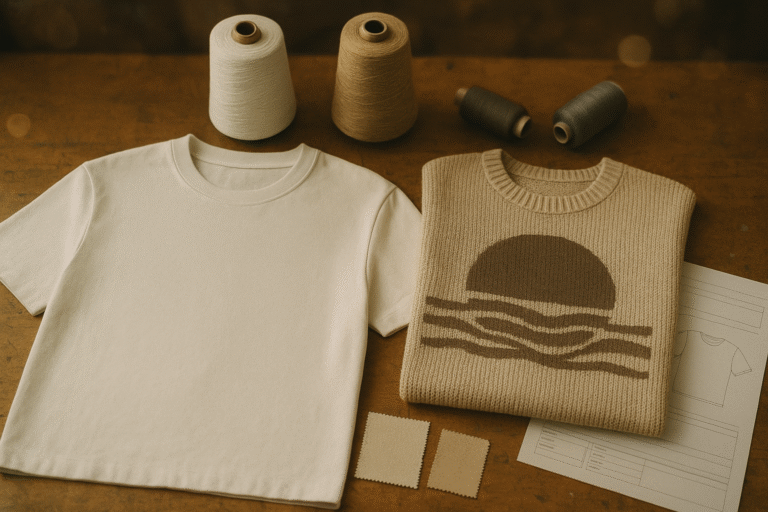
Ask for: knitting ticket; panel photos pre-linking; PPS garment post-finishing; blocking/finishing records (steam/press parameters); and a PPS sign-off form showing measured vs. spec values. Fully-fashioned construction reduces bulk and preserves elasticity; ensure you can see shaping markers and panel symmetry. For seam construction context and linking methods, refer to an industry explainer that shows common assembly techniques across sweaters — see: sweater linking and assembly techniques explainer.
Dimensional checks and tolerances (post-finish)
Agree on a tolerance table before PPS. For fine-gauge merino at 16–18GG, a practical starting band for key points of measure (POMs) post-finishing is roughly ±0.5–1.0 cm, with smaller elements (e.g., cuff width, neck) closer to ±0.5 cm. Always align to yarn behavior, stitch structure, and finishing method.
Measurement method matters: measure post-finishing with calibrated rigid tools, on a relaxed garment laid flat on a measurement board, and follow a clearly documented “How to Measure” guide with visuals. Document conditioning (e.g., after ISO 6330/AATCC 135 standard laundering or conditioning equivalent) so the PPS and bulk are comparable. Good primers explain POM definition and tolerance setting for apparel; use one as a sanity-check when you draft your own table.
Stitch density and gauge control
Record stitch density as courses × wales per 10 cm on a stabilized swatch or the PPS garment after finishing, including relaxation/conditioning time. Keep a density log alongside the finished garment weight log so you can catch knit program or finishing drift early.
Linking/looping quality
Review macro photos of high-load seams (shoulder/underarm), side seams, and rib joins. Acceptance: no missed loops; even bite; seams lie flat without bulk or grin-through; course/wale alignment preserved; rib elasticity maintained through the join. Perform a light stress test at high-load seams. Technique explainers and brand construction standards outline seam quality indicators and common defects (skipped loops, seam grin, twisting) — see the explainer linked above for visual context.
Weight/GSM and shrinkage
Log finished garment weight per size and compare to the PPS reference; a default acceptance band of ±5% is common unless otherwise defined by the brand. For dimensional change, test to ISO 6330 or AATCC 135 and record exact wash/relax protocols. Fashion merino knits often target ≤5% linear shrinkage after finishing, but set your own thresholds by end use and yarn finish. For broader wool care and laundering durability context, consult the Woolmark program overview: The Woolmark Company — about the program.
Functional tests (pilling, colorfastness, rib recovery)
Pilling: ISO 12945-2 (Martindale) or ASTM D4970; suggest target grade ≥3–4 at defined cycles.
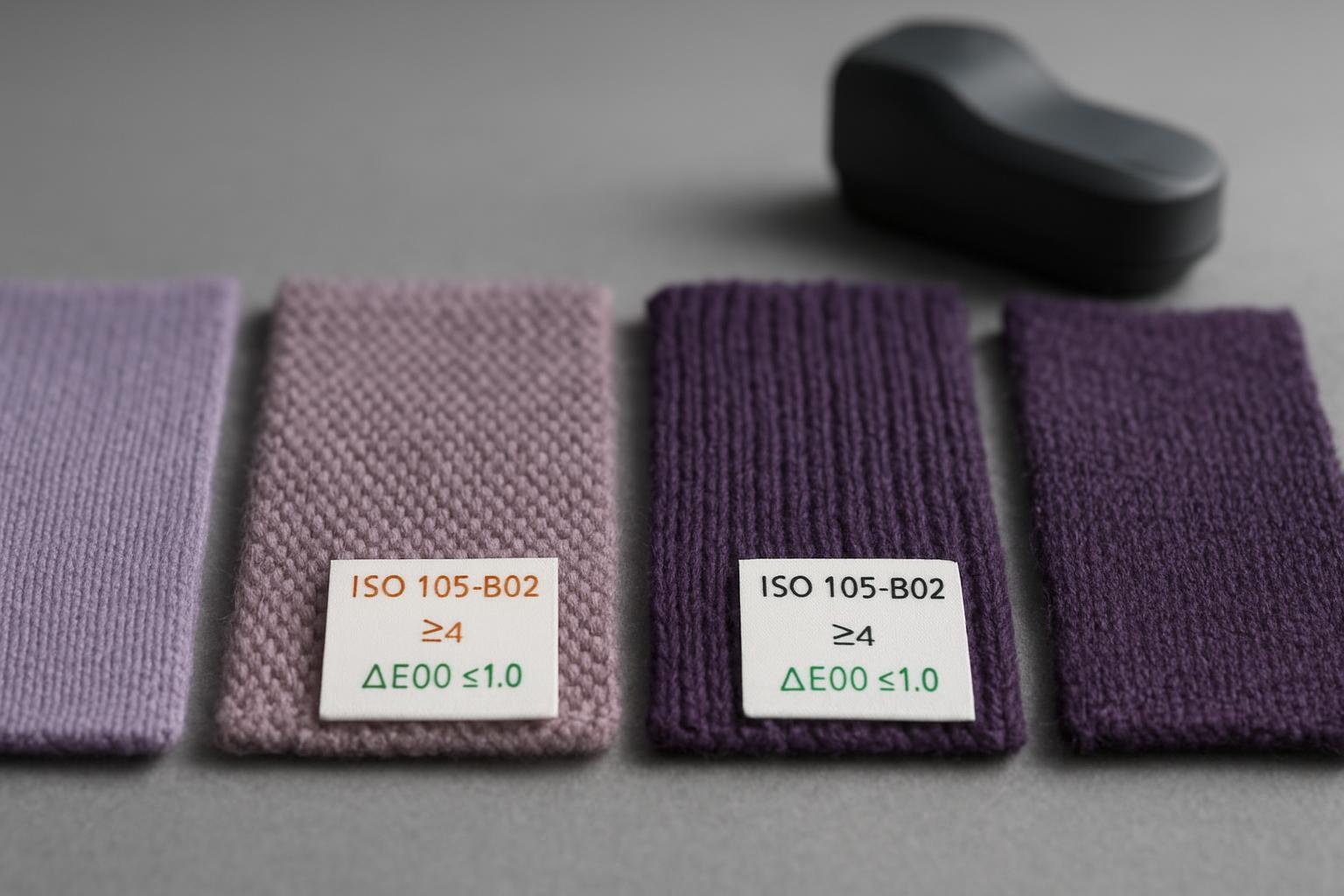
Color fastness: ISO 105 series (C10 washing; X12 rubbing) or AATCC 8/116; target ≥4 dry, ≥3–4 wet unless brand standards differ.
Rib/cuff recovery: ISO 20932-1 (knits) or ASTM D2594; report percent stretch and recovery after specified time; suggest recovery ≥90–95% after the final cycle for cuffs/hem/neck on fine-gauge merino. Method catalog reference: EN ISO 20932-1 catalog page.
PPS sign-off
PPS passes when: all critical POMs meet tolerances post-finish; stitch density and finished weight match the reference; seams meet linking quality criteria; shrinkage and functional tests are within thresholds; documents are complete. If anything fails, define corrective actions and re-submit PPS before bulk.
Inline and final QC plan (summary)
Adopt an AQL plan aligned to ISO 2859-1/ANSI Z1.4. A common buyer default is Critical 0; Major 2.5; Minor 4.0, starting at General Inspection Level II, normal inspection. Your PPS becomes the golden reference for visual standards, measurement points, and functional checks. Include knit-specific defect categories (drop stitches, shade variance, bowing/skewing, seam defects) in the checklist, and escalate repeat defects with corrective action requirements. For an accessible overview of AQL concepts and tables, see: AQL acceptable quality limit overview.
Practical example: vendor self-attest pack (neutral)
Disclosure: AzKnit is our product. Example only — any qualified OEM can follow this format.
A vendor self-attests by submitting a single zip: (1) machine list with brand/model/gauge plus nameplate photos for all claimed 16–18GG beds; (2) maintenance log and operator/programmer matrix; (3) PPS pack — panel photos pre-linking, knitting ticket, finishing parameters, macro seam gallery; (4) measurement table with post-finish values vs. tolerance; (5) density/weight log; (6) shrinkage, pilling, and colorfastness reports with the test methods stated; and (7) compliance docs — OEKO-TEX certificate numbers, any ISO 9001 QA procedure excerpts, yarn COAs, and lot traceability. You review the set against this checklist and record Pass/Fail plus corrective actions where needed.
Sources and references (selected)
Fine-gauge machine capability context: Shima Seiki flat knitting machine lineup
Stoll brochure pointer for model/gauge ranges: Stoll knit & wear class (PDF)
Seam/linking technique explainer: Sweater linking and assembly techniques
AQL plan background: AQL acceptable quality limit overview
Elasticity/recovery standard catalog: EN ISO 20932-1 catalog page
Wool care/performance context: The Woolmark Company — about the program
Notes on linking density and citations: We’ve limited external citations to essentials and encourage evidence collection directly from your vendor (photos, logs, and reports). When you implement this checklist, store “Good/Accept/Reject” photo examples so future audits go faster.
Next steps
Invite your shortlisted vendors to self-attest using this merino OEM checklist and submit the evidence pack. You’ll make faster, cleaner go/no-go decisions and reduce rework before bulk.