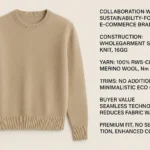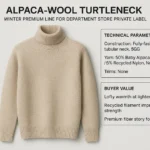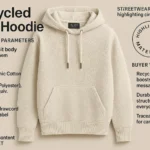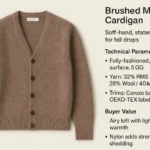

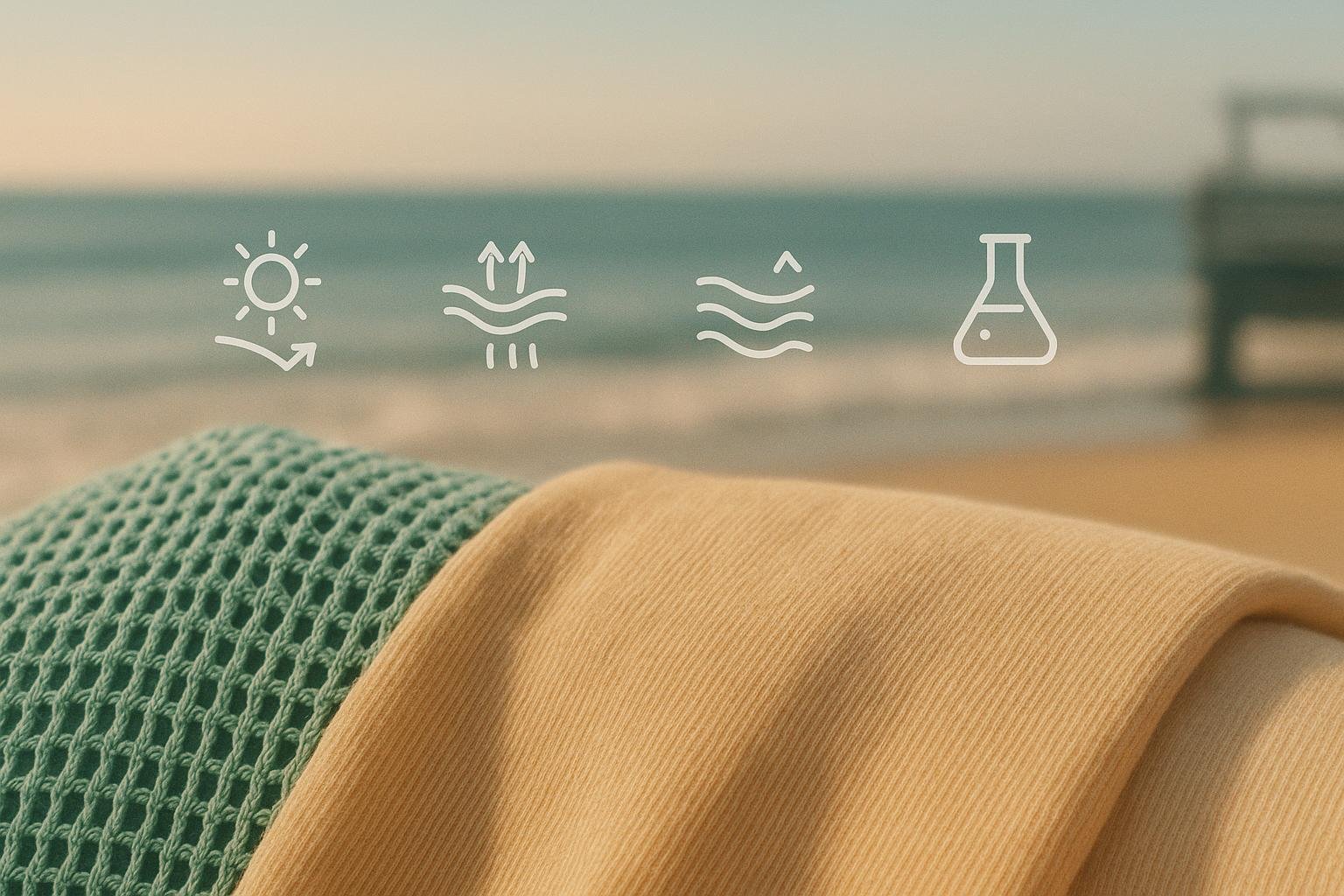
Beach and resort knitwear has to do two things at once: breathe and dry fast in sun, salt, and sand—while resisting snags, pills, and discoloration. If you are building a small run or racing a seasonal deadline, you also need predictable prototypes in 3–5 days and bulk lead times that don’t slip. This guide gives you a practical playbook: which yarns and knit structures to choose, which lab tests to specify, what “good” looks like in results, and how to hit small MOQs without nasty cost surprises.
Key takeaways
Choose yarns by end use: recycled polyester or nylon for quick‑dry cover‑ups and mesh layers; consider merino‑rich blends for next‑to‑skin comfort and odor control; use darker shades and tighter stitches when you need higher UPF.
Lock test methods into your RFQ: use AATCC 183 for UPF with ASTM D6544 preconditioning and label per ASTM D6603; ASTM D737 or ISO 9237 for air permeability; AATCC 199 for drying; ASTM D4970 or D3512 for pilling; ASTM D3939 for snag; ISO 105‑E02/E03 or AATCC 162 for seawater and chlorinated water.
Aim for realistic acceptance bands for resort knits: UPF ≥30 for general use, ≥50 if you plan to claim sun protection; pilling ≥3.5 after 2,000–5,000 Martindale cycles; snag ≥4 for open meshes; seawater and chlorinated water colorfastness ≥4 (gray scale) where feasible.
Hit 3–5 day sampling by controlling dependencies: pre‑approved yarns and stock shades, immediate knit swatches and lab bookings where critical, and parallel approvals for color and structure.
Keep small MOQs viable by simplifying stitches, choosing stock yarns or common counts, consolidating colorways, and planning trims that won’t fail salt‑spray checks.
Quick decision map for when to choose knits
Knit fabrics shine when you need airflow, drape, and comfort that follows the body—think beach cover‑ups, open‑mesh sets, light cardigans, and resort hoodies. Wovens can deliver crisp silhouettes and sharp UPF in dense constructions, but knits let you fine‑tune openness, handfeel, and dry time at the stitch level.
One tradeoff matters from day one: open meshes breathe and dry quickly but typically allow more UV through; tighter stitches raise UPF but reduce airflow. If UPF labeling is part of your roadmap, build that into your sampling brief so you can balance stitch density, yarn size, and color early. Guidance from health authorities outlines how consumers interpret UPF categories—UPF 30–49 is “very good,” 50+ “excellent,” according to the Skin Cancer Foundation’s overview of sun protective clothing (2026 reference) in its program description of UPF thresholds and labeling practices: see the Foundation’s description of categories in the section Sun Protective Clothing on its site: Skin Cancer Foundation overview of UPF categories.
Yarns and blends for beach conditions
Recycled polyester and nylon: Filament yarns in rPET and polyamide are popular for quick‑dry, abrasion resistance, and surface stability in meshes. They pair well with hydrophilic wicking finishes for faster perceived drying. Chlorinated pool water can degrade polyester over time through hydrolysis and surface damage under certain conditions; a 2021 Textile Research Journal study documents these mechanisms using ATR‑FTIR and SEM in controlled exposures—use this as context for care labeling and fiber choice for pool‑adjacent garments: Textile Research Journal study on polyester in chlorinated water.
Merino‑rich blends: Lightweight merino with synthetics adds comfort, moisture buffering, and odor resistance for travel layers. In hot sun, denser stitches or darker shades may be needed to reach higher UPF.
Cellulosics and bast fibers: Viscose, modal, and linen‑rich blends deliver cool handfeel and drape, but pure viscose can pill in open knits and may lag synthetics on drying rate. Cotton offers comfort and familiarity but dries slower than most filaments unless structures are very open.
Color and finish: Darker shades, thicker yarns, and tighter stitches typically improve UPF. Anti‑pilling and hydrophilic finishes can help surface stability and moisture transport, but evaluate their effect on handfeel and color.
Sustainability note: Certifications and chemical management systems add trust, but they don’t prove UPF or drying performance. Tie any performance claim to a test method and lab report.
Knit structures that drive performance
Knit performance is not just about fiber; structure is your biggest lever.
Gauge and density: Higher gauge and tighter course‑wale density generally increase UPF and reduce snag risk. Open‑mesh stitches boost air permeability and dry times but lower UPF and can snag if floats are exposed.
Stitch choice: Tuck or miss stitches can add texture and diffusion, improving perceived coverage without fully closing the structure. Jacquards and pointelles demand extra time in sampling but can balance style and function.
Measurable airflow: When you need a number, specify air permeability testing. Both ASTM D737 and ISO 9237 measure the same physical property under a pressure differential; labs often report cfm/ft² for D737 and mm/s or L/m²/s for ISO 9237. Method explainers clarify common settings and units; see this concise technical overview of ISO 9237’s procedure and reporting: ISO 9237 air permeability method explainer.
Think of stitch density like the weave of a beach umbrella: tighten it and you block more sun but catch more heat; open it and you feel the breeze but let in more light. Your lab results will tell you how far you moved the needle.
Performance requirements and lab tests to specify
Below is a buyer‑ready map from property to standard and suggested acceptance bands for resort knitwear. Always verify the latest standard versions and align acceptance with your end use.
Property | Primary test method to cite | Why this matters and how labs evaluate it | Suggested acceptance bands for resort knits |
|---|---|---|---|
UV protection and labeling | AATCC 183 for UPF, with ASTM D6544 preconditioning; label per ASTM D6603 | Measures UV transmittance through fabric; D6544 simulates wear and pool exposure before measuring; D6603 defines label claims and categories. AATCC documents note TM183’s current scope and linkage to labeling frameworks, and ASTM summaries describe practice and categories. See AATCC’s UPF labeling flowchart for method relationships: AATCC flowchart for UPF testing and labeling. | General apparel: UPF ≥30; garments marketed as sun protective: aim ≥50. Verify after preconditioning if end use involves pools. |
Air permeability | ASTM D737 or ISO 9237 | Quantifies airflow through fabric at set pressure; units differ by method. Choose one method per style for comparability. | Open cover‑ups: higher airflow; compact tops: moderate airflow; define unit and target band with supplier. |
Drying rate | AATCC 199 | Reports time‑based drying under controlled conditions; useful for comparing yarn/structure choices. | Define a threshold like “reach 80–90% dryness within X minutes” per lab protocol; compare prototypes side by side. |
Moisture management | AATCC 195 | Evaluates wetting, absorption, wicking, and spreading; complements AATCC 199. | Seek balanced intake and spreading for comfort in humid conditions; vendor to share full score sheet. |
Pilling resistance | ASTM D4970 or ISO 12945‑2; or ASTM D3512 | Martindale (D4970/ISO 12945‑2) simulates abrasion; D3512 random tumble simulates surface agitation. | Fashion meshes/jersey: target ≥3.5 visual grade after 2,000–5,000 cycles; tighter stitches or compact yarns to push ≥4. |
Snag resistance | ASTM D3939 | Assesses resistance to loops and pulls in contact with rough elements; key for meshes. | Aim ≥4 for open meshes; if below 3.5, adjust stitch to reduce exposed floats. |
Seawater and chlorinated water colorfastness | ISO 105‑E02 and ISO 105‑E03; AATCC 162 for chlorinated pool water | Evaluates color change and staining after salt or chlorinated exposure using gray scales. | Aim ≥4 for color change and staining where feasible; disclose care if deep shades trend lower. |
Trims corrosion resistance | ASTM B117 or ISO 9227 | Neutral salt spray exposes metallic trims and coatings to saline fog to compare corrosion resistance. Q‑Lab’s explainer clarifies NSS conditions and limits: Q‑Lab guide to ASTM B117 salt spray. | Define “no red rust or significant discoloration after 24–96 hours NSS” and specify PVD‑coated or stainless options for coastal use. |
Notes and sources to brief your team:
AATCC’s documentation on UPF testing and editorial updates helps align on the role of TM183 and labeling categories; see the association’s 2023 compilation of method changes for current scope notes: AATCC 2023 manual changes and TM183 note.
Australia’s ARPANSA explains how UPF reports are interpreted and what garment coverage warnings apply under AS 4399; this is useful when your marketing teams plan swing tags or claims: ARPANSA explanatory notes for UPF reports.
Rapid sampling to PP in three to five days
Here’s the deal: to hit 3–5 days from brief to workable prototype, eliminate waiting between gates and run approvals in parallel.
Day 0–1: Confirm yarn count and gauge from a pre‑approved list; pick stock shades to avoid dye‑lot waits. Issue a tight tech pack that includes stitch options and target properties.
Day 1–2: Knit swatches immediately to fine‑tune openness and handfeel; in parallel, submit lab dips for color and pre‑book any critical tests like air permeability or pilling if they will make or break the design.
Day 2–3: Lock stitch density and course‑wale counts; assemble prototype and conduct a fit check; collect quick‑turn lab data where booked. If UPF is critical, run a screening measurement on similar constructions before commissioning formal UPF testing.
Day 3–5: Ship development sample; document the spec with stitch counts, gauge, yarn lot, and finish notes so PP and bulk are reproducible.
A vendor scorecard keeps you honest: in‑house computerized knitting, access to stock yarn libraries, ability to book labs fast, willingness to share raw lab sheets, and transparent critical‑path calendars.
Small MOQ strategies and costing without surprises
Small MOQ knitwear can be viable at 50–200 units per style if you control complexity and consolidate demand. Simplify structures so you can dial openness without heavy jacquards; choose stock yarns or common counts to unlock smaller minimums; consolidate colors and trims to cut dye‑lot and plating risk. When you need premium handfeel, use blends or limit the stitch to keep machine time in check. Model the per‑unit cost by listing yarn tier, stitch time, finishes, trims, and lab program—then ask suppliers for equivalent alternatives that hit your property targets at lower MOQs.
When negotiating, tie all SLAs to yarn POs, color standard approvals, and lab bookings. Ask for substitution matrices—if Yarn A is out of stock, what are B and C, and how do they change drying rate, UPF, and price? This is where the phrase beach knitwear yarns becomes more than SEO; it’s your shortlist of workable, in‑stock options.
Trims and corrosion management at the coast
Metal trims, eyelets, and zippers can fail fast in saline environments. Specify corrosion‑resistant materials and prove them with accelerated salt‑spray exposure. Prefer passivated stainless, high‑grade aluminum with protective coatings, or PVD‑coated brass for visible hardware. For cords and drawstrings, polymer tips can avoid metal altogether in high‑exposure areas. Reference ASTM B117 or ISO 9227, set a duration (for example, 48–96 hours neutral salt spray), and require “no red rust or significant discoloration” on exposed surfaces. Testing experts underline that NSS is comparative, not predictive of exact field life; use it to choose better coatings, not to promise years of service. See parameters and limitations in this overview: Q‑Lab guide to ASTM B117 salt spray.
QC and approvals from PP to bulk
Translate the fast prototype into stable production with a deliberate PP and bulk plan. Lock stitch density, gauge, yarn lot, finish, and trims in the PP sample and attach lab results for UPF, air permeability, and surface durability if those are part of your quality promises. Run size sets to ensure stitch balance and handfeel remain consistent across sizes, and reconfirm trim performance if sources changed. For styles with sun‑protection claims, schedule formal UPF per AATCC 183 with appropriate preconditioning per ASTM D6544, and ensure labels comply with ASTM D6603 or your local scheme. Labs and standards bodies outline scope and category thresholds; align your label copy with those frameworks using the AATCC flowchart reference: AATCC flowchart for UPF testing and labeling.
Typical market lead times help set expectations: many OEM programs run 6–12 weeks from final approvals to bulk ex‑factory, but when you use stock yarns, consolidate colors, and minimize finishing, ~3–4 weeks can be feasible with a fast‑turn partner.
OEM partners and feasibility in beach knitwear manufacturing OEM
The right partner shortens every path above. Look for OEMs that can knit swatches within 48–72 hours, maintain stock yarn libraries, share standard‑based lab programs, and publish a stamped critical‑path timeline tied to yarn POs and lab bookings.
Disclosure: AzKnit is our product. In practical terms, an OEM like AzKnit can be used as a reference point for feasibility—fast sampling once yarn and gauge are locked, flexible small MOQs with stock yarns, and transparent PP‑to‑bulk handoffs—provided your brief includes the test methods and acceptance bands outlined in this guide. Keep the mention neutral: whatever partner you choose, insist on the same evidence.
Closing and next steps
You now have a property‑to‑test map, realistic acceptance targets, and a fast‑turn playbook tailored to resort conditions. Build your RFQ and test‑request sheet directly from the table above, include stitch density and gauge in your tech packs, and tie your SLAs to yarn and lab dependencies. Before launch, reconfirm the latest versions of any standards you cite and keep your label copy aligned with recognized frameworks like those outlined by AATCC and by national programs such as ARPANSA’s UPF notes for apparel reporting: ARPANSA explanatory notes for UPF reports.
If you want a simple litmus test for a ready‑to‑scale style, ask yourself: do I have lab data for the claims I want to make, and can my supplier reproduce my stitch density and finish in bulk? If the answer is yes, it’s time to go to the beach.