

AzKnit review for procurement teams in a hurry: if you’re evaluating a factory partner for argyle jacquards and cable-knit sweaters with a modern fit block, the headline question is simple—can they turn accurate samples in 3–5 days and keep you on calendar without compromising compliance? This first‑party review outlines how AzKnit structures that promise, what evidence should back it up, and where data are still “Insufficient.” All time‑sensitive statements are as of 2026‑02‑25.
Disclosure & author note: This is a first‑party review published by AzKnit. It’s written by an AzKnit knitwear specialist with 15+ years of experience in knitwear manufacturing and sourcing. Where performance data (e.g., OTIF, PPS rates) can’t be supported with auditable artifacts, the article labels it “Insufficient data” and provides a verification checklist instead.
Key takeaways
3–5 day sampling SLA is structured around D0 intake → D3 pattern confirmation → D5 dispatch; verification should include timestamped sample tickets and courier receipts.
Hero metric for fast decisioning: MOQ tiers by gauge/style with capacity and price band logic; use this to model unit economics before committing peak-season volumes.
OTIF and PPS must be evidenced via ERP/WMS exports and PPS approval logs; without artifacts, treat performance claims as provisional.
Compliance should be auditable: publish certificate IDs and validity for OEKO‑TEX STANDARD 100, BSCI/SEDEX audit references, and ISO QMS where applicable.
AzKnit’s differentiation, if evidenced, is rapid sampling plus breadth across argyle and cable-knit gauges, with flexible MOQs from pilot to scale.
Hero: MOQ tiers framework (as of 2026‑02‑25)
This is the metric buyers use first to sanity‑check feasibility and landed‑cost windows. The table below is a framework for how AzKnit organizes MOQ tiers by gauge and stitch complexity. It is illustrative—do not substitute it for a formal quote. Request a priced matrix with assumptions (Incoterms, yarn class, finishing) for procurement modeling.
Tier | Typical use case | Gauge examples | Stitch complexity focus | Capacity window | Price band logic |
|---|---|---|---|---|---|
Pilot | Market test / influencer drop | 12–16GG | Plain/rib; light argyle panel | Low volume | Higher unit cost; setup amortized over small run |
Seasonal | Core range / capsule | 7–12GG | Argyle jacquard, cable-knit core | Medium volume | Mid band; balanced against machine utilization |
Scale | Evergreen / promo | 3–9GG | Heavy cable / textured ribs | High volume | Lower band per unit; assumes steady yarn flow & line balancing |
Verification notes: Ask for a priced CSV “as of 2026‑02‑25” that states yarn/fiber assumptions, stitch density, finishing steps, and inclusion/exclusion of trims/packaging and lab tests. Avoid surprises by aligning on Incoterms and logistics assumptions up front.
Methodology and evidence tiers
We evaluate operational performance under a transparent framework and do not assign scores to claims without evidence. Evidence tiers used in this AzKnit review:
Tier 1 (Standards/Registries): Official standards and certificate directories. Examples you can cross‑check: OEKO‑TEX STANDARD 100 overview from the official body; AATCC and ASTM/ISO test method pages.
Tier 2 (First‑party tested results): Timestamped ERP/MES/WMS exports, sample room calendars, PPS approvals with EXIF data, lab reports, and courier receipts.
Tier 3 (Cross‑platform social proof): Not applicable here given the absence of reliable third‑party ratings.
Authoritative sources to anchor definitions and methods:
Harmful‑substances scope per the official OEKO‑TEX STANDARD 100 overview is documented by OEKO‑TEX in its public standard pages; link and verify certificate IDs in their Label Check once provided: see the official OEKO‑TEX STANDARD 100 overview page at OEKO‑TEX under Our Standards.
Pilling, colorfastness, and laundering method definitions can be referenced at the standards bodies: AATCC TM135 (dimensional change after laundering), ASTM D3512 (random tumble pilling), and ISO 105‑X12 (color fastness to rubbing).
External references used in this review (visit for definitions, not performance numbers):
The official OEKO‑TEX STANDARD 100 overview explains scope and labeling rules: OEKO‑TEX STANDARD 100 — official overview
The American Association of Textile Chemists and Colorists lists TM135 for shrinkage testing: AATCC TM135 — Dimensional Changes after Home Laundering
ASTM International’s page for the knitwear‑relevant pilling test: ASTM D3512 — Random Tumble Pilling
ISO’s index page covering the colorfastness to rubbing method: ISO 105‑X12 — Colour fastness to rubbing (index)
Sampling speed & modern fit accuracy (AzKnit review focus)
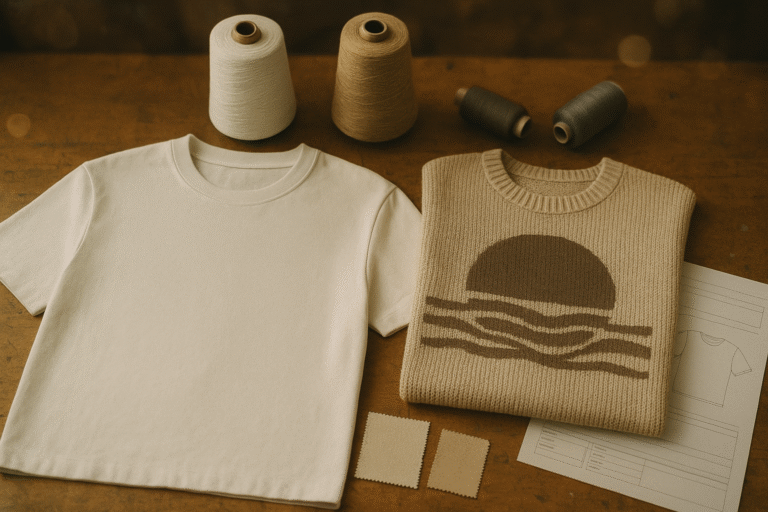
AzKnit’s sampling promise is framed as D0 → D3 → D5: intake on day zero with yarn allocation and tech‑pack verification; pattern confirmation and micro‑panel knit by day three; and courier dispatch by day five. For argyle and cable-knit specifically, the D3 checkpoint should include a knit test panel for motif scale, line clarity, and tension confirmation.
What to verify:
A sample ticket log with timestamps at D0, D3, and D5 for the last 90 days (≥20 tickets spanning 5–16GG), and at least two stitch‑complexity cases (argyle jacquard, cable-knit).
EXIF‑dated photos from the sample room (pattern revision, panel approval, PPS) and courier receipts for D5 dispatch.
Fit accuracy tables comparing post‑wash POMs (chest, body length, sleeve) vs spec with tolerance bands (commonly ±3% unless buyer‑specific).
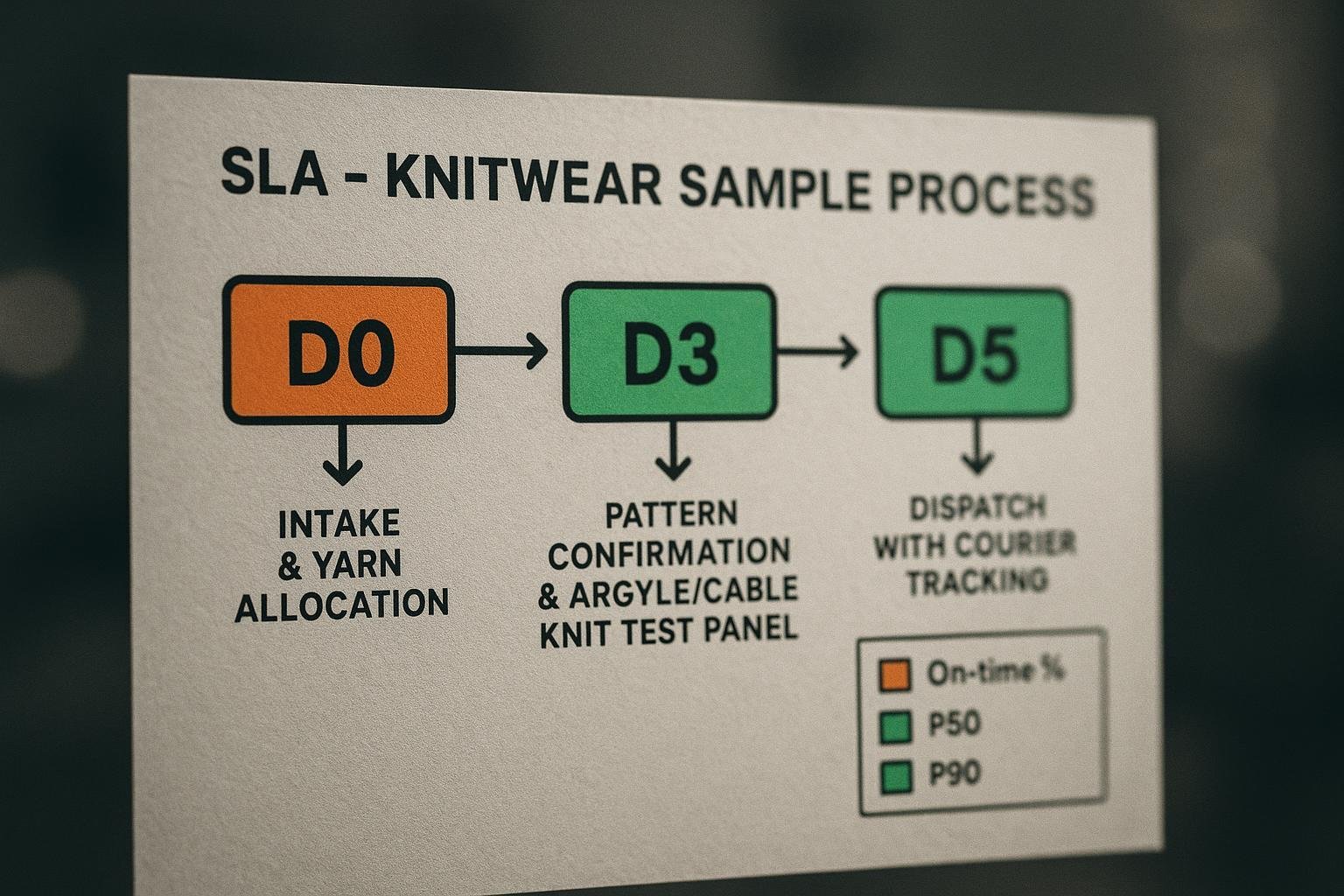
Status today: Insufficient data. The structure and audit steps above define how to substantiate the 3–5 day SLA without ambiguity. If you receive red/green milestone charts and receipts attached to each ticket, you can calculate P50/P90 milestone adherence and identify bottlenecks.
Delivery performance (OTIF) and seasonality
OTIF should be defined as the percentage of purchase orders shipped on or before the agreed ex‑factory date and in full quantities within the 12‑month review window. Given seasonality in knitwear, present both the overall distribution and monthly variance.
What to request:
ERP/WMS export with PO#, promised ex‑factory, actual ship date, qty promised, qty shipped, cancellation/backorder flags.
A box‑and‑whisker distribution with P10/P50/P90 and a month‑over‑month overlay.
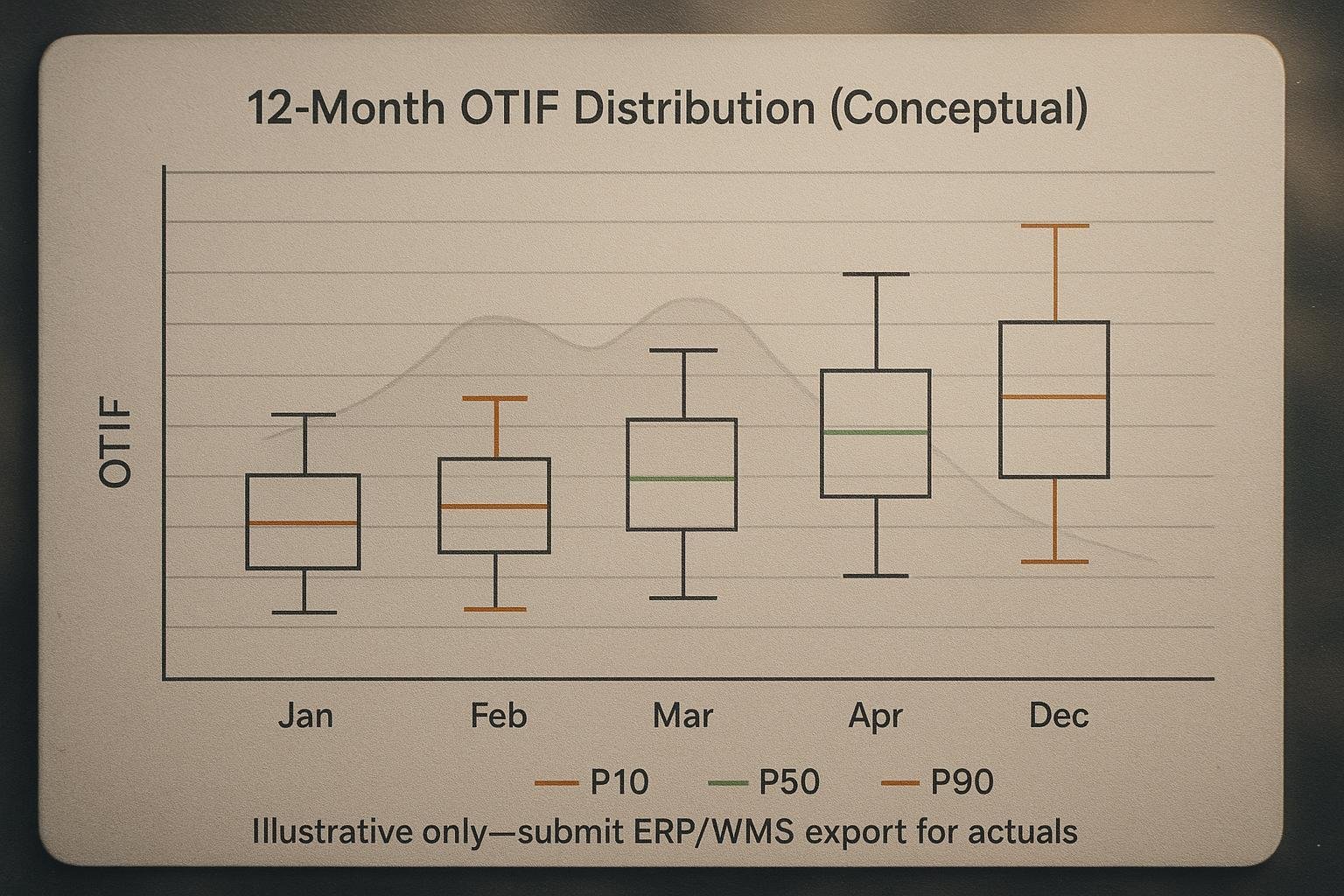
Status today: Insufficient data. Treat any unverified OTIF percentage as marketing copy until you see the export and can replicate the calculation.
Quality and PPS reliability
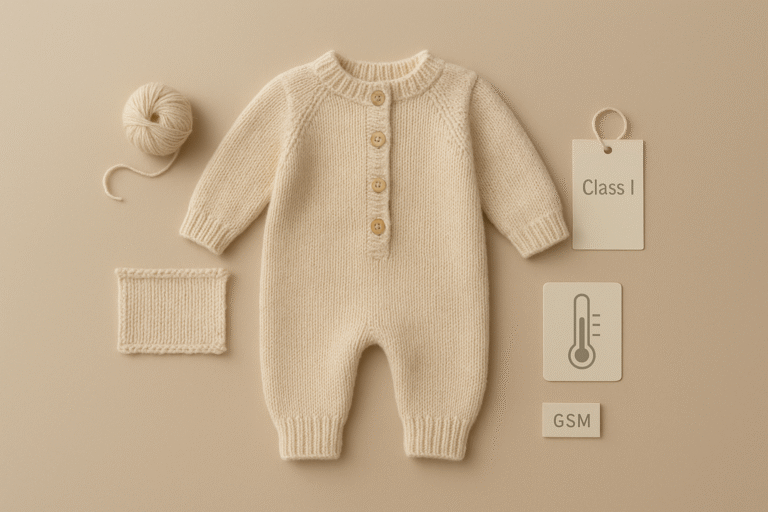
PPS (Pre‑Production Sample) is where knit tension, stitch clarity (argyle diamonds, cable depth), and shrinkage behavior are locked. Two numbers matter: the PPS first‑pass approval rate and the rework turnaround days for failures. You should also see lab test outcomes for the fiber/yarn class in play.
What good looks like:
PPS logs with approval/decline timestamps, failure reasons distribution, and a first‑pass percentage. Rework cycles should include a dated corrective‑action note and a clocked turnaround.
Lab test results mapped to recognized methods—e.g., AATCC TM135 for shrinkage after laundering; ASTM D3512 for pilling on wool/cashmere blends; and ISO 105‑X12 for colorfastness to rubbing—linked to the exact yarn batch and dye lot.
Status today: Insufficient data. Request the PPS photo set with EXIF metadata plus at least three recent lab reports tied to specific POs.
Compliance and certifications (auditable)
Compliance language is only credible when buyers can validate it in public directories and see current validity dates.
Publish and verify:
OEKO‑TEX STANDARD 100 certificate ID(s) with scope/class and expiry; verify via the official OEKO‑TEX Label Check linked from the OEKO‑TEX STANDARD 100 — official overview.
Social compliance references such as amfori BSCI participant ID and latest audit date, or a Sedex ZC code with audit status.
ISO QMS/EMS/OHS certificates (e.g., ISO 9001/14001/45001) with certificate numbers, issuer, issue/expiry dates.
Status today: Insufficient data. Do not consider compliance complete until IDs and registry links are supplied.
Capacity, gauges, and machine park
Argyle and cable-knit require both stitch control and gauge breadth. AzKnit’s capability positioning centers on computerized flatbed machines (e.g., Shima Seiki, Stoll) across gauges from coarse (3–5GG) for chunky cables to finer (12–16GG) for contemporary lightweight argyles, plus finishing equipment for blocking and pressing.
What to request for auditability:
A machine list by make/model/gauge/count distinguishing WHOLEGARMENT vs standard flatbed, and a recent utilization snapshot.
A stitch capability matrix indicating which gauges handle argyle jacquard versus deep cable patterns efficiently, including any tensioning constraints and yarn limitations.
A surge capacity note: added shifts policy, subcontracting controls (if any), and traceable change‑of‑control approvals.
Status today: Insufficient data. Ask for a CSV export and a dated photo walk‑through of representative lines.
NDA/IP protocols and sample-room access controls
Buyers with original argyle layouts or proprietary fit blocks should expect practical, non‑negotiable protections. At a minimum, confirm:
NDA execution before any file exchange; unique job codes for artwork and tech packs.
Role‑based access in the sample room and pattern systems; escorted visits; camera‑free zones; controlled sample retention and disposal.
Encrypted file transfer (e.g., SFTP or M365 sensitivity labels) and watermarking for prints/graphics.
Yarn batch chain‑of‑custody logs linking supplier, batch ID, and any lab test numbers.
Status today: Insufficient data. Request a one‑page SOP and an access‑control diagram you can share with legal/brand protection.
Pricing and MOQ tiers (hero expanded)
Use the MOQ tiers framework to engage sourcing, finance, and logistics on the same page before sampling. A formal quote should specify:
Incoterms (e.g., FOB Ningbo) and whether freight, duties, or lab tests are included.
Yarn/fiber classes (cashmere, merino, alpaca, cotton blends) and finishing steps.
Gauge and stitch complexity modifiers (argyle jacquard vs cable-knit vs plain rib) that impact machine time.
Price bands by MOQ tier with validity “as of 2026‑02‑25.”
Status today: Insufficient data. Treat any price claim as indicative until supported by a signed quote or matrix.
Competitors and alternatives (fair snapshot)
If your goal is EU/UK on‑calendar deliveries with modern fits, reasonable alternatives include high‑scale or EU‑adjacent players. However, many do not publish granular SLAs or OTIF metrics.
Shenzhou International (China) is a capacity benchmark with extensive disclosures in financial and ESG filings, yet public documents reviewed do not quantify sample lead times, OTIF, or PPS rates that buyers can audit. Practical takeaway: direct inquiry and NDAs are typically required.
BEXIMCO (Bangladesh) shows scale and sustainability initiatives in annual reports, but garment‑level SLA/OTIF/PPS metrics aren’t disclosed publicly; you’ll need buyer‑side references and internal data rooms.
Kardem Tekstil (Turkey) offers EU‑adjacent logistics benefits; site materials do not provide audit‑grade SLA or OTIF numbers. Expect to validate through private audits.
Where AzKnit may stand out—if evidenced:
A documented 3–5 day sampling SLA with D0/D3/D5 artifacts across argyle and cable-knit.
Flexible MOQ tiers tailored to market tests and seasonal capsules.
Who it’s for—and who should pass
Best fit:
Buyers who need 3–5 day sampling on argyle/cable styles with rapid fit iteration and are ready to evaluate evidence packs (ticket logs, ERP/WMS exports, PPS photos, lab reports) quickly.
Teams that value flexible MOQ paths from pilot to scale and prefer clear “as of” pricing matrices.
Not ideal:
Programs demanding published, third‑party social proof at launch—AzKnit currently lacks public ratings and will rely on first‑party artifacts.
Buyers unwilling to engage in audit steps (e.g., validating OTIF via exports, checking certificate IDs in public registries).
Verdict
As of 2026‑02‑25, this AzKnit review finds a clear operational blueprint for fast argyle and cable-knit sampling with modern fits and a buyer‑friendly MOQ tiering approach. The determinant is evidence: once AzKnit publishes an auditable Evidence Pack—D0/D3/D5 ticket logs, PPS approvals, 12‑month OTIF exports, machine list CSV, and certificate IDs—procurement teams can assign real scores. Until then, treat claims as structured intent, not proven performance.
Soft CTA: Learn more about services and request an evidence‑based quote at AzKnit.