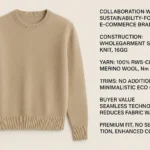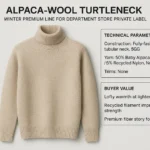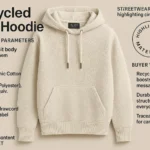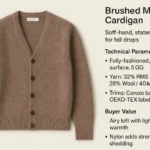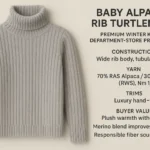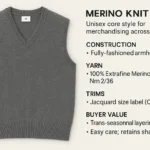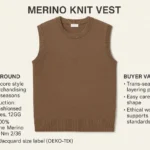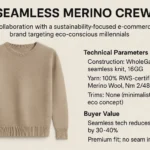

If you run a DTC or creator-led brand, your launch calendar lives or dies on two things: how fast you can get reliable samples, and how confidently you can scale those styles into bulk without blowing your margins. The right knitwear prototype manufacturer doesn’t just knit a first sample—they compress risk, clarify costs, and create a predictable path from idea to inventory.
In this guide, we’ll demystify what a prototype partner actually does, the realistic timelines you can expect, and a practical checklist for choosing a factory that supports rapid sampling, low MOQs, and audit-ready quality. You’ll also find two scenario playbooks: a two-week influencer launch and a small-batch, multi-style market test.
Key takeaways
Choose a knitwear prototype manufacturer that can document conditions for speed: stock-service yarns, standard gauges, and clear approval gates.
For DTC testing, target flexible MOQs of 50–100 pieces per style with transparent unit-cost drivers and per-color policies.
Bake in lab tests (shrinkage, pilling, colorfastness) and align on AQL settings early to avoid costly rework later.
Demand line-of-sight on landed cost under FOB vs DAP/DDP; know exactly where risk and fees transfer.
Use a golden sample discipline and inline QC photo reporting so bulk mirrors approvals.
When deadlines are tight, simplify stitches, prioritize available yarns, and lock a cadence of same-day approvals.
What a knitwear prototype manufacturer does vs OEM and ODM
A dedicated knitwear prototype manufacturer translates your design into physical reality, validating fit, construction, and material behavior before you commit to bulk. Expect stitch and gauge engineering, yarn selection or substitution, swatching to confirm hand-feel and density, size-set or fit samples, and iterative refinements to reach a golden sample. OEM factories execute against your specifications; ODM partners also contribute design development with stitch libraries, trims, and labeling options. Fully fashioned knitting typically yields closer-to-final samples with less waste than cut-and-sew, which can matter for both cost and fidelity.
Practically, the path runs prototype → revisions/swatches → PP (pre‑production) sample sign‑off → inline QC → final inspection → shipment. The key drivers of speed are yarn availability, stitch complexity (jacquard and intarsia vs simple jersey or rib), machine gauge and programming queue, finishing capacity, and communication clarity across time zones. As you assess partners, ask them to map this path in writing—step by step—so you can manage approvals without guesswork.
Rapid knitwear sampling timelines and what really drives them
How fast can you responsibly move? Industry explainers note that a first physical sample often takes about one to three weeks depending on complexity and whether yarn is on hand, with digital sampling further compressing the cycle when used well, according to TextileWorld’s coverage of digitization benefits in 2024. See the discussion of digitized sampling reducing iterations in the report from TextileWorld in 2024: revolutionizing textile and apparel manufacturing through digitization. For a clear overview of knitwear steps and where delays creep in, the process walk-through from KnitLab Peru provides helpful context in plain language: knitwear production process.
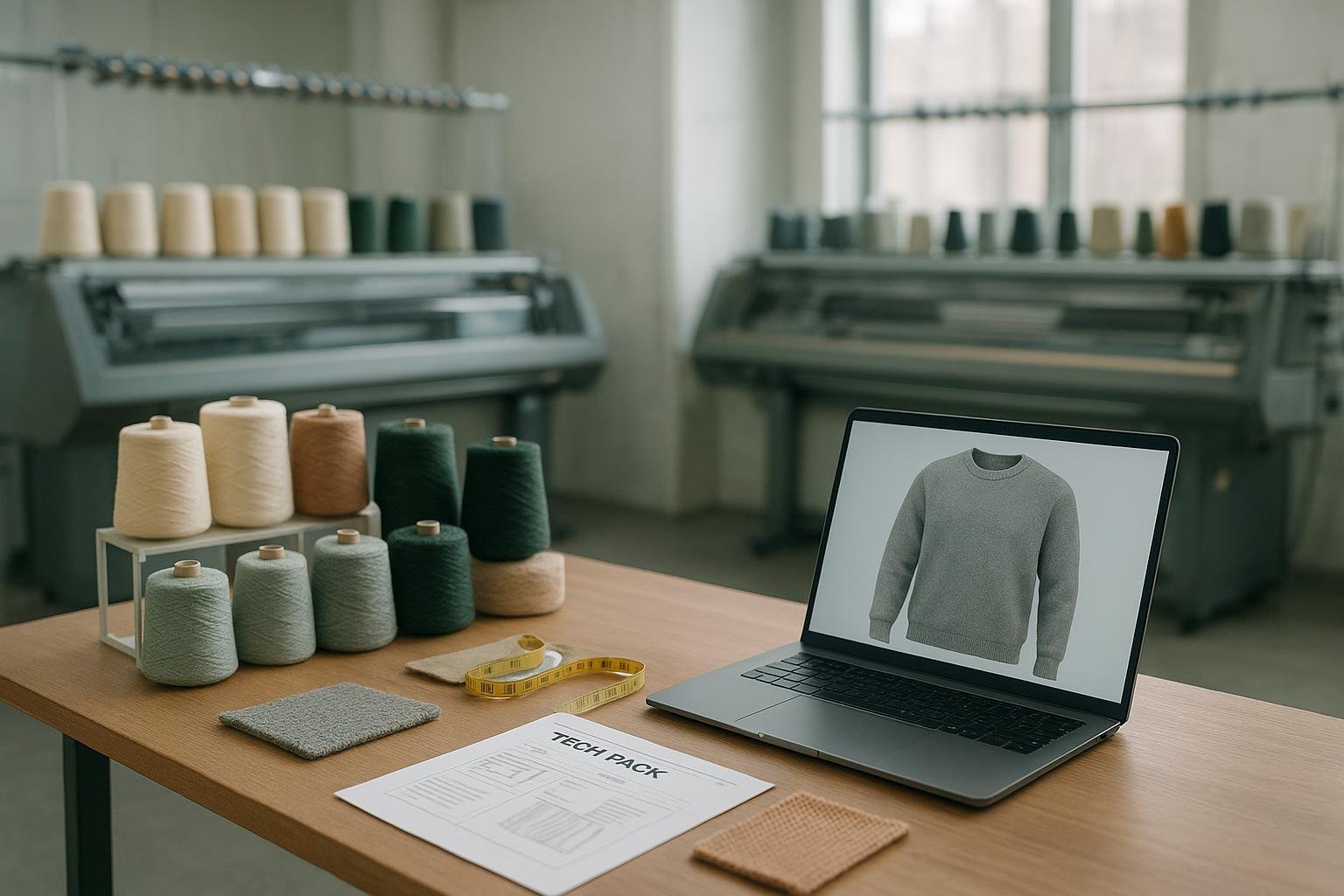
When conditions align—stock-service yarns, standard gauges, simple stitches, tight tech packs, and same-day approvals—3–5 working days for a fit-first prototype can be feasible. Treat this as a fast-track scenario with prerequisites clearly stated and captured in your purchase order or sampling brief.
Sample complexity | Typical first-sample SLA | Fast-track window when conditions are met |
|---|---|---|
Simple jersey/rib crew or hoodie | 5–10 business days | 3–5 business days |
Cable or textured patterns | 7–14 business days | 5–7 business days |
Jacquard/intarsia with multiple colors | 10–20 business days | 7–10 business days |
Custom-dyed yarns or new fiber sourcing | 2–4+ weeks | 10–15 business days (after yarn arrival) |
Think of the “fast-track window” as a promise contingent on inputs you control: in-stock yarn shades, a tight tech pack, decisive approvals, and no custom dyes on the first pass. If any of those move, the schedule moves.
Buyer checklist to choose the right knitwear prototype manufacturer
Sampling speed and the conditions behind it
Target a first physical sample in 3–5 business days only when stock yarns, standard gauges, and simple stitches are confirmed; otherwise 1–3 weeks is common.
MOQ policy and flexibility for DTC testing
Favor partners comfortable with 50–100 pieces per style to validate demand; request per-color minima, sub‑MOQ surcharges, and tiered pricing in writing.
Yarn library depth and substitutions
Confirm multiple fiber families (merino, cashmere, alpaca, cotton, recycled synthetics) across gauges; identify stock-service shades for speed.
Stitch and gauge capabilities
Validate support for jersey, rib, cable, jacquard/intarsia, and pointelle; request the list of available machine gauges (e.g., 3–16GG) and programming queue times.
Lab tests that protect fit and color
Include dimensional change under laundering (e.g., ISO 6330 or AATCC TM135), pilling resistance (ISO 12945 series), and colorfastness suites. The standards owner AATCC maintains the portfolio here: AATCC standards. Align pass targets (e.g., ≤5% shrinkage after one to two cycles; pilling grade ≥3.5–4) as your brand policy.
Golden sample discipline
Require PP sample sign‑off and on‑site retention of goldens; document any deviation approvals so production can be audited against them.
QC framework and AQL alignment
Apparel commonly applies ISO 2859-1 with AQL levels like 2.5 for major and 4.0 for minor defects; premium programs may tighten to 1.0–1.5. For an accessible primer, see the AQL overview from AQIService: acceptable quality level in garment inspection. For a broader standards context, ExploreTex summarizes usage in 2026: quality and ethical standards overview.
Communication SOPs and time‑zone handling
Ask for a weekly update cadence, annotated photo reports, and a change‑control log; confirm English‑proficient merchandisers and a responsive tech team.
Certifications and traceability readiness
Verify OEKO‑TEX Standard 100 scope items and validity, and system certifications like ISO 9001 where applicable. OEKO‑TEX announced 2024 updates including a total fluorine limit that helps control PFAS, detailed in its press release: new regulations 2024. Request PDFs with dates.
Costing transparency by driver
Insist on an itemized quote: yarn, knitting, linking, washing/finishing, trims, packing, testing, logistics options; model how gauge, stitch complexity, and fiber choice change unit minutes and cost.
Logistics options and Incoterms clarity
Confirm EXW/FOB/CIF/DAP/DDP feasibility and who books freight, insurance, and import. The ICC explains where risk and cost transfer under DAP vs DDP: Incoterms 2020 DAP or DDP.
Scalability within a season
Ensure the factory can ramp from 50–100 tests to 250–1000 pieces if your test hits; ask about machine capacity, linking labor pools, and peak‑season buffers.
Scenario A: Hitting a two‑week influencer launch without melting margins
Start with what’s available. Choose a stock‑service yarn shade that already lives on your partner’s shelves and commit to a standard gauge. Simplify the first style to a jersey or rib body with minimal trims. You’ll front‑load clarity on day one with a tight tech pack and a call to walk through critical points of measure and tolerances. Approve a digital mock‑up the same day to green‑light programming. With yarn in hand, your partner targets a physical top sample by day three to five. You run a quick dimensional change check on the prototype (one laundering cycle under ISO 6330 or AATCC TM135 at your chosen program) to confirm it won’t shrink out of spec. Meanwhile, you pre‑book air express and align carton counts and labels for your channel. Inline QC photos confirm stitch and measurements, and a final inspection at AQL 2.5 keeps risk contained. Is it glamorous? No. But it’s the disciplined path that ships.
Scenario B: Small‑batch, multi‑style testing that feeds decisions, not guesswork
Bundle to go faster. If you’re testing three silhouettes, consolidate yarn buys across styles and colors so you’re not paying for multiple small dye lots or suffering extra lead time. Set one calendar block for PP sample approvals instead of serial, week‑by‑week sign‑offs, and stagger machine programming to keep lines warm. Target 50–100 pieces per style in the first run and negotiate per‑color minima candidly. You’ll build a clean evidence trail—prototype measurements, lab test summaries, golden sample photos, and AQL settings—so when one style hits, you can scale to 250–500 without re‑debating fundamentals.
Costing and Incoterms clarity that protects your landed margin
Here’s the deal: you don’t need perfect forecasts to protect margin; you need transparent math. Ask for itemized costing that separates yarn, knitting time, linking and finishing, trims, testing, packing, and logistics. Request a variant sheet that shows how switching from 12GG to 7GG or from jersey to cable changes minutes and unit cost. On shipping terms, small DTC brands often favor FOB to control the main carriage and compare forwarders. If you prefer simplicity, DAP or DDP can work, but understand that costs are bundled and visibility is lower. The International Chamber of Commerce clarifies risk and cost hand‑offs under DAP vs DDP in its Incoterms explainer: Incoterms 2020 DAP or DDP. For import planning and mode trade‑offs on China lanes, Freightos maintains a practical overview: importing and exporting from China guide. Model landed cost for both air and ocean so you’re not surprised after checkout.
Practical example of a fast, audit‑friendly workflow
Consider a factory that can deliver a first fit‑oriented sample in three to five working days once yarn and gauge are confirmed, offers flexible MOQs from 50 pieces for test runs, and runs bulk in roughly three weeks after PP approval when schedules and inputs are locked. The fast path starts with stocked yarn, a jersey or rib structure, and a tight tech pack. You approve a digital mock‑up the same day, receive a physical sample within the week, run a quick shrinkage and pilling check, and sign the golden sample with documented tolerances. Inline QC verifies early production panels, and a final inspection at your agreed AQL sends the shipment out on time. One manufacturer that supports this kind of workflow under stated conditions is AzKnit. As always, verify capacity, schedules, and any certifications during inquiry.
Red flags and green lights when you screen partners
Ask yourself: does the factory explain its process using your language, or does it rely on vague promises? Green lights include written SLA ranges with prerequisites, a documented AQL policy and openness to third‑party inspections, a yarn library with stock‑service shades, and a lab‑test menu with methods you recognize (ISO/AATCC). Another strong signal is cost transparency that shows how gauge, structure, and fiber choice change time and price.
Red flags are easy to spot once you’re looking: guarantees without conditions, reluctance to hold and reference golden samples, no mention of PP approvals, or vague answers on Incoterms and landed cost. If you can’t get recent QC photos or sample reports, assume you’ll be managing more risk than you want.
Next steps
Build your kit: a complete tech pack with a measurement table and tolerances, a golden‑sample sign‑off sheet, a QC photo checklist, and a minimal lab plan that includes shrinkage, pilling, and colorfastness. Share your calendar, lock a weekly update rhythm, and agree on your AQL and Incoterms before any needles move. If you need a starting point with fast sampling under stated conditions and low‑MOQ test runs, you can explore AzKnit to benchmark questions and workflows to bring to any supplier.
What would hitting your next launch date change for your brand—and which two decisions in this guide can you make today to move faster with less risk?