If you are scouting a fully fashioned sweater manufacturer for an OEM program, your real questions are pragmatic: How small can my MOQ go without triggering price shocks? How fast can I move from tech pack to bulk? Which cost levers matter most, and how do I lock down quality so returns do not eat margin? This guide answers those questions with a procurement-first lens—benchmarks you can plan against, checklists you can lift, and a step-by-step workflow you can run immediately.
We will keep definitions brief. Fully fashioned means knitted-to-shape panels that are linked into a garment, as opposed to cutting shapes from roll fabric. It typically reduces cutting-room waste compared with cut-and-sew, while still requiring skilled linking and controlled finishing to hit post-wash measurements. Seamless, also called WHOLEGARMENT by machine maker Shima Seiki, knits the entire piece as one tube-like 3D item with no linking, which can remove assembly minutes but may face machine capacity constraints on certain gauges, constructions, or sizes. See the machine maker’s context on WHOLEGARMENT in the Shima Seiki SWG-XR overview and related press materials.
Key takeaways
Plan on fast-but-realistic timelines: samples in roughly one to three weeks after materials are in hand; bulk in about thirty to sixty days after approvals. Confirm per yarn, gauge, complexity, and season.
Push for transparent MOQ definitions by style, by color, and by size run. Yarn supplier package MOQs can quietly set your floor; negotiate color splits early.
Your major cost drivers are yarn, gauge, stitch complexity, linking minutes, and finishing route. Measurement stability and pilling targets should be validated before bulk to avoid rework.
Lock quality with a staged approach: lab dips and PPS, ISO 6330 or AATCC 135 wash tests for shrinkage, ISO 12945-2 or ASTM D4970 for pilling, AQL planning for PSI using widely adopted ISO 2859-1 sampling.
Choose fully fashioned when you want better shaping, smaller runs, and broad gauge access; choose seamless when you need assembly-free construction and the design fits machine constraints; choose cut-and-sew for very high throughput from stocked knits.
Should You Choose Fully Fashioned A Quick Decision Matrix
Below is a concise comparison to help you choose the right construction method for a given program.
Method | Best for | Strengths | Watch-outs |
|---|---|---|---|
Fully fashioned (knit-to-shape with linking) | Small to mid runs, varied gauges, shaped silhouettes | Precise shaping, typically lower cutting-room waste than cut-and-sew, broad yarn and gauge options | Requires skilled linking; post-wash measurements must be tightly controlled |
Seamless WHOLEGARMENT | Designs suitable for 3D knitting and available machine capacity | Eliminates linking minutes; clean interior feel | Machine availability and gauge constraints; certain jacquards or sizes may be limited; program fit depends on capacity |
Cut-and-sew from knit fabric | Very large volumes, simple blocks, fast fabric availability | Straightforward scaling when fabric is stocked; easy style changes | Cutting waste, seam bulk, shape precision may be lower; fabric MOQ drives splits |
For machine context and capabilities, review the WHOLEGARMENT background from Shima Seiki and flat-bed fully fashioned capability ranges from Karl Mayer Stoll CMS series.
The OEM Procurement Roadmap From RFQ To Shipment
Every strong program follows the same skeleton. The difference between on-time and overrun is how you manage the gates.
RFQ and yarn reservation. Submit a complete tech pack and target size set with a construction callout, gauge target, measurement tolerances, and finish route. Ask the factory to confirm yarn availability and color status. If colors are custom, agree whether lab dips or yarn dye cards will drive approval.
Sampling and risk checks. Once yarn is on hand, push for a quick development cycle. Capture linking and stitch details in the sample notes. Run a wash test using either ISO 6330 procedures or AATCC TM135 to understand shrinkage and growth tendencies before you lock graded specs. See ISO 6330 domestic washing procedures and AATCC TM135 for the test methods.
Pre-production approval. The pre-production sample should confirm post-wash measurements, shade, handfeel, and trims. If you expect abrasion or surface wear, add pilling resistance checks using ISO 12945-2 Martindale pilling or ASTM D4970 Martindale pilling.
Bulk production and in-line controls. Align on in-line checkpoints for panel measurements before linking, and visual checks for needle lines and seam appearance. Where applicable to your spec, consider bursting strength on knits via ASTM D3786.
Final inspection and shipment. Plan an AQL matrix ahead of time and book the PSI window early. Many apparel programs use Critical 0, Major 2.5, Minor 4.0 with ISO 2859-1 sampling. QIMA summarizes the approach and offers a calculator in its AQL overview.
A few timeline compression levers: book yarn once color direction is clear, even while final lab dips are in flight; approve trims alongside PPS; and combine small colorways into one machine schedule when the gauge is identical.
MOQ and Lead Time Benchmarks for a Fully Fashioned Sweater Manufacturer
Use the following ranges as planning inputs, then confirm per yarn, gauge, complexity, and season. Supply chains vary; treat these as indicative.
Workflow element | Typical range when yarn is available | What moves the number |
|---|---|---|
Sample development | ~1–3 weeks after tech pack and yarn arrival | Gauge changes, intarsia or complex jacquards, special finishes |
Pre-production sample sign-off | ~1 week after sample approval and lab dip confirmation | Revised specs after wash test, trim changes |
Bulk production | ~30–60 days after PP approval and materials in house | Gauge and construction minutes, line capacity, finishing load, holiday periods |
Minimum order quantity | ~50–500 pieces per style per color | Yarn supplier package MOQs, dyehouse batching, fine-gauge machine minutes |
Note on MOQs: published online figures can be misleading because yarn package sizes and dyehouse batch minimums quietly set the true floor. Always ask for MOQs by color and by size run and confirm whether leftover cones can be carried into a repeat.
Cost Drivers That Move Your Unit Price
Think of your cost as three stacks: materials, machine minutes, and finishing plus quality. Each reacts to a handful of variables you can actually control.
Yarn and yield. Fiber class and yarn count drive both price and consumption. Finer gauges often increase minutes on the machine and change yield. Request yarn yield estimates during RFQ and add a small waste allowance for swatching and program tuning.
Gauge and construction. Lower gauges like 3G or 5G can appear chunky and consume more yarn per piece but may run faster on certain constructions. Higher gauges like 14G or 16G deliver a finer hand but usually take more minutes, raising labor and overhead allocations.
Stitch complexity. Cables, heavy ribs, jacquard, and intarsia introduce transfer motions and more yarn carriers, increasing minutes and scrap risk during dialing.
Linking and assembly. Linking quality shows on shoulders and armholes. More seams or decorative joins add minutes. When possible, reduce unnecessary seam length by shaping panels cleverly during programming.
Finishing and testing. Enzyme or soft washes, steam setting, anti-pilling, and pressing steps add time and utility costs. They also affect dimensional stability. Lock the route that achieves your measurement targets before you green-light bulk.
Packaging and logistics. Carton specs, metal detection, and labeling requirements change both unit cost and throughput. Freight mode and INCOTERMS swing landed cost and cash flow.
A quick back-of-envelope structure you can adapt:
Unit FOB = Yarn cost per piece + (Knitting minutes × machine rate/min) + (Linking minutes × labor rate/min) + Finishing cost + QC/testing + Overhead & margin
If you request this breakdown in your RFQ, suppliers can steer you toward design tweaks—like a gauge change or a simplified jacquard—that shave minutes without hurting design intent.
Technical Primer Machines Gauges and Linking Quality
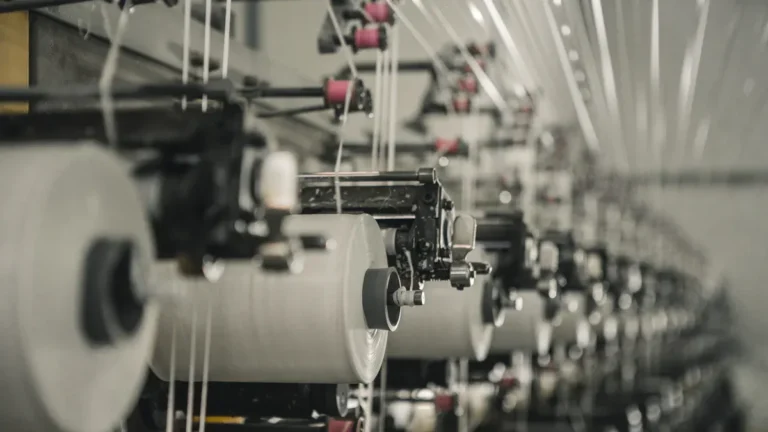
Flat-bed knitting machines from makers like Shima Seiki and Karl Mayer Stoll cover gauges roughly from coarse to ultra fine. WHOLEGARMENT models knit entire pieces in one go, while fully fashioned programs knit shaped panels that are linked. For background on 3D knitting, see the Shima Seiki Techtextil 2024 brief and the Stoll CMS machine family for gauge capability snapshots.
Why this matters for procurement: your gauge and construction choice sets machine minutes and linking demand. Linking tolerance at armholes and necklines determines whether garments hit spec after wash. Ask the factory to measure panels pre-linking and to run at least one ISO 6330 or AATCC 135 wash on PPS to confirm growth and shrink targets before committing markers and grading logic.
Quality Control That Prevents Returns
Quality is won early. Map tests to stages so you avoid discovering hard problems at the dock.
Dimensional stability. Validate with one wash and one dry per ISO 6330 domestic washing or the AATCC TM135 method. Set your shrinkage or growth tolerance by size point and note whether tolerance applies after one wash or multiple.
Pilling resistance. Use ISO 12945-2 Martindale pilling or ASTM D4970 and state the acceptable grade for your brand and price tier.
Colorfastness. Validate to laundering and rubbing using ISO 105-C06 and ISO 105-X12 where applicable to your trims, labels, and accessories.
Strength checks for knits. Where required by your spec, use ASTM D3786 bursting strength as a knit-appropriate measure for multi-axial stress.
Final acceptance. Book AQL in advance and align Critical, Major, and Minor defect definitions. Many programs use the approach summarized in QIMA’s AQL guide, referencing ISO 2859-1 sampling.
Pro tip: define measurement tolerances by key size points in your tech pack, then restate them on your PPS approval form so no one chases a moving target during bulk.
Short Case Example Compressing A Small Batch Timeline
A direct-to-consumer brand needed a 150-piece run of a 12G merino cardigan across two colors for a holiday drop. The plan hinged on getting from tech pack to approved PPS in under three weeks and shipping bulk within a further four.
What moved the timeline: the team booked yarn immediately after color direction was set, used stock shades for one color, and ran ISO 6330 wash checks on the first development sample to tune length measurements before PPS. They also scheduled linking minutes on a dedicated line to avoid cross-over delays.
Suppliers that support low MOQs and quick sampling can compress this path materially. For example, AzKnit reports sample development in roughly three to five working days, small-batch MOQs starting near fifty to one hundred pieces depending on yarn, and bulk production around three weeks after approvals. Always confirm current capacity, gauge availability, and yarn status directly with your chosen partner.
Your Practical Toolkit To Run This Program
You can operationalize this guide with four documents: an RFQ template that captures yarn, gauge, construction, and test expectations; a tech pack checklist that lists size points and post-wash tolerances; a sample approval form that records wash results, handfeel, and shade; and a pre-shipment inspection checklist that mirrors your AQL plan. If you already have brand forms, align the fields to the workflow above so information flows cleanly through each gate.
Twelve supplier questions that reveal hidden risk and cost:
What are the true MOQs by style, by color, and by size run, and are they set by yarn package or dyehouse batch minimums?
Which gauges are immediately available this month, and how many machines per gauge can be scheduled for my run?
Can you quote knitting and linking minutes separately so I can see where complexity is priced in?
Do you run ISO 6330 or AATCC 135 wash checks on PPS, and what shrinkage or growth do you typically observe for my yarn and gauge?
Which pilling standard do you test against for my price tier, and what acceptance grade do you recommend?
If I split colors, can leftover cones be carried into a repeat or a later style to keep MOQs workable?
What is the current lab dip timeline, and can we parallelize trims approval with sampling?
How do you manage panel measurement control before linking to avoid post-wash surprises?
What holiday or maintenance periods will affect line capacity in my delivery window?
Which finishing routes do you recommend for my fabric hand and stability targets, and what trade-offs should I expect?
How do you structure AQL for similar programs, and when should I book the PSI to avoid container cut-off risk?
If we need to accelerate, what premium steps are available—overtime, gauge substitution, or simplified stitch maps—and what are the cost impacts?
Supplier Vetting And Regional Considerations
Capability mapping comes first. Ask each factory to list gauges on floor, machine brands and counts, and monthly capacity by gauge. Confirm whether they run both fully fashioned and seamless. A mixed fleet opens options when you want to move assembly minutes out of the equation.
Yarn ecosystem matters. Factories with strong yarn networks can secure package breaks or share cones across programs to keep MOQs practical. If you plan custom dye, check dyehouse batching rules and lead-time calendars. For merino or cashmere, confirm fiber origin claims and whether the lab can run pilling and colorfastness checks in house or through a partner.
Seasonality shifts lead times. Lunar New Year and Golden Week change capacity in East Asia. If your deliveries cross these periods, agree on early PPS and line booking. Where nearshoring is feasible, weigh yarn availability against shorter transit and faster style turns. Broader context on agility and footprint optimization appears in the 2026 retail outlook from McKinsey’s State of Fashion.
FAQs
What is the practical difference between fully fashioned and seamless
Fully fashioned knits shaped panels and joins them through linking, offering precise shaping across many gauges. Seamless knits the whole garment in one pass, removing linking minutes. Choice depends on design, available machines, and desired interior feel.
How should I set measurement tolerances for sweaters
State tolerances by key size points and confirm whether they apply after one wash and dry. Validate with ISO 6330 or AATCC 135 on PPS before grading logic is finalized.
How do I choose the right gauge for my design
Begin with target handfeel and silhouette. Finer gauges provide a cleaner, lighter look but raise minutes; coarser gauges feel weightier and may run faster on simple stitches. Ask for a time study and yield estimate at two candidate gauges.
Can I run very small MOQs without paying a premium
You can, but the trade-offs are real. Use stock yarn shades, restrict color splits, and simplify stitch maps. Negotiate whether leftover cones can roll into a repeat to avoid paying for idle inventory.
When should I book the pre-shipment inspection
Book as soon as you lock the production window and AQL plan. Align with container cut-off dates and pad a small buffer so corrective actions do not jeopardize sailing.
Appendix Standards And Glossary
Standards referenced in this guide include ISO 6330 for domestic washing and drying, AATCC TM135 for dimensional change after laundering, ISO 12945-2 and ASTM D4970 for pilling, ISO 105 series for colorfastness to laundering and rubbing, and ASTM D3786 for bursting strength on knits. AQL sampling commonly follows ISO 2859-1 tables as summarized by leading inspection providers. WHOLEGARMENT is a seamless knitting approach from Shima Seiki, while fully fashioned refers to knit-to-shape panels joined by linking on flat-bed programs.
Finally, a note on SEO-related discovery: if you search for a fully fashioned sweater manufacturer or for fully fashioned knitwear OEM, use the benchmarks and questions above to separate marketing promises from operational reality. Keep your eye on flat knit manufacturer lead time as a governing constraint, and design into it from day one.