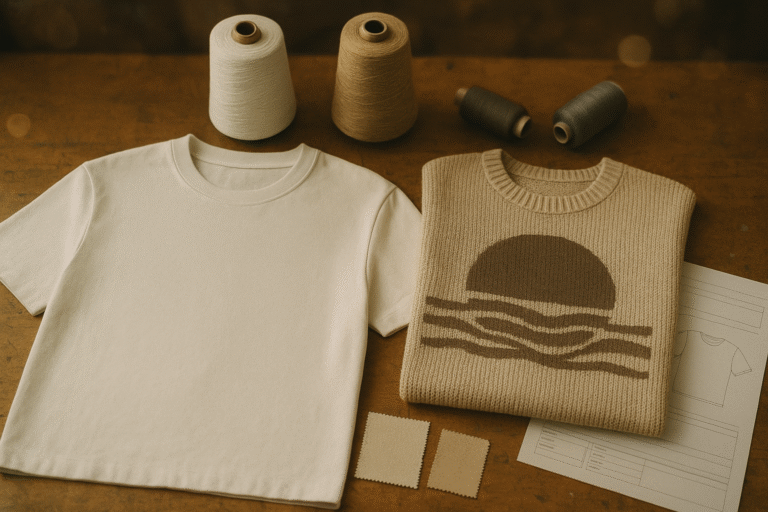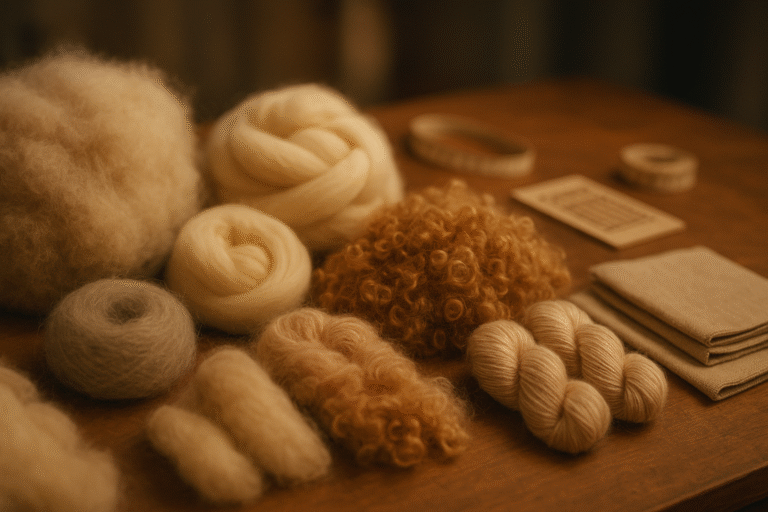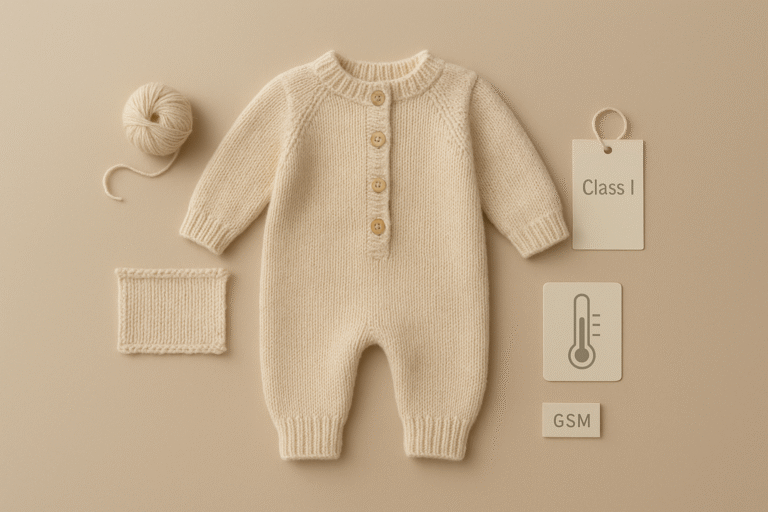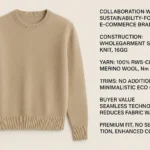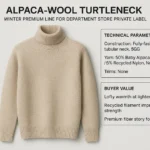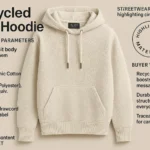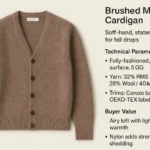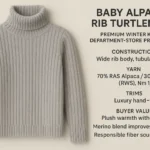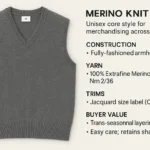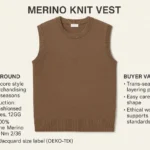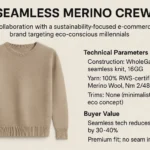

Sleeveless knits are doing double duty in 2026: they carry the tactile, quality-first story consumers expect while giving merchants the speed and flexibility operations demand. This guide translates directional trend signals into buyable specifications for two workhorse SKUs—early‑fall sweater vests (7–12 gg) and the spring–summer knit tank top—then maps those specs to SKU planning, SLAs, and compliance so you can brief suppliers with confidence.
Key takeaways
Focus structures and trims: compact ribs and plated jerseys for vests; fine‑gauge jersey, piqué, mesh, or crochet for the knit tank top.
Use gauge/yarn as levers: 7–10 gg for structured vests; 10–12 gg for tanks. Validate gsm and hand via supplier swatches before locking PP specs.
Run dual calendars: stock yarn/simple stitch moves faster than custom dye/complex stitch. Place compliance testing windows early.
Build a balanced range: a stable core with a rotating fashion slice manages margin and freshness.
Start compliance data capture now: style weights, fiber content, and due‑diligence evidence will be needed for EU/UK frameworks.
What 2026 signals mean for sleeveless knits
Public outlooks emphasize product excellence and operational resilience over volume-chasing. According to The Business of Fashion’s overview of the themes that will define the year in “The Debrief: The themes that will define the 2026 fashion agenda” (2026) and McKinsey’s State of Fashion hub, brands are prioritizing tighter assortments, craftsmanship, and productivity improvements over uncontrolled expansion. In parallel, Première Vision’s SS26 editorials point to a “cooling” design logic—airy openwork, defined ribs and trims, and tactile micro‑textures—well suited to tanks and vests; see PV’s SS26 trends hub and related decoding articles for material direction.
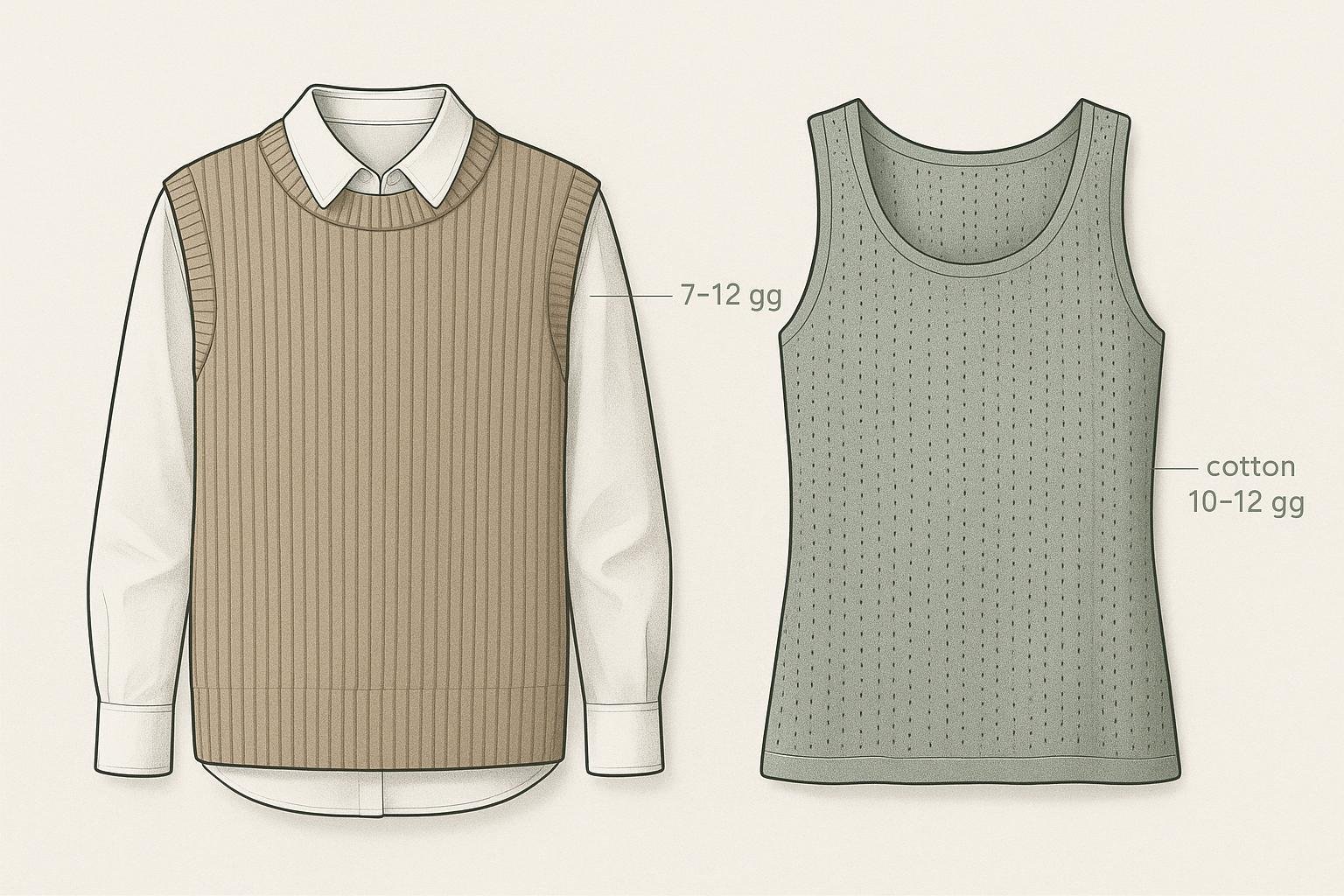
Translate to buyable specs. For early‑fall vests, emphasize structure and edge stability with 7–10 gg, 1×1/2×2 ribs, or plated jersey; favor merino/wool blends for hand and recovery. For spring–summer tanks, emphasize airflow and smooth touch with 10–12 gg single jersey, piqué, mesh, or considered openwork; choose combed/mercerized cotton, fine merino, or linen‑rich blends. Stabilize armholes/necks using tighter-count ribs and clean full‑fashion shaping to limit seam bulk and torque.
Construction playbook: vests (7–12 gg) and tanks (10–12 gg)
Gauges, yarns, and stitch families (working ranges)
Treat gauges and yarns as planning anchors, not fixed rules—fiber, twist, stitch, and tension all shift outcomes. Empirically validate with mill swatches.
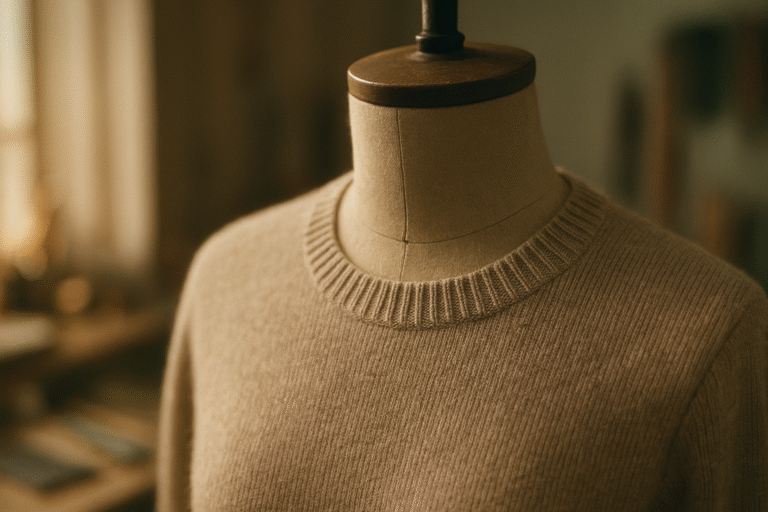
Vests (structure‑first): typically 7–10 gg, using 1×1/2×2 ribs or plated jersey. Favor merino/wool blends; use nylon/elastane plating in trims if recovery is critical.
Knit tank top (breathability‑first): typically 10–12 gg, using single jersey, piqué, mesh/openwork, or light ribs for straps. Favor combed/mercerized cotton, fine merino, or linen‑rich blends; viscose/lyocell blends can add sheen and cool touch.
Working gsm anchors (confirm by proto; no universal gg↔gsm standard): vests ~150–220 gsm; tanks ~120–180 gsm. Manage strap recovery with denser trims or plating.
For stitch-family background, see AzKnit’s knit structures primer, which explains ribs, jerseys, and jacquards at a high level.
Trim engineering and finishing
Engineer trims first, aesthetics second. Stabilize armholes and necklines with tighter rib counts; reinforce with plating where strap recovery matters. Prefer full‑fashion shaping to reduce seam bulk and improve dimensional stability through wash and wear. Align finishing (relax wash, steam‑set parameters) to shrinkage targets agreed in testing.
QA risks and lab methods (embed into the calendar)
Sleeveless knits often fail on pilling, shrinkage/dimensional change, skew after wash, and colorfastness. Set tests and thresholds by end use and region, then place them on your calendar. Use ISO 12945‑3 (random tumble) to assess pilling; AATCC TM135/TM150 or ISO 6330 with ISO 5077 to monitor dimensional change; AATCC TM179 to quantify skew; and colorfastness families AATCC TM61 or ISO 105‑C06 / ISO 105‑X12 / ISO 105‑B02. Coordinate proto screening, PP confirmation, and any TOP re‑tests for color add‑ons.
Merchandising the knit tank top and sweater vest: SKU mix, cost drivers, and KPIs
A resilient 2026 range balances perennial cores with rotating fashion textures.
Plan the range in prose, not just bullets. Anchor 60–70% of the buy in dependable cores—clean rib vests and smooth-knit tanks in key solids—then use 30–40% for fashion surfaces such as openwork, crochet looks, or seasonal jacquards. Cost will swing with yarn (cashmere/merino vs. cotton/linen), yarn count, stitch complexity (openwork and cables are labor‑intense), gauge (finer is slower), finishing passes, and defect risk. Track a tight KPI set: on‑time proto/PP approvals, size‑set pass rate, AQL inline/final, returns from shrinkage/pilling, sell‑through by drop, and weeks of supply.
Planning table (directional anchors—confirm via swatch and trials):
Use case | Gauge (gg) | Stitch family | Fiber focus | Planning gsm | QA focus |
|---|---|---|---|---|---|
Early‑fall vest | 7–10 | 1×1/2×2 ribs; plated jersey | Merino/wool blends | 150–220 | Pilling; dimensional change; seam/trim recovery |
SS knit tank top | 10–12 | Jersey, piqué, mesh/openwork | Mercerized cotton; fine merino; linen blends | 120–180 | Colorfastness; strap recovery; snag risk |
Sourcing and SLA timeline (sample → PP → bulk)
Lead times hinge on yarn availability, gauge, stitch complexity, factory loading, and compliance windows. Market aggregates indicate 7–14 days for standard protos and ~30–45 days for bulk on simpler programs; custom dyes or complex stitches can extend protos to 2–3 weeks and bulk to 45–75 days. Treat these as directional ranges and validate against a live supplier calendar; see Alibaba’s knitwear manufacturer timelines as a high‑level market snapshot and its Vietnam sweater factory overview for regional variation.
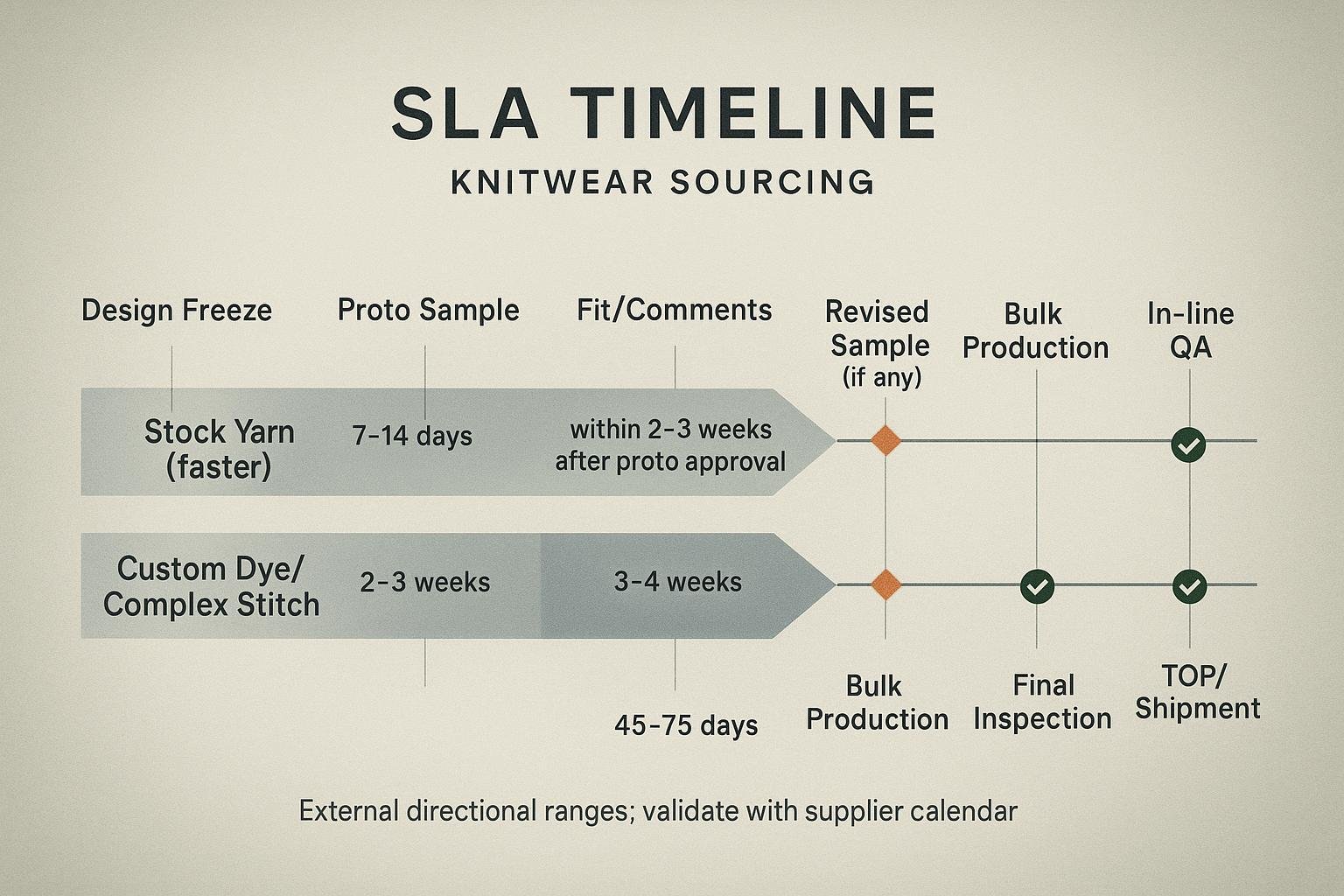
Practical setup: run dual tracks. Stock‑yarn jersey/rib programs usually move faster with fewer lab iterations; custom‑dye or complex‑stitch programs (openwork, cables, intarsia) need buffers for trials and testing. Insert QA/testing gates: basic screening at proto, full suite at PP, and targeted re‑tests at TOP or on color add‑ons.
First‑party illustration (supplier‑specific, confirm in PO): Some OEM/ODM partners such as AzKnit state a 3–5‑day sample window and roughly three weeks for bulk after approval with flexible MOQs starting from 50–100 units. Use these only as discussion starters; your signed timeline governs.
Compliance checklist for EU/UK buyers in 2026
Bake compliance into briefs so nothing slips past cutoff dates. The revised EU Waste Framework Directive brings textile EPR into force at Member State level—see the European Commission’s Waste Framework Directive overview and the EC note on the directive’s entry into force on Oct 16, 2025. Expect eco‑modulated fees; start capturing weights and compositions per style and map producer registration per market. In the UK, align with WRAP’s Textiles Pact Roadmap 2026–2030 by reinforcing high‑stress areas on tanks/vests and documenting repairability. For corporate reporting and due diligence, monitor CSRD/CSDDD phasing; even if out of scope, anticipate due‑diligence data requests (audit recency, mitigation SOPs, and tier‑1 traceability) from partners already reporting.
Mini spec blueprints (use, gauge, stitch, risk)
Keep each as a one‑pager in your tech pack with swatch photos and measured parameters.
Early‑fall 9 gg wool‑blend vest (layering). Stitch: 2×2 rib body with 1×1 rib trims and full‑fashion armhole/neck shaping for stability. Yarn: extra‑fine merino/wool blend; optional nylon plating in trims. GSM anchor ~180–200 (confirm by proto). Risks/tests: pilling (set acceptance using ISO 12945‑3), dimensional change (<3% under ISO 6330/AATCC), and trim recovery.
SS 12 gg cotton knit tank top (core). Stitch: single jersey with piqué side panels for ventilation. Yarn: combed/mercerized cotton; consider lyocell blend for a cooler hand. GSM anchor ~130–160. Risks/tests: colorfastness to wash/rub (ISO 105‑C06, ISO 105‑X12), strap recovery, and snag exposure.
Crochet beach tank (fashion/low‑volume). Make method: hand or machine‑assisted crochet with openwork motif. Yarn: combed cotton or linen‑rich blend; avoid high‑hair yarns that snag. Timeline note: typically slower proto and bulk; add buffers. Risks/tests: dimensional control via blocking, openwork snag, and seam security.
Next steps
Lock a two‑track calendar (stock vs. custom) with test gates agreed in writing.
Brief 1–2 vest and 1–2 knit tank top cores first; layer limited openwork/crochet fashion drops.
Capture weight, composition, and recyclability notes per style to prepare for EPR fees and eco‑modulation.
Align QA acceptance levels with end use; pre‑agree on retest triggers and buffers with your supplier.
Request swatch packs and confirm SLAs in writing before issuing the PO.
Short FAQ
What gauge is best for a knit tank top? Most core tanks land at 10–12 gg for a lighter hand and cleaner surface, but validate drape and strap recovery via proto swatches.
What’s a reasonable MOQ for sleeveless knits? Many OEM/ODM suppliers will discuss MOQs around 100–300 pieces per style/color; verify early and align with dye lot and capacity plans.