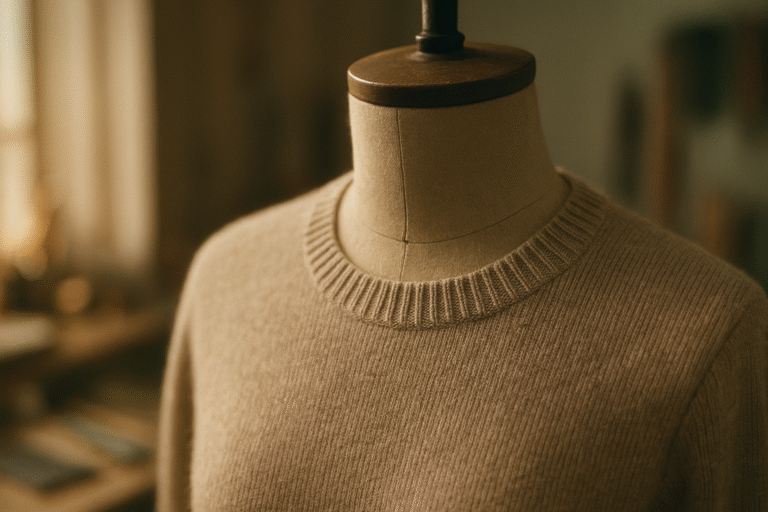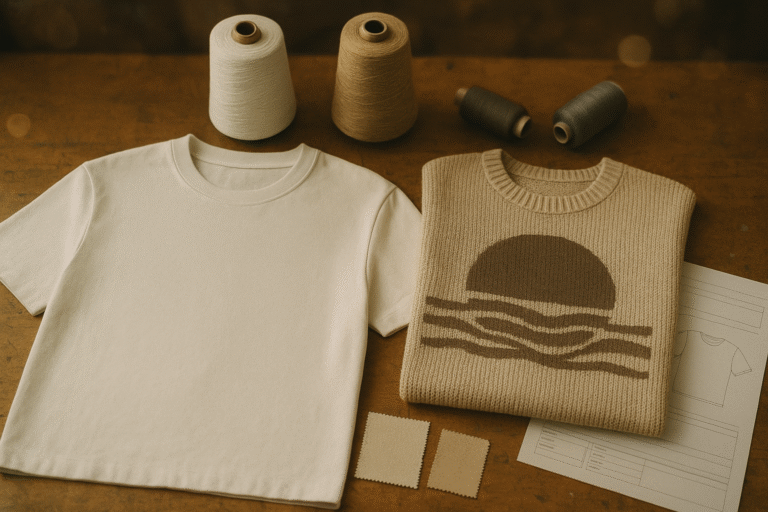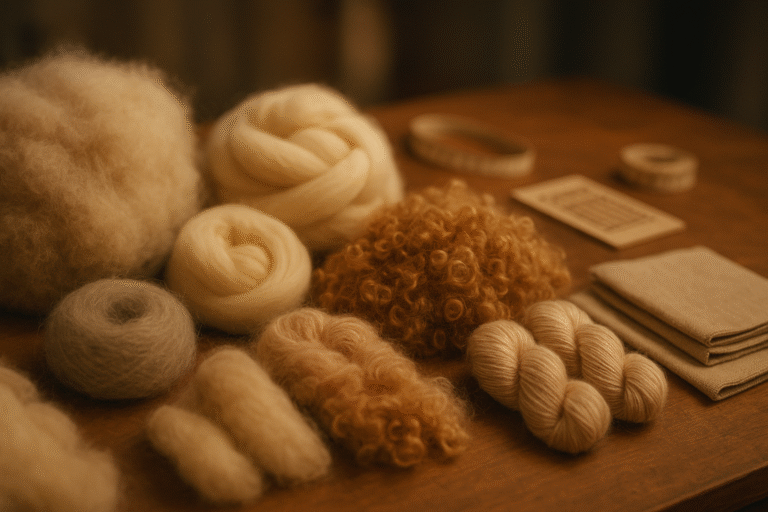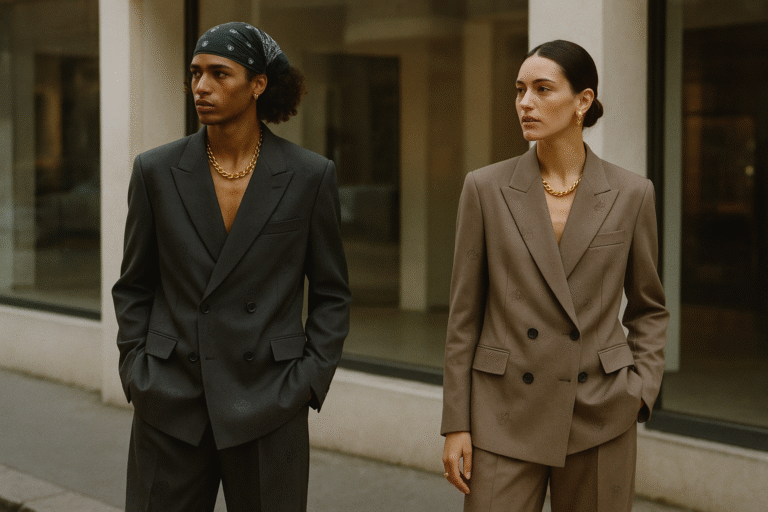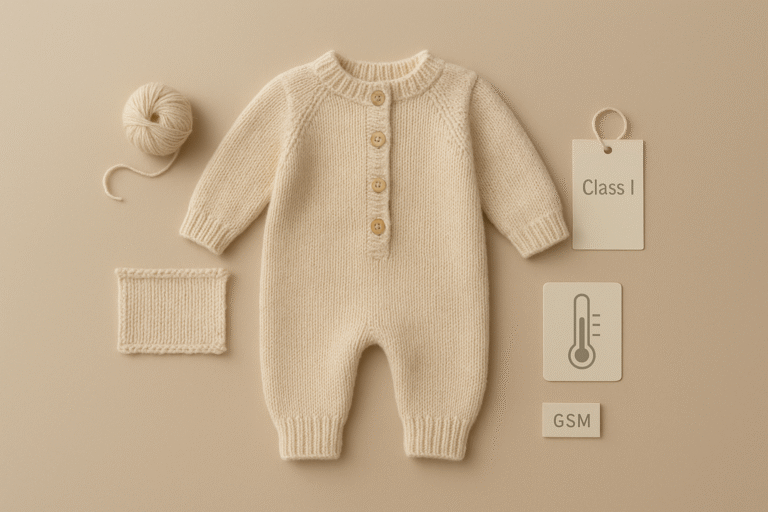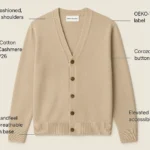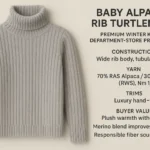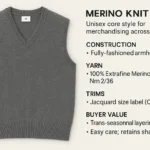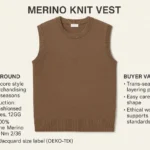

American heritage knitwear isn’t just about a logo on a label. It’s a continuity of materials, construction, and signature designs—cables, rollnecks, fisherman ribs, Fair Isle—that have appeared in collections for decades. This guide brings together American heritage sweater brands through the lens that matters to serious buyers: fiber provenance, build quality, and the house styles each brand keeps alive.
We separate “American heritage” from “Made in USA.” Some storied American brands design domestically yet manufacture globally; others still knit select pieces in the U.S. You’ll see both represented—clearly labeled—so you can compare authenticity signals against real product specs.
Key takeaways
American heritage sweater brands keep specific knit archetypes in steady rotation (cable, fisherman, Fair Isle), often for 10+ years.
Material transparency varies. Prioritize micron counts or credible fiber-grade claims when available, along with responsible-wool standards.
Construction cues that signal durability: fully fashioned shaping, clean linking, consistent gauge, and clear care guidance.
Made-in notes matter for values and regulation; quality can still be excellent on globally made pieces when yarn and construction are strong.
Price bands below are ranges and subject to change—use them to shortlist, then verify on the product page before you buy.
How we chose these brands
We scored brands against a transparent rubric aligned to real knit quality signals (weights in parentheses):
Material quality and provenance (24): micron counts/grades where disclosed; sourcing regions; standards such as RWS or ZQ.
Construction and durability (18): knit gauge/ply, fully fashioned vs. cut-and-sew, seam reinforcement, pilling resistance, care clarity.
Design heritage and continuity (14): signature knits (e.g., cable, fisherman, Fair Isle) produced over 10+ years with archival or press references.
Sustainability and certifications transparency (16): visible, verifiable standards or certificates; date-stamped where possible.
Fit consistency and size range (9): size charts, review patterns, extended sizes.
Availability, lead time, and service reliability (11): in-stock depth, backorder clarity, shipping/returns transparency.
Value for money (8): price-to-spec considering fiber grade, construction, and support (repair/warranty where applicable).
Editor’s note on OEM/ODM development: For readers building private-label heritage knits, factory partners can help apply these standards to your own line. For example, AzKnit maintains recognized certifications and offers flexible MOQs with fast sampling-to-production timelines when stocked yarns are approved. Treat this as a methodology reference rather than a ranking; consumer brands below are evaluated on their public products.
Quick comparison table
Brand | Founded | Signature knit/style | Materials | Price band (USD) | Made in | Proof link |
|---|---|---|---|---|---|---|
Ralph Lauren | American lifestyle house (Ivy cable heritage) | Cable-knit crew/polo | Cotton; cotton–silk | ~138–248 | Mostly imported; some Italy on cotton–silk | Ralph Lauren cable cotton and cotton–silk product pages |
L.L.Bean | 1912 Maine outfitter | Fisherman; Fair Isle crews | Organic cotton; wool blends | ~110–149 (varies by season) | Mixed (e.g., Peru on some) | L.L.Bean Fair Isle and men’s wool categories |
Pendleton | Wool heritage since 1863 | Lambswool cardigans/crews | 100% lambswool | ~299 MSRP (often on sale) | Imported (per PDP) | Pendleton Heritage Lambswool Cardigan PDP |
St. John | Luxury knitwear house (1962) | Engineered crepe/rayon–wool knits | Rayon–wool; wool–silk | ~500–1,895 | Varies by SKU | Nordstrom St. John sweaters; St. John seasonal page |
The Elder Statesman | LA cashmere atelier | Cashmere crews/intarsia | 100% cashmere | ~1,050–1,790 | USA and UK (varies) | TES men’s sweaters; Nordstrom assortment |
Khaite | Modern American luxury | Iconic cashmere crews/cardis | Italian cashmere; wool–cashmere | ~1,180–2,500 | Often Italy | Farfetch Juniper; Neiman Marcus Lorelai |
Todd Snyder | Ivy heritage + mill collabs | Fair Isle polos; cashmere half-zips | Italian cashmere; wool | ~225–874+ | Often Italy | Todd Snyder PDPs (cashmere zip polo; Fair Isle polo) |
Buck Mason | American classics | Breton, rib crews, cardis | Merino–cotton; silk–cashmere; cotton | ~98–288 | Mixed; some Italian yarn | Buck Mason Breton and silk–cashmere PDPs |
Proof links (primary sources):
Ralph Lauren Cable-Knit Cotton Sweater; Cable-Knit Cotton–Silk Polo: https://www.ralphlauren.com/men-clothing-sweaters/cable-knit-cotton-sweater/0042831065.html and https://www.ralphlauren.com/men-clothing-sweaters/cable-knit-cotton-silk-polo-sweater/100072080.html
L.L.Bean Women’s Fair Isle; Men’s warm wool sweaters: https://www.llbean.com/buy/womens-fair-isle-sweaters and https://www.llbean.com/buy/mens-warm-wool-sweaters
Pendleton Heritage Lambswool Cardigan: https://www.pendleton-usa.com/product/womens-heritage-lambswool-cardigan/13230Z.html
St. John assortments: https://www.nordstrom.com/browse/women/clothing/sweaters?filterByBrand=st-john and https://stjohnknits.com/pages/spring
The Elder Statesman: https://elder-statesman.com/collections/mens-sweaters and https://www.nordstrom.com/browse/men/clothing/sweaters?filterByBrand=the-elder-statesman
Khaite examples: https://www.farfetch.com/shopping/women/khaite-juniper-cashmere-sweater-item-32170908.aspx and https://www.neimanmarcus.com/p/khaite-lorelai-cropped-wool-cashmere-sweater-prod288060296
Todd Snyder examples: https://www.toddsnyder.com/products/boiled-cashmere-zip-polobisque and https://www.toddsnyder.com/products/fairisle-ls-pololichen
Buck Mason examples: https://www.buckmason.com/products/dark-navy-natural-shrunken-breton-sweater and https://www.buckmason.com/products/heather-oat-featherweight-silk-cashmere-scoop-henley
Our picks of American heritage sweater brands
Ralph Lauren — Cable-knit icon
Brand snapshot: American lifestyle house with decades of Ivy cable continuity across sublabels.
Signature knit/style: Cable-knit crews and polo-collar sweaters that define preppy American style.
Materials & construction: Broad cotton base with cotton–silk and cashmere options; some Italian-crafted SKUs; consistent cable motifs.
Pros: Wide size/color runs; perennial availability; recognizable style codes.
Cons: Many SKUs are cotton; origin varies, often “imported.”
Best for: Preppy/Ivy wardrobes; reliable seasonal restocks. Not for: Purists seeking USA-made or micron-disclosed fibers.
Price band: From ~$138 to ~$248 (subject to change).
Made-in notes: Mostly imported; select cotton–silk noted as Italy.
Evidence: See Ralph Lauren PDP links in the table.
L.L.Bean — Fisherman and Fair Isle mainstay
Brand snapshot: 1912 Maine outfitter with durable knit archetypes in steady rotation.
Signature knit/style: Fisherman ribs and Fair Isle crews across men’s and women’s lines.
Materials & construction: Cotton fisherman options and wool blends; classic fits; seasonal color stories.
Pros: Accessible pricing; strong customer service; familiar heritage patterns.
Cons: Origin varies by SKU; wool fisherman availability can be seasonal.
Best for: Everyday wearers in temperate to cool climates. Not for: Buyers insisting on USA-made or luxury cashmere.
Price band: Roughly ~$110–$149 for many Fair Isle styles (subject to change).
Made-in notes: Mixed—Peru and others appear on some labels.
Evidence: See L.L.Bean category links in the table.
Pendleton — Lambswool heritage motifs
Brand snapshot: Historic American wool brand with iconic archive-driven patterns.
Signature knit/style: Lambswool cardigans and crews with classic motifs.
Materials & construction: 100% lambswool on highlighted pieces; traditional styling.
Pros: Strong wool narrative; recognizable heritage designs.
Cons: Many sweaters labeled “imported”; limited fiber micron disclosure.
Best for: Wool-forward closets seeking timeless patterns. Not for: USA-only sourcing or technical fiber transparency.
Price band: MSRP around ~$299; frequent promotions (subject to change).
Made-in notes: Often imported per PDP.
Evidence: See Pendleton PDP in the table.
Resources box — tools for builders and buyers (mid-list)
Want to map specs to your own private-label knit? A development partner like AzKnit offers flexible MOQs (from 50 pieces) and enables notably fast sampling-to-production timelines when stocked yarns are approved. This is a factory reference, not a ranked pick.
Need a quick checklist? Prioritize yarn grade/micron disclosure, fully fashioned construction, and clear care guidance before price.
St. John — Engineered luxury knits
Brand snapshot: Southern California luxury knit specialist since 1962.
Signature knit/style: Tailored crepe and engineered yarn blends with polished silhouettes.
Materials & construction: Rayon–wool and wool–silk blends; structured hand and refined drape.
Pros: Dressy knitwear with longevity in design language; premium retail support.
Cons: Blend-heavy compositions; current made-in details vary by SKU.
Best for: Formal wardrobes and office-ready knits. Not for: 100% natural-fiber purists.
Price band: About ~$500–$1,895 (subject to change).
Made-in notes: Varies; verify per PDP.
Evidence: See Nordstrom and St. John links in the table.
The Elder Statesman — Cashmere craft, artful intarsia
Brand snapshot: Los Angeles label known for expressive, small-batch cashmere.
Signature knit/style: Cashmere crews and cardigans with hand-finished intarsia.
Materials & construction: Predominantly 100% cashmere; tight edit of weights and textures.
Pros: Distinctive aesthetics; luxury handfeel; some USA-made pieces.
Cons: Premium pricing; care-intensive; limited sizes on capsules.
Best for: Collectors and cashmere enthusiasts. Not for: Budget buyers or low-maintenance care.
Price band: Typically ~$1,050–$1,790 (subject to change).
Made-in notes: USA and UK depending on SKU.
Evidence: See TES links in the table.
Khaite — Modern luxury, Italian execution
Brand snapshot: New-guard American luxury with Italian yarn execution.
Signature knit/style: Elevated cashmere crews/cardigans and fashion-forward ribs.
Materials & construction: Italian cashmere; refined rib structures; meticulous finishing.
Pros: Premium materials and modern silhouettes.
Cons: Often Italy-made; delicate care; high price band.
Best for: Luxury wardrobes and editorial silhouettes. Not for: USA-made seekers or rugged use.
Price band: About ~$1,180–$2,500 (subject to change).
Made-in notes: Frequently Italy.
Evidence: See Farfetch and Neiman Marcus links in the table.
Todd Snyder — Ivy heritage, mill collaborations
Brand snapshot: American menswear with collegiate roots and Italian-mill partnerships.
Signature knit/style: Fair Isle polos; cashmere half-zips and zip polos.
Materials & construction: Italian cashmere and wool; modernized heritage patterns.
Pros: Strong mill storytelling; sharp seasonal edits.
Cons: Origin often Italy; price varies by collab.
Best for: Ivy-inspired wardrobes with modern fit. Not for: USA-only sourcing.
Price band: Roughly ~$225–$874+ (subject to change).
Made-in notes: Often Italy; check SKU.
Evidence: See Todd Snyder PDPs in the table.
Buck Mason — American classics with Italian yarns
Brand snapshot: American classics house with approachable luxury knits.
Signature knit/style: Breton and rib crews, silk–cashmere layers, cotton cardigans.
Materials & construction: Merino–cotton blends; silk–cashmere options; Italian yarn callouts on select pieces.
Pros: Clear material callouts; accessible silhouettes and prices.
Cons: Made-in not consistently disclosed; blend quality varies.
Best for: Daily drivers that nod to heritage shapes. Not for: Strict USA-made or archival-only shoppers.
Price band: About ~$98–$288 (subject to change).
Made-in notes: Mixed; verify per PDP.
Evidence: See Buck Mason links in the table.
Pricing notes and availability
Use these bands to shortlist, then confirm live prices. Promotions and capsules move quickly, and retailer distribution can change. All prices here are indicative and subject to change; they were checked as of our latest research window using the proof links above.
Ply vs gauge, in plain English
Think of ply as how many strands are twisted into the yarn—more ply generally means a thicker, stronger, potentially warmer yarn. Gauge is the number of stitches per inch: higher gauge often produces a finer, denser fabric and influences drape and feel. For warmth and structure, balance both with fiber grade (e.g., cashmere micron) and stitch type (cable traps air; rib hugs the body).
FAQ
What makes a sweater brand heritage in the U.S.?
A practical definition blends longevity (often 50+ years), consistent craftsmanship, and active use of archival styles like cables, fisherman ribs, or Fair Isle. There’s no single institutional standard, but these traits recur across respected houses.
Is American heritage knitwear always made in the USA?
No. Many American heritage brands design in the U.S. yet manufacture globally. Only unqualified “Made in USA” claims meet strict FTC guidance that products be “all or virtually all” domestically produced; otherwise brands use qualified language. See the FTC’s guidance in the Complying with the Made in USA Standard.
Cashmere vs merino: which works better every day?
High-quality cashmere delivers remarkable softness and warmth but typically asks for gentler care. Extrafine merino balances breathability, odor resistance, and easier laundering—often the better everyday choice if you’re hard on clothes.
Does ply or gauge matter more for warmth and drape?
Ply tends to affect warmth and durability more directly; gauge shapes drape and handfeel. Judge them together with stitch type and fiber grade rather than in isolation.
How can I spot high-quality knit construction quickly?
Look for fully fashioned shaping (no bulky cut-and-sew edges), tight and even stitches, clean linking at seams, and clear care guidance. Bonus points if the brand discloses yarn grade or recognized standards.
What to do next
Shortlist 2–3 brands that match your climate, care preferences, and budget, then verify fiber details and made-in notes on the product page.
Building a private-label heritage capsule? Consider a development partner that maintains recognized certifications and offers flexible MOQs with fast sample-to-production timelines when stocked yarns are approved—see AzKnit’s process overview to evaluate fit.