
The Zara x Willy Chavarria drop is loud in the way good design is loud: volume, sharp shoulders, romantic details, and a cultural point of view. If you’re shopping it, the question isn’t “is it cool?”—it’s which pieces will keep earning their closet space once the hype fades.
If you’re an emerging knitwear founder, there’s a second question: what, exactly, should you capture in your tech pack when a silhouette like this becomes your reference?
Below is a buyer’s guide built for both.
Key takeaways
Buy the pieces that carry the design language: tailoring, statement outerwear, and one “gesture” accessory.
Style works best with a simple rule: one oversized item + one controlled item.
Don’t guess sizing—use Zara’s measurement guide and “Find your size” tool on the product page, because fit varies by cut and fabric.
For founders: translate the look into measurable specs (ease, shoulder shape, length, hem openings) and test plan (shrinkage, pilling, colorfastness) instead of chasing the mood.
A quick “is this for you?” filter
This drop makes sense if you want at least one of these outcomes:
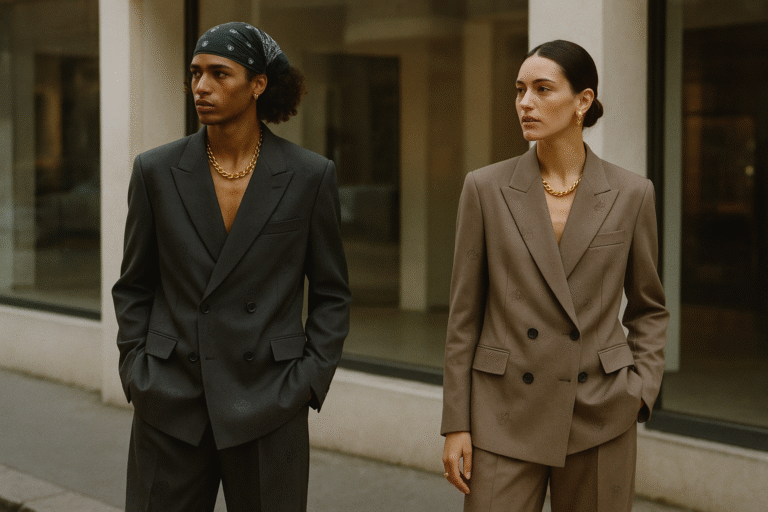
A modern power silhouette you can wear in a dozen ways (oversized blazer, sharp-shoulder jacket).
High-contrast styling (tailoring over casual basics; romantic details with workwear).
A statement piece that still pairs with a quiet wardrobe (one hero jacket, one bold accessory).
It’s a skip if you mainly want safe basics. The point here is proportion.
What to buy from Zara x Willy Chavarria (and what to check before you commit)
Fashion press coverage consistently highlights the collection’s tailoring, outerwear, and accessories as the pieces that best carry Chavarria’s signature—dramatic silhouettes and romantic, cinematic details (see Wallpaper*’s coverage of the collaboration and ELLE’s shopping guide to the drop (2026)).
Use this as your checklist, not a hard list of SKUs.
1) Oversized tailoring (blazer or suit set)
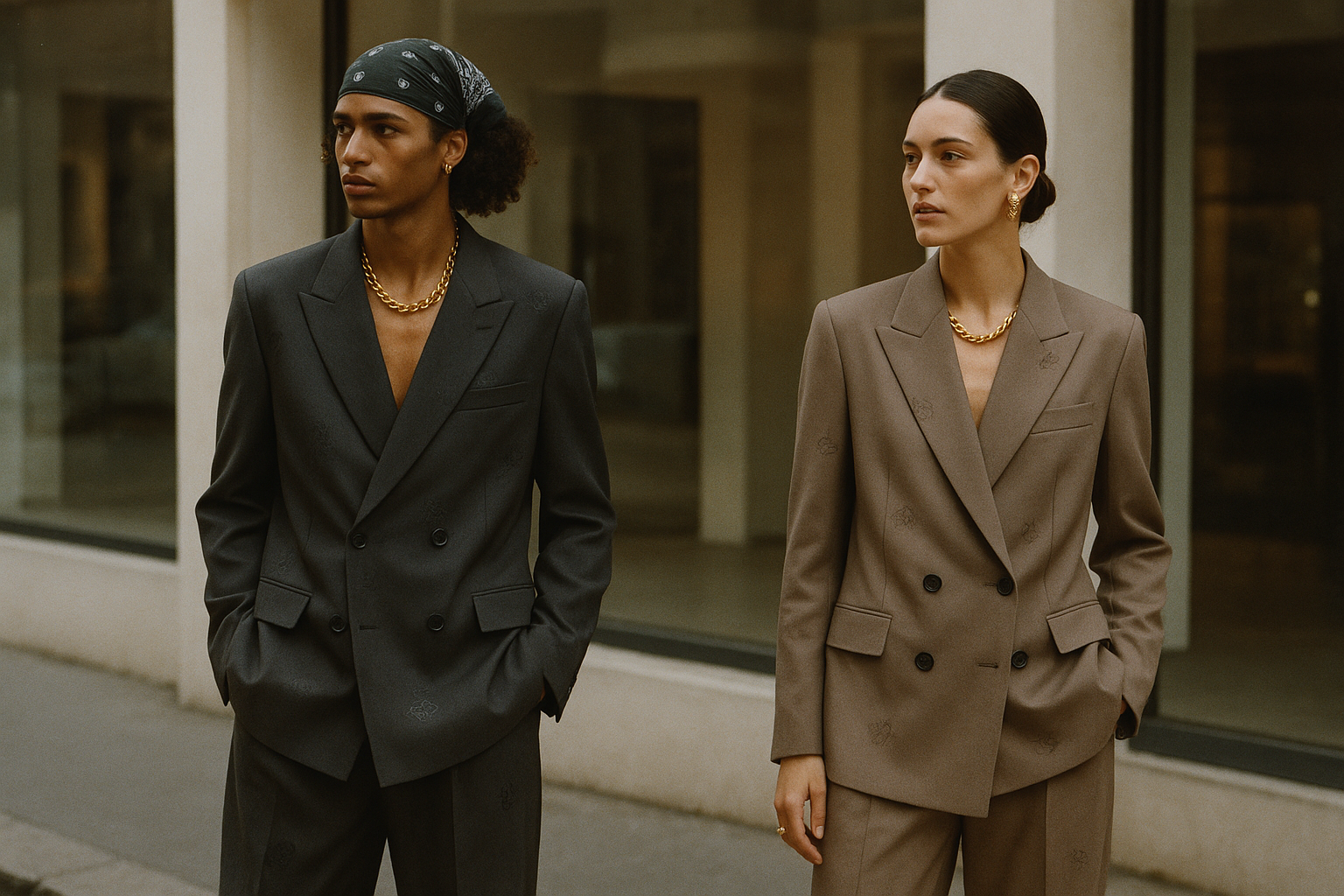
Why it’s worth it: Tailoring is the “spine” of the collab—shoulder shape, lapel width, and overall volume do the storytelling.
Before you buy, check:
Shoulder line: does it sit intentionally wide without collapsing?
Button stance + lapel: wider lapels can read expensive; narrow lapels can look generic.
Length: a longer blazer changes the whole proportion game.
If you only buy one thing: buy the blazer. It can dress down faster than trousers. If you’re considering a full set, a double-breasted suit reads strongest when you keep the base layer simple.
2) Statement outerwear (leather or structured jacket)
Why it’s worth it: Outerwear gives the highest style “lift” per wear.
Before you buy, check:
Collar and front edge: clean edges matter—wavy edges look cheap.
Hardware quality: zippers/snaps should feel solid.
Sleeve volume: if the body is oversized but sleeves are tight, it’s uncomfortable and reads off.
3) Fluid shirts and blouses (the drape piece)
Why it’s worth it: A drapey shirt is the easiest way to borrow the vibe without going full runway.
Before you buy, check:
Drape: does it fall cleanly, or does it cling?
Opacity: especially on light colors.
Cuff + placket finishing: small construction details show up fast in motion.
4) Wide-leg shorts or relaxed trousers (the proportion amplifier)
Why it’s worth it: These pieces create the silhouette—even with a plain tee.
Before you buy, check:
Rise and crotch depth: too low can look sloppy; too tight ruins the intended volume.
Hem opening: the hem should hang, not flare randomly.
5) Denim with shape (shirt-dress, set, or strong wash)
Why it’s worth it: Denim anchors drama. It keeps the look wearable.
Before you buy, check:
Wash consistency: blotchy is fine if intentional; weird lines look accidental.
Seams: puckering can be a fit problem.
6) One “gesture” accessory (bandana, bold jewelry, or a bag)
Why it’s worth it: One accessory can carry the story without making your closet feel like a costume.
Before you buy, check:
Metal finish: avoid pieces that look like painted plastic.
Bag structure: the strap should feel comfortable and stable.
How to style it: 5 formulas that don’t feel like a costume
The safest way to style a dramatic silhouette is to balance signal and silence.
Pro Tip: Pick one hero element (oversized blazer or wide-leg bottom or bold accessory). Keep the rest quiet.
Formula 1: Oversized blazer + fitted base + clean shoe
Top: tank or tee (solid)
Layer: blazer
Bottom: straight or slightly tapered trouser/denim
Shoe: loafer or minimalist sneaker
Why it works: one oversized item, everything else controlled.
Formula 2: Drapey shirt + wide-leg bottom + tight belt line
Shirt: fluid, untucked or half-tuck
Bottom: wide-leg short/trouser
Add: belt or defined waistband
Why it works: the waist definition keeps volume intentional.
Formula 3: Tailoring over casual (hoodie/tee) with one sharp detail
Hoodie or tee under blazer
Add one sharp element: chain, structured bag, or pointed shoe
Why it works: contrast is the whole point.
Formula 4: Romantic top + simple denim
Bow blouse / floral detail up top
Straight denim or plain skirt
Minimal jewelry
Why it works: you keep the drama in one zone.
Formula 5: Monochrome set + “wrong” accessory
Matching tailoring set (or close color match)
Add an unexpected piece: bandana, chunky jewelry
Why it works: monochrome looks expensive; the accessory makes it personal.
Fit and sizing: how to buy without returns
This collab plays with volume, so guessing your size is the fastest way to end up disappointed.
Zara’s own guidance is straightforward: sizing can vary by style, cut, and fabric, so they recommend using the measurement guide and the “Find your size” tool on each product page.
A practical approach:
Decide your intended fit (true oversized vs. just relaxed).
Measure one garment you already love (chest width, shoulder, sleeve length, inseam).
Use Zara’s tools to match the closest body/garment measurements.
For tailoring, pay attention to shoulder + sleeve first. Waist can be taken in; shoulders can’t.
⚠️ Warning: If the shoulder is wrong, the entire silhouette looks accidental. Prioritize shoulder fit over everything else.
For knitwear founders: how to translate the look into manufacturable specs
Trends are easy to screenshot and hard to produce. The way to “borrow” a silhouette responsibly is to translate it into numbers and process.
A. Spec what makes the silhouette “Chavarria” (without copying)
In your tech pack, define the shape with measurable checkpoints:
Ease targets (garment vs. body): chest, bicep, thigh
Shoulder geometry: shoulder width, sleeve cap height, padding yes/no
Length decisions: blazer length, tee length, inseam, rise
Hem openings: sleeve opening, leg opening, cuff depth
Balance points: pocket placement, button stance, lapel width (for wovens)
B. Choose materials that behave the way the design needs
Silhouette is mostly fabric behavior:
Want structure? choose denser yarns / tighter gauges / more stable blends.
Want drape? specify fiber + finishing that supports fluid movement.
If your line is knit-forward, decide early whether the hero piece is:
a knit blazer (needs stability and recovery), or
a woven blazer paired with knit bottoms/tops.
C. Protect quality with a simple test plan
If you’re producing knitwear inspired by oversized tailoring, your returns will usually come from three problems: dimension change, pilling, and color issues.
Build a minimal QC spec that includes:
dimensional change (shrinkage) targets
pilling performance targets
colorfastness targets
measurement tolerance table (critical points: shoulder, sleeve, chest)
If you want a reference for how an OEM frames sampling timelines, MOQ tiers, and QC/testing standards, this guide is a useful starting point: AzKnit’s OEM knitwear sampling timeline and MOQ tiers.
FAQ
Is the Zara x Willy Chavarria drop mostly menswear?
The coverage describes it as a broad capsule (apparel and accessories) with dramatic tailoring and oversized proportions that can be styled across genders (see the collection framing in Wallpaper*’s coverage).
What’s the safest first purchase?
A structured blazer or jacket. It carries the silhouette and styles with basics.
How do I avoid getting the size wrong?
Use Zara’s measurement guide and “Find your size” tool on the specific product page—Zara explicitly notes sizing varies by style/cut/fabric.
How do I borrow the vibe for my own knit line without copying?
Borrow principles (proportion, ease, shoulder geometry, drape vs. structure) and translate them into measurable specs. Avoid copying unique prints/graphics or signature motifs.
Next steps
If you’re building product from this kind of reference, your fastest win is a one-page checklist you can hand to your factory: silhouette checkpoints + measurement tolerances + a minimal test plan. Start with the sampling/MOQ/QC framework and tailor it to your brand’s price point and calendar.