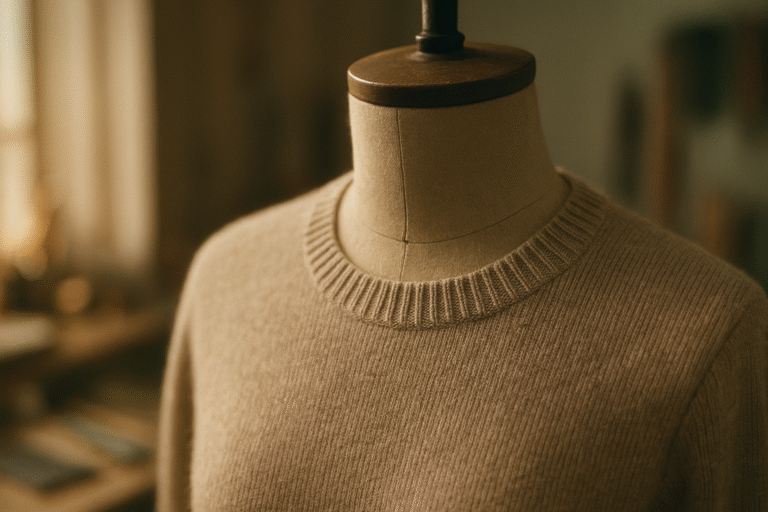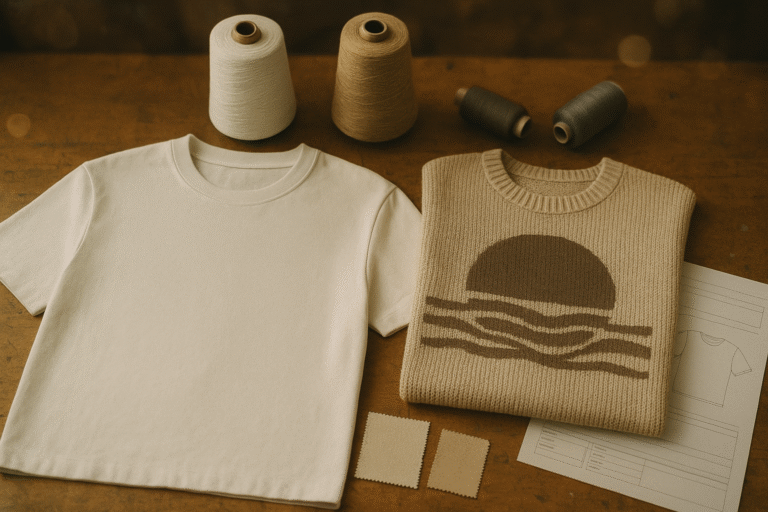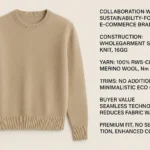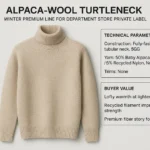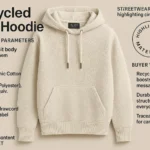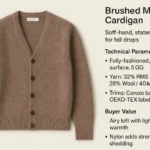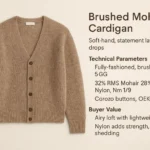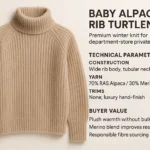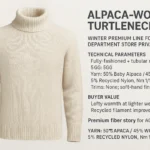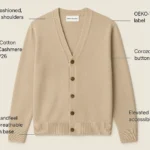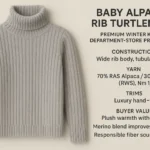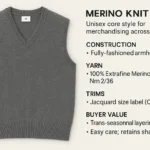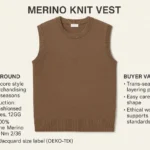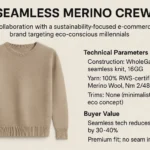

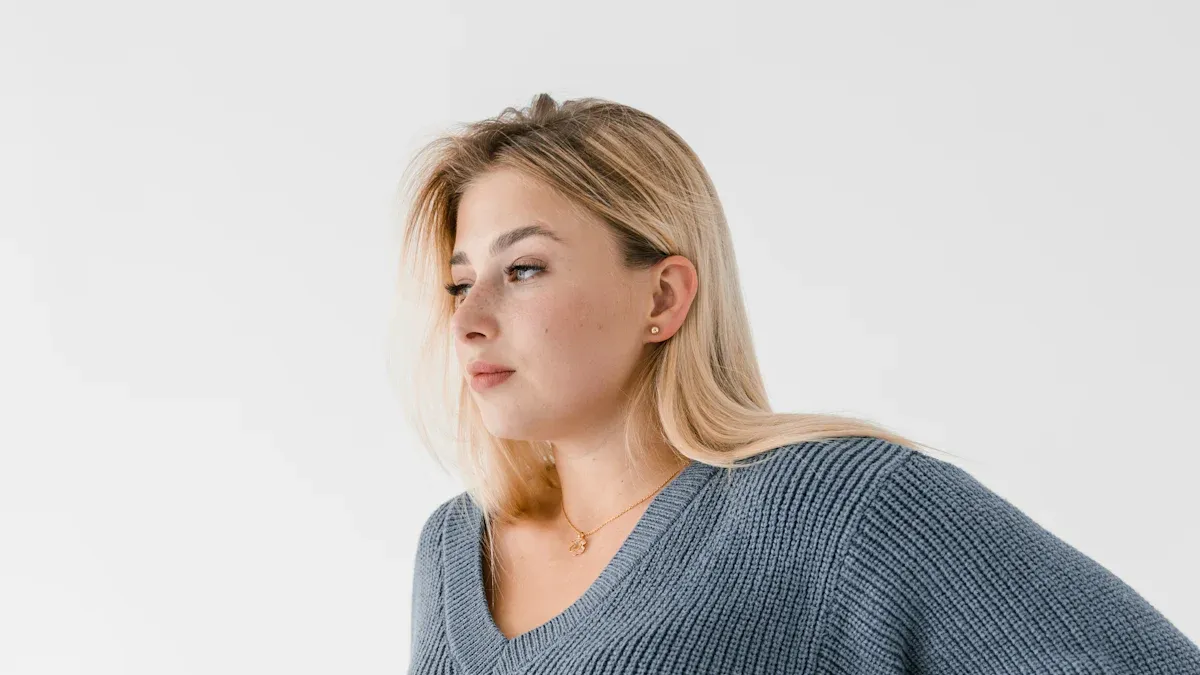
You will see that sweaters take less time to make than dresses. This is because sweaters are easier to put together and finish. The table below shows a sweater can take 2–4 weeks from start to finish, including making and shipping.
Stage | Estimated Time |
|---|---|
Production | 7–14 days |
Shipping – Economy | 7–14 days |
Shipping – Express | 3–5 days |
Total Timeline | 2–4 weeks |
In clothing manufacturing, every small step can change your plan. Making a tech pack or joining panels takes time. The knit dress production timeline can get longer because of these extra steps. If you plan for these things, you can better handle clothing manufacturing, inventory, and launch dates.
Key Takeaways
Sweaters need 2 to 4 weeks to make. Dresses take 3 to 6 weeks because they are harder to make and need more steps.
Knowing lead time helps you plan orders better. It also helps you avoid delays and keep production running smoothly.
Talk clearly with suppliers about how many items you want. Share any special details to stop slowdowns in making products.
Good planning and guessing what people will buy helps you handle stock. It also helps you meet what the market wants.
Check each part of making products often. This helps you fix problems fast if they happen.
Lead Time Basics
Definition
It is important to know what lead time means in clothing manufacturing. Lead time is the total time it takes to make something. In knitwear, this covers order prep, waiting, setup, making, moving, checking, and stocking. Every step in the process can change your plan. If you know how long each step takes, you can make a clear plan for your orders. This helps you stop delays and keeps your work on schedule.
Tip: Always ask your supplier to show you each step in the production plan. This helps you see where time is used and where you can do better.
Importance
Lead time is very important in clothing manufacturing. You need to think about it when you plan your work. Here are some reasons why lead time is important:
You find problems early and make backup plans to lower risks.
You build trust with suppliers by sharing and working together.
You can talk about prices and deals with more confidence, which helps you save money.
You check if suppliers follow social and environmental rules.
You work with designers and suppliers to make good products.
You watch every step, from materials to delivery, so your supply chain is clear.
If you focus on planning, you get better results in clothing manufacturing. You also make sure your timeline fits your goals. Good planning makes production smoother and your products better.
Knit Sweater Lead Times

Typical Range
Knit sweaters are made faster than many other clothes. Most factories finish making sweaters in 2 to 4 weeks. This time includes making the sweater and shipping it. Here is a table that shows the usual lead time for knit sweaters:
Stage | Estimated Time |
|---|---|
Production | 7–14 days |
Shipping – Economy | 7–14 days |
Shipping – Express | 3–5 days |
Total Timeline | 2–4 weeks |
Sweaters move through the garment production process quickly. They are faster to make because they have fewer panels and simple shapes. When you know this timeline, you can plan your orders better. This helps you set good delivery dates and keep track of your inventory.
Key Factors
Some things can change how long it takes to make knit sweaters in clothing manufacturing. The garment construction phase is usually simple, but some things can slow it down. You should remember these main points:
Custom knitwear production takes more time than regular styles. If you want special yarns, colors, or patterns, the garment production process will take longer.
Big orders or special requests can make the garment construction phase take more days. Factories need extra time for large batches.
Custom sweaters usually take 2 to 4 weeks, depending on how you ship them.
Planning matters. If you tell the factory what you need early, they can get ready for each step in the garment production process.
Note: Always talk to your supplier about your order size and any custom details. This helps you stop delays and keeps your clothing manufacturing on schedule.
If you know these things and plan ahead, you can get better results. This makes the garment production process easier and helps you reach your business goals.
Knit Dress Production Timeline
Typical Range
Knit dresses usually take more time to make than sweaters. Factories often need 3 to 6 weeks to finish a knit dress order. This time includes making samples and shipping the final dress. Dresses have more pieces and details. Sewing and finishing take extra days. If you want custom styles or special trims, it may slow things down. When you plan your clothing manufacturing, expect knit dresses to take longer than sweaters.
Tip: To launch your knit dresses on time, start planning early. Give your supplier clear design details and order size.
Key Factors
Many things can change how long it takes to make knit dresses. You need to think about each step in the garment production process. Here are some main points to remember:
Dresses use more fabric and need extra sewing and finishing.
Custom designs, like special necklines or extra panels, add days.
Big orders take longer because factories need more time for checks.
Getting materials is important in clothing manufacturing. Rare or imported yarns can cause delays.
You should also think about how fabric choice and sourcing affect your timeline. The table below shows how these things change the garment production process:
Aspect | Impact on Production Timeline |
|---|---|
Quality Assurance | Affects comfort, durability, and overall quality of garments. |
Cost Efficiency | Reduces waste and optimizes production budgets. |
Reliable Production | Minimizes delays and ensures timely delivery of materials. |
You can make your knit dress production faster by working with your supplier and checking each step. Careful planning helps you avoid delays and keeps your clothing manufacturing on track.
Sweaters vs. Dresses Comparison
Lead Time Table
It is important to compare sweaters and dresses in the garment production process. The table below shows how long each item usually takes. This helps you know how much time you need for clothing manufacturing and planning.
Item | Production Time | Shipping (Economy) | Shipping (Express) | Total Timeline |
|---|---|---|---|---|
Sweater | 7–14 days | 7–14 days | 3–5 days | 2–4 weeks |
Dress | 14–28 days | 7–14 days | 3–5 days | 3–6 weeks |
Sweaters are made faster than dresses. Dresses take longer because they have more parts and details. Use this table when you plan your orders and set delivery dates.
Main Differences
There are some big differences between sweaters and dresses in clothing manufacturing. These differences change your timeline and how you plan.
Sweaters have simple shapes and fewer panels. You can finish them faster in the garment production process.
Dresses need more sewing and finishing. You must spend extra time on each step.
Custom designs and special trims add days to dress production. Sweaters usually need less customization.
Whole garment flat knitting machines help you make sweaters and dresses faster. These machines use only the yarn needed, so you save on raw materials. You can also create samples quickly and move from design to market in less time. Some brands deliver products within two weeks of receiving orders.
Traditional methods in clothing manufacturing can take over six months from design to market. New technology lets you shorten the timeline and respond to trends faster.
Note: When many people want knitwear, your lead times can change. You need a flexible supply chain to keep products ready and avoid delays.
Sweaters are easier to plan for because their garment production process is more predictable. Dresses need more careful planning because of their complexity.
You must check your supply chain often. If you use rare yarns or special trims, your timeline can get longer.
If you know these differences, you can manage your clothing manufacturing better. Talk to your supplier about your order size, design details, and delivery needs. Good planning helps you avoid problems and launch your products on time.
Other Knitwear Type Lead Time
Knit Hoodie Lead Time
Knit hoodies usually take about the same time as sweaters. Most factories finish knit hoodies in 3 to 5 weeks. This time covers making, checking, and shipping the hoodie. In clothing manufacturing, hoodies use thicker yarns and have things like pockets or drawstrings. These extra parts can make the process take longer.
If you want custom colors or special trims, factories need more time. You should tell your supplier your ideas early. This helps them get ready for each step. If you order a lot of hoodies, the lead time will go up. Many brands see that knit hoodies take longer than simple sweaters but less time than fancy dresses.
Tip: Ask your supplier for a clear plan. This helps you follow each step and avoid problems.
Here is a table to show the usual lead time for knit hoodies:
Stage | Estimated Time |
|---|---|
Production | 10–20 days |
Shipping – Economy | 7–14 days |
Shipping – Express | 3–5 days |
Total Timeline | 3–5 weeks |
Knit Cardigan Lead time
Knit cardigans have their own timeline in clothing manufacturing. Most cardigans take 3 to 5 weeks from start to finish. Cardigans often have buttons, pockets, or special stitches. These things make the process longer than a plain sweater.
You should think about the design and materials before you order. If you pick rare yarns or detailed patterns, the lead time can go up. Factories need more time for checks and finishing touches. You can help by giving clear instructions and confirming your order early.
Simple cardigans move through production faster.
Custom trims or special closures add days to the timeline.
Large orders may need more time for careful checks.
Note: Good planning helps you stop delays and keeps your launch on time.
Both knit hoodies and cardigans need careful planning in clothing manufacturing. When you know these timelines, you can make better choices for your brand.
Pre-Production Phase
Steps Involved
You start every knitwear project with the pre-production phase. This stage sets the foundation for your whole process. You need to follow each step carefully to make sure your final product meets your standards. Here are the main steps you should expect in the pre-production phase:
Gather trends and inspirations. You look at what is popular and what your customers want.
Sketch and develop concepts. You draw your ideas and decide on the style.
Develop technical specifications. You create a tech pack with all the details for your design.
Create and refine prototypes. You make samples and improve them until they are right.
Select yarn. You choose the best yarn for your design.
Evaluate fiber content. You check if the yarn has the right mix of fibers.
Consider yarn weight and texture. You decide how thick or soft the yarn should be.
Choose colors and plan the dyeing process. You pick colors that fit your vision.
Test for performance and quality. You make sure your samples meet your standards.
You need to pay attention to each step in the pre-production phase. Missing a step can lead to problems later in production.
Impact on Timelines
The pre-production phase has a big effect on your production timeline. You must understand how this stage shapes the rest of your process.
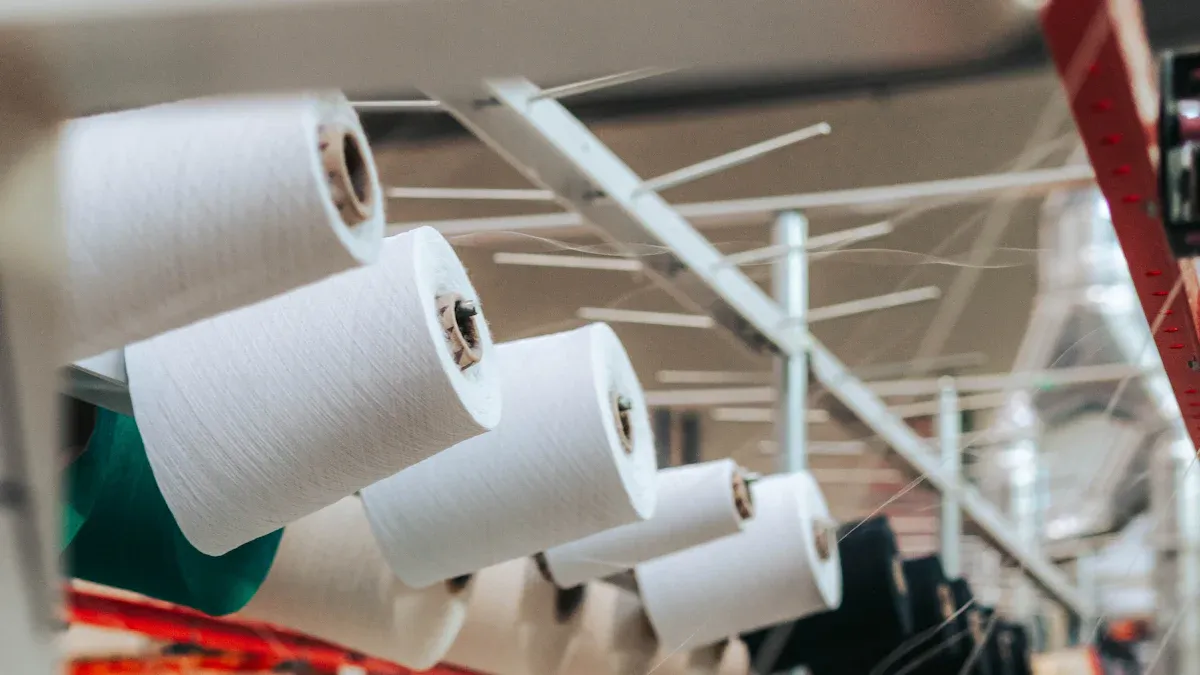
The pre-production phase includes yarn selection, machine setup, and design preparation. These steps are key for the quality of your knitwear.
Careful pre-production helps you avoid mistakes and delays. Good planning here means your production runs smoothly.
If you spend more time on pre-production, you can add more craftsmanship and quality checks. This leads to better products and happier customers.
Tip: Never rush the pre-production phase. Taking your time now saves you trouble later.
You should always focus on pre-production and planning. This approach helps you deliver high-quality knitwear on time.
Planning Tips
For Brands and Buyers
You can get better results in clothing manufacturing with smart planning. First, look at your sales numbers and trends. This shows what your customers want and when they want it. If you guess demand well, you can make a clear production plan. When you work with your suppliers, you control the garment manufacturing process timeline better.
Here are some strategies you can try:
Strategy | Description |
|---|---|
Effective Resource Allocation | Give resources to keep production smooth and on time. |
Demand Forecasting | Guess what you will need so you can plan early. |
Production Scheduling Software | Use tools to make your production plan work better. |
Lean Manufacturing Principles | Cut waste and make your process faster. |
Demand-Driven Scheduling | Change your schedule when you see new demand. |
Advanced Scheduling Techniques | Use new ways to help your production flow. |
Real-Time Monitoring | Watch your process and fix problems fast. |
You should use real-time monitoring to check each step. This helps you change things quickly if something goes wrong. Brands that use these ideas can react faster to trends and keep up with seasons. If you want to launch products on time, try for a time to market of about forty days. This helps you stay ahead in clothing manufacturing.
Tip: Always talk with your suppliers. Good communication helps you stop last-minute problems and keeps your orders moving.
Questions for Manufacturers
When you work with a manufacturer, ask the right questions. This helps you manage the garment manufacturing process timeline and keeps production smooth.
What is the timeline for making samples?
How much time do you need for bulk production after sample approval?
What are the common reasons for delays in clothing manufacturing?
Can you handle rush orders if I need them? What are the extra costs?
How do you keep me updated during the process?
You should also ask about order size and how it changes your timeline. By asking these questions, you see the whole process clearly. This helps you plan and manage the garment manufacturing process timeline from start to finish.
You can see that sweaters and dresses have different lead times in clothing manufacturing. Sweaters are made faster because they are simple and need fewer steps. Dresses take more time since they need extra sewing and finishing. If you know these timelines, you can plan better and stop problems when you launch products.
You lower fashion risk by picking the right season and timing for your products.
You keep track of inventory and change orders when needed in clothing manufacturing.
You use demand forecasting to stop running out or having too much stock.
You get a clear supply chain, save money, and have a stronger spot in the market with good planning.
Smart planning in clothing manufacturing helps you meet demand, save money, and launch products on time. Use what you learn to make a better sourcing plan.
FAQ
What is the biggest factor that affects lead time in knitwear?
You will see that design complexity has the most impact. More panels, trims, or custom features add days to your clothing manufacturing process. Simple designs move faster through production.
How can you reduce delays in clothing manufacturing?
You should give clear instructions and confirm all details early. Good planning helps you avoid mistakes. You can also check in with your supplier often to catch problems before they grow.
Do larger orders always take longer to produce?
Larger orders usually need more time in clothing manufacturing. Factories must check more items for quality. You can speed up the process by sharing your order size early and using careful planning.
Can you change your design after production starts?
You can make changes, but this often causes delays. Factories may need to stop and restart some steps. Always finish your design before production begins to keep your timeline on track.