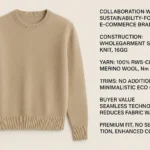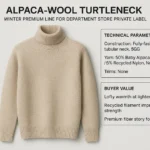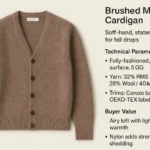

When you look for a knitwear partner, you need to ask clear cardigan manufacturer questions. You should find out about their experience. Ask about minimum order quantity. Learn about cost breakdown. Check their lead time. Ask where they get materials. Find out about quality control. See if they help with customization. Make sure they have good communication. Ask about ethical practices. Learn about after-sales support. These cardigan manufacturer questions help you see if a factory is right for you. Use these cardigan manufacturer questions as your guide. If you ask the right cardigan manufacturer questions, you can feel sure about your choice.
Tip: Keep this list of cardigan manufacturer questions with you when you talk to new factories.
Key Takeaways
Ask how long the manufacturer has worked in knitwear. This helps you know if they can make good products. It also shows if they can fix problems.
Ask about the Minimum Order Quantity (MOQ). This helps you match your budget and inventory with what the manufacturer can do.
Ask for a clear cost breakdown. This helps you see all fees. You will know where your money is spent.
Check how the manufacturer controls quality. This makes sure each cardigan is good before it ships.
Make sure the manufacturer uses ethical practices. Also, check if they help after sales. This builds trust and helps your partnership.
Top Cardigan Manufacturer Questions
Picking the best cardigan manufacturer can seem hard. You need to ask important questions before you agree to work together. Good questions help you see problems early. They also help you find a partner who matches your brand. If you skip these steps, you could have trouble later. Bad partnerships often happen because people do not talk well, want different things, or do not trust each other. You want to stop these problems before they start.
Pro tip: Write your questions down when you pick a knitwear manufacturer. This helps you stay on track in meetings.
Cardigan Production Experience
Experience is very important in making cardigans. You want a manufacturer who knows how to make good knitwear. Ask how many years they have made cardigans. Find out if they have made styles like yours before. A factory with lots of experience can fix problems better. They know what works and what does not work. You can also ask about their workers. Do they have skilled people? Do they use new machines? These things show if they can give you what you want.
Here are some reasons why partnerships do not work:
Bad communication
Different goals and values
One side works harder than the other
Different ways of handling risk
One partner’s business does not do well
Partners cannot count on each other
No drive or motivation to do well
If you ask about experience, you can avoid these problems.
Brand References
References help you learn about a manufacturer’s reputation. Ask for a list of brands they have worked with before. Look for brands that are like yours in style and size. You can talk to these brands and ask about their experience. Did the manufacturer finish orders on time? Was the quality good? Did they fix problems fast? You should also check how long the manufacturer has been working. A strong list of clients and good background checks show they are reliable.
When you look at references, focus on these things:
Product skills
Past experience and reliability
Price of goods and services
Years in business
List of clients
Background checks
Communication
If you ask the right questions, you can find a partner who fits your brand and avoid common mistakes.
MOQ Requirements
When you start working with a cardigan manufacturer, you need to ask about their Minimum Order Quantity (MOQ). MOQ means the smallest number of cardigans you must order at one time. This number matters for your planning and your budget. If you know the MOQ, you can decide how much money you need and how many cardigans you want to sell. You do not want to order too many and get stuck with extra stock. You also do not want to order too few and miss sales.
Note: Always ask about MOQ before you sign any contract. This helps you avoid surprises later.
Order Flexibility
Order flexibility means how much you can change your order size. Some factories let you order small batches. Others want you to order hundreds or even thousands at once. If you run a small business, you may need a low MOQ. This helps you test new styles or colors without spending too much. If you own a big brand, you may want a high MOQ to get better prices.
Here are some things to ask:
Can you order fewer cardigans for your first batch?
Does the factory offer sample runs?
Will they let you mix colors or sizes in one order?
Factories with flexible MOQs help you grow your business at your own pace. You can try new ideas and see what sells best.
Cost Impact
MOQ affects your costs in many ways. Large companies save money when they order in bulk. The cost per cardigan goes down because the factory can work faster and spread out fixed costs. Small businesses pay more for each cardigan if they order small batches. The factory still has to set up machines and pay workers, but those costs get divided by fewer items.
If you order too many cardigans, you might end up with extra stock. This means you pay for storage and risk not selling everything. If you order too few, you may run out and lose sales. You need to find the right balance.
Tip: Ask your manufacturer if they can adjust the MOQ as your business grows. This helps you manage costs and inventory better.
A clear MOQ helps you plan your budget, control your stock, and keep your customers happy. Always talk about MOQ before you start production.
Cost Breakdown
When you talk to a cardigan manufacturer, always ask for a detailed cost breakdown. This helps you see where your money goes and stops surprises later. If you know the real costs, you can plan better and avoid hidden charges.
Pricing Structure
Every factory has its own way of setting prices. Some use a simple price per piece. Others break it down by yarn type, machine gauge, or order size. You might see costs change if you want special colors or custom designs. Here are some things that often affect the price:
Yarn types (cotton, wool, cashmere, blends)
Factory gauge capacity (the thickness of the knit)
MOQ flexibility (smaller orders may cost more per piece)
Customization options (like embroidery or special trims)
Full-package pricing transparency
Some brands, like Everlane, show a detailed cost breakdown for every item. For example, they might sell a cashmere jumper for $100 and show that it costs $42 to make. This kind of honesty builds trust. You should look for a manufacturer who is open about their pricing and does not hide fees in discounts or unclear deals.
Hidden Fees
You do not want to get caught off guard by extra charges. Always ask about hidden fees before you agree to anything. Some factories add costs for things like labels, packaging, or rush orders. Others might charge for samples or changes after you approve a design.
Ask your manufacturer these questions:
What payment terms do you offer? (Common ones include Letter of Credit, T/T, Open Account, Net 30, and Cash in Advance.)
Are there extra charges for small orders or special requests?
Do you charge for samples, shipping, or packaging?
Will you send a detailed cost breakdown with every invoice?
Tip: Get all costs in writing before you start. This helps you avoid problems and keeps your budget on track.
If you know the payment terms and all possible fees, you can make smart choices and keep your business safe.
Lead Time
You need to know how long it takes to get your cardigans made. If you do not ask about production lead time, you might miss important sales or run out of stock. Every step, from making samples to shipping finished cardigans, can affect your schedule. When you plan ahead, you avoid last-minute stress and unhappy customers.
Sampling Timeline
Getting samples is the first step in making sure your cardigan looks and feels right. Ask your manufacturer how long it takes to make samples. Some factories finish samples in a week, while others need a month. Delays can happen if your design is complex or if the factory has many orders. If you need changes, each round of approval adds more days. Quick feedback helps keep things moving.
Tip: Always set clear deadlines for samples and give fast feedback. This keeps your project on track.
Here are some things that can slow down the sampling process:
Complicated designs or special yarns
Waiting for materials to arrive
Slow communication or late approvals
Bulk Production
Once you approve your samples, bulk production starts. You should ask how long it takes to finish your full order. The production lead time depends on order size, design details, and how busy the factory is. If you order a large batch or want special features, expect a longer wait. Quality checks can also add time, especially if problems come up.
Common reasons for delays include:
Factory machines already busy with other orders
Shipping issues or bad weather
Quality control problems that need fixing
If you need your cardigans fast, ask if the factory can handle rush orders. Some factories offer this service, but it may cost more. Good planning and clear communication help you avoid most delays.
Material Sourcing
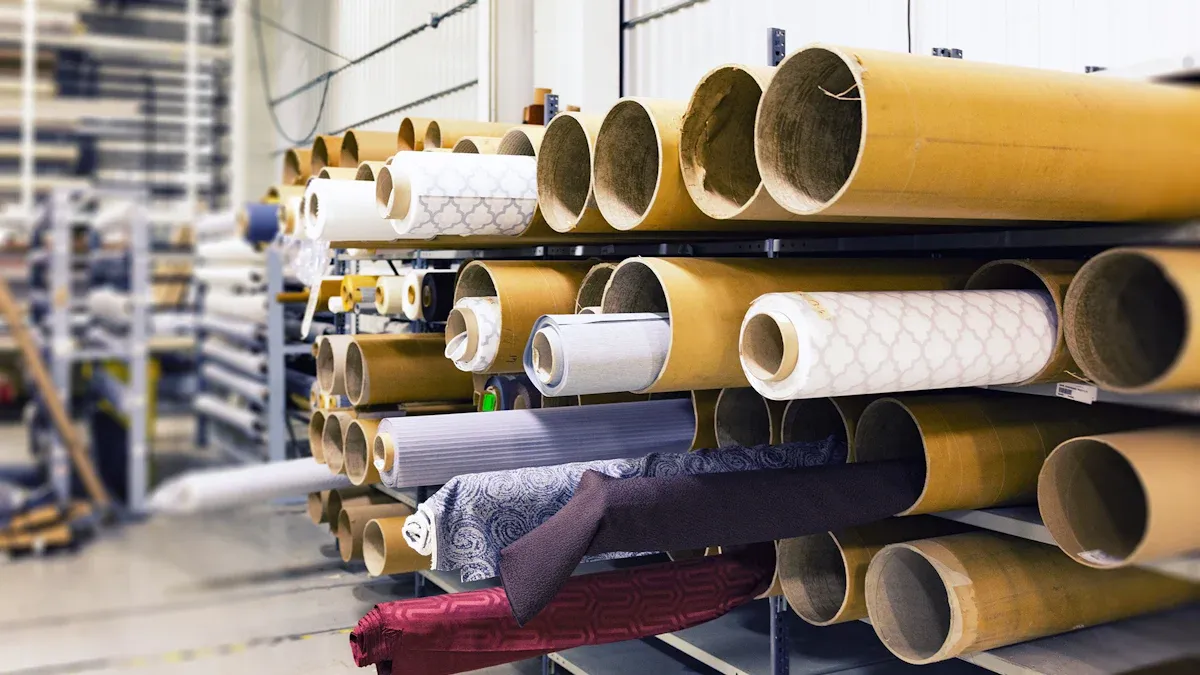
When you choose a cardigan manufacturer, you want your cardigans to last. The yarn and fabric they use matter a lot. You should ask about the quality of these materials. Good yarn and fabric help your cardigans stay soft and strong. They also make your cardigans comfortable for a long time.
Yarn Quality
Yarns are not all the same. Some yarns last longer and feel nicer. You should find out what yarns your manufacturer uses. Here is a table that shows common yarns and how they affect your cardigans:
Yarn Type | Characteristics | Durability Impact |
|---|---|---|
Wool | Wool does not smell bad and needs less washing | |
Polyester | Polyester is tough and keeps water away | |
Acrylic | Acrylic fights bugs and mold and lasts a long time | Acrylic is very tough and can be used a lot |
If you want cardigans that last, ask your manufacturer which yarns they use. Ask them why they pick those yarns. You can also ask for samples to touch and feel.
Tip: Always check if the yarn feels soft and strong. This helps you avoid cardigans that are itchy or weak.
Fabric Options
There are many fabric choices for cardigans. Some fabrics are better for the planet. Some fabrics cost less money. You should ask your manufacturer about fabrics that are good for the earth. You should also ask if you can trace where the fabric comes from.
Fabric Type | Sustainability Features | Cost Range |
|---|---|---|
Organic Cotton | No bad chemicals, soft, lets air through | Not expensive |
Recycled Wool | Uses less water, makes less trash, needs more work | Costs a bit more |
Organic/Responsible Wool | Sheep are treated well, warm, lasts a long time | Costs more |
Cashmere | Very soft and warm, needs careful picking | Costs the most |
Hemp | Needs little water, fights bugs | More expensive |
Tencel (Lyocell) | Silky, light, good for the planet | Costs a bit more |
Recycled Polyester | Made from old plastic, costs less | Not expensive |
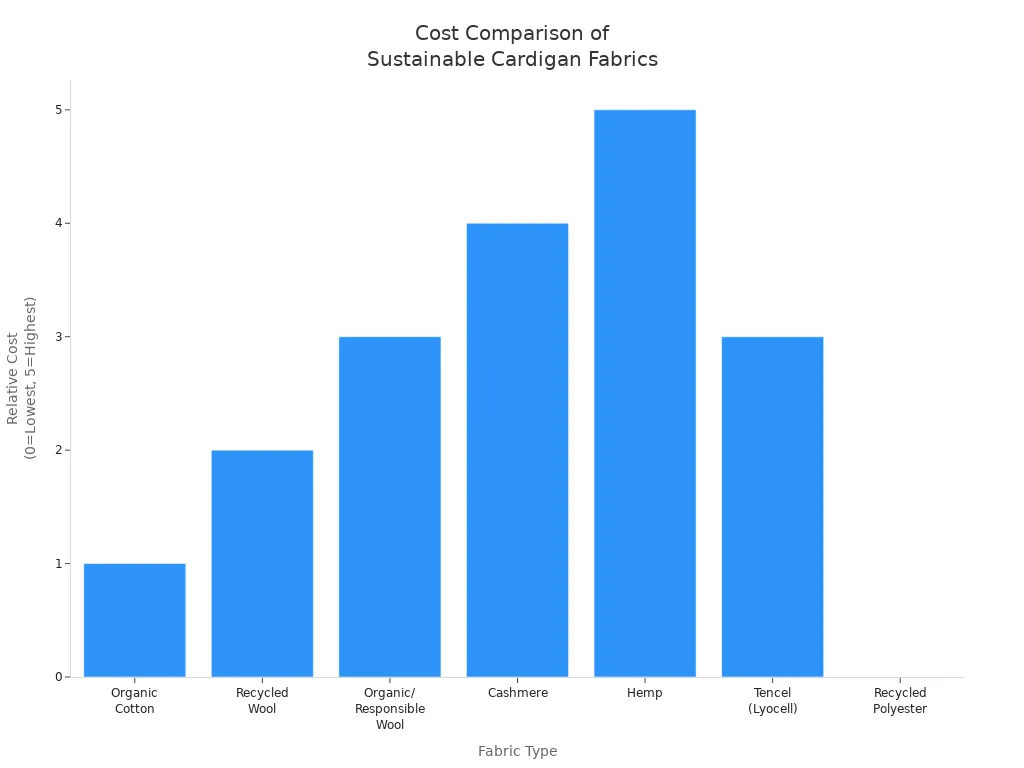
If you care about the planet, ask if your manufacturer has organic or recycled fabrics. You can also ask for proof of where the materials come from. This helps you build a brand people trust.
Note: Fabrics that are good for the planet may cost more. They often last longer and feel better. Your customers will notice the difference.
Quality Control
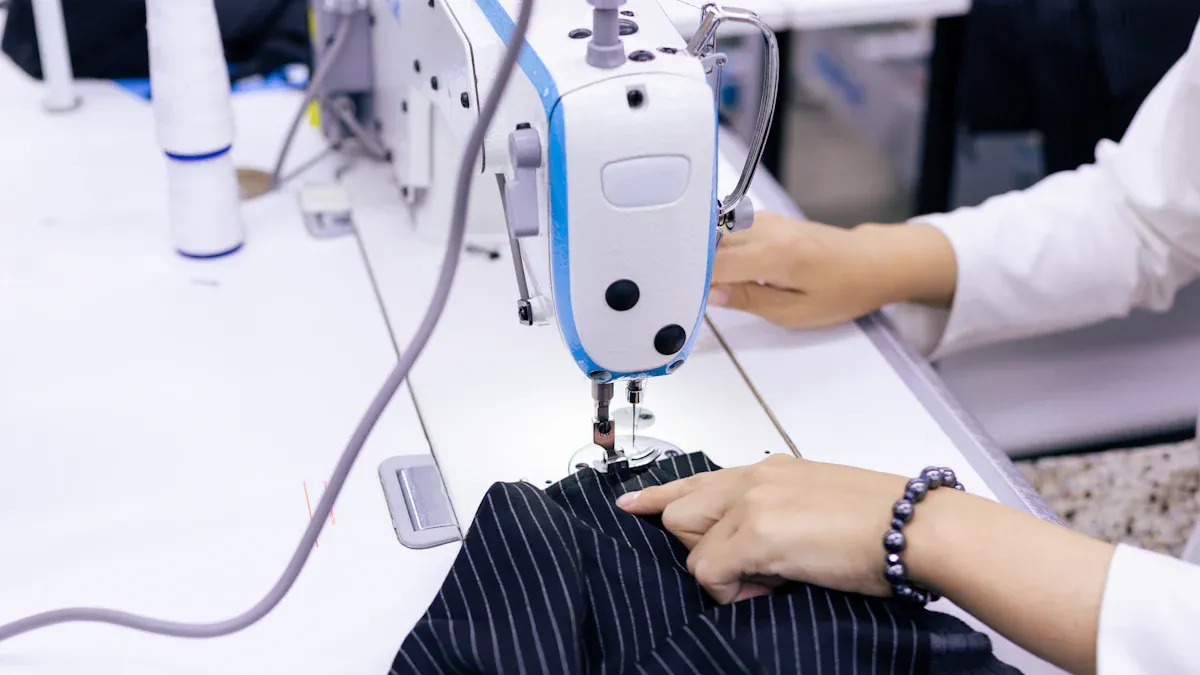
When you pick a cardigan manufacturer, you want each piece to look nice and last. This is why you should ask about their quality control steps. Good factories check cardigans at many points. If you do not check, you might get cardigans with loose threads, wrong sizes, or stains.
Inspection Process
You should ask if the factory checks cardigans themselves or hires outside inspectors. In-house teams know the factory’s work best. Third-party checks give you extra safety. Most top manufacturers use both ways. Here is a table that shows the main quality control steps you should know:
Quality Control Process | Description |
|---|---|
Pre-Production Inspection | Checks materials and samples before making cardigans to find problems early. |
In-Process Quality Control | Looks at cardigans during production to keep quality high. |
Post-Production Inspection | Final checks on finished cardigans. |
Fabric and Material Checks | Finds fabric problems before making cardigans. |
Sample Testing | Tests small batches before making a big order. |
Final Product Checks | Makes sure each cardigan is good before shipping. |
You can also ask about these steps: material checks for fabric and accessories, checking stitching, making sure sizes and fits are right, checking color is the same on all pieces, and making sure labels and packaging are correct.
If a factory uses these quality control steps, you can trust their work.
Standards Compliance
Certifications show a manufacturer cares about quality. You should ask what standards they follow. Here are some top certifications:
Certification | Description | Benefits |
|---|---|---|
GOTS | Global Organic Textile Standard | Proves organic and ethical production. |
Oeko-Tex | Tests for harmful substances | Keeps cardigans safe for your customers. |
ISO 9001:2015 | Quality management systems | Shows strong quality control steps. |
WRAP | Responsible production | Supports ethical manufacturing. |
Some factories also test for banned chemicals and use Better Cotton Initiative (BCI) cotton for eco-friendly cardigans. When you see these certifications, you know the factory cares about safety and quality.
Tip: Always ask for proof of certifications and regular tests. This helps you avoid problems and builds trust with your customers.
Customization Support
When you want your cardigans to stand out, you need a manufacturer who supports your ideas. Customization can help your brand look unique. You should always ask about the ways a factory can help you with design, patterns, and packaging. This step makes your products special and helps you connect with your customers.
Design Assistance
You may have a great idea for a cardigan, but you need help to turn it into a real product. Some factories offer design assistance. They can help you with pattern development, color choices, and even new knitting techniques. You should ask if the manufacturer has a design team. Find out if they can make prototypes or samples before you order in bulk.
Here are some questions you can ask:
Can you help me create custom patterns or styles?
Do you offer prototyping or sample making?
Will you give feedback on my designs?
Can you match my brand’s colors and details?
Tip: A good manufacturer will work with you to fix problems and improve your ideas. This teamwork can save you time and money.
Packaging Options
Packaging is more than just a box or bag. It shows your brand’s style and can make your cardigans look high-end. You should ask what packaging options the factory offers. Some factories provide custom labels, hang tags, or eco-friendly bags. Others let you choose special wrapping or branded boxes.
Here’s a quick table to help you compare options:
Packaging Option | Branding Support | Eco-Friendly? |
|---|---|---|
Custom Labels | Yes | Sometimes |
Hang Tags | Yes | Sometimes |
Recycled Bags | No | Yes |
Branded Boxes | Yes | Sometimes |
You can ask for samples of packaging to see the quality. If you want to impress your customers, pick packaging that matches your brand and values.
Note: Great packaging can help your cardigans stand out in stores and online. It also protects your products during shipping.
Communication
Good communication helps you work better with your cardigan manufacturer. If you know who to talk to, things go smoother. You should always ask who your main contact is. Make sure they can speak your language well. This makes it easier to share ideas and fix problems fast.
Project Management
You need to know how your manufacturer handles projects. Many factories use special tools to keep track of tasks. These tools help everyone know what is happening. Here’s a table that shows some popular tools and what they do:
Tool | Description | Best For |
|---|---|---|
Zoom | Video calls for real-time meetings | Teams needing reliable video calls |
Slack | Instant chat for quick questions and updates | Teams wanting instant chat options |
Microsoft Teams | Chat, file sharing, and video calls all in one place | Integrated communication |
Monday | Organizes tasks and tracks progress | Clear project roadmap |
Trello | Visual boards for managing tasks | Visual task management |
Fusebase | Streamlines workflows and helps clients work with the team | Client engagement in projects |
Most factories use tools like Monday, Trello, or Fusebase. These tools help them track orders and share updates. You should ask which tool they use. If you know their system, you can follow your order from start to finish. You can also ask how often you will get updates. Ask what the approval process looks like.
Tip: Ask to see a sample project timeline or dashboard. This lets you see how your order moves through each step.
Issue Resolution
Problems can happen when making cardigans. You want to know how your manufacturer fixes these problems. Good factories have smart ways to solve issues fast. Here are some ways they do this:
Use a clear tech pack to make the design right. This helps stop mistakes.
Stay flexible if there is a fabric problem. They can change plans quickly.
Use computer modeling to find defects early.
You should look for factories that work as a team. Design, production, and quality control should talk often. Regular talks with suppliers and stores help everyone stay updated. When you ask about fixing problems, you show you care about quality and want things to go well.
Note: Good communication builds trust. If your manufacturer gives updates and fixes problems fast, you can feel good about working with them.
Ethical Practices
Facility Visit
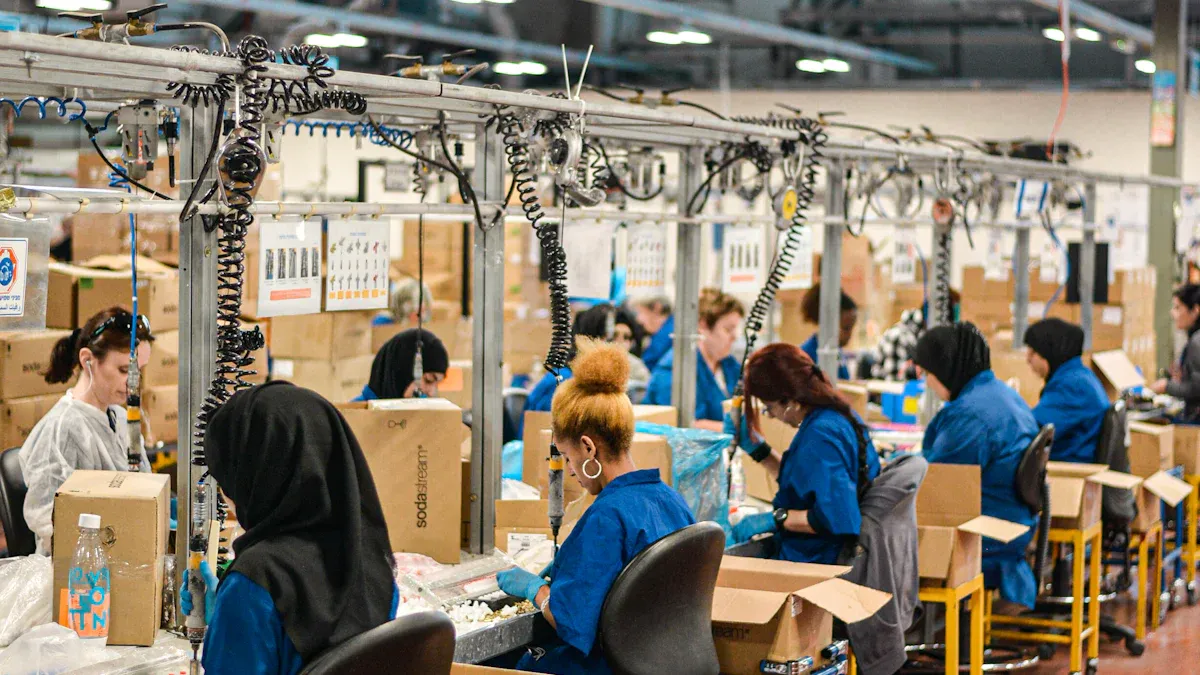
You want to make sure workers are treated well. It is important that the factory is safe. The best way to check is by visiting the factory. When you walk around, you can watch how people work. Look for clean rooms and bright lights. The machines should be safe to use. Workers should get breaks and not look tired. The air should smell clean, not like strong chemicals. These things show if the factory is a good place to work.
Being open is important. A good manufacturer will show you how cardigans are made. They will tell you where they get their materials. They will answer questions about worker safety and pay. This helps you trust them and feel good about your choice.
Here are some things to check when you visit:
Work areas are clean and safe
Workers wear safety gear
No child labor anywhere
Workers look happy and respected
You can also ask about health and safety rules. Factories should follow rules that keep workers safe.
Indicator | Description |
|---|---|
Labor Rights | Workers have fair hours and no child labor. |
Working Conditions | Spaces are clean and safe with no bad chemicals. |
Fair Pay | Wages are enough for food, home, and health care. |
Transparency | Factory tells you how and where cardigans are made. |
Subcontractor Use
Sometimes, factories get help from other companies. You need to know if your manufacturer does this. Ask if they use subcontractors and how they choose them. Good manufacturers check that their partners follow the same rules.
You should ask these questions:
Do you use subcontractors for any part of making cardigans?
How do you make sure subcontractors treat workers well?
Can you show proof that all materials are sourced fairly?
A good manufacturer knows where every part comes from. They make sure everyone pays fair wages and keeps workers safe. This helps your brand earn trust and respect.
Tip: Always pick partners who care about people and the earth. Your customers will see the difference.
After-Sales Support
When you pick a cardigan manufacturer, you should know what happens after you get your order. Good after-sales support helps you save time and money. It also helps you avoid stress. Always ask about their rules for defects and returns. Ask if they offer help after you buy. This way, you know what will happen if there is a problem.
Defect Policy
Factories can make mistakes. You might find a hole or loose thread in your cardigans. You need to know how the manufacturer fixes these problems. Many top factories fix knitwear for free. If you find a defect, they will fix it at no extra cost. Some factories have a team that helps you any time, day or night.
Here’s a quick look at common after-sales support policies:
Policy Type | Description |
|---|---|
Offers free adjustment services for hole issues, ensuring perfect fit and longevity of knitwear. | |
24/7 After-Sales Support | Dedicated support team available 24/7/365 for customer satisfaction, providing fast responses. |
Tip: Always ask if the factory fixes defects for free. Ask how quickly they answer your requests.
Returns and Warranty
Returns and warranty rules protect you if something goes wrong. You should ask what happens if you need to send cardigans back. Some factories have a clear warranty. They will replace or fix cardigans if there is a problem with how they were made.
The most common reasons for returns and warranty claims include:
Type of Liability | Description |
|---|---|
Occurs when a product is defective due to improper manufacturing, leading to potential harm to users. | |
Negligence in Design | Involves defects arising from a flawed design process, making the product inherently unsafe. |
Failure to Warn | Refers to the lack of proper warnings about potential dangers associated with the product. |
You should ask how long the warranty lasts. Ask what the warranty covers. Some brands only cover problems from making or designing the cardigans. Others may help if you find a problem after your customers wear them.
Note: Clear return and warranty rules show your manufacturer cares about their work. This helps you feel safe and builds trust with your customers.
When you ask the right questions, you set your brand up for success. You avoid costly mistakes and find partners who care about quality. Brands that take time to vet manufacturers often see big rewards:
You build trusted relationships that help your business grow.
Your cardigans meet high standards every time.
You can scale up production when you need to.
Keep this checklist handy. It helps you make smart choices and gives you confidence as you build your brand.
FAQ
How do I know if a manufacturer is reliable?
You can ask other brands for references. Look for reviews online. Try to visit the factory if possible. Good manufacturers answer questions fast. They also explain their process clearly.
What is the usual minimum order quantity for cardigans?
Most factories want you to order 100 to 500 pieces. Some let new brands order less. Always ask about the minimum before you order.
Can I get samples before placing a big order?
Yes, most manufacturers give samples. You should ask for a sample to check quality and fit. Samples help you avoid problems with big orders.
What happens if my cardigans have defects?
Contact the manufacturer right away if there are defects. Many factories will fix or replace bad items for free. Always ask about their defect rules before you order.
Do manufacturers offer eco-friendly materials?
Many manufacturers now have organic cotton and recycled wool. Ask for a list of eco-friendly fabrics. You can also ask for proof of where materials come from.