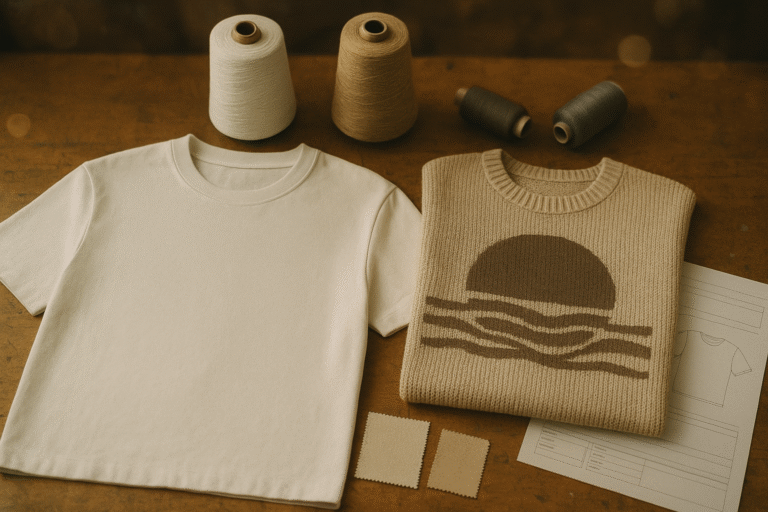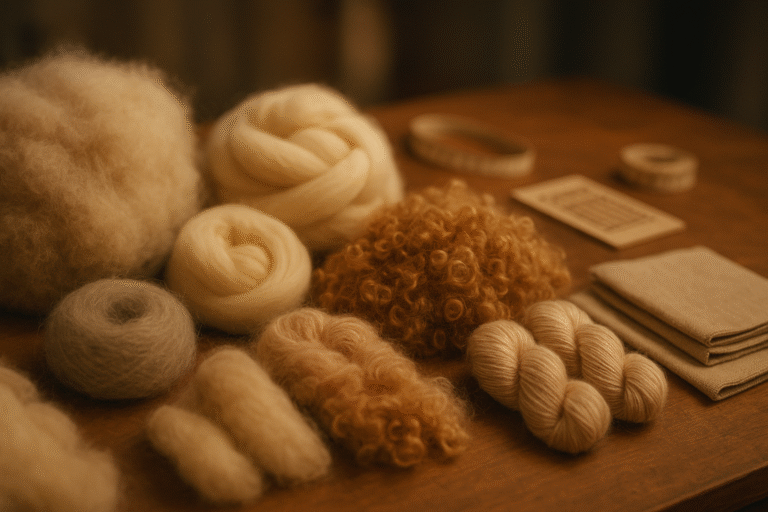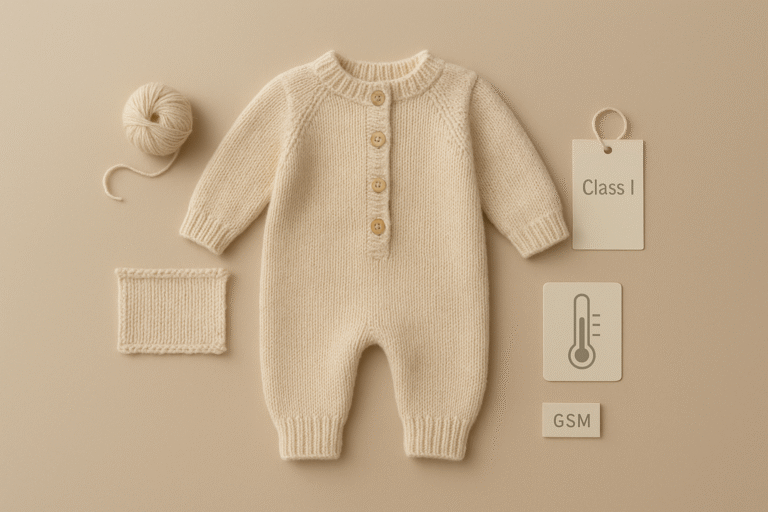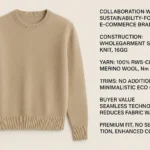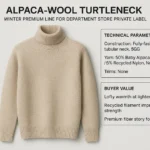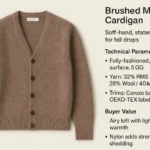

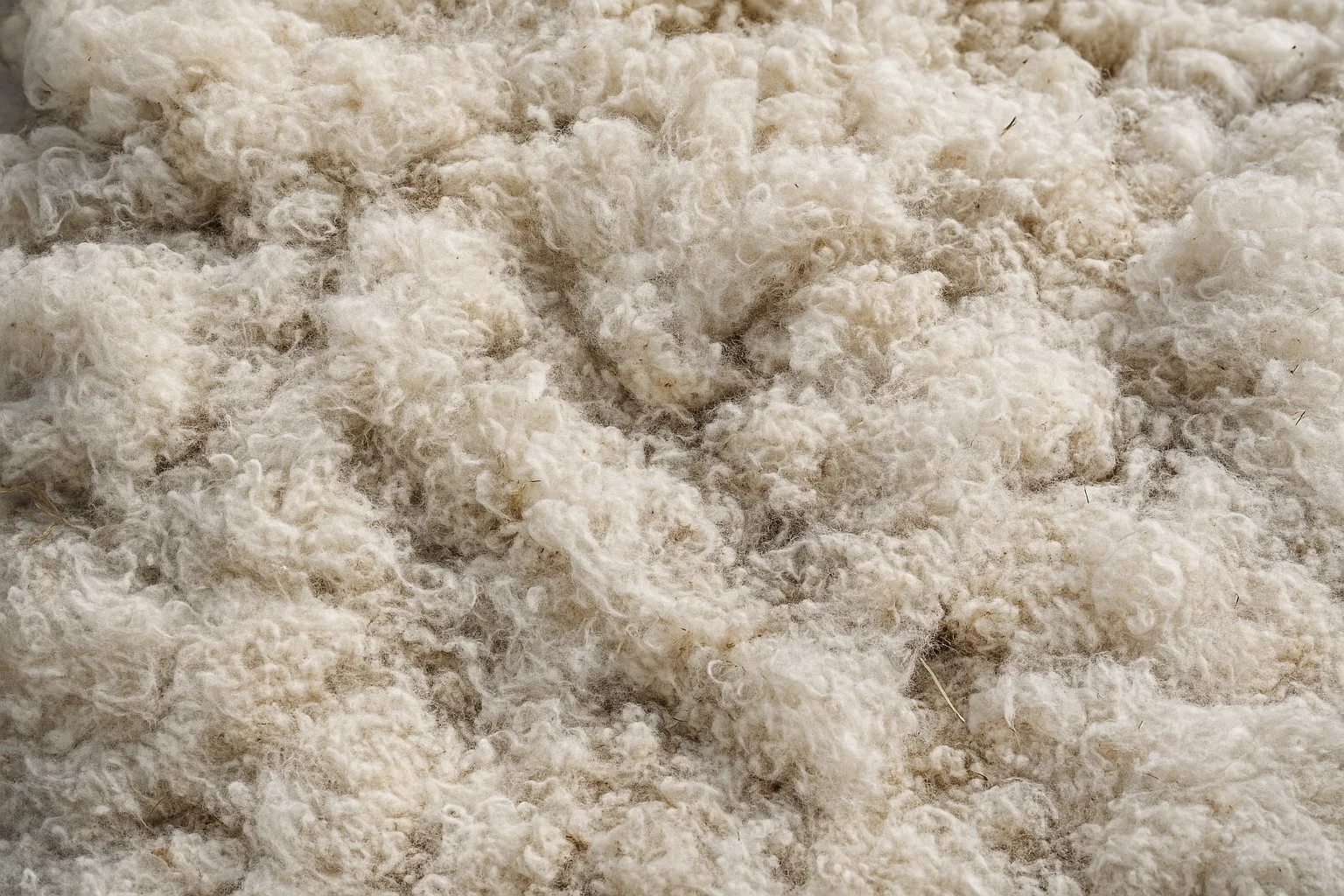
Lambswool is taken from young sheep during their first shearing. These sheep are usually less than seven months old. Lambswool feels very soft and smooth. This makes it different from other wool. It often does not need much processing. Lambswool has lanolin, which is a natural oil. Lanolin helps keep your skin safe.
-
Taken from the first shearing of lambs
-
Very soft and smooth texture
-
Has natural lanolin for extra comfort
Key Takeaways
-
Lambswool is from the first cut of young sheep. It feels softer and smoother than normal wool. This wool has natural lanolin. Lanolin helps protect sensitive skin. It also gives more comfort. Lambswool is warm and light. It is great for winter clothes and accessories. To care for lambswool, handwash it in cold water. Do not use strong chemicals. This keeps it soft. Picking lambswool helps support good farming. It makes sure animals are treated well. It also helps care for the environment.
What Is Lambswool
Definition
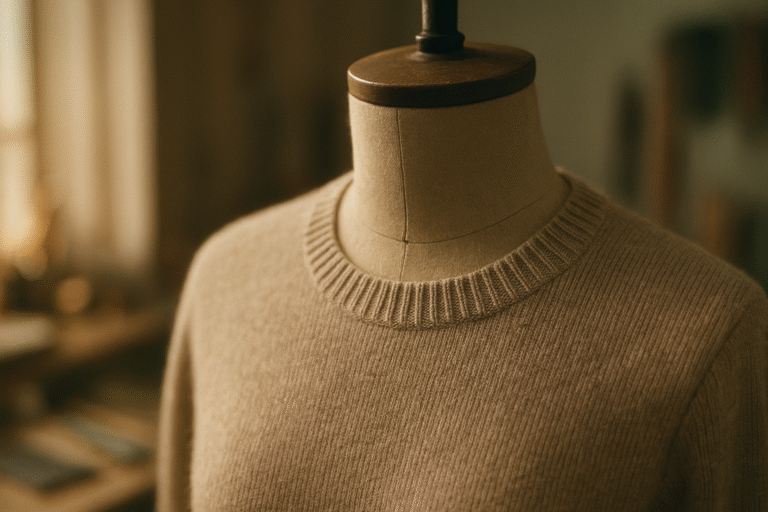
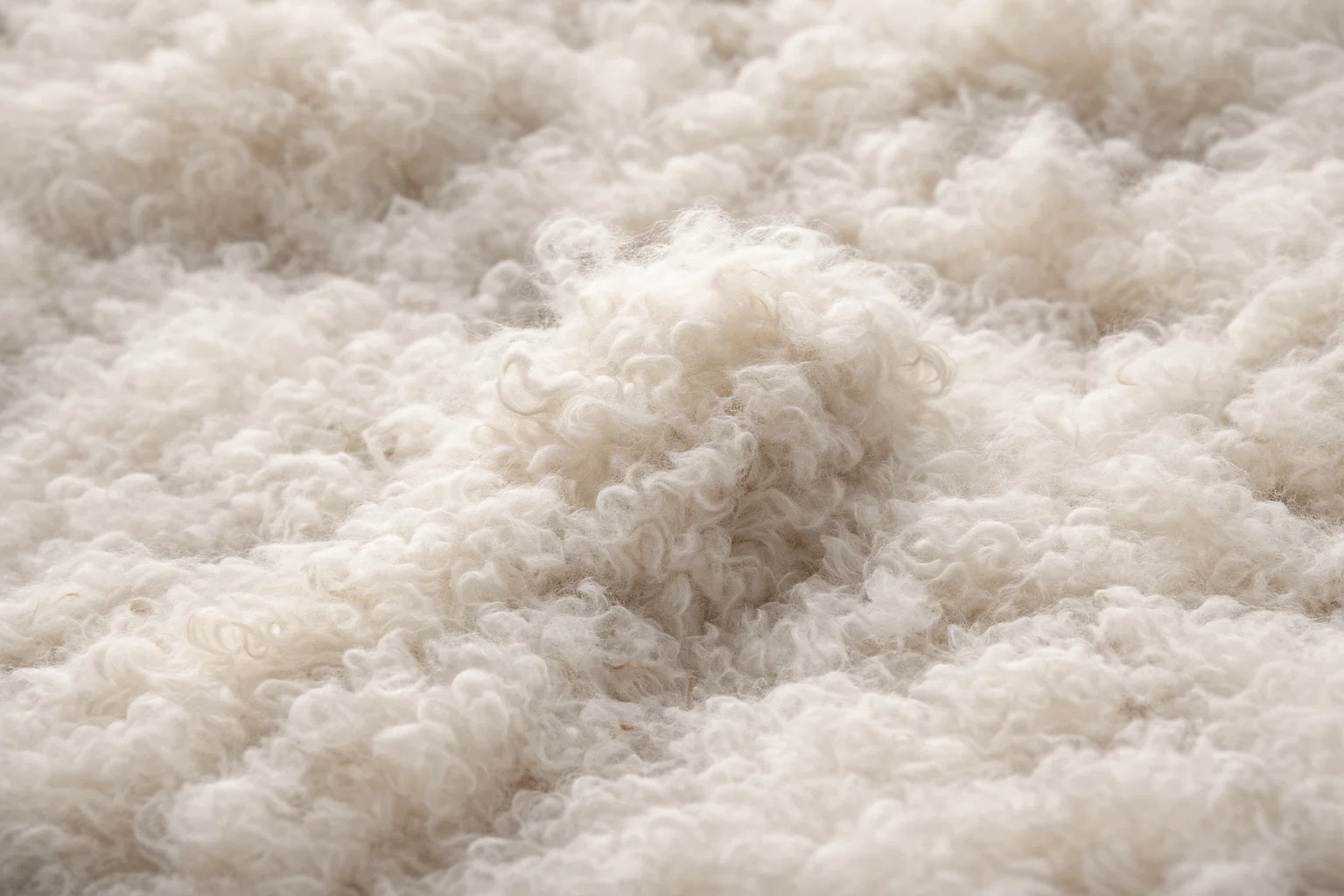
You might wonder, what is lambswool? Lambswool is the wool you get from the first shearing of the sheep, usually when the sheep are about 6 to 7 months old and always under 12 months. This wool feels very soft and warm. Textile experts say lambswool stands out because of its gentle touch and light weight. You often see it in sweaters, scarves, and blankets. The fibers are short, usually up to 50mm. This short length makes the wool fluffy and smooth. Because of this, lambswool feels comfortable against your skin. You can wear it all day without feeling itchy.
Lambswool is also strong and durable. It keeps you warm but does not feel heavy. The short, fluffy fibers help trap heat close to your body. Sometimes, makers blend lambswool with longer fibers to help reduce pilling. This means your clothes stay looking nice for longer.
Tip: If you have sensitive skin, lambswool is a great choice. Its softness and natural oils help protect your skin.
Origin
You may ask, where does lambswool come from? The answer depends on the region and the type of sheep. The main producers of lambswool are countries with large sheep populations. These include Australia, New Zealand, China, Turkey, and the United Kingdom. Each country has its own way of raising sheep and collecting wool.
Here is a table showing the top lambswool-producing countries and their annual production volumes:
|
Country |
Annual Production Volume (tons) |
|---|---|
|
China |
356,216 |
|
Australia |
348,608 |
|
New Zealand |
125,772 |
|
Turkey |
85,916 |
|
United Kingdom |
70,448 |
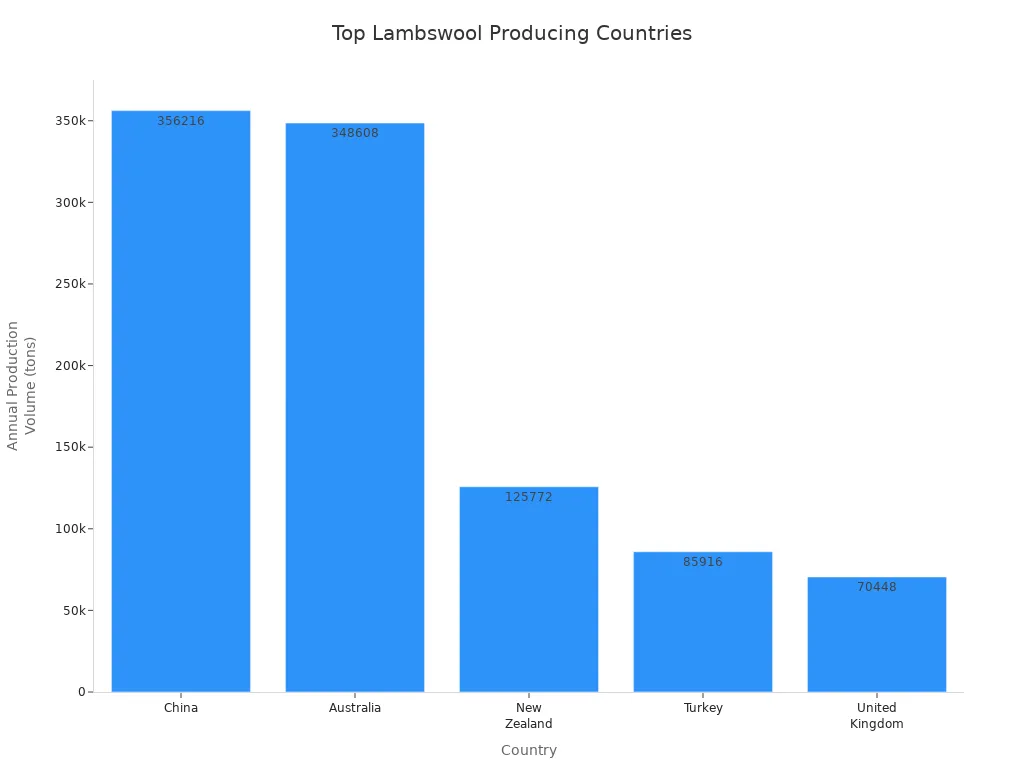
You will find that Australia and New Zealand are famous for their high-quality lambswool. The Shetland Isles in the United Kingdom also produce special types of lambswool known for their unique texture. The climate and grass in these regions help the sheep grow soft, healthy fleece. When you buy lambswool from these places, you get a product known for its comfort and warmth.
If you want to know what is lambswool, remember that it comes from the first shearing of young sheep. The short, soft fibers make it different from other types of wool. The best lambswool often comes from countries with a long history of sheep farming.
Lambswool Sourcing
Shearing Process
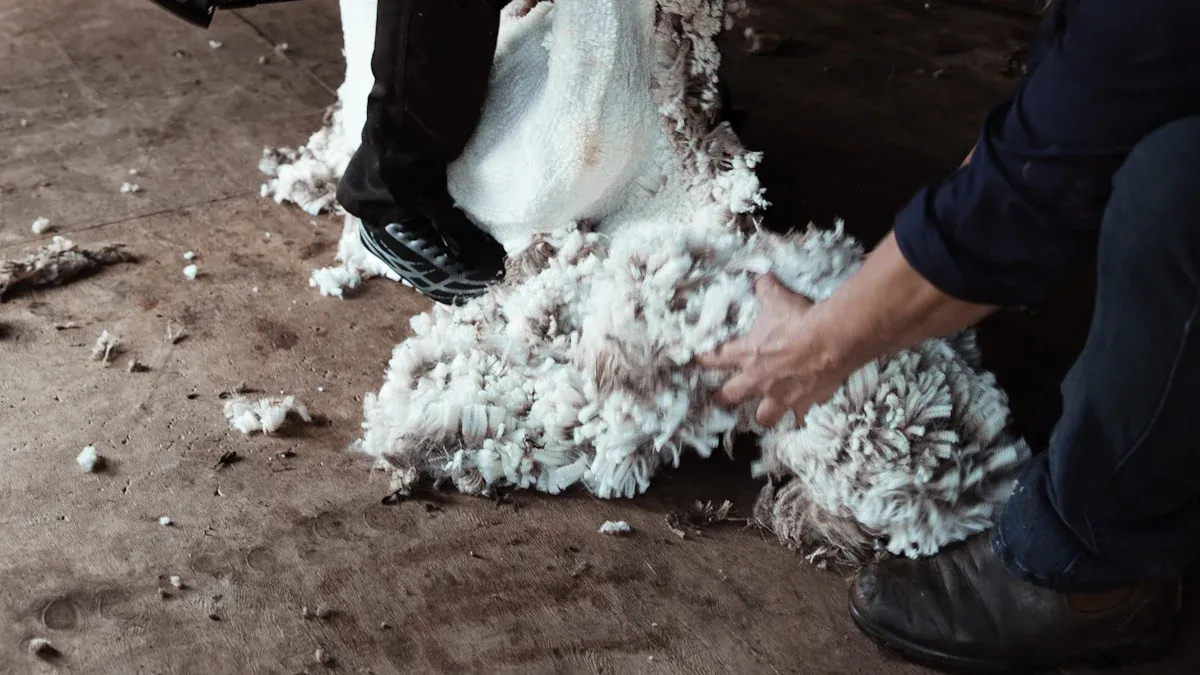
Lambswool comes from the first time young sheep are sheared. Farmers shear lambs when they are about six or seven months old. They pick warmer months so sheep stay comfortable and calm. The person who shears the sheep must be skilled. A good shearer cuts close to the skin in one smooth motion. This way, they get the most wool and keep the sheep safe.
Here are the main steps in the shearing process:
-
Shearers wait for spring or early summer to start.
-
They use special tools to gently take off the fleece.
-
Workers collect, clean, and sort the wool. The softest fibers are used for the best lambswool items.
Tip: Careful sorting and handling keep the wool soft and strong. This gives you better wool for clothes and blankets.
Farmers also work hard to keep their sheep healthy. They use medicine to stop diseases and parasites. Good food is important too. Ewes and lambs eat special diets when they are pregnant or feeding babies. This helps them grow healthy fleece.
Sheep Breeds
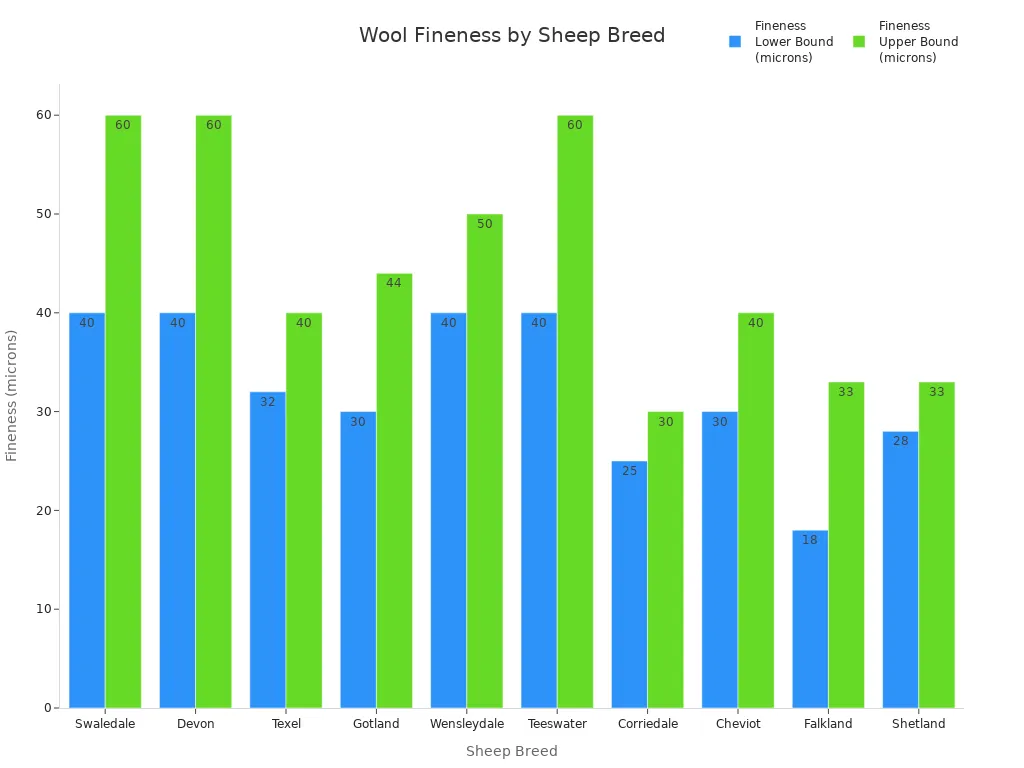
Different sheep breeds make different types of lambswool. Some breeds have soft, curly fleece. Others have longer and stronger fibers. You can see the differences in the table below:
|
Sheep Breed |
Wool Characteristics |
|---|---|
|
Swaledale |
Fineness: 40-60 microns, Length: 100-200 mm, resilient, used in carpets |
|
Devon |
Fineness: 40-60 microns, Length: 200-250 mm, heavy fleece, good for felting |
|
Texel |
Fineness: 32-40 microns, Length: 80-150 mm, fine yarns and knitwear |
|
Gotland |
Fineness: 30-44 microns, Length: 80-150 mm, soft, curly, lustrous |
|
Wensleydale |
Fineness: 40-50 microns, Length: 200-300 mm, long curly fleece |
|
Teeswater |
Fineness: 40-60 microns, Length: 150-300 mm, lustrous, curly |
|
Corriedale |
Fineness: 25-30 microns, Length: 80-120 mm, bright white, good crimp |
|
Cheviot |
Fineness: 30-40 microns, Length: 80-100 mm, versatile wool |
|
Falkland |
Fineness: 18-33 microns, Length: 80-100 mm, soft handle, bulky |
|
Shetland |
Fineness: 28-33 microns, Length: 50-120 mm, fine, silky wool |
Where sheep live also changes how good the lambswool is. Australia’s cool, dry weather helps sheep grow very fine Merino fibers. New Zealand’s wet climate makes wool stretchier, which is good for outdoor clothes. South Africa and South America have sheep with rougher, longer wool. This wool is great for strong products.
Note: Lambswool is good for the planet. Shearing does not hurt sheep, and wool breaks down naturally. Farmers use earth-friendly ways to care for the land.
Lambswool Qualities
Softness
You will notice the softness of lambswool as soon as you touch it. This wool comes from the first shearing of young sheep, which gives it a finer fleece than wool from older sheep. The fibers have a lower micron count, making them ultra fine or even superfine. This means you get a gentle, smooth feel that is perfect for scarves, sweaters, and plush blankets. If you wonder how to make lambswool soft, careful cleaning and gentle processing help keep the fibers fluffy and smooth.
-
Lambswool is softer than most other types of wool.
-
The fine fibers make it comfortable for people with sensitive skin.
-
You can wear lambswool clothing all day without feeling itchy.
Texture
Lambswool has a unique texture that feels both fluffy and light. The fiber diameter is usually finer than regular wool, which gives you a fabric that feels gentle against your skin. The natural crimp in the fibers adds to the plush texture and helps the wool hold its shape. If you want to know how to make lambswool soft, you should avoid harsh chemicals and use mild detergents when washing. This keeps the texture smooth and prevents the fibers from becoming rough.
Warmth
Many people ask, does lambswool keep you warm? The answer is yes. Lambswool traps heat close to your body, making it a great choice for cold weather. The fibers have high hygroscopic properties, so they absorb moisture without losing warmth. You can use lambswool for sweaters, shawls, and blankets that keep you cozy. Some people also wonder, is lambswool warmer than merino? Lambswool offers excellent insulation, and in many cases, it feels warmer than merino because of its fluffy structure. If you compare, does lambswool keep you warm and is lambswool warmer than merino, you will find both provide great warmth, but lambswool often feels thicker and more insulating.
Hypoallergenic
Lambswool is a good option if you have sensitive skin. The fine, soft fibers are less likely to cause irritation. The natural structure of lambswool allows air to flow, which helps reduce sweating and itching. Careful cleaning removes most lanolin, so allergic reactions are rare. Still, you should test a small area if you have allergies. Many people choose lambswool for baby clothes and bedding because it is gentle and safe.
Tip: Lambswool works well for people who want comfort, warmth, and softness in their clothing and home items. You can find it in high-end fashion, plush blankets, and cozy accessories.
Lambswool vs Other Wool
Lambswool vs Merino Wool
You might wonder how lambswool compares to merino wool. Both types come from sheep, but they have different qualities. You can see the main differences in the table below:
|
Wool Type |
Softness |
Warmth |
Durability |
|---|---|---|---|
|
Merino |
Very Soft |
Moderate |
Good |
|
Lambswool |
Soft |
Warm |
Good |
Merino wool feels very soft and works well for base layers. Lambswool feels soft too, but it is heavier and warmer. You might choose merino for shirts or athletic wear. Lambswool works better for winter hats and scarves.
Pros and Cons
-
Merino Wool Pros
-
Softness
-
Breathability
-
Moisture-wicking
-
Comfort
-
Great for base layers and sportswear
-
-
Merino Wool Cons
-
Higher price
-
Can wear out quickly if not cared for
-
-
Lambswool Pros
-
Heavier and warmer
-
Good for winter accessories
-
-
Lambswool Cons
-
Can feel itchy
-
Less breathable
-
Bulkier and not as smooth against the skin
-
Lambswool vs Regular Wool
Regular wool comes from older sheep. It often feels rougher and heavier than lambswool. You may notice regular wool in carpets or heavy coats. Lambswool feels much softer and lighter. You can wear lambswool next to your skin, but regular wool might itch or scratch. Lambswool costs more because farmers need extra care when shearing young sheep. This careful process makes lambswool a valuable choice for clothing.
Lambswool is considered a valuable commodity, mainly because its harvesting process is more labor-intensive than that of regular wool. The extra effort and delicate handling needed for lambswool help explain its higher price in the global market.
Is Lambswool Better Than Merino Wool
You may ask, is lambswool better than merino wool? The answer depends on what you want. If you want something very soft and light, merino wool is a great choice. If you need extra warmth and a heavier feel, lambswool works better. Is lambswool better than merino wool for everyone? Not always. Each type has its own strengths. Merino is best for comfort and breathability. Lambswool is best for warmth and winter wear.
The wool market includes many types, such as cashmere, lambswool, and merino. Each type meets different needs. Lambswool’s unique qualities and careful harvesting make it stand out, and its higher price reflects this value.
Tip: Think about how you will use your wool item. Choose merino for soft, light layers. Pick lambswool for cozy, warm accessories.
Lambswool Care
Comfort
When you choose lambswool, you get a fabric that feels soft and gentle on your skin. Many people say that lambswool blankets feel incredibly soft and do not cause itching, even if you have sensitive skin. You can use a lambswool blanket while watching TV or reading, and it will drape nicely over you. The material feels light but has a good weight, so you stay comfortable. Lambswool also helps regulate your body temperature. You stay warm in winter, but you do not overheat, so you can use it all year.
-
Soft and gentle for sensitive skin
-
No itchiness, unlike some other wool
-
Keeps you warm without making you too hot
Tip: If you want comfort and warmth, lambswool is a great choice for clothing and blankets.
Maintenance
You might wonder, can you wash lambswool? Yes, you can, but you need to take care. If you want to know how to clean or wash lambswool, always check the care label first. Most lambswool items need gentle washing to keep their softness and shape. Here are some easy steps:
-
Handwash in cold or lukewarm water with a gentle wool detergent.
-
Turn the garment inside out before washing to protect the color.
-
Gently press out water between towels. Do not wring or twist.
-
Lay flat on a towel to dry, away from direct heat or sunlight.
-
Store in a cool, dry place using a breathable bag. Add cedar blocks or lavender sachets to keep moths away.
You should only wash lambswool when needed. If you want to know how to clean or wash lambswool, remember to avoid bleach and fabric softeners. Can you wash lambswool in a machine? Most experts say handwashing is best, but some machines have a gentle wool cycle. Always follow the label instructions.
Ethics
You may care about where your lambswool comes from. Many brands now follow strict rules to protect animals and the environment. One important certification is the Responsible Wool Standard (RWS). This standard checks for animal welfare, good land management, and fair treatment of workers.
|
Certification Standard |
Focus Areas |
|---|---|
|
Responsible Wool Standard (RWS) |
Animal welfare, land management, social requirements |
When you buy lambswool with this certification, you support farms that treat sheep well and care for the land. You help make the wool industry better for everyone.
How Azknit Supplies High Quality Knitwear with Lambswool
Sourcing Premium Lambswool
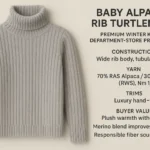
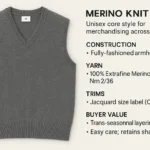
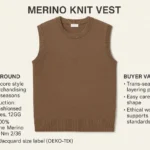
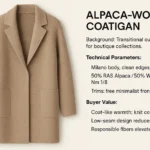
You want your knitwear to feel soft and last long. Azknit makes sure of this by picking lambswool from trusted places. The company works with suppliers in the UK and Australia. These places are famous for their good sheep and farming. Azknit only uses wool from mills with strict rules. This means your knitwear is made from the best fleece. It feels soft and has strong fibers.
Quality Control and Craftsmanship
Azknit checks quality at every step. Here is how they do it:
-
They check the wool type and amount before using it.
-
They look at the first knitted piece and check others as they knit.
-
They check the first sewn item and watch the sewing process.
-
They check cleaning and ironing at the end.
-
They look at finished products with full or random checks.
-
If something is wrong, they find and fix the problem.
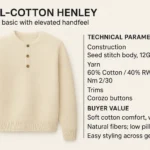
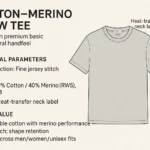
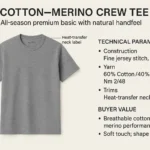
Azknit uses special knitting skills and tools. They use many stitch types like jersey, rib, cable, and jacquard. The company cares about yarn details like count and ply. They add trims like corozo buttons and YKK zippers. This mix of skill and good tools makes knitwear that looks nice and lasts long.
|
Category |
Details |
|---|---|
|
Knit Structures |
Jersey, rib, cable, jacquard, intarsia, mesh, waffle |
|
Yarn Parameters |
Nm count, ply, micron, blends, finishing processes |
|
Trims & Constructions |
Corozo & horn buttons, YKK zippers, woven labels, elastic drawcords, various seams |
Sustainable and Ethical Practices
You care about animals and the earth. Azknit cares too. Most knitwear is made in Scotland and the UK. This helps the planet and gives jobs to local people. Azknit uses wool from mills with Responsible Wool Standard (RWS) approval. This means sheep and land are treated well. Dyes and chemicals meet the Global Organic Textile Standard. This keeps workers and the earth safe. Packaging can be recycled or composted, so there is less waste. Azknit also works to be carbon neutral by tracking emissions and helping green projects.
|
Practice |
Description |
|---|---|
|
Local Manufacturing |
Knitwear made mostly in Scotland and the UK |
|
Responsible Wool Standard (RWS) |
Yarn from RWS-accredited mills for animal welfare and land management |
|
Global Organic Textile Standard |
Eco-friendly dyes and chemicals |
|
Responsible Packaging |
Recyclable or compostable packaging |
|
Becoming Carbon Neutral |
Tracking carbon footprint and investing in carbon sequestration projects |
Note: When you pick Azknit, you help a company that cares about quality, fairness, and the planet.
You now know that lambswool comes from the first shearing of young sheep. This special wool stands out for its softness, warmth, and natural beauty. See the main qualities below:
|
Quality |
Description |
|---|---|
|
Softness |
Plush and gentle, perfect for sensitive skin. |
|
Warmth |
Keeps you cozy in cold weather. |
|
Aesthetic Appeal |
Adds a touch of elegance to your clothing and home. |
-
Ethical sourcing and care for animals make lambswool a smart and kind choice.
-
You get comfort, style, and peace of mind with every piece.
Choose lambswool for softness, warmth, and a product you can feel good about.
FAQ
What makes lambswool different from regular wool?
Lambswool comes from a sheep’s first shearing. The fibers feel softer and finer than regular wool. You will notice less itchiness and more comfort when you wear lambswool clothing.
Can you wash lambswool at home?
You can wash lambswool by hand using cold water and a gentle wool detergent. Avoid hot water and do not wring the fabric. Lay it flat to dry. Always check the care label first.
Is lambswool safe for people with allergies?
Lambswool is naturally hypoallergenic. Most people with sensitive skin can wear it without problems. If you have a wool allergy, test a small area first to make sure you do not react.
Does lambswool shrink easily?
Lambswool can shrink if you use hot water or a dryer. To keep its shape, always wash it gently and let it air dry flat. Follow the care instructions on your garment.
What products use lambswool?
You will find lambswool in sweaters, scarves, hats, gloves, and blankets. Many people also use it for baby clothes and bedding because it feels soft and gentle.