
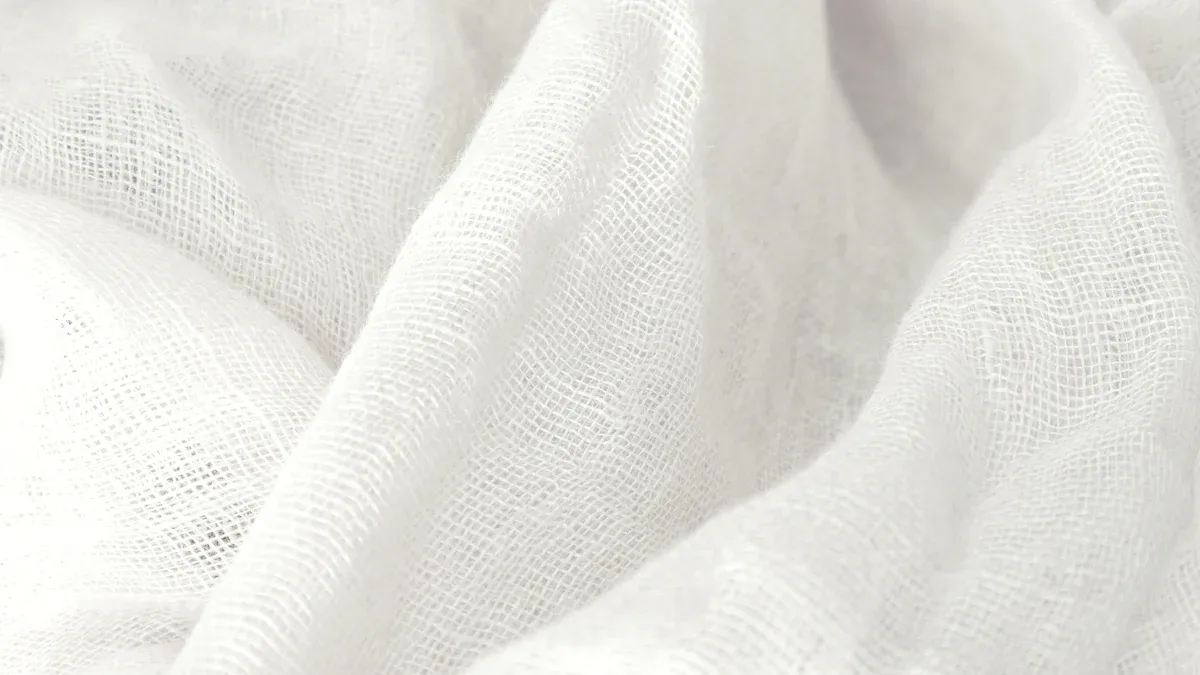
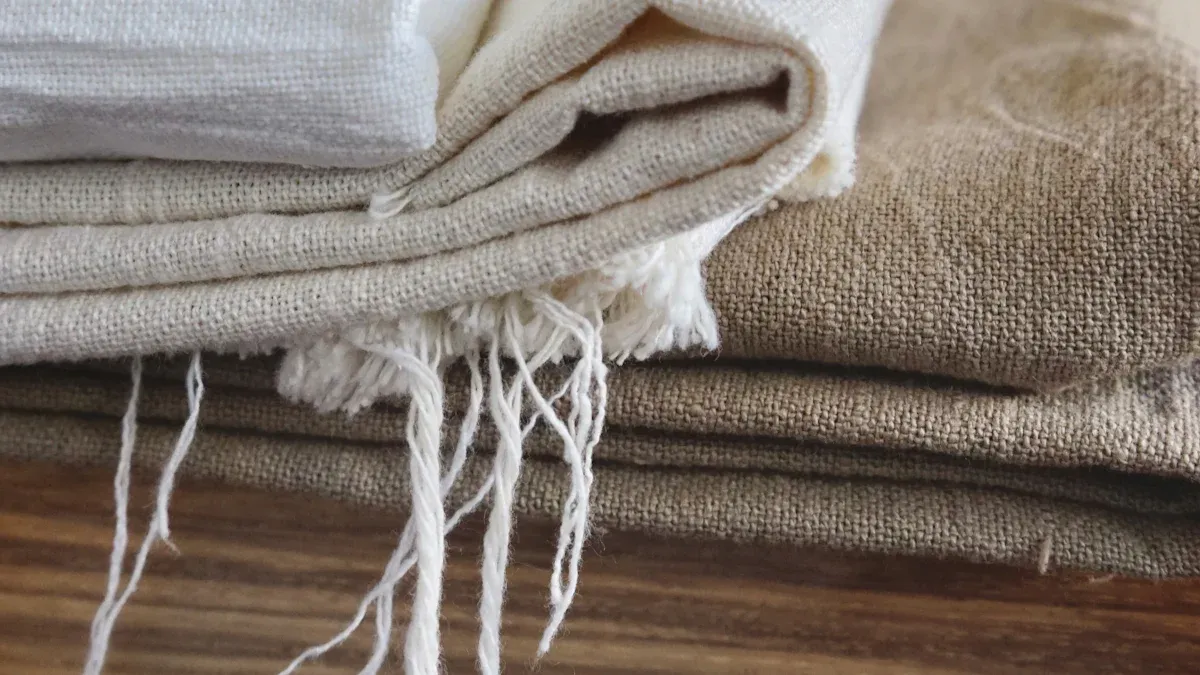
You see linen as a fabric with a story that stretches back thousands of years. People first made linen from the flax plant in ancient times. Archaeologists found the Tarkhan dress in Egypt, which is about 5,000 years old and made of linen. Many ancient Egyptian fabrics used linen because it lasted so long. In Cueva Sagrada I, experts discovered linen tunics dating to 2300 BC. Linen stands out for its strength, breathability, and lasting quality.
Key Takeaways
Linen is a tough and airy fabric. It comes from the flax plant. People like it because it lasts long. It also feels good in hot weather.
Making linen is good for the environment. It uses less water than cotton. It also needs fewer chemicals. This makes linen a smart, green choice.
Linen has been important for a long time. Ancient people used it for clothes and special events. They even used it for mummies. Linen showed purity and high rank.
Today, more people want linen in fashion. Linen clothes are very popular in summer. The demand for linen keeps growing.
Picking linen helps the planet. Linen products last a long time. They are great for clothes and things for your home.
Linen Overview
What is Linen
You may ask what makes linen special compared to other fabrics. Linen comes from bast fibers inside the flax plant’s stem. People have liked linen for thousands of years because it is unique. When you touch linen, it feels cool and smooth. Linen is strong, so it lasts a long time. It also soaks up water well and dries fast. You can see these facts in the table below:
Characteristic | Description |
|---|---|
Strength | Linen is very strong, making it durable for various uses. |
Absorbency | It is highly absorbent, allowing it to wick moisture away from the body. |
Quick Drying | Dries faster than cotton, reducing heat retention in warm conditions. |
Breathability | Its breathable nature makes it comfortable to wear in hot weather. |
Distinctive Texture | Linen has a unique texture that adds to its aesthetic appeal. |
Eco-Friendly | Biodegradable, making it an environmentally friendly choice. |
Labor-Intensive | The production process is more labor-intensive than that of cotton. |
Linen feels cool because it lets heat move through it. It wrinkles a lot, which is normal for linen. After every wash, linen gets softer and stays smooth. It does not make much lint. Linen and cotton both come from cellulose. But linen has extra things like hemicellulose, lignin, and pectin. These make linen stronger but not as stretchy as cotton. Linen is great for hot and wet places because it dries fast and keeps you cool.
Flax Plant Source
Linen is made from the flax plant, which has bast fibers in its stem. Farmers grow flax where the weather is mild and the soil is good. Europe grows the most flax, especially in France, Belgium, and the Netherlands. Normandy and Flanders are known for their great flax. In France, farmers usually get about 1.4 tons of flax per hectare. In the Netherlands, they get about 1.25 tons. Belgium gets between 0.8 and 0.9 tons per hectare. Some new flax types can give up to 2.5 tons per hectare. Flax plants give the bast fibers needed for linen, and these places make most of the world’s linen.
Tip: For the best linen, pick products made from flax grown in Europe. The weather and soil there help make strong bast fibers for good linen.
Linen starts with bast fibers from flax. You can see how farmers and workers help make this old and important fabric.
Linen Production
From Plant to Fiber
To make linen, you use flax plants. Farmers harvest flax when it turns yellow. They pull up the whole plant to keep fibers long. After harvesting, the fibers must be separated from the stem. This takes several steps:
Retting: You soak or lay out flax. Bacteria and moisture break down the stem. This helps free the fibers. Dew retting uses ground moisture. Water retting uses ponds or tanks.
Breaking: You crush dried flax stems. This breaks up the woody parts.
Scutching: You scrape away broken pieces. Only the fibers are left.
Hackling: You comb the fibers. This cleans and separates them. Now, the fibers can be spun.
Linen needs less water than cotton. Flax uses about 60% less water. Most water comes from rain. Flax also needs fewer pesticides and fertilizers. Linen is better for the environment because it uses less energy and chemicals. Some factories use chemicals to separate fibers and dye linen. These chemicals can hurt the environment.
Note: Linen uses little water and eco-friendly farming. But chemical processing can cause pollution.
Weaving Linen
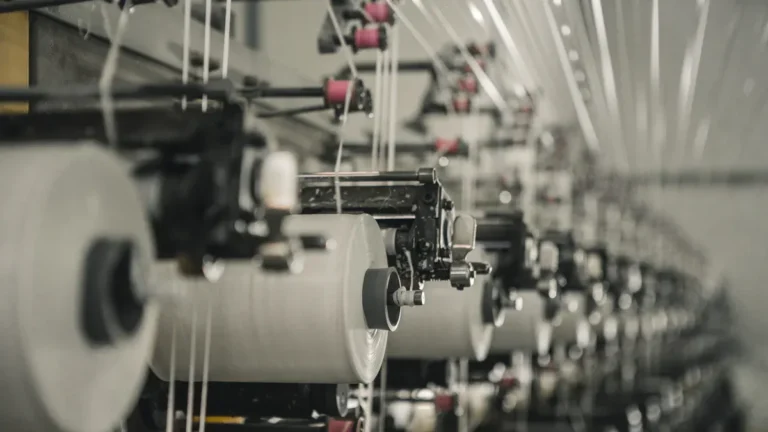
After you get the fibers, you spin them into yarn. Old spinning methods make only a little yarn each day. New machines, like rotor spinning machines, make more yarn and better quality. After spinning, you weave the yarn into linen fabric.
Modern weaving uses advanced looms. These machines make linen faster and with fewer mistakes. Here is a table showing weaving technologies and their benefits:
Advancement Type | Benefits |
|---|---|
Shuttleless Looms | Weave faster, make wider fabric, fewer mistakes, lower labor costs. |
Projectile Looms | Make more fabric and flexible designs. |
Rapier Looms | Change designs easily and follow trends. |
Fluid Jet Looms | Need fewer skilled workers and are easy to fix. |
Multiphase Looms | Less downtime and less fabric waste. |
Linen made this way is strong, smooth, and lasts long. This is why linen is still important today. Linen production now mixes old skills with new machines to make great linen for many uses.
History of Linen

Brief History of Linen
Linen has been around for thousands of years. Ancient people learned to make fabric from flax. The oldest piece of linen was found in Türkiye. This Hittite linen is about 3,500 years old. Many old places show people used linen.
The oldest linen found is from the Hittites.
It is about 3,500 years old.
It was found at the Şapinuva site in Türkiye.
In the Neolithic period, linen was the main fabric. People made yarn and cloth from flax. Tools like spindle whorls and loom weights show linen was important. In the Bronze Age, people started using more wool. New tools made spinning and weaving wool easier. Old fabrics show linen was tightly woven and made clear patterns. This means Neolithic linen was high quality and stood out before wool became common.
People liked linen for its strength and smooth feel. Linen’s history shows it shaped daily life and culture.
Linen in Ancient Civilizations
Linen was used by many ancient civilizations. In Egypt, linen was important for daily life and burials. Egyptians wore linen and wrapped mummies in it. Linen was put in tombs to help the dead in the afterlife. Egyptians thought linen had special power. They used it in rituals to clean and protect the body. Linen bandages helped keep mummies safe for their journey after death.
Linen was also used in Mesopotamia, Babylon, and Rome. People made clothes and special things from linen. The table below shows how linen was used in these places:
Context | Description |
|---|---|
Mesopotamian Society | Linen clothes were important. Marriage contracts showed linen was valued more than other things. |
Babylonian Society | Linen was used for clothes and decorations. People made veils and turbans from linen. |
Roman Society | Linen showed wealth and status. People wore linen to show their place in society. |
In Rome, linen showed if you were rich or important. Greek stories talk about linen clothes, showing it mattered in their culture. In China, linen showed skill and tradition. Egyptians saw linen as a sign of light and purity. They used it for daily clothes and for mummies. Linen was linked to wealth and goodness, especially for rich people. Its clean look made it good for ceremonies. Linen’s history shows people used it to show class and celebrate big events.
Linen in History and Culture
Linen is found in many religious stories and traditions. In the Bible, linen is mentioned many times. For example:
In Ezekiel 44:17-18, priests must wear linen and not wool in the Temple.
Orthodox Jews still do not mix wool and linen.
Linen stands for purity and holiness in the Bible. Priests wore linen to show they were clean and pure. In Egypt, linen meant light and purity. People wore linen every day and used it for mummies. Linen was a sign of wealth and goodness, mostly for rich people. Its neat look showed class and was used in special events. Even when other fabrics became popular, linen stayed important for showing status.
In the 18th century, people started using more cotton. New machines made cotton cheaper and faster to make. Factories wanted to save money and make better yarn. People liked new cotton fabrics like muslin and prints. Cotton became more popular than linen. Linen got more expensive, so people chose cotton instead. New spinning machines helped the cotton industry grow and linen use went down.
Linen’s history shows it shaped cultures, religions, and economies. Linen is known for being strong, pure, and lasting a long time. Linen still matters in society today.
Linen Used in Knitwear Today
Modern Uses in Knitwear
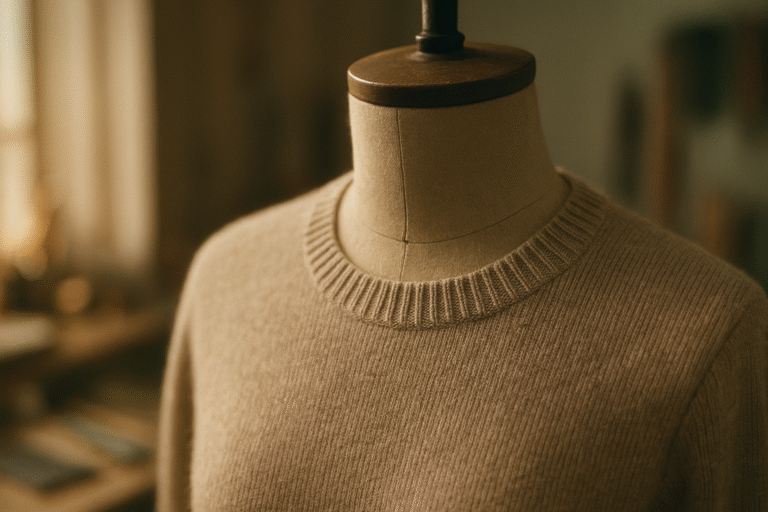
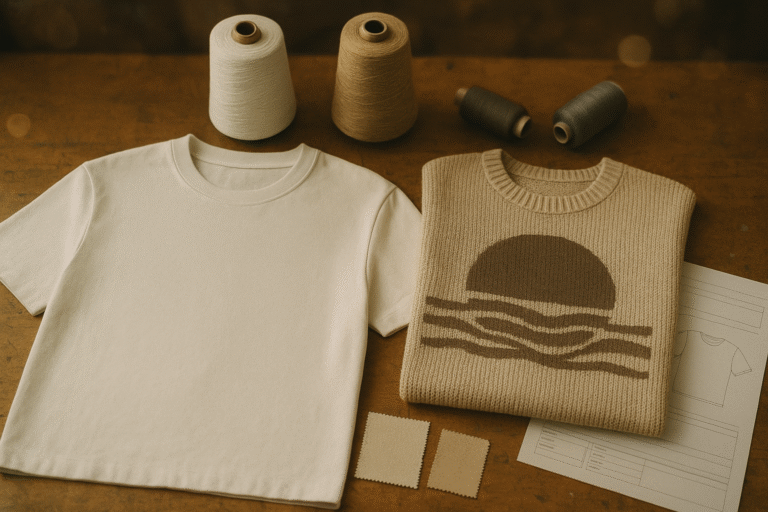
Linen is used in many kinds of knitwear today. Designers make summer T-shirts from linen fabric. Linen feels cool and light, so it is good for warm weather. People like to knit with linen for summer projects. Linen works well for mesh bags and light tops. Many choose crochet shirts made from linen because they keep their shape. Linen is also used for flowing tops and other summer clothes. Linen helps clothes stay fresh and comfy when it is hot outside.
Warm-weather knitting projects
Mesh bags
Light summer tops
Crochet shirts that keep their shape
Flowing tops and summer clothes
Fashion brands use linen fabric more now. In 2023, demand for linen tops grew by 22%. Linen bottoms had a 15% rise in sales. Women’s linen clothes make up 55% of the world market. Men’s linen clothing grew by 18%, mostly in Europe and North America. Kids’ linen clothes saw a 20% jump in demand. Online stores now sell 30% more linen clothes. Young shoppers like linen because it is better for the environment.
Production Regions
Europe makes most of the linen fabric for knitwear. Farmers in Western and Eastern Europe grow lots of flax for linen. Asia Pacific is also growing in linen production. Many brands get linen from these places because the climate and soil are good for strong fibers. Linen often comes from these regions, so they are important in the world market.
Environmental Impact
Linen fabric is better for the environment than synthetic fibers. Linen uses rainwater and does not need extra watering. Flax farming uses very few pesticides, which helps nature. Linen makes less CO2 than polyester. The whole flax plant is used, so there is no waste. Linen breaks down naturally, but synthetic fibers do not unless recycled.
Aspect | Linen (Flax) | Synthetic (Polyester) |
|---|---|---|
Water Usage | Uses rainwater, no extra watering | Needs lots of water and resources |
CO2 Emissions | Higher because of fossil fuels | |
Pesticide Use | Very few or none | Can cause pollution |
Waste Utilization | Whole plant used, no waste | Uses non-renewable resources |
Biodegradability | Yes | No (unless recycled) |
Linen supports eco-friendly fashion today. Many brands follow rules like GOTS, OEKO-TEX, and EUROPEAN FLAX® to make sure linen is good for people and the planet. Choosing linen knitwear helps protect the earth.
Linen Products by azknit
azknit offers a wide range of linen products for your home and wardrobe. You can find linen fabric in many forms, from home textiles to fashion accessories. The brand focuses on quality, sustainability, and giving you choices that fit your needs.
Home Textiles
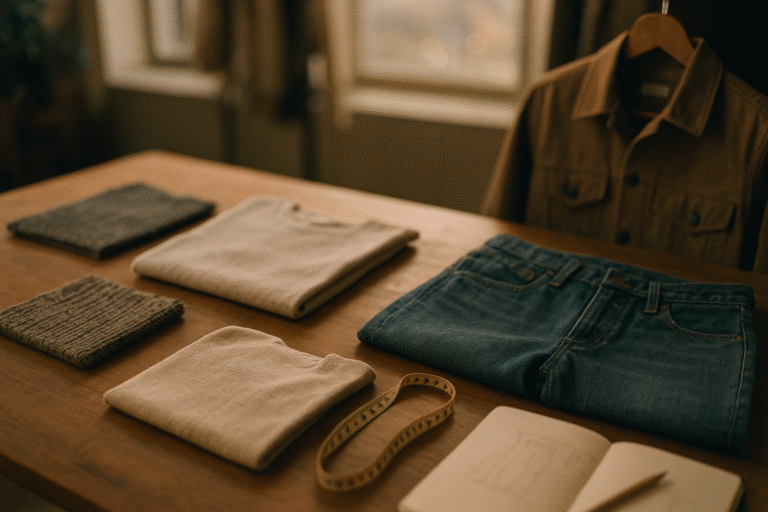
You can use linen fabric to make your home feel fresh and comfortable. Linen textiles work well in bedrooms, dining rooms, and living spaces. Here are some popular linen home textiles you can choose:
Linen curtains
Linen sheets
Linen quilt covers
Pillow cases
Light and airy curtains
Tablecloths
Napkins
Runners
Linen pillows
Cushion covers
Linen fabric keeps your home cool in summer and warm in winter. You will notice that linen textiles last a long time and get softer with each wash.
Apparel
Linen fabric is a favorite for clothing because it feels cool and lets your skin breathe. You can wear linen shirts, dresses, and pants during hot days. Linen fabric does not trap heat, so you stay comfortable. Many people choose linen for its natural look and smooth touch. You can find linen apparel in many styles, from casual tops to elegant dresses. Linen fabric also works well for layering in cooler weather.
Accessories
You can add linen accessories to your daily outfits. Linen fabric makes lightweight and stylish items that you can use all year.
Scarves
Linen scarves feel soft and light. You can wear them in spring or summer. Linen fabric lets air flow, so you stay cool.
Bags
Linen bags are strong and easy to carry. You can use them for shopping or as a casual purse. Linen fabric holds its shape and looks neat.
Hats
Linen hats protect you from the sun. You can wear them at the beach or in the city. Linen fabric keeps your head cool and dry.
Custom Linen Solutions
azknit gives you many ways to customize linen fabric products. You can choose styles, blends, and order sizes that fit your needs. The brand uses certified yarns and offers eco-friendly options.
Description | |
|---|---|
Styles | You can pick sweaters, cardigans, tops, dresses, and more for any season. |
Yarn Certifications | Choose EUROPEAN FLAX® certified yarns or organic linen for sustainability. |
Minimum Order Quantity (MOQ) | Standard MOQ is 100 pieces per design and color, but smaller orders are possible. |
Fabric Blends | Pick pure linen or blends with cotton, viscose, or silk for extra softness. |
Bespoke and fashion cardigans
You can design your own linen cardigans. Linen fabric gives you a unique look and a comfortable fit.
Private label Knitwear manufacturing
azknit helps you create private label knitwear using linen fabric. You can choose your own designs and labels.
Bulk and wholesale knit sweater orders
You can order linen knit sweaters in bulk. Linen fabric works well for large orders because it is strong and easy to care for.
Note: Linen fabric stands out for its durability, comfort, and eco-friendly qualities. You can find linen in many textiles and fashion products, making it a smart choice for your home and wardrobe.
You can see how linen has shaped cultures from ancient Egypt to today’s eco-friendly fashion. People value it for its strength, comfort, and natural beauty. Linen stands out because it is biodegradable, gentle on skin, and lasts a long time. You find it in clothing, home goods, and even healthcare. Choosing linen means you support a fabric that keeps adapting and remains important in many parts of life.
FAQ
What makes linen different from cotton?
Linen comes from flax, while cotton comes from the cotton plant. Linen feels cooler and dries faster. You will notice linen wrinkles more but lasts longer. Cotton feels softer at first, but linen gets softer with each wash.
How do you care for linen fabric?
You can wash linen in cold or warm water. Use a gentle cycle. Air-dry linen for best results. Iron while damp if you want a smooth look. Linen gets softer over time.
Is linen good for people with allergies?
Yes, linen is hypoallergenic. You will find that linen resists dust and bacteria. It feels gentle on your skin. Many people with allergies choose linen for bedding and clothing.
Can you wear linen in winter?
You can wear linen in winter by layering. Linen keeps you warm when paired with other fabrics. Try linen shirts under sweaters or cardigans. Linen blends also work well in cooler months.