
You might ask what polyester is and how it affects your life. Polyester is a man-made fiber. It is made by mixing chemicals from petroleum, air, and water. In 2024, polyester was 59% of all fiber made in the world. This number went up from 57% in 2023. Factories made about 78 million tonnes of polyester. You see polyester almost everywhere. In 2025, people use polyester for many things:
Medical and hygiene products.
Filtration systems.
Automotive interiors.
Packaging and geotextiles.
Key Takeaways
Polyester is a fiber made by people. It comes from petroleum, air, and water. People use it a lot in clothes, packaging, and safety gear.
To make polyester, factories use a chemical process called polymerization. This process makes the fibers strong and tough.
Picking recycled or bio-based polyester helps the planet. It also supports efforts to protect the environment.
Polyester fabric is strong and does not wrinkle easily. It also keeps sweat away from your skin. This makes it good for sports clothes and daily wear.
Recycling polyester saves energy and cuts down on trash. But not every place has the same recycling programs.
What is Polyester Fabric?
Definition
You see polyester fabric almost every day. It is part of a group called synthetic fibres. Factories make it using chemicals from petroleum. You can find polyester fabric in clothes, home items, and packaging. This fabric is special because it does not come from plants or animals. Factories make it by joining two main chemicals: terephthalic acid and ethylene glycol.
Polyester fabric is made by people. It is often mixed with cotton or wool. This makes it stronger and helps stop wrinkles.
The main chemical in polyester fabric is called polyethylene terephthalate. This chemical makes polyester strong and bendy. The table below shows how the chemicals make polyester fabric:
Component | Description |
|---|---|
Monomers | Terephthalic acid and ethylene glycol |
Linkage Type | Ester linkages |
Polymer Name | Polyethylene terephthalate (PET) |
Classification | It is a polyester because of the ester links |
Formation Process | Made by joining the monomers together |
Polyester fabric is used to make plastic and fiber. People recycle it a lot. It can handle heat, melting between 225 °C and 255 °C. In 2025, most polyester fabric comes from petrochemical plants. These plants make purified terephthalic acid and monoethylene glycol. You need these to make polyester fibres by a process called polymerization.
Origins
You may wonder where polyester fabric started. The story began about 100 years ago. Scientists wanted to make new fibres to replace natural ones. Here are some important events in polyester’s history:
In 1926, Wallace Carothers found out how to make synthetic fibres by mixing alcohol and carboxyl acids.
In 1939, John Winfield and James Dickson kept working on this and got a patent for PET in 1941.
In 1941, the first polyester fiber, Terylene, was made.
In 1946, DuPont bought the rights to polyester.
In 1950, DuPont made Dacron, a type of polyester fiber.
In 1951, polyester was shown to the public as a ‘miracle fabric’.
In 1958, polyester became very popular because it was easy to care for.
In the 1970s, people thought polyester was not comfortable, so fewer people used it.
In the 1980s, designers made new blends and brought polyester back.
Polyester fabric first showed up in the 1950s. People liked it because it was easy to care for and lasted a long time. By the 1960s, it was very popular. In the 1970s, people thought it was not comfortable and cheap, so they used it less. In the 1980s, designers mixed polyester with other fibers. Polyester fabric became popular again and could be used in more ways.
Today, you see polyester fabric everywhere. It is the most common synthetic fibre in the world. In 2024, factories made 78 million tonnes of polyester. You find it in sports clothes, everyday wear, and special fabrics. Polyester fabric keeps changing, and you use it in many ways.
How is Polyester Fabric Made?
Chemical Process
You may wonder how polyester fabric is made. The process starts with a reaction called polymerization. Factories mix ethylene glycol with dimethyl terephthalate or purified terephthalic acid. These chemicals come from petroleum, air, and water. When mixed, they make a manmade polymer. Factories use condensation polymerization for this step. This reaction links the molecules and forms polyester resin. Water is made during the process and must be removed.
Here is a table that shows the main chemical reactions in making polyester:
Step | Reaction Type | Description |
|---|---|---|
1 | Condensation Polymerization | The reactants join to make intermediates. This leads to polyester resin. Water is made as a by-product. |
2 | Cross-linking Reaction | Heat or radiation starts cross-linking. Unsaturated bonds react with styrene to make cross-linked polyester. |
You need difunctional alcohols like glycols and difunctional acids such as phthalic and maleic acid. Taking out water helps make strong polyester chains. This process makes polyester fabric tough and bendy.
Note: The chemical process uses things like petroleum, air, and water. These materials are needed to make all types of polyester fabric.
Manufacturing Steps
Factories use many steps to turn the polymer into polyester fabric. Here is a list of the steps:
Polymerization: First, factories make polyethylene terephthalate (PET). They do this by reacting terephthalic acid and ethylene glycol.
Drying and Melting: The PET is dried to remove water. Then, it is heated until it melts.
Extrusion: The melted PET is pushed through spinnerets. This makes long filaments.
Cooling and Solidification: The filaments cool down fast and become solid fibers.
Drawing and Stretching: The filaments are stretched. This makes them stronger and more stretchy.
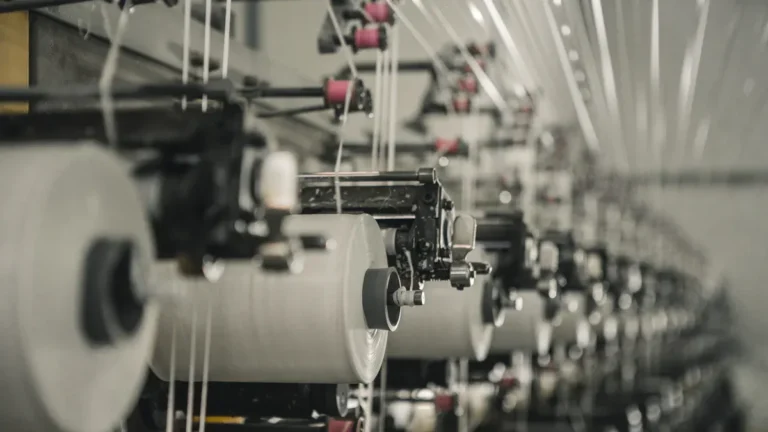
Winding: The finished filaments are wound onto spools. They are ready for weaving or knitting into fabric.
You see these steps in every polyester factory. Each step helps make strong and useful fibers for clothes, home items, and packaging.
Types of Polyester
There are different types of polyester fabric you can find. Each type has its own special features and uses. The most common types are PET, PCDT, bio-based, and recycled polyester.
Here is a table that compares the main types of polyester fabric:
Polyester Type | Description | Best Use Cases |
|---|---|---|
PET | Standard polyester; strong, thermoplastic | Apparel, upholstery, home textiles |
PCDT | Softer, more elastic than PET | Draperies, heavier fabric applications |
rPET | Recycled from plastic bottles or waste polyester | Eco-fashion, sustainable collections |
PET is used in most clothes and home textiles. PCDT is softer and more stretchy, so it is good for drapes and heavy fabrics. rPET is made from old bottles and used polyester fabric. Many brands use rPET to save energy and lower carbon emissions. For example, one ton of rPET saves about 60% energy compared to new PET. It also cuts up to 75% of CO₂ emissions. You can find rPET in products from Patagonia, Adidas, and H&M.
Bio-based polyester is made from things like corn or sugarcane. This type helps use less petroleum. You can find bio-based polyester in some eco-friendly products.
Tip: When you pick polyester fabric, try to choose recycled or bio-based types. These kinds of polyester fabric help the planet and support sustainability.
Now you know how polyester fabric is made. You have learned about the chemical reactions, the steps in factories, and the different types of polyester fabric. This helps you see why polyester is so common and how it is used every day.
Polyester Properties
Physical Properties
When you wear polyester, you notice its special features. Polyester is strong and easy to take care of. Here are some important things about it:
Tensile strength: Polyester fibers do not tear or stretch easily. Your clothes last longer because of this.
Moisture-wicking: Polyester does not soak up much water. It pulls sweat away from your skin and dries fast. This keeps you comfortable when you play sports or when it is hot.
Wrinkle resistance: Polyester does not wrinkle much. Your shirts and pants look neat for a long time.
These things make polyester good for travel, school uniforms, and sportswear.
Durability
You want your clothes and home items to last a long time. Polyester helps with that. Tests show polyester is better than cotton in many ways. Look at the table below to see how they compare:
Test Method | Parameter Measured | Cotton Typical Result | Polyester Typical Result |
|---|---|---|---|
Martindale Cycles | Abrasion Resistance | 18,000–22,000 | 45,000–55,000 |
ISO Strip Tensile (N) | Tensile Strength (warp/weft) | 850/650 | 1,300/1,100 |
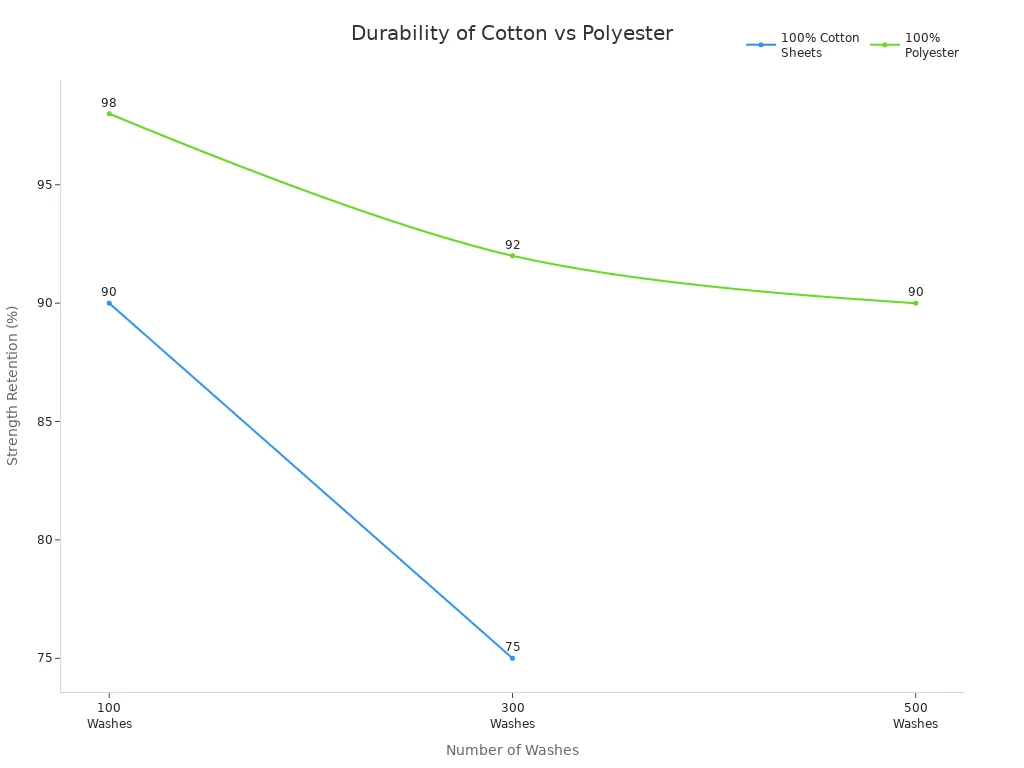
Polyester stays strong after many washes. The next table shows how much strength is left after washing many times:
Fabric Type | Strength Retention @ 100 Washes | @ 300 Washes | @ 500 Washes |
|---|---|---|---|
100% Cotton Sheets | 90% | 75% | — |
100% Polyester | 98% | 92% | 90% |
Polyester towels last more than three years. Cotton towels need to be replaced after about 18 months. Polyester blends also help stop pilling and surface wear.
Safety
You might wonder if polyester is safe for your skin. Most people can wear polyester with no problems. Some workers in dye and print factories get itchy, dry, or burning skin. Being around dyes and chemicals for a long time can cause allergic dermatitis.
Tip: If your skin is sensitive, watch for signs like redness, dryness, itching, swelling, or blisters. You can help these by not wearing polyester or by using lotion and allergy medicine.
Polyester is safe for most people. But you should be careful if your skin feels uncomfortable, especially with dyed or treated fabrics.
Uses of Polyester in Knitwear
Common Applications
Polyester fabric is used in many kinds of knitwear. In 2024, the apparel industry used the most polyester. It made up 38% of the market. Here are some ways people use polyester:
Sportswear and activewear
Everyday casual clothes
Outdoor gear and technical textiles
Blankets and throws for the home
Carpets and rugs
Nonwoven fabrics and fiberfill
Polyester fabric is popular because it works for style and function. Fast fashion and sports brands use it a lot. They like how flexible it is.
Advantages in Knitwear
Polyester fabric gives you many benefits in knitwear. It is very strong, so your clothes last longer. You can wash them many times. This saves money for you and for companies. Polyester is tough, stretchy, and does not soak up water. This keeps you comfy when you play sports or go outside. Polyester yarn keeps its shape and does not stretch out. Your clothes look new for a long time. These good things make polyester a top choice for sports and daily wear.
Trends and Innovations
Every year, new ideas come to polyester knitwear. Brands now use more recycled and bio-based textiles. Stella McCartney and Adidas use these materials to help the planet. More people want eco-friendly clothes, so the recycled textile market grows. Smart textiles are also used in knitwear. These fabrics have light sensors and special yarns. They can track your body heat and movement. Some clothes can change airflow or have interactive features. New recycling methods, like using enzymes and AI sorting, help cut waste. These ideas support a fashion world that reuses more.
Innovation | Description |
|---|---|
Enzymatic Recycling | Uses enzymes to break down textiles for reuse |
AI-Driven Sorting | Uses deep learning to separate fibers and contaminants |
Reju™ | Chemically recycles polyester waste into new fibers |
Syre | Converts polyester waste into new PET for circular production |
Eastman | Processes large amounts of waste and partners with major brands |
Comparison with Other Fibers
You may wonder how cotton and polyester are different. Most people like cotton because it feels soft and comfy. Surveys say 75% of people pick cotton, cotton blends, or denim over man-made fibers. Cotton is best for comfort, softness, and quality. Polyester knitwear is strong, does not soak up water, and costs less. But some people do not like that polyester does not breathe well. It can also hold smells. Polyester is not as comfy as natural fibers like cotton and wool.
Polyester and the Environment
Impact
People use polyester every day. It affects the planet a lot. Making polyester needs lots of energy and water. Factories use 217 megajoules of energy for each kilogram. They also use 62 liters of water for every kilogram. The process depends on petroleum, which cannot be replaced. When factories make polyester, they let out greenhouse gases and toxins. Polyester does not break down quickly. It can stay in landfills for 20 to 200 years. Washing polyester clothes releases tiny microplastic fibers. These fibers get into rivers and oceans. Fast fashion makes more waste and pollution. Old polyester clothes in landfills release chemicals that hurt nature.
Tip: Wash polyester less and use gentle cycles. This helps lower microplastic pollution.
Environmental Footprint Table
Factor | Amount Used/Produced |
|---|---|
Energy (per kg) | 217 megajoules |
Water (per kg) | 62 liters |
Decomposition Time | 20–200 years |
Recycling
Recycling polyester helps the planet. In the United States, about 29% of PET bottles are recycled. Some states with rebates recycle over 70%. Other states recycle less than 20%. Japan recycles about 84% because of strict rules. Recycling polyester saves energy and cuts down waste. But recycling has problems. Not enough people recycle because there are few rewards. Rules and collection systems are different everywhere. Sorting and processing polyester waste costs a lot. Many clothes still end up in landfills.
Recycling rates change by country and state.
Collection and sorting need to get better.
Rewards and rules help raise recycling rates.
Innovations
New ideas make polyester more eco-friendly in 2025. Companies like Loop Industries and Hyosung TNC work together. They build circular supply chains. Loop Industries uses the Infinite Loop process. This breaks old textiles into building blocks. Factories use these blocks to make recycled polyester resin called Twist. Hyosung TNC uses this resin to make Regen yarns. These yarns are strong and help the circular economy. More brands use recycled and bio-based polyester now. These steps help lower waste and pollution.
Loop Industries and Hyosung TNC build circular supply chains.
Infinite Loop process turns old textiles into new polyester resin.
Regen yarns are strong and good for the planet.
Note: Picking recycled or bio-based polyester helps nature and supports new ideas.
Polyester Knitwear by azknit
Product Range
Azknit sells many kinds of polyester knitwear. You can buy sportswear that keeps you cool and dry. There is casual wear for comfort and style every day. Technical textiles are made for special jobs, like uniforms or outdoor gear. All products use polyester fibers for strength and easy care. You can pick from many colors, patterns, and sizes. Brands team up with azknit to make custom designs for their needs.
Key Advantages
Azknit gives you more than just polyester knitwear. The company cares about quality and new ideas. You get smart materials that feel comfy and wick away sweat. Safety is important, so fabrics meet OEKO-TEX® Standard 100, GOTS, and REACH rules. You can ask for special designs, colors, and fits. Azknit uses recycled materials to help the planet. The table below shows what makes azknit special:
Feature/Certification | Description |
|---|---|
Customization Options | You can pick designs, colors, and fits for unique products. |
Safety Certifications | Fabrics meet top standards for safety and quality. |
Advanced Materials | Smart fabrics give you comfort, breathability, and moisture-wicking. |
Eco-Friendly Practices | Recycled materials help protect the environment. |
Tip: Ask about recycled polyester if you want to help the planet.
Customer Focus
Azknit wants you to be happy with what you buy. The company helps with custom orders and support after you buy. You can share ideas for new designs or ask questions. Some customers have posted reviews online:
“Really unhappy I wasted the money on this POS!”
“I don’t think I’ve ever been more misled by an online advertisement/purchase in my life!”
“Awful company the items are not knitted they are screen prints put on nasty polyester fabric.”
“Worst shopping experience ever.”
“DO NOT BUY FROM THIS COMPANY!!”
Read reviews before you buy anything. If you have questions, contact azknit for help. The company tries to make products and service better by listening to feedback.
Polyester is a tough fabric made from chemicals. It can be used in many things and lasts a long time. But making polyester needs lots of energy and water. This can hurt the earth.
Pick recycled or eco-friendly choices when you buy clothes.
Let your clothes air out and wash them less often to make less waste.
“Fiber-to-fiber circularity is very important for the future of green textiles.”
Soon, more people will want recycled and bio-based polyester. This means we will see more of these kinds in stores.
FAQ
What makes polyester different from cotton?
Polyester is made from chemicals. Cotton comes from plants. Polyester dries quickly and does not wrinkle much. Cotton is softer and lets air through better.
Feature | Polyester | Cotton |
|---|---|---|
Source | Synthetic | Natural |
Care | Easy | Moderate |
Can you recycle polyester clothes?
You can recycle polyester clothes at many places. Some brands use old polyester to make new clothes.
Tip: Look for the rPET label when you want recycled polyester.
Does polyester cause skin allergies?
Most people can wear polyester with no trouble. Some people with sensitive skin may react to dyes or finishes. If you feel itchy or see redness, try natural fibers instead.
:warning: Always wash new clothes before you wear them.
Is polyester safe for the environment?
Polyester needs a lot of energy and water to make. It does not break down fast. Using recycled polyester helps cut down on waste.
Pick recycled or bio-based polyester to help the earth.