1. Executive Summary
Cashmere scarves are consistently priced higher than wool or synthetic alternatives because of the scarcity of the raw material and the labor-intensive nature of its production.1 While entry-level options exist, high-quality cashmere scarves command premium prices due to the specific fiber diameter (under 19 microns), the limited annual yield per goat, and specialized dehairing and finishing processes. Ultimately, the price of a cashmere scarf reflects a combination of material weight, fiber grade, and the manufacturing complexity required to maintain the fiber’s integrity.2
2. What Makes Cashmere Scarves Cost More Than Wool or Synthetic Scarves
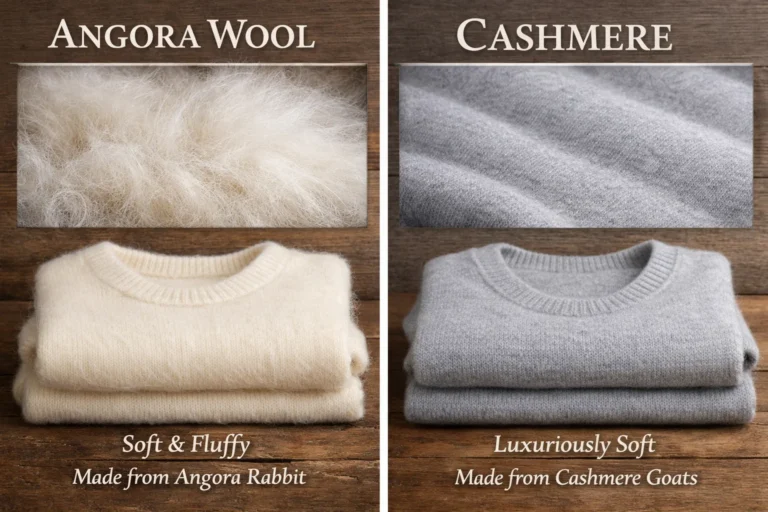
The primary driver of cashmere’s cost is biological scarcity. Unlike sheep, which can be sheared and produce several kilograms of wool annually, cashmere goats (Capra hircus laniger) produce only a small amount of fine downy undercoat. A single goat typically yields only 150 to 250 grams of “greasy” cashmere per year. Once this material is cleaned and dehaired, the usable yield often drops by 50%. Consequently, it takes the annual production of two to three goats to create a single medium-sized scarf.
Beyond yield, the harvesting process adds significant labor costs.3 While wool is generally sheared mechanically, high-grade cashmere is often hand-combed during the goats’ natural spring molting season to preserve fiber length and minimize damage.4 Synthetic fibers, by contrast, are petroleum-based and manufactured through high-volume extrusion processes, benefiting from massive economies of scale that are physically impossible in cashmere production.5
3. Cashmere Fiber Quality Levels and Price Impact
Not all cashmere is created equal, and the price of a scarf is heavily influenced by the grade of the raw fiber used.6 Professional grading typically focuses on two metrics: fiber diameter (micron) and fiber length.
-
Grade A: The highest quality, with a diameter of 14 to 15.5 microns and a length of 34mm to 36mm. This fiber is the most expensive because it creates the softest hand-feel and is the least likely to pill.
-
Grade B: Slightly thicker (16 to 17.5 microns), offering a less refined feel but still significantly softer than wool.
-
Grade C: The thickest “legal” cashmere, near 19 microns, which is often used in mass-market or budget-friendly scarves.
Furthermore, the price is dictated by the purity of the dehairing process. If a manufacturer leaves a higher percentage of coarse “guard hairs” (the goat’s outer coat) in the mix, the cost decreases, but the scarf will feel “prickly” and lack the signature cashmere softness. Single-origin fibers (such as those from the Alashan region) also command a premium over blended cashmere collected from multiple regions.
4. Yarn Spinning and Fabric Construction Costs
Once the fiber is sourced, the manufacturing process further distinguishes the cost tiers. Cashmere is a delicate fiber with low tensile strength compared to wool, requiring specialized machinery and slower spinning speeds to prevent breakage.7
The construction method—weaving versus knitting—also impacts the price.8 Woven scarves, which use a traditional loom, often require a higher degree of yarn consistency and setup time. Finishing is perhaps the most technical stage: cashmere scarves must undergo a specific washing and “fulling” process to open up the fibers and create the “bloom” or fuzzy surface texture. Over-processing can weaken the fibers and lead to premature pilling, while under-processing results in a stiff garment. Achieving the perfect balance requires skilled technicians, adding to the per-unit cost.9
5. Size, Weight, and Yarn Consumption
In knitwear and accessory manufacturing, the most transparent price driver is “gram weight.” Because the raw material is so expensive, every additional gram of yarn adds directly to the Bill of Materials (BOM).
A standard scarf might weigh 120 grams, while a heavy-weight “blanket scarf” or oversized wrap might exceed 300 grams. Because the material cost can represent 50% to 70% of the total manufacturing cost at the factory level, a scarf that is twice as heavy will almost certainly be twice as expensive to produce. Designers often manipulate the “ply” (the number of strands twisted together) and the “gauge” (the density of the knit or weave) to hit specific price points.10 A 2-ply scarf is generally more durable and expensive than a single-ply version, which may feel thinner and more fragile.11
6. Manufacturing Location and Labor Costs
The geography of production influences price through labor rates, environmental compliance, and specialized expertise.12 Traditional processing hubs, particularly in parts of Europe and specific regions in Asia, have developed proprietary finishing techniques that are difficult to replicate.
Higher labor costs in regions with strict environmental and social compliance often result in a higher wholesale price. However, these regions often provide better quality control, ensuring that the finished product meets the claimed fiber purity. In contrast, high-volume factories may offer lower per-unit costs through automation and scale, though this can sometimes result in more aggressive chemical treatments that degrade the natural lifespan of the cashmere fiber.
7. Retail Markup and Brand Positioning
There is often a significant delta between the manufacturing cost of a cashmere scarf and its retail price. This is driven by the distribution model:
-
Direct-to-Consumer (DTC): Brands that sell directly to the public often bypass the traditional 2x or 2.5x wholesale markup, allowing them to offer high-grade cashmere at a lower retail price point.
-
Luxury Branding: High-end fashion houses apply significant markups to cover the costs of marketing, prestigious retail locations, and “brand equity.”13 In these cases, the consumer is paying for the design, the label, and the perceived status, which can move the price far beyond the intrinsic value of the fiber and labor.
8. Price Ranges by Market Segment
To analyze the market objectively, we can categorize cashmere scarves into three general segments:
-
Entry-Level ($50 – $100): Typically produced using Grade C cashmere, shorter fiber lengths, or cashmere-wool blends. These are often mass-produced and may feel soft initially due to chemical softeners but are prone to pilling and losing shape.
-
Mid-Range ($120 – $250): Often sourced from reputable specialists using Grade A or B fiber. These scarves usually offer a balance of durability and softness, with better attention to finishing and fiber length.
-
High-End/Luxury ($400+): These utilize the finest Grade A fiber, often in higher ply counts (heavy weight) or with specialized weaves (such as jacquard or hand-painted prints). The price reflects both the top-tier raw material and brand-related overhead.
9. Common Misconceptions About Cashmere Scarf Pricing
A frequent misunderstanding in the apparel industry is that a higher price always guarantees better quality. This is not necessarily true. A $500 scarf from a major luxury brand may use the exact same grade of fiber as a $150 scarf from a specialized, non-branded mill.
Another misconception is that “100% Cashmere” is a uniform standard. As established, the difference between a 14-micron and 19-micron fiber is vast in terms of cost and performance, yet both can be labeled as “100% Cashmere.” Finally, many consumers assume that a very soft scarf is a better value. However, factories often “over-mill” (excessively wash) scarves to make them feel ultra-soft on the store shelf, which actually damages the fibers and reduces the scarf’s lifespan.
10. Value Assessment and Buying Context
Whether a cashmere scarf is “worth it” depends on the intended use and the user’s performance requirements.
-
When it is worth the price: For next-to-skin wear where thermal regulation and skin sensitivity are priorities. High-quality cashmere is an investment in comfort and long-term durability if maintained correctly.14
-
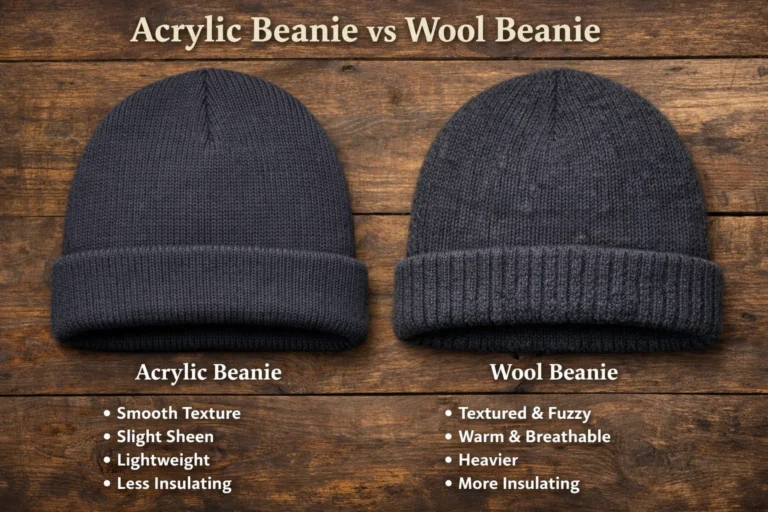
When alternatives are better: For high-abrasion environments, or for consumers who prefer easy-care (machine washable) garments, high-grade Merino wool or wool-silk blends often provide better value. These alternatives can offer similar warmth with much higher durability at a fraction of the cost.
In technical terms, the price of a cashmere scarf is a reflection of a supply chain that begins in high-altitude climates and requires meticulous mechanical and manual processing.15 While retail markups can inflate prices, the floor for cashmere pricing is set by the physical reality of the fiber’s scarcity and the complexity of transforming it into a finished textile.
The cost of cashmere is inextricably linked to the physical limitations of the animal and the specialized nature of the processing equipment.16 From an engineering and manufacturing perspective, a cashmere scarf is not merely a luxury accessory but a high-performance textile product. Understanding the variables—from micron count to gram weight—allows for a more objective assessment of why these items command such high prices in the global market.