In the retail world, the term “tight knit” is often used loosely to describe anything that looks smooth. But on the factory floor, “tight knit” is an engineering term, not a fashion statement.
As a manufacturer who has programmed thousands of patterns on Stoll and Shima Seiki knitting machines, I see a common confusion. Consumers often think “tight knit” means a sweater that fits tightly against the body (like a bodycon fit).
That is incorrect.
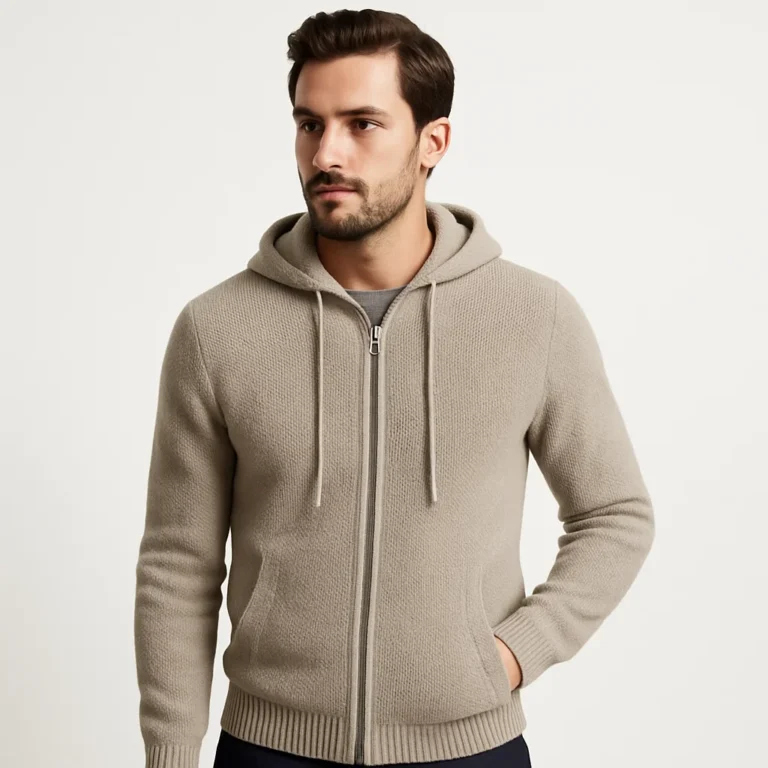
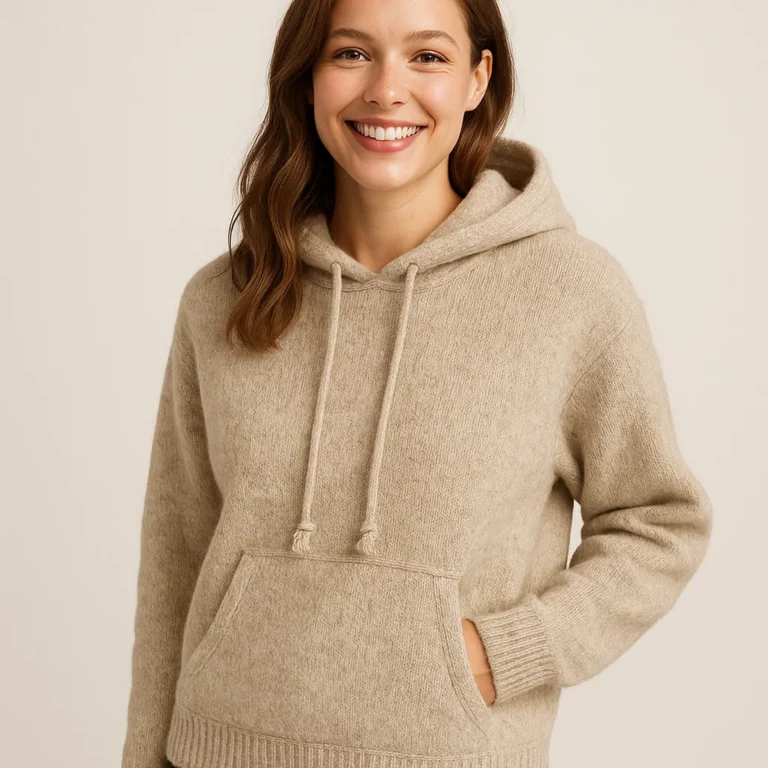
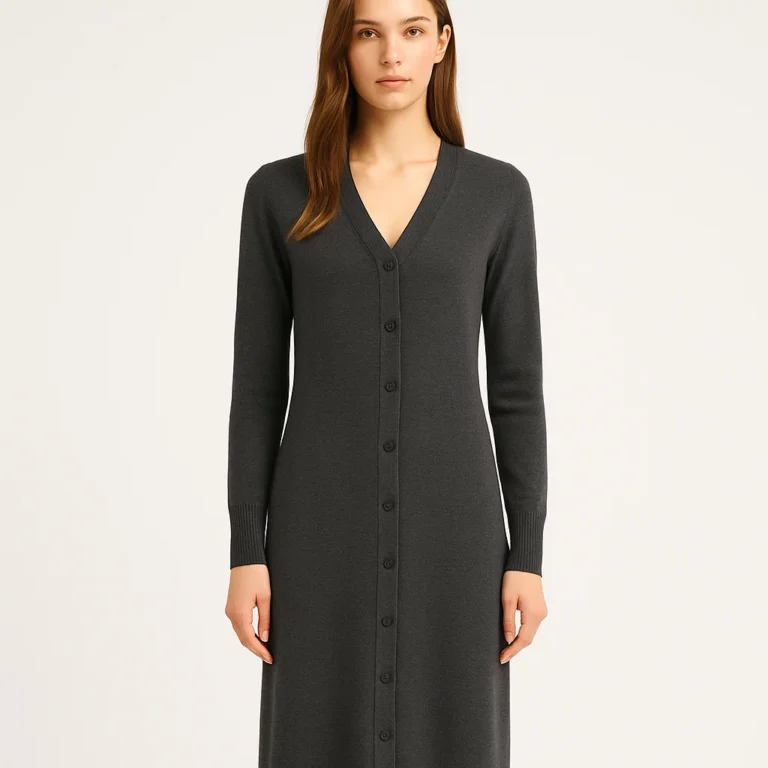
A “Tight Knit” refers to the density of the fabric construction. It is defined by the Gauge (GG) and the Tension settings on the machine. You can have an oversized, baggy sweater that is technically a “tight knit.”
Here is the breakdown of what actually makes a knit “tight,” why it costs more to produce, and why it is the superior choice for longevity.
1. The Numbers Game: Understanding “Gauge” (GG)
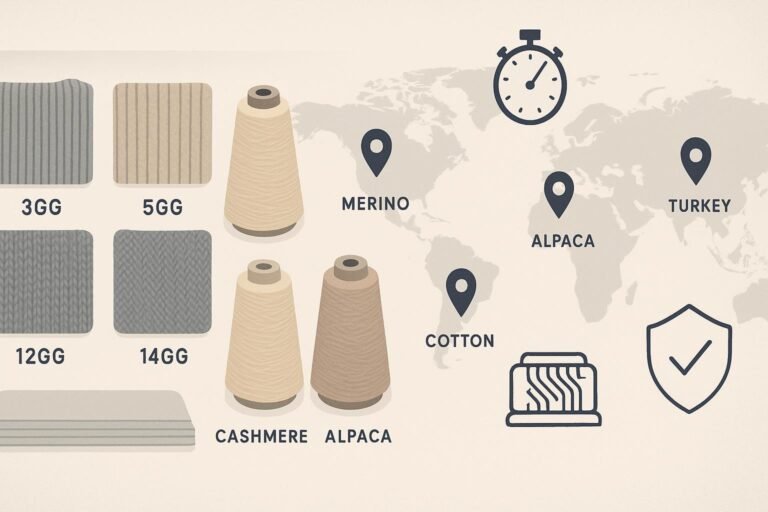
To understand tightness, you have to understand Gauge. Gauge simply means “needles per inch” on the knitting machine bed.
-
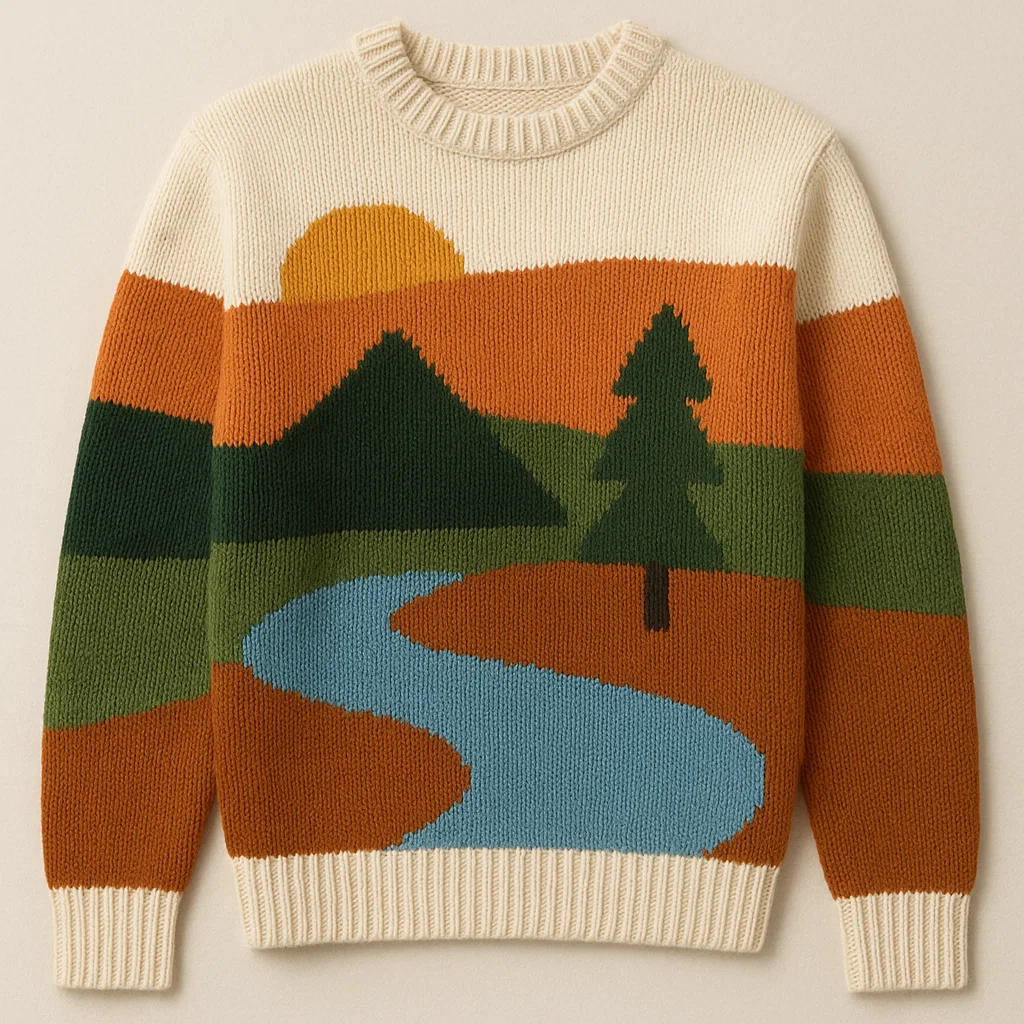
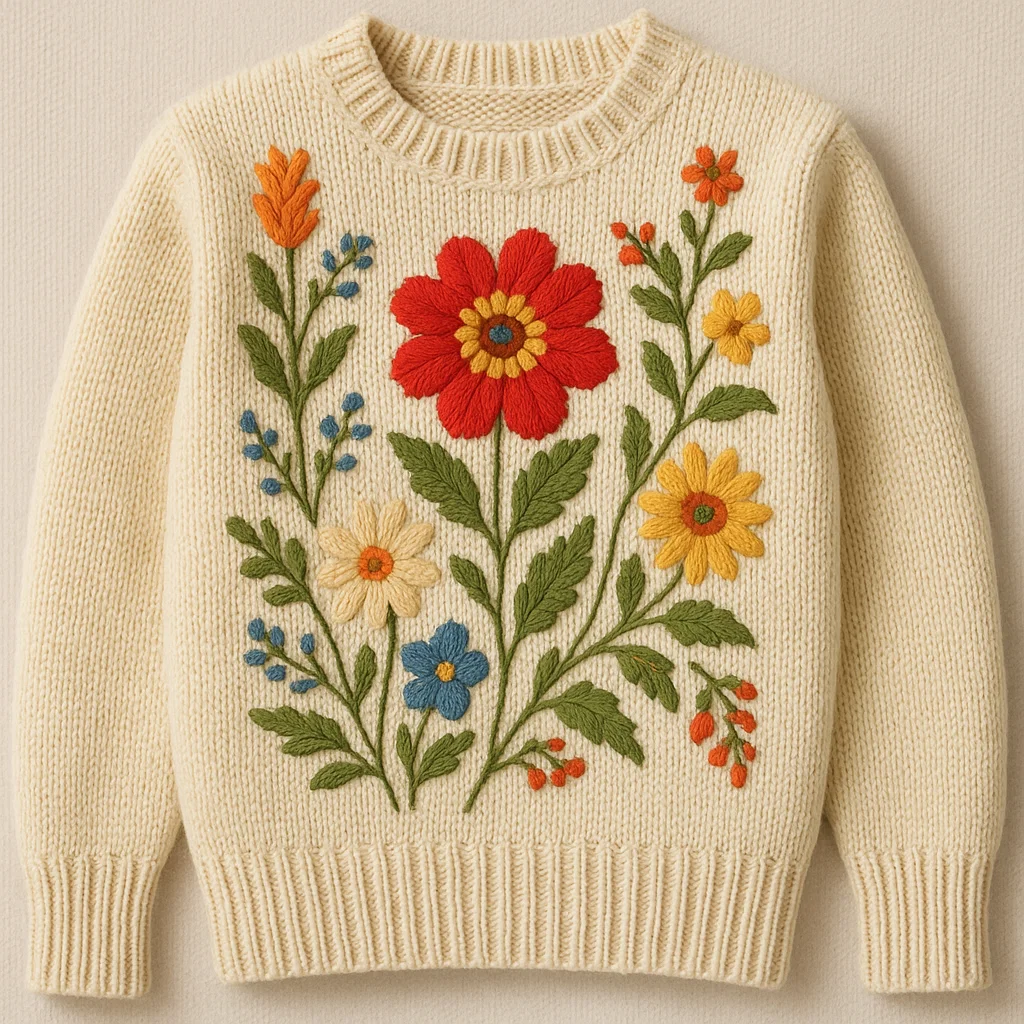
Low Gauge (3GG – 7GG): These are your chunky, “hand-knit” look sweaters. The stitches are big and loose. You can stick your finger through the loops.
-
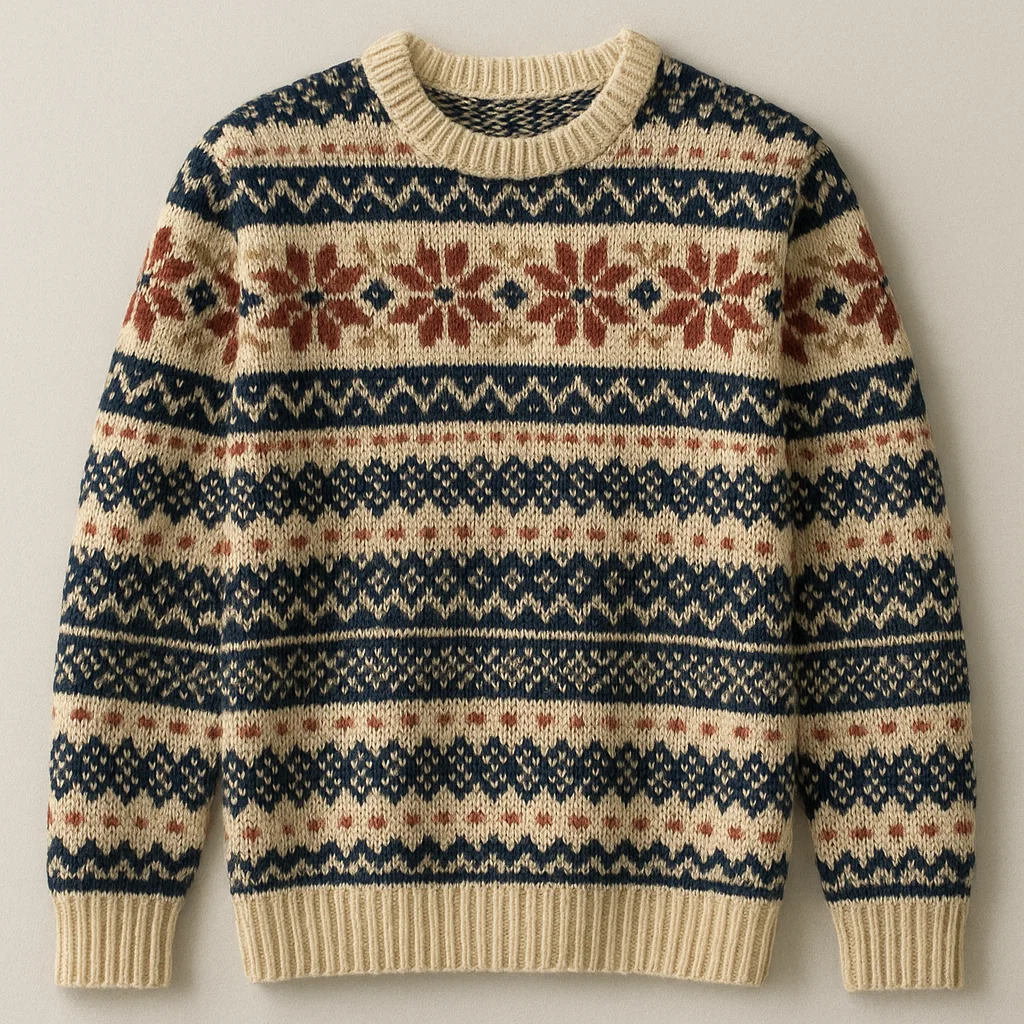
Mid Gauge (9GG – 10GG): The standard everyday sweater.
-
High/Tight Gauge (12GG – 18GG): This is the “Tight Knit” territory.
When we set a machine to 12GG or 14GG, we are packing 12 to 14 needles into every single inch of the needle bed. The yarn used must be finer, and the loops are microscopic compared to a chunky sweater.
Factory Reality: A “Tight Knit” sweater takes significantly longer to produce. A 12GG sweater might require 3,000 courses (rows) of knitting, whereas a chunky 5GG sweater might only need 800. Time is money. If a brand is selling you a “tight knit” for $20, be suspicious—they likely faked the density by using a chemical shrinkage process rather than actual needle density.
2. Tension and “Cover Factor”
It’s not just about the needles; it’s about the Tension Dial.
You can knit on a fine gauge machine but run it “loose” to save yarn. A true Tight Knit has high structural tension. In the industry, we call this the “Cover Factor.”
A high cover factor means the loops are so tight against each other that:
-
Wind Resistance: Air cannot easily pass through the gaps.
-
Water Repellency: While not waterproof, a tightly knitted wool sweater will naturally bead water on the surface because there are no gaps for the droplet to sink into.
-
Opacity: You cannot see through it, even when stretched.
3. Why “Tight Knit” = “Anti-Pilling”
The number one complaint we get about sweaters is pilling (those annoying little fuzzballs).
Loose knits pill. Tight knits resist pilling.
Here is the physics: Pilling happens when loose fibers on the surface of the yarn rub together and tangle. In a loose, chunky knit, the yarn has room to move, rub, and abrade.
In a Tight Knit, the yarn is “locked” into the structure. The stitches are so dense that the fibers physically don’t have the space to wiggle out and tangle. If you want a Merino wool sweater that looks new after two years, you buy a high-gauge, tight knit structure.
4. The Material Requirement: No Garbage Allowed
Here is a secret: It is very hard to make a tight knit sweater out of bad yarn.
On a knitting machine, high tension puts massive stress on the yarn. If we try to use cheap, short-staple cotton or recycled waste wool on a 14GG machine, the yarn snaps. The machine stops. Production halts.
Therefore, by default, a “Tight Knit” sweater usually implies a higher quality raw material. We generally have to use long-staple cotton, worsted wool, or high-twist yarns to survive the manufacturing process.
5. How to Identify a Real “Tight Knit” (The Tests)
Next time you are shopping, ignore the label and do these two tests:
The “Light Test”
Hold the sweater up to a ceiling light.
-
Loose/Cheap Knit: You will see a grid of light points shining through every stitch. This is a “sieve,” not a sweater.
-
True Tight Knit: You should see very little to no light passing through the body of the fabric. It should look like a solid block of color.
The “Snap Back”
Pull the fabric horizontally (across the chest) and let go.
Final Verdict
A “tight knit” sweater is the workhorse of your wardrobe. It is the garment that provides warmth without bulk, structure without stiffness, and durability that fast fashion can’t replicate.
From a factory owner’s perspective: Loose knits are for fashion trends; Tight knits are for investment.