Will a knit sweater shrink in the dryer?

Short answer (straight to the point)

Yes — most knit sweaters can shrink in the dryer, but whether they actually do, how much, and in what way depends far more on fiber type, knit structure, and finishing process than on the dryer itself.

From a manufacturing perspective, shrinkage is not an accident. It is a predictable material response that can be controlled — or triggered — by heat and mechanical action.


Why dryers cause shrinkage (from a factory viewpoint)

In knitwear production, we treat shrinkage as dimensional change under stress. A tumble dryer introduces three stresses at once:

  1. Heat – activates fiber relaxation or thermal contraction

  2. Moisture – allows fibers to move and re-set

  3. Mechanical tumbling – accelerates loop tightening in knitted structures

Knit fabrics are built from interlocking loops, not fixed grids like woven fabrics. When heat and motion are applied, those loops can draw closer together, shortening length and width.

This is why dryers affect knitwear more visibly than shirts, jeans, or jackets.


Shrinkage depends on fiber, not the word “knit”

From the factory side, we never ask “Will a knit sweater shrink?”

We ask “What fiber system is this knit made from?”

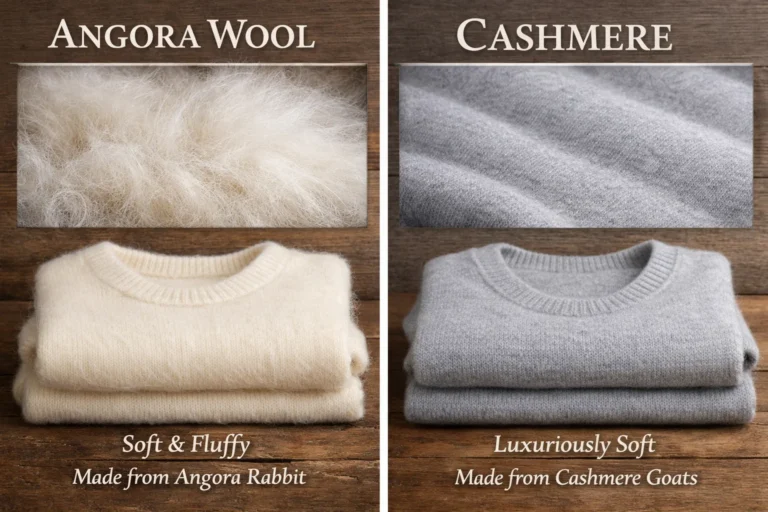
Wool (especially merino, lambswool, cashmere)

  • Highest risk

  • Wool fibers have microscopic scales

  • Heat + agitation causes felting, not just shrinkage

  • Once felted, shrinkage is irreversible

In production, this is why wool sweaters are:

  • Pre-relaxed

  • Washed gently

  • Never tumble-dried during finishing

A household dryer recreates the exact conditions we avoid in factories.


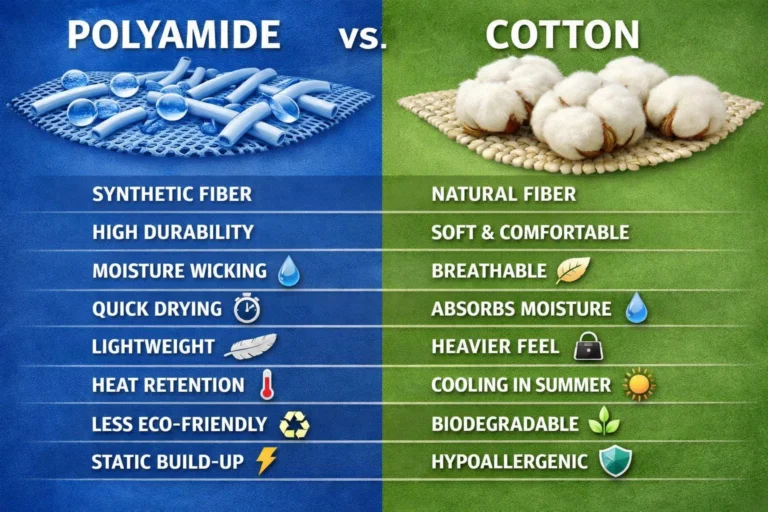
Cotton knit sweaters

  • Moderate to high risk

  • Cotton shrinks through fiber relaxation

  • Dryer heat tightens the loop structure

If the yarn or fabric was not fully pre-shrunk at the mill stage, the dryer finishes that process — at the consumer’s expense.


Synthetic or blended knits (polyester, nylon blends)

  • Lower risk

  • Synthetic fibers are dimensionally stable

  • Shrinkage is usually limited to cotton content

However, blends can still distort:

  • Length and width may shrink unevenly

  • Rib cuffs and hems may tighten more than body panels


Knit structure matters more than people realize

Two sweaters with the same fiber can behave very differently in a dryer.

From manufacturing tests, shrinkage varies by structure:

  • Loose-gauge knits → more movement → more shrinkage

  • Dense or compact knits → better stability

  • Rib structures → higher contraction along width

  • Brushed or fuzzy surfaces → higher friction → higher risk

This is why some sweaters shrink mostly in length, while others feel suddenly tighter at cuffs, hem, or neckline.


What factories do to control shrinkage (and dryers undo)

Before a knit sweater ever reaches a store, factories typically apply:

  • Fabric relaxation or garment washing

  • Controlled drying at low temperature

  • Dimensional testing after wash cycles

But these processes assume correct end-user care.

A household dryer — especially on medium or high heat — can exceed:

  • The temperatures used in finishing

  • The mechanical stress used in quality testing

In simple terms:

The dryer can push the garment beyond its tested tolerance.


Common misconceptions we see from customers

  • “It’s pre-shrunk, so the dryer is fine”

    → Pre-shrunk does not mean shrink-proof.

  • “It only shrank a little, so it’s low quality”

    → Shrinkage ≠ poor quality. It’s material physics.

  • “Only wool shrinks”

    → Cotton knits shrink frequently; they just don’t felt.


Practical factory guidance (not marketing advice)

If you want to preserve the original dimensions of a knit sweater:

  • Avoid tumble drying, especially with heat

  • Lay flat to dry to preserve loop geometry

  • If a dryer must be used, use low heat, short time, and remove while slightly damp

From a production standpoint, this mirrors how we dry test samples — slowly, gently, and with shape control.


Final manufacturing conclusion

A knit sweater shrinking in the dryer is not a defect.

It is the natural outcome of:

  • Loop-based fabric construction

  • Fiber response to heat and moisture

  • Mechanical agitation exceeding finishing limits

Understanding this shifts the question from “Will it shrink?”

to “Was this knit designed to tolerate dryer conditions?”

In most cases, the honest factory answer is: no.
Picture of Azknit Expert

Azknit Expert

Bring Your Design Idea to Real Life

Create Your Knitwear Today

Azknit provides oem/odm service for knitwear. Help to create your own brands knitwear series like sweater, hoodie, cardigan, dresses and tank tops. 
Azknit has been working with more than 30+ worldwide brands and finished more than 100 samples each months.

Feel free to contact for your own design quote.

Jacky Wen

Jacky Wen

Hey. Any knitwear to create?

Hey, any knitwear design to create?

Related Q&As

How much is a Tommy Hilfiger cap?
How to knit sweater for dog?
What hoodies are popular right now?
When Ralph Lauren Black Friday sale?
When is Tommy Hilfiger sale?
Are alpaca sweaters itchy?
How are cotton clothes produced?
What animal does cashmere come from?
Why is Polo Ralph Lauren expensive?
What cotton fabric is the softest for knitwear?

Fabric Knowledge

Angora Wool or Cashmere Which Keeps You Warmer
Acrylic Beanie or Wool Beanie Which Keeps You Warmer
Polyamide or Cotton Which Is Best for Everyday Wear
Alpaca vs Llama Wool Which Is Softer and Warmer
Polyester vs Wool Which Fabric Breathes Better

Worldwide Knitwear Supplier

linen cardigan
Carpi Knitwear Manufacturer – OEM & ODM Partner for Premium Fashion Brands
ladies-button-down-sweaters
Glasgow Knitwear Manufacturer – OEM & ODM Supplier for UK & European Brands
blue-print-sweater2
Portland Knitwear Supplier & OEM Hoodie Manufacturer | Custom Sweater Factory Oregon
mens-merino-wool-hoodie
Braga Knitwear Factory – OEM & ODM Supplier for European Apparel Brands
comfy-sweaters2
Atlanta Knitwear Supplier & OEM Hoodie Manufacturer | Custom Sweater Factory Georgia

CUSTOMIZED

Custom Knit Structure

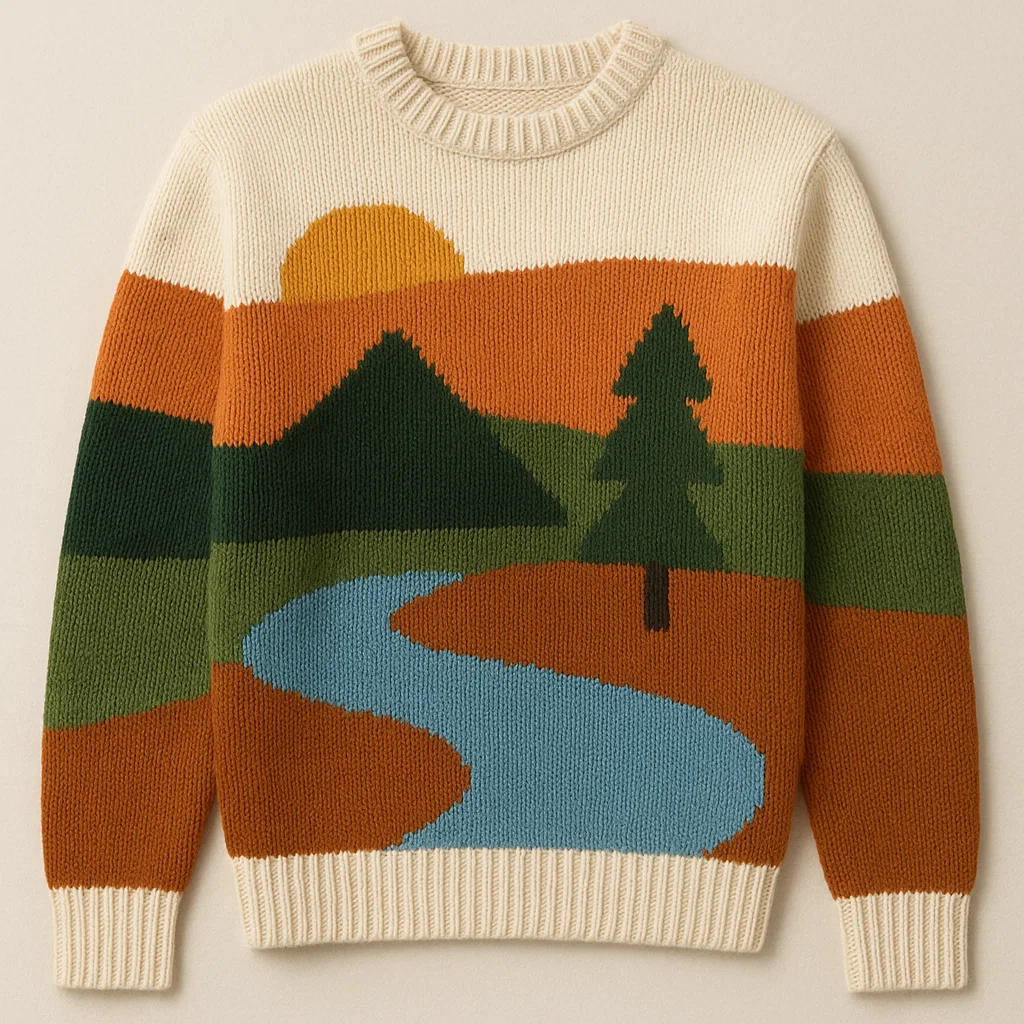
intarsia type knit sweater

Intarsia

  • Precise color-block knitting without float yarns on the back

  • Often used for logos and signature brand designs

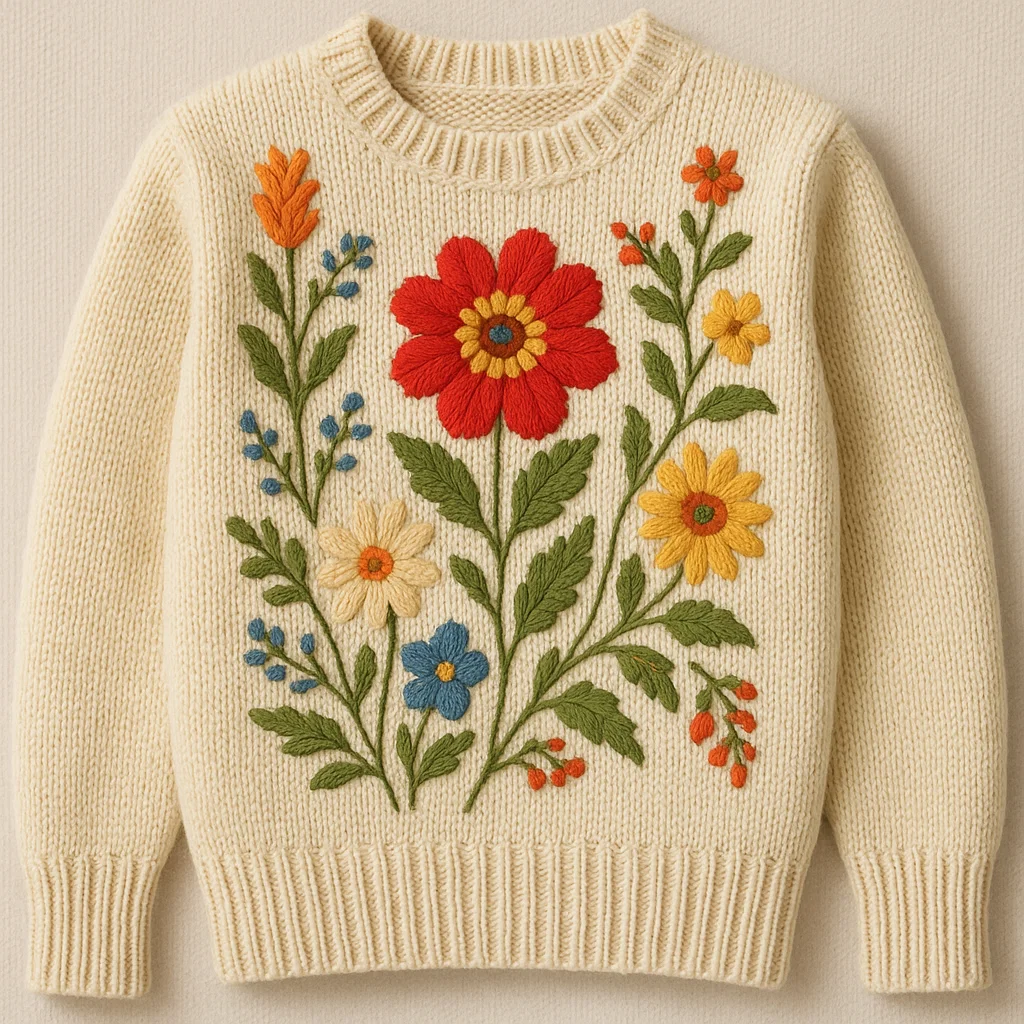
Embroidery

  • Adds decorative patterns, logos, or textures

  • Enhances brand identity and premium appearance

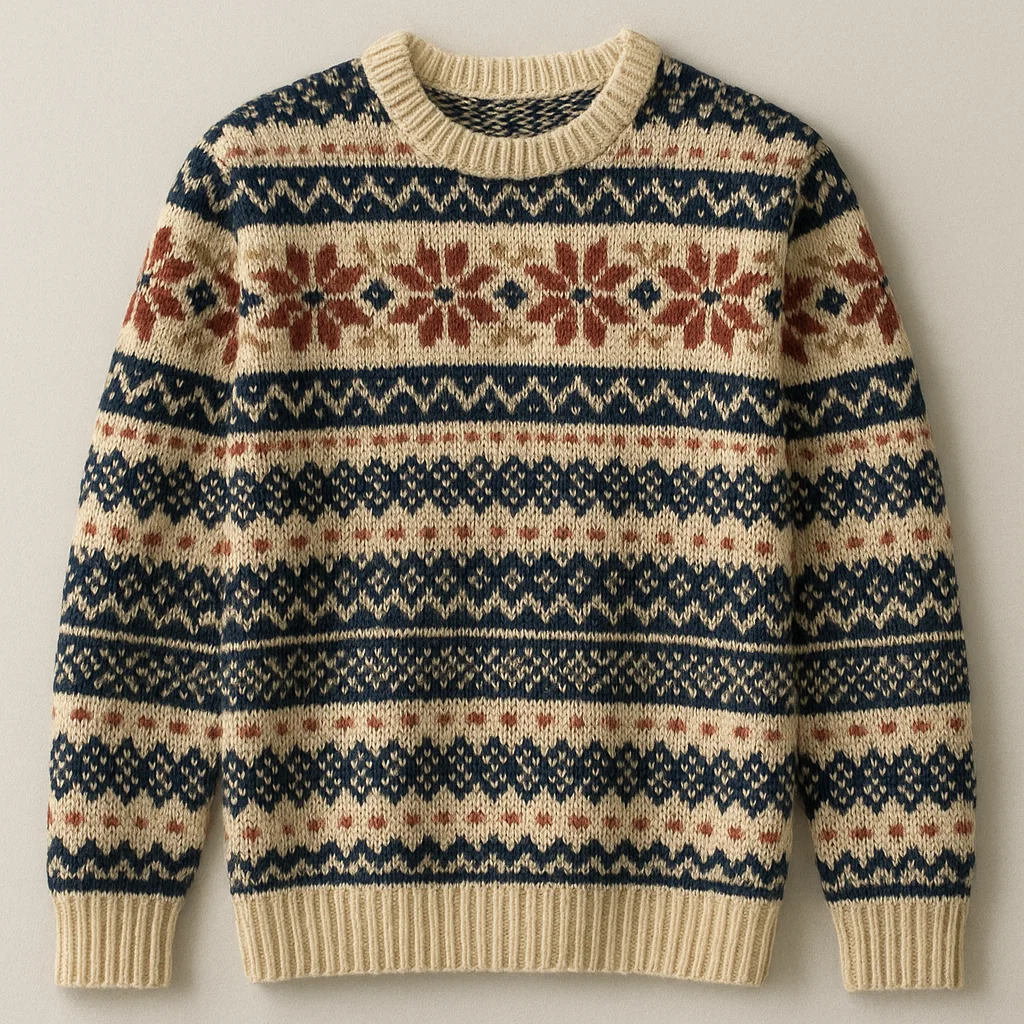
Jacquard

  • Complex multi-color patterns woven into fabric

  • Perfect for brand customization and seasonal collections

Custom Labeling Application

end folding labeling

End Folding

  • Left & Right End or Up & Down End

  • Different Size Available

miter fold labeling

Miter Folding

  • Up or Down Application

  • Customized Length,Size,Graphics

straight cut labeling

Straight Cut

  • Easy Application

  • Customzied Color, Size

Custom Tags

washing tags

Washing Tags

  • Custom Size,Contents & Application

price & Size tags

Price & Size Tags

  • Custom Material-Paper, PE , Fabric

Brands Badges

  • Custom Fabric, Rubber or Iron

Custom Packing

Story & Thank You Cards

  • Custom Size, Contents

PP Packing LOGO

  • Low MOQ with LOGO

Highend Box

  • Custom Gift Packing

Azknit - Premium Custom Knitwear

ladies-button-down-sweaters
bohemian-dress
Elegant woman in cotton knit dress, luxury knitwear factory production
cooling-headwrap
active-hoodie-oem-factory-performance-apparel

Lastest Blogs

Polyester vs Cotton Which Fabric Is Right for You
How to Evaluate a Factory’s Technical Capability Step by Step
Adidas Knitwear & Jersey Revival: When Sports Meets Knit Fashion
How to Create a Knitwear QC Checklist for Bulk Orders
Hollywood Knitwear Icons: 1980s Movie Stars Who Made Sweaters Legendary

From sketch to sweater – AZ Knit brings ideas to life.