

You can tell llamas, alpacas, vicuñas, and guanacos apart by looking at how people use them, their genes, and their jobs in the Andes. When considering llama vs alpaca, it’s important to note that both are new world camelids that were tamed by people in the Andes a long time ago, with alpacas possibly being tamed first. Vicuñas and guanacos still live in the wild and possess special genes. If you visit the Andes, knowing these facts helps you understand the significance of each animal in culture and nature.
Characteristics | Cultural Importance | Economic Role | |
|---|---|---|---|
Llama | Bigger, carries loads | Part of Andean life | Wool, transport |
Alpaca | Smaller, soft wool | Shows wealth | Makes wool |
Vicuña | Wild, fine wool | Symbol for saving them | Small trade |
Guanaco | Wild, like llamas | Old tradition | Used a little |
Key Takeaways
Llamas are the biggest Andean camelids. People use them to carry things and for their wool. They are calm and strong. This makes them good pack animals.
Alpacas are smaller than llamas. They are famous for their soft, allergy-friendly wool. Alpacas like to be with other alpacas. People mostly raise them for their fiber.
Vicuñas live in the wild. They make the softest wool, which is worth a lot. Vicuñas are quick and shy. They live high up in the mountains, far from people.
Guanacos are wild too. They are about as big as llamas but look thinner. Their coat is tough. People do not use guanacos as much as llamas or alpacas.
You can tell these animals apart by their size, ear shape, and wool feel. Llamas have long ears. Alpacas have shorter, fluffier ears.
Comparison Table
This table helps you see how each Andean camelid is different. You can look at the main traits of llama, alpaca, vicuña, and guanaco all together.
Feature | Llama | Alpaca | Vicuña | Guanaco |
|---|---|---|---|---|
Size | Medium (0.8–1.0m, 55–65kg) | Smallest (0.7–0.9m, 35–65kg) | Intermediate (1.0–1.2m, 90–140kg) | |
Appearance | Long face, banana ears | Shorter face, small ears | Slender, delicate, light brown | Slender, light brown, white belly |
Behavior | Docile, trainable | Social, gentle | Shy, agile, fast | Shy, resilient, solitary |
Uses | Pack animal, wool | Luxury wool | Rustic wool, wild | |
Fiber | Coarse, strong | Finest, luxurious | Rough, durable | |
Domestication | Domesticated | Domesticated | Wild, protected | Wild, protected |
Species Overview
There are four main camelids in the Andes. Each one looks and acts in its own way.
Llama: It is the biggest and has a strong body. People use llamas to carry things. Llamas live near people.
Alpaca: It is smaller and has soft, curly wool. Alpacas stay in groups. Their fiber is very good.
Vicuña: It is wild and thin. Its wool is the finest. Vicuñas run quickly and stay away from people.
Guanaco: It is wild and bigger than alpaca but smaller than llama. Guanacos are shy and live in open fields.
Domestication
Llamas and alpacas have lived with people for a long time. People started keeping llamas about 6,000 to 7,000 years ago in Peru. Llamas came from guanacos and help move things. Alpacas were also tamed long ago. Their ancestors are vicuñas. Alpacas were bred for their soft wool. They do not carry loads. Vicuñas and guanacos are still wild. People cannot tame them. Their genes are found in llamas and alpacas.
Size and Fiber
It is easy to see the size and fiber differences.
Llama: It is the biggest, up to 1.8 meters tall and 200 kg. Its fiber is rough and strong. People use it for rugs and ropes.
Alpaca: It is smaller, about 1 meter tall and up to 65 kg. Its fiber is soft, warm, and does not cause allergies. It is used for fancy clothes.
Vicuña: It is the smallest, up to 65 kg. Its wool is the finest and costs the most. Only expensive fashion uses it.
Guanaco: It is bigger than alpaca but smaller than llama. Its fiber is tough and lasts long. People use it for simple cloth.
Tip: To tell these animals apart, check their size and wool. Alpaca wool feels softer than llama wool. Vicuña wool is the softest of all.
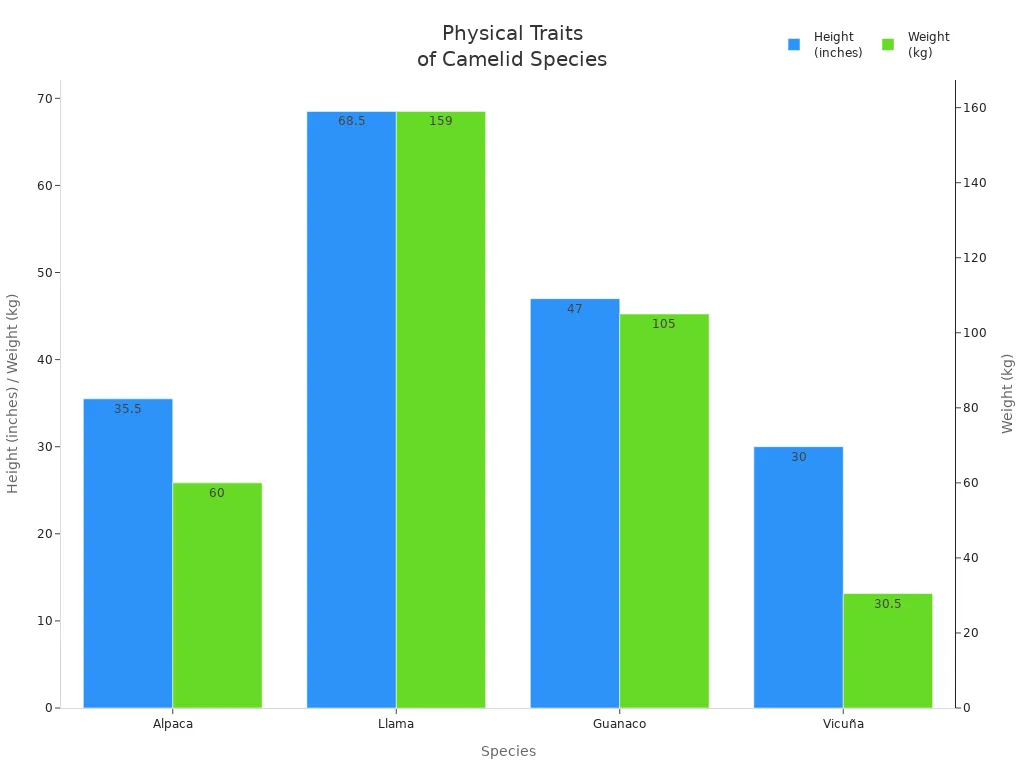
Physical Characteristics
Llama
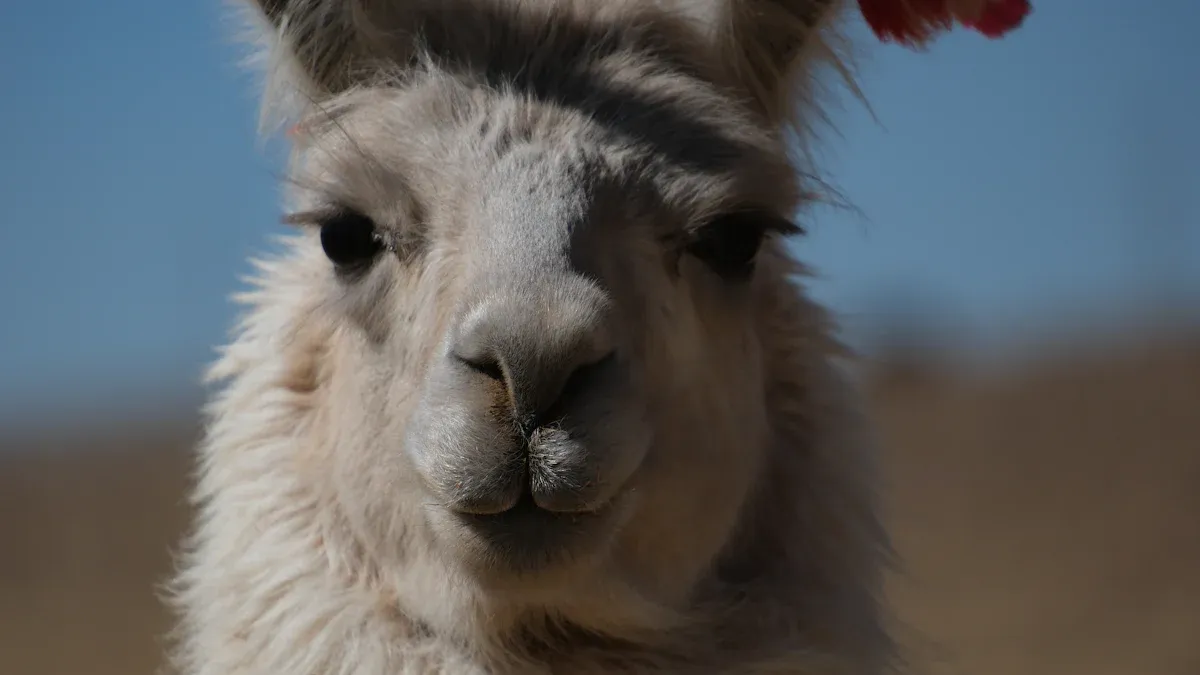
You can spot a llama by its large size and strong build. A llama stands between 1.7 and 1.8 meters tall and weighs up to 200 kg. Its wool feels dense and soft, keeping it warm and dry in the Andes. The face of a llama looks long, with big, dark eyes and ears shaped like bananas that curve inward. You will notice that a llama has two-toed, padded feet. These feet help a llama walk easily on rocky ground. Unlike some other camelids, a llama does not have a hump on its back. People often choose a llama for carrying heavy loads because it is gentle and sturdy.
Alpaca
An alpaca is smaller than a llama and has a slender neck and body. You will see that an alpaca stands about 1 meter tall and weighs between 55 and 65 kg. Its face looks small and blunt, often with a fluffy topknot. The ears of an alpaca are big and pointed. An alpaca’s fleece feels soft and luxurious, and you can find it in many colors—up to 22 shades. There are two main types of alpaca: Huacaya, with a fluffy, crimped coat, and Suri, with long, silky locks. Adult male alpacas grow fighting teeth, which can reach over 3 cm.
Vicuña
A vicuña stands out as the smallest and most delicate Andean camelid. You will see a vicuña with a height of 75 to 95 cm and a length of about 155 to 165 cm. The build of a vicuña is light and slender, making it very fast and agile. The wool of a vicuña feels extremely fine and dense, which makes it the most valuable among all camelids. The color of a vicuña is light brown on the back, with an off-white belly and chest. A vicuña has a short, elegant face and large, alert eyes. The incisors of a vicuña keep growing and have enamel only on the front side. Unlike the llama or alpaca, a vicuña always lives in the wild and never becomes domesticated. You will notice that a vicuña moves in groups and stays away from people. The legs of a vicuña look long and thin, helping it run quickly across the grasslands. The fleece of a vicuña is highly prized, but you can only collect it from wild animals under strict rules. A vicuña’s small size and graceful shape make it easy to tell apart from a llama, alpaca, or guanaco. When you see a vicuña, you will notice its delicate features and soft, golden coat. The vicuña plays a special role in Andean culture and nature. You can find a vicuña in high mountain areas, where it survives harsh weather. The vicuña’s beauty and rare wool make it a symbol of the Andes. People protect the vicuña because it is important for both tradition and conservation. If you look closely, you will see that a vicuña’s face and body look more refined than any other camelid. The vicuña’s wool is the softest and most expensive in the world. You will remember a vicuña for its elegance and gentle presence in the wild.
Guanaco
A guanaco looks bigger than an alpaca but smaller than a llama. You will see a guanaco with a slender body and long legs. Its coat feels coarse and comes in tawny or reddish-brown shades, with a white belly. The face of a guanaco is long, with large, expressive eyes. A guanaco has spatulate, closed-root lower incisors, which help it graze tough grasses. You will find a guanaco living in the wild, often in open fields or hills. The build of a guanaco is less robust than a llama but more solid than a vicuña. Its tough coat helps it survive cold and wind in the Andes.
Tip: When you want to tell these animals apart, look at their size, ear shape, and the texture of their wool.
Llama vs Alpaca
Similarities and Differences
Llamas and alpacas are both part of the camelid family. They live in groups and act social with each other. Their genes are very close, so they share many features. People have raised both animals in the Andes for a long time.
Llamas and alpacas belong to the camelid family.
Both have similar genes and traits.
They live in herds and act social.
Both animals have padded feet and split upper lips. Their wool keeps them warm in cold places. People like their fiber, but the wool feels different and is used in different ways.
Tip: To tell them apart, check their size, ear shape, and how they act with people.
Difference Between Llamas and Alpacas
It is easy to see how llamas and alpacas are different. You can compare their size, how they act, and what people use them for. The table below shows these differences:
Category | Llamas | Alpacas |
|---|---|---|
Size | Taller, 42 to 46 inches (106 to 117 cm) | Shorter, 34 to 36 inches (86 to 92 cm) |
Weight | 280 to 450 pounds (127 to 204 kg) | 106 to 185 pounds (48 to 84 kg) |
Temperament | More independent, can protect themselves | Gentle, shy, prefer herds |
Uses | Great pack animals, used in trekking | Fine coat for textiles, meat source |
Llamas are taller and heavier than alpacas. Llamas act more on their own and can guard other animals. Alpacas are gentle and shy, and they like to stay with their group. Llamas help people by carrying things. Alpacas give soft fiber for clothes and sometimes meat.
If you want to know the main difference, look at what each animal does. Llamas are good for carrying loads and trekking. Alpacas are best for their soft wool. Knowing these facts helps you pick the right animal for your needs.
Note: Many travelers and animal fans talk about llama vs alpaca. These facts help you spot each animal and enjoy what makes them special.
Behavior
Social Habits
Llamas and alpacas like to live in groups. They feel happier with friends around them. If you own llamas or alpacas, give them at least one buddy. You can keep four or five on one acre of good grass. Being together helps them feel safe. In the wild, vicuñas and guanacos also stay in groups. Their herds change often. This helps them survive in open places.
Llamas and alpacas need friends to stay healthy.
Alpacas and llamas talk and play with each other.
Wild camelids like vicuñas and guanacos form herds, but these groups change a lot.
Tip: If you see just one alpaca or llama, it might be lonely or sad. Always keep them with others.
Trainability
You can teach alpacas and llamas if you are patient and gentle. Alpacas are smart and curious. They learn well when you reward them. A calm place helps them learn new things. Llamas act brave and bold. They like to check out new things. Llamas can learn fast if you are kind. Vicuñas and guanacos are not easy to train. They live in the wild and stay away from people.
Alpacas learn best with gentle and kind training.
Llamas are brave and learn new things quickly.
Wild camelids do not learn from people like tame ones.
Wild vs Domesticated
Wild and tame Andean camelids act differently. Tame animals like alpacas and llamas have set groups. They need people to care for them. Wild camelids, like vicuñas and guanacos, have groups that change a lot. Their group behavior is easier to guess. They use their herd to stay safe. The table below shows some main differences:
Aspect | Wild Andean Camelids | Domesticated Species |
|---|---|---|
Social Organization | Groups change often | Groups are set |
Territorial Behavior | Easy to predict | Not as strong |
Herd Management | Herd acts on its own | People help manage |
You can see these differences if you watch them every day. Tame animals need people for food and safety. Wild ones use their instincts and group to live.
Uses
Fiber and Textiles
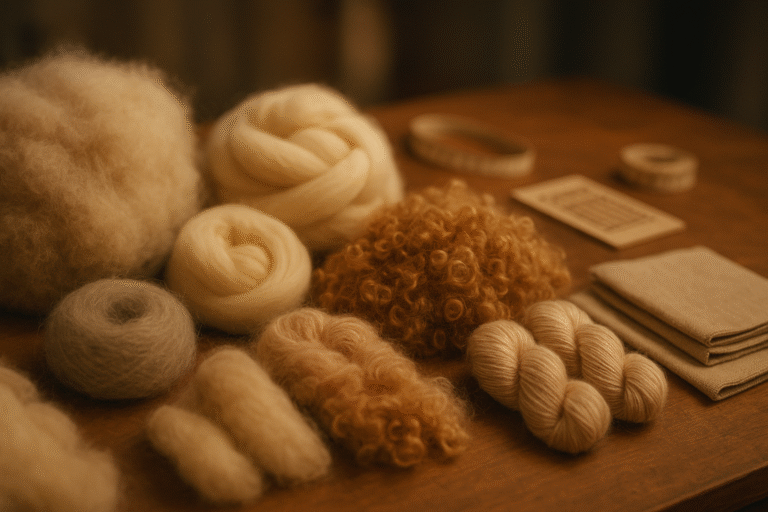
Andean camelids are important for making textiles. People have used alpaca and llama wool for a very long time. Alpaca fiber is soft and warm. It makes strong, high-quality clothes. Vicuña wool is the softest and rarest in the world. Its fibers are only 12 microns wide. This makes it softer and worth more than cashmere. Vicuña wool is very expensive and can cost up to $272 per pound. Llama wool is rougher and not as valuable. People use it for rugs and ropes. Each camelid gives a special kind of fiber for different things.
Vicuña wool is the softest and costs the most.
Alpaca wool is soft, warm, and has many colors.
Llama wool is strong and lasts long, but is not soft.
Guanaco fiber is tough and used for simple textiles.
Tip: For luxury textiles, choose vicuña or alpaca wool.
Pack and Guard Roles
Llamas have carried loads for people for thousands of years. They are strong and steady pack animals. Alpacas do not carry things, but people keep them for their wool. Some people use llamas to guard sheep or goats. Llamas can scare off small predators. But they do not protect as well as guardian dogs or cows.
Animal Type | Effectiveness Compared to Other Livestock | Notes | |
|---|---|---|---|
Llamas | Sentry animal | Not as good as guardian dogs | Can help with small predators; how well they work depends on the situation. |
Alpacas | Not recommended | Not good for guarding | They are not big or bold enough to guard other animals. |
Livestock Guardian Dogs | Main protector | Very effective | Best for stopping big threats; using more than one dog works best. |
Cows | Can protect | Better than llamas | Their size and strength help protect herds, but they are not used much for this. |
Note: If you need a real guard animal, pick a livestock guardian dog, not a llama or alpaca.
Other Uses
Andean camelids have many other uses. In the past, people used llamas and guanacos for meat and hides. Today, alpacas and llamas are also used in ecotourism and therapy. Walking with them lets you see nature and learn about local life. Farmers use camelids to help the soil. Their dung spreads seeds and helps plants grow. This helps nature and stops erosion.
Camelid | Traditional Uses | Modern Uses |
|---|---|---|
Llamas | Meat (charque), wool for textiles, hides for goods | Sold worldwide, helps herders earn money |
Alpacas | Wool for fine textiles | Used in business projects for farmers |
Vicuñas | Fine wool for clothes | Protected, used in luxury textile market |
Guanacos | Meat and hides | Ecotourism, helps rural areas use them wisely |
Callout: Alpaca therapy mixes hiking, wellness, and learning about culture in the Andes. You can enjoy the outdoors and spend time with these gentle animals.
Care
Llamas and Alpacas
When you take care of llamas and alpacas, you help them live healthy and happy lives. These animals need special attention every day. You should always give them clean water. In hot weather, check the water often and keep it cool. Their diet should include good hay or fresh pasture. Young animals and pregnant females need more protein. You can also offer minerals made for camelids. Make sure the minerals match your region, because some can be harmful.
A safe shelter protects llamas and alpacas from wind, rain, and sun. The shelter should have good airflow and enough space for each animal. You need to check their health often. Look at their eyes, teeth, and feet. Vaccinate them as your vet suggests. If you plan alpaca and llama breeding, healthy parents will give you strong babies.
Tip: Llamas and alpacas can live up to 20 years or more if you give them the right care.
Basic Care Checklist:
Feed quality hay or pasture daily, adjusting for age and condition.
Keep a well-ventilated shelter with enough space.
Check health regularly and keep up with vaccinations.
Wild Species
Wild camelids like vicuñas and guanacos do not need the same care as domesticated animals. They find their own food and water in the wild. These animals eat grasses and plants that grow in the Andes. You will not see people feeding or sheltering them. Wild camelids rely on their instincts to stay safe from predators and harsh weather. Their life expectancy depends on the environment and threats they face. Conservation groups watch over wild herds to protect them from hunting and habitat loss.
Note: You should never try to keep wild camelids as pets. They belong in their natural homes.
Cultural Significance

Andean Traditions
Llamas, alpacas, vicuñas, and guanacos are important in Andean culture. People have depended on these animals for thousands of years. Llamas and alpacas have helped families since Inca times. You can see them in festivals, dances, and art. Their pictures are on cloth and pottery.
Alpacas are valued for their fleece. Long ago, only royalty wore alpaca wool. It shows wealth and good fortune.
Guanacos gave meat and hides to native families.
Llamas were helpers and carried goods and crops.
Vicuñas are protected for their fine fleece, which helps local people earn money.
Many rural families still earn money by raising llamas and alpacas. These animals are part of Andean celebrations and rituals.
Modern Impact
Today, these animals are still important in the Andes and other places. Llamas have carried loads for over 6,000 years. They changed how people moved things in the mountains. Alpaca wool is now known all over the world. It is used in fancy clothes and helps share Andean culture.
Tourists visit Peru, Bolivia, and Chile to see llamas and alpacas.
Vicuña wool, once for nobles, now brings money through careful trade and protection.
Many people enjoy seeing these animals, making them a big part of tours.
When you travel to the Andes, you help local families and keep old traditions alive.
Conservation
You can help protect these special animals. Vicuñas and guanacos live in the wild and face dangers like hunting and losing their homes. Conservation groups work to keep their numbers safe. These actions also help Andean people keep their way of life.
Camelid | Conservation Status | Key Actions |
|---|---|---|
Vicuña | Protected | Stop poaching, follow wool rules |
Guanaco | Watched | Keep their homes safe |
Llama | Domesticated | Farm in a good way |
Alpaca | Domesticated | Breed them with care |
Learning about these animals helps protect their future and the culture they stand for.
Identification
Visual Tips
You can tell llamas, alpacas, vicuñas, and guanacos apart by looking at their bodies. Check their size, ears, face, and wool to help you know which is which. The table below shows how they are different. Use it when you see these animals outside or on a farm.
Characteristic | Llama | Alpaca | Guanaco | Vicuña |
|---|---|---|---|---|
Size | Largest | Smaller and fluffier | Large but leaner | Smallest and most delicate |
Ears | Long, banana-shaped ears | Short, straight ears | Short, pointed ears | Short, pointed ears |
Face | Longer-faced | Blunter, more ‘cute’ face | More deer-like | More deer-like |
Proximity to humans | Domesticated | Domesticated | Wild | Wild |
Wool | Coarse, less colorful | Super soft, many colors | Coarse, less colorful | Finest and rarest wool |
Tip: A big animal with long, curved ears is likely a llama. If you see a smaller, fluffy animal with a cute face, it is probably an alpaca.
Behavioral Clues
How these animals act can help you know which one you see:
Llamas walk proudly and sometimes guard other animals.
Alpacas like to stay close together and act shy near people.
Vicuñas and guanacos live in the wild. They move fast and stay away from people.
Listen for sounds. Llamas and alpacas hum, snort, or call out if they are excited or scared.
Watch how they move. If their ears point back or their tails hang low, they might feel nervous.
Note: Wild camelids like vicuñas and guanacos do not let people get close. Llamas and alpacas are used to being around people.
Common Mistakes
People often mix up llamas and alpacas because they look alike. Some think a fluffy alpaca is just a baby llama, but you need to check the size and ears. Many travelers call all these animals “llamas,” but that is not right.
Do not use wool color to tell them apart. Both llamas and alpacas come in many colors.
Do not think all wild camelids are guanacos. Vicuñas are smaller and look more delicate.
Remember: Llamas have long, banana-shaped ears. Alpacas have short, straight ears.
Callout: Next time you see these animals, use your eyes and ears. Soon, you will be great at telling them apart!
You have learned that each of these animals is unique. Llamas are the tallest and help carry things. Alpacas give soft, silky wool and were once a sign of wealth. Vicuñas have the softest wool and have been important to people for ages. Guanacos live in the wild, have pointed ears, and light fur. When you see these animals, you can help them by picking tours that treat them well and by helping local groups that protect them.
Contribution to Conservation | Description |
|---|---|
Supporting responsible wildlife experiences | Pick tours that keep animals safe and do not bother them. |
Supporting local conservation initiatives | Take part in tours or help programs that protect camelid homes. |
If you tell others what you know, you help them care for these special Andean camelids too.
FAQ
What is the main difference between a llama and an alpaca?
You can spot a llama by its larger size and banana-shaped ears. Alpacas look smaller and have soft, fluffy fleece. Llamas carry loads. Alpacas give you fine wool. Both live with people, but their jobs and looks set them apart.
Can you keep a vicuña or guanaco as a pet?
You cannot keep vicuñas or guanacos as pets. These animals live in the wild. They need open spaces and special care. Laws protect them. You should enjoy watching them in nature or in wildlife reserves.
Which camelid has the softest wool?
Vicuñas have the softest and most valuable wool in the world. You will find their fleece finer than cashmere. Only wild vicuñas produce this rare fiber. Alpaca wool also feels soft and warm, but vicuña wool is the finest.
Do llamas and alpacas spit?
Yes, both llamas and alpacas spit. They use spitting to show anger or to settle arguments with each other. You might see this behavior if they feel threatened or annoyed. Most of the time, they do not spit at people.
How long do Andean camelids live?
You can expect llamas and alpacas to live 15 to 20 years with good care. Wild guanacos and vicuñas often live shorter lives because of predators and harsh weather. Proper shelter, food, and health checks help domesticated camelids live longer.