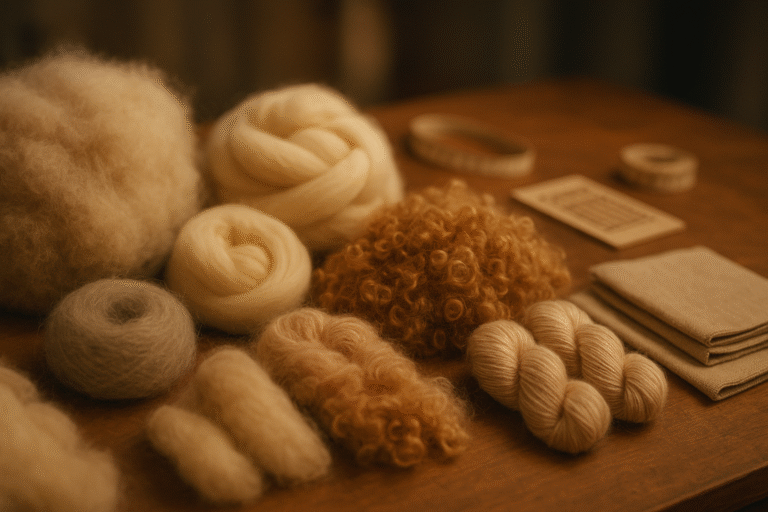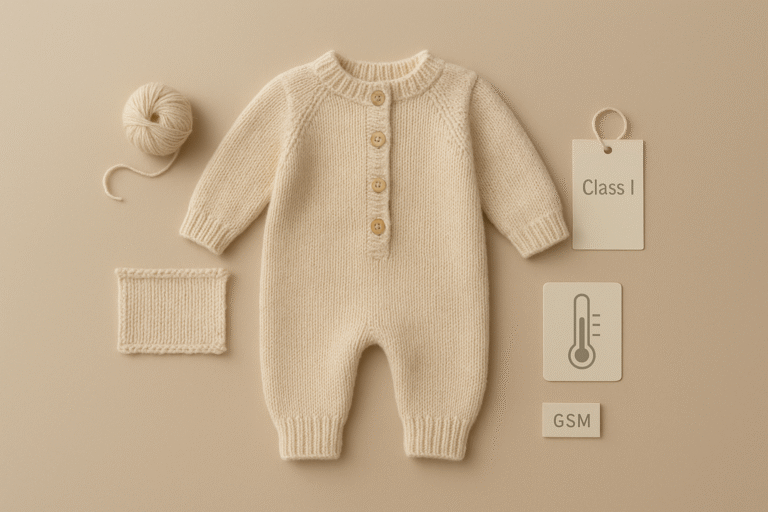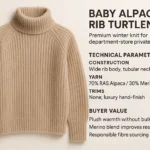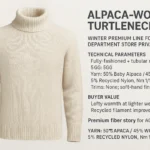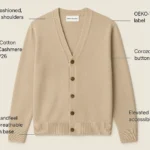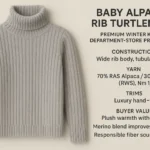

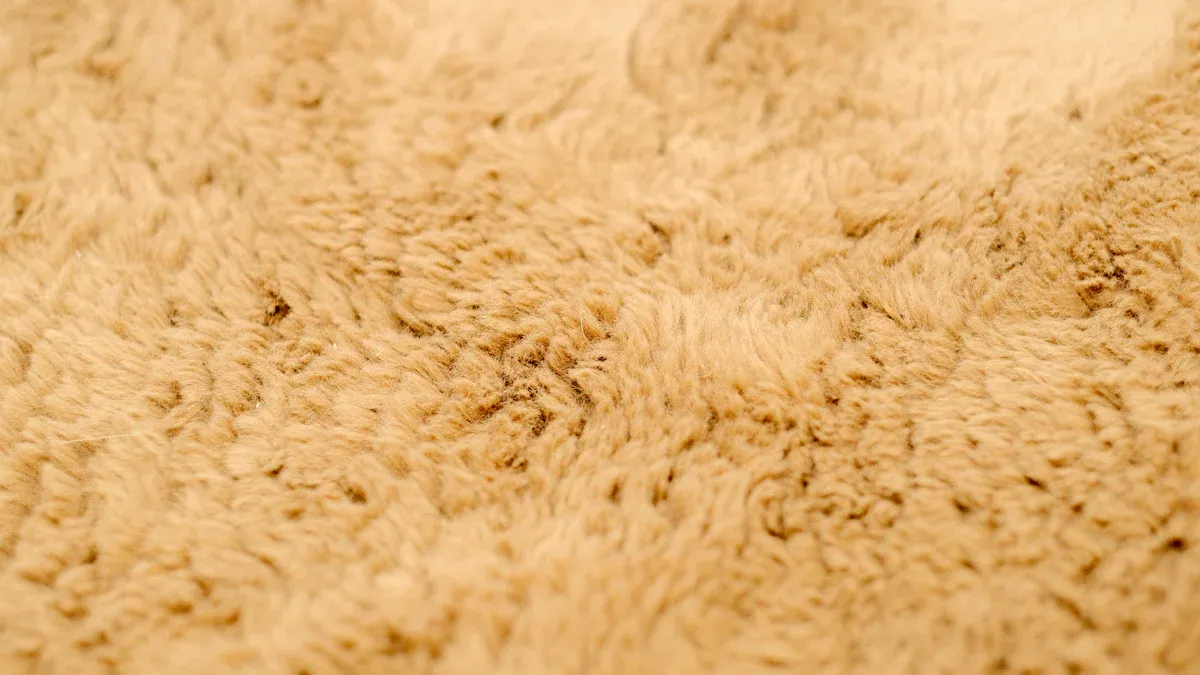
You will see that alpaca wool is special. It is very soft and warm. It is also strong and lasts a long time. People with sensitive skin like it. This is because it does not have lanolin. That makes it hypoallergenic. When you compare it to sheep wool, alpaca wool feels smoother. It keeps you warmer without being heavy. It also lasts longer and does not wear out as fast. You can look at the table below to see these differences:
Quality | Alpaca Wool | Sheep Wool |
|---|---|---|
Softness | Finer and smoother, luxurious feel | Coarser texture, less soft |
Warmth | Superior thermal insulation, lightweight | Good insulation, heavier |
Hypoallergenic | No lanolin, suitable for sensitive skin | Contains lanolin, may cause allergies |
Durability | Enhanced abrasion resistance, longer life | Durable, but less resistant than alpaca |
Key Takeaways
Alpaca wool feels softer and warmer than sheep’s wool. It is a good choice for people with sensitive skin. This wool does not have lanolin, so it is hypoallergenic. This means it is less likely to cause allergies. Alpaca wool is light but keeps you very warm. It does not feel heavy or bulky. It is strong and does not pill easily. Your clothes will last longer if you take care of them. Picking alpaca wool helps support farms and animal care.
Alpaca Wool Properties
Softness
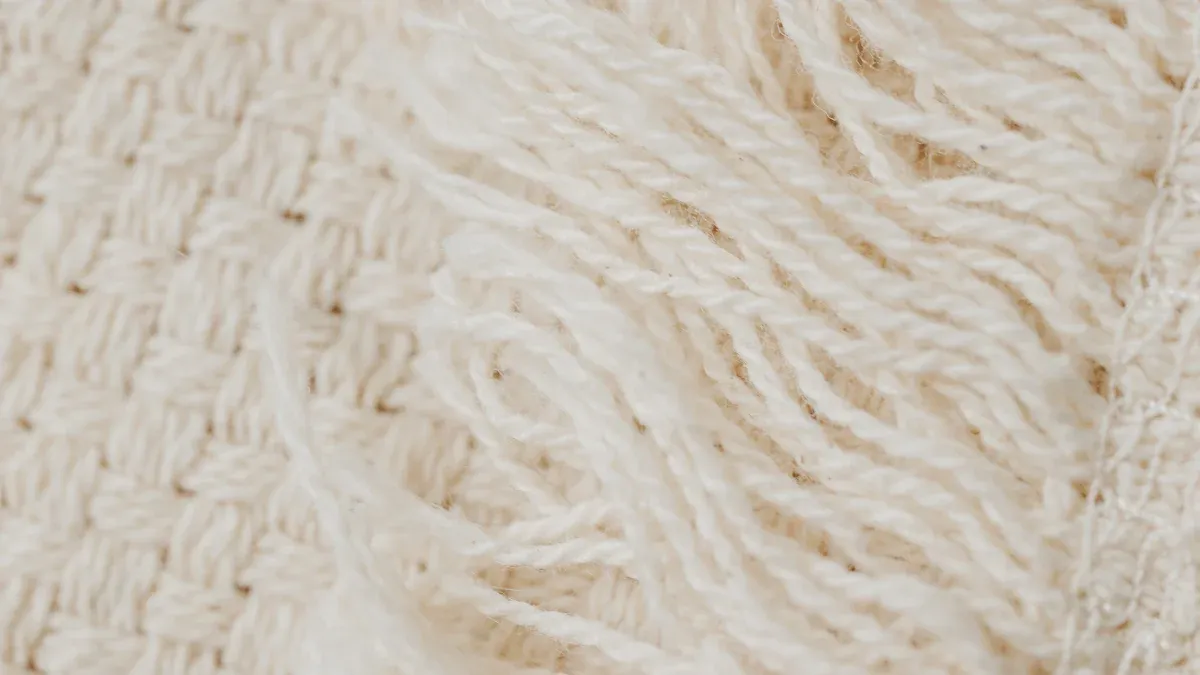
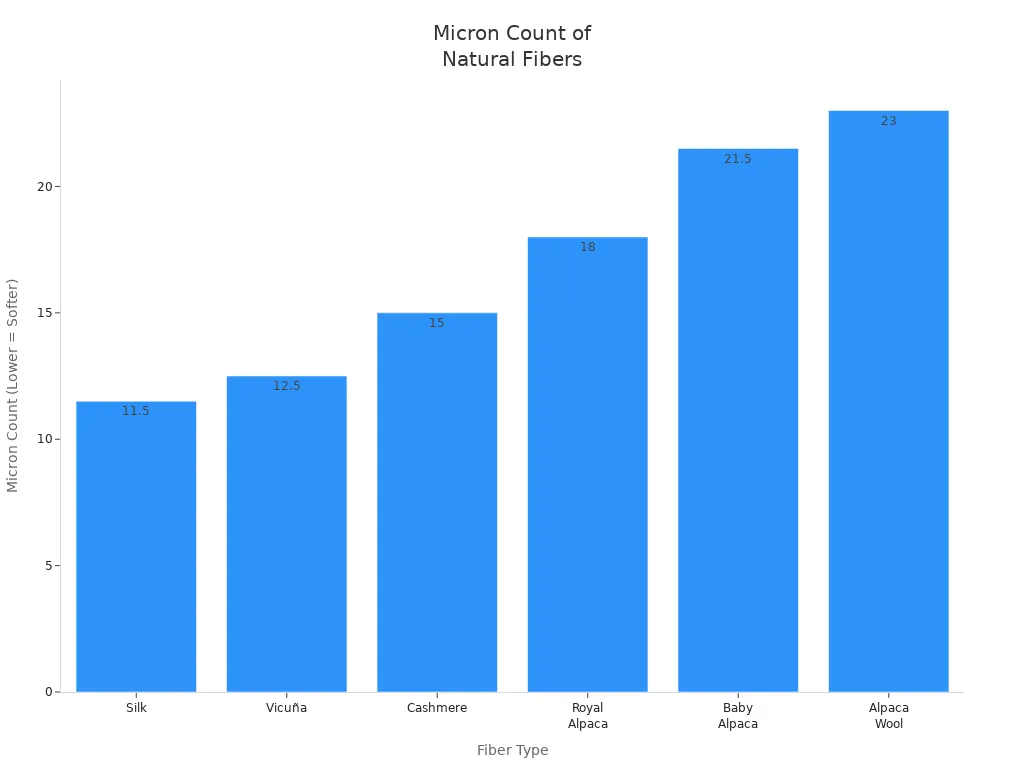
Alpaca fiber feels very soft when you touch it. People often say it is like cashmere or silk. The fibers are thin, which makes them soft. If the micron count is lower, the fiber feels softer. There are types like Royal Alpaca and Baby Alpaca. These are some of the softest kinds. You can check the table below to see how alpaca wool compares to other fibers:
Fiber Type | Micron Count Range | Softness Ranking |
|---|---|---|
Vicuña | 12.5 microns | Softer than alpaca |
Cashmere | 14-16 microns | Softer than alpaca |
Silk | 10-13 microns | Softer than alpaca |
Royal Alpaca | 18 microns | Among the softest |
Baby Alpaca | 20-23 microns | Softer than standard cotton |
16-30 microns | Soft, but not the softest |
You can wear alpaca scarves or sweaters right on your skin. They do not feel itchy or rough. Many people like alpaca wool because it is gentle.
Warmth
Alpaca wool keeps you very warm. Each fiber has a hollow center that traps air. This helps hold in heat. You will stay warm even when it is cold outside. Alpaca wool is seven times warmer than sheep’s wool. It keeps you warm but does not feel heavy. The special fibers help you feel cozy in lighter clothes.
It is softer and pills less than merino wool.
Alpaca wool is seven times warmer than sheep’s wool.
Tiny air pockets in the fiber help keep your body warm.
You can wear an alpaca sweater on cold days and feel warm without bulk.
Durability
Alpaca wool is strong and lasts a long time. It is one of the lightest and strongest natural fibers. It does not wear out or pill easily. Your alpaca clothes will look nice for many years. You can wash and wear them often. They do not show much damage. Alpaca wool is three times more resistant than sheep’s wool. It is good for outdoor use or daily wear.
Hypoallergenic
Alpaca wool is a good pick for sensitive skin. It does not have lanolin, which can cause allergies. This makes alpaca wool hypoallergenic. People who cannot wear other wool can often wear alpaca. Most people who itch from lamb’s wool can wear alpaca wool with no problem.
Alpaca wool is hypoallergenic because it does not have lanolin.
People who get itchy from lamb’s wool can wear alpaca wool.
Alpaca fibers do not have lanolin, so allergies are less likely.
Alpaca wool is softer and less likely to bother your skin.
You can enjoy alpaca wool’s warmth and softness without worrying about itching.
Lightweight
Alpaca wool feels light when you wear it. It keeps you warm but does not feel heavy. You can see the difference in the table below:
Feature | Alpaca Wool | Merino Wool |
|---|---|---|
Warmth | 4x warmer | Standard warmth |
Weight | Lightweight | Heavier |
Insulation | Highly insulating | Moderate insulation |
Breathability | 85% better moisture wicking | Standard moisture control |
Odor Resistance | Yes | Limited |
Eco-Friendliness | Less material needed | More material needed |
Alpaca clothes are easy to pack for trips or outdoor fun. They do not take up much space. This makes alpaca wool great for layering.
Moisture Wicking
Alpaca fiber pulls sweat away from your skin. It helps you stay dry. This is helpful if you are active or outside a lot. Alpaca wool does not soak up as much water as merino wool. It stays dry longer. Cotton holds water and can feel wet.
Material | Moisture Wicking Capability | Notes |
|---|---|---|
Alpaca | Highest | Less absorbent than merino wool, stays drier longer, ideal for high-intensity activities. |
Merino Wool | High | Performs well but absorbs more moisture than alpaca. |
Cotton | None | Highly absorbent, retains moisture, leading to discomfort and longer drying times. |
You can wear alpaca socks or base layers when hiking or working out. Your feet and body will stay dry and comfy.
Odor Resistance
Alpaca wool does not get smelly easily. You can wear it for days without bad odors. Alpaca and merino wool both resist smells better than cotton or synthetics. This is great for travel or outdoor trips.
Both alpaca and Merino wool resist odors.
They do not smell as much as polyester or cotton.
You can pack fewer clothes and still feel clean.
Flame Resistance
Alpaca fleece does not catch fire easily. It is safe without extra chemicals. Unlike synthetics, alpaca wool will not melt onto your skin if it burns.
Alpaca fleece is naturally flame resistant.
Synthetics need chemicals to resist flames.
Alpaca fleece does not melt onto your skin.
You can feel safe wearing alpaca near campfires or heaters.
Antimicrobial
Alpaca fiber helps stop bacteria from growing. It keeps your clothes fresher for longer. Studies show alpaca fiber can lower bacteria by up to 79%. Your clothes stay cleaner and smell better.
Alpaca fiber can cut bacteria by 65% to 79%.
Its natural antibacterial power is a good choice instead of chemicals.
You can wear alpaca wool for a long time and enjoy its breathability and freshness.
Alpaca Wool vs Other Fibers
Sheep’s Wool
Alpaca fiber feels softer than sheep’s wool. It has a smoother surface and flatter scales. Alpaca fiber is warmer because it traps heat inside. This keeps you cozy when it is cold. If your skin is sensitive, alpaca wool is a good choice. It does not have lanolin, so allergies are less likely.
Alpaca fiber is warmer and stronger than sheep’s wool.
It keeps you warmer in cold weather.
Alpaca wool is softer, like cashmere.
Check out the table below for more differences:
Property | Alpaca Wool | Sheep Wool |
|---|---|---|
Durability | Lasts longer and resists damage | Durable, but not as tough as alpaca |
Care Requirements | Needs gentle washing | Easier to clean and care for |
Hypoallergenic | Yes, no lanolin | No, lanolin can cause allergies |
Water Resistance | Naturally keeps water out | Not as water-resistant |
Environmental Impact | Not as eco-friendly |
Cashmere
Cashmere is famous for being soft. It feels smooth and light when you touch it. Alpaca fiber is almost as soft and usually costs less. Both fibers keep you warm. Alpaca fiber lasts longer than cashmere. Cashmere can pill and wear out faster. If you want something soft and strong, alpaca fiber is a great pick.
Cotton
Cotton is used in many clothes. It feels soft and lets air through. But cotton does not keep you warm like alpaca fiber. Cotton soaks up water and dries slowly. Alpaca wool pulls sweat away and keeps you dry. Alpaca wool is also better for the planet. Alpacas need less water and food. Their feet do not hurt the land. Cotton farming uses more water and chemicals, which can harm nature.
Tip: Pick alpaca wool if you want warmth and to help the environment.
Synthetics
Synthetic fibers like polyester and nylon are used in sports clothes. They dry fast but can smell bad and feel less comfy. Alpaca fiber does not trap odors and pulls moisture away. You can wear alpaca socks or shirts many times before washing. Its natural power keeps clothes fresh. Alpaca fiber is also hypoallergenic and lets your skin breathe. This makes it more comfortable.
Alpaca wool stops bacteria and odors from growing.
Environmental Impact
Sustainability
When you pick alpaca wool, you help the earth. Alpaca farming needs less land and water than sheep or goats. Alpacas have soft feet that do not hurt the ground. Their feet are not like hooves, so the soil stays safe. Alpacas eat less food and can live on rough grass. This means farmers can use land that other animals cannot use. Choosing alpaca wool helps lower harm to the environment.
Did you know? Alpacas eat gently and help keep soil healthy. Their grazing also stops soil from washing away.
Animal Welfare
You might wonder how alpacas live on farms. Most alpaca farms are small or move around a lot. These farms give alpacas more space and freedom. Many farms follow the Responsible Alpaca Standard. This standard helps protect alpacas and their land. Other animals, like sheep and goats, often live in crowded places. Alpaca farms usually follow the Five Freedoms. This means alpacas get good food, shelter, and care.
Aspect | Alpaca Farming | Other Fiber-Producing Animals |
|---|---|---|
Farming System | Mostly nomadic, small-scale farms | Intensive husbandry systems (cages, factory farms) |
Welfare Standards | Governed by the Responsible Alpaca Standard | Limited certifications available |
Animal Welfare Principles | Incorporates the Five Freedoms of animal welfare | Varies widely, often lacks comprehensive standards |
The Responsible Alpaca Standard helps make life better for alpacas and saves their homes.
Most fiber animals live in smaller, crowded spaces compared to alpacas.
Biodegradability
You help cut down on waste when you choose alpaca wool. This fiber breaks down in nature and can be used again. When you throw away alpaca wool, it rots and feeds the soil. Synthetic fibers, like polyester and nylon, do not break down. They stay in the ground and make pollution. Alpaca wool also needs fewer chemicals to make, so it is better for the earth.
Synthetic fibers are made from oil and pollute the planet.
Making alpaca wool uses fewer harmful chemicals.
Practical Benefits
Comfort
Alpaca wool feels nice in any weather. The fiber changes with your body heat. You stay warm when it is cold. You stay cool when it is hot. It pulls sweat away from your skin. This keeps you dry, even if you are active. Alpaca wool is soft and gentle on your skin. People with sensitive skin can wear it. You do not need to worry about itching or rashes.
Here are some reasons why alpaca wool is so comfy:
It keeps you at the right temperature in all weather.
It helps you stay dry when you sweat a lot.
It is soft, so you can wear it all day.
It is hypoallergenic, so it is safe for sensitive skin.
Tip: Wear alpaca wool when you go outside or relax at home. It will keep you comfy no matter what you do.
Fashion
Alpaca wool comes in many cool styles. Designers make big sweaters that feel loose and cozy. Thick cardigans are great for layering and look good all year. Ponchos and capes give a fun, boho style. They keep you warm but do not feel heavy. Patterns in the fabric show off how smooth and stretchy the fiber is.
Style | Description |
|---|---|
Oversized Sweaters | Loose fit, good for many times |
Chunky Cardigans | Great for layers, nice in any season |
Ponchos & Capes | Light, warm, and have a boho look |
Textured Patterns | Show off the skill and quality of the fiber |
Note: Alpaca wool is both comfy and stylish. You can wear it for fancy or casual outfits.
Care Tips
You can keep your alpaca clothes nice with easy steps.
Use gentle, earth-friendly soap to protect the fibers.
Wash in cold water so it does not shrink.
Wash by hand or use a gentle machine cycle.
Lay flat to dry so it keeps its shape.
Do not twist or wring out the clothes.
Brush or shake gently to make it fluffy and clean.
Store in cotton bags to keep out bugs and water.
Keep away from sunlight so it does not fade.
Use cedar blocks to keep moths away.
Reminder: Taking care of your alpaca wool helps it last longer and stay soft.
Drawbacks
Cost
Alpaca wool costs more than most other fibers. Farmers spend a lot of time caring for alpacas. Each alpaca gives less wool than a sheep. This means there is less fiber each year. Sorting and cleaning alpaca wool takes extra skill and time. Spinning the wool also needs careful work. When you buy alpaca products, you pay for the hard work and quality.
Note: Alpaca wool gives you comfort and lasts long, but it costs more.
Care Needs
Alpaca wool needs gentle care to stay nice. You should wash your alpaca clothes by hand or use a soft cycle. Hot water or rough washing can shrink or harm the fibers. Always lay your clothes flat to dry. Hanging them can stretch the fabric. Store alpaca wool in a cool, dry spot. Moths can hurt natural fibers, so use cedar blocks or lavender to protect your clothes.
Care Checklist:
Wash by hand or on a gentle cycle
Use cold water and mild soap
Lay flat to dry
Store in breathable bags
Keep away from direct sunlight
Ethical Issues
You may wonder about how alpaca wool is made. The industry tries to care for animals and the earth. Alpacas are sheared once a year. If done right, shearing does not hurt them. Alpacas do not go through mulesing, which is painful for sheep. Many small farms in Peru use gentle ways that help animals and land. Some problems happen when alpacas are moved or handled roughly. Brands now share more about their methods to build trust.
Ethical Concern | Industry Response |
|---|---|
Animal welfare | Alpacas are sheared once a year, and shearing is painless when done correctly. Alpacas are not subject to mulesing, which is a welfare issue in sheep industries. |
Environmental impact | Small family farms in Peru often use low-intensity methods and have traditions of care. |
Transportation and handling | Ethical concerns arise when animals are transported long distances or handled roughly. Brands are encouraged to provide transparency in their practices. |
Tip: Pick brands that tell you how they care for animals. This helps you choose what matches your values.
How Azknit Crafts Knitwear with Alpaca Wool
Sourcing High-Quality Alpaca Wool
Azknit wants their knitwear to be soft and last long. They pick alpaca wool that meets strict rules. The Responsible Alpaca Standard helps them choose good wool. This standard checks how alpacas are treated and how land is used. If you buy Azknit, you know the wool comes from happy alpacas and healthy land.
Certification Name | Fiber Type | Key Focus Areas |
|---|---|---|
Responsible Alpaca Standard (RAS) | Alpaca Wool | Animal welfare and sustainable grazing |
Spinning and Dyeing Processes
Azknit cleans and sorts the fiber by hand. This step gets rid of dirt and keeps only soft fibers. Then, they spin the fiber into yarn. Skilled workers make sure the yarn is strong and smooth. For color, Azknit uses gentle dyes that do not hurt the fiber or the earth. The yarn feels soft, looks bright, and is safe for your skin.
Design and Knitting Techniques
Azknit designs each piece to show off alpaca wool’s best features. Their team uses special patterns to make the fabric warm and light. The clothes stretch and move with you. Azknit makes items in small batches. You get unique pieces that last longer and stand out.
Sustainability and Ethical Practices
Choosing Azknit helps the planet. The company follows the Responsible Alpaca Standard and other rules. They also use the Responsible Wool Standard and Soil Association guidelines for some products. Azknit supports local jobs and uses materials from nearby places. They make clothes in small batches to cut down on waste. This fits with slow fashion, which means better quality and less harm to the earth. Azknit works with suppliers who treat workers and animals well. They use recycled materials and BCI-certified cotton to help the planet.
Azknit makes small batches to lower waste.
They help local communities and use nearby resources.
Their slow fashion style means your clothes last longer.
You can trust Azknit cares about every step, from the farm to your closet.
Alpaca wool is different from other natural fibers. It feels soft and keeps you warm for a long time. People with sensitive skin often pick it because it does not itch.
Experts say the size of the fiber matters for comfort. If alpaca wool has fibers under 21 microns, it feels soft. This is good for people who cannot wear sheep wool.
Here is a simple list of pros and cons:
Drawbacks | Benefits |
|---|---|
Making alpaca wool can hurt nature | Feels as soft as cashmere |
Some worry about animal care | Lasts long and is strong |
Needs special washing | Good for people with allergies |
People think it costs a lot | Keeps you warm or cool |
Some think it is hard to wash | Does not smell and dries fast |
You get comfort, style, and help the planet. Alpaca wool is a smart pick for your clothes.
FAQ
What makes alpaca wool different from sheep’s wool?
You will notice alpaca wool feels softer and lighter. It does not have lanolin, so it is less likely to cause itching. You get more warmth without extra weight. Alpaca wool also lasts longer and resists pilling.
Can you wear alpaca wool if you have allergies?
Yes, you can. Alpaca wool does not contain lanolin, which often causes allergic reactions. Most people with sensitive skin find it comfortable and safe to wear.
How do you wash alpaca wool clothing?
Wash your alpaca wool items by hand in cold water. Use a gentle soap. Lay the clothing flat to dry. Do not twist or wring the fabric. This keeps the fibers soft and strong.
Is alpaca wool good for outdoor activities?
You can wear alpaca wool for hiking, camping, or travel. It keeps you warm, wicks away moisture, and resists odors. The fiber is lightweight, so you stay comfortable during long days outside.
Does alpaca wool shrink easily?
Alpaca wool can shrink if you use hot water or a dryer. Always wash in cold water and dry flat. This helps your clothing keep its shape and size.