
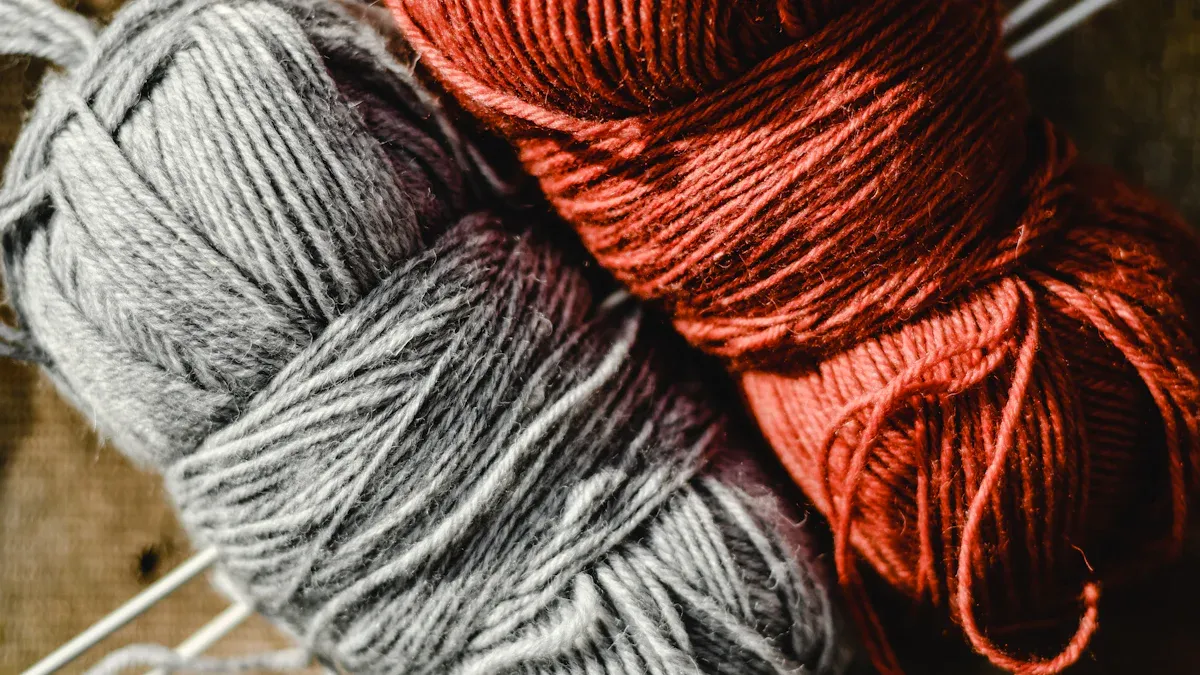
When you choose yarn for knitting or crocheting, you may see numbers like 1, 2, or 4 next to the word ply. What does 1 2 4 ply yarn mean? Ply shows how many strands twist together to make the yarn. For example:
Ply | Definition |
|---|---|
1 | One strand, soft and delicate |
2 | Two strands, light and good for lace |
4 | Four strands, stronger and more durable |
The number of strands changes how your yarn feels, looks, and works in knit or crochet projects.
Key Takeaways
Ply indicates how many strands twist together to form yarn. One strand is single ply, two strands are two ply, and four strands are four ply.
Single ply yarn is soft and delicate but can break easily. It works best for simple patterns like scarves and hats.
Two ply yarn is stronger and smoother than single ply. It is great for lace projects and lightweight wraps.
Four ply yarn is very durable and provides good stitch definition. It is ideal for socks, baby clothes, and lightweight sweaters.
Always check the yarn label for ply and weight information. This helps you choose the right yarn for your project.
More plies usually mean stronger yarn. Multi-ply yarns resist pilling and hold up better in high-use items.
For crisp stitch definition, use yarn with more plies. This makes your patterns look neat and professional.
When starting a new project, consider the type of item you want to make. Different projects require different yarn strengths and textures.
What Does Ply Mean?
Ply Definition
When you look at yarn, you notice that it can feel soft, strong, or even stretchy. The term ply describes how many strands twist together to make one piece of yarn. If you see “1 ply,” it means the yarn has one strand. “2 ply” means two strands twist together, and “4 ply” means four strands combine. The number of plies changes how the yarn behaves when you knit or crochet.
Major yarn manufacturers use ply to show how yarn is built. You can see the differences in the table below:
Ply Type | Description |
|---|---|
Single ply | One strand of fiber; balance between twist is crucial to avoid bias and breakage. |
Two-ply | Two strands twisted together; stronger than single ply due to extra twist. |
Three-ply | More durable with additional twist for strength. |
Four-ply plus | Increased strength and durability, providing good structure for textured stitches. |
Cabled yarns | Plied yarns twisted together for added strength, ideal for delicate fibers. |
Chained yarns | Plies knitted together, offering elasticity for non-elastic fibers. |
S-on-S plied | Ultra fine single plies twisted together, providing flexibility for various knitting applications. |
You see that the number of plies affects how strong and flexible the yarn is. Plied yarns resist pilling and hold up better in projects that need durability.
Yarn Plies Structure
Yarn plies structure refers to how the strands come together. If you use single-ply yarn, you work with one strand of fiber. This type feels soft but can break easily. Multi-ply yarns twist two or more strands together. This process makes the yarn stronger and more even.
Here is a table that shows the difference between single-ply and multi-ply yarns:
Yarn Type | Structure Description | Properties |
|---|---|---|
Single-Ply | Consists of a single strand of fibers. | Lower strength and uniformity compared to multi-ply yarns. |
Multi-Ply | Formed by twisting together two or more single yarns. | Increased strength, higher uniformity, better abrasion resistance, and improved fabric appearance. |
When you choose yarn, you notice that multi-ply yarns feel smoother and last longer. Plying also helps bind the fibers tightly, so your finished project looks neat and holds its shape.
Tip: If you want your stitches to stand out, try using yarn with more plies. It gives your work crisp edges and clear patterns.
You also find that plying reduces hairiness and pilling. The direction and amount of twist matter, too. Balanced yarns handle well and make your knitting or crochet easier.
Ply vs Yarn Weight
You might wonder how ply compares to yarn weight. Ply tells you the number of strands twisted together, but yarn weight describes the thickness of the yarn. Yarn weight does not mean how heavy the yarn is. Instead, it shows how thick the strand is, which affects how your project turns out.
The Craft Yarn Council explains that yarn weight and ply are not the same. Yarn weight can change based on the fiber used, and the number of plies does not always match the thickness. For example, in Australia and New Zealand, people use ply as a way to measure yarn thickness. In other places, you see terms like “fingering,” “DK,” or “worsted” to describe yarn weight.
Here is a chart that shows how yarn weight categories relate to ply numbers and other yarn measurements:
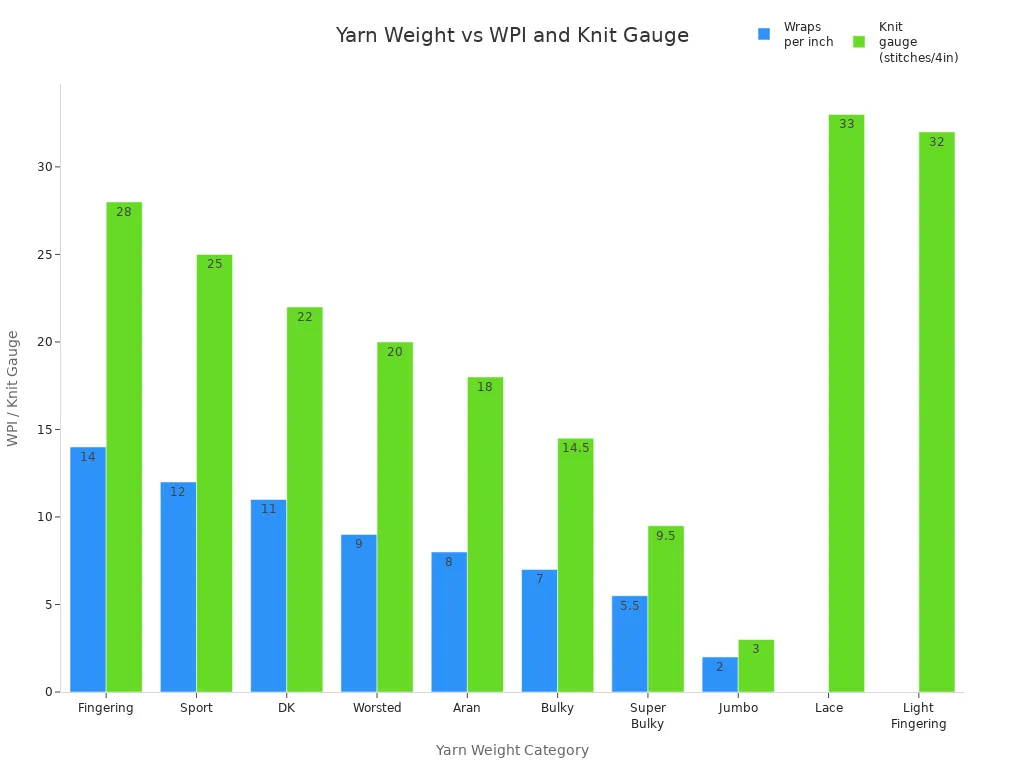
You notice that higher ply numbers often mean thicker yarn in some regions, but always check the label for yarn measurements. Yarn thickness affects how your project feels and looks, so choose the right yarn for your needs.
Note: Always read the yarn label to find both the number of plies and the yarn weight. This helps you pick the best yarn for your project.
What Does 1 2 4 Ply Yarn Mean?
When you ask, “what does 1 2 4 ply yarn mean?”, you want to know how the number of strands in yarn affects your knitting or crochet projects. Each ply type has unique features, uses, and pros and cons. You can choose the best yarn for your project when you understand these differences.
1 Ply Yarn
Features
Single ply yarn uses only one strand twisted together. You notice a soft feel and a gentle halo around the yarn. The fabric you create feels light and lofty. You see less distinct stitch definition, so your patterns look more blended. Single ply yarn often feels warm, depending on the fiber. You need to handle it with care because it can pill and break easily. Using blunter needles and working at a tighter gauge helps reduce pilling.
Soft overall feel
Less distinct stitch definition
Notable halo effect
Light and lofty fabric
Prone to pilling
Needs careful handling
Uses
You use single ply yarn for simple stitch patterns. Scarves, cowls, and hats work well with this yarn. You can knit or crochet soft accessories that highlight the yarn’s natural texture. Patterns with basic stitches let the yarn’s qualities shine.
Pros and Cons
Pros | Cons |
|---|---|
Soft and warm | Prone to pilling |
Creates airy fabric | Less stitch definition |
Good for simple patterns | Breaks easily when frogging |
Tip: You get the best results with single ply yarn when you choose patterns with simple stitches and avoid heavy wear projects.
2 Ply Yarn
Features
2 ply yarn uses two strands twisted together. You see more durability and strength compared to single ply. The yarn feels smoother and absorbs color well, so your garments look vibrant. The structure gives extra warmth and insulation, making it ideal for colder months.
Feature | Description |
|---|---|
Durability and Strength | 2 ply yarn is more durable and resists wear, so you can use it for regular projects. |
Warmth and Thickness | The structure adds warmth and insulation, perfect for winter accessories. |
Softness and Texture | 2 ply yarn feels smooth and absorbs color, making your garments look rich and appealing. |
Uses
You find 2 ply yarn works well for lace projects and lightweight wraps. Many crafters use it for shawls, scarves, and wraps. Here are some popular projects:
Ashton Shawlette
Mini Mochi Easy Lace Scarf
Column of Leaves Scarf
Whimsical Wrap
Featherlight Shawl
Gossamer Scarf
Lace Infinity Wrap
Twilight Wrap
Breezy Shawlette
Charming Stripes Wrap
Luxe Lace Wrap
You can knit or crochet delicate items that show off the yarn’s smooth texture.
Pros and Cons
Pros | Cons |
|---|---|
Strong and durable | Slightly less soft than single ply |
Good stitch definition | May not be ideal for chunky projects |
Absorbs color well | Can feel less lofty than single ply |
Note: You get crisp stitch definition with 2 ply yarn, so your lace and textured patterns stand out.
4 Ply Yarn
Features
4 ply yarn uses four strands twisted together. You see this yarn described as both a structure and a thickness. In the past, people used four-ply to mean a yarn between lace weight and DK. Today, the thickness of 4 ply yarn can vary because of modern manufacturing. You notice strong structure and good durability. The yarn works well for projects that need clear stitch definition.
Can refer to both thickness and structure
Historically sits between lace weight and DK
Thickness can vary
Strong and durable
Good for textured stitches
Uses
You use 4 ply yarn for socks, baby garments, and lightweight sweaters. The yarn gives you neat stitches and holds up well to wear. You can knit or crochet items that need both softness and strength.
Pros and Cons
Pros | Cons |
|---|---|
Strong and durable | Thickness can vary by brand |
Good stitch definition | May feel less soft than single ply |
Versatile for many projects | Can be confusing due to naming |
Tip: Always check the label for thickness when you choose 4 ply yarn. You get the best results when you match the yarn to your pattern’s needs.
You now know what does 1 2 4 ply yarn mean. You see how single ply, 2 ply yarn, and four-ply yarn each offer different qualities for knitting and crochet. You can pick the right yarn for your project by looking at the features, uses, and pros and cons of each ply type.
Yarn Plies and Characteristics
Softness and Texture
You notice that the number of plies in yarn changes how it feels in your hands. Single ply yarn often feels soft and fluffy. It can have a fuzzy look, which some people call a “halo.” When you use more plies, the yarn becomes rounder and smoother. Plied yarns are more stable than single yarns. They are also less hairy and feel more even. You get a fabric that looks neat and feels nice against your skin.
Plied yarns are rounder and less hairy.
They feel more stable and uniform.
Single ply yarn feels softer but can look fuzzy.
If you want a project with a smooth texture, choose a yarn with more plies. For a soft, airy look, single ply yarn works well. The twist in plied yarns helps the fibers stay together, so your finished piece looks tidy.
Strength and Durability
The strength of your yarn depends on how many plies it has and how tightly the strands twist together. When you use yarn with more plies, you get a stronger and more durable fabric. The twist in the yarn increases friction between the fibers, which helps the yarn resist breaking. Plied yarns show greater uniformity and strength compared to single yarns.
More plies mean more strength and durability.
The twist in the yarn helps fibers stick together.
Too much twist can make the yarn stiff or cause fibers to break.
You want to use strong yarn for items that get a lot of wear, like socks or sweaters. Plied yarns hold up better over time. The combination of single yarns into ply yarns increases the binding force among the fibers. This makes the yarn stronger than if you used the strands alone.
Stitch Definition
Stitch definition means how clearly you can see each stitch in your knitting or crochet. Yarn with more plies gives you crisp, clear stitches. The round shape of plied yarn helps each stitch stand out. If you want to show off fancy patterns or textured stitches, choose a yarn with several plies.
Plied yarns give you sharp stitch definition.
Single ply yarn can make stitches look blended or fuzzy.
More plies help your patterns pop.
You get the best stitch definition when you use a yarn with at least two or more plies. This makes your work look neat and professional.
Tip: If you want your project to last and look great, pick a plied yarn. The extra strands balance the yarn and improve its quality.
Choosing the Right Ply
Project Type
When you start a new project, you need to think about what you want to make. The type of yarn you choose can change how your finished item looks and feels. Different projects need different strengths, textures, and thicknesses. Here are some common project types and the best yarn choices for each:
Socks: Choose fingering-weight, 4-ply yarn. Wool blends with nylon work best because they are strong and last longer. High-twist yarns help your socks stay in shape and resist holes. Avoid single-ply yarn for socks because it wears out quickly.
Scarves and Shawls: Two-ply or single-ply yarns give you a soft, drapey fabric. These yarns feel gentle against your skin and show off simple patterns. If you want a scarf with crisp stitch details, try a three-ply or four-ply yarn.
Sweaters: Use three-ply or four-ply yarn for sweaters. These yarns give you warmth, strength, and good stitch definition. Wool is a popular choice because it keeps you warm and holds its shape.
Baby Clothes: Pick soft, multi-ply yarns that are gentle on the skin. Four-ply yarns work well for baby garments because they are durable and easy to wash.
Blankets: Choose thicker, multi-ply yarns for blankets. These yarns make your blanket cozy and strong.
Tip: Always check your pattern for the recommended yarn weight and fiber content. This helps you get the best results for your project.
Texture and Durability
The number of strands in your yarn changes how your project feels and how long it lasts. You want to match the yarn’s texture and strength to your project’s needs. The table below shows how different ply counts affect strength and appearance:
Ply Count | Strength & Durability | Texture & Appearance |
|---|---|---|
Single-ply | Soft, delicate; Prone to breaking | Loose, airy; Excellent drape |
Two-ply | Moderate strength; Some resilience | Light, subtle twist; Smooth finish |
Three-ply | Durable; Holds up well | Balanced texture; Good stitch definition |
Four-ply+ | Maximum strength; Highly durable | Firm, round; Crisp stitch details |
If you want a soft, flowing scarf, single-ply or two-ply yarns are a good choice. For socks or sweaters that need to last, pick a three-ply or four-ply yarn. Multi-ply yarns give you a firmer fabric and help your stitches stand out.
Note: Multi-ply yarns are stronger and more durable. Single-ply yarns feel softer but may not last as long in high-use items.
Yarn Recommendations
Choosing the right yarn for your project can feel confusing at first. Here are some tips to help you make the best choice:
Pay attention to the weight of the yarn. Lighter yarns work well for delicate accessories. Heavier yarns are better for warm sweaters or blankets.
Look at the number of plies. Multi-ply yarns are stronger and last longer. Single-ply yarns feel softer and give a gentle look.
Always check your gauge. Knit or crochet a small swatch and measure the number of stitches and rows in a 4-inch (10 cm) square. If your gauge does not match the pattern, try a different needle size or yarn.
Think about fiber content. Wool is warm and stretchy, while acrylic is easy to care for. Blends can give you the best of both worlds.
Read the yarn label. It tells you the weight, fiber content, and sometimes the number of plies.
Common mistakes beginners make include:
Ignoring the recommended yarn weight for their project.
Not checking the fiber content, which can change how the finished item feels and wears.
Choosing between wool and acrylic without knowing the pros and cons of each.
Tip: If you are new to knitting or crochet, start with a simple project and a medium-weight, multi-ply yarn. This helps you see your stitches clearly and makes learning easier.
You can make your projects look and feel just right by matching the yarn to your project type, texture needs, and durability requirements. Take your time, read the labels, and do not be afraid to ask for help at your local yarn shop.
Quick Tips for Yarn Ply
Beginner Advice
Choosing the right yarn for your project can feel confusing at first. You want your finished piece to look great and last a long time. Here are some simple tips to help you pick the best yarn ply for your next knit or crochet project:
Start with a medium-weight yarn if you are new to knitting or crocheting. This type is easier to handle and lets you see your stitches clearly.
Look for multi-ply yarns when you want strength and good stitch definition. These yarns work well for sweaters, socks, and items that get a lot of use.
Try single-ply yarn for soft, airy scarves or shawls. This yarn feels gentle but may not last as long in high-wear projects.
Always match your yarn to your pattern. Patterns often suggest the best yarn weight and fiber type for the project.
Make a small test swatch before you start. This helps you check your gauge and see how the yarn behaves.
Tip: If you want your stitches to stand out, choose a yarn with more plies. This makes your patterns look crisp and neat.
Reading Yarn Labels
When you shop for yarn, you will see a label wrapped around each skein or ball. The label gives you important information to help you choose the right yarn for your project. You can find details about fiber content, weight, recommended needle or hook size, and sometimes the number of plies.
Here is what you should look for on a yarn label:
Ply information: Some labels tell you how many strands twist together to make the yarn. This helps you know if the yarn is single-ply or multi-ply.
Yarn weight: Most labels use a number system (1-7) to show how thick the yarn is. This is more common than ply in many countries.
Gauge: The label often shows how many stitches and rows you get in a set space. This helps you match your pattern.
Fiber content: You will see what the yarn is made from, like wool, cotton, or acrylic.
Label Feature | What It Tells You |
|---|---|
Ply | Number of strands twisted together |
Yarn Weight | Thickness of the yarn (1-7 scale) |
Gauge | Stitches and rows per inch/cm |
Fiber Content | Material used (wool, cotton, acrylic) |
Note: Not all yarn labels list ply. Always check the yarn weight and gauge to make sure your project turns out right.
You can usually find ply information near the fiber content or yarn weight section on the label. If you do not see it, focus on the yarn weight and gauge. These details help you pick the best yarn for your knit or crochet project.
You now understand how single-ply, two-ply, and four-ply yarns are different. Here is a simple chart to compare them:
Yarn Type | Characteristics | Durability | Best Use |
|---|---|---|---|
Single-ply | Soft feel, gentle stitches | Not very strong | Everyday knitting |
2-ply | Good for lace, keeps its shape | Medium strength | Lace projects |
4-ply | Strong, clear stitch details | Very strong | Socks, sweaters |
Picking the right yarn makes your knitting or crochet last longer and look nicer. Try using different yarns to see how your projects change. Testing new textures and techniques can make your work special. If you want more tips, look up Yarn Ply Structure or join online groups to ask questions and share ideas.
FAQ
What does ply mean in yarn?
Ply tells you how many strands twist together to make the yarn. More plies usually mean stronger and rounder yarn. You can find this information on most yarn labels.
Does more ply mean thicker yarn?
Not always. More plies can make yarn stronger, but thickness depends on the size of each strand. Always check the yarn weight on the label for the best results.
Can I use single ply yarn for sweaters?
You can use single ply yarn for sweaters, but it may pill or stretch out. Multi-ply yarn gives you better durability and shape for garments that get lots of wear.
How do I know which ply to choose for my project?
Check your pattern for recommendations. If you want crisp stitches, pick a multi-ply yarn. For soft, airy projects, try single ply. Always match the yarn to your project’s needs.
Is ply the same as yarn weight?
No. Ply counts the number of strands, while yarn weight describes thickness. You should always look at both when choosing yarn for your project.
Why does my yarn split while knitting or crocheting?
Yarn splits when the hook or needle separates the strands. Multi-ply yarns can split if loosely twisted. Try using a needle or hook with a rounded tip to help prevent splitting.
Can I mix different plies in one project?
You can mix different plies, but test a swatch first. Different plies may change the look and feel of your project. Consistent yarn types give you the best results.