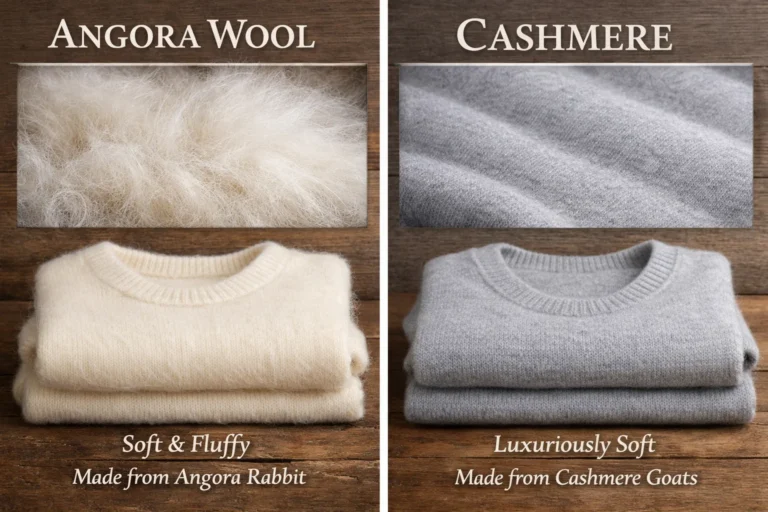
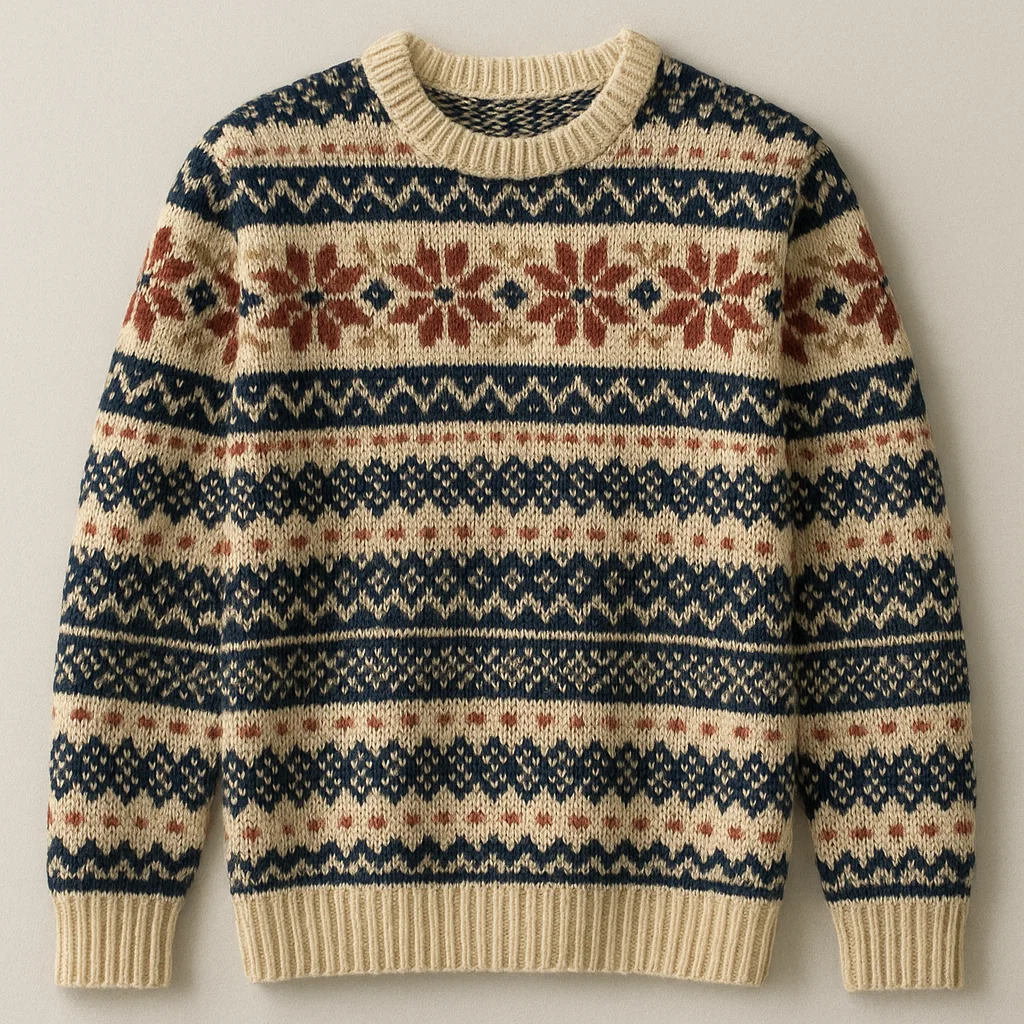
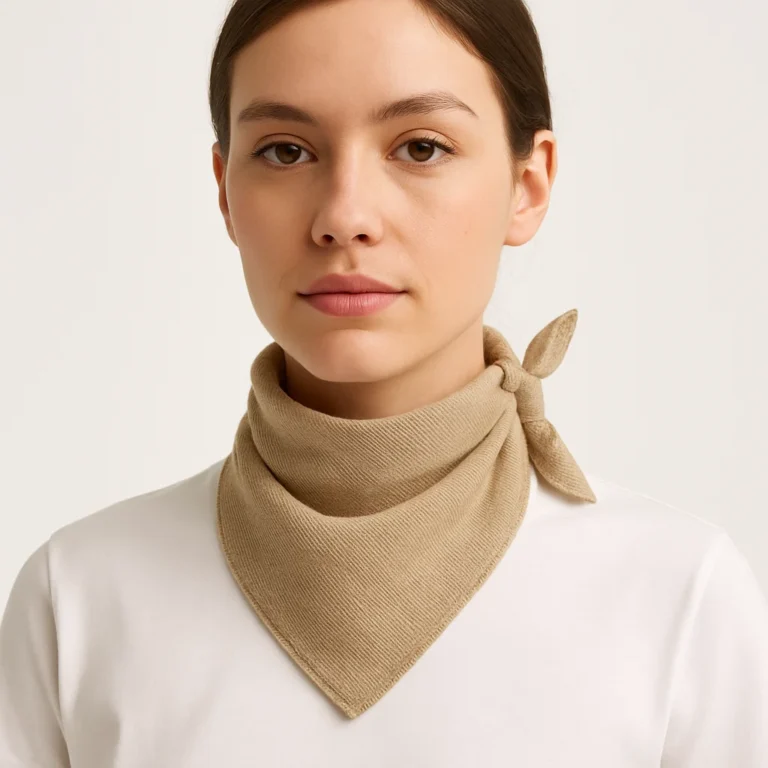
When you touch a cashmere sweater, the first thing you notice is the texture—a cloud-like softness that feels unlike anything else. The second thing you usually notice is the price tag.
It’s a common question: Why does a cashmere sweater cost significantly more than a wool or cotton one? Is it just branding?
The answer is no. Cashmere is known as the “Soft Gold” of the textile industry for a reason. Its price is driven by three undeniable factors: extreme scarcity, labor-intensive craftsmanship, and unmatched performance.
Here is the breakdown of what you are actually paying for when you invest in high-quality cashmere.
1. The Scarcity: It Takes a Herd to Make One Sweater
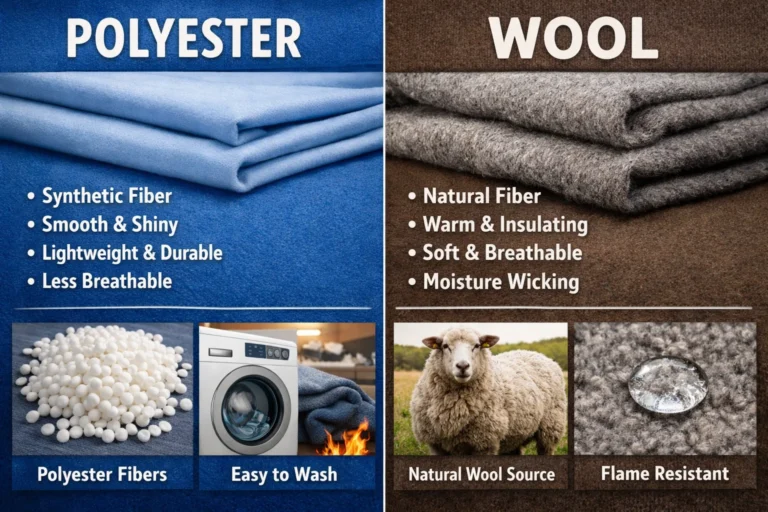
The most significant factor driving the cost is the raw material itself. Wool comes from sheep, which are sheared annually, producing kilos of fiber per animal. Cashmere, however, comes from the Capra Hircus goat, specifically from the soft undercoat that grows to protect them during freezing winters.
-
Limited Yield: A single goat produces only about 150 to 200 grams of usable fibers per year.
-
The Math: To knit just one standard-weight cashmere sweater, you need the annual harvest of 4 to 6 goats.
When you buy a cashmere sweater, you aren’t just buying fabric; you are buying the collective annual output of a small herd.
2. The Process: Hand-Combed, Not Sheared
Unlike sheep, which can be quickly sheared by machines, cashmere requires a delicate, manual approach.
During the spring molting season, herders must hand-comb the goats to harvest the undercoat. This labor-intensive process ensures that the fine downy fibers are collected without hurting the animal and without mixing in too much of the coarse outer hair (guard hair).
Once collected, the fiber goes through a rigorous “dehairing” process. After washing and separating the coarse hairs from the fine down, the weight of the raw material can drop by 50% or more. This high wastage rate further contributes to the premium cost.
3. Not All Cashmere Is Created Equal (Grade A vs. The Rest)
You might see cashmere sweaters selling for $50 and others for $300. Why the gap? The answer lies in the Grade.
-
Grade A Cashmere: This is what we prioritize. The fibers are the thinnest (about 14-15.5 microns) and the longest (34-36mm). Long fibers spin into stronger yarn, meaning the sweater will be softer, last longer, and pill significantly less.
-
Commercial Grade (B or C): Cheaper brands often use shorter, thicker fibers. To make them feel soft initially, they are often over-washed with chemical softeners. However, these sweaters lose their shape and pill excessively after just a few wears.
True luxury is about durability, not just the initial touch.
4. Unmatched Performance: The “Cost Per Wear” Value
Finally, cashmere is expensive because it is simply the best natural insulator available.
Cashmere is approximately eight times warmer than sheep’s wool, yet it is significantly lighter. It provides warmth without the bulk. Furthermore, it is hypoallergenic and breathable, making it one of the few animal fibers that can be worn directly against bare skin without itching.
The Verdict
Is cashmere expensive? Yes. But is it worth it? Absolutely.
A well-made, Grade A cashmere sweater is not fast fashion; it is an investment piece. While a cheap synthetic blend might last a season, high-quality cashmere—if cared for correctly—can last for a decade. When you calculate the Cost Per Wear, “Soft Gold” is often the smartest purchase you can make.
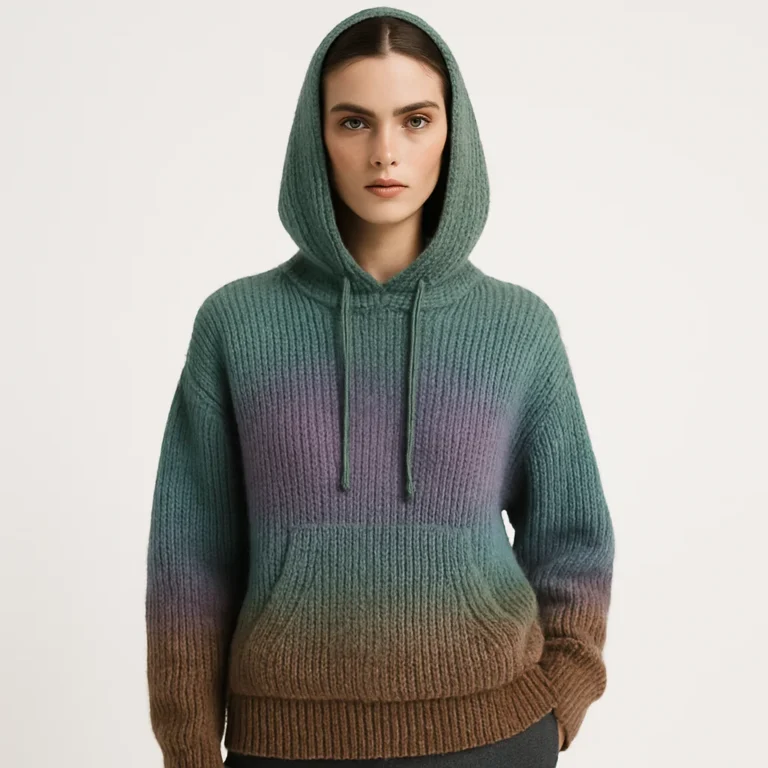
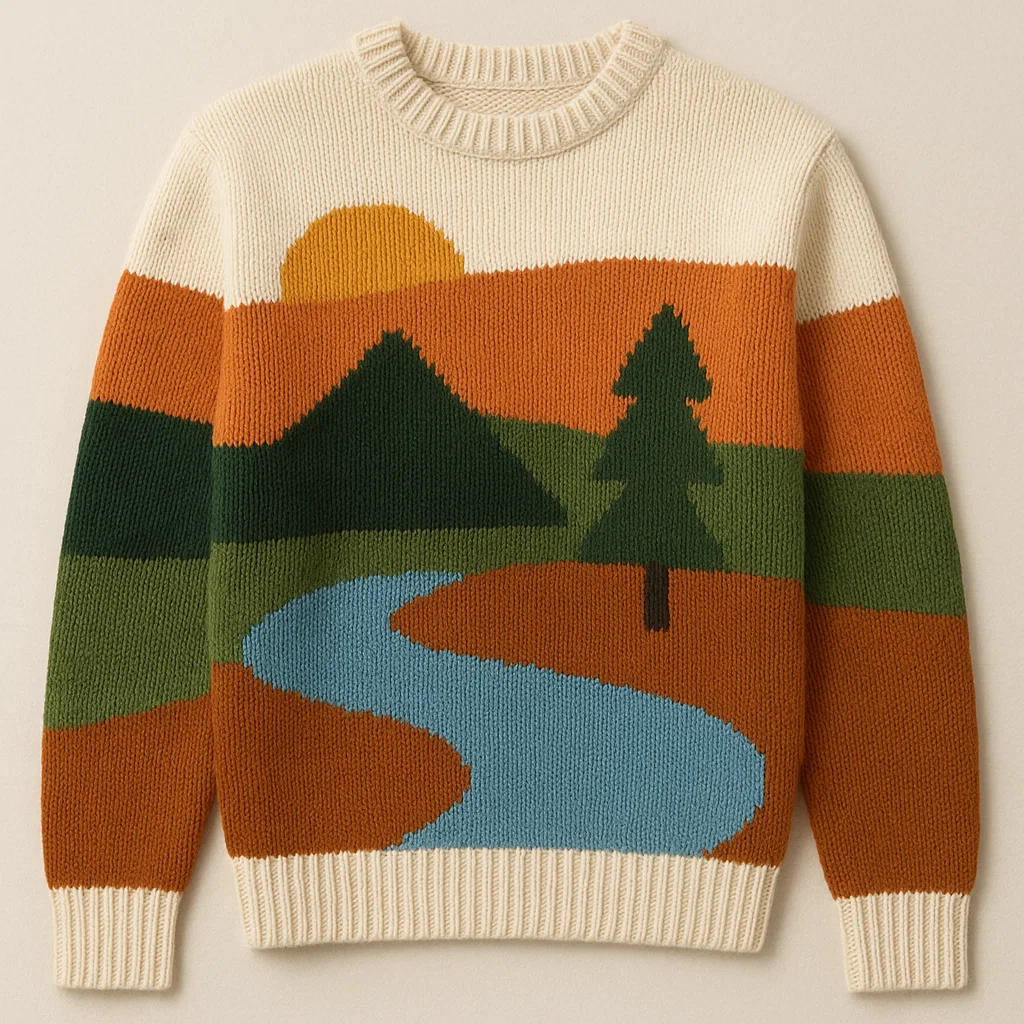
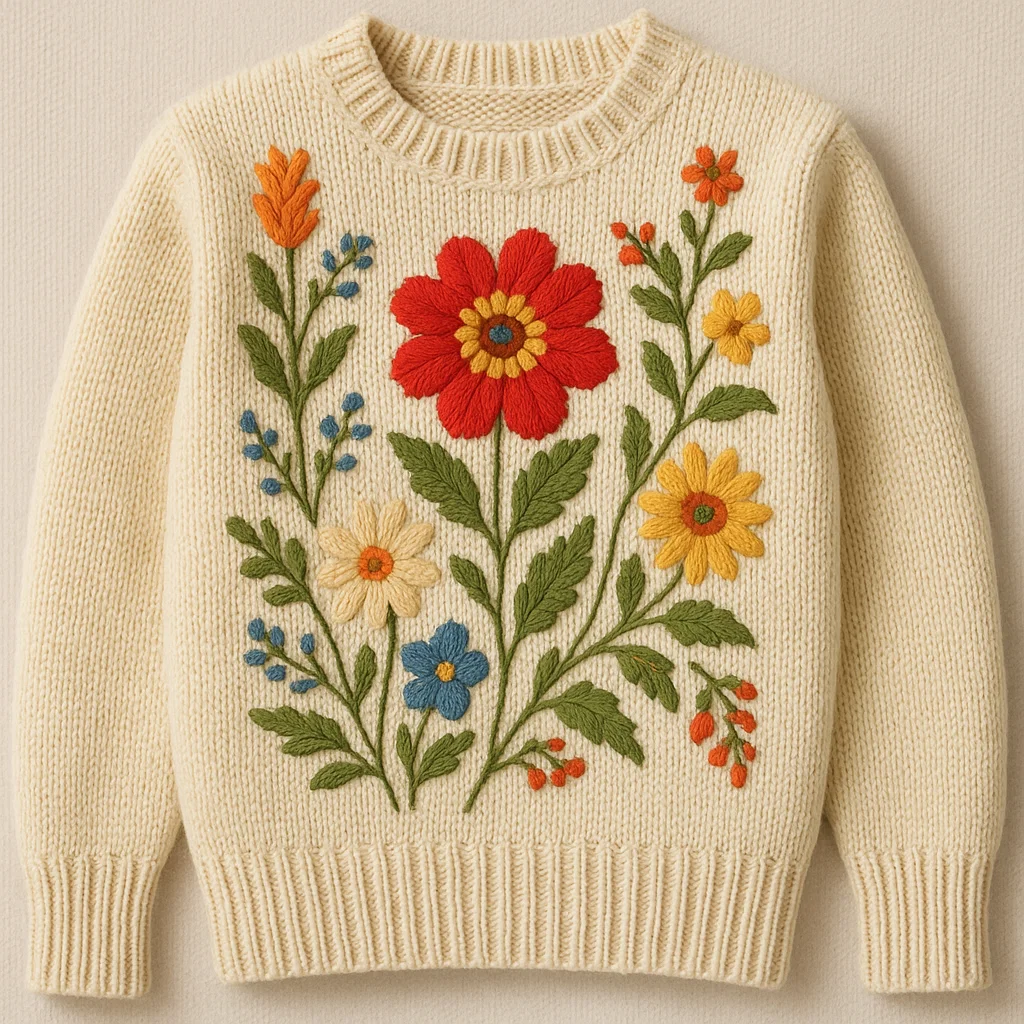
Azknit provides oem/odm service for knitwear. Help to create your own brands knitwear series like sweater, hoodie, cardigan, dresses and tank tops.
Azknit has been working with more than 30+ worldwide brands and finished more than 100 samples each months.
Feel free to contact for your own design quote.