
You want clean color blocks in your crochet project? Choose intarsia first. This method lets you work with separate yarn lengths, so your color changes stay crisp and clear. If you like smaller, repeating designs, tapestry crochet might suit you better because you carry the unused yarn along each row. Intarsia vs Tapestry Crochet comes down to how you manage your yarn and the look you want. Both techniques are fun to learn, so you can pick what matches your style.
Key Takeaways
-
Pick intarsia if you want bold, clear color blocks. It uses different yarns for each color. This gives you sharp lines in your work.
-
Try tapestry crochet if you like small, detailed patterns. This way, you carry the extra yarn along as you go. It lets you make very detailed designs.
-
Intarsia makes a lighter and softer fabric. It is great for blankets and clothes that need to hang nicely.
-
Tapestry crochet makes a thicker and stronger fabric. It works well for bags and things that need to be tough.
-
Plan your color changes before you start intarsia. This helps you avoid mistakes and keeps your work tidy.
-
Practice carrying yarn smoothly in tapestry crochet. This hides the extra yarn and keeps your project looking neat.
-
Both ways are good for beginners, but intarsia is often easier for new colorwork.
-
Try both methods on small projects first. This helps you find out which one you like best.
Intarsia vs Tapestry Crochet
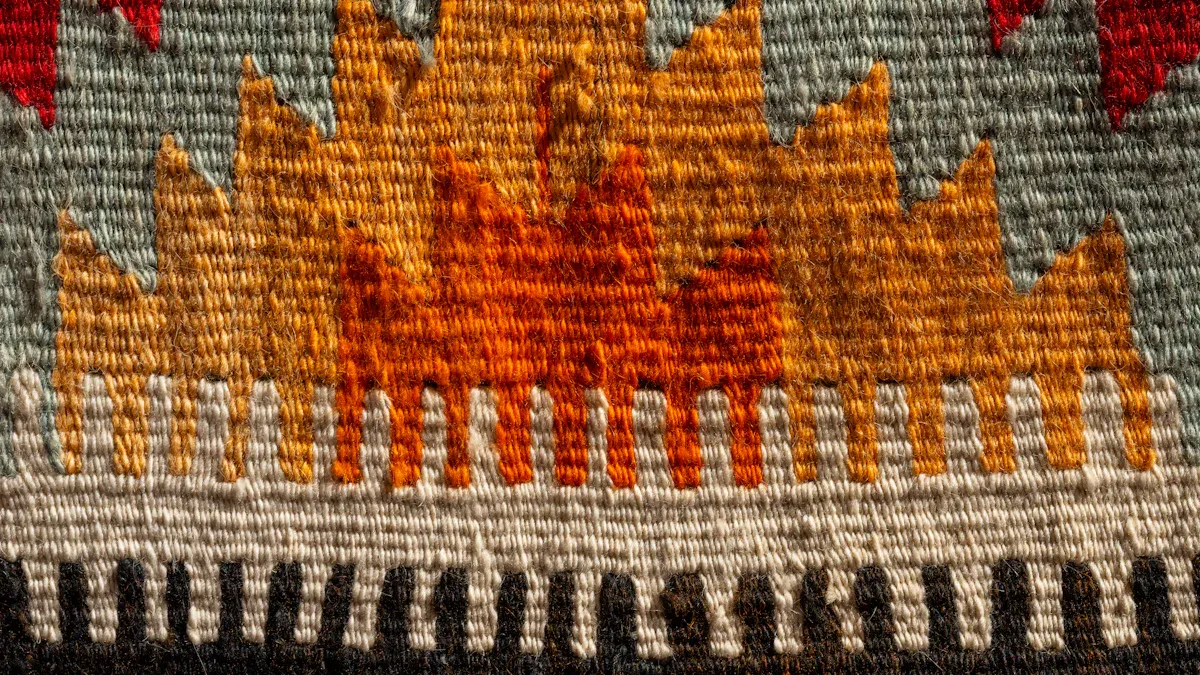
When you look at intarsia vs tapestry crochet, you might wonder which one fits your project best. Both techniques let you play with color, but they work in different ways. Let’s break down what makes each one special and how you can use them.
What Is Intarsia Crochet
Intarsia lets you create big, bold color blocks in your crochet. You use separate yarn balls or bobbins for each color section. This means you don’t carry yarn across the back of your work. You get clean lines and a lighter fabric. If you want to make a picture or a large shape, intarsia gives you the control you need.
Yarn Management in Intarsia
You manage yarn in intarsia by dropping one color and picking up another right where you need it. Each color section has its own yarn source. You don’t drag yarn across the back, so your project stays neat. You might have a few yarn ends to weave in, but you avoid tangles if you keep your yarns organized.
Color Block Creation in Intarsia
Intarsia shines when you want clear, crisp color blocks. You can make shapes, letters, or pictures that stand out. The color changes happen only where you want them. This makes intarsia perfect for projects like trivets, dishcloths, or anything that needs a strong design. You can use as many colors as you like, and each one gets its own strand.
Tip: Plan your color changes before you start. This helps you avoid mistakes and keeps your yarns from getting mixed up.
What Is Tapestry Crochet
Tapestry crochet lets you work with two or more colors at the same time. You carry the unused yarn along the row, crocheting over it until you need it again. This makes tapestry great for patterns with lots of small color changes, like geometric designs or repeating motifs.
Carrying Yarn in Tapestry
In tapestry, you hold all your yarns together as you crochet. When you switch colors, you drop one and pick up another, but you never cut the yarn. The unused yarn travels inside the stitches, hidden from view. This makes your fabric thicker and denser, but it also means you don’t have to weave in as many ends.
Hiding Unused Colors
Tapestry crochet hides the unused colors inside your work. The right side looks neat, and the wrong side may show some carried yarn, but it usually stays tidy. You can use tapestry to make blankets, pillows, bags, and even amigurumi with detailed designs. The technique works well for both flat and round projects.
Note: Tapestry crochet can look advanced, but it uses basic stitches. You just need to practice carrying and switching yarns smoothly.
Key Differences
Let’s look at intarsia vs tapestry crochet side by side. This table shows how each technique handles yarn, color, and fabric:
|
Feature |
Intarsia Crochet |
Tapestry Crochet |
|---|---|---|
|
Color Management |
Drop and pick up different colors as needed, each with its own yarn source. |
Carry multiple colors along each row, crocheting over unused yarn. |
|
Fabric Appearance |
Reversible, with a similar look on both sides. |
Has a clear right side and a less tidy wrong side. |
|
Yarn Usage |
Use as many strands as you want, fastening off each color as you go. |
More colors make the fabric thicker and denser. |
|
Stitch Type |
Works with single, half double, or double crochet stitches. |
Uses small stitches for a tight, dense fabric. |
|
Color Change Management |
Needs careful planning for color changes. |
Less planning, since you carry yarn along the back. |
You can also see some key differences in how your finished project looks and feels:
|
Difference |
Intarsia |
Tapestry |
|---|---|---|
|
Yarn Management |
Separate yarn sources for each color. |
Carry unused yarn along the back. |
|
Fabric |
Lighter and more flexible. |
Thicker and denser. |
|
Color Complexity |
Best for large color blocks. |
Great for intricate, frequent color changes. |
|
Wrong Side Appearance |
Cleaner, no visible floats. |
May show carried yarn, but usually neat. |
When you compare intarsia vs tapestry crochet, you see that intarsia gives you crisp, bold color blocks with a lighter feel. Tapestry lets you create detailed patterns and pictures, but your fabric will be thicker. Beginners often find intarsia easier for big shapes, while tapestry works well for smaller, repeating designs.
If you want to make a dishcloth with a big heart or a trivet with a bold letter, intarsia is your friend. If you dream of a pouch with a repeating diamond pattern or a pillow with lots of color changes, tapestry crochet will help you get there.
No matter which you choose, intarsia vs tapestry crochet both offer creative ways to play with color. Try both and see which one you like best!
Learning Curve for Beginners
Ease of Learning
Intarsia Simplicity
When you start with intarsia crochet, you might feel surprised by how simple it can be. You work with one color at a time in each section. You do not need to carry yarn across the back. This makes intarsia less confusing for big, bold designs. You can see your color changes happen right where you want them. Many beginners like intarsia because you can focus on one yarn strand at a time. You just drop one color and pick up the next. If you want to try crochet colorwork techniques, intarsia crochet gives you a clear way to begin.
Tapestry Complexity
Tapestry crochet feels a bit trickier at first. You hold two or more yarns together as you work. You must crochet over the unused yarn to hide it inside your stitches. This makes your fabric thicker. You need to keep your tension even so the hidden yarn does not peek through. Tapestry crochet works well for small, repeating patterns. If you want to practice more advanced crochet colorwork techniques, tapestry crochet helps you learn how to manage several colors at once.
Tools and Materials
Yarn Bobbins and Management
Managing yarn is important in both intarsia crochet and tapestry crochet. Yarn bobbins help you keep your colors neat and untangled. You wind each color onto a bobbin. This makes it easy to pick up the right color when you need it. Yarn bowls also help by holding your yarn in place. You can avoid tangles and keep your workspace tidy.
Hook and Yarn Choices
Choosing the right hook and yarn makes a big difference. Use a hook that matches your yarn weight. Smooth, medium-weight yarns work best for beginners. Stitch markers help you keep track of your rows and color changes. Scissors let you trim yarn ends neatly. A yarn threader can save your eyes and hands when you need to weave in ends.
Here’s a quick look at some helpful tools:
|
Tool/Material |
Description |
|---|---|
|
Yarn Bobbins |
Useful for managing multiple colors of yarn in crochet projects, especially for intarsia or tapestry crochet with complex colorwork. |
|
Scissors |
Essential for cutting yarn cleanly and precisely, ensuring neat trimming of yarn ends. |
|
Stitch Markers |
Helpful for tracking stitches and determining where the next row should start, especially for beginners. |
|
Yarn Threader |
Aids in threading challenging yarns, saving time and reducing strain on eyes and hands. |
|
Yarn Bowl |
Keeps yarn in place while crocheting, preventing tangling and allowing smooth yarn flow. |
Common Challenges
When you try intarsia crochet or tapestry crochet for the first time, you might run into a few bumps. Here are some common obstacles beginners face:
-
Changing colors smoothly takes practice.
-
Tight stitches are needed to hide unused yarn, but this can be hard if you crochet loosely.
-
Stitch height can vary, which may cause problems with your design.
Tangling and Tension
Yarn tangling happens often, especially with intarsia. You can avoid this by keeping your yarn bobbins or balls organized. Tension matters, too. If your stitches are too loose, colors may bleed into each other. If they are too tight, your fabric may curl.
Preventing Gaps
Gaps can appear at color changes in intarsia crochet. You can prevent this by twisting the yarns together when you switch colors. This keeps your fabric solid and your color blocks crisp.
Keeping Edges Clean
Clean edges make your project look polished. In intarsia, always bring the new color up from under the old one. This keeps your edges neat. In tapestry crochet, keep your tension steady and check your edges as you go.
Tip: Take your time and practice with small swatches before starting a big project. You will get better with each try!
Crochet Colorwork Results
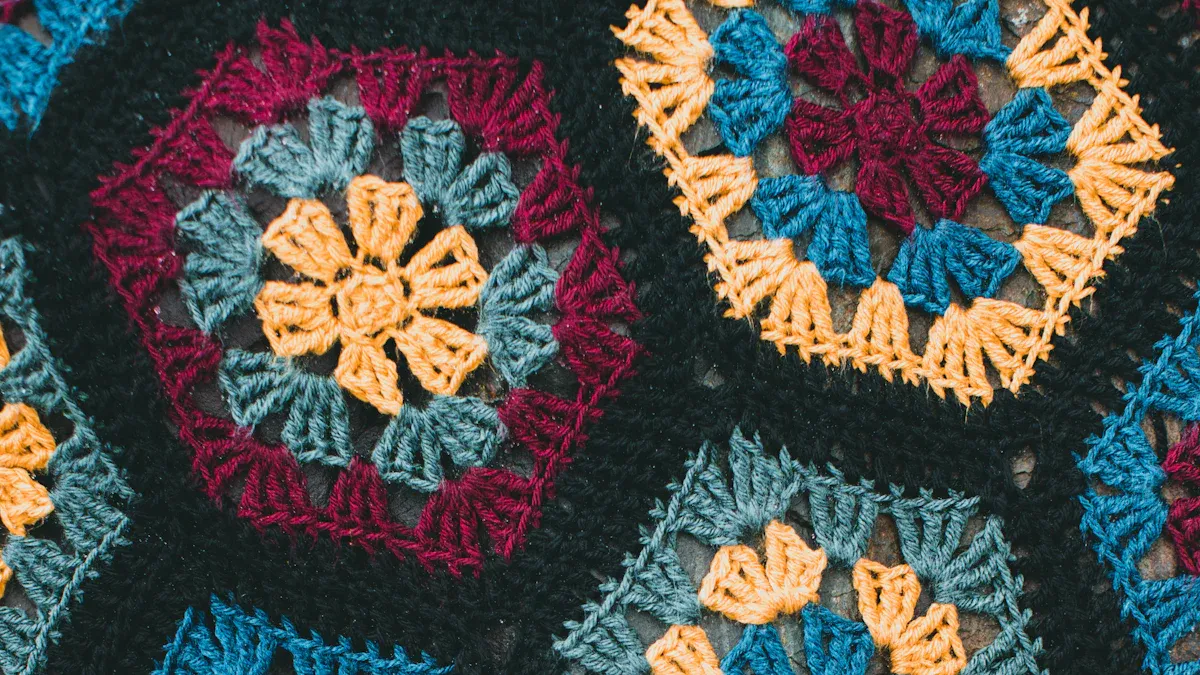
Clean Color Blocks
Crispness in Intarsia
You want your crochet colorwork to look sharp and bold. Intarsia gives you the best shot at crisp color blocks. When you use intarsia, you work with separate yarns for each section. This keeps your color changes clean. You do not see any extra yarn peeking through the stitches. Many crocheters love how intarsia makes pictures and shapes stand out. You can make letters, hearts, or even animals with clear lines. If you follow your chart closely, you will see each row build up your design. Some people find it hard to tell similar colors apart, especially in low light. You can fix this by using row-by-row guides or marking your chart. This helps you keep your crochet colorwork neat and easy to follow.
Blending in Tapestry
Tapestry crochet gives you a different look. You carry the unused yarn inside your stitches. This makes your crochet colorwork thicker and sometimes a bit stiffer. You might notice the carried yarn showing through, especially if you use light and dark colors together. Some crocheters say this reminds them of stranded knitting. You need to keep your tension even to hide the carried strands. If you pull too tight, your fabric will curl. If you crochet too loosely, the hidden yarn will peek out. Tapestry works well for colorwork patterns with lots of small changes. You can make diamonds, zigzags, or other repeating shapes. Sometimes, the colors blend a little at the edges, giving your project a softer look. If you want sharp lines, you need to practice your tension and color changes.
Project Suitability
Best for Blankets
Blankets show off crochet colorwork in a big way. Intarsia works great for blankets with large pictures or bold shapes. You can make a baby blanket with a big animal or a throw with a giant letter. The fabric stays light and flexible. Tapestry crochet also works for blankets, especially if you want a thick, warm feel. You can use tapestry for colorwork patterns with lots of small shapes or repeating designs. Just remember, tapestry blankets will feel heavier.
Best for Garments
You can use crochet colorwork to make sweaters, cardigans, or vests. Intarsia lets you add big color blocks or pictures to the front or back of a sweater. The fabric stays soft and easy to wear. Tapestry crochet gives you a dense fabric, which works well for warm vests or jackets. You can add small colorwork patterns to sleeves or collars. Keep in mind, tapestry garments may feel less stretchy.
Best for Accessories
Accessories give you a fun way to try crochet colorwork. Tapestry crochet shines here. You can make bags, like the Clara Clutch, with bold designs. Tapestry works well for hats, pouches, and even phone cases. You can use many stitches and techniques to make your accessories unique. Intarsia also works for scarves or dishcloths with big color blocks. You can make a trivet with a single letter or a washcloth with a simple shape.
Tip: Try small projects first. You will learn how to manage your yarn and see which crochet colorwork style you like best.
You can use crochet colorwork in so many ways. You can make blankets, garments, or accessories. You can choose intarsia for crisp color blocks or tapestry for detailed colorwork patterns. Both styles let you play with color and create something special.
Pros and Cons
Intarsia Crochet
Pros
-
Crisp Color Blocks: You get sharp, clean lines between colors. Your shapes and pictures stand out.
-
Lightweight Fabric: Intarsia makes a lighter, more flexible fabric. You can use it for blankets or garments that drape well.
-
No Carried Yarn: You do not have to hide unused yarn inside your stitches. The back of your work stays tidy.
-
Easy to Plan Designs: You can follow a chart or draw your own. You see your design grow row by row.
-
Great for Large Areas: Intarsia works best when you want big blocks of color or bold images.
Tip: If you want to make a blanket with a big animal or a pillow with a letter, intarsia makes it simple.
Cons
-
Lots of Yarn Ends: You will have many yarn tails to weave in when you finish. This can take extra time.
-
Yarn Tangles: Managing several yarn balls or bobbins can get messy. You need to keep them organized.
-
Not for Small Details: Intarsia does not work well for tiny, repeating patterns. The color changes can look choppy.
-
Planning Needed: You must plan your color changes before you start. Mistakes can be hard to fix later.
|
Intarsia Crochet |
Pros |
Cons |
|---|---|---|
|
|
Crisp color blocks |
Many yarn ends to weave in |
|
|
Lightweight fabric |
Yarn tangling |
|
|
No carried yarn |
Not ideal for small details |
|
|
Easy to plan designs |
Needs planning ahead |
|
|
Great for large color areas |
|
Tapestry Crochet
Pros
-
Good for Small Patterns: You can make detailed, repeating designs. Tapestry works well for geometric shapes and motifs.
-
Fewer Yarn Ends: You carry the unused yarn along, so you do not have to cut and rejoin as often.
-
Strong, Thick Fabric: Tapestry crochet makes a sturdy fabric. You can use it for bags, baskets, or warm accessories.
-
Color Changes Anytime: You can switch colors at any stitch. This gives you lots of creative freedom.
-
Works in the Round: Tapestry crochet is great for projects like hats or pouches.
Note: If you want to make a bag with a diamond pattern or a hat with stripes, tapestry crochet is a smart choice.
Cons
-
Thicker, Less Flexible: The fabric feels heavier and less stretchy. It may not drape as well as intarsia.
-
Carried Yarn May Show: If your tension is not even, the hidden yarn can peek through. This can make your work look messy.
-
Harder to Keep Edges Clean: The edges can look bumpy if you do not watch your tension.
-
Learning Curve: Carrying yarn and keeping it hidden takes practice. Beginners may need extra time to get it right.
|
Tapestry Crochet |
Pros |
Cons |
|---|---|---|
|
|
Great for small patterns |
Thick, less flexible fabric |
|
|
Fewer yarn ends |
Carried yarn may show |
|
|
Strong, sturdy fabric |
Edges can look messy |
|
|
Easy color changes |
Takes practice to master |
|
|
Works well in the round |
|
😊 Remember: Both techniques have their strengths. Try a small project with each to see which one you enjoy more!
Decision Guide
Who Should Try Intarsia First
You want big, bold shapes in your crochet? Intarsia knitting is your best choice. You work with separate yarn balls for each color block. This method gives you clear lines and makes your design pop. If you like simple pictures, letters, or large shapes, intarsia knitting helps you get there. You do not have to carry yarn across the back. You just drop one color and pick up the next. Many beginners find intarsia knitting easier when they want clean color blocks. You can use this technique for blankets, dishcloths, or sweaters with big designs. If you want a project that looks neat on both sides, intarsia knitting is a smart way to start.
Tip: Try intarsia knitting if you want to see your design grow row by row. You will love how each color stands out.
Real Experience: Why One French Client Chose Intarsia
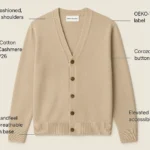
In 2025, a French womenswear client partnered with our factory to develop a 2026 series of premium cardigans featuring bold logo panels and clean color blocks on the front body.
After sampling both tapestry-style colorwork and intarsia, they chose intarsia knitting because it delivered sharper edges at the color transitions, lighter drape, and a smoother inside that felt more comfortable against the skin.
This decision also made production more efficient, since intarsia reduced bulk at the chest area and kept the cardigan silhouette sleek for European boutique retail standards.
Who Should Try Tapestry First
You enjoy working with lots of colors in your crochet? Tapestry crochet lets you make detailed patterns and small shapes. You carry the unused yarn along as you work. This makes your fabric thicker and stronger. If you want to create geometric designs, diamonds, or repeating motifs, tapestry crochet is the way to go. You can switch colors at any stitch. You do not need to plan every color change ahead of time. Tapestry crochet works well for bags, hats, and accessories. If you like projects with many color changes, you will enjoy tapestry crochet.
Note: Tapestry crochet is great for making sturdy items. You can use it for baskets, pouches, or anything that needs to hold its shape.
Quick Checklist
Not sure which technique fits your project? Use this checklist to help you decide:
-
Do you want large, simple color blocks?
→ Try intarsia knitting. -
Do you prefer small, detailed patterns?
→ Go for tapestry crochet. -
Do you want a lightweight fabric?
→ Intarsia knitting is best. -
Do you need a thick, sturdy fabric?
→ Tapestry crochet works well. -
Do you want fewer yarn ends to weave in?
→ Tapestry crochet makes it easier. -
Do you want a project that looks neat on both sides?
→ Intarsia knitting gives you a cleaner finish.
Here’s a table to show how your project goals match each technique:
|
Technique |
Description |
Project Goals |
|---|---|---|
|
Tapestry Crochet |
You juggle two or more yarn colors at once for intricate patterns. |
Complex designs with multiple colors. |
|
Intarsia Knitting |
You use separate yarn balls for big color blocks. |
Simpler designs with distinct color blocks. |
You can choose crochet techniques based on your style and what you want to make. Both intarsia knitting and tapestry crochet give you fun ways to play with color.
Flowchart for Choosing
You might still wonder, “Which crochet colorwork technique should I try first?” Let’s make it easy. Here’s a flowchart you can follow step by step. You don’t need fancy software—just answer each question and see where you land!
Tip: Grab a notebook or your phone. Jot down your answers as you go through the flowchart. This helps you see your preferences clearly.
Start Here:
-
Do you want big, bold color blocks or small, detailed patterns?
-
If you want big, bold color blocks, go to Step 2.
-
If you want small, detailed patterns, go to Step 3.
-
-
Do you prefer a lightweight, flexible fabric?
-
If yes, intarsia crochet is your best match.
-
If no, tapestry crochet might work, but intarsia still gives you cleaner blocks.
-
-
Do you like working with lots of colors at once?
-
If yes, tapestry crochet is a great choice.
-
If no, intarsia crochet keeps things simple.
-
-
Do you want fewer yarn ends to weave in?
-
If yes, tapestry crochet makes finishing easier.
-
If no, intarsia crochet is fine if you don’t mind weaving ends.
-
-
Do you want your project to look neat on both sides?
-
If yes, intarsia crochet gives you a cleaner back.
-
If no, tapestry crochet works well for items where only one side shows.
-
Here’s a quick table to help you see your results:
|
Your Answer Leads To… |
Try This Technique! |
Why? |
|---|---|---|
|
Big color blocks |
Intarsia Crochet |
Crisp lines, lightweight fabric |
|
Small patterns |
Tapestry Crochet |
Great for details, sturdy fabric |
|
Lots of colors |
Tapestry Crochet |
Easy color changes, fewer ends |
|
Clean back |
Intarsia Crochet |
No carried yarn, tidy finish |
|
Sturdy project |
Tapestry Crochet |
Thick, strong, holds shape |
Note: You don’t have to stick with one technique forever. Try both on small projects. You’ll learn what you like best.
Example Flow:
-
You want a blanket with a big heart. You like lightweight fabric. You don’t mind weaving in ends.
→ Intarsia crochet is perfect for you! -
You want a pouch with a diamond pattern. You want a sturdy finish. You like switching colors often.
→ Tapestry crochet fits your style!
Emoji Guide:
-
🧶 Intarsia: Best for bold, simple designs.
-
🎨 Tapestry: Best for detailed, colorful patterns.
You can use this flowchart every time you start a new project. Your answers might change as you learn more. That’s part of the fun! Pick the technique that matches your project and your mood. You’ll get great results either way.
Intarsia Knitting vs Crochet
When you hear about intarsia, you might think it only belongs to knitting. That’s not true! You can use intarsia in both knitting and crochet. If you want to make big, bold color blocks or pictures, both methods give you that power. But you might wonder—how are they the same, and how are they different? Let’s break it down.
Similarities
You’ll notice a lot of overlap between intarsia knitting and intarsia crochet. Both techniques let you play with color in a way that stands out. Here’s what they have in common:
-
You use separate balls or spools of yarn for each color section. Each color zone gets its own yarn, so you don’t have to drag yarn across the back.
-
You can create big shapes, pictures, or letters. Both methods work great for large patterns or bold designs.
-
You don’t carry unused yarn behind your work. This keeps your project neat and double-sided, so both the front and back look tidy.
-
You keep your yarns on separate bobbins or spools. This helps you avoid tangles and makes color changes easier.
-
You get a clean look on both sides. No messy floats or hidden strands show up, so your project looks good from any angle.
Tip: If you want to make a blanket with a giant heart or a pillow with a bold letter, you can use either intarsia knitting or crochet. Both will give you crisp, clear color blocks.
Differences
Even though intarsia knitting and crochet share a lot, you’ll spot some key differences when you start working with them. The way you make stitches, handle yarn, and finish your project can change your experience.
|
Feature |
Intarsia Knitting |
Intarsia Crochet |
|---|---|---|
|
Stitch Structure |
Uses loops on needles |
Uses loops pulled through with a hook |
|
Fabric Texture |
Smoother, more flexible |
Slightly thicker, more textured |
|
Color Change Method |
Drop one yarn, pick up another |
Drop one yarn, pick up another |
|
Edge Management |
May need extra care to keep edges neat |
Edges stay tidy with simple color twists |
|
Learning Curve |
Can be tricky to keep tension even |
Easier for beginners to control tension |
|
Project Types |
Great for sweaters, scarves, blankets |
Great for blankets, pillows, accessories |
In knitting, you hold your stitches on needles. You move yarn back and forth, and the fabric feels smooth and stretchy. In crochet, you use a hook to pull loops through other loops. The fabric feels a bit thicker and has more texture.
You might find it easier to keep your tension steady in crochet, especially if you’re just starting out. Knitting can sometimes leave gaps at color changes if you don’t twist your yarns just right. Crochet usually keeps the edges cleaner with a simple twist at each color change.
Note: If you already know how to knit, you might enjoy trying intarsia in both crafts. You’ll see how the same colorwork idea creates different looks and feels.
No matter which one you choose, intarsia lets you show off your creativity. You can make bold, colorful projects that stand out—whether you pick up needles or a hook!
You now know the strengths of both intarsia and tapestry crochet. If you want crisp color blocks, start with intarsia. For detailed patterns, tapestry crochet is a fun choice. Try both and see which one fits your style. Need help getting started? Check out these beginner-friendly resources:
-
Lists of essential supplies like yarn, hooks, and stitch markers
-
Step-by-step tips for carrying yarn and making tight stitches
Happy crocheting! 🧶
FAQ
What is the main difference between intarsia and tapestry crochet?
You use separate yarns for each color block in intarsia. In tapestry crochet, you carry all yarns along as you work. This changes how your colorwork looks and feels.
Can I use tapestry crochet for large color blocks?
You can, but tapestry crochet works best for small, repeating designs. Large color blocks may look bulky because you carry unused yarn inside the stitches. Try intarsia for big, bold shapes.
How do I keep my yarn from tangling in tapestry crochet?
You can use yarn bobbins or small balls. Keep your yarns organized and untwist them often. This helps you avoid knots and makes tapestry crochet more fun.
What projects are best for tapestry crochet?
Tapestry crochet shines in bags, pouches, hats, and accessories. You can create detailed patterns and strong fabric. If you want colorwork crochet pattern inspiration, look for geometric shapes or animal motifs.
Does tapestry crochet work for beginners?
Yes! You can start with simple patterns and just two colors. Practice carrying yarn and keeping your tension even. Tapestry crochet gets easier with each project.
How do I hide carried yarn in tapestry crochet?
You crochet over the unused yarn as you go. Keep your stitches tight. This hides the yarn inside the fabric. If you use light and dark colors, watch for peeking strands.
Where can I find colorwork crochet pattern inspiration?
You can search online for tapestry crochet ideas. Many designers share free patterns and charts. Try looking for colorwork crochet pattern inspiration in books, blogs, or social media groups.
Can I use tapestry crochet in the round?
Yes, you can! Tapestry crochet works great for hats, baskets, and bags. You carry the yarns around with you. This lets you make seamless, colorful projects.
Tip: Try a small tapestry crochet swatch before starting a big project. You will learn how to manage yarn and keep your stitches neat.