
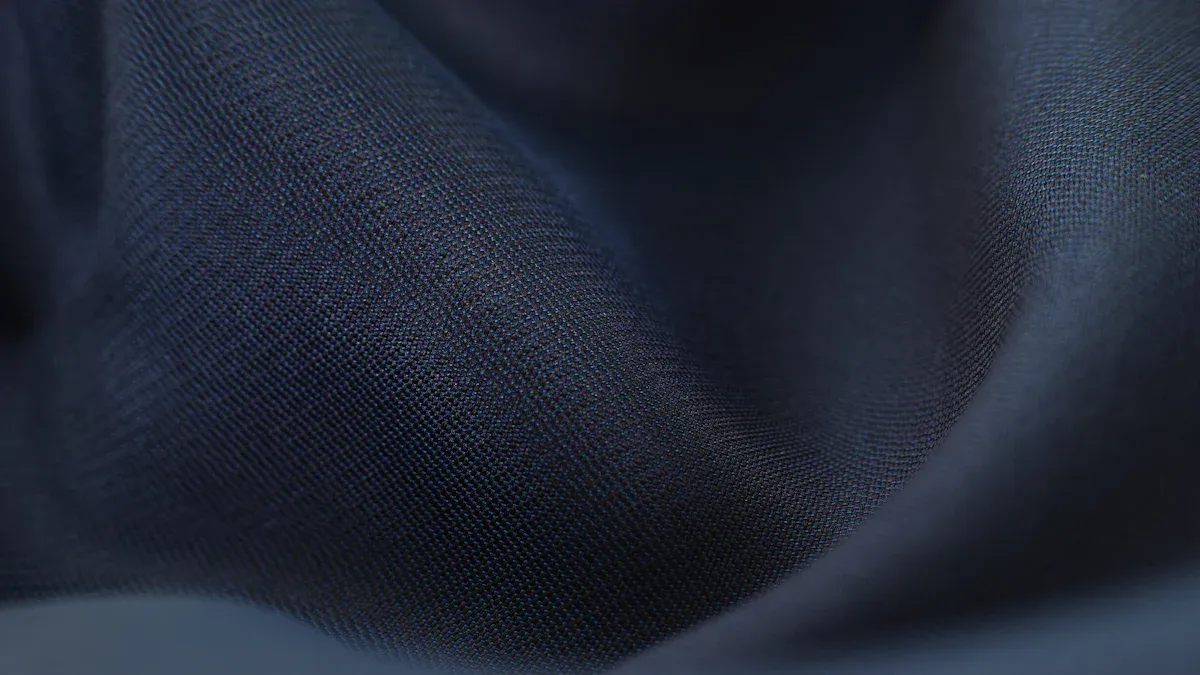
You may have heard some people call cupro vegan silk. But what does that mean? Cupro fabric is made from cotton linter. Cotton linter is a soft fiber left after picking cotton. This makes cupro a semi-synthetic textile. It feels silky and fancy. People like it because it feels like silk. No animals are hurt when making it. Choosing vegan silk is also good for the planet. Cupro breaks down naturally and uses a leftover by-product. This by-product would be thrown away otherwise. If you take care of your cupro clothes, they stay soft and pretty.
Key Takeaways
Cupro is a semi-synthetic fabric. It is made from cotton linter. It feels silky but does not use animal products.
Choosing cupro helps cut down on waste. It uses leftover cotton fibers. These fibers would be thrown away otherwise.
Cupro lets air pass through and feels comfy. It is good for hot days and cool outfits.
Be gentle with cupro to stop pilling and harm. Always wash it in cold water. Do not use strong chemicals.
Cupro is hypoallergenic. It is a good pick for people with sensitive skin.
There are different types of cupro. These include standard, blended, and specialty. They give you many textures and styles for your clothes.
Look for eco-friendly certifications when you buy cupro. This helps make sure it was made in a green way.
Take care of cupro by air drying and gentle ironing. This will help your cupro clothes stay nice and last longer.
Cupro Fabric Overview
What Is Cupro?
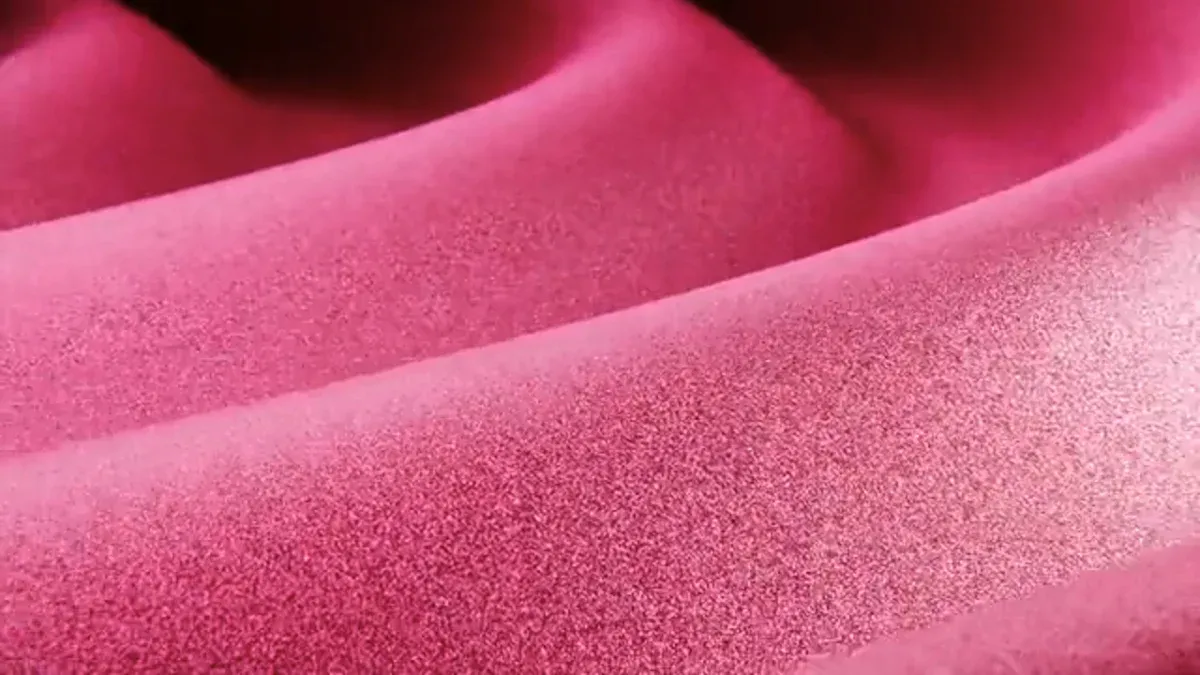
Cupro is made from cotton linter. Cotton linter is the soft fuzz left after picking cotton. This fabric feels smooth and looks fancy. People call it vegan silk because it is like silk, but no animals are used. Cupro is a semi-synthetic textile. It starts with cotton and goes through a chemical process. You can find cupro in clothes that feel cool and soft.
Tip: If you want a plant-based fabric that feels like silk, cupro is a good choice.
Cupro Fabric Origins
You might wonder where cupro comes from. It starts with cotton farming. After picking cotton, there is leftover fuzz called cotton linter. Factories use this fuzz to make cupro instead of throwing it away. This helps cut down on waste. Cupro is more eco-friendly than many other fabrics. The chemical process is like how rayon is made, but cupro uses cotton linter, not wood or other plants.
Here’s a quick look at how cupro compares to other regenerated cellulose fibers:
Aspect | Cupro Fabric | Other Regenerated Fibers (e.g., Tencel, Rayon) |
|---|---|---|
Primary Composition | Cellulose from cotton linter | Cellulose from various plant sources |
Manufacturing Process | Chemical processing of cotton linter | Varies; often involves different solvents |
Sustainability | More sustainable due to use of by-products | Varies; some may not use by-products |
Final Properties | Soft, breathable, resembles silk | Varies; often has different textures and finishes |
Cupro can have other names. Here are some you might see:
Alternative Name | Region of Use |
|---|---|
Bemberg | General use |
cupro | General use |
cupra | General use |
ammonia silk | Chinese fashion retail websites |
Key Characteristics
Cupro has special qualities that make it stand out. It feels very soft and smooth. It drapes well and looks nice. Many people like cupro because it feels cool and gentle. You can wear it in warm weather and feel comfortable.
Here are some key features of cupro:
It is very fine and feels delicate and fancy.
It stretches well, so your clothes move with you.
It is sheer, so it works for light and flowing outfits.
You can mix cupro with other fabrics for new styles.
It wicks some moisture, but breathes less than cotton.
Cupro can pill, so handle it gently.
It can catch fire easily, so keep it away from flames.
Wash cupro in cold or warm water, not hot.
Cupro is called vegan silk, but it is not the same as real silk. It looks like silk, but the feel is different. Cupro is soft, smooth, and better for the planet.
Note: Cupro is more eco-friendly than polyester and nylon because it uses cotton by-products.
If you want a fabric that feels fancy, looks nice, and is good for the earth, cupro is a smart choice.
Cupro Fabric Production
Raw Materials
You might ask what is used to make cupro. The main thing is cotton linter. Cotton linter is the fuzzy stuff left on seeds after picking cotton. Factories often throw this away, but cupro uses it instead. Here are some facts:
Cotton linters come from making cotton.
These fibers are soft and have lots of cellulose.
Cupro uses this extra material so it does not get wasted.
Using cotton linter helps cut down on waste. It uses something that would be thrown away. This is why many people think cupro is a smart and green choice.
Manufacturing Process
Making cupro from cotton linter takes a few steps. It is a mix of science and skill. Most cupro is made in China. Factories there know how to do this well.
Cellulose Extraction
First, workers get cellulose from the cotton linter. Cellulose is the main part for many man-made cellulosic fibre types. Here is what happens:
Workers take cotton linter from the seeds.
The linter is cleaned to get rid of dirt and seeds.
The clean linter is broken down to get the cellulose.
Cellulose is what makes cupro soft and silky.
Cuprammonium Process
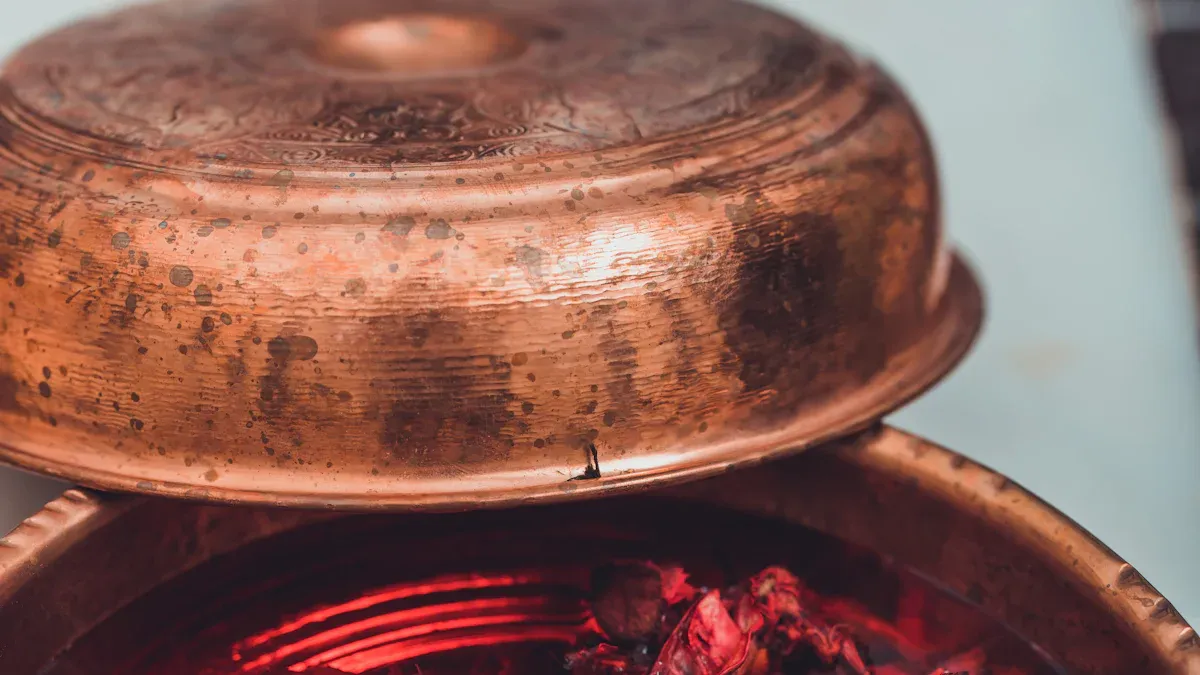
Next, the special process starts. Factories use the cuprammonium process. Here is how it works:
The cellulose is mixed with a copper-ammonia solution.
This makes a thick liquid.
The liquid is pushed through tiny holes to make thin threads.
These threads go into a bath that makes them hard.
Workers wash, dry, and spin the threads into yarn.
The yarn is woven or knitted to make cupro fabric.
Tip: The cuprammonium process makes cupro smooth and shiny. It is great for clothes that hang nicely.
Semi-Synthetic Explanation
People may call cupro a man-made cellulosic fibre. What does this mean? It means cupro starts with natural cellulose from cotton linter. But it needs chemicals to become fabric. This makes cupro a semi-synthetic fiber.
Here is a table to show how cupro fits with other fibers:
Definition of Semi-Synthetic Fibers | Examples of Semi-Synthetic Fibers |
|---|---|
Made from natural fibers using a chemical process, often with cellulose. | Rayon, Viscose, Modal, Lyocell, Cupro |
Cupro is special because it is made from cotton waste. It is part of the rayon family. Cupro is known for being soft, high-quality, and lets air through. When you pick cupro, you get a fabric that feels like silk. It comes from plants and smart science.
Cupro Fabric Properties
Texture and Feel
When you touch cupro, you notice how soft it feels right away. Many people say it reminds them of vegan silk. The surface feels smooth, almost like suede, and it glides across your skin. You might even think you are wearing something much more expensive. Cupro fabric has a gentle sheen that catches the light, making it look fancy without being too shiny. If you have ever touched natural silk, you know it feels cool and smooth. Cupro gives you a similar experience, but you do not have to worry about animal products.
You will also find that cupro is delicate. It can stain easily, so you need to handle it with care. This is true for both cupro and silk. If you want a fabric that feels soft and looks elegant, vegan silk is a great choice for your wardrobe.
Cupro feels soft and suede-like.
It has a beautiful luster.
Both cupro and silk need gentle care.
Tip: If you want luxury without the high price, cupro gives you that silky touch for less.
Breathability
You might wonder if cupro keeps you cool. The answer is yes! Cupro is a breathable fabric. It lets air move through, so you do not get too hot. This makes it perfect for warm days or for layering under jackets. You can wear cupro in the summer and still feel comfortable. The fabric also wicks away some moisture, which helps you stay dry. If you want clothes that feel light and airy, cupro is a smart pick.
Appearance and Drape
Cupro stands out because of how it looks and moves. When you wear cupro, the fabric drapes beautifully. It flows and hangs in a way that flatters your body. Designers love using cupro for dresses, blouses, and scarves because it creates a smooth, elegant shape. The fabric has a gentle shine, which makes every outfit look a bit more special.
Cupro has a luxurious feel and elegant sheen.
The drape is fluid, so clothes made from cupro move with you.
Many high-end brands use cupro for stylish, eco-friendly fashion.
You will notice that cupro looks a lot like silk, but it is easier to care for and more affordable. If you want to add a touch of vegan silk to your closet, cupro is a great way to do it.
Hypoallergenic Qualities
Do you have sensitive skin? You might worry about itchy fabrics or clothes that cause rashes. Cupro fabric can help you feel comfortable all day. Many people call cupro a “skin-friendly” fabric. It feels soft and smooth, but it also helps protect your skin from irritation.
Cupro stands out because it is hypoallergenic. That means it is less likely to cause allergies or skin problems. If you have ever worn a shirt that made you itch, you know how important this is. Cupro gives you a gentle touch, even if your skin reacts to other fabrics.
Here’s why cupro works so well for sensitive skin:
Cupro is hypoallergenic, so it is a smart choice for people with allergies.
You can wear cupro right against your skin. It feels comfortable and does not scratch or rub.
Some studies say cupro is even better for sensitive skin than silk.
You might wonder how cupro does this. The answer comes from the way cupro is made. Factories use cotton linter, which is a pure and soft fiber. They clean it and turn it into smooth threads. These threads do not have rough edges or tiny fibers that poke your skin. When you wear cupro, you get a fabric that glides over your body.
Cupro also resists dust and static. This helps keep your clothes cleaner and your skin happier. You do not have to worry about lint or fuzz sticking to your shirt. If you have allergies, this can make a big difference.
Let’s look at some reasons why cupro is a good pick for people with sensitive skin:
No animal proteins, so it does not trigger silk allergies.
No harsh chemicals left in the fabric after washing.
Smooth surface, so it does not trap dust or pollen.
Tip: If you have eczema or other skin conditions, try cupro for your shirts, scarves, or pajamas. You might notice less itching and more comfort.
Cupro’s hypoallergenic qualities make it a favorite for people who want soft, safe, and stylish clothes. You can enjoy the feel of luxury without worrying about your skin. Next time you shop for new clothes, check the label for cupro. Your skin will thank you!
Types of Cupro Fabric
You might think all cupro feels the same, but there are actually different types of cupro fabric. Each type has its own look and feel. When you shop for clothes or fabric, you can pick the one that fits your style best. Let’s look at the main types of cupro fabric you’ll find.
Standard Cupro
Standard cupro is the most common type. You see it in many shirts, dresses, and scarves. This fabric feels soft and smooth, almost like silk. It drapes well and moves with you. You can wear standard cupro in warm weather because it feels cool on your skin.
Feels light and silky
Has a gentle shine
Works well for flowy clothes
You might notice that standard cupro comes in many colors. Designers love it because it takes dye very well. If you want a classic, vegan silk look, standard cupro is a great choice.
Tip: Try standard cupro for summer tops or dresses. You’ll stay cool and look stylish.
Blended Cupro
Blended cupro mixes cupro with other fibers. You might see blends with cotton, polyester, or even linen. These blends change how the fabric feels and looks. For example, a cupro-cotton blend feels soft but also a bit stronger. A cupro-polyester blend might wrinkle less and last longer.
Here’s a quick table to show some common blends:
Blend Type | Feel | Best For |
|---|---|---|
Soft, breathable | Everyday shirts, pants | |
Cupro + Polyester | Smooth, durable | Dresses, blouses |
Cupro + Linen | Light, textured | Summer outfits |
Blended cupro gives you more choices. You can pick a blend that matches your needs. Some blends cost less, so you can enjoy the look of cupro without spending too much.
Specialty Cupro
Specialty cupro stands out because it has unique finishes or textures. Some types of cupro fabric get special treatments to make them extra shiny or even matte. Others might have a crinkled look or a suede-like touch. You can find specialty cupro in high-end fashion or designer collections.
May have patterns or special weaves
Can feel extra soft or have a textured surface
Used for statement pieces or luxury items
If you want something different, try specialty cupro. You’ll find bold colors, fun textures, and styles that stand out.
Note: Specialty cupro often needs gentle care. Always check the label before washing.
When you know the types of cupro fabric, you can choose the right one for your wardrobe. Each type brings something special to your style.
Cupro vs. Other Fabrics
Cupro vs. Cotton
You might wonder how cupro compares to cotton. Both fabrics come from plants, but they feel very different when you touch them. Cotton feels soft and cozy. You probably wear cotton T-shirts and sheets all the time. Cupro feels smoother and cooler, almost like silk. If you want clothes that look fancy but still come from plants, cupro is a good pick.
Cotton absorbs moisture well. You stay dry and comfortable in hot weather. Cupro also breathes, but it does not soak up sweat as much as cotton. You might notice cupro dries faster after washing. Cotton wrinkles easily, but cupro stays smooth and drapes nicely. If you want a shirt that looks neat all day, cupro works better.
Cotton is easy to care for. You can wash it in hot water and toss it in the dryer. Cupro needs gentle washing and air drying. If you want a fabric that lasts longer and looks new, you need to treat cupro with care.
Tip: Choose cotton for everyday comfort. Pick cupro when you want a silky feel and a dressy look.
Cupro vs. Silk
Cupro is often called vegan silk, but how does it really stack up against real silk? Both fabrics feel soft and smooth, but there are some key differences. Silk comes from silkworms. Cupro comes from cotton linter, so it is plant-based.
Let’s look at how cupro and silk compare:
Feature | Silk | Cupro |
|---|---|---|
Texture | Smooth, soft, ethereal feel with natural bounce | Uniform hand-feel, lacks organic movement |
Appearance | Delicate softness, elegant drape | Predictable drape, ideal for structured garments |
Sustainability | Naturally sustainable, low carbon footprint | Resource-efficient but chemical-intensive production |
Silk feels light and has a natural bounce. Cupro feels smooth but does not move the same way. You get a more predictable drape with cupro, which works well for structured clothes. Silk looks delicate and shines in the light. Cupro has a gentle sheen but looks more uniform.
When you think about the planet, silk is naturally sustainable. Cupro uses cotton waste, which saves resources, but the process uses chemicals. If you want a fabric that is kind to animals and still looks fancy, cupro is a smart choice.
Note: Cupro gives you the look of silk without using animal products.
Cupro vs. Rayon
Rayon and cupro belong to the same family. Both start with plant fibers and go through chemical changes. Rayon comes from wood pulp. Cupro uses cotton linter, which is a leftover from making cotton.
Rayon feels soft and smooth, but cupro feels even silkier. You might notice cupro drapes better and looks more polished. Rayon can wrinkle and lose shape after washing. Cupro holds its shape and stays smooth if you care for it gently.
If you care about the environment, cupro stands out as a sustainable alternative to rayon. Cupro uses waste from cotton, so it helps reduce landfill. Rayon uses trees, which can hurt forests if not managed well.
Tip: Try cupro if you want a fabric that feels like rayon but is better for the planet.
Pros and Cons
When you look at cupro fabric, you see a mix of good and not-so-good qualities. If you want a fabric that feels fancy but also cares for the planet, cupro might catch your eye. Let’s break down what makes cupro special and where it falls short.
Here’s a quick table to help you compare the main advantages and disadvantages:
Advantages | Disadvantages |
|---|---|
Smooth | Prone to pilling from friction |
Anti-static | Poor acid-alkali resistance |
Eco-friendly |
You’ll notice cupro feels smooth and soft. When you touch it, you get a silky sensation. Your clothes won’t cling to your body because cupro resists static. That means you can wear it on dry days without worrying about shocks or clingy shirts.
Cupro also stands out as an eco-friendly choice. Factories make cupro from cotton linter, which is a waste product from cotton farming. Instead of tossing this fuzz away, they turn it into beautiful fabric. Some manufacturers use renewable energy during production. Many cupro factories run a closed-loop system, so they recover and reuse chemicals. This helps keep the process cleaner and safer for the environment.
Here are some eco-friendly features you might like:
Made from waste materials
Utilizes some renewable energy in production
Closed loop system for chemical recovery
Unclear water consumption in manufacturing
But cupro isn’t perfect. You need to treat it gently. The fabric can pill if you rub it too much. Pilling means little balls form on the surface, which can make your clothes look worn out. If you want your cupro shirt to stay smooth, wash it carefully and avoid rough surfaces.
Cupro doesn’t handle strong acids or alkalis well. If you spill vinegar or bleach, the fabric might get damaged. You should always use mild detergents and avoid harsh cleaners.
Water use in cupro production isn’t always clear. Some factories save water, but others might use more than you expect. If you care about water conservation, you may want to check the brand’s details before you buy.
Let’s sum up the pros and cons so you can decide if cupro fits your needs:
Pros:
Silky, smooth texture
Anti-static properties
Eco-friendly production
Breathable and comfortable
Good drape for stylish clothes
Cons:
Prone to pilling
Sensitive to harsh chemicals
Water use in production may vary
Needs gentle care to last
Tip: If you want a fabric that feels like silk and supports sustainability, cupro is a smart pick. Just remember to treat it with care so it stays beautiful.
Cupro gives you a chance to wear something luxurious and earth-friendly. You get comfort and style, but you need to handle it gently. If you like soft, shiny clothes and want to help the planet, cupro could be your new favorite fabric.
Sustainability of Cupro
Eco-Friendly Aspects
You might wonder why cupro is called eco-friendly. The reason is how cupro is made. Factories use cotton linters, which are fuzzy fibers left after making cottonseed oil. Most of the time, these linters get thrown away. When you pick cupro, you help cut down on waste from cotton. Here’s how cupro helps the planet:
Cupro uses cotton linters, which are left over from making cottonseed oil.
This keeps more trash out of landfills.
Cupro lets factories use parts of the cotton plant that would be thrown away.
Making cupro turns leftover cotton into something useful, so it is better for the earth.
If you want a fabric that is better for the planet than silk or synthetics, cupro is a good choice. You help the earth by picking a fabric that uses cotton waste. This makes cupro a smart and green fabric for people who care about the planet.
Environmental Impact
You may ask if cupro is always good for the earth. The answer depends on how factories make it. To make cupro, workers dissolve cellulose from cotton linters using copper salts and ammonia. These chemicals can hurt nature if not handled right.
Here are some facts about cupro’s effect on the environment:
The process uses copper, ammonia, and caustic soda. These can pollute water and soil if not reused in a closed-loop system.
Making cupro needs a lot of water, especially at the start. This can be a problem where water is hard to find.
The fashion industry, including cupro, uses about 93 billion cubic meters of water each year. That is about 4% of all freshwater taken from the earth.
Some factories use closed-loop systems. These systems recycle water and chemicals, making cupro safer for the earth. When you shop for cupro clothes, check if the brand talks about closed-loop production. This helps you pick better options for the planet.
Tip: Always look for brands that share how they protect the earth. This helps you choose the best and most eco-friendly cupro.
Certifications
You might want to know if your cupro clothes are really green. Certifications can help you decide. Some cupro fabrics have labels that show they meet strict rules for the earth and for people. Here are a few you might see:
Certification | What It Means |
|---|---|
OEKO-TEX Standard 100 | Fabric tested for harmful substances |
GRS (Global Recycled Standard) | Uses recycled materials and ethical practices |
FSC (Forest Stewardship Council) | Cellulose comes from responsibly managed sources |
When you see these labels, you know the fabric is safe and better for the planet. They show the brand cares about the earth and people. If you want to help the planet, look for these labels when you buy cupro.
Note: Certifications make it easier to pick green fabrics and support a better world.
Limitations
Cupro fabric sounds like a dream for eco-friendly fashion, but it does have some drawbacks you should know about. When you look closer, you see that cupro is not perfect. You might want to think about these points before you fill your closet with cupro clothes.
First, cupro needs a lot of chemical processing. Factories use copper, ammonia, and other chemicals to turn cotton linter into soft fabric. These chemicals can harm the environment if workers do not handle them carefully. Some factories use closed-loop systems to recycle water and chemicals, but not all do. If you care about clean water and safe air, you should check how your cupro was made.
You may also notice that cupro is not always as sustainable as it seems. Even though it uses cotton waste, the process can use a lot of water and energy. Some brands talk about being green, but they do not always share details about their factories. You might find it hard to know if your cupro shirt really helps the planet.
Here are some common limitations of cupro fabric:
Not all factories use closed-loop systems.
Production may use a lot of water and energy.
Some brands do not share enough about their supply chain.
Cupro can pill or wear out if you do not care for it gently.
The fabric does not handle strong acids or bleach well.
You should also think about how cupro feels in daily life. The fabric can pill if you rub it too much. If you want your clothes to last, you need to wash them gently and avoid rough surfaces. Cupro does not like harsh cleaners, so always use mild soap.
Tip: Always check the care label on your cupro clothes. Gentle washing and air drying help your pieces last longer.
Cupro is a step toward more sustainable fashion, but it is not a perfect solution. You can help by choosing brands that share how they make their fabrics. Look for companies that use closed-loop systems and care about the planet. When you know the facts, you can make better choices for your wardrobe and the earth.
Caring for Cupro Fabric
Taking care of cupro fabric is simple when you know the right steps. If you treat your vegan silk pieces with care, they will stay soft, shiny, and last longer. Let’s look at the best ways to wash, dry, and iron your cupro clothes so you can keep them looking new and eco-friendly.
Washing Instructions
Cupro is a delicate fabric. You need to wash it gently to keep it smooth and beautiful. Always check the care label first. Some cupro clothes need hand washing, while others can go in the machine on a gentle cycle.
Hand Wash
Hand washing is the safest way to clean cupro. You protect the fibers and help your clothes last longer. Here’s how you can do it:
Fill a clean sink or basin with cold water.
Add a small amount of mild detergent. Swirl the water to mix.
Place your cupro item in the water. Gently move it around with your hands.
Let it soak for about 5 minutes. Do not scrub or twist the fabric.
Rinse the item with cold water until all the soap is gone.
Lay the fabric flat on a thick towel. Roll up the towel to press out extra water. Do not wring or twist.
Tip: Always use cold water and a gentle detergent. This keeps your cupro soft and helps it stay eco-friendly.
Machine Wash
You can wash some cupro clothes in the machine, but you need to be careful. Use these steps to avoid damage:
Choose the delicate or gentle cycle on your washing machine.
Use cold water and a mild detergent.
Place your cupro items in a mesh laundry bag for extra protection.
Do not overload the machine. Clothes need space to move freely.
Avoid high spin speeds. Too much spinning can cause wrinkles and stress the fibers.
Common mistakes people make when washing cupro:
Overloading the washing machine. This can cause friction and damage the fabric.
Using hot water or a strong spin cycle. This can shrink or wrinkle your clothes.
If you follow these tips, your cupro will stay smooth and last longer.
Drying Tips
Drying cupro the right way helps keep it soft and prevents damage. Never put cupro in the dryer. The heat can ruin the fibers and make your clothes lose their shape.
Here’s what you should do:
After washing, gently press out extra water with a towel. Do not wring or twist.
Lay your cupro flat on a clean, dry towel. Reshape it to its original form.
Let it air dry away from direct sunlight or heat sources.
If you want to hang your cupro, use a padded hanger to avoid stretching the fabric.
Note: Air drying is the best way to keep your cupro looking new and sustainable. It saves energy and helps your clothes last.
Ironing and Steaming
Cupro can wrinkle, but you can fix this with gentle ironing or steaming. Always use the lowest heat setting on your iron. High heat can damage the fibers.
Turn your cupro item inside out before ironing.
Set your iron to the lowest temperature.
Gently pull the fabric as you iron to smooth out wrinkles.
For best results, use the steam setting on your iron. Hover the iron just above the fabric and let the steam relax the wrinkles.
Steaming is the safest way to straighten cupro. You avoid direct contact and lower the risk of burning the fabric.
Tip: Always test your iron on a small hidden area first. This helps you avoid any surprises.
Taking these steps will help you care for your cupro clothes. You keep them soft, shiny, and looking their best. When you treat your cupro with care, you support a sustainable and eco-friendly wardrobe.
Storage Advice
Storing your cupro clothes the right way helps them stay smooth and last longer. You want to keep that silky feel and avoid wrinkles or damage. Here’s how you can do it:
Always clean your cupro garments before you put them away. Dirt and oils can break down the fibers over time.
Fold your cupro items instead of hanging them. Hanging can stretch the fabric and change its shape.
Use a breathable cotton storage bag. This keeps bugs away and lets air move around your clothes.
Skip plastic bags or containers. Plastic traps moisture and can make your cupro yellow or attract bugs.
Keep your storage area cool and dry. Heat and humidity can hurt cupro fabric.
Tip: If you want your cupro to look fresh, check your storage spot every few months. Make sure it stays clean and dry.
You don’t need fancy tools to store cupro. Just follow these steps and your clothes will stay soft and beautiful. When you treat your cupro with care, you get more wear out of every piece.
You’ve learned where cupro comes from and why it feels so soft. Cupro fabric starts with cotton linter and gives you a silk-like touch without animal products. You get a breathable, stylish option that’s better for the planet. If you care for cupro the right way, your clothes stay beautiful longer.
Cupro offers comfort and luxury.
You help the earth by choosing cupro.
Tip: Follow the care steps and enjoy your cupro pieces for years!
FAQ
What makes cupro different from other fabrics?
Cupro comes from cotton linter, which is a leftover from cotton production. You get a silky, smooth feel without using animal products. It’s also more eco-friendly than many synthetic fabrics.
Can you put cupro clothes in the dryer?
No, you should not use a dryer for cupro. The heat can damage the fibers and shrink your clothes. Always air dry your cupro items flat or on a padded hanger.
Does cupro wrinkle easily?
Yes, cupro can wrinkle, especially after washing. You can fix wrinkles by steaming or using a cool iron. Always turn your clothes inside out before ironing.
Is cupro safe for sensitive skin?
Absolutely! Cupro feels soft and smooth. It is hypoallergenic, so it rarely causes irritation. If you have sensitive skin, you can wear cupro comfortably all day.
How do you remove stains from cupro?
Blot stains gently with a damp cloth. Use a mild detergent and cold water. Avoid rubbing or using bleach. If the stain stays, take your item to a professional cleaner.
Can you wear cupro in hot weather?
Yes, you can! Cupro breathes well and feels cool against your skin. It wicks away some moisture, so you stay comfortable on warm days.
Does cupro shrink after washing?
Cupro can shrink if you use hot water or high heat. Always wash in cold water and air dry to keep your clothes the right size.
Is cupro fabric expensive?
Cupro usually costs less than silk but more than cotton. You get a luxurious feel without the high price tag of real silk.