
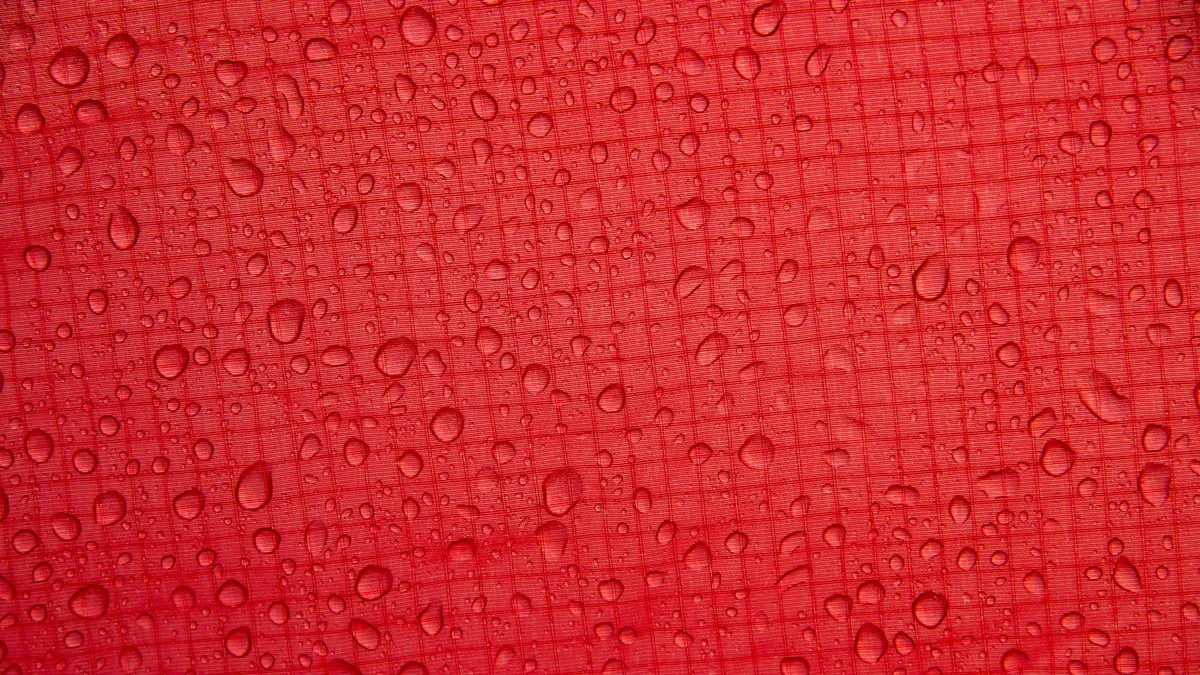
You may ask why ripstop fabric is so special. This fabric has a special grid pattern in it. The pattern helps stop small rips from getting bigger. This makes the fabric very strong. You can find ripstop fabric in outdoor gear and military uniforms. It is also used in parachutes, sails, luggage, and clothes. The strong weave helps your gear last a long time, even when things get rough.
Key Takeaways
Ripstop fabric has a special grid pattern. This pattern stops small rips from getting bigger. This makes the fabric very strong.
The fabric is light but also very tough. It is great for outdoor things like tents, backpacks, and jackets.
Ripstop fabric was first made for military parachutes in the 1940s. Now, people use it for many other things.
The thicker threads in the grid make it harder to tear. This helps your gear last longer, even when used a lot.
Ripstop fabric can be used for many things. You can find it in luggage, umbrellas, and fashion jackets.
There are different kinds of ripstop fabric, like nylon and polyester. These types have special benefits, like keeping out water and blocking UV rays.
Picking ripstop fabric means your gear will last a long time. This saves you money because you do not need to buy new gear often.
To keep ripstop fabric strong, wash it gently in cold water. Do not use strong soaps or detergents.
Ripstop Fabric Overview
What Is Ripstop Fabric
Ripstop fabric looks different from most other fabrics. It is made with a special way of weaving. Thicker threads are woven in a grid shape. These threads make small squares on the fabric. The grid helps the fabric stay strong and stops rips from spreading. This fabric is light but also tough and lasts a long time. Nylon or polyester are often used to make ripstop fabric. These materials make it even stronger but still light.
Some important things about ripstop fabric are:
It does not tear easily
Thicker yarn is used to stop rips
It is strong but not heavy
It works well for outdoor and tactical gear
The grid is not just for looks. It acts like a wall. If you get a small hole, the thick threads stop it from getting bigger. This is why ripstop fabric is good for things that get used a lot.
History and Development
Ripstop fabric has a cool history. In the 1940s, DuPont wanted to make better parachutes for the military. Nylon was new and became important for parachutes. During World War II, people needed strong fabric, so ripstop was made.
The first patent for ripstop fabric was in 1962. Louis Weiner and Harold H. Brandt got this patent. By the 1960s, the way to make ripstop fabric got better. By 1980, people used it for outdoor gear and tactical stuff. Later, it was used for work clothes, backpacks, and even regular clothes. Now, ripstop fabric is in many things because it is strong and can be used in lots of ways.
Note: Ripstop fabric was first made for the military, but now it helps protect your things every day.
Ripstop vs. Other Fabrics
You might wonder how ripstop fabric is different from other fabrics. The main thing is the grid pattern. The grid uses thicker threads to stop rips. Other fabrics, like plain weave or Oxford weave, do not have this. They can tear more easily and do not stop rips from getting bigger.
Here is a table to show the differences:
Feature | Plain Weave | Oxford Weave | Ripstop Weave |
|---|---|---|---|
Tear Strength | Moderate | Good | Excellent |
Fabric Type | Durability Characteristics |
|---|---|
Ripstop | Made to stop tears with a grid, very strong, high durability. |
Traditional Plain Weave | Strong but tears more easily than ripstop, not as good at stopping rips. |
Ripstop fabric usually costs more than regular polyester fabric. The price is higher because of the special weave and how strong it is. The cost is close to other strong fabrics like Cordura or Nylon 6.6. Polyester is cheaper, but it is not as strong or tear-resistant as ripstop fabric.
You can count on ripstop fabric when you need something to last. The grid, high tear resistance, and light weight make it a great choice for many things.
Ripstop Weave Structure
Grid Pattern Explained
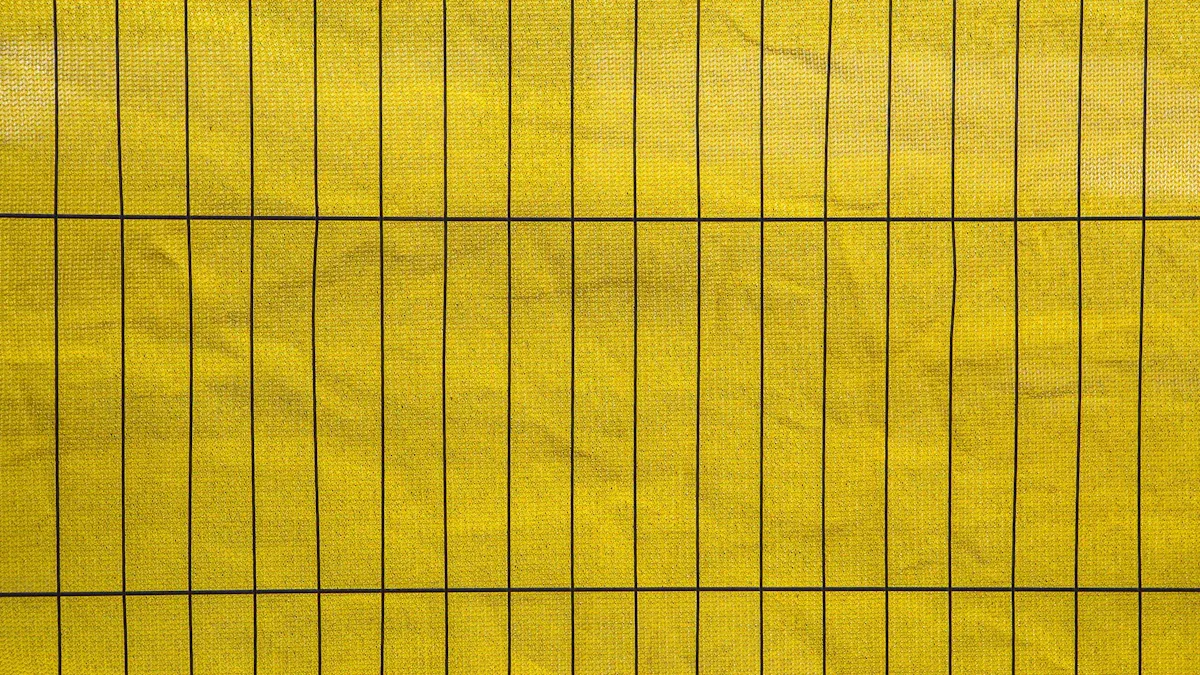
If you look at ripstop fabric, you will see a grid. This grid is not just for style. It helps make the fabric strong and tough. The grid uses thick yarns that go up and down and side to side. These thick threads make small squares all over the fabric.
The grid in ripstop fabric uses thick yarns.
These yarns are spaced about 5 mm to 8 mm apart.
This design makes the fabric stronger and stops rips from spreading.
Reinforcement Threads
When you touch ripstop fabric, you can feel the thick threads. These threads are stronger than the rest of the fabric. They are woven in a crisscross way. This makes the fabric last longer and stay strong.
The grid has thick threads in a crisscross pattern, which makes the fabric stronger.
This setup keeps small rips from getting bigger.
The thick threads spread out the force of a tear, so damage stays small.
Preventing Tears
If your gear gets a small rip, the grid helps right away. The thick threads act like walls. They stop the rip from moving past the square’s edge. This means a small hole will not become a big one. You can trust ripstop fabric to keep your gear safe, even if you use it a lot.
Tip: Backpacks, jackets, or tents made with ripstop fabric give you extra tear protection. The grid keeps your gear strong for any adventure.
Materials Used
Ripstop fabric can be made from many fibers. Each fiber gives the fabric different strengths. Some fibers make it light and water-resistant. Others make it soft or stretchy. Here is a table to show the most common fibers and what they are used for:
Fiber Type | Characteristics | Applications |
|---|---|---|
Nylon | Lightweight, abrasion-resistant, water-resistant | Jackets, tents, backpacks |
Polyester | UV resistant | Awnings, tarps, outdoor covers |
100% Cotton | Comfortable, breathable | Industrial workwear, uniforms |
Cotton-polyester blends | Balance of comfort and strength | Tactical clothing |
Cotton-nylon blends | Used in rugged industrial uniforms | Rugged industrial uniforms |
Stretch cotton-polyester blends | Offers flexibility | Construction workwear requiring mobility |
Synthetic fibers like nylon and polyester make ripstop fabric tough and water-resistant. Natural fibers like cotton make it comfy and let air through. Here is a quick chart to compare:
Property | Synthetic Fibers | Natural Fibers |
|---|---|---|
Durability | More durable, resistant to wear | Usually less durable |
Water Resistance | Can be made water-resistant | Usually not water-resistant |
Lightweight | Usually lightweight | Heavier than synthetics |
Breathability | Made to wick moisture | Varies, but often less effective |
When you pick ripstop fabric, you get something that fits your needs. If you want something light for hiking or strong for work, you can find the right mix. The special weave and the fibers work together to stop rips from ruining your stuff.
Key Features of Ripstop Fabric
Tear Resistance
When you choose ripstop fabric, you get a material that is truly tear resistant. The special grid pattern in the weave helps stop a small tear from spreading. This makes your gear last longer, even if you use it every day. You can trust ripstop fabric to protect your backpack, jacket, or tent from damage.
Scientists use special tests to measure how tear resistant a fabric is. These tests show how much force it takes to tear the fabric. Here is a table that shows how experts test for tear resistance:
Test Name | Description | Standards |
|---|---|---|
Tear Resistance Test | Measures the force required to tear a sample material like fabrics. | ASTM D1004, ASTM D5587 |
Sample Size | Fabric samples are cut to 3 x 6 inches. | |
Instrument Setup | Crosshead speed set to 12 inches per minute for fabric samples. |
Tip: If you want a fabric that is tear resistant, look for ripstop. The grid stops rips from getting bigger, so your gear stays strong.
Lightweight Strength
Ripstop fabric stands out because it is both lightweight and strong. You do not have to carry heavy gear to get good protection. Many outdoor brands use ripstop fabric because it is lightweight and easy to pack. You can move freely and stay comfortable.
The weight of ripstop fabric can change based on the type. Here is a chart that shows the weight per square meter for different types of ripstop fabric used in outdoor gear:
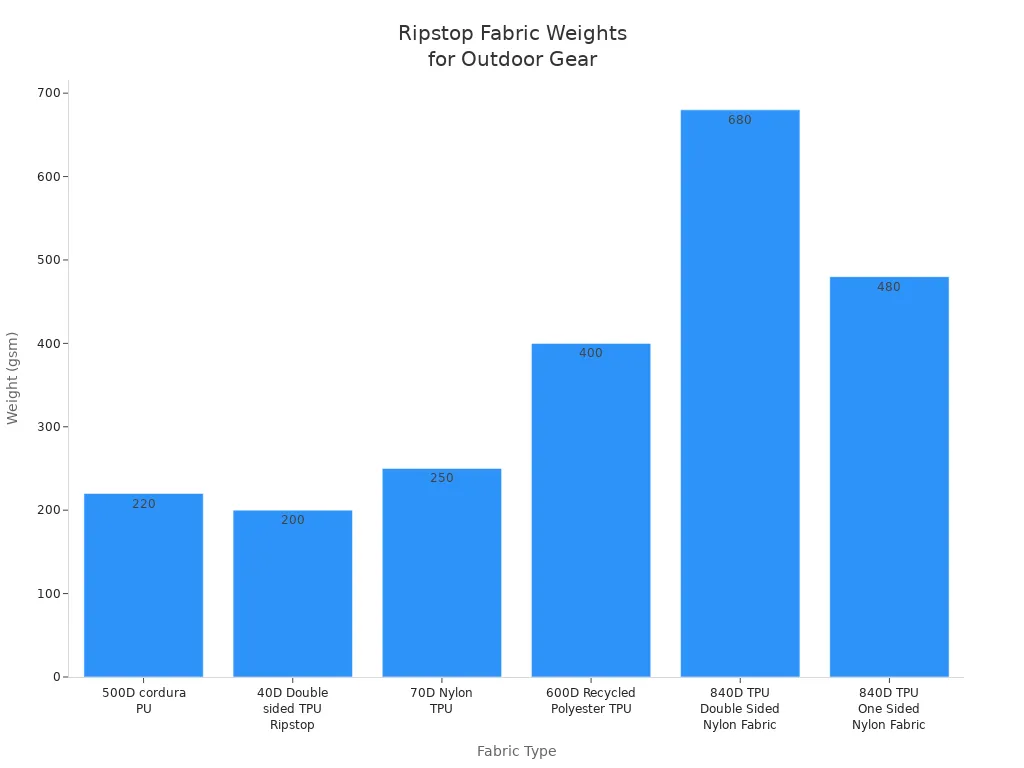
You can see that some ripstop fabrics are very lightweight, like 200 grams per square meter, while others are heavier for extra protection. Even the heavier types stay lighter than many other strong fabrics.
Ripstop fabric also has a great strength-to-weight ratio. This means you get a lot of protection without extra weight. Here is a table that compares the weight of ripstop fabric to other lightweight textiles:
Material | Weight (oz) |
|---|---|
70D Ripstop | 2.5 |
200D Oxford | 4.2 |
70D Ripstop VX07 XPAC | 4.8 |
400D Packcloth | 5.7 |
200D Oxford VX21 XPAC | 6.0 |
400D Packcloth Ripstop | 7.4 |
500D Cordura | 7.5 |
500D Cordura Dyneema Ripstop | 7.5 |
400D Packcloth VX42 XPAC | 8.4 |
500D X 100D Cordura VX51 XPAC | 10.4 |
1000D Cordura | 11.1 |
You can see that 70D ripstop is much more lightweight than other options. This makes it perfect for hiking, camping, or travel.
Versatility
Ripstop fabric is not just for outdoor gear. You can find it in many places because it is lightweight, tear resistant, and strong. Here are some ways you might see ripstop fabric used:
Outdoor gear: tents, backpacks, jackets, and trousers
Sporting equipment: sails, kites, and parachutes
Industrial uses: tarpaulins, protective covers, and industrial bags
Fashion industry: modern garments and accessories
You can use ripstop fabric for almost anything that needs to be lightweight and resistant to damage. Its versatility makes it a favorite for many industries.
Note: Ripstop fabric gives you the freedom to choose gear that is both lightweight and tear resistant. You get protection, comfort, and style all in one.
How Ripstop Fabric Gets Its Durability
When you look at ripstop fabric, you see more than just a simple cloth. The secret to its durability comes from how it is made. The weaving technique, the crosshatch design, and the special coatings all work together to make this fabric strong and reliable.
Weaving Technique
Ripstop fabric uses a unique weaving method. This method gives the fabric its famous strength and helps it last longer than many other materials. You can count on this fabric to hold up in tough situations.
Crosshatch Design
The crosshatch design is the heart of ripstop fabric. During weaving, thick or double threads are woven at regular intervals, both up and down and side to side. This creates a grid pattern that you can see and feel.
Ripstop is a lightweight fabric woven with a thick or double thread at regular intervals in a crosshatch pattern resulting in a grid-like appearance. The crosshatch effect is achieved during the weaving process and results in a fabric with a high strength-to-weight ratio. … And even if a tear does occur, the raised cross-hatching will contain the tear to one area of the square cells. Smaller rips, easy to patch up.
This grid pattern does more than look cool. It keeps small rips from spreading. If you get a hole, the thick threads stop it from growing bigger. You can patch up small rips quickly, and your gear stays strong.
Thread Placement
The way the threads are placed in ripstop fabric makes a big difference. Here is how the weaving technique works:
The fabric uses a special version of plain weaving.
Thick yarns are placed every 5 mm to 8 mm to form a grid.
These thick threads act as reinforcements and boost the fabric’s tensile strength.
The difference in yarn thickness helps stop rips from spreading across the fabric.
You get a fabric that is both lightweight and tough. The grid of thick threads gives you extra protection, so your gear can handle rough use.
Coatings and Finishes
Ripstop fabric does not stop at just a strong weave. Many types of this fabric also have coatings or finishes. These coatings add more features, like water resistance and UV protection. You can pick the right type of ripstop fabric for your needs, whether you want to stay dry, block the sun, or keep your gear flexible.
Here is a table that shows how different coatings affect the performance of ripstop fabric:
Coating Type | Water Resistance | UV Protection | Flexibility | Breathability |
|---|---|---|---|---|
Silicone-based | Excellent | Moderate | High | Moderate |
Polyurethane (PU) | Robust | Low | Moderate | High |
Acrylic | Good | High | Moderate | Low |
Silicone-based coatings give you excellent water resistance and keep the fabric flexible.
Polyurethane coatings make the fabric strong against water and let it breathe.
Acrylic coatings offer high UV protection, which is great for outdoor use.
You can see that coatings and finishes help ripstop fabric do even more. They make the fabric last longer in the sun, rain, or wind. This is why you find ripstop fabric in tents, jackets, and outdoor gear. The right coating makes your gear even more durable and ready for any adventure.
When you choose ripstop fabric, you get a material that combines smart weaving and advanced finishes. This is what gives it the durability you need for tough jobs and wild adventures.
Uses of Ripstop Fabric
Outdoor Gear
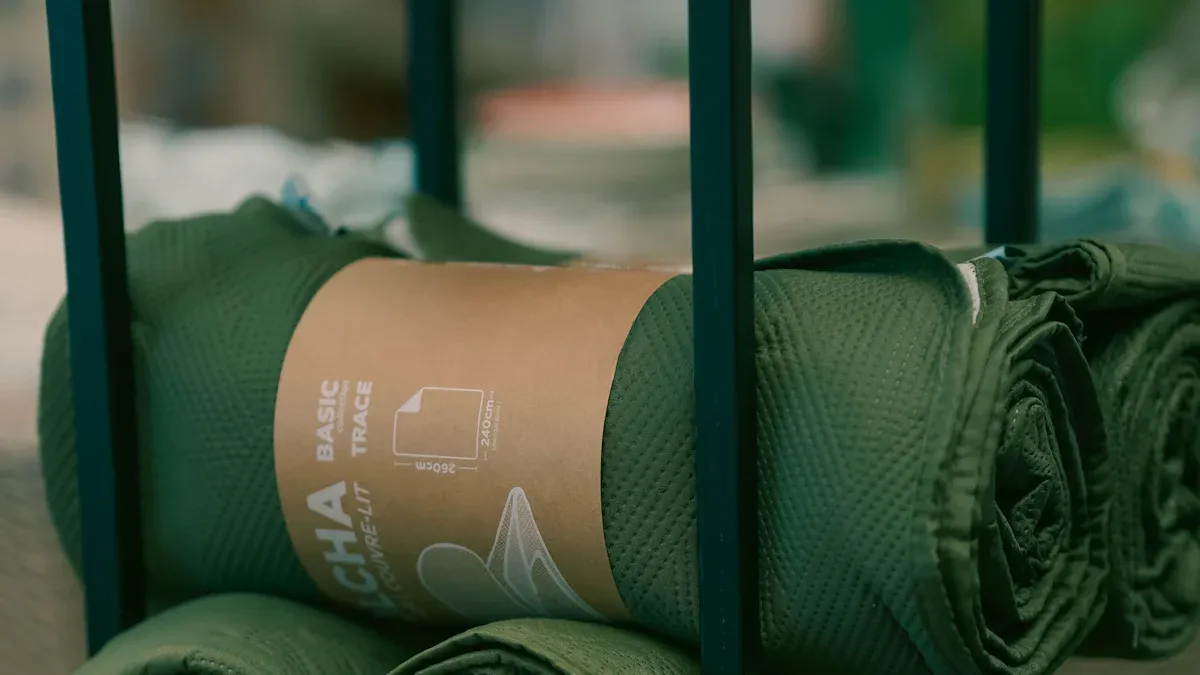
You often see ripstop fabric in outdoor gear because it stands up to rough use. The grid pattern in this fabric keeps small tears from spreading, so your equipment lasts longer. When you go hiking, camping, or climbing, you want gear that can handle sharp rocks, branches, and sudden weather changes. Ripstop fabric gives you that protection.
Here are some common types of outdoor gear made with this fabric:
Tents and tarps
Backpacks and duffel bags
Sleeping bags and liners
Jackets and raincoats
Hiking pants
Ripstop fabric is lightweight, so you can pack more without feeling weighed down. The material also dries quickly, which helps if you get caught in the rain. Many outdoor brands choose this fabric because it keeps you safe and comfortable on your adventures.
Tip: If you want your outdoor gear to last, look for items made with ripstop fabric. The grid-reinforced weave helps prevent small rips from turning into big problems.
Tactical and Workwear
You need clothing that can handle tough jobs and harsh environments. Ripstop fabric is a top choice for tactical and workwear because it resists tearing and holds up under stress. The unique cross-woven grid structure stops rips from spreading, so your clothes stay strong even after heavy use.
You will find ripstop fabric in:
Tactical pants
Tactical shirts
Tactical jackets
Tactical hats
Work uniforms
This fabric is especially useful for police, military, and construction workers. It keeps you protected when you face sharp tools, rough surfaces, or sudden movements. The application for ripstop material in these fields means you get reliable clothing that lasts longer and saves you money over time.
Note: Ripstop fabric makes tactical and workwear more durable. You can trust your gear to keep up with your daily challenges.
Everyday Products
Ripstop fabric is not just for the outdoors or tough jobs. You also find it in many everyday products. The fabric’s strength and light weight make it perfect for things you use all the time.
Some examples include:
Umbrellas
Luggage and travel bags
Wallets and pouches
Fashion jackets and windbreakers
Reusable shopping bags
You get products that last longer and look good, too. The fabric’s grid pattern adds style and function. When you choose items made with ripstop fabric, you pick quality and durability for your daily life.
Did you know? Many brands use ripstop fabric in modern clothing and accessories because it combines comfort, style, and strength.
Ripstop Fabric Variations
Ripstop fabric comes in many different types. You can pick the best one for what you need. Look at the material, coatings, and special finishes. Each kind gives you different benefits. This helps you get the best fabric for your activity.
Material Types
There are a few main types of ripstop fabric. Each type uses different fibers and has its own strengths. The table below shows some popular options, their uses, and what makes them special:
Type of Ripstop Fabric | Common Uses | Advantages |
|---|---|---|
Nylon Ripstop Fabric | Parachutes, Backpacks, Tents, Kites | Lightweight, strong, budget-friendly |
Silicone-Coated Nylon Ripstop Fabric | Raingear, Tarps, Kayaks and Canoes | Superior waterproofing, increased UV resistance |
Dyneema Composite Fabric (DCF) | Ultralight Tents, Parachutes, High-Performance Backpacks | Exceptionally lightweight, high tear resistance |
Polyester Ripstop Fabric | Flags and Banners, Outdoor Clothing, Parachutes | More UV resistant, retains color well |
Nylon ripstop fabric is good for most outdoor gear. Silicone-coated nylon gives better water protection. Dyneema composite fabric is very light and strong. It is great for ultralight hiking. Polyester ripstop fabric keeps its color and stands up to sunlight.
Tip: If you want fabric that lasts in the sun, pick polyester ripstop. For the lightest gear, choose Dyneema.
Coated vs. Uncoated
You can pick coated or uncoated ripstop fabric. The coating changes how the fabric works. Here is a table to help you compare:
Feature | Coated Ripstop Fabric | Uncoated Ripstop Fabric |
|---|---|---|
Water Resistance | Enhanced due to protective layer | Limited, not water-resistant |
Breathability | Lower due to coating | Higher, more breathable |
Weight | Heavier due to added layer | Lighter, ideal for comfort |
Applications | Suitable for harsh environments | Ideal for comfort and flexibility |
Fire Resistance | Often fire-retardant | Not fire-retardant |
Coated ripstop fabric keeps you dry in the rain. It also protects against fire. You might use it for tents or rain jackets. Uncoated ripstop is lighter and lets air move through. This makes it good for clothes or gear where comfort is important.
Note: If you need water or fire protection, pick coated ripstop. For more breathability and less weight, uncoated is best.
Specialty Finishes
Specialty finishes give ripstop fabric extra features. These finishes help you stay safe, dry, and comfortable. The table below shows some common finishes and their benefits:
Specialty Finish | Benefits |
|---|---|
Water-repellent | Enhances functionality in wet conditions while maintaining breathability. |
UV Protection | Achieves UPF 50+ rating for substantial defense against harmful UV rays. |
Flame Retardant | Slows the spread of flames, enhancing safety in hazardous environments. |
Stain-resistant | Repels liquids and prevents stains, making cleaning and maintenance easier. |
You can find ripstop fabric that keeps you dry or blocks the sun. Some types resist stains. Flame-retardant finishes help protect you in dangerous jobs. Water-repellent finishes are good for outdoor adventures.
Did you know? Some ripstop fabrics have more than one finish. You can get protection from water, sun, and stains all at once.
Picking the right ripstop fabric helps you get the best results. Look at the material, coating, and finish to match your needs.
Why Choose Ripstop Fabric
Reliability
You want gear that works in tough places. Ripstop fabric helps you feel safe. The grid pattern and strong fibers stop tears, water, and fire. You can trust this material in hard situations. It works for outdoor trips, job sites, and daily use. This fabric keeps you safe and your gear strong.
Check out how ripstop fabric does in different tests:
Test Type | Description |
|---|---|
Wear and Degradation | Ripstop resists scratches better than regular fabric, so it lasts longer. |
Waterproofing | It dries fast and water cannot get through because of the polyurethane coating. |
Puncture/Tear Resistance | Ripstop slows down rips when poked, showing it is tough. |
Fire Resistance | Ripstop does not burn fast. It can catch fire but will not burn with a big flame. |
This fabric stands up to scratches, water, and fire. The grid stops small rips from getting bigger. Polyurethane coatings keep water out and help it dry fast. Flame-retardant finishes make it safer. You get a fabric that works hard for you anywhere.
Tip: Pick ripstop fabric for your next backpack, jacket, or tent. You will see how reliable it is right away.
Long-Term Value
You want your gear to last a long time. Ripstop fabric gives you that because it stays strong for years. You do not have to fix or replace your gear as much. This fabric is a smart pick if you want to save money and get good quality.
Here is a table that shows how long different fabrics last and what they cost:
Fabric Type | Expected Lifespan | Cost Rating |
|---|---|---|
Ripstop Fabric | $$ | |
Nylon | 6-10 years | $$ |
Ballistic Nylon | 15+ years | $$$$ |
Polyester | 5-8 years | $ |
Cotton-Polyester Blend | 4-6 years | $ |
Ripstop fabric usually lasts five to ten years. The yarn and weaving style help it last longer. You get a good mix of strength and price. Ballistic nylon lasts the longest but costs a lot more. Polyester and blends are cheaper but do not last as long.
Note: You save money over time when you pick a strong fabric that does not need many repairs. Ripstop fabric gives you this benefit.
You can count on this fabric for outdoor fun, work, or every day. It keeps your gear looking nice and working well for a long time.
You can trust ripstop fabric because it is strong and lasts a long time. Experts say it has many good points:
Reason | Description |
|---|---|
Durability | It is light but very strong. It works well for hard jobs and daily clothes. |
Versatility | You can use it for outdoor gear, clothes, and other things. |
Comfort | It feels nice to wear, even if you wear it all day. |
Sustainability | It lasts longer, so you throw away less and help the planet. |
Pick ripstop fabric if you want gear that can handle anything.
FAQ
What makes ripstop fabric different from regular fabric?
You see a grid pattern in ripstop fabric. This grid uses thicker threads to stop small tears from spreading. Regular fabric does not have this feature, so it tears more easily.
Can you wash ripstop fabric in a washing machine?
Yes, you can wash most ripstop fabrics in a washing machine. Use cold water and a gentle cycle. Avoid bleach and strong detergents to keep the fabric strong.
Is ripstop fabric waterproof?
Ripstop fabric can resist water if it has a special coating. Some types are water-resistant, but not all are fully waterproof. Always check the product label for details.
Where do you find ripstop fabric used most often?
You find ripstop fabric in outdoor gear, workwear, and everyday items. Common products include tents, jackets, backpacks, uniforms, and umbrellas.
Does ripstop fabric feel stiff or soft?
Ripstop fabric feels smooth and light. Some types feel softer, while others feel a bit stiff because of coatings. You can choose the type that feels best for you.
How do you repair a tear in ripstop fabric?
You can fix small tears with ripstop repair tape or a patch. Clean the area first. Place the tape or patch over the tear. Press firmly to seal it.
Is ripstop fabric good for hot weather?
Yes, ripstop fabric works well in hot weather. It feels lightweight and lets air move through. Some types also wick away sweat to keep you cool.