Yes, but with a major caveat: Cotton sweaters are “good quality” in terms of durability and maintenance, but they often score poorly on shape retention compared to wool.
If you judge quality by “Will this last 5 years without falling apart?”, cotton is excellent. If you judge it by “Will this look crisp and structured at the end of the day?”, cotton can struggle.
Here is the breakdown of the pros and cons:
1. The Good: Why they are “Workhorses”
-
No Pilling: Unlike cheap cashmere or merino, cotton is very resistant to pilling (those annoying fuzzballs). The fibers are smoother and stronger, meaning a cotton sweater can take a beating and still look smooth.
-
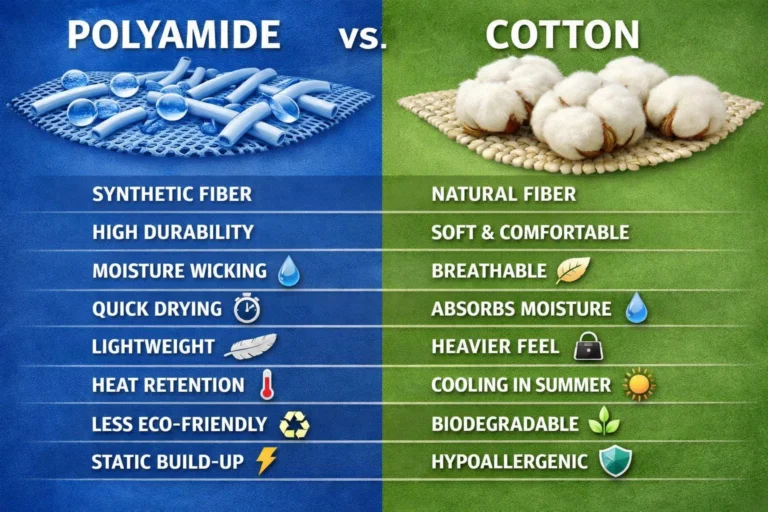
Hypoallergenic (No Itch): This is the #1 reason people buy them. If you have sensitive skin or find wool itchy, cotton is the highest-quality alternative. It feels cool and soft directly against the skin.
-
Machine Washable: You generally don’t need to baby them.1 While wool requires hand washing, high-quality cotton knits can usually handle a gentle machine cycle without felting or shrinking (though they will shrink in a hot dryer).
2. The Bad: The “Sag” Factor (Elastic Recovery)
This is the biggest quality issue with cotton.
-
Zero Memory: Cotton fibers have very poor “elastic recovery.”2 Animal hairs (wool) act like springs—if you stretch them, they snap back.3 Cotton acts like a string—if you stretch it, it stays stretched.
-
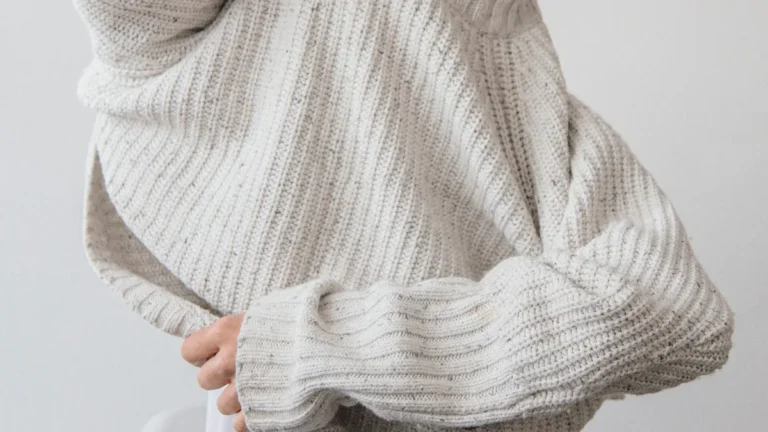
The Consequence: By the end of the day, the elbows might look “bagged out,” and the ribbed hem at the waist might become loose and floppy.
-
The Fix: The only way to “reset” the shape of a cotton sweater is to wash and dry it.
3. The Warmth Myth
-
Cotton is not a warm fiber. It is a plant cellulose designed to move moisture, not trap heat. A heavy cotton sweater might feel warm because it is thick, but if it gets wet (rain or sweat), it loses all insulating ability and becomes a heavy, cold sponge.4
4. How to Spot “High Quality” Cotton
Not all cotton is equal. If you are manufacturing or buying, look for these two terms:
-
Supima / Pima Cotton: This uses “Extra Long Staple” (ELS) fibers.5 Longer fibers mean the yarn is stronger, softer, and has a natural sheen. Cheap “upland” cotton looks dull and fuzzy; Supima looks silky.
-
Mercerized Cotton: This is a treatment that burns off the fuzz and swells the fibers. It gives the cotton a silk-like luster and increases color retention (it won’t fade to grey after 10 washes).
Verdict
-
Buy Cotton If: You want a low-maintenance, everyday layer for the office or spring/autumn, and you hate itchiness.
-
Skip Cotton If: You need serious winter warmth or you hate it when a sweater stretches out at the elbows during the day.