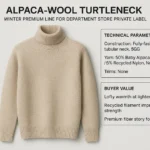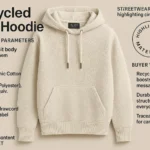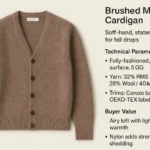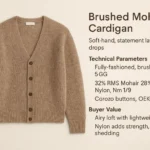

You can feel excitement as British manufacturing grows again. When you walk into a British factory, you may see workers making knitwear with care. They are proud of their work. John Smedley spent £4.5 million to open their Derbyshire site again for third-party manufacturing. This shows British companies believe in their future. Here are some signs of growth:
In 2010, British factories made £1.5 billion in clothing and accessories.
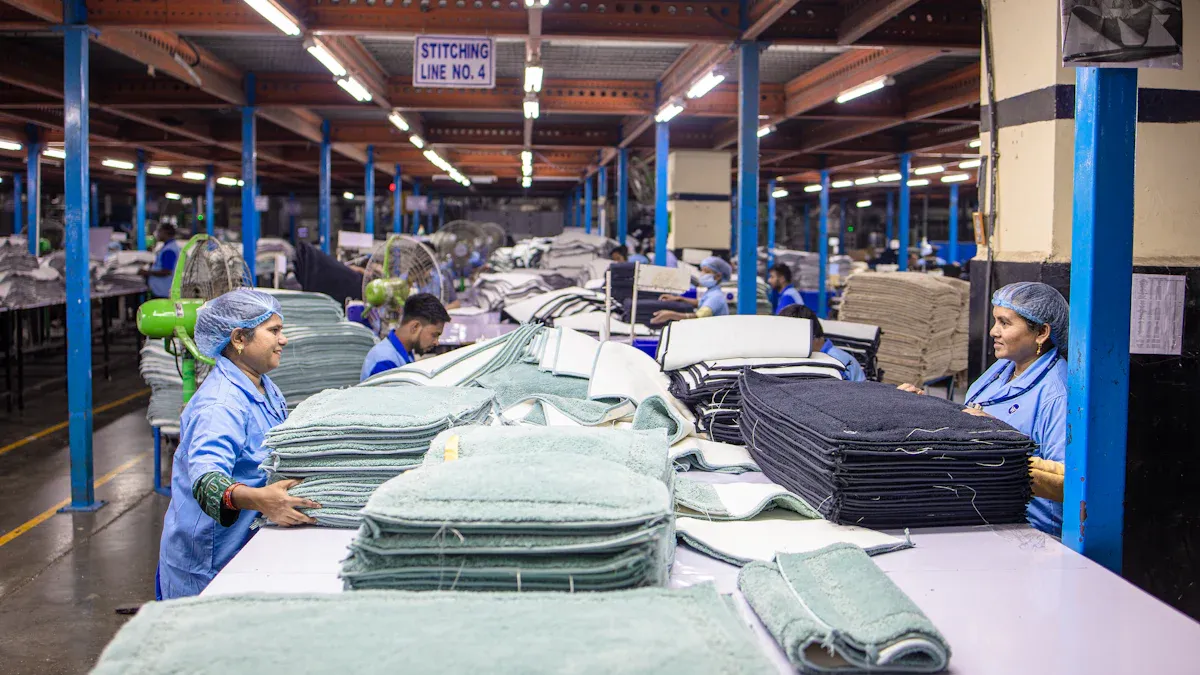
Barbour makes 3,000 British garments every week in South Shields.
Mulberry grew its British workforce from 100 to 260 in five years.
British ideas, skills, and materials are coming together. This is not only about fashion. It is also about helping your community and choosing sustainability. The British revival feels real, and you can join it.
Key Takeaways
Choose clothes made in the UK to help British manufacturing. When you buy these clothes, you help create jobs. You also help keep local skills strong.
Think about what you buy. If you pick ethical brands, you help workers get fair treatment. You also support good ways of making things.
Pick local craft. Buying from local makers gives you good products. It also helps your community grow.
Check for the ‘Made in UK’ label. This shows your clothes are made with care. It means people and the planet are respected.
Be part of the movement for sustainability. Your choices can help cut down waste. They also help lower the fashion industry’s carbon footprint.
British Manufacturing Revival
Changing Consumer Values
You probably notice that people care more about where their clothes come from. You want to know who made your sweater and how it was made. This shift in thinking has helped british manufacturing grow again. People like you want to support brands that treat workers fairly and protect the planet.
The idea of conscious consumerism goes back a long way. In the 1820s, Quaker and free Black communities in the UK and US boycotted goods made by slaves. Today, you follow in their footsteps when you choose ethical fashion.
You see this change everywhere. The total UK ethical spending jumped from £17 billion to over £141 billion since 1999. That’s a huge leap! A recent Deloitte report found that one in three UK shoppers stopped buying certain products because of ethical or sustainability worries. You might even pay more for a t-shirt if you know it’s made the right way. Over 60% of US consumers say they will pay extra for products with a sustainability label.
When you pick brands that care, you help shape the future of british manufacturing. You send a message that you want clothes made with respect for people and the planet. This demand pushes companies to do better and keeps local factories busy.
Local Craft and Sustainability
You can see the difference when you buy something made by skilled hands in your own community. Local makers put care into every stitch. They use quality materials and keep old traditions alive. When you support local craft, you help your neighbors and keep jobs close to home.
Sustainability is now a big reason why british manufacturing is growing. Stephen Phipson, CEO of MakeUK, says the push for net zero is a once-in-a-generation chance for manufacturing. He believes this sector can solve big problems for society and the economy. You play a part in this by choosing local brands that use less energy and waste less.
Over 52% of shoppers now prefer brands with sustainable supply chains.
New technology in british manufacturing can cut energy use by up to 20%.
When you buy local, you help lower the carbon footprint of your clothes. You also support businesses that care about the environment. The rise of ethical fashion comes from people like you who want better choices. You want to know your money goes to companies that do good, not just make a profit.
You help keep british manufacturing strong when you choose local and sustainable options. You make sure the skills and jobs stay in your community. You also help protect the planet for the next generation.
History of British Knitwear
Rise and Decline
British knitwear has a long history. It began in the 1500s. Back then, people made knitwear at home. They used simple tools to do this work. Families would sit together by the fire. They made warm clothes for themselves.
In the 1700s, knitting machines were invented. Factories started to appear everywhere. People could make more knitwear much faster.
The 1800s brought the industrial revolution. Towns like Nottingham and Hawick became famous for knitwear. Workers made sweaters, scarves, and hats for many people. These towns were busy and full of life.
Later, things changed. It became cheaper to make knitwear in other countries. Many British factories had to close. People bought cheaper clothes from other places. The local industry got smaller.
Now, things are changing again. People want to bring back the skills and pride of British knitwear.
Heritage and Innovation
You can still find old British knitwear traditions today. Makers use patterns and techniques from the past. When you wear British knitwear, you wear a piece of history.
But there are also new ideas. Brands mix old ways with modern designs. Some use British wool in new ways. Others try new knitting styles. This mix keeps knitwear interesting and fresh.
If you pick British knitwear, you help both old and new ideas. You help keep these skills alive. You also support new ideas for the future.
Community Clothing: Reviving Local Production
The Brand Vision
You might wonder what makes Community Clothing different. This brand believes in the power of community and the strength of local production. When you buy their clothes, you support a revival of British manufacturing. The founders want you to feel proud of what you wear. They focus on bringing back the lost art of craft and making sure every piece tells a story. You see their vision in every sweater and jacket. They want you to know that real people make your clothes with care and skill.
Tip: When you choose Community Clothing, you join a movement that values craft and supports your neighbors.
The Model: Affordable, Ethical, Made in UK
You probably think that clothes made in uk cost too much. Community Clothing proves you wrong. Their model keeps prices fair so you can afford quality without breaking the bank. They use local factories and skilled workers. This helps keep jobs in your community and supports the revival of British craft. You get ethical fashion because they treat workers well and use sustainable materials. Every item is made in uk, so you know exactly where it comes from.
Here’s a quick look at their model:
Feature | What It Means for You |
|---|---|
Affordable | You get fair prices |
Ethical | Workers get respect |
Made in UK | Supports local craft |
Sustainable | Better for the planet |
Product Focus: Everyday Knitwear for Real People
You want clothes that fit your life. Community Clothing makes everyday knitwear for real people like you. Their sweaters, hats, and scarves use British wool and classic craft techniques. You can wear these pieces anywhere—school, work, or out with friends. The brand keeps designs simple so you can mix and match. You get comfort, style, and the feeling that you support a true made in uk revival. When you wear their knitwear, you show pride in your community and the craft that keeps local production alive.
You help keep craft traditions strong.
You support the made in uk movement.
You join a community that cares about quality and people.
Made in UK: Modern Impact
Ethical Production
When you choose clothes with a “Made in UK” label, you support a new way of thinking about fashion. You care about who makes your clothes and how they are made. Many brands now focus on ethical production. They want you to feel good about your choices. You see more companies talking about where their materials come from and how they treat workers. This focus on ethical values helps you trust the brands you buy from.
You might notice these changes in the industry:
More people want to know the story behind their clothes.
Brands work hard to show you how they protect the planet.
Companies use circular ideas, like recycling old clothes into new ones.
You can trace where your sweater or jacket comes from.
When you pick ethical brands, you help set higher standards for everyone. You show that you care about both people and the planet.
Sustainability is now at the heart of British fashion. You see brands using less water, saving energy, and choosing better materials. They want to give you quality that lasts. When you buy these clothes, you get something made with care and respect. You help build a future where fashion means both style and responsibility.
Supporting Local Economies
You do more than just buy a sweater when you support British manufacturing. You help your community grow stronger. Local factories create jobs for your neighbors. They keep skills and traditions alive. You see the difference in the quality of the clothes you wear. Local makers pay attention to every detail, so you get something special.
Here’s how local manufacturing helps your community:
It creates jobs and supports families.
It keeps money in your town instead of sending it overseas.
Shorter supply chains mean you know where your clothes come from.
You get better quality and more transparency.
Sustainability also plays a big part. Local production uses less transport, which means less pollution. You help reduce waste and support a cleaner environment. When you choose British-made clothes, you invest in quality and sustainability. You help your town and the planet at the same time.
Tip: Next time you shop, look for the “Made in UK” label. You support ethical values, quality, and sustainability with every purchase.
Industry Leaders: UK Clothing Manufacturer
When you look at British knitwear today, you see some brands leading. These brands do more than make clothes. They set new rules for every uk clothing manufacturer. They show how local work and honesty can change things.
Community Clothing
Community Clothing is a uk clothing manufacturer with a big goal. You can see their work in local factories and towns. They give jobs to skilled workers, even when times are slow. This brand cares about more than just fashion. They care about people.
Here’s what Community Clothing does for the industry:
Contribution | Impact |
|---|---|
Local production | |
Job creation | Wants to make 5,000 jobs and help create 50,000 more in the area. |
Sustainable practices | 65% of the price goes to workers, not just 3% like most brands. |
Community engagement | Models are from local towns, building pride and getting people involved. |
Skills development | Pushes for more arts and technical training for workers. |
You can see that Community Clothing does not just talk about change. They make it real. They make classic clothes, so factories always have work to do. When you buy from them, you help bring pride back to towns that lost jobs. You also support a brand that is open about how things are made. You know who made your clothes and where.
Community Clothing keeps factories working all year.
They focus on clothes that are fair and good for the planet.
They want you to feel proud of British-made things.
Community Clothing is very important for the UK fashion workforce. By making clothes that are fair and good for the planet, they create jobs and bring pride back to towns. Their promise to do things right and use local work is an example for every uk clothing manufacturer.
John Smedley
You might know John Smedley for luxury knitwear. This uk clothing manufacturer has made clothes for over 235 years. They mix old ways with new ideas and always want the best quality.
Let’s see what makes John Smedley special:
Milestone | Description |
|---|---|
235 Years of Craftsmanship | Celebrated 235 years of famous knitwear, showing strong British skills. |
Launch of 235 Collection | Used rare British fibers, including the first British Guanaco clothes. |
Collaboration with Daks | Made a special collection that mixes old and new styles. |
You see John Smedley working to use less and protect nature. They use materials you can trace, so you know the story. They even care for their own British Alpaca and Guanaco. This focus on doing things right and helping the planet makes them different from other uk clothing manufacturers.
John Smedley keeps quality high and cuts down on waste.
They work with others to bring new ideas to old styles.
You can follow your sweater’s story from farm to finish.
John Smedley shows that a uk clothing manufacturer can honor old ways and still lead with new ideas. They prove that being honest and careful matters at every step.
Genevieve Sweeney
Genevieve Sweeney brings new energy to British knitwear. She started her brand because she believes in British making. As a uk clothing manufacturer, she wants to keep old skills alive and make things you can trust.
“British manufacturing is why I started Genevieve Sweeney.” She thinks you need to invest in skills and make a culture of great products.
You see she cares about the planet and doing things right. She works with local mills and factories, picking partners who care about craft. Genevieve Sweeney makes small batches, so each piece feels special. She mixes old ways with new ideas, giving you knitwear that stands out.
She celebrates old skills.
She helps local jobs and learning.
She is open about every part of her work.
Genevieve Sweeney shows that a small uk clothing manufacturer can make a big change. She proves you do not have to be huge to lead with care and quality.
The Great British Wool Revival
You may have heard about The Great British Wool Revival. This movement helps every uk clothing manufacturer by bringing focus back to local wool. When you pick British wool, you help farmers and factories here. You help brands use local stuff and keep old skills going.
The wool revival means:
More jobs for local people.
Less need for wool from other countries.
Better honesty in how things are made.
You see more brands using British wool in new ways. This change helps the whole industry get stronger and better for the planet.
When you support these leaders, you help shape British fashion’s future. You choose honesty, quality, and community with every buy.
Made in Britain: Wool and Craft

British Wool Heritage
You may not know it, but British wool has been important for hundreds of years. Wool helped kings become powerful. In old England, wool made people rich and helped build churches. It even changed how the government worked. King Edward III made the Lord Speaker sit on a special cushion called the Woolsack. This showed everyone that wool was very important.
Here’s a simple look at how British wool changed history:
Evidence | Description |
|---|---|
Royal Recognition | King Edward III told the Lord Speaker to sit on the Woolsack. This showed wool’s power. |
Economic Impact | Kings made money by taxing wool sent to other countries. Wool was a big part of trade. |
Textile Development | By the 1100s, wool was England’s most valuable product. Flemish and Huguenot weavers helped it grow. |
Wool was more than just something to wear. It helped towns grow and gave families jobs. Merchants and guilds got rich from selling wool. Many old churches and schools were paid for with money from wool. When you buy British wool today, you help keep this tradition going.
The Great British Wool Revival brings farmers, designers, and makers together. This movement wants to use better ways to make wool and bring it back to fashion. Today, about 80% of British wool goes through British Wool. But wool is only 1% of a sheep’s value. The revival wants to change this and help farmers do better.
Innovation in Knitwear
British knitwear brands are coming up with new ideas. They mix old ways with new technology to make clothes that are better for the planet. Some brands use lab-made fibers like Brewed Protein. These fibers break down naturally and help the earth. Others make strong cashmere that lasts longer and uses recycled yarn.
Look at these cool new things:
Innovation | Description |
|---|---|
Brewed Protein | Lab-made fiber that breaks down and is good for nature. |
Performance Cashmere | Strong yarn made from recycled cashmere. |
British Wool’s Bold Return | Focus on local wool and pride, helped by the British Wool Board. |
Slow Wool & Transparency | QR codes let you see where your sweater came from and its eco story. |
Customization & Craft | New machines and hand work make old designs fresh again. |
Technology Shift | Machines copy hand knitting, making things faster and more creative. |
Brands like Herdwear want a future where caring for the planet is normal. They believe in making things beautiful and honest. The Great British Wool Revival helps farmers and designers learn from each other and get better at their work. When you choose British knitwear, you support both old traditions and new ideas.
Challenges for UK Manufacturers
Global Competition
You see UK clothing makers facing tough competition from all over the world. Big markets like the global apparel industry reach $1.8 trillion, making it hard for local brands to stand out. Many companies in Italy, Portugal, and Turkey get better funding and support. This means UK brands must work harder to keep up. You notice that the UK apparel market has its own drivers and inhibitors. Some brands focus on quality and local craft to stay ahead. Others build strong stories around their products to connect with you. When you choose British-made clothes, you help these brands compete in a crowded market.
Metric | UK Apparel Market | Global Apparel Market |
|---|---|---|
Market Size | N/A | $1.8 trillion |
Cost and Scale
You might wonder why British clothes sometimes cost more. UK manufacturers deal with high shipping costs and extra duties after Brexit. Red tape can slow things down and make business harder. Many factories also struggle to find skilled workers. Training and keeping staff is a big challenge. Some brands call for better training programs and more government support. They want tax incentives and higher duties on imported goods to help local makers. You see small manufacturers working together to share resources and lower costs. When you buy from these brands, you help them grow and create more jobs.
Increased shipping costs make products expensive.
Brexit brings more paperwork and duties.
Skills shortage means fewer trained workers.
UK brands ask for support and new training programs.
Tip: Supporting local brands helps them scale up and keep prices fair for you.
Wool Utilization
You may not realize how little wool gets used in UK clothing. In 2019, the UK made only 3% of the world’s wool. By 2020, wool was less than 1% of all fibers used worldwide. Synthetic fibers and cotton take up most of the market. British wool auctions sell £20–£30 million each year, but wool income is less than 3% of sheep farmers’ revenue. Brands now work to change this. They use more british wool in their products and tell you why it matters. Some brands create new designs and use technology to make wool more popular. When you pick clothes made with british wool, you help farmers and support local industry.
UK wool production is small compared to global numbers.
Wool makes up a tiny part of farmers’ income.
Brands use new ideas to make wool more attractive.
Choosing wool products helps revive old traditions and supports your community.
Future of British Manufacturing
Growth Opportunities
You may wonder what will happen next for British manufacturing. The future has some hard parts, but there are real chances to grow. Experts think the next few years will bring problems and new chances. Look at these numbers:
Year | Growth Projection | Notes |
|---|---|---|
-0.5% | Lower forecast because output and orders are falling | |
2026 | 1% | Growth is expected after a drop in 2025 |
2025 could be a tough year. Factories might slow down because orders are low and costs are high. Not enough skilled workers also makes it hard for companies to grow quickly. But things may get better in 2026. Experts think there will be a small comeback. You can help by buying British-made products and supporting local brands.
Even if growth is slow, you are important for the future. When you buy from local makers, you help keep factories open and give people jobs. You also help brands spend money on new machines and training. Your support can turn small steps into bigger success for everyone.
Community and Craft
You may not know how much your community helps British manufacturing. Local groups and social businesses work hard to keep craft skills alive and help people get good jobs. Here are some ways communities help:
Community Clothing gives jobs to people who need them most by selling affordable, ethical clothes.
Traid stops 3,000 tons of clothing from going to landfills each year, helping people and the planet.
Aerende sells home goods made by people who face tough times, giving them a chance to earn and learn.
Restoration Station teaches woodworking and upholstery to people in recovery, turning old furniture into treasures.
Fine Cell Work trains prisoners in sewing and embroidery, helping them learn skills and earn money.
Cockpit Arts helps over 140 creative businesses, letting new makers grow and succeed.
You can join this movement by helping these groups or buying their products. Every choice you make helps keep British craft strong. When you care about community and skill, you help build a future where local talent shines and everyone can do well.
How AZKNIT Supports the British Revival through OEM Partnerships
Bridging Local Design with Global Production
You want your designs to stand out. AZKNIT helps you make that happen. They take your ideas and turn them into real products. You can work with their team to create knitwear that matches your vision. AZKNIT connects your local design with skilled makers around the world. This means you get the best of both worlds—British creativity and global expertise.
Tip: You do not need to be a big brand to work with AZKNIT. They help small designers and new brands bring their ideas to life.
You can send your sketches or samples. AZKNIT will guide you through every step. They use modern technology to make sure your designs look just right. You stay in control, but you get help from experts who know knitwear inside and out.
Sustainable OEM Capabilities
You care about the planet. AZKNIT does too. They use eco-friendly yarns and safe dyes. Their factories follow strict rules to protect workers and the environment. You can choose recycled fibers or organic cotton for your products. AZKNIT helps you lower your carbon footprint.
Here’s what you get with AZKNIT’s sustainable approach:
Feature | Benefit for You |
|---|---|
Eco-friendly materials | Better for the planet |
Ethical factories | Safe and fair workplaces |
Waste reduction | Less impact on nature |
You can tell your customers that your knitwear is made the right way. This builds trust and shows you care about more than just style.
Collaboration Potential
You do not have to work alone. AZKNIT loves to team up with brands, designers, and shops. You can start with a small order or plan a big launch. Their team listens to your needs and helps you solve problems. You get advice on trends, sizing, and even packaging.
You can test new ideas without big risks.
You get support from design to delivery.
You join a network of creative people.
Note: Working with AZKNIT means you have a partner who wants you to succeed. They help you grow your brand and make a real impact in the British knitwear revival.
You help British knitwear grow stronger. When you pick brands like Community Clothing, John Smedley, or Genevieve Sweeney, you keep local skills going. You also help people in your area. The Great British Wool Revival brings farmers and designers together. This makes British wool easier to get and more important.
Buying ‘Made in UK’ clothes means less trash, more jobs, and less pollution.
Most shoppers say they will pay extra for British-made things because they last longer.
New rules and events, like the Procurement Act 2023 and the Leicester Made trade show, bring new ideas and growth to UK fashion. The future of British manufacturing looks good because of your choices!
FAQ
What makes British-made knitwear special?
You get quality and tradition in every piece. British makers use local wool and skilled hands. You support jobs and keep old craft alive. When you wear British knitwear, you show pride in your community.
How do I know if my clothes are made in the UK?
Look for the “Made in UK” label on your clothes. Brands like Community Clothing and John Smedley share their story online. You can check their websites for details about factories and materials.
Is British wool better for the environment?
Yes! British wool comes from local farms. It travels less, so it creates less pollution. Wool breaks down naturally. When you choose British wool, you help the planet and support local farmers.
Can I afford British-made clothes?
You can! Many brands offer fair prices. Community Clothing keeps costs low by working with local factories. You get long-lasting clothes that save you money over time.