

You want to find a reliable knitwear manufacturer in China. You may worry about quality, trust, or getting stuck with the wrong partner. I have walked the factory floors and checked samples myself. China leads the world in knitwear production. You can make smart choices if you know what to look for. Ask questions, check samples, and watch for red flags. You deserve confidence when working with any manufacturer.
Key Takeaways
Find the best place in China for your knitwear. Different areas make different knitwear. This can change quality and delivery time.
Always ask for samples from manufacturers. Looking at samples lets you check quality and skill. Do this before you order a lot.
Look for important certifications like OEKO-TEX and GOTS. These show the manufacturer uses safe and fair methods.
Talk clearly with your manufacturer. Fast replies and simple words help stop confusion. This keeps production going well.
Check the after-sales support. A good manufacturer will help with returns or problems. This makes the partnership strong.
China’s Knitwear Manufacturing Landscape
Major Hubs
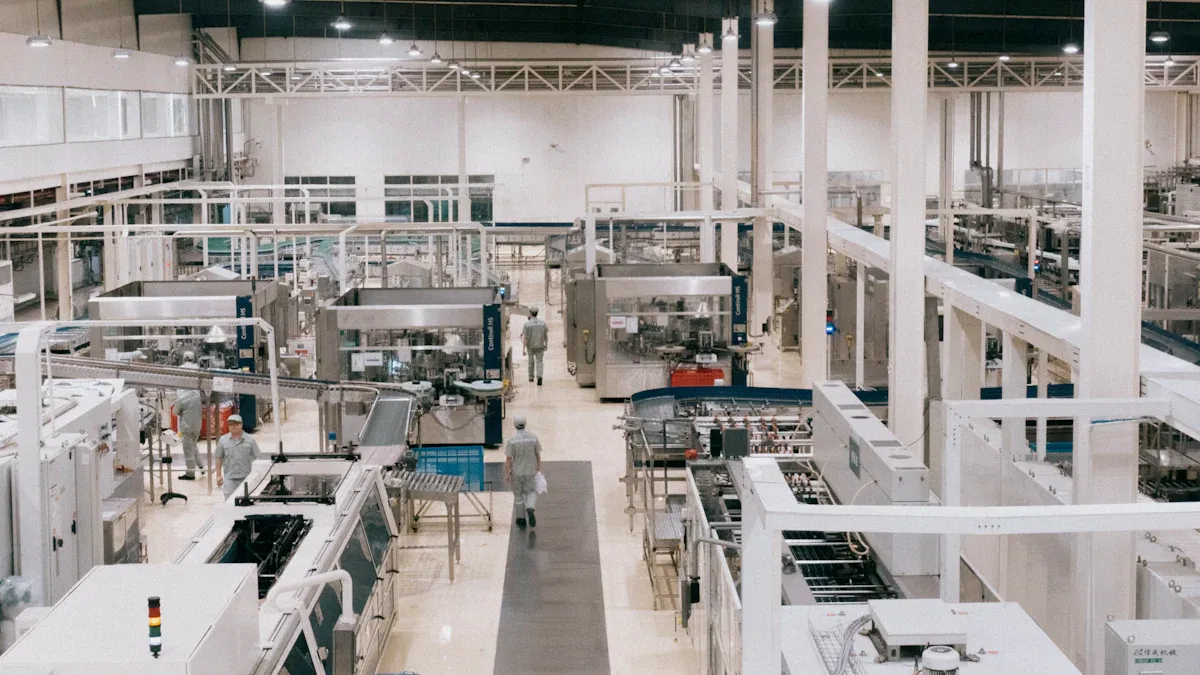
Many places in China make a lot of knitwear. Each region is good at something special in making knitted clothes. The table below lists the main places and what they do best:
Region | Production Output |
|---|---|
Tongxiang, Zhejiang | |
Dongguan | High-end and cost-effective production on a large scale |
Guangzhou, Guangdong | Major hub for fast fashion and low-cost sweaters |
Shenzhen, Guangdong | Focus on high-end, fashionable sweaters |
Shantou, Guangdong | Specialization in low-cost sweaters and chunky knitting techniques |
Think about these places when you look for a manufacturer in China. Each one makes different kinds of knitwear and can deliver at different speeds.
Factory Types
Factories in China are not all the same. There are three main types you will see in the knitwear business:
Aspect | ODM (Original Design Manufacturer) | |
|---|---|---|
Design and Intellectual Property | Makes products based on your designs. No design rights kept. | Handles both design and production. May keep design rights. |
Manufacturing and Production | Follows your specifications for production. | Designs and produces, making the process easier for you. |
Quality and Branding | You control branding and share quality checks. | Factory may set quality and offer private labeling. |
Some factories let you use your own brand on their finished knitwear. You can pick the factory type that works best for your business.
Tip: A supply chain infographic can show you how yarn turns into finished clothes in China’s knitwear industry.
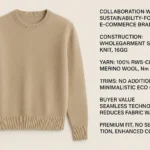
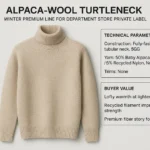
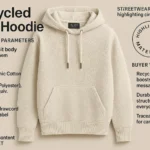
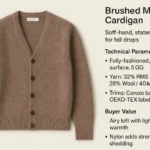
Knitwear Types Azknit Provide
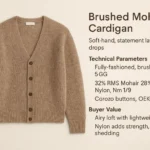
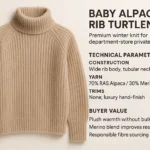
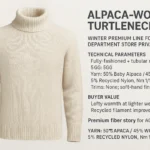
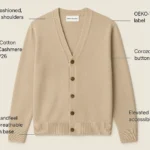
If you work with a company like Azknit in China, you can get many kinds of knitted clothes. Here are some popular items:
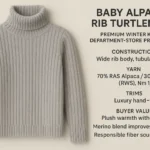
Sweaters: Crewneck, V-neck, and more
Cardigans: Button-up, cropped, longline
Hoodies: Pullover, zip-up, seamless
Dresses: Longline, ribbed, bodycon
Tops: Polo shirts, camisoles, crop tops
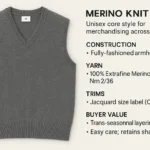
Vests: Sleeveless, button-front, oversized
You can also pick from many yarns, like cotton, wool, acrylic, cashmere, mohair, and blends. This helps you find the right style and quality for your brand.
Evaluating a Knitwear Manufacturer
Picking the right knitwear manufacturer is very important for your brand. You should look at a few main things before you choose. This part will show you what to check and how to compare suppliers.
Capacity & Gauge
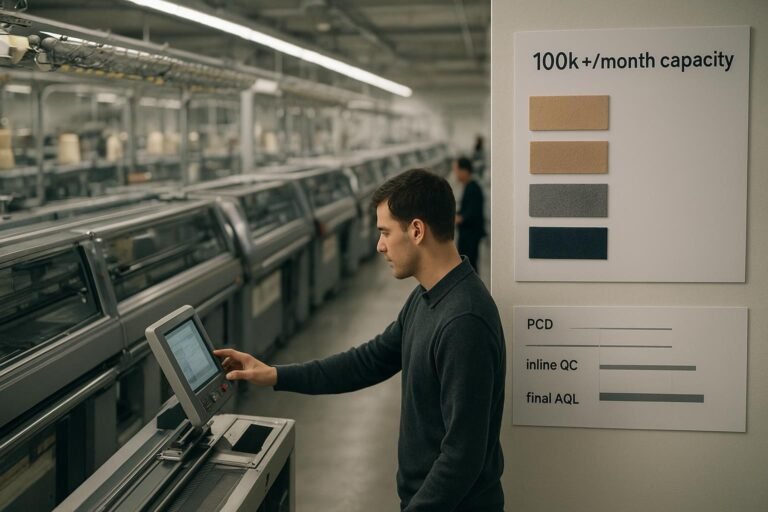
You need a manufacturer who can make your order size and finish on time. Ask them how many pieces they can make each month. Some factories make thousands of items, but others do smaller, special orders.
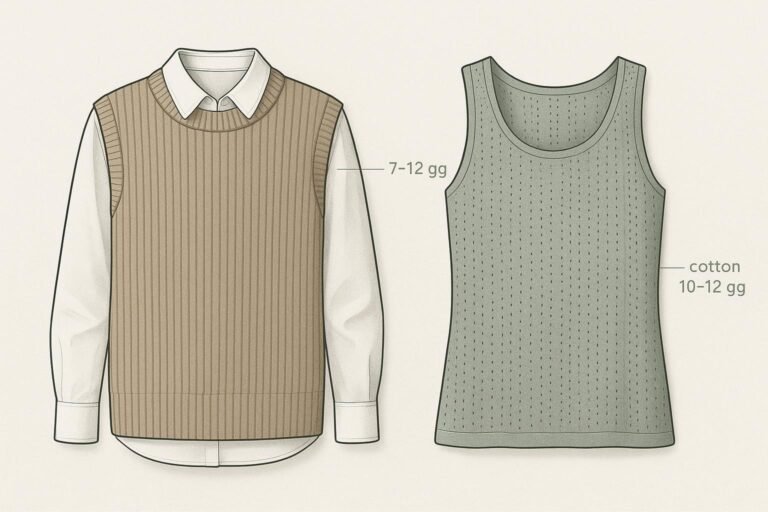
Gauge is also important in knitwear. Gauge means how many stitches are in one inch. It changes how your clothes look, feel, and how warm they are. Here are some ways gauge can change your knitwear:
How workers hold and move yarn can change the gauge.
Different knitting styles make different looks, like twisted or smooth stitches.
Some ways, like throwing, can untwist yarn and change the fabric’s look.
If you want good knitwear, you need the right gauge for your design. Always ask for samples in the gauge you want.
Sampling & Quality
Sampling helps you check the quality. Ask each knitwear manufacturer for samples. Look for even stitches, smooth seams, and the same sizes. Compare samples from different suppliers side by side. This helps you see which one has better quality and skill.
Ask about their quality control too. Good factories check every step, from yarn to finished clothes. Reliable manufacturers will show you their inspection reports and tell you how they fix problems.
Tip: Never skip sampling. Samples show you the real quality, not just words.
Compliance
You want your knitwear to follow international rules. Certifications prove a manufacturer uses safe and fair methods. The most common certifications are OEKO-TEX, REACH, and BSCI. These show the factory cares about safety, the environment, and fair work.
Here is a table with some Chinese knitwear manufacturers and their certifications:
Manufacturer Name | Certifications Held |
|---|---|
Guangzhou Wintex Apparel Co., Ltd. | ISO 14001, OEKO-TEX |
Guangzhou Lanshang Garment Co., Ltd. | BSCI, GOTS |
Guangzhou Ingor Sportswear Co., Ltd. | OEKO-TEX, SGS |
Guangzhou New Apparel Trade Company Limited | ISO 9001, BSCI |
Guangzhou Yifei Garment Company Limited | GRS, ISO 14001 |
Guangzhou Singmin Sports Goods Co., Ltd. | ISO 9001, SEDEX |
You can also see which certifications are most common in the industry:
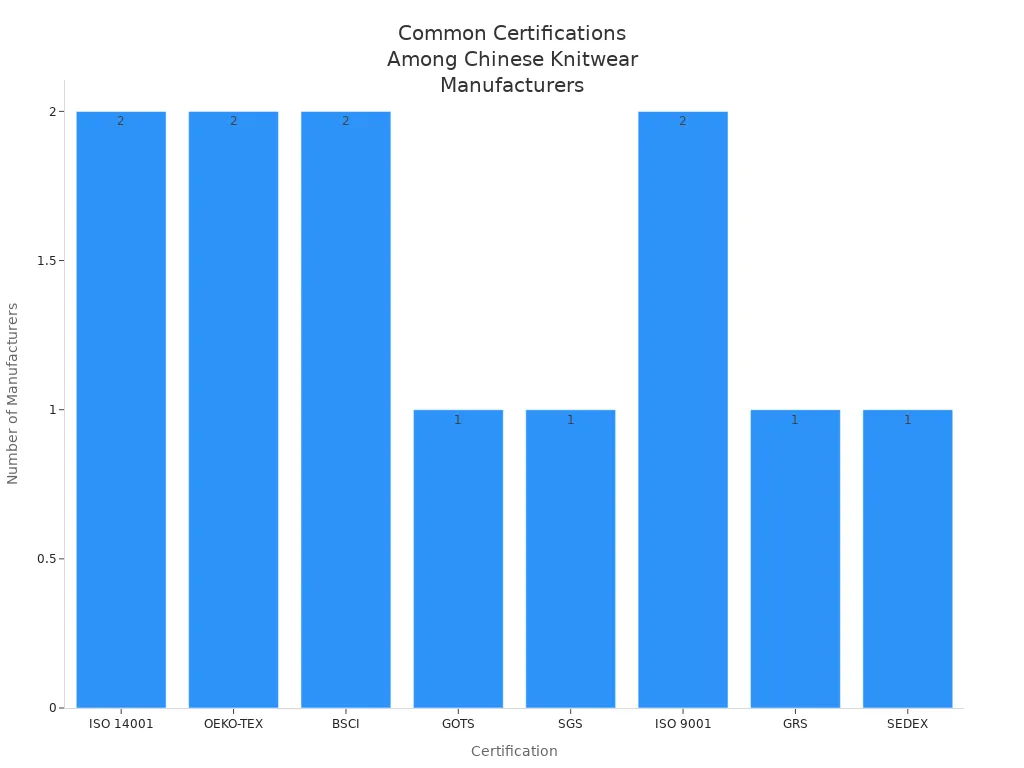
Always ask for proof of certifications before you order.
Communication
Good communication makes knitwear production easier. Find a manufacturer who answers fast and explains things simply. Good suppliers use clear messages. They show how they can help you.
Here are some tips for working with a knitwear manufacturer:
Use short, clear emails to say what you need.
Follow up once a week, but do not send more than three emails if you get no answer.
Ask for solutions, not just a list of what they do.
Strong communication helps you avoid mistakes and keeps your project going well.
After-Sales
After-sales support shows if a manufacturer cares about your business. Ask how they fix problems or replace bad knitwear. A good supplier will help with returns, repairs, or refunds if you find defects. This support protects your money and builds trust.
Note: Always put after-sales service in your contract. This helps you if something goes wrong.
Checklist for Evaluating a Knitwear Manufacturer:
Check how much they can make and what gauge they offer.
Ask for samples and compare quality.
Make sure they have the right certifications.
Test how well they communicate.
Check their after-sales support.
Take your time to compare different manufacturers. Make a shortlist using these points. This careful way helps you find the best partner and get good knitwear every time.
Material Selection for Knitwear

Yarn Types
You need to know about yarns when picking materials. Each yarn type has special features. These features change how your clothes feel and look. Here are some common yarns used in China:
Cotton yarn is soft and lets air through. It is good for summer clothes. It feels nice on your skin.
Wool yarn keeps you warm. It gives sweaters a classic style.
Acrylic yarn costs less and comes in many colors. It is easy to wash. Many fast fashion brands use it.
Blended yarns mix cotton, wool, and acrylic. Blends make clothes stronger and more comfy.
China Aran Knitting Yarn is well-known. It mixes fibers for better quality. It feels fancy and comes in many colors. You can use it for simple or detailed clothes.
You can ask your manufacturer for samples. This helps you pick the best yarn for your brand.
Price & Quality
Yarn prices in China depend on the material. Fancy yarns like silk-wool blends cost more. Cotton and acrylic are cheaper. The table below shows some average prices:
Yarn Type | Average Price (₹/kg) | Average Price ($/kg) |
|---|---|---|
100% BCI Cotton Open-End Yarn | 165 | 2.00 |
Mulberry Silk-Wool Blend | N/A | 7.95 |
If you want good knitwear, check both price and feel. Better yarns make clothes softer and last longer. You can ask about custom yarns to match your brand.
Sustainability
Sustainability is very important now. Many buyers want natural fiber knitwear. They also want fabrics made in fair ways. You can ask your manufacturer about certified yarns. These include organic cotton and recycled fibers. Factories in China often use green methods. Look for certifications like OEKO-TEX or GOTS. These show your clothes meet industry rules. Picking green materials helps the planet. It also makes customers trust your brand.
Tip: Always ask for proof of certifications. This makes sure your clothes are truly sustainable.
Knitwear Production Process
When you work with a manufacturer in China, you follow clear steps to make knitted clothes. Each step changes how your clothes turn out and what they cost. Let’s look at the main parts and what you should know.
Knitting Methods
You first pick yarn and work on the design. The knitting method you use changes how your clothes look and how long they last. Blocking lets the fibers relax, so your clothes keep their shape. Seaming can make your clothes stronger or weaker. Washing by hand helps stop shrinking or felting. These choices matter for how strong and nice your clothes are.
Aspect Evaluated | Old Standard | New Standard |
|---|---|---|
Color Shifts | Limited | Comprehensive |
Fabric Pilling | Limited | Comprehensive |
Seam Evaluation | Not Included | Included |
Printed Pattern Assessment | Not Included | Included |
Heat-Pressed Design Evaluation | Not Included | Included |
Now, new rules check more things, like seams and printed patterns. This helps you get better quality in your knitwear.
Finishing Steps
After knitting, the factory does finishing steps. These steps are ironing, washing, and trimming. They help your clothes look neat and feel soft. Factories in China also check every piece for color, pattern, and fabric strength. Good packaging keeps your clothes safe when shipped or stored.
Ironing, washing, and trimming make clothes look better.
Inspection checks color, pattern, and fabric strength.
Packaging keeps your knitwear safe until you get it.
Cost Impact
Every choice in making knitwear changes the price. Special knitting or extra finishing can cost more. The whole process, from making to shipping, takes about 2–4 weeks.
Stage | Estimated Time |
|---|---|
Production | 7–14 days |
Shipping – Economy | 7–14 days |
Shipping – Express | 3–5 days |
Total Timeline | 2–4 weeks |
If you want to help the planet, ask about green ways to make knitwear. Using eco-friendly yarns or green finishing may cost more, but it is better for the earth. Many brands now pick these options to show they care about the planet and good production in knitwear.
Cost, MOQ & Lead Time
MOQ Examples
When you work with a manufacturer in China, you need to know the minimum order quantity. MOQ means the smallest number of pieces you must buy for each style or color. Most factories set their MOQ by color and size. Here are some common examples:
New clients usually need to order 500 to 1000 pieces for each product.
If you want custom colors, you must order 500 to 1000 pieces for each color.
For standard colors, you can order 100 to 300 pieces for each color.
For each size, the MOQ is often 100 to 250 pieces.
Plan your order using these numbers. This helps you avoid waiting and keeps your production moving.
Lead Time
Lead time means how long it takes to get your knitted clothes after you order. Most factories in China need 2 to 4 weeks to make your order. If you want special yarns or designs, it may take longer. Shipping time depends on where you live and how you ship. Express shipping is faster but costs more money. Always ask your manufacturer for a clear timeline before you order.
Cost Breakdown
You should know how the total cost of your knitwear order is split. The industry divides costs into materials, labor, finishing, and shipping. Here is a simple table that shows how labor costs are split in making clothes:
Task/Role | Approx. % of Labor Cost | Description |
|---|---|---|
Sewing & Stitching | 50–65% | Machine work and making seams |
Cutting & Preparation | 10–15% | Cutting fabric pieces |
Finishing & Ironing | 10–12% | Pressing, trimming, and folding |
Quality Control | 5–8% | Checking for mistakes and defects |
Packaging & Tagging | 3–5% | Folding, labeling, and adding tags |
Line Supervision/Admin | 5–10% | Managers and floor staff |
Material costs, like yarn, change with quality and sustainability. Shipping and packing also add to the final price. Ask for a full cost breakdown before you start making your order.
Cost Optimization
You can save money and get better knitwear by using smart ideas. Here are some tips:
Use more than one supplier or region to lower risk.
Do not pick the cheapest price if quality is bad. Good quality helps you avoid problems later.
Pick standard colors and sizes when you can. This lowers your MOQ and makes production faster.
Ask about eco-friendly options. Factories may offer recycled yarns or green processes that help your brand and the planet.
Tip: Always compare prices from different manufacturers. This helps you get the best deal for your knitwear business.
Regional Expertise in China
Delivery Speed
Where a factory is in China affects delivery time. Some places move goods faster than others. You want your sweaters to arrive on time. This is important if you sell in Europe or North America.
Factories like Shenzhou International do every step themselves. They knit, sew, and dye all in one place. This helps avoid delays from using many companies.
When one factory does everything, there are fewer mistakes. Less waste happens too. Orders move quicker through the supply chain.
Tongxiang and Dalang are known for fast delivery. These areas have good shipping ports and skilled workers. Factories here can finish orders faster.
Tip: Ask your supplier if they do all steps in-house. This can help you get your knitwear on time.
Specialty Areas
Different places in China make special kinds of knitwear. If you want a certain style or material, learn which area is best. The table below shows where experts for each knitwear type are:
Company Name | Specialty | Region |
|---|---|---|
Zhejiang Xinao Textiles | Cashmere, Merino | Zhejiang |
Ningbo Consinee Group | Ningbo | |
Jiangsu Lugang | Cashmere | Jiangsu |
Ningxia Zhongyin Cashmere | Cashmere | Ningxia |
Yangtse Spinning | Worsted yarns | Zhangjiagang |
Zhejiang and Ningbo are top for cashmere and merino knitwear. Ningxia is also good for cashmere. If you want fancy or special knits, pick factories in these places. This helps you get great quality and stay ahead in the clothing business.
Common Pitfalls & How to Avoid Them
When you buy knitwear from China, there are risks. You should learn how to spot problems early. This part will help you avoid mistakes in the clothing business.
Fake Factories
Some companies say they are manufacturers, but they are not. They act as middlemen and do not make clothes. You might see fake addresses or empty offices. These scams waste your money and time. Watch out for customs fraud and unfair sourcing. The table below shows two types of fraud:
Type of Fraud | Description |
|---|---|
Customs Fraud | Some people lower clothing values to skip customs fees. This costs the EU a lot of money. |
Ethical Sourcing Issues | Some brands get cotton from places with forced labor. This can hurt your business reputation. |
Check if the manufacturer has a real factory. Make sure they use fair work practices. Forced labor claims can harm your brand.
Quality Issues
You want your knitwear to be good quality. Many buyers have problems with Chinese production. Here are common quality issues:
Wrong size or label
Bad stitching or weak fabric
Poor finishing or packaging
Colors that fade or change
Always ask for samples before you order a lot. Compare samples from different factories. This helps you find who makes better knitwear.
Tip: Ask for inspection reports. Check if the factory tests every batch. This protects your business from big mistakes.
Verification
You need to make sure your manufacturer is real. Good checks help you avoid fake companies. The table below lists ways to check:
Method | Description |
|---|---|
Check Registered Address | Make sure the address is real and the factory works there. |
Assess Manufacturer’s Goodwill | Read customer reviews and look at their history. This shows if they are reliable and make good products. |
Employee Verification | Use reports to see how many people work there. If there are few workers, it may not be a real factory. |
You can read feedback online. Ask for letters from old customers. GWBMA reports show how many workers have insurance. If a company has no workers, it may not be a true manufacturer.
Note: Visit the factory or do a video call. This lets you see the factory and check their claims. It helps you avoid surprises.
Case Study: European Brand
Challenge
You want to launch a new knitwear line in Europe. You look for a manufacturer in China. You face several problems in the industry. You need to meet strict rules for sustainability. You must show proof of organic cotton in your garments. You also need to track every step in your production. New laws, like the Green Claims Directive, ask you to prove your environmental claims. You see that many brands now ask for more certifications. You feel pressure to keep up with these changes.
You need sustainable practices in your supply chain.
You must use organic cotton and show traceability.
You face new rules for transparency in the garment industry.
Solution
You start by making a list of possible manufacturers in China. You ask each one for samples and proof of certifications. You check if they use organic cotton and follow fair production methods. You visit factories or set up video calls. You compare their quality and how they handle production. You choose a manufacturer who meets all your needs. You make sure they have OEKO-TEX and GOTS certifications. You ask for regular updates during production. You keep records of every step in the supply chain.
Result
You see a big change in your business. Your knitwear line meets all the new rules in the industry. You get better quality in your garments. Your customers trust your brand more. You save money by avoiding mistakes in production. You build a strong partnership with your manufacturer in China. You feel confident about your supply chain. Your brand grows in the European market.
Expert Tips from a Factory Manager
Insider Advice
You want to make sure your fashion brand stands out in the industry. A factory manager in China shared this advice:
“If you want great results, always ask about the full production process. Good communication helps you avoid mistakes. You should visit the factory or request a video tour. This lets you see how we handle each garment and check our quality controls.”
You can learn a lot from the people who run the production lines. They know what works best in the knitwear industry. They see problems before they grow. They also know how to keep your orders on track. When you talk to a manufacturer, ask about their experience with your type of garment. You should also ask how they solve problems during production. This helps you build trust and get better results for your fashion brand.
Key Questions
You need to ask the right questions when you first contact a manufacturer in China. These questions help you understand their skills and how they handle production. Here are the top three questions factory managers recommend:
Can you help me create custom patterns or styles? |
Do you offer prototyping or sample making? |
Will you give feedback on my designs? |
You should also ask about their experience with your type of knitwear. Find out how they check quality at each step. Ask how long each stage of production takes. These questions show you care about quality and want a strong partnership. They also help you avoid common problems in the industry. When you ask clear questions, you get better answers and make smarter choices for your fashion brand.
You can pick the best knitwear manufacturer in China by using simple steps. First, check how much the factory can make. Next, look at samples to see their work. Make sure they have the right certifications. Clear steps help you avoid errors. Use a checklist to compare each factory. Always ask for proof that they follow the rules before you buy. You can download a checklist or ask for a sample price to begin. This helps you trust your supplier and make good choices for your business.
FAQ
What is the typical lead time for knitwear production in China?
Most factories need 2 to 4 weeks to finish orders. If you want special designs or rare yarns, it might take longer. Always ask your knitwear manufacturer for a clear timeline before you order.
How do I check the quality of knitwear before bulk production?
You should ask for samples before you buy a lot. Look at the stitches, seams, and how the fabric feels. Compare samples from different suppliers. This helps you pick the best knitwear for your brand.
Can I order custom designs from a Chinese knitwear manufacturer?
Yes, you can order custom designs from many factories. They can make special patterns, colors, and labels for you. Share your ideas and ask if they can make a sample first. Good communication helps you get what you want.
What certifications should I look for when choosing a supplier?
Look for certifications like OEKO-TEX, BSCI, and GOTS. These show the factory follows safety, environmental, and ethical rules. Always ask for proof before you start making your order.