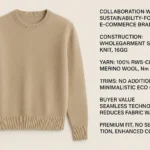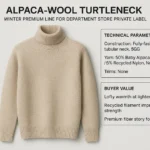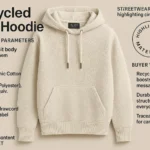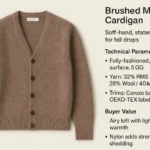

You want a knit hoodie manufacturer who gives good quality every time. Many buyers have problems with quality and talking to garment manufacturers. You should always ask for a sample and clear photos before you order. A sample lets you check the fabric and stitching to see if it is strong. Clear project details help garment manufacturers know what you want. Quick tests with samples can show problems early. Some buyers have trouble with minimum order quantities, so you should ask about this first. Market changes can change price and delivery time, so keep in touch with manufacturers to avoid surprises.
Key Takeaways
Always ask for samples and clear photos from manufacturers. This helps you check fabric quality and stitching before you buy a lot.
Learn about different fabric types, like weft-knit and warp-knit. This helps you pick the best one for comfort and durability.
Look at reviews and references to check the manufacturer’s reputation. This makes sure they give good products and service.
Know about minimum order quantities (MOQ) and talk about flexibility with manufacturers. This helps you get what your business needs.
Ask about certifications and quality control steps. This makes sure the hoodies are safe and made the right way.
Fabric Quality
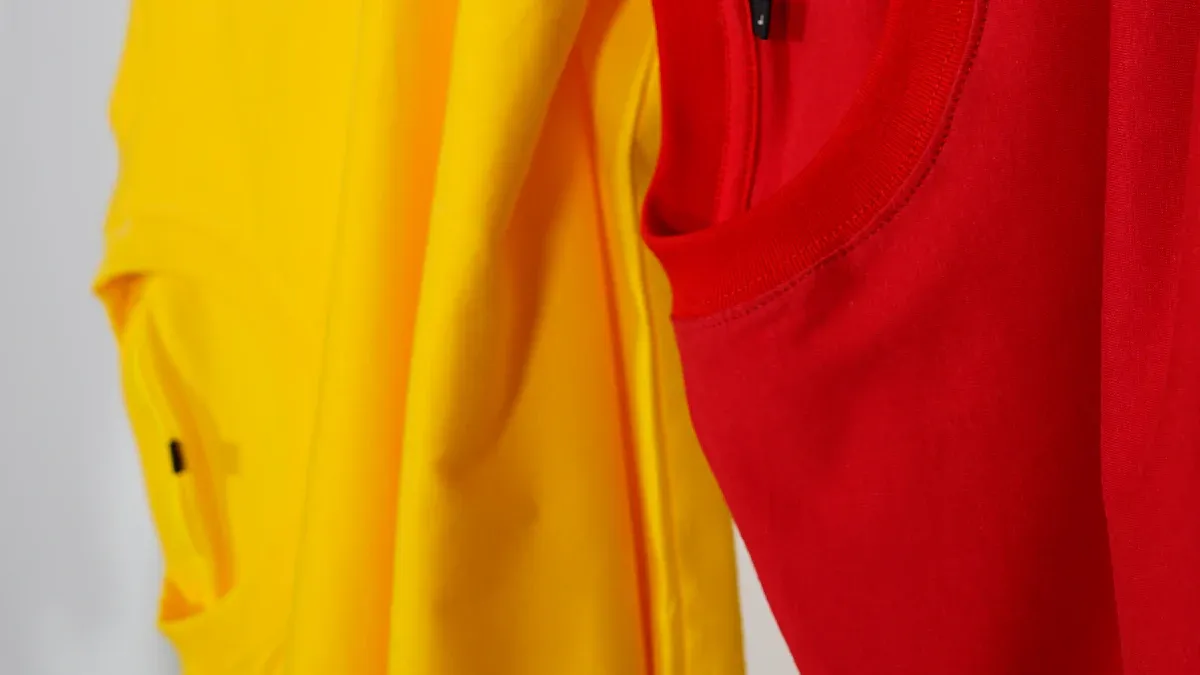
When picking a knit hoodie manufacturer, look at fabric quality. Good fabric makes your hoodie soft and comfy. It also helps your hoodie last longer and look nice after washing. Always ask for a fabric sample before you buy a lot. This way, you can check if the fabric is right for you.
Material Types
There are many fabric types in knit hoodie manufacturing. The main ones are weft-knit and warp-knit fabrics. Weft-knit fabric is the most used type. It is cheap, stretches well, and is easy to make. Warp-knit fabric is getting more popular. It is strong and lasts a long time. Ask your supplier which fabric they use and why it is good for your hoodie.
Weft-knit fabric: Most used, stretchy, and not expensive.
Warp-knit fabric: Becoming popular, strong, and used in many places.
Tip:
Always get a fabric sample and clear photos. This helps you see the fabric up close and check its quality.
Fiber Content
Fiber content changes how comfy and strong the fabric is. Ask about the fiber content and why natural fibers are important. Cotton is soft, lets air in, and is good for people with allergies. Polyester is tough and dries fast. Some manufacturers mix cotton and polyester for better balance.
Comfort Level | Longevity Level | Key Characteristics | |
|---|---|---|---|
Cotton | High | Moderate | Soft, lets air in, good for allergies, but soaks up water and can shrink. |
Polyester | Moderate | High | Light, strong, keeps sweat away, dries fast, and does not wear out quickly. |
Cotton-Polyester | High | High | Soft like cotton and strong like polyester, so it is a good mix. |
If you want eco-friendly hoodies, ask for organic or natural fabric. Organic cotton and other natural fibers are good for people with allergies and feel nice. You can also check the gsm of the fabric. Gsm tells you how thick and heavy the fabric is. More gsm means the fabric is warmer and stronger.
Color and Texture
Color and texture are big parts of fabric quality. You want colors that do not fade after washing. Most knit hoodie fabrics have colorfastness ratings from 1 to 5. A rating of 5 means the color stays bright. Good fabrics usually have a color change rating of 4 and a color staining rating between 3 and 5.
Texture shows if the fabric is good. High-quality knit hoodies have neat stitching and tight knits. They also keep their shape and stay warm. Touch the sample fabric to see if it feels smooth and strong.
Neat stitching and tight knits
Good at keeping warm and holding shape
Stays nice after washing
Note:
Always ask for samples of organic and natural fabric. This helps you see if the fabric is good for allergies and feels comfy.
Durability
When you choose a knit hoodie, you want it to last. Durability means your hoodie stays strong after many washes and wears. You should always check the stitching, seams, and construction before you buy in bulk. Ask for a sample so you can test the fabric and see if the hoodie meets your standards.
Stitching
Stitching holds the fabric together. Good stitching helps your hoodie keep its shape and strength. You should look for neat, flat stitches that do not pull or break. Manufacturers use special techniques to improve durability. Here is a table showing common stitching methods:
Technique | Description |
|---|---|
Ballpoint or Stretch Needles | These needles work well with knit fabric and prevent damage to loops. |
Twin Needle Hem | This method creates two rows of stitches for extra stretch and durability. |
Narrow Zigzag Stitch | This stitch gives stretch and works well for hems. |
Walking Foot | This tool helps feed layers of fabric evenly, stopping stretching during sewing. |
Serged Seams | Serged seams look clean and stretch easily, adding to the quality of the hoodie. |
Zigzag Seams | Zigzag seams help prevent fraying and add stretch. |
Straight Stitch | Use this for stable knits, but it does not stretch much. |
Tip:
Always ask for a sample and pull gently on the stitching. If the stitches stay flat and do not break, the fabric has good durability.
Seams
Seams join pieces of fabric. Strong seams keep your hoodie together and add comfort. You should inspect the seams on your sample. Look for seams that lay flat and do not rub against your skin. Here is a table showing seam types and their uses:
Stitch Type | Description | Best For |
|---|---|---|
Overlock (Serger) | Finishes raw edges and stops fraying | Side seams, knit fabric |
Flatlock | Joins fabric edge-to-edge and lays flat | Activewear, base layers |
Topstitch | Adds strength and detail | Hems, reinforced seams |
You should test the seams by stretching them gently. If the seams do not pop or twist, the hoodie has good durability and quality.
Construction
Construction means how the manufacturer puts the hoodie together. Good construction uses the right cutting and sewing methods. Reputable manufacturers cut each piece of fabric carefully, like sleeves and hoods. They use industrial sewing machines and overlock machines for strong seams. Common seam types include plain seams for joining fabric, flat-felled seams for heavy fabric, double-stitched seams for extra strength, and zigzag stitches for hems.
You should always test the fit of a sample before placing a large order. Try the hoodie on, move your arms, and check if the fabric stretches and returns to shape. If the hoodie feels strong and comfortable, you know the manufacturer values durability and quality.
Knitting Structure Method
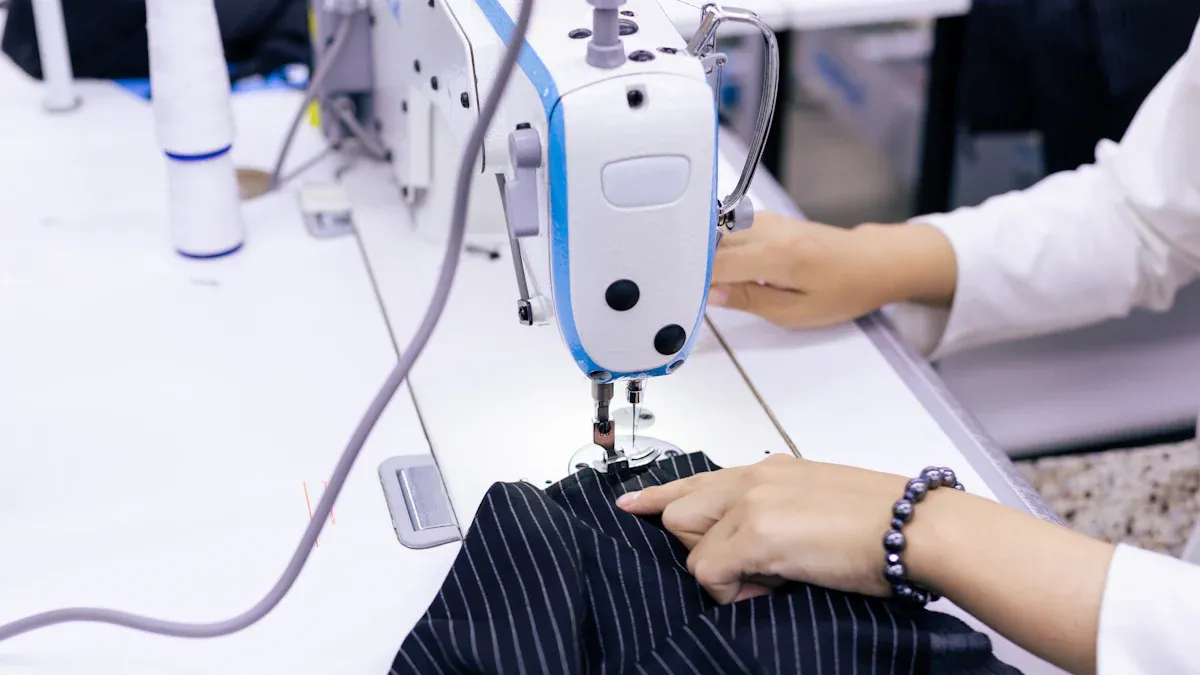
When you choose a knit hoodie, you need to understand how the knitting structure affects the final product. The way the manufacturer knits the fabric changes how your hoodie feels, fits, and lasts. Each knitting structure gives the fabric different qualities. You should learn about the main types before you place an order.
Common Knitting Structures
Plain Knit (Jersey)
Plain knit, also called jersey, is the most common structure for hoodies. This fabric feels soft and smooth. It stretches easily and works well for everyday wear. Jersey fabric is light and comfortable. You will notice that it drapes nicely and keeps its shape after washing.
Rib Knit
Rib knit fabric has raised lines that run vertically. This structure gives the fabric extra stretch and helps it snap back to its original shape. Rib knit works well for cuffs, waistbands, and collars. You will find that rib knit fabric feels thicker and holds up well over time.
Purl Knit
Purl knit fabric looks similar on both sides. It feels soft and has a textured surface. This structure gives the fabric a cozy feel. Purl knit is less common for hoodies but works well for special designs. You might choose purl knit if you want a unique look and extra warmth.
Interlock Knit
Interlock knit fabric uses two rows of stitches. This makes the fabric thicker and stronger. Interlock knit feels smooth and stable. It does not curl at the edges. You will notice that interlock fabric gives your hoodie a firm feel and helps it last longer.
Impact on Hoodie Performance
The knitting structure changes how your hoodie performs in daily use. You should think about breathability, stretch, durability, and appearance when you pick a fabric.
Breathability and Comfort
Some fabrics let air pass through easily. Jersey fabric has good air permeability, so it keeps you cool. Rib and interlock fabrics are denser, so they trap warmth and block wind. If you want a hoodie for sports or warm weather, choose a fabric with high breathability.
Tip: Lace fabric has the highest air permeability, but it is not common for hoodies. Jersey is a good choice for comfort and breathability.
Stretch and Recovery
Stretch and recovery mean how well the fabric moves and returns to shape. Rib knit fabric stretches the most and snaps back quickly. Jersey fabric also stretches but does not recover as well as rib knit. Interlock fabric stretches less but feels stable. You should test the fabric by pulling it gently to see how it reacts.
Durability
Durability shows how long your hoodie will last. Interlock and rib knit fabrics have strong structures. They resist abrasion and keep their shape after many washes. Jersey fabric is softer but may wear out faster. The right knitting structure can improve the fabric’s bursting strength and wrinkle recovery.
Interlock knit: Strong and durable
Rib knit: Good stretch and long-lasting
Jersey knit: Soft but less durable
Appearance and Texture
The knitting structure changes how the fabric looks and feels. Jersey fabric has a smooth surface. Rib knit shows vertical lines and feels thicker. Purl knit has a textured look. Interlock knit feels firm and smooth. You should touch each fabric sample to see which texture you like best.
What Buyers Should Ask
When you talk to manufacturers, you need to ask clear questions about the knitting structure. This helps you get the right fabric for your hoodies.
Requesting Structure Samples
Ask for samples of each knitting structure. You should compare the feel, stretch, and durability of each fabric. Samples help you see the real quality before you order in bulk.
Clarifying Structure in Specifications
Include your knitting structure choice in your order details. Write down if you want jersey, rib, purl, or interlock knit fabric. This avoids mistakes and makes sure you get the fabric you want.
Discussing Custom Structure Options
Some manufacturers offer custom knitting structures. You can ask if they can make special designs or mix different structures. This gives you more control over the fabric’s look and performance.
Note: Always ask about quality control and certifications. Manufacturers may follow standards like GOTS, Oeko-Tex, ISO 9001:2015, or WRAP. These certifications show that the fabric is safe, ethical, and high-quality.
Certification | Description | Benefits |
|---|---|---|
GOTS | Global Organic Textile Standard | Proves organic and ethical production. |
Oeko-Tex | Tests for harmful substances | Keeps hoodies safe for your customers. |
ISO 9001:2015 | Quality management systems | Shows strong quality control steps. |
WRAP | Responsible production | Supports ethical manufacturing. |
You should also ask these questions when you choose a manufacturer:
Do you use subcontractors for any part of making hoodies?
How do you make sure subcontractors treat workers well?
Can you show proof that all materials are sourced fairly?
What are your rules for defects and returns?
How do you ensure the quality of materials used in your products?
Do you conduct in-house inspections or hire third-party inspectors for quality checks?
What standards and certifications do you follow for quality control?
Choosing the right knitting structure helps you get a hoodie with the best fabric, comfort, and durability. Always test samples and write clear specifications to avoid problems.
How to Identify High-Quality Knitted Clothing
You should know how to spot high-quality knitted clothing before buying. Look at how the hoodie is made, check the steps for quality control, and ask about certifications. These three things help you make smart choices and avoid problems with your knit hoodie orders.
Craftsmanship
Craftsmanship means skill and care in making each hoodie. You can see good craftsmanship by checking the fabric and how the hoodie is put together.
Read the product description for the material used. Good knitwear uses merino wool, cashmere, alpaca, or high-quality cotton blends. These fibers feel soft, warm, and last a long time.
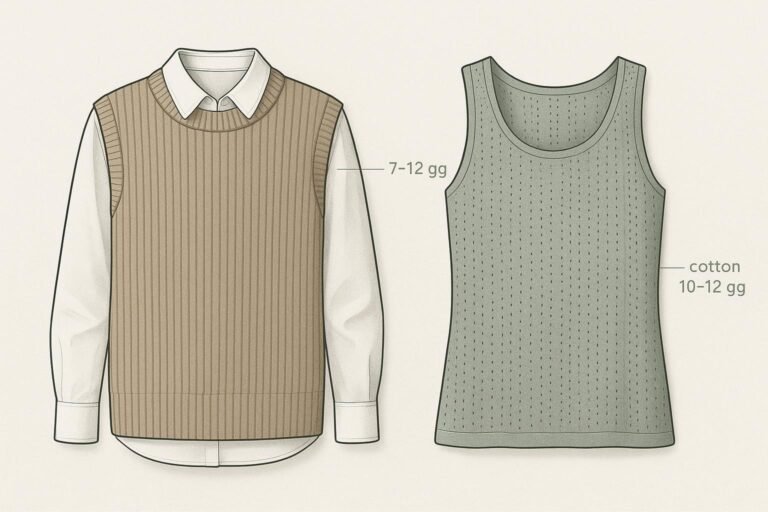
Check the yarn count and gauge. A tighter knit with small stitches means better quality. Thick and even fibers make the fabric dense. Dense fabric makes the hoodie strong and helps it last longer.
Look at the details. Well-made hoodies have straight and even stitching. The underside should look neat. Seams should be straight with no bunching or bubbles. Edges must be finished so they do not fray. Lock stitching on pockets and loops makes the hoodie stronger.
Indicator | Description |
|---|---|
Stitching | Tight, straight, and even stitching with a clean underside. |
Seams | Straight seams with no bunching or bubbles. |
Fabric Edges | Finished edges that stop fraying and look neat. |
Lock Stitching | Strong seams in places that get pulled a lot. |
Signs of Wear | Do not pick hoodies with pilling, pulls, wrinkles, or loose threads. |
Tip: Always ask for a sample and look at the fabric closely. If you see thick, even fibers and neat stitching, the craftsmanship is good.
Quality Control
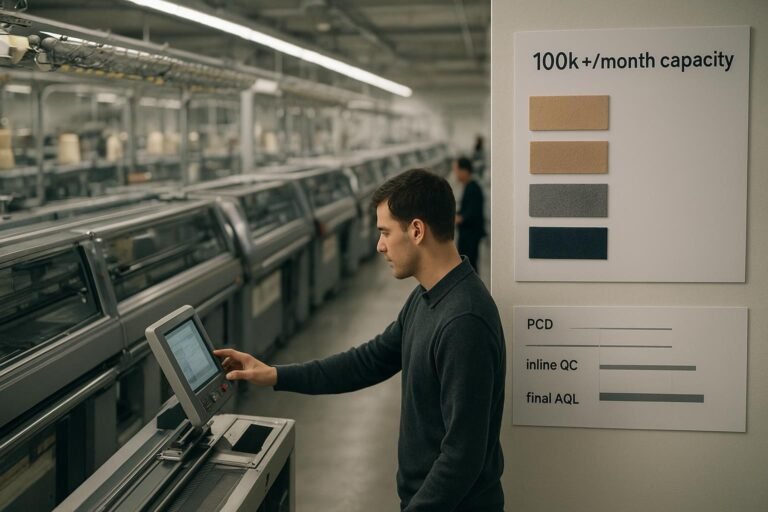
Quality control helps you get hoodies that meet your standards every time. Good manufacturers use many steps to check the fabric and finished hoodie.
Description | |
|---|---|
Pre-production Inspection | Checks raw materials and samples to make sure they match your order. |
In-process Inspection | Watches production to catch problems early and fix them fast. |
Final Inspection | Looks at finished hoodies to make sure they meet quality standards before shipping. |
Shrinkage Testing | Tests the fabric after washing to see if it keeps its size and shape. |
Tensile Strength Testing | Checks how much stress the fabric and stitches can handle before breaking. |
Color Fastness Testing | Tests how well the fabric keeps its color after washing, sunlight, and sweat. |
Ask your manufacturer for the test results from these checks. Shrinkage testing and tensile strength testing show if the fabric will last. Color fastness testing helps you know if the hoodie will look good after many washes. If the test results are strong, you can trust the quality.
Note: Always ask for the test results for shrinkage, tensile strength, and color fastness. These results help you see how to spot high-quality knitted clothing.
Certifications
Certifications prove the manufacturer follows strict rules for quality and safety. You should look for these certifications when you choose a supplier.
Certification Name | Description |
|---|---|
GOTS | Shows the fabric is organic and made in a sustainable way. |
Woolmark | Guarantees the durability and quality of wool products. You can trace each batch with a unique number. |
ISO 9001 | Proves the manufacturer uses a strong quality management system for consistent products. |
Ask your supplier to show their certifications. These certificates help you know how to spot high-quality knitted clothing. You can feel sure that the fabric and the finished hoodie meet global standards.
Tip: Certifications like GOTS, Woolmark, and ISO 9001 make it easier for you to trust the quality of your hoodies.
Knit Hoodie Manufacturer Reputation
Picking a knit hoodie manufacturer with a good reputation is important. This helps you avoid problems with quality and service. You should choose manufacturers with good reviews and lots of experience. Clear references also show they care about making good knitwear. These things mean the manufacturer wants to do a good job and values your business.
Reviews
You need to read reviews from other buyers before choosing a manufacturer. Reviews tell you if the manufacturer ships on time. They also show if the hoodies are what you expect. Look for comments about fabric, stitching, and customer service. Many good reviews mean the manufacturer tries hard to make buyers happy. Bad reviews can warn you about slow shipping or poor communication.
Tip: Read reviews on trusted websites and ask other buyers for feedback. This helps you find problems early.
Experience
Experience is important when picking a manufacturer for your hoodies. A manufacturer with many years in business knows how to fix problems. They also know how to make better quality hoodies. Experienced manufacturers understand different knitting techniques. They can help you pick the best option for your hoodie. Ask how long they have made hoodies and what types they make best. More experience usually means better hoodies and fewer mistakes.
References
References help you see if the manufacturer makes good knitwear. You can ask for contact details of past buyers. When you talk to them, ask if the manufacturer finished on time. Also ask if the hoodies were strong and comfortable. Good references mean the manufacturer is trustworthy and builds good relationships.
Azknit Knitwear Types
Azknit makes different types of knitwear. Each type has special features for different hoodie needs. You should know which fabric is best for your hoodie.
Characteristics | Suitability for Hoodies | |
|---|---|---|
Jersey Knit | Stretchy, soft, gives support, but does not hold shape well | Good for casual fitted hoodies |
Sweatshirt Knit | Stretches a bit, fits well, easy to cut and sew | Great for everyday sweatshirts and hoodies |
Nylon | Strong, thick, not very breathable, keeps you warm | Good for party or casual hoodies for teens |
French Terry | Thick, warm, lets air in, soaks up water well | Best for comfy sports hoodies |
Wool | Soft, strong, natural, resists fire and water | Warm hoodies, but may feel itchy for some people |
Rayon | Light, lets air in, soaks up sweat | Best for light hoodies |
You should pick sweatshirt knit or French terry for everyday hoodies. Jersey knit is good for casual hoodies. Nylon and wool are best for cold weather, but wool may not feel good for everyone. Rayon is great for light hoodies. Ask your manufacturer which fabric is best for your needs.
Minimum Order Quantity
MOQ Terms
When you start working with a knit hoodie manufacturer, you need to know about minimum order quantity (MOQ). MOQ means the smallest number of hoodies you can order at one time. Each manufacturer sets their own rules for MOQ. You should ask about this before you make any plans.
Many manufacturers set their MOQ based on style, color, and fabric. Some companies ask for large orders. Others allow smaller batches, especially for lounge and essentials wear. Here are some common MOQ terms you might see:
Some manufacturers offer a low MOQ, such as 50 units for lounge and essentials wear.
Many companies set a typical MOQ around 3,000 pieces per style, color, or fabric.
The MOQ can change if you want special designs or custom features.
You should always check the MOQ for each style and color. If you want to test the market or try new designs, ask if the manufacturer can lower the MOQ for your first order. This helps you avoid buying too many hoodies at once.
Manufacturer Type | Typical MOQ per Style/Color/Fabric |
|---|---|
Essentials/Lounge Wear | 50 units |
Standard Knit Hoodie | 3,000 units |
Custom/Complex Designs | Varies |
Tip: Always ask for the MOQ before you start your project. This helps you plan your budget and order size.
Flexibility
You may worry about meeting high MOQ requirements, especially if you are a new buyer. Many knit hoodie manufacturers understand this. They want to help businesses of all sizes succeed. Some companies are open to negotiating MOQ terms. You can talk to them about your needs.
Manufacturers like Appareify can adjust MOQ for new buyers.
Smaller orders are possible if your design is simple or uses standard production methods.
Companies often work with you to find a solution that fits your business.
If you need a small batch, explain your project clearly. Ask if the manufacturer can make an exception for your first order. Many companies want to build long-term relationships. They may offer flexible MOQ terms to help you start.
Note: Clear communication helps you get the best deal. Always share your order details and ask about flexibility with MOQ. This makes it easier to grow your business step by step.
Pricing and Payment
Price Structure
It is important to know how prices are set for knit hoodies. Many things change the final price. The fabric type and quality matter a lot. Labor costs are different in each country. How the hoodie is made also changes the price. If the hoodie needs special work, it will cost more. Rent and bills for the factory add to the price too.
Factor | Description |
|---|---|
The choice of fabric and quality significantly impacts the overall cost of the hoodie. | |
Labor Expenses | Varies by region and affects the total manufacturing cost. |
Production Methods | Different techniques can lead to variations in cost based on complexity and efficiency. |
Overhead Costs | Includes expenses related to the manufacturing facility, which can differ by location. |
You should think about fiber quality and if it is rare. Special fibers cost more money. Harder ways of knitting or weaving make prices go up. If you want a one-of-a-kind design, you will pay extra.
Tip: Ask your manufacturer to show you a price list. This helps you see what you are paying for.
Payment Terms
Manufacturers let you pay in different ways. Some ways are safer for you. Others are good if you trust the company.
Letter of Credit (L/C): A bank promises to pay, so both sides feel safe.
T/T (Telegraphic Transfer): You pay some money first, then the rest later.
Open Account: You pay after you get the hoodies, if you trust the supplier.
Documentary Collections: Banks help with payment and shipping papers.
Cash in Advance (CIA): You pay before the hoodies are made.
Consignment: You pay after you sell the hoodies.
Net Terms: You pay a set time after you get the bill.
CAD (Cash Against Documents): You pay when you get the shipping papers.
Revocable or Irrevocable L/C: Letters of credit that can be changed or not.
Confirmed or Unconfirmed L/C: Another bank adds more safety or not.
Pick the payment way that works best for your business and risk.
Extra Costs
Extra costs can surprise you if you do not plan. Adding your own brand or labels costs more, especially for custom tags. The material you pick matters too. Fancy fleece costs more than plain cotton. Hard designs need more work, so they cost more. If you order more hoodies, each one costs less. If you need your order fast, you will pay more. If you can wait, you might save money.
Cost Factor | Description |
|---|---|
Adding unique branding like personalized labels or tags increases production expenses. | |
Material Choices | The type of material affects costs; for instance, 100% cotton is cheaper than high-quality fleece. |
Design Complexity | Detailed designs and custom features raise costs due to additional labor and time required. |
Order Quantity | Larger orders benefit from economies of scale, reducing the cost per unit compared to smaller orders. |
Production Time | Expedited orders incur extra charges, while flexible deadlines may reduce costs. |
Note: Always ask for a full price quote with all extra costs. This helps you plan your money and avoid surprises.
Production Capacity
Lead Time
You need to know how long it takes to get your knit hoodies. Lead time means the time from when you place your order to when you receive your hoodies. This helps you plan your sales and avoid running out of stock.
Standard lead time for bulk orders is 4 weeks.
During busy seasons, lead time can stretch to 8 weeks.
Some manufacturers, like Knitwise, finish orders in 2 to 4 weeks.
Knitwise uses a fast process, so you often get your hoodies in 2–4 weeks from order to delivery.
Tip: Always ask your manufacturer about their current lead time. Lead times can change during holidays or busy months. If you need your hoodies by a certain date, tell your supplier early.
You should also check if the manufacturer can handle rush orders. Some companies offer faster service for an extra fee. This helps if you have a special event or need to restock quickly.
Scalability
Scalability shows if a manufacturer can handle both small and large orders. You want a partner who can grow with your business. Good manufacturers follow clear steps to scale up production without losing quality.
Step | Description |
|---|---|
Project Planning | Check materials and fitting details using your tech pack or design. |
Sourcing Materials | Work with local suppliers to get high-quality materials at a good price. |
Pattern Making | Make patterns that guide the cutting and sewing, so each hoodie fits right. |
Sample Making | Create samples to test fit and function before making many hoodies. |
Revisions | Fit the samples and make quick changes if needed. |
Productions | Start mass production after you approve the sample and place your order. |
You should ask your manufacturer how they handle big orders. A reliable partner will show you their process and explain how they keep quality high, even when making thousands of hoodies. This gives you confidence that your business can grow without problems.
Note: Choose a manufacturer with a proven process for scaling up. This helps you avoid delays and keeps your customers happy.
Customization Options
Design Choices
You can make your knit hoodie special with custom design choices. Many manufacturers let you pick the color, fabric, and style. You can add your own logo or artwork to the hoodie. Some companies offer embroidery, screen printing, or patches for decoration. You can choose the type of hood and the pocket style. You can also pick the color of the drawstring. You may want a zipper or a pullover style. You can pick ribbed cuffs or plain cuffs for your hoodie.
Here are some popular design choices:
Fabric type: Cotton, polyester, or blends.
Color: Solid, heather, or tie-dye.
Logo placement: Front, back, sleeve, or hood.
Decoration: Embroidery, print, or woven label.
Fit: Slim, regular, or oversized.
Extras: Thumb holes, kangaroo pocket, or metal eyelets.
Tip: Tell the manufacturer your ideas. Clear design notes help you get the hoodie you want.
Sample Process
You should always ask for a sample before a big order. The sample process lets you check the fit, fabric, and design. Manufacturers use a step-by-step method to make sure your hoodie is right.
Here is a standard sample process for custom knit hoodie orders:
Step | Description |
|---|---|
Pattern-making | Turning tech pack and design notes into patterns using CAD for accuracy. |
Develop the Samples | Finding good factories, making samples for checking, and testing fit and function. |
Revisions | Sharing changes, making new samples if needed, and figuring out fabric needs. |
You start by sending your design notes and tech pack to the manufacturer. They use CAD software to make patterns that are correct. Next, they make a sample hoodie and test how it fits and feels. You look at the sample and give your feedback. The manufacturer makes changes and sends a new sample if you need it. They also check how much fabric is needed for your order.
Note: Always check the sample closely. Try it on, look at the stitching, and check the color. This step helps you avoid mistakes in your big order.
Shipping and Delivery
Shipping Methods
You can pick how to ship your knit hoodies. Most manufacturers have three main ways to ship. Standard shipping uses trucks or ships. It is slow but costs the least. Express shipping is faster than standard. You pay more for express shipping. Air freight is the fastest way. It is best if you need hoodies quickly. Air freight costs the most.
Shipping Method | Speed | Cost | Best For |
|---|---|---|---|
Standard | Slow | Low | Large, non-urgent orders |
Express | Fast | Medium | Small, urgent orders |
Air Freight | Very Fast | High | Rush or sample orders |
Tip: Ask your manufacturer which shipping way is best for your time and money.
Tracking
You want to know where your hoodies are. Most manufacturers give you a tracking number. You use this number on the shipping website. You can see where your order is. Tracking helps you get ready for delivery. You can also see if there are any delays.
Get your tracking number from your supplier.
Check the shipping website for updates.
Tell your manufacturer if you see a problem.
Note: Always keep your tracking number safe. This helps you fix problems fast.
International Delivery
You might buy hoodies from another country. Shipping from far away has extra steps. You need to check the rules for customs and taxes. Some manufacturers help with the paperwork. Others want you to do it yourself. Delivery takes longer if your order goes through customs.
Ask about customs papers before you order.
Check if you must pay import taxes.
Plan for more time if shipping from another country.
Callout: Good manufacturers explain international shipping clearly. You will not be surprised if you know the steps.
Return and Exchange Policy
Return Terms
You should know the return rules before you buy knit hoodies. Good manufacturers tell you their return policy clearly. You need to check if you can send back hoodies that are not good quality. Most companies let you return hoodies for wrong size, color, or if there are defects. Some suppliers only take back hoodies that are unused and not washed.
Here are some common return rules you might see:
Contact the manufacturer within 7 to 14 days after you get your order.
Show pictures of the problem or defect.
Keep the hoodie in its original package.
You might have to pay for shipping unless the manufacturer made a mistake.
You get a refund, new hoodie, or store credit after they check the returned item.
Tip: Always read the return policy before you buy. Ask the supplier to explain anything that is not clear.
Return Reason | Accepted? | Time Limit | Condition Required |
|---|---|---|---|
Defective Product | Yes | 7-14 days | Unused, original package |
Wrong Size/Color | Yes | 7-14 days | Unused, original package |
Change of Mind | Sometimes | 7 days | Unused, original package |
Warranty
A warranty helps you if your hoodie has problems after you buy it. Good manufacturers give you a warranty for their products. You should ask how long the warranty lasts and what it covers. Most warranties cover stitching, seams, and fabric defects. Some companies give a 30-day warranty, and others offer up to 90 days.
Keep your receipt and order details safe. If you find a problem, contact the manufacturer quickly. You may need to send pictures or return the hoodie so they can check it.
Note: A good warranty means the manufacturer trusts their product. Always ask for the warranty terms in writing before you buy.
Warranty Coverage | Typical Duration | What It Covers |
|---|---|---|
Stitching/Seams | 30-90 days | Loose threads, open seams |
Fabric Defects | 30-90 days | Holes, pilling, fading |
Hardware (zippers) | 30-90 days | Broken zippers, snaps |
Pick manufacturers with clear return and warranty rules. This helps you feel safe when you buy knit hoodies.
Ethical and Sustainable Practices
Labor Standards
You should check if your knit hoodie maker treats workers well. Good labor rules keep workers safe and happy. This means your hoodies come from fair places. You can ask your supplier about worker safety and fair pay. Many good companies follow rules like SA8000 or WRAP.
Here are ways to spot good labor standards:
Workers get paid fairly.
Factories are safe and clean.
No child or forced labor.
Workers do not work too many hours.
Workers can join groups and speak up.
You can ask for proof like audit papers or certificates. Ask for documents that show the factory passed checks. If you see these things, the company cares about people.
Tip: Always ask your supplier about their labor rules. You help support fair work by picking ethical companies.
Labor Standard | What It Means | Why It Matters |
|---|---|---|
SA8000 | Social accountability | Protects workers’ rights |
WRAP | Responsible production | Ensures fair treatment |
Environmental Responsibility
You should care about how your hoodies affect the earth. Many companies now use eco-friendly ways to make knitwear. Look for suppliers who use organic cotton, recycled fibers, or safe dyes. These choices help stop pollution and save resources.
Ways companies show they care about the environment:
Use recycled or organic materials.
Save water and energy in factories.
Cut down on waste and recycle scraps.
Do not use bad chemicals in dyes or finishes.
Use less plastic for packaging.
You can ask your supplier about their green actions. Ask for details about their materials and how they make things. Many good companies share reports or certificates like GOTS or OEKO-TEX.
🌱 Picking a company that cares about the earth helps nature and makes your brand look better.
Practice | Benefit |
|---|---|
Organic cotton | Uses fewer chemicals |
Recycled fibers | Saves resources |
Low-impact dyes | Less pollution |
You help the planet when you choose ethical and green knit hoodie makers.
Communication and Service
Responsiveness
You need a manufacturer who replies fast. Quick answers show they care about your order. If you send a message, you should get a reply in one day. Slow replies can make mistakes happen. You want a team that listens and acts quickly.
Here are ways to spot good responsiveness:
Replies to messages in one business day
Gives clear answers to your questions
Tells you about your order status
Shares updates or problems right away
Tip: Try sending a question before you order a lot. See how quickly they reply.
A responsive manufacturer helps you fix problems early. You can avoid confusion and keep your order moving.
Support
Good support makes buying easier. You want a manufacturer who helps you at every step. Good support means help with design, samples, and shipping. The team should guide you if you have questions about fabric, sizing, or order details.
Support Service | What You Get |
|---|---|
Design Assistance | Help with picking styles and colors |
Sample Guidance | Tips for checking samples |
Order Tracking | Updates on shipping and delivery |
After-Sales Help | Support for returns or exchanges |
Ask if the manufacturer gives you a contact person. This person can answer questions and fix problems fast. Some companies use chat, phone, or email for support. Pick the way that works best for you.
Note: Good support builds trust. You feel safe when help is always there.
A manufacturer with strong communication and service helps you get great knit hoodies. You save time, avoid mistakes, and grow your business with confidence.
Sourcing High-Quality Knitted Clothing
Supplier Selection
You want to find a supplier who gives you the best knit hoodies. Start by making a list of possible suppliers. Check their websites and look for clear product photos. Read reviews from other buyers. Good suppliers show their certifications and test results. You should ask for samples before you place a big order. Samples help you see the fabric and stitching up close.
Use this table to compare suppliers:
Supplier Name | Certifications | Sample Policy | Reviews | MOQ |
|---|---|---|---|---|
Supplier A | GOTS, WRAP | Free sample | ⭐⭐⭐⭐⭐ | 100 |
Supplier B | ISO 9001 | Paid sample | ⭐⭐⭐⭐ | 500 |
Supplier C | Oeko-Tex | Free sample | ⭐⭐⭐ | 50 |
Pick a supplier who answers your questions quickly. Fast replies show they care about your order. Ask about their return policy and warranty. You want a supplier who helps you if there is a problem.
Tip: Always request a sample and check the stitching and seams. This helps you avoid low-quality products.
Project Description
You need to give your supplier a clear project description. Write down what you want for your knit hoodies. Include the fabric type, color, size range, and design details. Add photos or sketches if you have them. Tell the supplier how many hoodies you need and when you want them delivered.
A good project description helps the supplier understand your needs. You get better samples and fewer mistakes. Use short sentences and bullet points to make your description easy to read.
Fabric: Cotton blend, 300 gsm
Color: Navy blue
Sizes: S, M, L, XL
Design: Pullover, kangaroo pocket, ribbed cuffs
Logo: Embroidered on chest
Quantity: 200 pieces
Delivery: 6 weeks
You improve your chances of sourcing high-quality knitted clothing when you give clear instructions. Suppliers can follow your plan and deliver what you expect.
You can find good knit hoodies if you follow easy steps. First, ask for samples and look at them carefully. Then, read what other buyers say about the supplier. Check if the supplier has any certificates. Try ordering a small amount first to see if the quality is good. Tell the supplier exactly what you want for your project. This guide helps you make smart choices and not make mistakes.
Tip: If you check suppliers well and test samples, your hoodie business will be stronger.
FAQ
What is the best fabric for a knit hoodie?
Cotton blends work well for most hoodies. You get comfort and durability. Polyester adds strength and helps the hoodie dry faster. Ask for samples to feel the fabric before you order.
How can you check the quality of a hoodie before buying?
Request a sample from the manufacturer. Look at the stitching and seams. Pull gently on the fabric. Good hoodies have tight stitches and strong seams. You can also ask for test results.
What does MOQ mean when ordering hoodies?
MOQ stands for minimum order quantity. It tells you the smallest number of hoodies you can buy at one time. Always ask about MOQ before you plan your order.
Can you customize the design of your knit hoodie?
Most manufacturers let you pick colors, add logos, and choose styles. You can ask for embroidery or printing. Share your ideas and design notes with the supplier for the best results.
Tip: Always ask for a sample of your custom design before placing a big order.