

You want the best outerwear for your climate, so think about the weather you face most often. If you live in a place with harsh winters, like Canada, you probably reach for a warm parka. In milder areas, a lighter jacket feels just right. Your style and plans matter, too—maybe you need something sleek for a night out or something tough for unpredictable days. When you understand Coats vs Jackets and parkas, picking the right piece for any situation gets much easier.
Key Takeaways
Learn how coats, jackets, and parkas are different. This helps you pick the best outerwear for your weather. Pick a coat if you go to formal events or if it is very cold. A coat keeps you warm and covers you well. Wear a jacket for casual days or when it is not too cold. Jackets are comfy and let you move easily. Pick a parka if it is very cold outside. Parkas are long and have good insulation to keep you warm in tough weather. Try to buy outerwear made from eco-friendly materials. This helps take care of the planet.
Coats vs Jackets: Definitions

You might wonder what really sets a coat apart from a jacket or a parka. Let’s break down these outerwear essentials so you can spot the differences at a glance.
Garment | Definition |
|---|---|
Coat | A warm outer layer worn over clothing, typically longer than a jacket, with full-length sleeves and a loose fit for layering. |
Jacket | An outerwear piece that is shorter than a coat, usually ending around the waist, often fitted and used for informal wear. |
Parka | A type of coat with a hood, often lined with fur or synthetic materials, typically longer, extending to the thighs or knees. |
What Is a Coat?
A coat covers more of your body than a jacket. Most types of coats reach your thighs or knees. You wear a coat when you need extra warmth, especially in cold weather. The material can be wool, cotton, or even synthetic blends. Some coats have thick insulation, while others feel lighter for milder days. You often see types of coats with roomy fits, so you can layer sweaters or shirts underneath. People choose coats for both style and function. You might pick a coat for work, a formal event, or just to stay warm on a chilly walk.
What Is a Jacket?
A jacket feels lighter and shorter than a coat. Most types of jackets stop at your waist or hips. You grab a jacket when you want something easy to wear and not too heavy. Jackets work well for cool, but not freezing, days. The material can be denim, leather, nylon, or other fabrics. Some jackets protect you from rain, while others just add a stylish touch to your outfit. You find types of jackets in casual and sporty styles. Jackets are not made for extreme cold, but they help you stay comfortable and dry.
What Is a Parka?
A parka stands out as a special kind of coat. It usually reaches your thighs or knees and always comes with a hood. Many parkas have fur or faux fur trim around the hood. The material is often water-resistant, and the inside has thick insulation. You wear a parka when you face harsh winter weather. Parkas keep you warm in snow, wind, and freezing temperatures. If you live somewhere with long, cold winters, a parka might be your best friend.
Tip: When you compare coats vs jackets, think about how much coverage and warmth you need. The right choice depends on your climate and your daily routine.
Difference Between Coat and Jacket
When you shop for outerwear, you might wonder how coats and jackets are different. Let’s look at what makes a coat different from a jacket so you can choose the right one.
Length and Fit
The main difference is how much of your body each covers. A coat is longer and can reach your hips, thighs, or knees. This extra length keeps you warmer and covers more of you. A jacket is shorter and stops at your waist or just below. Jackets fit closer to your body and feel less bulky.
Here’s a quick table to help you see the difference:
Characteristic | Coat | Jacket |
|---|---|---|
Length | Typically longer, often reaching the hip or lower | Usually finishes at the waist or just below |
Fit | Generally looser, designed for layering over other clothing | Fits more snugly and closely to the body |
Tip: If you want to wear thick sweaters or need more warmth, pick a coat. If you want something lighter and more fitted, choose a jacket.
Materials and Insulation
The fabric and insulation in your outerwear change how warm and comfy it feels. Coats use heavier fabrics like wool, tweed, or cashmere. These materials keep heat in and help you stay warm. Jackets use lighter fabrics like denim, leather, or synthetic materials. This makes jackets easier to wear when it’s not too cold or when you’re active.
Insulation is important, too. Here’s a table showing common insulation types and their features:
Insulation Type | Key Features | Activity Level |
|---|---|---|
Down | Ultralight, ultrawarm, packable; loses insulation when wet | Best for mild exertion |
Water-Resistant Down | Treated for dampness; pricier | Okay for moderate exertion |
Synthetic Insulation | Performs when damp, dries fast; heavier | Can handle strenuous exertion |
Down/Synthetic Insulation | Combines benefits of both; cost-effective | Can handle strenuous exertion |
Wool/Synthetic Insulation | Insulates when damp, odor-resistant | Can handle strenuous exertion |
Coats often have thicker insulation to keep you warm. Jackets may have less insulation or none at all, so they are good for layering or for days that are not very cold.
Note: Down insulation is very warm and light, but it does not work well if it gets wet. Synthetic insulation keeps you warm even if it gets damp, which is good for rainy or snowy days.
Design Features
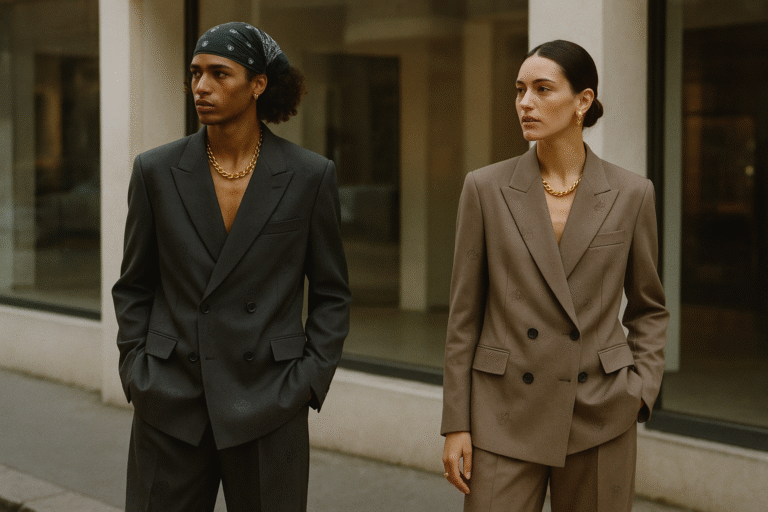
Coats and jackets have different design features for style and function. Coats often have wide lapels, buttons, and sometimes belts. They look more formal and are good for special events. Jackets come in many styles, from sporty to casual. You’ll see zippers, snaps, and different pocket types.
Here’s a table to compare some common features:
Feature | Coats | Jackets |
|---|---|---|
Length | Longer, below the waist or to the knees | Shorter, around the waist |
Material | Heavier fabrics like wool, tweed, cashmere | Lighter materials like denim, leather, synthetics |
Purpose | Warmth and protection in cold weather | Versatile for casual wear and activities |
Insulation | Substantial insulation for winter | Less insulation, good for layering |
Style | More formal, fits many occasions | Casual, pairs with many outfits |
Pockets are important, too. Jackets often have different pocket styles, like slash or flap pockets. These pockets can make your jacket look cool and help you carry things. Some pockets are easy to reach, while others keep your stuff safe. Picking the right pocket style can make your jacket more useful every day.
Intended Use
How you plan to use your outerwear affects its design and material. Coats are best for cold weather and formal events. You might wear a coat to a business meeting, a wedding, or when it’s really cold outside. The extra length and insulation keep you warm and looking nice.
Jackets are great for casual days, school, or when you need to move a lot. They are lighter and let you move easily. You can wear a jacket for a walk, shopping, or even a smart-casual event.
Here’s a quick list to help you decide:
Choose a coat for:
Formal events
Cold weather
Business or special occasions
Choose a jacket for:
Everyday wear
Casual outings
Activities that need more movement
The main differences between coats and jackets are length, fit, material, insulation, and how you use them. If you want to be as warm as possible, go with a coat. If you want something easy and flexible, a jacket is a good choice.
Remember: The best outerwear depends on your weather, your style, and what you do each day. Think about what matters most—warmth, comfort, or style—and you’ll pick the right one.
Strengths and Best Uses
Coat
You wear a coat when you need lots of warmth. The longer length covers your legs and body. This helps block cold wind. A good coat uses thick insulation like down or synthetic fill. This traps heat and keeps you warm in winter. Here are the main benefits of coats:
Strong insulation keeps you warm in cold, wet, and windy weather.
Made for temperatures below 40°F, so you stay cozy even on freezing days.
The longer length helps you keep body heat better than a jacket.
You want a nice coat for formal events or work. It helps you look neat and polished. Wear a coat on snowy days, cold commutes, or outdoor winter events. If you need to wear sweaters or dress up, a coat is the best choice.
Tip: Choose a coat with tough material and thick insulation. This gives you the best protection from harsh weather.
Jacket
A jacket gives you freedom and style. You can wear it almost anywhere, like school or the park. Jackets are lighter and shorter, so you move easily. They work well for mild weather and active days. Here are the benefits of jackets:
Handy features like pockets and adjustable hoods.
Great for outdoor fun, commuting, or hanging out.
Wear a jacket on cool mornings or light rainy days. It adds a layer without feeling heavy. Jackets are perfect for spring and fall, or when you need something easy to carry.
Note: If you want to stay comfy while hiking or biking, pick a jacket with breathable material.
Parka
A parka is great for very cold weather. It has a long length, thick insulation, and a hood. Some parkas have fur trim on the hood. Parkas are made for tough winter conditions. Here’s a quick look at some popular parkas and their features:
Key Features | Suitability for Extreme Weather | |
|---|---|---|
Canada Goose Expedition | Strong outside, premium down insulation | Made for harsh conditions |
MAMMUT Mountain SO | Advanced insulation, breathable fabric | Keeps you warm and dry |
Nike Parka Coats | Water-resistant, lightweight | Good for casual and outdoor use |
Pick a parka if you live where winters are very cold. It keeps you warm and dry, even in snowstorms. Wear a parka for outdoor adventures, long walks in snow, or when you need the warmest coat.
Remember: A parka is the best outerwear for the coldest days. Its length, insulation, and weatherproof material keep you safe and warm.
Choosing Outerwear for Your Climate

Climate
You face different weather every day, so your outerwear should match your climate. If you live where the weather gets cold, you need layers to stay warm. Layering helps you adjust when you move from outside to inside or when the temperature changes during the day. In cold weather, a coat or parka with thick insulation works best. Look for a coat that covers your body and blocks the wind. You want to keep your body heat in and the cold out.
If you live in a place with wet weather, you need outerwear that keeps you dry. Choose a jacket or parka that is water-repellent or waterproof. This helps you stay warm even when it rains or snows. Wind can make cold weather feel even colder, so pick outerwear that blocks the wind, too.
In mild climates, you do not need heavy insulation. A lighter jacket or a simple coat works well. You can add or remove layers as the weather changes. Here are some tips for picking outerwear for your climate:
In cold weather, layer with wool sweaters and a thick coat or parka.
For wet weather, choose a waterproof jacket or raincoat.
In mild weather, wear a light jacket or coat that you can layer.
Tip: Always check the weather before you leave home. The right outerwear keeps you comfortable all day.
Climate Type | Best Outerwear Choices | Key Features to Look For |
|---|---|---|
Cold (Continental) | Wool coat, insulated parka | Thick insulation, windproof, long |
Wet | Waterproof jacket, raincoat | Water-repellent, sealed seams |
Mild | Light jacket, unlined coat | Breathable, easy to layer |
Polar/Extreme Cold | Heavy insulated coat, thermal layers | Maximum warmth, hood, snow skirt |
Style and Occasion
Your style and the occasion matter when you pick outerwear. You want to look good and feel comfortable, no matter the weather. For formal events, a wool coat or a peacoat looks sharp and keeps you warm. These coats work well for business meetings, dinners, or special occasions. If you want something more casual, try a fleece jacket or a sporty parka. These are great for outdoor activities, running errands, or hanging out with friends.
Jackets are very versatile. You can dress them up or down. Wear a varsity jacket with jeans for a cool, casual look. Pair a puffer jacket with a skirt and sneakers for a trendy outfit. If you like sporty styles, layer a hoodie under a wool coat or wear a lightweight parka for extra warmth without bulk.
Here are some popular outerwear choices for different occasions:
Peacoat: Best for smart offices or social gatherings.
Fleece jacket: Perfect for outdoor fun and casual days.
Parka: Great for harsh winter weather and outdoor adventures.
Varsity jacket: Works for both casual and formal settings.
Note: Try mixing and matching your outerwear with hats, scarves, and gloves. You can change your whole look with just a few accessories.
Sustainability Tips
You can build a wardrobe that is good for you and the planet. When you shop for outerwear, look for sustainable materials like organic cotton, hemp, or recycled polyester. Some brands use insulation made from 100 percent recycled materials, which can be even more durable than traditional down. For example, ECODOWN insulation keeps you warm and lasts a long time. Jackets with Invisiloft insulation give you warmth without being bulky, and they use recycled poly.
Choosing outerwear made from recycled or responsibly sourced materials helps reduce waste and protect the environment. A wool coat is durable and warm, and it lasts for years if you take care of it.
You do not need a lot of outerwear to be ready for any weather. Build a capsule wardrobe with a few key pieces. Pick a coat for cold weather, a jacket for mild days, and a parka for harsh winter weather. Choose quality over quantity. Versatile pieces can work for many occasions and styles.
Choose natural, sustainable fabrics.
Pick versatile outerwear that fits many occasions.
For winter, select coats or parkas made from recycled or responsibly sourced materials.
Tip: Take care of your outerwear by cleaning it as the label suggests. Store it in a cool, dry place. This helps your coat or jacket last longer and keeps you ready for any weather.
OEM with azknit
What Is OEM in Outerwear?
OEM stands for Original Equipment Manufacturer. In outerwear, this means a factory makes products like a coat or jacket based on your own designs and needs. You choose the fabric, size, and even the logo. The factory then creates these types of clothing just for your brand. This helps you bring your unique style to life and offer something special to your customers.
How OEM applies to coats, jackets, and parkas
You can use OEM to create all types of outerwear. Want a winter coat with a special lining? Need a jacket that matches your company colors? OEM lets you pick every detail. You decide on the material, the fit, and the features. This way, your outerwear stands out and fits your climate and style.
Why Choose azknit for OEM Outerwear?
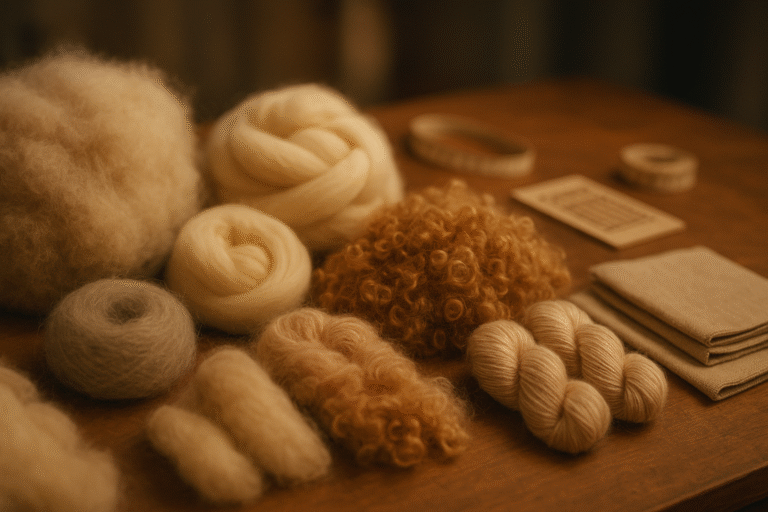
Azknit gives you many choices for materials. You can pick from cashmere, mohair, merino wool, alpaca, cotton, or linen. They help you find the right types for your climate, whether you need something warm for winter or light for spring. Azknit also cares about where their materials come from. They use ethical sourcing and let you add your logo or choose colors that match your brand. You get outerwear that fits your style and values.
The OEM Process with azknit
Azknit makes the process simple. Here are the main steps:
Share your idea.
Describe your customer.
Brainstorm with the team.
Create designs.
Make technical drawings.
Choose materials.
Review samples.
Start production.
At each step, you stay involved. You can check samples and make changes before production begins.
Case Studies: Custom Outerwear Solutions
Azknit has helped many brands create custom types of outerwear. For example, one company needed a winter coat for harsh weather. Azknit used merino wool and added a special lining for extra warmth. Another brand wanted a jacket for spring. Azknit picked lightweight cotton and added the company’s logo. Both brands got outerwear that matched their climate, style, and needs.
Azknit also focuses on quality and sustainability. They test every part, from threads to zippers. They follow standards like GOTS, Fair Trade, and OEKO-TEX. This means your outerwear is safe, strong, and better for the planet.
Quality Control Stage | Key Activities |
|---|---|
Component Verification | Test elastics, threads, trims, and labels for strength. |
Pre-Production Approval | Check samples for how they are made, fit, and work. |
In-Line Quality Control | Inspect products during making, check first pieces. |
Final Product Inspection | Use AQL checks and test finished products. |
Reliability Testing | Wash tests, check color and how well they last. |
Performance Testing | Test for stretch, color staying, pilling, sweat control. |
Tip: When you choose azknit, you get outerwear that fits your climate, matches your style, and meets high standards for quality and sustainability.
Now you know coats keep you warm and cover more. Jackets let you move easily and feel light. Parkas help you stay safe in very cold weather. When you choose outerwear, think about your weather, your style, and where you will wear it. Here are some tips:
Pick colors that go with your hair or stand out for a new style.
Wear thermal shirts or light jackets to layer, based on the season.
Choose natural fabrics like hemp or organic cotton for comfort and to help the planet.
Buy good quality clothes that last a long time. Your closet will be useful and better for the earth. 😊
FAQ
How do you know if you need a coat, jacket, or parka?
Think about your local weather. If you face freezing temperatures, pick a parka. For chilly days, grab a coat. Jackets work best for mild or unpredictable weather. Always check the forecast before you head out.
Can you wear a jacket in winter?
You can wear a jacket in winter if you layer underneath. Try a thermal shirt or sweater. For very cold days, choose a coat or parka instead.
Tip: Always check the insulation and wind protection before you decide.
What is the best way to care for your outerwear?
Read the care label first.
Hang your coat or jacket to dry.
Store in a cool, dry place.
Spot clean stains quickly.
Keeping your outerwear clean helps it last longer.
Are parkas only for extreme cold?
No, you can wear a parka in any cold weather. Some parkas feel lighter and work for cool fall days. Others have thick insulation for harsh winters. Choose the right weight for your climate.