
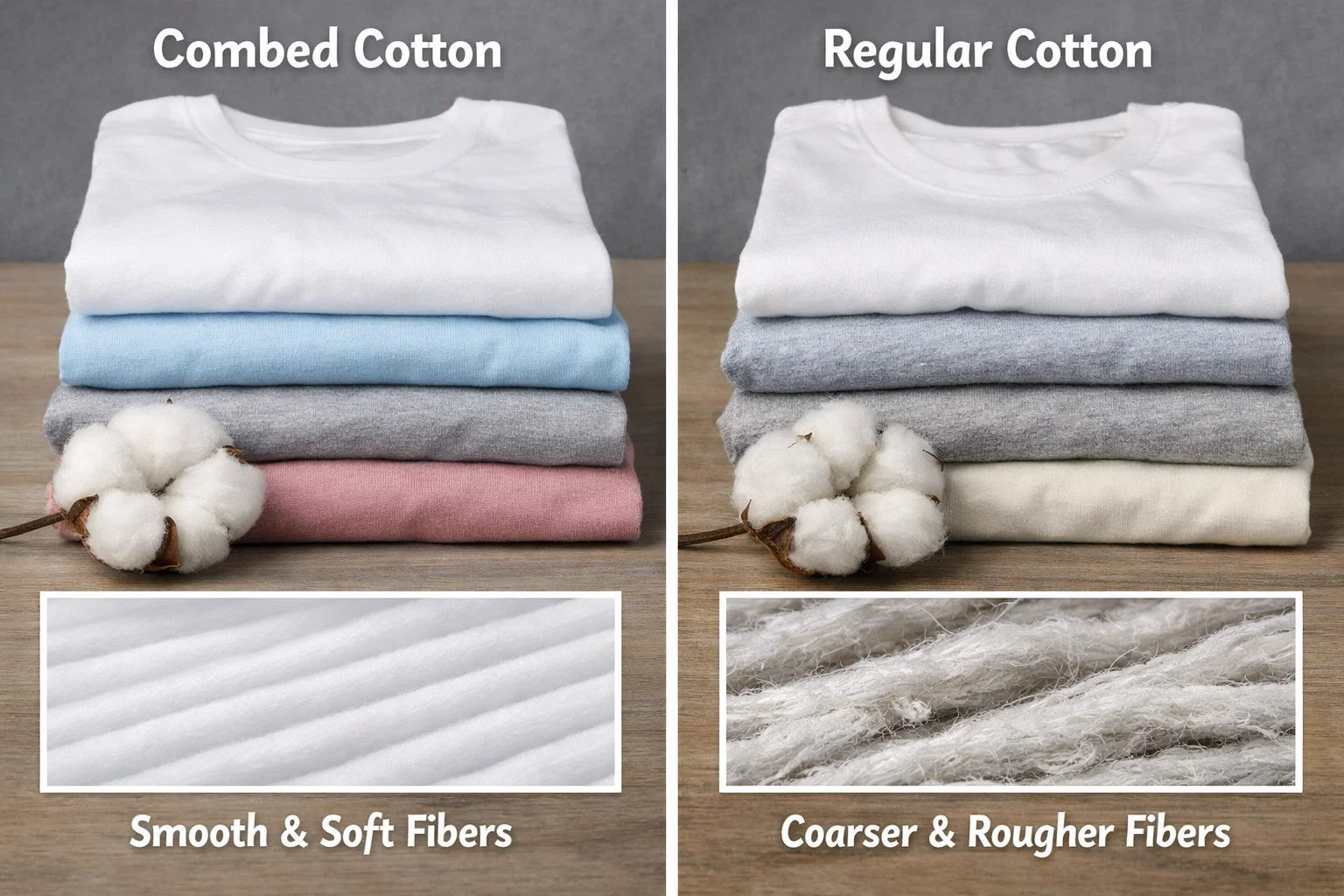
If you want the softest and strongest choice, pick combed cotton vs cotton. Combed cotton feels very smooth on your skin, while regular cotton is a little rougher. It also lasts longer than regular cotton, making it a better investment for comfort in clothes and bedding. Although combed cotton costs more money, it provides greater comfort compared to regular cotton, which is a good option if you want to spend less. The main differences between combed cotton vs cotton are softness, strength, comfort, and price. For a quick answer, look at the table below. Think about how you will use your cotton items before you choose. This guide gives you easy tips to help you pick the best cotton for you.
Key Takeaways
Combed cotton feels softer and is stronger than regular cotton. It is great for clothes and bedding that touch your skin. Regular cotton costs less money and is good for things you use every day. Softness is not as important for these items. Think about how much money you want to spend. Also, think about how often you will use the items before you choose combed or regular cotton. Combed cotton lasts a long time and does not get fuzzy easily. Your things will look new even after many washes. If you have sensitive skin, pick combed cotton. It will not bother your skin and will feel more comfortable.
Combed Cotton vs Regular Cotton: Quick Comparison
Main Differences at a Glance
You might wonder how combed cotton and regular cotton are different in daily life. The table below helps you see the main differences quickly:
Feature | Combed Cotton | Regular Cotton |
|---|---|---|
Processing | Has an extra step to remove short fibers and dirt. | Does not have this extra step. |
Softness | Feels much softer because it has longer, smoother fibers. | Can feel rougher and not as fancy. |
Durability | Stays strong and lasts longer. | Might wear out faster if used a lot. |
Price | Costs more because of the extra work and better quality. | Usually costs less. |
You can see that combed cotton is softer and stronger. Regular cotton costs less, but it might not feel as nice on your skin. If you want a gentle fabric that lasts a long time, you may like combed cotton. If you want to save money and do not mind a little roughness, regular cotton is a good choice.
Note: Both types of cotton can hurt the environment. Growing cotton uses lots of water. For example, making one non-organic cotton T-shirt can use over 2,700 liters of water. Cotton farms also use many chemicals that can harm the soil and water. These things can hurt animals and change the climate.
Which One Is Better for You?
Think about what you need before you pick. If you have sensitive skin, combed cotton can help you avoid itchy spots because it is hypoallergenic. If you want your clothes or bedding to last, combed cotton is a smart pick. People who care about comfort and quality often choose combed cotton instead of regular cotton.
If you want to spend less money, regular cotton is a good choice. It works well for things you do not use every day. You might pick regular cotton for casual T-shirts or cheaper bedding.
When you ask which is better, you should look at what you need. If you want the softest and longest-lasting fabric, choose combed cotton. If you want to save money, regular cotton is best for you.
What Is Combed Cotton?
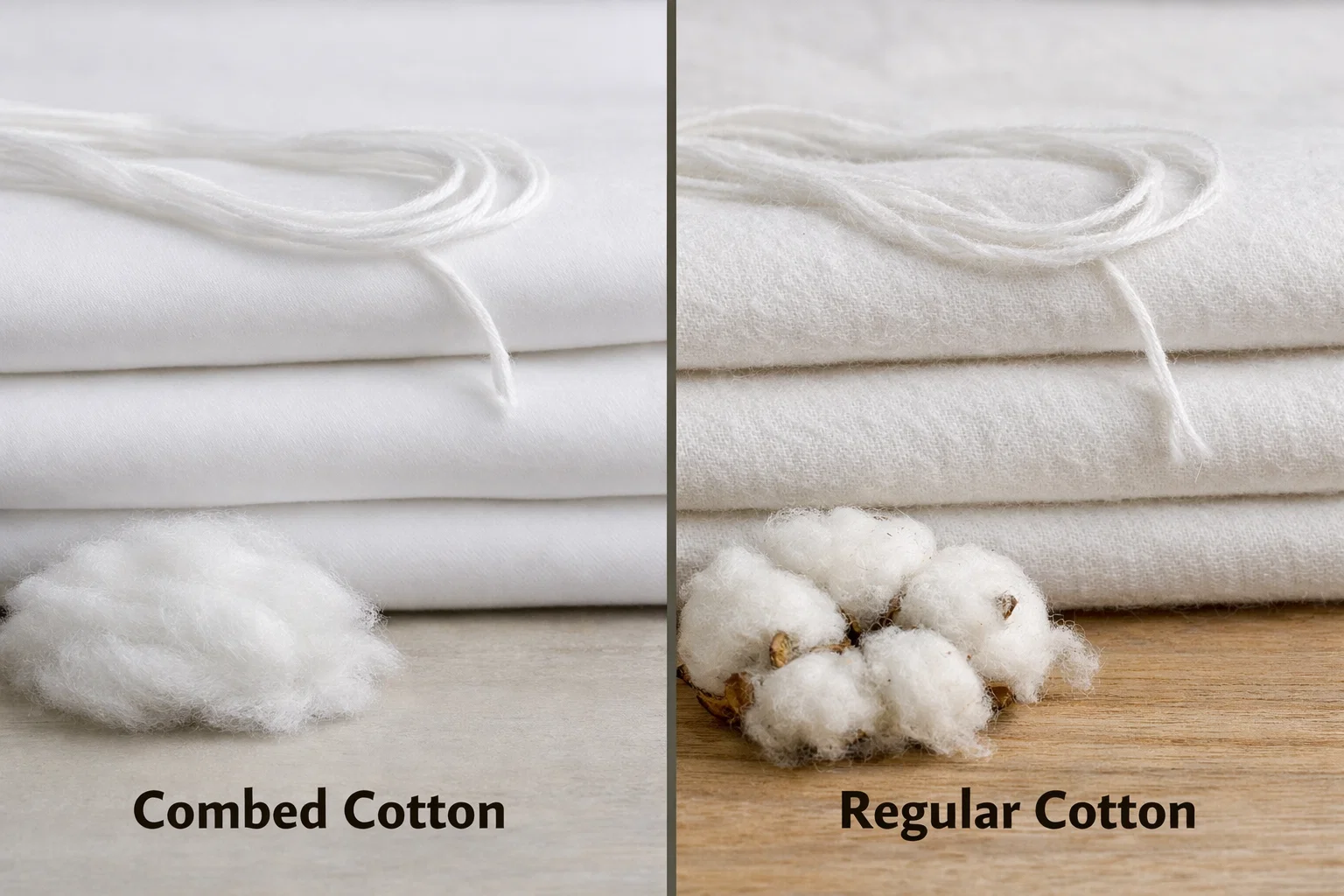
Combed cotton is a type of cotton that goes through a special process to make it softer and stronger than regular cotton. You will notice the difference when you touch combed cotton. It feels smooth and gentle on your skin. Many people choose combed cotton for clothing, towels, and bedding because it gives a sense of luxury and comfort. If you want high-quality products that last, you should learn about combed cotton.
How Combed Cotton Is Made
You might wonder how combed cotton gets its special feel. The process uses extra steps to improve the cotton fibers. Here is how it works:
Carding Process: Workers clean the cotton fibers, brush them to straighten and smooth them, and align them into a sliver.
Combing Process: Machines add extra cleaning, remove short fibers, and align the fibers more perfectly. This step makes the cotton smoother and stronger.
These steps help create high-quality cotton that stands out from regular cotton. You get a fabric that feels better and lasts longer.
Key Features and Benefits
Combed cotton offers many advantages over regular cotton. You will enjoy these benefits of combed cotton in your daily life:
Combed cotton stays noticeably softer for a longer time. The short, rough fibers are removed, so the fabric does not become scratchy after washing.
The fabric resists wear and washing better than regular cotton. You can wash your clothes or sheets many times without seeing them fall apart.
Combed cotton is less likely to pill. You will not see little balls of fiber on your shirts or bedding.
The yarn is smoother, so you do not feel knots or bumps.
The fabric is denser and softer, which makes it comfortable for clothing.
Combed cotton absorbs moisture well and lets your skin breathe.
You get a more durable fabric because the longer, aligned fibers make it strong. Combed cotton products resist tearing and pilling. The improved structure allows for tighter weaving, which adds elegance and durability. If you want high-quality cotton for your clothes or bedding, combed cotton is a smart choice.
Tip: Choose combed cotton if you want your items to stay soft and look new after many washes.
What Is Regular Cotton?
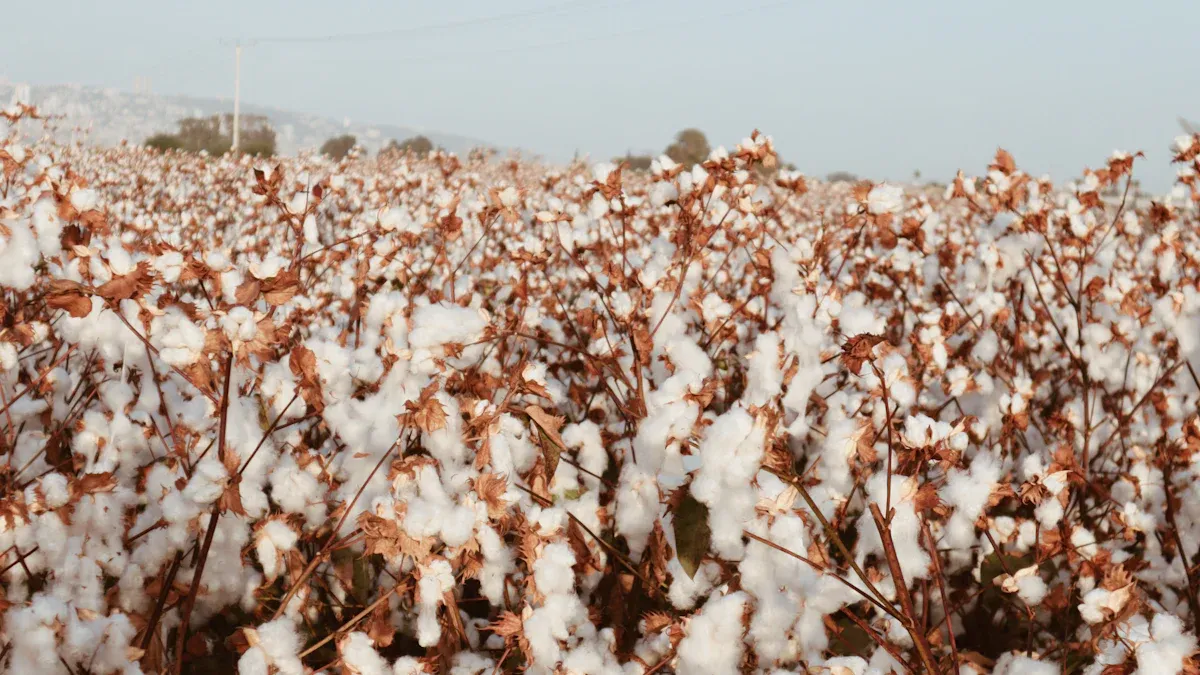
You see regular cotton in many places. It is used in clothes and things for your home. Regular cotton does not have extra steps to remove short fibers. This makes it cheaper and easy to buy. Regular cotton feels rougher than combed cotton. But it still works well for lots of things.
How Regular Cotton Is Processed
Regular cotton starts in the field. Farmers pick cotton bolls. These bolls have fibers, seeds, and bits of plant. The cotton goes through ginning. Machines take out seeds and dirt. Workers clean the lint to get rid of trash and short fibers. Then the lint is spun into yarn. Factories use the yarn to make fabric. The fabric is bleached, dyed, or printed. This adds color and patterns. Some treatments make the fabric softer or stronger. Regular cotton keeps its natural feel.
Here is a table that shows the main steps:
Step | Description |
|---|---|
Ginning | Raw cotton is separated from seeds and impurities. |
Cleaning | Lint is cleaned through blow-room and stick-machine processes to remove trash and short fibers. |
Spinning | Cleaned lint is spun into yarn, ensuring uniform staple length and moisture content. |
Weaving/Knitting | Yarn is woven or knitted into fabric, creating different textile types. |
Finishing | Fabric undergoes treatments like dyeing, printing, and functional enhancements. |
You find regular cotton in T-shirts, towels, and bedspreads. It is also used in medical supplies. Regular cotton is popular because it is easy to make. It works for many needs.
Main Features and Drawbacks
Regular cotton has good points. It is natural and lets air pass through. It absorbs moisture well. You can wear it every day. You can wash and dry it at home. Regular cotton costs less than combed cotton. You save money.
But regular cotton has some problems. The fabric can feel rough. It may wear out faster if you wash it a lot. You might see pilling or fading. Making regular cotton uses a lot of water. One T-shirt needs about 2,700 liters of water. Farmers use many chemicals and pesticides. These can hurt the environment and your health. Pesticides can cause health problems for workers and people nearby. Cotton farming can damage soil and hurt other plants. It can also reduce biodiversity.
Here is a table of common drawbacks:
Drawback | Description |
|---|---|
High Water Usage | Producing a single cotton t-shirt requires 2,700 liters of water, leading to scarcity for local communities. |
Soil Degradation | Intensive cotton farming damages soil quality, making it difficult for other plants to grow. |
Use of Toxic Chemicals | Cotton farming uses 6% of the world’s pesticides, which can harm ecosystems and human health. |
Contribution to Climate Change | Deforestation for cotton farming increases carbon emissions, negatively impacting the environment. |
Biodiversity Loss | Conversion of habitats for cotton agriculture harms local biodiversity. |
Think about these things when you choose cotton. If you want a softer and longer-lasting fabric, combed cotton is better. If you want to save money and do not mind roughness, regular cotton is a good choice.
Combed Cotton vs Cotton: Detailed Comparison
Softness and Feel
Combed cotton feels much softer than regular cotton. The combing process takes out short fibers and dirt. This makes the fabric smooth and gentle. People say combed cotton is very soft. It feels nice, especially if you have sensitive skin. The long fibers help make it even softer. The silky weave adds to the comfort. Regular cotton keeps short fibers, so it feels rougher. If you want soft t-shirts, pick combed cotton. You will notice the softness, even after washing. Combed cotton stays soft longer than regular cotton.
Combed cotton is smoother because short fibers are removed.
Long-staple fibers make it softer than regular cotton.
The silky weave makes the fabric more comfortable.
Durability and Strength
You want your clothes and bedding to last long. Combed cotton is stronger than regular cotton. It uses long, even fibers that do not break easily. The combing process removes weak fibers. This helps your items keep their shape and color. Combed cotton stands up to daily use better than regular cotton. Fewer short fibers mean less friction and less damage. Your clothes keep their shape and color after many washes. Regular cotton may stretch or lose shape after washing. Combed cotton is less likely to pill or fray. The extra combing step makes the fabric more even and strong. This means less pilling and tearing. Regular cotton has mixed fibers and can feel rough. The long, straight fibers in combed cotton make it tough. The fabric is tightly woven, so it lasts longer.
Feature | Combed Cotton | Regular Cotton |
|---|---|---|
Fiber Quality | Longer, more uniform fibers | Shorter, uneven fibers |
Durability | Stronger fabric, resists tearing | Weaker fabric, prone to tearing |
Pilling Resistance | Better resistance to pilling | More prone to pilling |
Lifespan | Generally longer lifespan | Shorter lifespan |
Combed cotton is tougher and lasts longer than regular cotton. The long fibers do not break as much. This means less pilling and fraying. You get soft and strong t-shirts with combed cotton.
Comfort in Use
You want your clothes and bedding to feel good. Cotton is soft and gentle on your skin. It lets air move through, so you stay cool. Cotton helps your body stay at a good temperature. It also pulls sweat away from your skin. Combed cotton t-shirts feel cool and smooth. They stay nice even after many washes. Regular cotton t-shirts are still comfy, but they may feel rougher. They can lose their shape faster. For the best comfort, combed cotton is the top choice.
Price Differences
Price is important when you shop for clothes or bedding. Combed cotton costs more than regular cotton. The extra steps make it more expensive. You pay more for better softness and longer life. If you want to save money, regular cotton is a good pick. It gives you basic quality for less money. If you want items that last and feel great, combed cotton is worth the price. You get better value because your things stay soft and strong. Think about your budget and how much you use the items before you choose.
Best Uses
Both types of cotton work for many things. Some products are better with combed cotton. Experts say to use combed cotton for things that touch your skin a lot. These include:
Apparel (T-Shirts, Underwear, Baby Clothes): Best for soft clothes worn next to your skin.
Bedding and Linens: Great for sheets and pillowcases for a smooth sleep.
Bath Towels and Spa Textiles: Soft and thick, good for soaking up water and lasting long.
Regular cotton is good for:
Everyday Clothing: Used in simple shirts and basic clothes.
Home Textiles: Used in curtains and basic sheets where saving money matters.
Combed cotton is made with a special process. This makes the yarn softer and stronger. Regular cotton is used for basic clothes and home items. If you want soft t-shirts that last, pick combed cotton. For things you use less or want to save money on, regular cotton is smart.
Now you know the main differences between combed cotton and cotton. Combed cotton gives you more softness, quality, and lasts longer. Regular cotton costs less and gives you basic comfort. Pick the one that fits your needs and budget.
How to Choose: Cotton vs Combed Cotton
Factors to Consider
Think about what you need before you pick cotton. Decide how you will use each item. Here are some things to help you choose:
Lifespan: Combed cotton is best for things you want to keep a long time, like fancy bed sheets or nice home items.
Skin contact: Pick combed cotton for clothes and bedding that touch your skin. It feels softer and more comfortable.
Budget: Regular cotton is good if you want to save money. It gives you basic comfort for daily use.
Purpose: Combed cotton works well for soft, strong clothes. Regular cotton is fine for kitchen towels or cleaning cloths.
Combed cotton is better if you want the most comfort. It feels gentle and stays strong. Regular cotton is good if you need cheaper options. It gives you good value.
Practical Examples
You can see how both types work in real life. The table below shows some common uses:
Type of Cotton | Scenario | Advantages |
|---|---|---|
Combed Cotton | High-end bedding, premium home textiles, gentle baby items | Softness, durability, comfort, resistance to pilling |
Regular Cotton | Kitchen towels, cleaning cloths, basic everyday clothing | More affordable, suitable for items where softness is not a priority |
For example, you might pick combed cotton for your favorite T-shirt or fancy bed sheets. You get comfort and a fabric that lasts. Regular cotton is good for kitchen towels or cleaning cloths. You save money and still get useful things.
Tips for Buying and Care
You can keep your cotton items looking new with easy steps:
Wash only when needed. Shirts can be worn 2–3 times before washing. Bedding should be washed once a week.
Use cool water and gentle soap. This helps keep things soft and comfy.
Spin gently and let things air dry. Do not use a dryer to stop shrinking.
Store cotton in cool, dry places. Do not use sealed plastic boxes.
Hang clothes in a place with fresh air. Use a light fabric spray to freshen up instead of washing a lot.
Always check the care label. Turn clothes inside out and wash with similar colors.
Dry flat to keep the shape and make ironing easier.
Washing in cool water saves energy and helps your cotton last longer. Good care means you enjoy soft and strong clothes and nice home items for years.
Tip: If you want to know why to pick combed cotton, remember it gives you comfort, softness, and strength for things you use every day.
You now know how combed cotton and regular cotton are different. Look at the table below for a quick review:
Feature | Combed Cotton | Regular Cotton |
|---|---|---|
Softness | Very soft | A bit rougher |
Durability | Very strong | Wears out faster |
Cost | Costs more | Cheaper |
Pick combed cotton if you want soft and strong fabric. It also has less piling. Choose regular cotton if you want to spend less money. It is good for simple things. Decide what is most important to you. Is it softness, strength, or price? When you shop, check for labels like “combed cotton” or “fine cotton.” These mean better quality. Try both types to find which one you like more.
FAQ
What makes combed cotton different from regular cotton?
You get combed cotton when manufacturers remove short fibers and impurities. This process makes the fabric softer and stronger. Regular cotton keeps all fibers, so it feels rougher and may not last as long.
Is combed cotton better for sensitive skin?
Yes. You should choose combed cotton if you have sensitive skin. The smooth fibers reduce irritation. Regular cotton can feel scratchy and may cause discomfort for some people.
Does combed cotton cost more than regular cotton?
You usually pay more for combed cotton. The extra steps in making it increase the price. You get better quality and comfort. Regular cotton costs less but may not last as long.
Can you wash combed cotton and regular cotton the same way?
You can wash both types of cotton in cool water with gentle soap. Always check the care label. Air drying helps both fabrics stay soft and last longer.
Which products use combed cotton most often?
You find combed cotton in T-shirts, bedding, towels, and baby clothes. These products need softness and strength. Regular cotton appears in basic clothing, kitchen towels, and cleaning cloths.