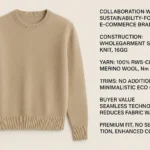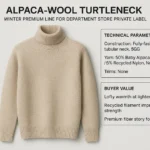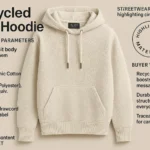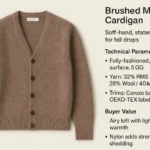


Imagine you are in a yarn shop, searching for the best skein for a sweater gift. You want it to look nice and last a long time. The texture of the yarn significantly influences how soft or strong your project feels. Additionally, yarn weight and color affect how it fits and looks. Check out this table to see how your yarn choices can transform your project:
|
Factor |
Impact on Durability |
Impact on Appearance |
|---|---|---|
|
Yarn Texture |
Changes how well it resists damage |
Changes how it feels to touch |
|
Yarn Color |
N/A |
Decides how it looks |
|
Yarn Weight |
Changes how the garment holds its shape |
Changes how it hangs and fits |
|
Stitch Patterns |
Makes it stronger if more complex |
Makes it look more interesting |
If you want the best yarns for custom knitwear orders, consider what you need and what you like.
Key Takeaways
-
Pick yarn by looking at the fiber type. Natural fibers feel soft and keep you warm. Synthetic fibers last longer and are easy to wash.
-
Think about what your client wants. Ask if they have allergies or special likes. This helps make sure they enjoy their custom knitwear.
-
Try not to make common mistakes. Always look at the fiber content and color. Check how much yarn you need for your project.
-
Test how the yarn works by making swatches. Swatching lets you see how the yarn acts. It helps you know if it fits your project.
-
Choose the right yarn weight. Lighter yarns make fabric that hangs softly. Heavier yarns make fabric that is sturdy and warm.
-
Pick your colors with care. Make sure the dye looks the same on every skein. This gives your knitwear a neat and finished look.
-
Write down your yarn choices. Keeping notes helps you remember details for next time.
-
Look for ethical yarn options. Pick eco-friendly and fair trade yarns. This helps support good practices in the knitting world.
Yarn Choice Importance

Impact on Custom Knitwear
When you pick yarn for custom knitwear, you shape the whole project. The yarn you choose decides how the sweater, scarf, or hat will feel, look, and last. If you want a soft, warm sweater, you might reach for natural fibers. These give you a cozy feel and let your skin breathe. Synthetic fibers work well if you need something strong and easy to care for. Blended yarns mix the best of both worlds, giving you durability and comfort.
|
Attributes |
Ideal Use Cases |
|
|---|---|---|
|
Natural Fibers |
Superior softness, warmth, and breathability. |
Premium and eco-friendly sweaters. |
|
Synthetic Fibers |
Affordability and durability, but less luxurious feel. |
Budget-friendly knitwear. |
|
Blended Yarns |
Combines qualities of different fibers for enhanced durability and performance. |
Versatile applications in knitwear. |
You can see how the yarn type changes the final product. A soft, premium yarn makes a sweater feel special. A sturdy, synthetic yarn keeps a kid’s hat looking new after many washes. Your yarn choice sets the stage for the whole project.
Meeting Client Needs
You want your client to love their custom knitwear. That means listening to what matters most to them. Some clients care about how the yarn feels on their skin. Others want a certain look or need the knitwear to last through many seasons. Yarn size, staple length, and spinning method all play a part in the final result. Finer yarns cost more but give a smoother finish. Longer fibers make the fabric feel softer. The way the yarn is spun can change the price and the feel.
Tip: Always ask your client about allergies or sensitivities. Some people react to wool or other animal fibers.
Clients also look for special features in their knitwear. They might want a unique texture, bold colors, or a pattern that stands out. Solid yarns in Jacquard knitting create a premium, long-lasting finish. Multiple colors can make patterns pop and add visual interest.
-
Yarn size affects cost; finer yarns are more expensive than coarser ones.
-
Staple length influences the smoothness of the fabric; longer fibers yield smoother finishes.
-
Yarn spinning method impacts pricing; ring-spun yarns are generally more costly than open-ended yarns.
Common Mistakes
Even experienced knitters can make mistakes when picking yarn. You can avoid these common pitfalls:
-
Not Understanding Fiber Content
If you skip checking the fiber content, your project might not fit right or wash well. Always match the yarn to the purpose of your project. -
Ignoring Colors and the Dyeing Process
Color matters more than you think. Some yarns look great in the skein but change when knitted. Hand-dyed yarns can be beautiful, but they may not work for every project. -
Overlooking Yarn Requirements
It’s easy to misjudge how much yarn you need. Running out of yarn can stop your project in its tracks, while buying too much wastes money.
Remember: Take your time with yarn selection. The right choice makes your custom knitwear stand out and keeps your clients happy.
How to Choose Yarns for Custom Knitwear Orders
Fiber Composition
Natural vs Synthetic
When you choose yarns for custom knitwear, you start with fiber composition. Natural fibers like wool, cotton, and silk feel soft and warm. They let your skin breathe and often give a premium touch to your project. Synthetic fibers, such as acrylic and polyester, offer durability and easy care. They cost less and work well for everyday items.
You might wonder how these fibers affect comfort and longevity. Here are some things to keep in mind:
-
Bi-layer fabrics manage moisture well, keeping you dry without extra treatments.
-
The way fabric layers handle moisture can change how comfortable your knitwear feels.
-
Yarn blends like eri-silk, wool, and bamboo each bring different levels of comfort and performance.
-
Polypropylene and modal yarns allow air and water vapor to pass through, making knitwear more comfortable and long-lasting.
-
Micro-denier polyester yarns move moisture away from your skin, which is great for summer or active wear.
If you want a sweater that feels cozy and lasts, try mixing natural and synthetic fibers. This blend can give you the best of both worlds.
Allergies & Sensitivities
You need to think about allergies and sensitivities when you choose yarns. Some people react to certain fibers, especially wool. Studies show that about 20% of people have sensitivities or allergies to wool. In some yarn shops, nearly 25% of customers look for yarns because of allergies or sensitivities.
If your client has sensitive skin, ask them about their needs. You can find many yarns made from cotton, bamboo, or synthetic fibers that work well for people with allergies. Always check the label and talk to your client before you start your project.
Yarn Weight
Thickness & Drape
Yarn weight plays a big role in how your knitwear looks and feels. Lighter yarns make crisp, clear stitches and give your project a soft drape. Heavier yarns create denser, stiffer fabric with less stitch definition.
Here’s a quick table to help you see the difference:
|
Yarn Weight |
Stitch Definition |
Texture Characteristics |
|---|---|---|
|
Lighter |
More defined |
Crisp, clear stitches |
|
Heavier |
Less defined |
Denser, stiffer fabric |
You can mix different yarn weights to create unique textures. For example, combining fingering and worsted yarns adds visual interest and lets you play with the feel of your finished piece.
Matching Project Needs
When you choose yarns, think about what you want your project to do. Worsted weight yarn holds the largest market share because it works for many types of knitwear. Sport and DK weights are popular for lighter, more detailed patterns. Bulky weight yarn is trending for quick, bold projects.
-
Worsted weight yarn is versatile and fits many projects.
-
Sport and DK weights are great for lighter garments and intricate designs.
-
Bulky weight yarn is perfect if you want a fast project with a bold look.
Pick the yarn weight that matches your project’s needs. If you want a soft scarf, go for a lighter yarn. If you need a sturdy blanket, choose a heavier yarn.
Yarn Construction
Single-ply vs Plied
Yarn construction affects how strong and durable your knitwear will be. Single-ply yarns have fibers that are more exposed. They can break or thin out in high-friction areas. Plied yarns twist several strands together, making the yarn stronger and less likely to pill.
-
Plied yarns resist pilling better than single-ply yarns.
-
Single-ply yarns wear out faster, especially in socks or sweaters.
-
Plied yarns are recommended for items that get a lot of use.
If you want your knitwear to last, plied yarns are a smart choice.
Durability Factors
Durability matters when you choose yarns for custom orders. The plying process strengthens yarn by reinforcing fibers and multiplying twists. This makes plied yarns less likely to pill and more resistant to wear. Twisting strands together reduces the surface area exposed to friction, which helps your knitwear stay strong.
For high-wear items, always look for plied yarns. They keep your project looking new longer and handle everyday use better than single-ply options.
Tip: Ask your client how they plan to use their knitwear. If they want something for daily wear, durability should be your top priority.
Fabric Traits
Warmth & Elasticity
When you pick yarn for custom knitwear, warmth and elasticity matter a lot. You want your project to feel comfortable and fit well. Wool stands out because it keeps you warm and stretches nicely. Sweaters and hats made from wool hold their shape and feel cozy. Cotton feels soft and lets your skin breathe, but it does not stretch much. That makes cotton better for loose summer tops than for fitted clothes. Alpaca yarn gives you warmth without itchiness, so it works well for scarves and winter accessories.
Here’s a quick look at how popular fibers compare:
|
Fiber Type |
Warmth |
Elasticity |
|---|---|---|
|
Wool |
High |
High |
|
Cotton |
Low |
Low |
|
Alpaca |
High |
Medium |
-
Wool: Great for warmth and stretch. Use it for sweaters, hats, and socks.
-
Cotton: Soft and cool. Best for summer wear and relaxed styles.
-
Alpaca: Warm and gentle on skin. Perfect for scarves and cozy wraps.
Tip: If you want a fitted garment that keeps its shape, choose yarns with high elasticity like wool.
Stitch Definition
Stitch definition shows off your knitting skills. You want your stitches to look clear and neat, especially for patterns with cables or lace. Smooth yarns with a tight twist make each stitch stand out. Wool and cotton both give good stitch definition, but wool shows texture better because it springs back into shape. Alpaca feels soft, but it can look fuzzy, so stitches may blur together.
-
Use smooth, plied yarns for crisp stitch patterns.
-
Try wool for textured designs like cables and ribbing.
-
Pick cotton for simple, clean stitches in summer tops.
If you plan to knit a project with lots of detail, pay attention to how the yarn shows off your work.
Ease of Care
You want your custom knitwear to last and stay looking good. Some yarns need special care, while others handle washing and wearing with no trouble. Wool often needs gentle washing and air drying. Cotton and many synthetic yarns go right in the washing machine. Alpaca should be washed by hand to keep it soft.
Think about how your client will use the knitwear. If they want something easy to clean, pick yarns labeled “machine washable.” For special gifts or luxury items, you can choose delicate fibers and let your client know how to care for them.
Here are some things to consider:
-
Intended Use: Choose elastic knits for fitted clothes and stable knits for structured garments.
-
Desired Drape and Stretch: Lightweight knits drape nicely. Heavier knits give structure.
-
Comfort and Feel: Soft, breathable yarns work for everyday wear. Warm yarns suit cold weather.
-
Durability and Care: Pick yarns that match how often the item will be washed.
-
Pattern and Texture: Make sure the yarn’s look fits the style of your project.
Note: Always check the yarn label for care instructions. This helps your knitwear stay beautiful and last longer.
Best Yarns for Custom Knitwear Orders
Premium Fibers
When you want your project to stand out, you should look at premium fibers. These yarns feel soft and look beautiful. They also last a long time. If you want the best yarns for custom knitwear orders, you can choose from these top options:
-
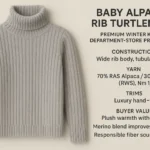
100% Baby Alpaca gives you warmth and softness. You will love how gentle it feels against your skin.
-
Performance blends like 70% Baby Alpaca and 30% Mulberry Silk make your knitwear strong and comfortable. These blends work well for high-quality sweaters and scarves.
-
Cashmere is rare and feels luxurious. Many people see cashmere as the ultimate choice for custom knitwear. Loro Piana cashmere is famous for its quality and targets high-end customers.
-
Pima Cotton is perfect for lightweight knitwear. You can use it for beachwear or summer tops. It feels cool and smooth.
-
Silk and Cashmere blends offer a rich feel. You get warmth without bulk, so these blends are great for layering.
If you want your project to feel special, these fibers help you create the best yarns for custom knitwear orders.
Fancy Yarns
Fancy yarns can make your knitwear look unique. You get bright colors and shiny textures. These yarns attract more customers and give your project a fun twist. Before you choose fancy yarns, you should know their pros and cons.
|
Disadvantages of Fancy Yarn |
|
|---|---|
|
Attracts more customers |
Lower production |
|
Different colors from spinning, no dyeing |
Higher price for yarn and fabric |
|
Higher luster |
Machine price is higher |
|
Feels more comfortable |
Yarn may not be available or delayed |
|
Uses lower quality fiber |
Maintenance cost is higher |
|
|
Needs careful handling |
|
|
Lower fabric performance |
|
|
Lower yarn strength |
You can use fancy yarns to make your knitwear stand out. You need to handle them with care. Sometimes, you may wait longer for delivery or pay more for the yarn. If you want the best yarns for custom knitwear orders, you can mix fancy yarns with premium fibers for a special effect.
Reliable Brands
Choosing the right brand helps you get the best yarns for custom knitwear orders. You want yarns that stay strong and look good after many washes. Some brands have a great reputation for quality and consistency. You can trust brands like Loro Piana for luxury cashmere. Malabrigo and Rowan offer soft, colorful yarns that work well for many projects. Cascade Yarns and Berroco give you reliable options for everyday knitwear.
If you want your project to last, pick brands that use high-quality fibers and have good reviews. You will find that the best yarns for custom knitwear orders often come from these trusted names.
Creating Drapey Fabric with the Best Yarns
Yarn Weight & Drape
You want your knitwear to move and flow. Yarn weight is one of the main factors that affect drape. Lighter yarns, like fingering or sport weight, help you create drapey fabric that feels soft and flexible. Heavier yarns, such as bulky or chunky, make your project look more structured and less fluid. If you use the right needle size with your yarn, you get better stitch definition and the fabric hangs nicely.
-
Lighter yarns give you more fluid and drapey fabric.
-
Heavier yarns create a thicker, stiffer look.
-
Choosing the right yarn weight for your project helps you reach the style you want.
You might knit a summer top with a lightweight yarn for a breezy feel. For a winter blanket, you could pick a heavier yarn for warmth and structure. Understanding yarn weight categories helps you match the yarn to your project and get the drape you need.
Fiber Selection for Drape
Picking the right fiber is key when you want drapey yarns. Some fibers naturally create fabric that hangs and moves well. Cellulose fibers, like cotton and linen, are known for their drapey qualities. Alpaca, silk, and mohair also help you make knitwear that feels soft and flows. Wool can be tricky—some breeds, like longwool, give you yarns with drape potential, while fine wools tend to be springier.
Here are some fibers and yarns that work well for drapey fabric:
|
Fiber/Yarn Type |
Drape Quality |
Example Use |
|---|---|---|
|
Cotton & Linen |
Very drapey |
Summer tops, shawls |
|
Alpaca, Silk, Mohair |
Soft, flowing |
Scarves, wraps |
|
Longwool (Wensleydale) |
Enhanced drape |
Lightweight sweaters |
|
Jaggerspun Heathers |
Great drape |
Cardigans, accessories |
|
Rauma Tumi (with alpaca) |
Added drapiness |
Cozy garments |
If you want your knitwear to look elegant and move with you, choose fibers that help the fabric drape. You can mix and match these fibers to get the feel and look you want.
Swatching for Results
You need to test your yarn before you start your project. Swatching helps you see how the yarn will behave and if it will create the drapey fabric you want. Knit a generous swatch using the same needles and yarn you plan to use. Block the swatch just like you would with the finished garment. Washing and drying the swatch shows you if the yarn will shrink or stretch.
-
Knit a large swatch to see the true fabric.
-
Use the same needles and yarn as your project.
-
Block the swatch to set the stitches and relax the fibers.
-
Wash and dry the swatch to check for changes in size or texture.
Yarns can change after washing, so testing is important. Wet blocking smooths and relaxes the fibers, helping you see the final drape. Proper blocking makes sure your garment holds its shape and looks great. Swatching lets you avoid surprises and helps you pick the best yarns with drape potential for your custom knitwear.
Tip: Always swatch before you start a big project. You save time and get better results!
Seasonality & Climate
Warm Weather Yarns
You want your knitwear to feel comfortable when the temperature rises. Picking the right yarn makes a big difference. Some fibers help your skin breathe and keep you cool. Cotton stands out because it feels soft and absorbs moisture. Bamboo yarn gives you a silky touch and wicks away sweat. Linen feels strong and gets softer every time you wear it. Superwash merino wool works well for spring and fall since it regulates temperature and moves moisture away from your skin.
Here’s a quick look at yarns that work best for warm weather:
|
Yarn Type |
Properties |
|---|---|
|
Cotton |
Soft, breathable, absorbs moisture, ideal for warm-weather knitting. |
|
Bamboo |
Silky, lightweight, naturally moisture-wicking, great drape for garments. |
|
Linen |
Strong, breathable, softens with wear, suitable for structured projects. |
|
Superwash Merino |
Regulates temperature, wicks moisture, good for transitional weather. |
You might want to try plant-based yarns like linen, cotton, bamboo, or hemp for summer projects. These fibers feel light and let air flow through your knitwear. Silk and wool also help regulate temperature, so you can use them for pieces that work in both warm and cool climates.
Tip: If you want a breezy top or a light shawl, choose yarns that feel soft, lightweight, and breathable.
Cold Weather Choices
When the weather turns cold, you need yarns that keep you warm and cozy. Wool is a classic choice. It traps heat, stretches well, and lets your skin breathe. You can use wool for sweaters, hats, and scarves. Wool also lasts a long time if you take care of it. Alpaca yarn gives you even more warmth and feels gentle on your skin. Some knitters like blends with cashmere for a soft, luxurious feel.
Here’s a table to help you see why wool works so well for winter:
|
Material |
Characteristics |
Uses |
Seasonality |
Durability |
Care Instructions |
Pros |
Cons |
|---|---|---|---|---|---|---|---|
|
Wool |
Warm, Elastic, Breathable |
Sweaters, Hats, Scarves |
Winter |
High |
Hand wash, Dry clean |
Excellent insulation, Elastic |
Requires special care, Can shrink |
You want to keep your knitwear looking good, so remember to wash wool gently and let it air dry. If you want something easy to care for, look for superwash wool or blends with acrylic.
Note: For extra warmth, pick yarns with high insulation like wool or alpaca. These fibers help you stay comfortable even on the coldest days.
Regional Considerations
Where you live changes what yarn works best for you. If you live in a humid place, you want yarns that wick moisture and dry fast. Cotton and bamboo help you stay cool and dry. In dry or cold regions, wool and alpaca keep you warm and block chilly winds. If your climate changes a lot, blends like superwash merino or silk give you flexibility.
You might want to ask yourself these questions:
-
Does your area get hot summers or cold winters?
-
Do you need knitwear for outdoor activities or indoor comfort?
-
How often does the weather change where you live?
If you travel or send knitwear to clients in other regions, think about their climate too. Picking the right yarn for the local weather helps your knitwear feel great and last longer.
🌎 Pro Tip: Match your yarn choice to your climate for the best comfort and durability. Your knitwear will thank you!
Pattern Compatibility
Matching Fiber Content
You want your custom knitwear to look and feel just right. Matching fiber content to your pattern helps you get the best results. Every fiber acts differently, so learning about their personalities makes you a more confident knitter. If you use the same fiber as the original pattern, your project will turn out close to what you expect. If you switch to a different fiber, the finished piece might look or feel very different.
Here are some tips for matching fiber content to your pattern:
-
Check the pattern’s recommended yarn and try to use the same fiber type for a similar look and feel.
-
If you cannot find the exact fiber, pick one that is as close as possible to the original.
-
Each fiber has its own strengths. Wool gives warmth and stretch, cotton feels cool and soft, and silk adds shine.
-
Exploring new fibers opens up creative possibilities. You can make your knitwear unique by choosing fibers that match your vision.
Tip: Always read the yarn label and pattern notes before you start. This helps you avoid surprises and keeps your project on track.
Adapting Patterns
Sometimes you want to use a different yarn than the pattern suggests. You can adapt patterns to fit your chosen yarn by following a few simple steps. This helps you get the right size and shape, even if your yarn is thicker or thinner than the original.
-
Measure the original pattern. Write down the finished size and important details.
-
Knit a gauge swatch with your new yarn. Make it at least 4×4 inches (10×10 cm). Count the stitches and rows.
-
Use your gauge numbers to calculate how many stitches and rows you need for your project. Adjust the pattern so your knitwear matches the original measurements.
If you take these steps, you can use almost any yarn for your favorite patterns. You get a custom fit and a look that matches your style.
Note: Swatching saves time and helps you avoid mistakes. Always test your yarn before you start a big project.
Stitch Definition
Stitch definition shows off your knitting skills. Some yarns make your stitches pop, while others create a softer look. If you want crisp cables or lace, choose yarns that highlight each stitch. Here’s a table to help you see how popular fibers perform:
|
Yarn Type |
Characteristics |
Stitch Definition |
|---|---|---|
|
Hemp |
Hard-wearing, softens after washes, rough |
Great stitch definition |
|
Silk |
Strong, shiny, little stretch |
Moderate stitch definition |
|
Mohair |
Soft, durable, shiny |
Excellent stitch definition |
|
Wool |
Warm, long-lasting, can be itchy |
Good stitch definition |
You can pick hemp for sharp, clear stitches. Mohair gives you a soft look but still shows off patterns. Silk adds shine but may blur details. Wool works well for most designs and gives good texture.
😊 Pro Tip: If you want your stitches to stand out, choose yarns with great stitch definition. Your patterns will look amazing!
Care & Maintenance
Washability
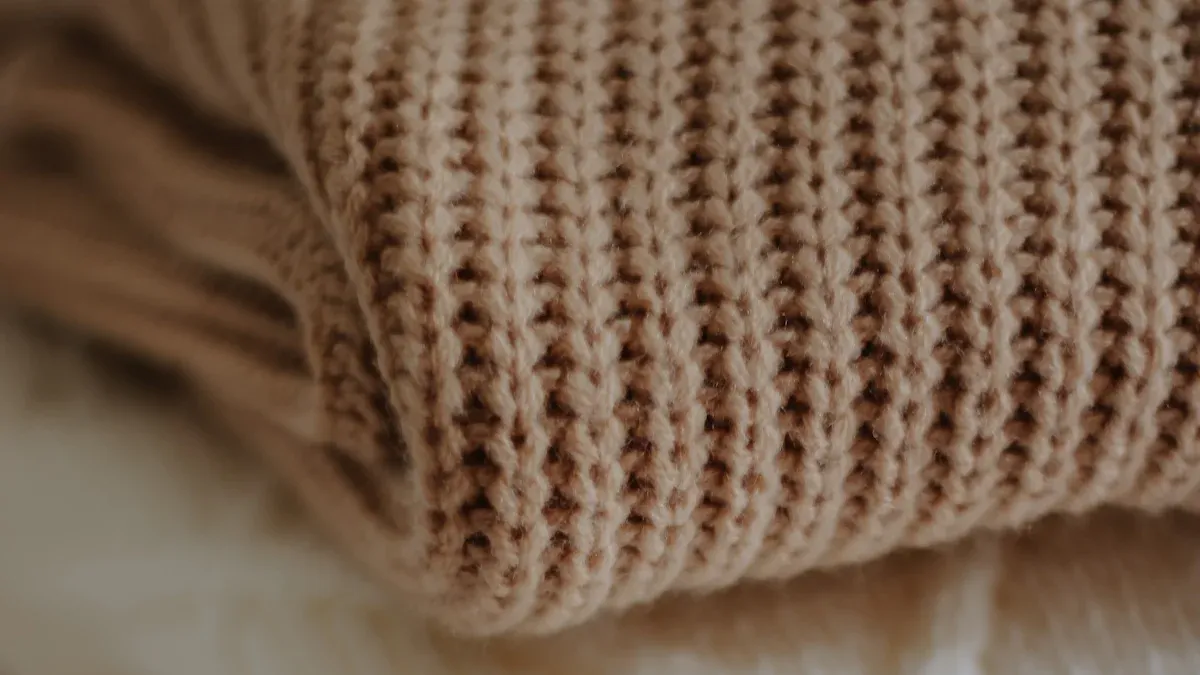
You want your custom knitwear to stay fresh and easy to clean. Some yarns make this simple. If you pick yarns that handle machine washing, you save time and effort. You can look for blends like cotton and acrylic, or yarns made from superwash wool. These fibers keep their shape and color after many washes.
Here’s a quick guide to yarns that make care a breeze:
|
Yarn Name |
Fiber Composition |
Care Instructions |
|---|---|---|
|
Comfy Worsted |
Cotton and Acrylic Blend |
Machine washable, avoid dryer for shape retention. |
|
Brava Worsted |
100% Premium Acrylic |
Machine washable and dryer safe, avoid extreme heat. |
|
Swish Tonal Worsted |
Superwash Wool |
Machine washable, use gentle cycle, consider garment bag to reduce wear. |
If you want knitwear that lasts, always check the label. Some yarns need gentle cycles or air drying. You can use a garment bag to protect delicate pieces. Avoid high heat in the dryer, which can shrink or damage your project.
Tip: Machine-washable yarns make life easier, especially for busy families or gifts.
Long-Term Durability
You want your knitwear to look good for years. Yarn choice plays a big role in how long your project lasts. Strong fibers resist breakage and thinning. Yarns that don’t pill keep a smooth look, even after many wears. Elastic fibers help sweaters and hats keep their shape.
Take a look at what helps your knitwear stay beautiful:
|
Factor |
Description |
|---|---|
|
Fiber Strength |
Stronger fibers resist breakage and thinning, giving garments a longer lifespan. |
|
Resistance to Pilling |
Yarns that pill less will maintain a smooth, neat appearance even after many wears. |
|
Elasticity and Shape Retention |
Elastic fibers snap back into place after being stretched, helping sweaters keep their original fit. |
You can choose plied yarns for extra strength. If you want less pilling, look for yarns with a tight twist. Wool and acrylic blends often hold up well. Elasticity matters for fitted garments. Wool snaps back into shape, so your sweater won’t stretch out.
Note: Durable yarns mean less repair and more wear. Your knitwear stays looking new longer.
Advising Clients
You want your clients to enjoy their custom knitwear for a long time. Give them simple care tips. Tell them which yarns need gentle washing or air drying. If you use machine-washable yarn, let them know it’s easy to clean. Remind them to avoid high heat and rough handling.
Here are some easy tips you can share:
-
Wash knitwear in cold or lukewarm water.
-
Use gentle detergent for delicate fibers.
-
Lay flat to dry to keep the shape.
-
Store knitwear folded, not hung, to prevent stretching.
If you include a care card with each order, your clients feel confident. They know how to keep their knitwear looking great. You build trust and show you care about their experience.
😊 Pro Tip: Clear care instructions help your clients love their knitwear for years!
Sourcing the Best Yarns
Local vs Online
You have two main ways to buy yarn: local shops or online stores. Local yarn shops let you touch and see the yarn before you buy. You can ask questions and get advice from staff. Sometimes, you find unique yarns that are not online. You also support small businesses in your area.
Online stores give you more choices. You can shop anytime and compare prices easily. Many websites offer reviews, so you learn from other knitters. Some online shops have yarns from around the world. You might find better deals or rare fibers.
Here’s a quick table to help you decide:
|
Source |
Pros |
Cons |
|---|---|---|
|
Local Shop |
Touch yarn, get advice, support local |
Limited selection, higher price |
|
Online Store |
Wide variety, shop anytime, reviews |
Can’t touch yarn, shipping wait |
Tip: Try visiting a local shop for your first project. You learn a lot by seeing yarn in person. For special fibers or bulk orders, online shopping works well.
Ethical Choices
You want to feel good about your yarn. Many knitters care about where their yarn comes from. You can choose yarns that are eco-friendly or fair trade. Some brands use organic fibers. Others make sure workers get fair pay.
Look for these signs when you shop:
-
Labels that say “organic,” “fair trade,” or “cruelty-free.”
-
Yarns made from recycled materials.
-
Brands that share their sourcing story.
You help the planet when you pick ethical yarns. You also support fair working conditions. If you care about animals, choose yarns that use humane practices. Ask questions at your local shop or read about brands online.
🌱 Note: Ethical yarns may cost more, but you make a positive impact with every project.
Budgeting
You want great yarn, but you also want to save money. Start by setting a budget for your project. Write down how much you can spend. Check the yarn requirements in your pattern. Buy only what you need.
Here are some ways to stretch your budget:
-
Shop sales or use coupons.
-
Try yarn blends instead of pure luxury fibers.
-
Buy in bulk for big projects.
-
Use leftover yarn for small items.
You can find quality yarn at every price point. Compare brands and fiber types. Sometimes, a less expensive yarn works just as well. If you plan ahead, you avoid running out of yarn or spending too much.
😊 Pro Tip: Keep a yarn journal. Write down prices, brands, and your favorite finds. You save money and make smarter choices for future projects.
Final Yarn Selection Checklist
Review Steps
You want to feel confident before you start knitting. A quick review helps you avoid mistakes and keeps your project on track. Here’s a simple checklist you can follow:
-
Check Fiber Content
Make sure the yarn matches your design. Wool works well for warmth. Cotton feels cool and soft. Synthetic blends offer easy care and durability. -
Look at Yarn Weight and Texture
Yarn weight changes how thick or thin your garment feels. Texture affects drape and comfort. Pick the weight and texture that fit your project. -
Select Colors Carefully
Choose colors that match your vision. Check if the dye is consistent across all skeins. This helps your finished piece look even and professional. -
Test Yarn Performance
Knit a small swatch. Wash it and see how it holds up. Does it stretch, shrink, or pill? You want yarn that stays strong and looks good after wear.
📝 Tip: Take your time with these steps. Rushing can lead to problems later.
Questions to Ask
Asking the right questions helps you make smart choices. You want your knitwear to look great and last. Here are some questions you can use:
-
Will this yarn feel comfortable for the person who will wear it?
-
Does the yarn need special care, like hand washing or air drying?
-
Is the color stable, or will it fade after washing?
-
Will the yarn show off the stitch pattern you plan to use?
-
Is the yarn strong enough for everyday wear?
-
Does the yarn fit your budget and timeline?
You can ask these questions at the yarn shop or when you order online. The answers help you pick the best yarn for your project.
🤔 Note: If you’re unsure, ask for advice. Shop staff and online reviews can guide you.
Documenting Choices
Keeping track of your yarn choices makes future projects easier. You can write down details in a notebook or use a digital app. Here’s a simple table you can copy:
|
Project Name |
Yarn Brand |
Fiber Content |
Weight |
Color |
Care Instructions |
Notes |
|---|---|---|---|---|---|---|
|
Cozy Scarf |
Malabrigo |
100% Merino |
Worsted |
Blue |
Hand wash, dry flat |
Soft, good drape |
You can add photos or swatches to your notes. This helps you remember what worked well and what you might change next time. If you share your work with clients, clear records show your professionalism.
📒 Pro Tip: Documenting your choices saves time and helps you build your own yarn library. You’ll make better decisions with every project.
Choosing the right yarn makes your custom knitwear shine. You set the stage for comfort, style, and durability. Try these expert tips on your next project. You might discover a new favorite fiber or brand. Got a story or question? Drop it in the comments below. Your experience helps others learn. Keep exploring new yarns and techniques. Every project teaches you something new. 😊
FAQ
What yarn is best for beginners?
You should try medium-weight yarns like worsted. They are easy to handle and show stitches clearly. Cotton and acrylic yarns work well for practice. You will find them in most craft stores.
How do I know if a yarn is soft enough for sensitive skin?
Touch the yarn before you buy it. Look for labels that say “hypoallergenic” or “baby” yarn. Cotton, bamboo, and some acrylics feel gentle. Ask for a sample if you shop in person.
Can I mix different yarn brands in one project?
Yes, you can mix brands. Make sure the yarns have the same weight and fiber type. Always knit a swatch to check how they look and feel together.
How much yarn do I need for a sweater?
Sweater size and yarn weight change the amount you need. Most adult sweaters use 800–1500 yards. Check your pattern for details. Buy an extra skein to be safe.
What should I do if my yarn pills?
Pilling happens when fibers rub together. You can use a fabric shaver or a sweater stone to remove pills. Choose tightly spun yarns next time for less pilling.
Is hand-dyed yarn worth the price?
Hand-dyed yarn gives you unique colors and patterns. It costs more, but your project will stand out. If you want something special, try it for small projects first.
How do I store leftover yarn?
Wind leftover yarn into neat balls or cakes. Store them in a cool, dry place. Use clear bins or bags so you can see your colors. Label each yarn with its brand and fiber.
Can I wash all yarns in the machine?
No, not all yarns are machine washable. Check the label first. Superwash wool, cotton, and acrylic usually go in the washer. Hand wash delicate fibers like alpaca or silk.