
Mohair Knitwear – Luxurious Shine & Strength for Modern Collections

Introduce mohair as a premium fiber known for its silky sheen, resilience, and versatility across sweaters, hoodies, cardigans, and more.

What is Mohair?

mohair fabrics

Mohair is a luxury fiber obtained from the Angora goat, primarily raised in South Africa and Texas. Valued for its natural sheen, elasticity, and lightweight strength, it combines softness with durability. Compared to wool, mohair is warmer and shinier, while offering greater resilience than cashmere, making it ideal for premium knitwear collections.

  • Origin: Derived from the Angora goat, raised mainly in South Africa and Texas.

  • Fiber properties: Lustrous sheen, natural elasticity, strong yet lightweight.

  • Distinction: Warmer and shinier than wool, more durable than cashmere, highly resistant to wrinkles and felting.

Check Widely Used Fabric

Fabric Knowledge

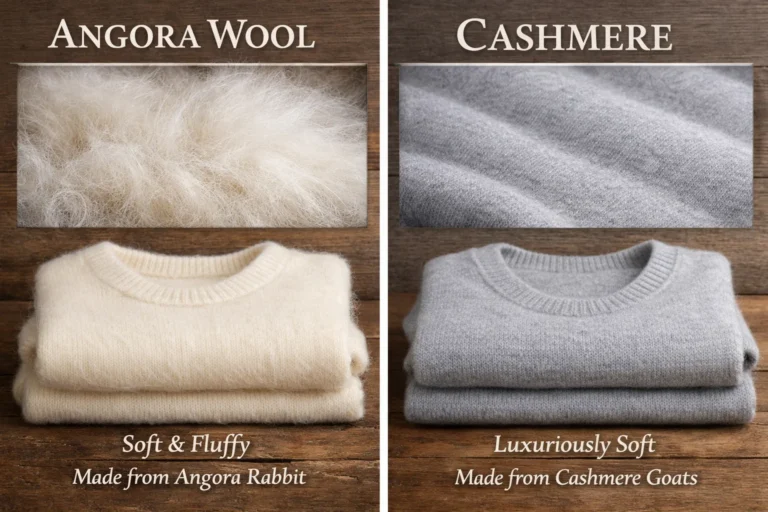
Angora Wool or Cashmere Which Keeps You Warmer
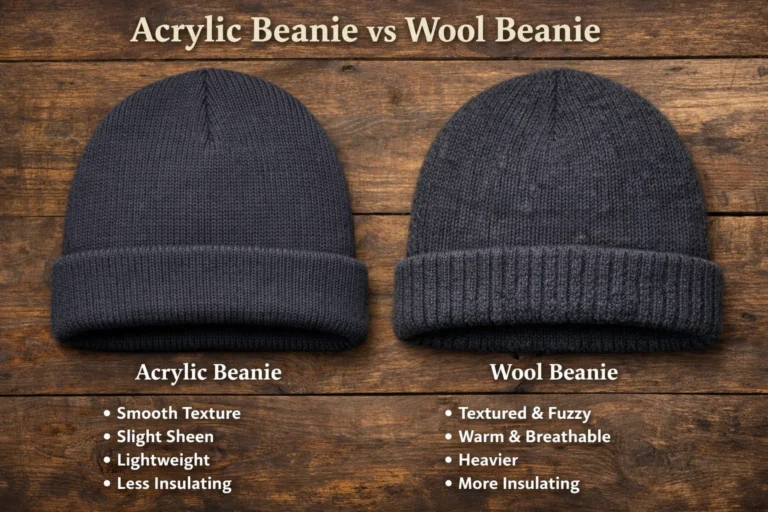
Acrylic Beanie or Wool Beanie Which Keeps You Warmer
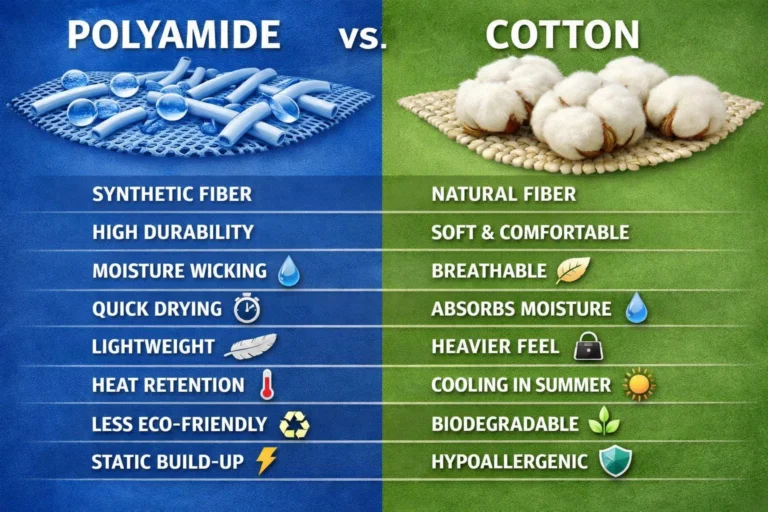
Polyamide or Cotton Which Is Best for Everyday Wear
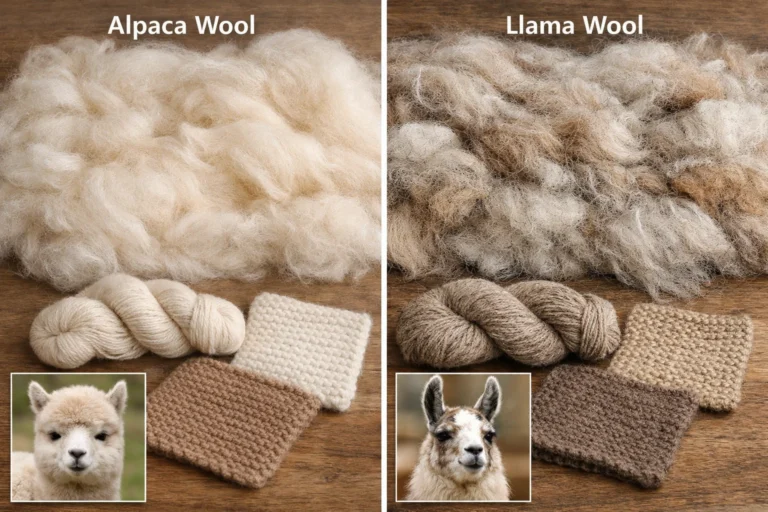
Alpaca vs Llama Wool Which Is Softer and Warmer
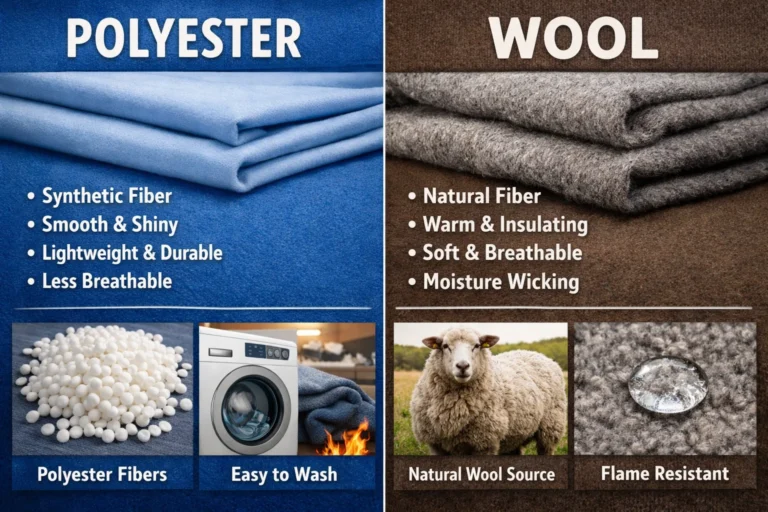
Polyester vs Wool Which Fabric Breathes Better
How to Choose Between Muslin and Cotton for Your Next Project
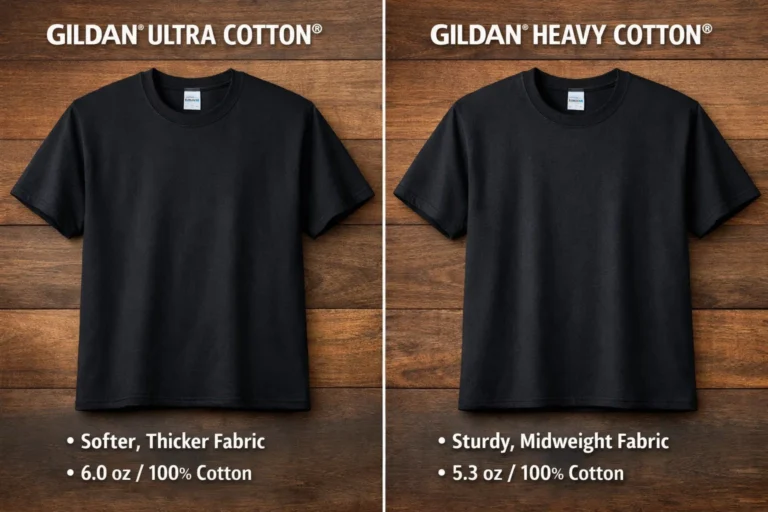
How to Choose Between Gildan Ultra Cotton and Heavy Cotton
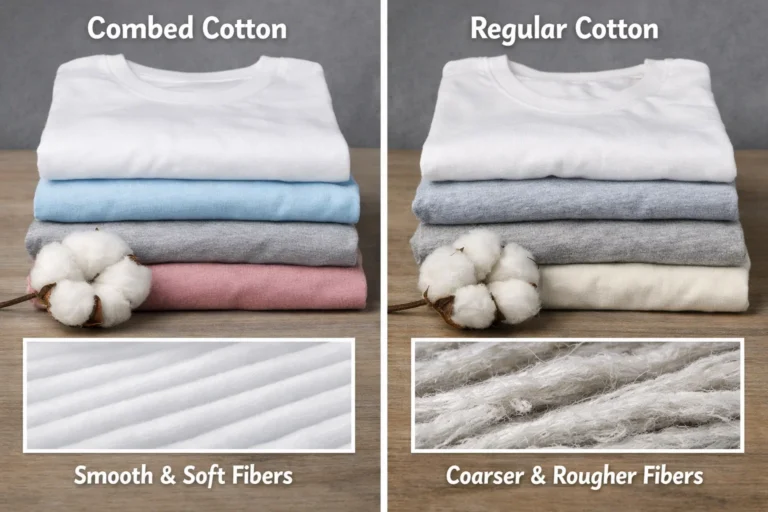
Combed Cotton Versus Regular Cotton Which Is Best for You
Poplin vs Cotton What Makes Them Different
Cotton vs Acrylic Yarn Made Simple for Beginners
Picture of Azknit Expert

Azknit Expert

Bring Your Design Idea to Real Life

Scuba Fabric 101: Composition, Benefits, and Style Applications
What Is Gauze Fabric and Why Is It So Popular
What is mohair and where does it come from
How to Choose Between Gildan Ultra Cotton and Heavy Cotton
What is Viscose and How is it Made in 2025
Modal Fabric Origins and Composition – Everything You Need to Know
How Big is a Yard of Fabric Compared to Common Objects
Viscose or Cotton Which Fabric Suits Your Needs Best
Poplin vs Cotton What Makes Them Different
What is Polyester and How is it Made in 2025

Mohair Knitwear Styles

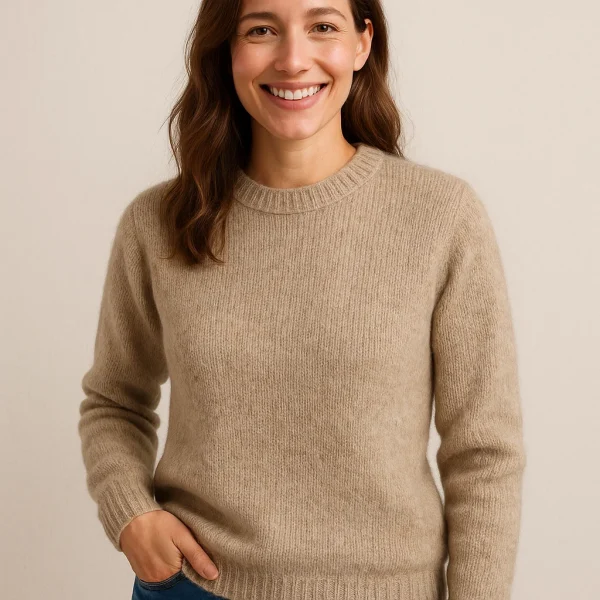
Mohair Sweaters

mohair sweater brown
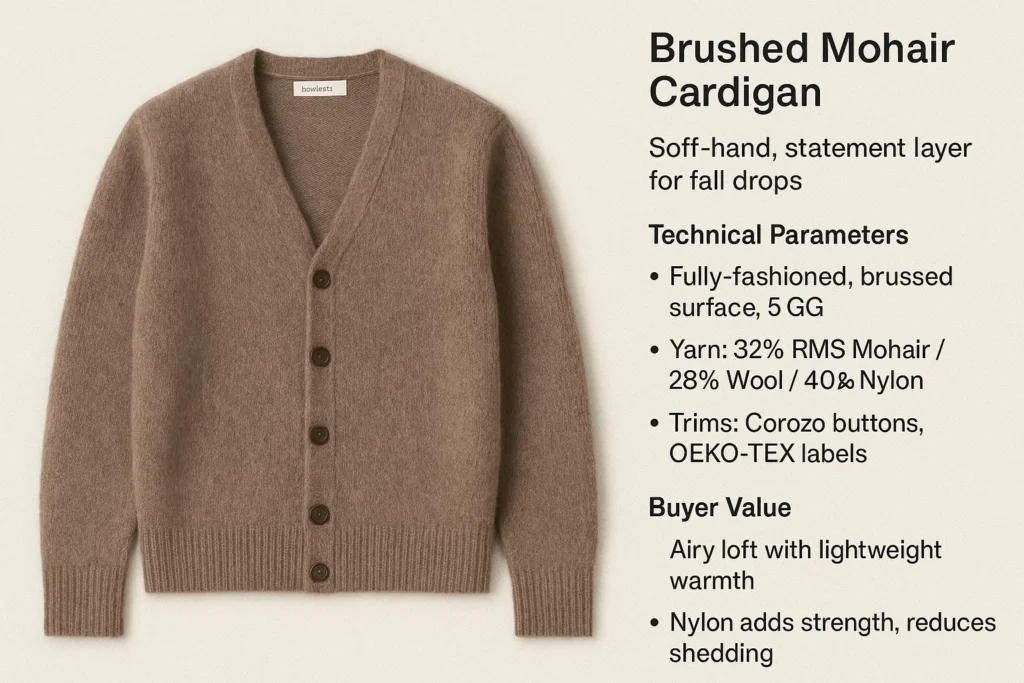
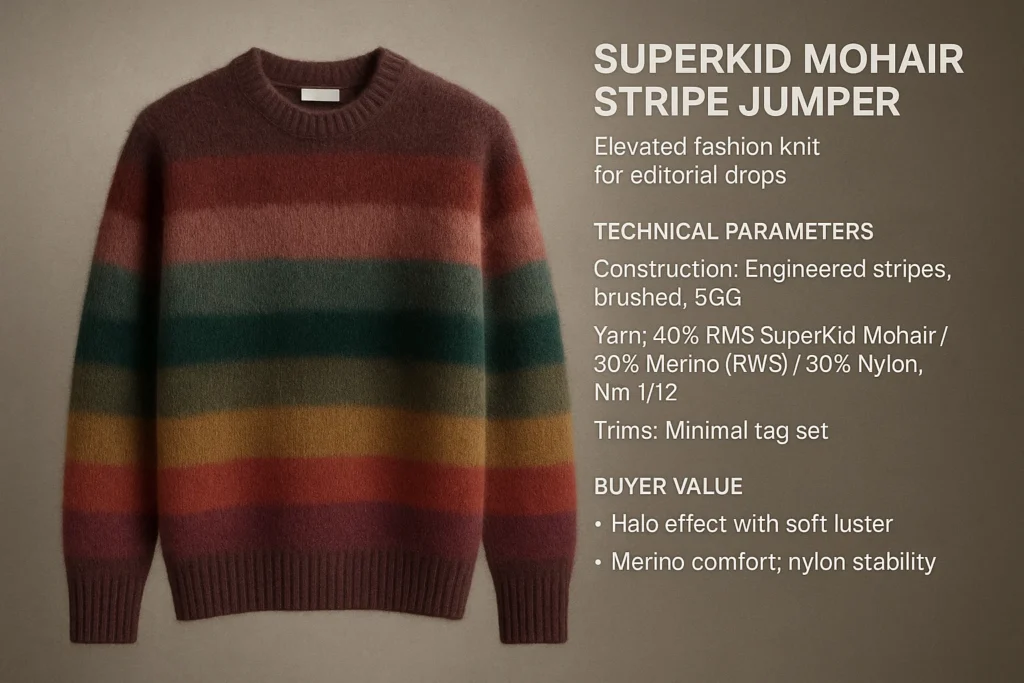
  • Brushed halo finish

  • 5–12GG loft effect

  • Fully fashioned seams

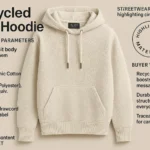
Mohair Hoodies

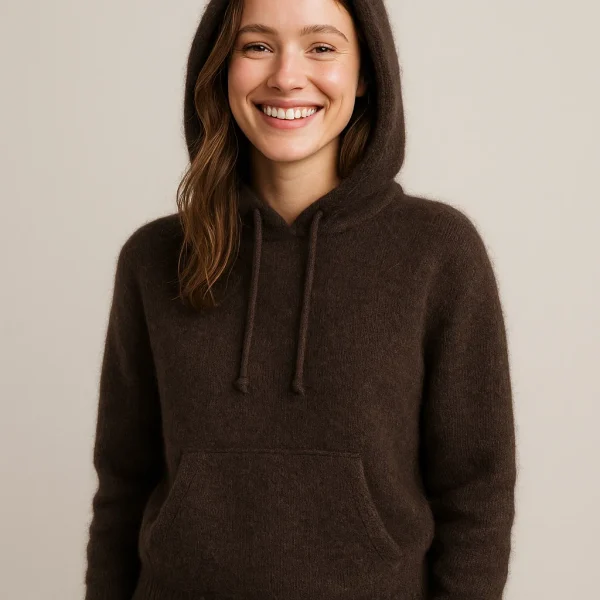
mohair dark brown hoodies
  • Flat-bed knitting

  • Double-layer hood

  • Seamless option

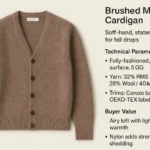
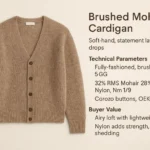
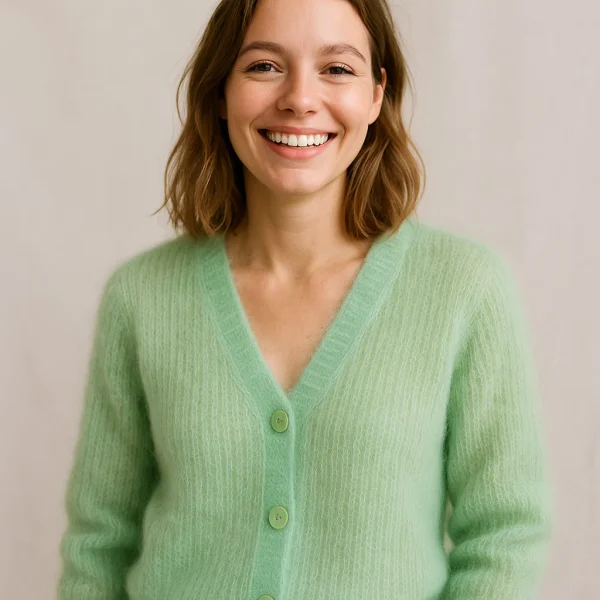
Mohair Cardigans

mohair cardigan
  • Linked plackets

  • Mohair/nylon blends

  • Anti-pilling finish

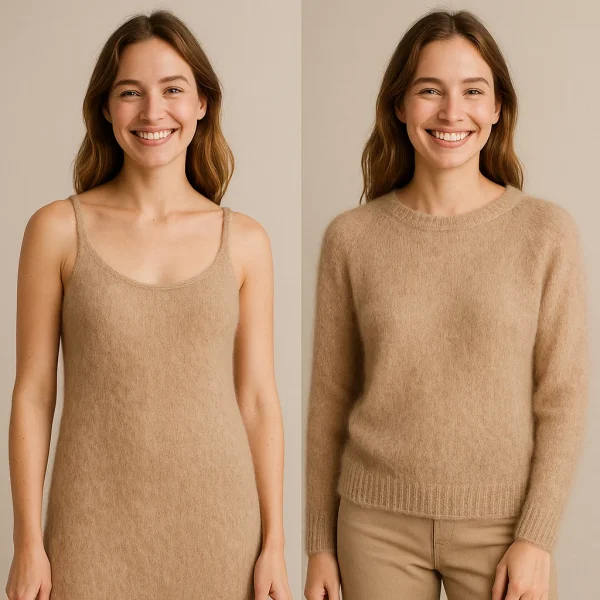
Mohair Dresses

mohair dresses tops
  • Seamless WholeGarment

  • Silk/nylon blends

  • Steamed & brushed

Mohair Tops

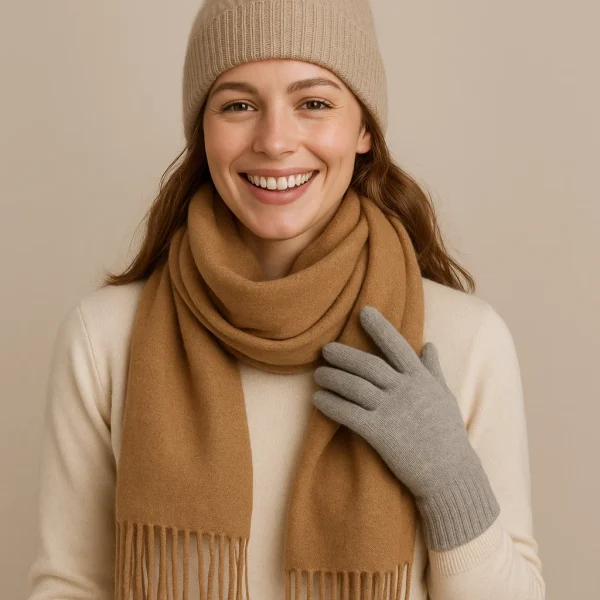
cashmere accessories
  • Fine 12–16GG

  • Even yarn spinning

  • Flat/overlock seams

Mohair Jumpers

alpaca jumpers
  • Intarsia/jacquard

  • Rib trims

  • Pre-shrunk/steamed

Mohair Technical Parameters

ParameterDetail Example
Fiber Diameter23–38 microns (depending on grade/age)
GradesKid Mohair (finest), Young Goat, Adult Mohair
Yarn Count (Nm)2/28, 2/32, 2/44
Gauge Options3GG, 5GG, 7GG, 12GG
BlendsMohair + Wool, Mohair + Nylon, Mohair + Silk
Colors & DyeingWide range, vivid dye absorption
CertificationsOEKO-TEX, RMS (Responsible Mohair Standard)


Azknit - Premium Custom Knitwear Supplier

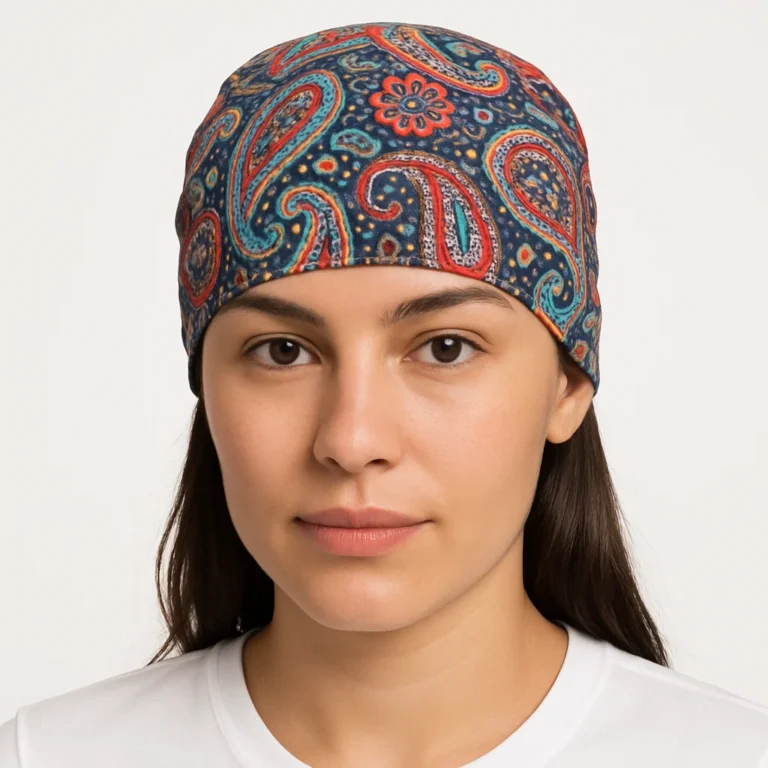
custom-seamless-bandana
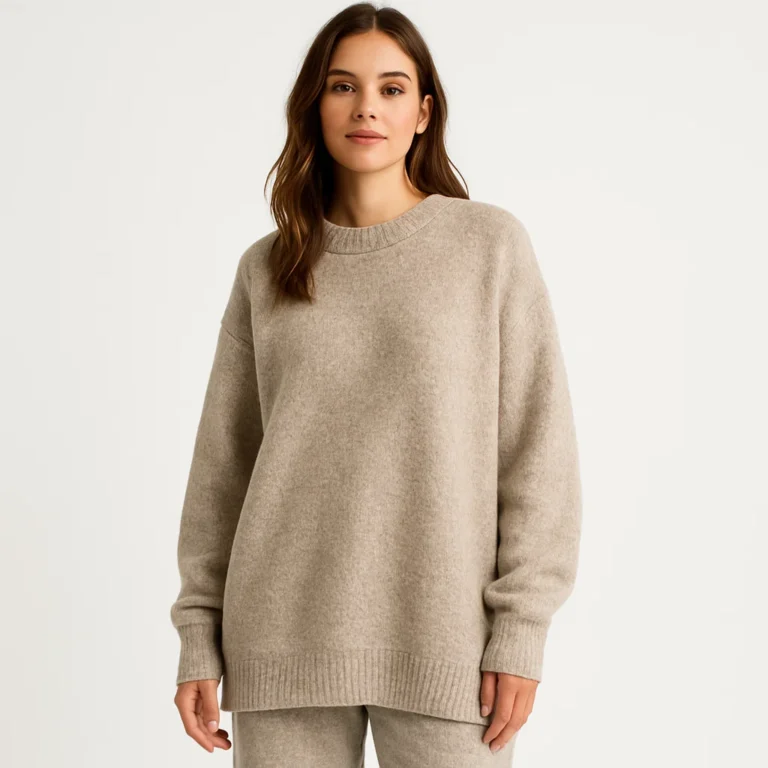
fall-pullover-sweaters
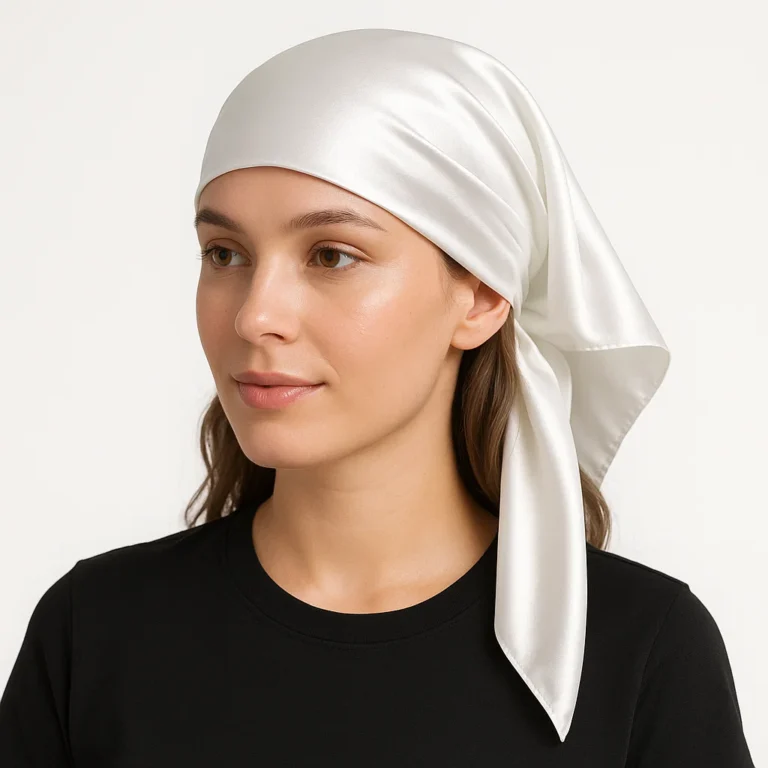
silk-feel-polyester-bandana
mens-long-sleeve-knit-shirts
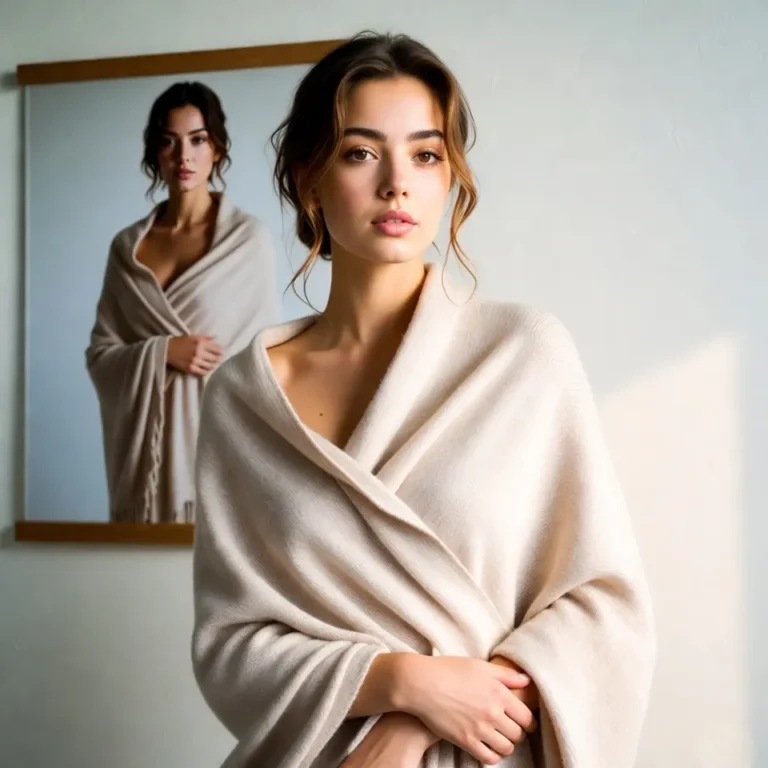
cashmere-wool-blend-wrap

Mohair Case Studies

Mohair FAQs

Both are premium animal fibers, but they serve different purposes in knitwear. Mohair, from the Angora goat, has a lustrous sheen, greater elasticity, and stronger resilience against wear. Cashmere, from the undercoat of goats in Mongolia and the Himalayas, is softer and finer, but less durable. Many brands use mohair for statement knits and cashmere for ultra-soft luxury basics.

Yes, blending mohair with fibers like wool, nylon, or silk enhances stability and reduces surface shedding. This approach maintains the signature halo effect of mohair while improving garment durability and shape retention, which is especially important for large retail orders.

For most mohair styles, our standard MOQ starts at 100 pieces per design, per color. However, for premium or blended yarns, we can discuss flexible solutions for smaller trial runs or capsule collections, helping brands test the market without overstock risk.

Yes, we can provide Responsible Mohair Standard (RMS) certified yarns upon request. This certification ensures that the mohair is ethically sourced, traceable, and meets sustainability requirements—giving your brand a strong foundation for eco-conscious marketing and compliance.

All dyed yarns undergo laboratory tests for colorfastness to washing, rubbing, and light exposure. We provide lab dips for buyer approval before bulk dyeing, ensuring consistent shade across production. This process minimizes color variation and meets the quality standards expected by international retail brands.

Picture of Azknit Expert

Azknit Expert

Bring Your Design Idea to Real Life

What color bra to wear under white
Can a cardigan be smart casual?
Can hoodies shrink in the dryer?
Where is alpaca located?
How should a dress shirt fit?
When is a dress considered too short for business wear?
Are Brooks Brothers shirts good
Where is the Ralph Lauren outlet?
Where are hoodies most popular?
Why is Tommy Hilfiger so popular?

Mohair Blends

Bring Mohair Knitwear to Your Collection

Position your factory as a trusted OEM/ODM partner specializing in sustainable mohair knitwear.

Latest Blogs

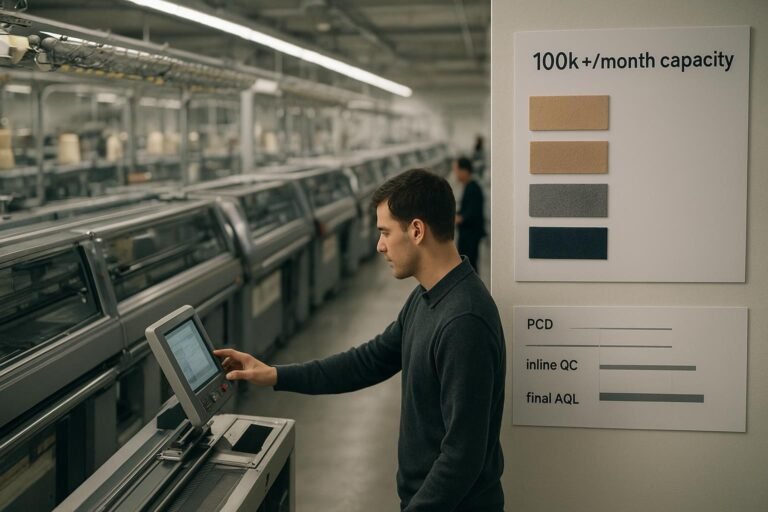
High-volume knitwear factory floor with parallel flat knitting machines and QC milestones visualized
Enterprise buyer’s ultimate guide to selecting a knitwear manufacturer for large orders (50,000+ units)
Comprehensive guide to selecting a knitwear manufacturer for large orders—prove 100k+ capacity, optimize...
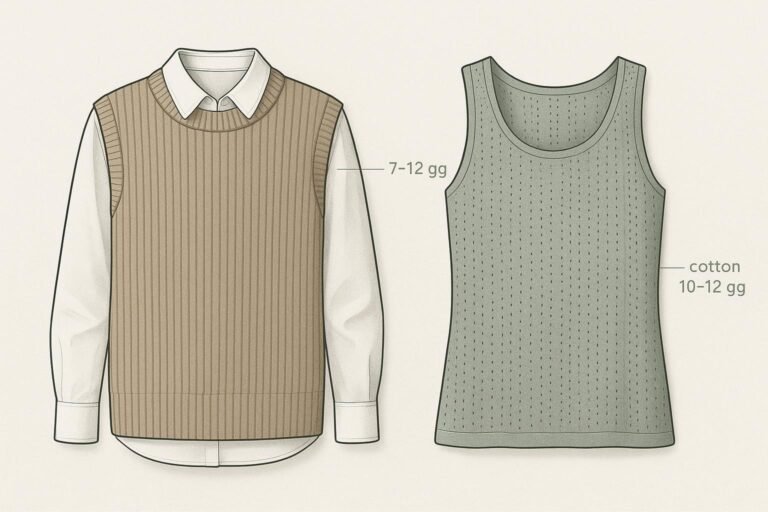
Editorial technical cover illustration of a women’s ribbed sweater vest (7–12 gg) and a cotton knit tank top with openwork, showing trim callouts.
2026 Women’s Sleeveless Knitwear: Trend & Merchandising Guide for Sweater Vests (7–12 gg) and the Knit Tank Top
Comprehensive 2026 guide for sourcing, specs, and merchandising of knit tank top and 7–12 gg sweater...
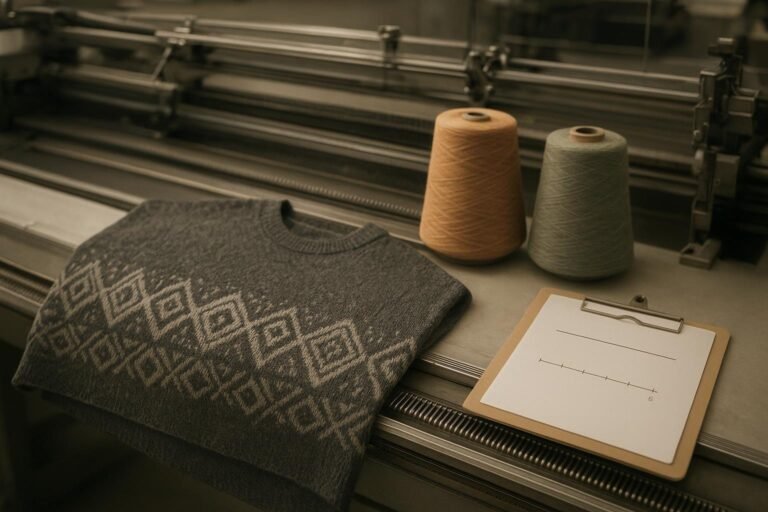
Flat knitting of a poncho-style sweater panel with digital jacquard on a factory machine, yarn cones nearby
Poncho Sweater Manufacturing: The Complete DTC Guide
Complete guide to designing, sourcing, and manufacturing poncho sweaters for DTC brands—sampling, 5G...
Knitwear production timeline with 3–5 day sampling and ≈3-week bulk lead time visualized on a Gantt chart
OEM vs ODM Knitwear: Comparison and Lead Time Guide
Comprehensive guide comparing OEM vs ODM knitwear manufacturers, lead times, 3–5 day sampling, ≈3‑week...
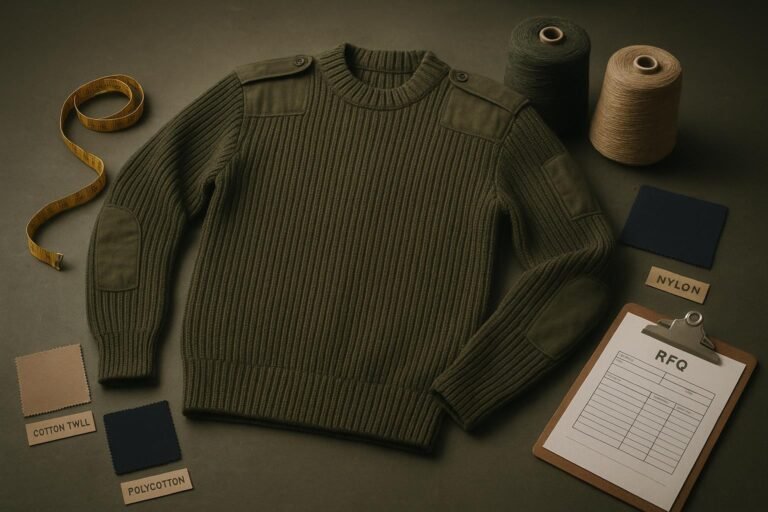
Photorealistic army-style commando sweater with reinforcement patches on a sourcing worktable
Commando Sweaters (Military/Army-Style): Procurement, Specifications, and OEM/ODM Manufacturing Guide
Comprehensive OEM/ODM ultimate guide to commando sweater specs, sourcing, sampling timelines, MOQs, and...
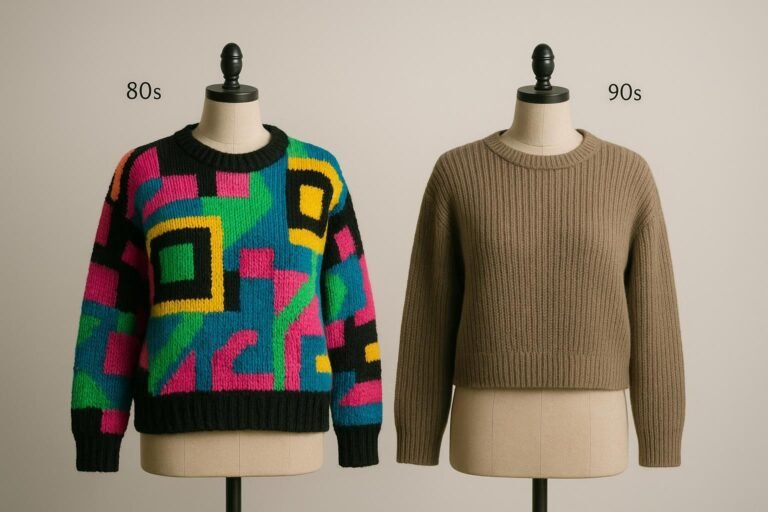
Side-by-side 80s graphic intarsia sweater and 90s minimalist ribbed sweater on dress forms
80s vs 90s Sweaters (2026): A Buyer’s Guide from Sampling to Mass Production
Compare 80s vs 90s sweaters—yarns, gauges, intarsia vs jacquard, sampling-to-bulk timelines, MOQs, and...
From sketch to sweater – AZ Knit brings ideas to life.