
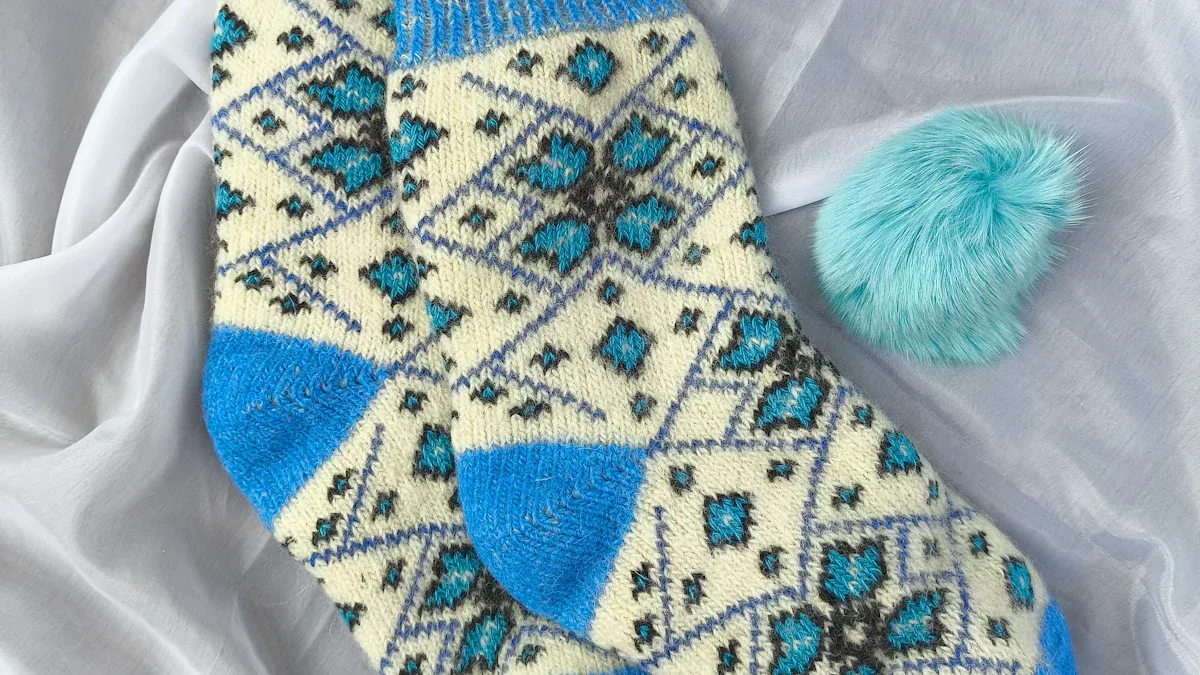
Fair Isle vs Tapestry Crochet are two techniques for creating colorful designs, both utilizing stranded colorwork. In Fair Isle, the yarn not in use is kept behind your work, creating floats. In contrast, Tapestry Crochet encloses the unused yarn within each stitch, resulting in a different aesthetic. Understanding these distinctions can help you select the best method for your project. Here’s a comparison table highlighting how each technique influences your work:
Technique | Description | Characteristics |
|---|---|---|
Fair Isle | You switch colors to create patterns or images with yarn. | It stretches more than Tapestry Crochet, resulting in a less stiff fabric. Unused yarn remains behind your work as floats. |
Tapestry Crochet | You use multiple colors simultaneously, with unused yarn hidden. | It produces a thick, strong fabric with detailed color patterns, typically using fewer colors. |
By knowing the differences between Fair Isle vs Tapestry Crochet, you can make informed decisions based on your project, skills, and desired appearance. Both methods allow for the creation of beautiful pieces!
Key Takeaways
Fair Isle knitting has yarn floats behind the fabric. This makes the fabric stretchy and warm. It works well for sweaters and hats.
Tapestry crochet hides unused yarn inside each stitch. This makes the fabric thick and strong. It is great for bags and baskets.
Both methods let you make colorful patterns. Fair Isle usually uses two colors in each row. Tapestry crochet can use two or three colors.
You must control tension in both styles. Keep floats loose in Fair Isle. Make sure hidden yarn in tapestry crochet does not show.
You need to practice! Try small projects first. This helps you get better at Fair Isle or tapestry crochet.
Think about what you want to make. Pick Fair Isle for soft and stretchy things. Choose tapestry crochet for tough and firm items.
Use community help like online videos and local classes. These can help you learn colorwork and meet other people who craft.
Try both methods. See which one you like best. Pick the style that matches your ideas.
Fair Isle Knitting Basics
Origins
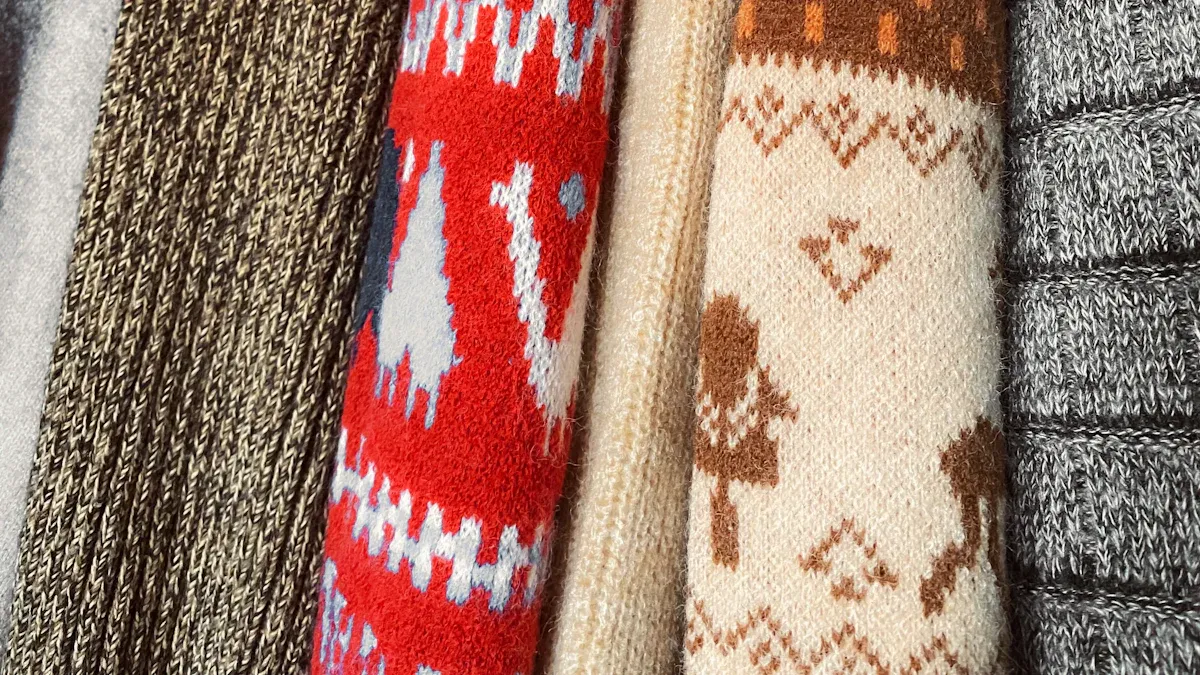
You might wonder where the fair isle technique comes from. This colorful knitting style began on the Shetland Islands, especially on Fair Isle itself. People there started using this stranded colorwork technique in the early 19th century. Trade routes brought new yarns and chemical dyes to the islands, which inspired knitters to create bright, multicolored garments. These clothes kept islanders warm and made the most of their yarn supply. The technique became famous in 1921 when Prince Edward VIII wore a fair isle vest. After that, the world noticed this unique style, and it moved from a local craft to a global trend.
Technique
The fair isle technique stands out because of how you handle multiple yarns at once. You use two or more colors in each row to make beautiful patterns. Let’s break down how this technique works.
Yarn Floats
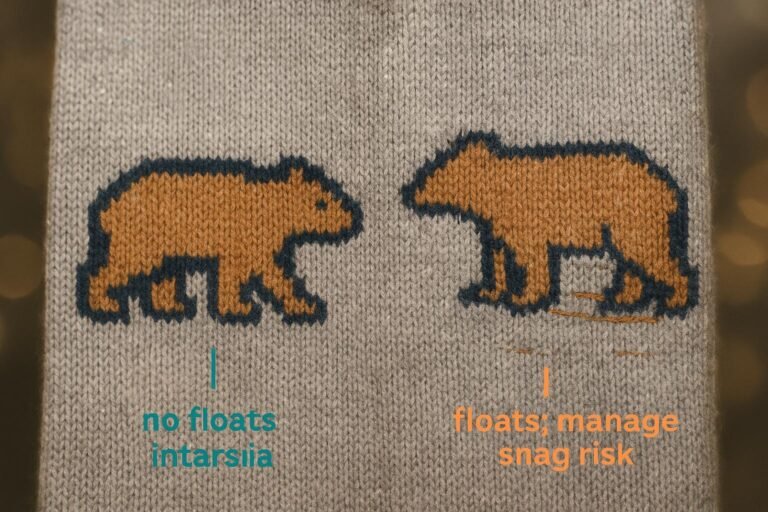
When you knit with this technique, you carry the yarn you are not using behind your work. This creates what knitters call “floats.” You need to pay attention to the tension of these floats. If you pull the yarn too tight, your fabric will pucker. If you leave it too loose, the floats might snag. The trick is to let the unused yarn rest gently behind the stitches. With practice, you will find the right balance. Blocking your finished piece helps even out the stitches and makes your patterns look crisp.
Color Changes
Switching colors is a big part of the fair isle technique. You hold one color in each hand or use both in one hand, depending on what feels comfortable. Here’s a simple way to do it:
Knit with your main color until you reach the spot for a color change.
Drop the first yarn and pick up the second color.
Make sure the float behind the work is not too tight.
Continue knitting, following your chart or written instructions for the pattern.
Practice makes perfect—your color changes will get smoother over time.
Uses
You can use the fair isle technique for many types of projects. Sweaters like the Clayoquot Cardigan or North Shore Pullover show off bold patterns. Mittens, such as the University Mitts, and slippers like the Dogwood Slippers, also look great with this technique. You will find both unisex and women’s versions of popular pullovers, plus cardigans that use these colorful patterns. This technique lets you create eye-catching designs that stand out in any wardrobe.
Pros and Cons
When you try Fair Isle knitting, you’ll notice it comes with both perks and challenges. Let’s break them down so you know what to expect before you start your next project.
Here’s a quick look at the main advantages and disadvantages:
Advantages | Disadvantages |
|---|---|
Excellent stitch definition | Tighter tension and thicker fabric |
Natural elasticity keeps tension even | Beginners may see uneven colorwork |
Wool blends stay warm and hold shape | Long floats need extra care and can show |
Pros
Fair Isle knitting gives you crisp, clear patterns. The stitch definition stands out, so your colorwork looks sharp and professional. You’ll love how the natural elasticity of the fabric helps keep your tension even. This means your finished piece will stretch and bounce back, which is great for hats, sweaters, and mittens. Wool blends work especially well for Fair Isle. They stay warm, hold their shape, and make your projects last longer. If you want to create classic, eye-catching designs, Fair Isle is a top choice.
Cons
Fair Isle does have a few tricky parts. The fabric can feel thicker and tighter than other knitting styles. This happens because you carry extra yarn behind your stitches. If you’re new to colorwork, you might notice your patterns look uneven at first. Don’t worry—practice helps! One of the biggest challenges is managing the floats. These are the strands of yarn that run behind your work when you switch colors. If you pull the floats too tight, your fabric will pucker and lose its stretch. If you leave them too loose, the stitches can look sloppy or even snag. Keeping your tension just right takes time and patience.
Tip: Try to keep your floats relaxed but not droopy. Consistent tension across both hands makes your colorwork look smooth and even. Firmly spun yarns can help you get better results because they hold their shape and make it easier to control your stitches.
You also need to pay attention to the length of your floats. Long floats can catch on fingers or jewelry, especially on the inside of mittens or sleeves. Some knitters twist the yarns together every few stitches to keep the floats shorter and more secure. This adds a little extra work, but it makes your finished piece more durable.
Fair Isle knitting rewards you with beautiful, traditional patterns. You get a warm, stretchy fabric that stands up to wear. But you’ll need to practice your tension and float management to get the best results. If you stick with it, you’ll see your skills improve with every project!
Tapestry Crochet Overview
History
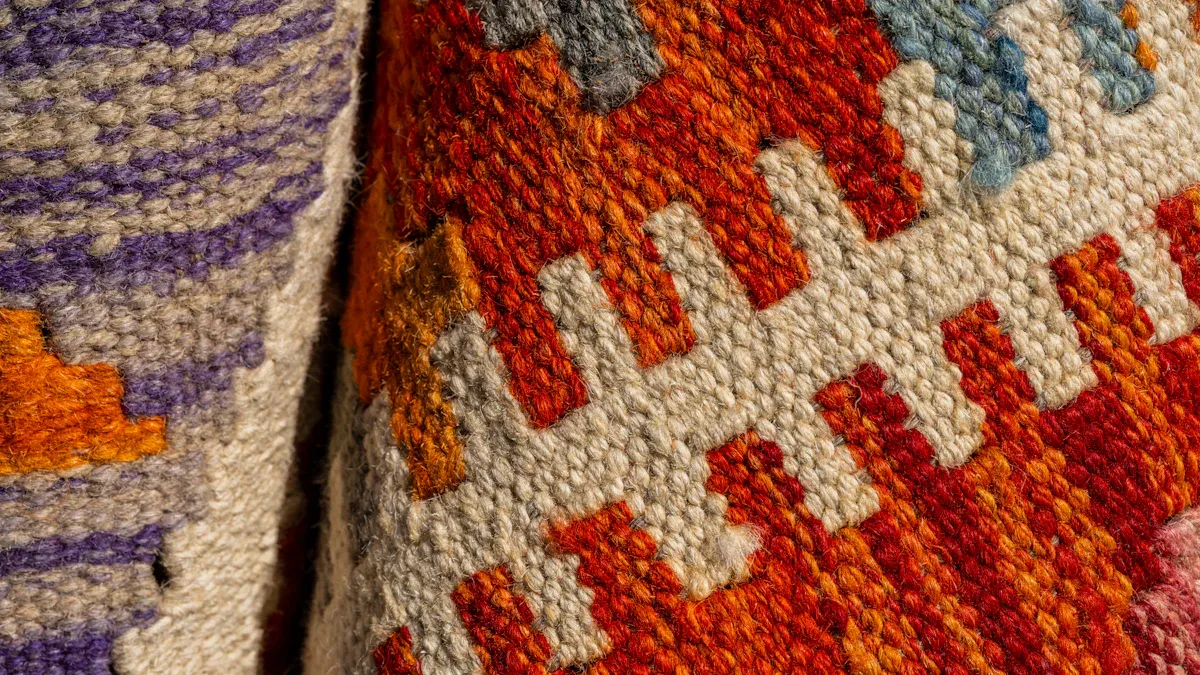
You might be surprised by how far tapestry has traveled. Tapestry crochet has roots in many cultures. People in the Americas started with looped bags and gloves, using tight single crochet stitches and carrying colors along. In Europe, you see tapestry styles like back loop half-double crochet and double crochet, especially in Turkey. African tapestry hats show social position or ethnic identity. Sometimes, extra fibers make these hats stiff and strong. In the Middle East, Jewish kippot use tight single crochet and beautiful motifs. Over time, tapestry spread worldwide. The internet and books helped people share new ideas and techniques. Now, you can find beadwork and felted tapestry projects that show just how creative this craft can be.
Here’s a quick look at how tapestry crochet evolved in different regions:
Region | Techniques and Innovations |
|---|---|
Americas | Looped bags, gloves, and tight single crochet with carried colors. |
Europe | Back loop half-double crochet and double crochet, especially in Turkey. |
Africa | Hats for social status or ethnic identity, sometimes with extra fibers for stiffness. |
Middle East | Jewish kippot made with tight single crochet and decorative motifs. |
Globalization | Internet and publications inspire new tapestry techniques and uses. |
Tapestry is more than just a craft. It tells stories and shares traditions from around the world.
Technique
Enclosed Yarn
When you work tapestry crochet, you use more than one color at a time. You crochet over the yarn you are not using, hiding it inside each stitch. This keeps your fabric neat and strong. You never see loose strands or floats on the back. Here’s how you do it:
Place the second yarn on top of the previous row.
Crochet with the first yarn over the second yarn.
Hold the unused yarn with your left hand to make it easier to insert your hook.
Change colors when you have two loops on your hook.
Make sure the hidden yarn does not peek out on either side.
If you see yarn showing, gently pull the inside yarn before changing colors. Do not pull too hard, or your project will get narrow.
Crochet over the unused yarn in every stitch. This keeps your tapestry smooth and prevents floats.
You decide which side is the right side. Hold the second yarn in front or behind, depending on where you start. With practice, you get a clean look and a sturdy fabric.
Color Patterns
Tapestry lets you create bold designs. You follow a chart or written pattern, switching colors as you go. You can make geometric shapes, stripes, or even pictures. The enclosed yarn technique helps you keep your colorwork crisp. You do not have to worry about loose strands or uneven tension. Your tapestry stays thick and strong, perfect for items that need to hold their shape.
Uses
You can make many things with tapestry crochet. Guatemalan handbags show off bright colors and strong stitches. Rasta hats and West African hats use tapestry for style and meaning. Israeli yarmulkes feature detailed motifs. You can also create baskets that last a long time. Tapestry works well for items that need to be sturdy and beautiful.
Tip: Try tapestry for bags, hats, or baskets. You get a thick, durable fabric and endless design options.
Tapestry crochet gives you a way to explore color and tradition. You learn new skills and make items that stand out.
Pros and Cons
Tapestry crochet brings a lot to the table. You get a unique way to play with color and texture, but you also face a few challenges. Let’s break down what you can expect when you try this technique.
Here’s a quick look at the main pros and cons:
Pros | Cons |
|---|---|
Strong, sturdy fabric | Fabric can feel stiff |
No loose floats on the back | Uses more yarn than regular crochet |
Crisp, detailed color patterns | Color changes may show through |
Great for bags, baskets, and hats | Limited stretch compared to knitting |
Easy to follow charts and motifs | Carrying many colors can get bulky |
Pros
You’ll love how tapestry crochet creates a strong and sturdy fabric. When you enclose the yarn within each stitch, you hide all the loose strands. This means you never have to worry about snagging floats on the inside of your project. Your bags, baskets, and hats will hold their shape and last a long time.
The colorwork in tapestry crochet stands out. You can make crisp, detailed patterns that look just as good on the inside as they do on the outside. Following a chart feels simple, and you can switch colors as often as you like. The fabric you create feels thick and solid, perfect for items that need to be tough.
Enclosing the yarn within the stitches does more than just hide the strands. It helps the fabric become elastic and even three-dimensional. The yarn moves and interacts with itself, so your project can expand and contract a bit. This gives your work a special texture and makes it more interesting to look at and touch.
Cons
Tapestry crochet does have a few downsides. The fabric can feel stiff, especially if you use many colors or tight stitches. You might notice that your project uses more yarn than regular crochet. Carrying extra strands inside every stitch adds bulk, which can make your work heavier.
Sometimes, the hidden yarn peeks through, especially if you use high-contrast colors. You need to watch your tension and make sure the carried yarn stays tucked away. If you carry too many colors at once, the inside of your project can get crowded and hard to manage.
Tip: Try to limit the number of colors you carry at one time. Two or three colors work best for most projects. If you want to use more, plan your color changes carefully to keep your fabric smooth.
Tapestry crochet gives you a way to make bold, beautiful designs with a sturdy finish. You get to experiment with color and shape, but you’ll need to practice your tension and yarn management. With a little patience, you’ll master this technique and create projects that stand out.
Fair Isle vs Tapestry Crochet
Stranded Colorwork Methods
When you look at fair isle vs tapestry crochet, you see two different ways to create colorful designs. Both use stranded colorwork, but the methods feel very different in your hands.
In Fair Isle knitting, you hold two or more yarns at once. You knit with one color while the other yarns float behind your work. These floats create the patterns you see on sweaters and hats. You need to watch your tension so the floats do not pull too tight or hang too loose.
Tapestry crochet takes a different approach. You crochet over the unused yarn, hiding it inside each stitch. This means you never see loose strands on the back. The yarn stays tucked away, making the fabric thicker and stronger. You follow a chart or pattern, switching colors as you go. The result is a bold, sturdy design that looks neat on both sides.
Here’s a quick comparison of the two stranded colorwork methods:
Method | How It Works | What You See on the Back |
|---|---|---|
Fair Isle Knitting | Floats carried behind the stitches | Strands of yarn (floats) |
Tapestry Crochet | Unused yarn enclosed inside each stitch | No floats, just solid fabric |
Tip: If you want a smooth back with no loose strands, tapestry crochet is your friend. If you love stretchy, classic patterns, Fair Isle might be your best choice.
Yarn Management
Yarn management is a big part of fair isle vs tapestry crochet. The way you handle your yarn changes how your project feels and looks.
In Fair Isle knitting, you let the unused yarn float behind your work. This gives you more freedom to change colors quickly. You can create detailed patterns with lots of color changes. The fabric stays stretchy and soft because the floats do not get trapped inside the stitches.
In tapestry crochet, you carry the unused yarn inside every stitch. This keeps your work neat and tidy. You never have to worry about catching floats with your fingers or jewelry. But the fabric gets bulkier and stiffer because you are always crocheting over extra yarn. You need to manage the hidden yarn carefully so it does not peek through the stitches.
Here are some things you might notice when you try each method:
Fair Isle lets you switch colors often and easily.
Tapestry crochet needs careful attention to keep the hidden yarn from showing.
Beautiful blankets made with tapestry crochet feel thick and strong, but less flexible.
Fair Isle projects stretch more and feel lighter.
Note: If you want to make a soft hat or sweater, Fair Isle’s yarn management works well. For sturdy bags or baskets, tapestry crochet gives you the strength you need.
Fabric Differences
The fabric you create with fair isle vs tapestry crochet feels very different in your hands. Stranded colorwork changes the thickness, stretch, and drape of your finished piece.
Fair Isle knitting makes a fabric that stretches and moves with you. The floats behind the stitches add a little thickness, but the fabric stays soft. You can block your project to even out the stitches and make the patterns pop. This method works well for garments like sweaters, hats, and mittens.
Tapestry crochet creates a much denser fabric. Because you enclose the unused yarn inside every stitch, the fabric becomes thick and sturdy. It holds its shape well, which is perfect for bags, baskets, and home decor. The downside is that the fabric can feel stiff and heavy, especially if you use many colors.
Let’s look at the main differences in a table:
Feature | Fair Isle Knitting | Tapestry Crochet |
|---|---|---|
Stretch | High | Low |
Thickness | Medium | Thick/Bulky |
Drape | Soft, flexible | Stiff, holds shape |
Best For | Garments, accessories | Bags, baskets, sturdy items |
When you compare fair isle vs tapestry crochet, think about what you want your project to feel like. Do you want something soft and wearable? Fair Isle gives you that. Do you need a strong, structured piece? Tapestry crochet is the way to go.
Remember: Stranded colorwork is all about choices. Try both methods and see which fabric you like best!
Colorwork Possibilities
When you dive into colorwork, you want to know what each technique can do. Fair Isle and tapestry crochet both let you play with color, but they open different creative doors.
With Fair Isle knitting, you get classic motifs. Think of snowflakes, stars, and geometric bands. You usually work with two colors per row. This keeps things simple and helps you focus on the pattern. You can create repeating designs or mix things up with more complex charts. The floats behind your work let you switch colors quickly. You see these patterns on sweaters, hats, and mittens. The fabric stays stretchy, so your colorwork looks smooth and fits well.
Tapestry crochet gives you a different kind of freedom. You can make bold shapes, pictures, and even words. The enclosed yarn means you never see loose strands. This makes it easy to use many colors in one project, but most people stick to two or three at a time for the best results. You can follow a chart just like in Fair Isle. The thick fabric holds its shape, so your designs stay crisp. Bags, baskets, and hats all look great with tapestry crochet.
Here’s a quick look at what you can do with each method:
Technique | Best For | Color Changes Per Row | Chart Use | Design Style |
|---|---|---|---|---|
Fair Isle Knitting | Repeating motifs, garments | 2 | Yes | Geometric, traditional |
Tapestry Crochet | Pictures, bold shapes, decor | 2–3 (sometimes more) | Yes | Graphic, modern |
Tip: Both techniques use color grid charts. This means you can take a Fair Isle knitting pattern and use it for tapestry crochet. The color management is similar, so you can switch between crafts without much trouble. If you’re new to colorwork, starting with two colors per row makes things easier.
You can adapt Fair Isle patterns for tapestry crochet projects. The grid charts work for both. You just need to remember that the finished fabric will feel different. Knitted Fair Isle stretches more, while tapestry crochet feels thicker and stiffer. Try both and see which style fits your project best!
Choosing Your Colorwork Technique
Project Suitability
When you pick a colorwork method, think about what you want to make. Some techniques work better for certain projects. Fair Isle knitting shines when you want to create classic sweaters, hats, or mittens. The fabric feels stretchy and soft, which makes it perfect for garments. Tapestry crochet gives you a thick, sturdy fabric. You might choose this for bags, baskets, or home decor. If you want your project to hold its shape, tapestry crochet colorwork is a great choice.
Here’s a quick table to help you decide:
Factor | Fair Isle Knitting | Tapestry Crochet |
|---|---|---|
Advantages | Intricate, multicolor patterns; smooth color transitions | Strong, sturdy, no loose floats |
Challenges | Needs careful tension; can pucker | Can get bulky; less stretch |
Ideal Projects | Sweaters, hats, mittens | Bags, baskets, decor |
Final Appearance | Blocking improves look | Holds shape without blocking |
Tip: If you want a soft sweater, try Fair Isle. If you need a sturdy tote, tapestry crochet colorwork will not let you down.
Skill Level
Your experience matters when you choose between Fair Isle and tapestry crochet colorwork. If you are new to colorwork projects, start simple. Fair Isle asks you to manage yarn floats and keep your tension even. This can feel tricky at first. Tapestry crochet colorwork hides the yarn inside each stitch, so you do not have to worry about floats. You still need to watch your tension, but the process feels more straightforward.
Here are some things to consider:
Beginners often find tapestry crochet colorwork easier to control.
Fair Isle gives you more stretch, but you need to practice to avoid puckering.
Both methods get easier with practice, so do not be afraid to try.
Remember: Every crafter learns at their own pace. Start with small projects to build your skills.
Preferences
Your personal style and comfort matter most. Do you love the look of traditional Nordic patterns? Fair Isle might be your favorite. Do you want bold shapes or graphic designs? Tapestry crochet colorwork lets you play with pictures and words. Some people enjoy the rhythm of knitting, while others like the feel of a crochet hook. You might even switch between both methods for different projects.
Ask yourself these questions:
Do you want a stretchy, soft fabric or a firm, structured one?
Do you enjoy managing floats, or do you prefer hiding yarn inside stitches?
Are you excited by classic motifs or modern, graphic designs?
No matter what you choose, crochet colorwork opens up a world of creativity. You can mix colors, shapes, and textures to make something unique. Try both Fair Isle and tapestry crochet colorwork. You will discover which method fits your hands and your heart.
🎨 The best part of crochet colorwork is making something that feels like you. Enjoy the process and have fun with your colorwork projects!
Tips for Stranded Crochet and Knitting
Tension Control
Getting your tension right is one of the most important parts of both Fair Isle and tapestry crochet. If your stitches feel too tight, your project might pucker or curl. If they feel too loose, the fabric can look messy or even snag. You want your colorwork to look smooth and even, so here are some tips to help you:
Spread your stitches out on your right-hand needle after you switch colors. This gives the yarn enough room for the float and keeps your colorwork from pulling too tight.
Don’t pull the yarn too tightly between stitches. Let it rest gently behind or inside your work.
In tapestry crochet, keep the yarn you’re carrying inside the stitches loose enough so it doesn’t peek through, but not so loose that it bunches up.
If you notice your fabric getting stiff, try relaxing your grip or using a larger hook or needle.
Practice makes perfect! The more you work with colorwork techniques, the easier it gets to keep your tension even.
Tip: If you’re not sure about your tension, make a small swatch first. This helps you see how your yarn and stitches behave before you start your main project.
Managing Yarn
Handling multiple yarns can feel tricky at first, but you’ll get the hang of it with a little practice. Good yarn management makes colorwork crocheting much more fun and less stressful. Here’s how you can keep things under control:
Pick a main color and one or two contrasting colors for your project. This helps your colorwork stand out.
Hold one yarn in each hand, or both in one hand, depending on what feels comfortable. Some people like to throw both colors with one hand, while others pick both with one hand. You can also try holding one color in each hand for less tangling.
Follow your pattern closely. Check your chart or written instructions often so you don’t lose your place.
When you carry yarn across the back or inside your stitches, twist the yarns every few stitches. This keeps long floats from forming and helps prevent tangling.
Spread your stitches out on the needle or hook to keep the floats loose and the fabric stretchy.
Don’t forget to block your finished piece! Blocking helps relax the yarn and makes your colorwork look even better.
Note: If your yarn starts to tangle, stop and untwist it right away. It’s much easier to fix a small tangle than a big knot later on.
Avoiding Pitfalls
Everyone makes mistakes when learning new colorwork techniques, but you can avoid the most common problems with a few simple habits. Here are some pitfalls to watch out for in both Fair Isle and tapestry crochet:
Messing up the chart or losing your place in the pattern.
Noticing mistakes only after you’ve worked several rows.
Incorrect float tension, which can cause puckering or sagging.
Inconsistent color switching, leading to uneven colorwork.
Yarn tangling, which can slow you down or even ruin your project.
To avoid these issues:
Check your chart or pattern often and count your stitches as you go.
Fix mistakes as soon as you spot them. It’s easier to correct a small error right away.
Keep your tension even, both in your stitches and in the floats or carried yarn.
Switch colors the same way each time to keep your colorwork crocheting neat.
Take breaks to untangle your yarn and stretch your hands.
Remember: Every project teaches you something new. Don’t get discouraged by small mistakes. With practice, your colorwork will get better and better!
Learning Resources
You want to master stranded crochet and knitting, but where do you start? The right learning resources make a huge difference. You can find books, videos, online courses, and community groups that help you build your skills in colorwork. Let’s look at some of the best ways to learn Fair Isle knitting and tapestry crochet.
First, you need to know the basics. For tapestry crochet, you use two or more strands of yarn at the same time. You carry the non-working yarn inside your stitches. This keeps your colorwork neat and strong. You can use regular single crochet, back loop only single crochet, knit stitch, half double crochet, or double crochet. Each stitch gives your project a different look and feel.
Here’s a quick table to help you see what you need for tapestry crochet:
Feature/Technique | Description |
|---|---|
Tapestry Crochet | A colorwork technique using 2 or more strands of yarn to create patterns. |
Stitches Used | Single Crochet, Back Loop Only, Knit Stitch, Half Double, Double Crochet. |
Key Principle | Carry all colors at once and hide unused strands inside stitches. |
You need some supplies before you begin. Grab smooth yarn, crochet hooks, stitch markers, and a yarn needle. These tools help you keep your colorwork tidy and make it easier to switch colors. You can also use stitch markers to track your place in the pattern.
If you want to learn step-by-step, try these methods:
Crocheting over the non-working yarn.
You can watch video tutorials online. Many crafters share their tips for managing yarn and keeping your colorwork even. You can pause and rewind videos as you practice. Books about crochet and knitting often have clear pictures and charts. These guides show you how to hold your yarn, read colorwork patterns, and fix mistakes.
Join a crochet or knitting group in your area or online. You can ask questions, share your projects, and get advice from other crafters. Community groups help you stay motivated and learn new tricks. You might find someone who loves colorwork as much as you do.
Tip: Practice with small projects first. Try a simple tapestry crochet coaster or a Fair Isle hat. You will learn how to manage yarn and switch colors without feeling overwhelmed.
Here are some popular resources to check out:
YouTube channels with crochet and knitting tutorials.
Books like “Tapestry Crochet” by Carol Ventura.
Online forums such as Ravelry, where you can find patterns and advice.
Local yarn shops that offer classes and workshops.
You can also use free patterns and charts to practice colorwork. Many websites offer beginner-friendly designs. You can print a chart and follow along as you crochet or knit. If you get stuck, ask for help in a forum or group.
Learning stranded crochet and knitting takes time, but you will get better with practice. Use these resources to build your skills and enjoy every project. You will soon create beautiful colorwork pieces with confidence.
You now know how Fair Isle and tapestry crochet both let you play with colors in creative ways. Fair Isle uses floats behind the work, while tapestry crochet hides extra yarn inside each stitch. Both methods help you make bold patterns with colors, but the fabric feels different. Check out this quick table:
Method | How Colors Work | Fabric Feel |
|---|---|---|
Fair Isle | Floats with colors | Stretchy, warm |
Tapestry Crochet | Enclosed colors inside | Thick, sturdy |
When you pick a technique, think about the colors you want to use and how you want your project to feel. Community groups and online forums offer tips, tutorials, and support for anyone learning to work with colors. Try both styles, share your colors with others, and enjoy every stitch. You can create amazing things with colors—just have fun and keep crafting!
FAQ
What is the main difference between Fair Isle and tapestry crochet?
You use floats behind your work in Fair Isle. In tapestry crochet, you hide the unused yarn inside each stitch. This changes how your project looks and feels.
Can you use Fair Isle patterns for crochet projects?
You can use Fair Isle charts for crochet, but the fabric will feel different. Tapestry crochet works best for adapting these patterns because it uses a grid, just like knitting charts.
Which method is better for beginners?
Tapestry crochet often feels easier for beginners. You do not have to manage floats. You just crochet over the unused yarn, which keeps things tidy.
What projects work best for tapestry crochet?
Tapestry crochet shines in bags, baskets, and hats. The fabric holds its shape well. You get bold designs that last a long time.
How do I keep my colorwork from puckering?
Relax your hands and spread your stitches as you work. Do not pull the yarn too tight. Practice helps you find the right tension for both techniques.
Can I use more than two colors at once?
You can use more than two colors, but it gets tricky. In tapestry crochet, carrying many yarns can make your project bulky. In Fair Isle, floats get longer and harder to manage.
What are some other crochet colorwork methods?
You can try mosaic crochet, intarsia, or surface slip stitch. Each method gives you a new way to play with color and pattern.
Do I need special tools for stranded colorwork?
You do not need special tools. Regular hooks or needles work fine. Stitch markers and yarn bobbins can help you stay organized.