
Graphic tees are “simple” until you try to ship them at a profit.
If you’re building a small-batch DTC brand (or an influencer-led label), you’re juggling a brutal mix: fast drops, tight cash flow, unpredictable demand, and a customer who can spot cheap blanks and weak execution from a mile away.
This guide is built to help you make better decisions faster—so you can test, learn, and scale a graphic program without burning money on reprints, returns, or dead inventory.
Key takeaways
Your graphic tee outcomes are mostly decided by three choices: positioning, blank/fabric, and decoration method.
If you’re choosing among the core t-shirt printing methods (screen printing, DTG, DTF), match the method to your stage: test small with DTG/DTF; scale repeat winners with screen printing.
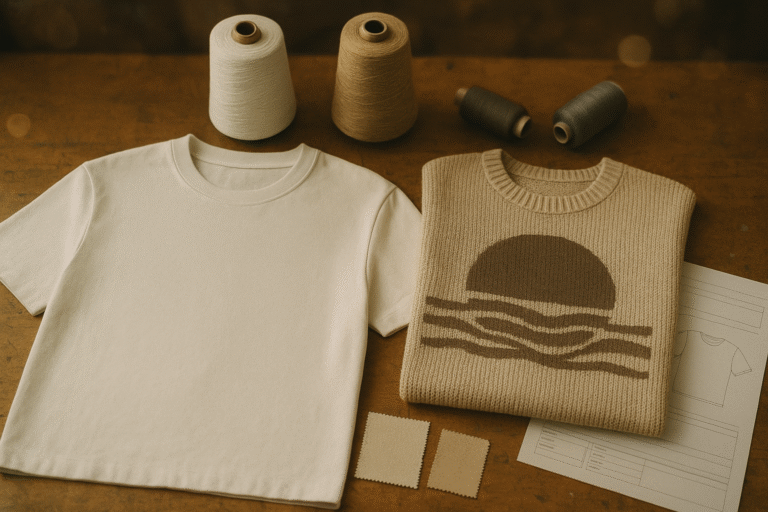
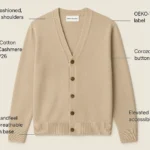
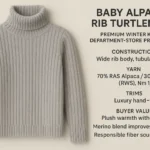
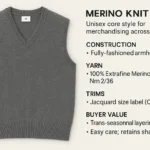
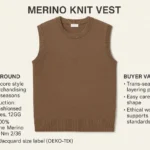
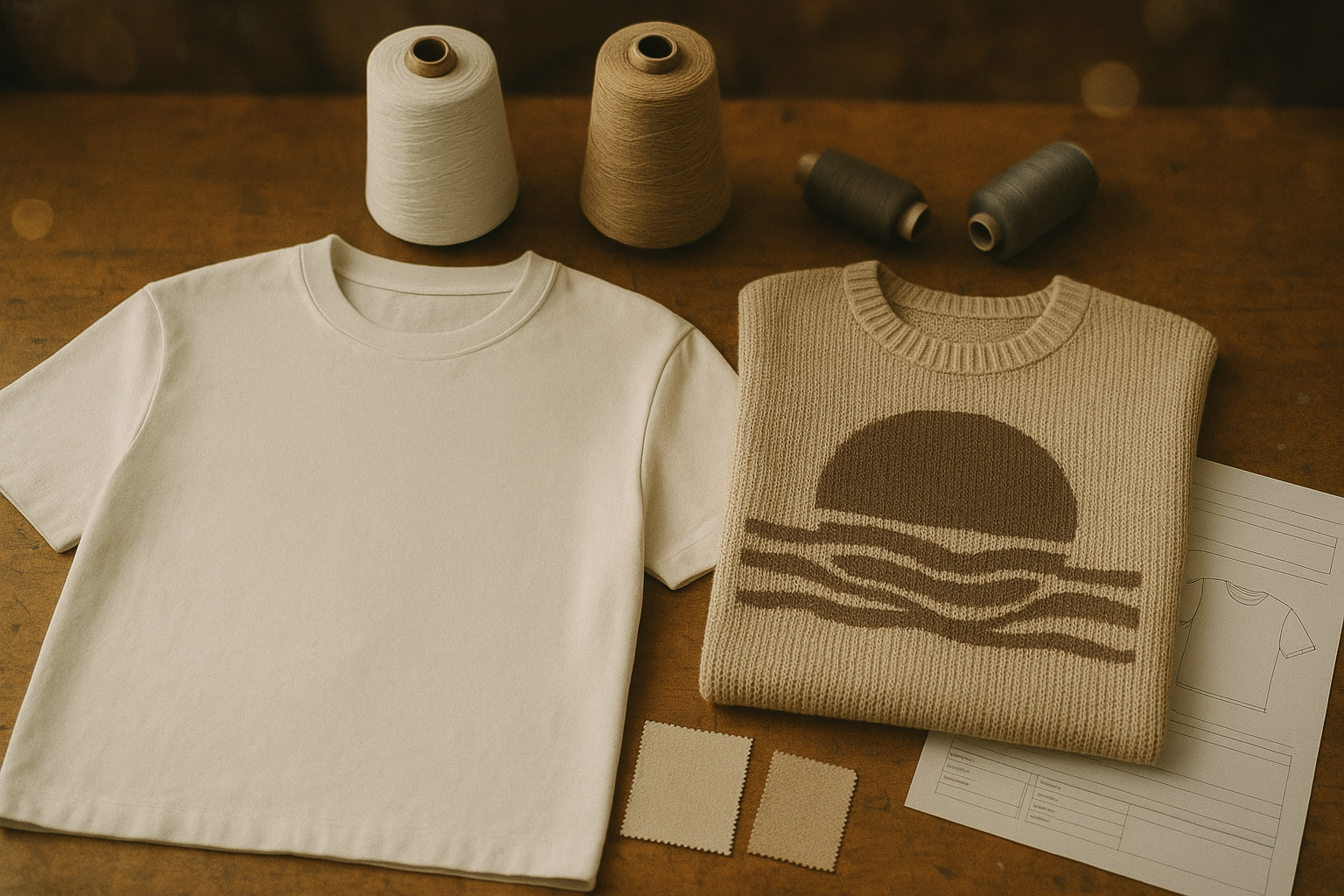
If you want a premium “this isn’t a normal tee” signal, consider knitted graphic tops using intarsia, jacquard, or embroidery—but spec them correctly or you’ll get distortion, snags, or muddy details.
Don’t price off vibes. Build a landed-cost model and sanity-check your pricing graphic tees against a DTC-appropriate gross margin target.
1) What “graphic tees” means for a DTC brand (and why it’s hard to do well)
A graphic tee isn’t just a T-shirt with ink on it. In DTC, it’s often your lowest-friction product:
It’s the easiest item for a new customer to try.
It’s the most shareable item for creators to wear on camera.
It’s the product that turns brand identity into something physical.
The catch: graphic tees are a crowded category with fast copycats. Your advantage isn’t “having designs.” It’s having a repeatable system for:
making a design customers actually want to wear,
producing it consistently,
and shipping it profitably.
If you’re small-batch, you also need to avoid the classic trap: being “profitable” on paper until you factor in returns, shipping, and paid acquisition.
2) The three decisions that determine 80% of your results
Before you choose suppliers or make mockups, lock these three decisions. Everything else is downstream.
Decision 1: What role does the graphic tee play in your brand?
Pick one primary role (you can evolve later):
Hero product: The tee is the brand (obsessive fabric + signature graphic language).
Merch flywheel: The tee is a content extension (drops, collaborations, creator moments).
Margin engine: The tee funds the rest (repeatable fit + repeatable prints + efficient fulfillment).
Key Takeaway: If you don’t choose the role, you’ll keep changing everything at once—fit, fabric, printing, pricing—and never learn what actually moved the needle.
Decision 2: What “quality signal” are you selling?
Customers don’t buy “GSM.” They buy the feeling that this is worth the price.
Common quality signals in graphic tees:
Handfeel: soft, dry, vintage-washed, heavy and structured, or drapey.
Fit block: boxy, cropped, oversized, longline, drop shoulder.
Graphic execution: crisp screen print, photoreal DTG, bold DTF color, or embroidery/knit texture.
Durability: print that doesn’t crack; collar that doesn’t “bacon”; body that doesn’t twist.
Choose 1–2 signals to own. If you try to own all of them in your first three drops, you’ll either miss deadlines or blow your costs.
Decision 3: Which decoration method fits your constraints?
Decoration isn’t just “how it looks.” It determines:
minimums and cash tied up,
your ability to do fast tests,
wash durability and customer complaints,
and how hard QC will be.
We’ll go deep on this in Sections 5 and 6.
3) Design that sells: message-market fit, IP safety, and production-ready files
A graphic tee design can be beautiful and still not sell. For DTC, you need three things working together.
3.1 Your design needs a buyer, not an audience
Ask:
Who is this for—what identity are they buying?
Where will they wear it—gym, nightlife, campus, travel, work-from-home?
What do they want to signal—taste, humor, values, membership, nostalgia?
If you can’t answer those questions in one sentence, the design is probably “cool” but not commercial.
3.2 Don’t get cute with IP (especially if you’re influencer-led)
If your growth comes from social reach, you’re more visible—and more legally exposed.
Practical rules:
Avoid copying celebrity photos, album art, sports logos, anime frames, and brand marks.
If you’re inspired by a culture moment, translate it into original typography, illustration, or symbol language.
Keep proof of ownership: contracts for freelancers, licenses for fonts, and original source files.
3.3 Make your files production-proof (so your supplier can’t “interpret” them)
If you’re printing:
Deliver the format requested by your print partner.
For raster art, a common baseline is high resolution (often ~300 DPI at final print size).
Provide placement specs (center chest, left chest, back, sleeve) with measurements.
If you’re doing knitted graphics:
Your design needs a stitch map mindset: shapes, color blocks, and constraints.
Avoid tiny details that will disappear when knit stitches stretch.
4) Sourcing paths: POD, print shop, or custom manufacturing
There’s no “best” path—only the one that matches your stage.
4.1 Print-on-demand (POD): best for fast testing
Use POD when:
you’re validating demand,
you want to launch with minimal inventory risk,
you expect lots of design iterations.
Tradeoffs:
Per-unit cost is higher.
You have less control over blanks.
QC is harder because production is distributed.
The winning play: treat POD like a testing lab. Your goal is to find 1–2 repeat winners, not to build your forever supply chain.
4.2 Local/regional print shop: best for control without full manufacturing
Use a print shop when:
you can commit to small batch minimums,
you want consistent QC,
you want to test screen printing without buying equipment.
Tradeoffs:
You’re managing inventory and fulfillment.
Lead times and setup fees become real.
4.3 Custom cut & sew (or private label blanks): best when fit is the brand
Go custom when:
your fit block is your differentiator,
you want unique fabric and trims,
you have repeatable demand.
Tradeoffs:
Larger minimums.
More moving parts (pattern, grading, shrinkage testing, wash testing).
More opportunities for “death by a thousand small mistakes.”
Pro Tip: If you’re early-stage and trying to start a t-shirt business, don’t go custom just to feel “real.” Go custom when you’ve proven you can sell the same silhouette repeatedly.
5) Printing methods: screen vs DTG vs DTF (choose like an operator)
Most founders choose a print method based on aesthetics.
Better: choose it based on volume, design type, fabric, and timeline.
For a clean breakdown of tradeoffs, Printful’s guide “DTG vs. Screen Printing: Which One to Choose?” is a solid baseline.
5.1 Screen printing
Screen printing is the workhorse for repeat designs and higher quantities.
When it wins:
Bold graphics, limited colors.
You can commit to volume.
You want strong wash durability.
Constraints:
Setup costs (often per color) make small runs expensive.
Complex multi-color designs get costly fast.
5.2 DTG (Direct-to-Garment)
DTG prints directly onto the garment—great for detail and low minimums.
When it wins:
Photoreal or high-detail art.
You’re testing multiple designs.
Cotton-heavy fabrics.
Constraints:
Fabric sensitivity (especially on synthetics).
Durability depends heavily on pretreatment and curing.
5.3 DTF (Direct-to-Film)
DTF transfers can be applied to more fabric types and often deliver very vibrant results.
When it wins:
You want fabric versatility (cotton, blends, synthetics).
You want high color detail without screens.
You’re doing small-to-mid runs but want stronger durability than a “quick DTG test.”
Constraints:
Can add a noticeable “layer” feel, especially for large solid shapes.
Breathability can drop if you cover big areas.
Printful also compares the two digital methods in “DTG vs. DTF printing”.
5.4 A practical selection matrix
Use this as a fast filter:
Testing phase (1–50 units/design) → DTG or DTF
Repeat winner (100+ units/design) → screen print
Non-cotton, performance blends, or tricky fabrics → DTF
Big solid ink areas → screen print (often feels better and lasts)
If you want the “graphic” to feel premium without heavy ink coverage, consider a different lane entirely: knitted graphics.
6) The premium alternative: knitted graphic tops (intarsia, jacquard, embroidery)
A lot of “graphic tee” brands eventually hit a ceiling: prints start to look like everyone else’s.
Knitted graphic tops give you a different kind of signal:
the design is built into the garment,
the texture is part of the brand,
and the product often sits comfortably at a higher price point.
This is where techniques like intarsia, jacquard, and embroidery matter.
6.1 Intarsia vs jacquard vs embroidery: what to choose
Here’s the simplest way to think about it:
Intarsia: best for large, bold color blocks and isolated motifs. No floats on the back, so the reverse is cleaner.
Jacquard: best for complex repeating patterns and multi-color designs, but it can create floats on the reverse side that need management.
Embroidery: best for smaller logos or details that you want to feel raised and premium.
AzKnit’s guide “Custom embroidery vs jacquard vs intarsia for knitwear” lays out technique definitions, use cases, and production caveats.
6.2 Spec it like a manufacturer: what your factory needs from you
If you want a knitted graphic top to come out clean, the spec matters more than the mood board.
At minimum, you should be able to provide:
silhouette reference (boxy, cropped, oversized, etc.)
size chart and measurement tolerances
yarn direction (fiber, feel, season, budget)
knit gauge direction (if you don’t know, ask the factory to recommend based on the design)
artwork simplified into knit-ready shapes and color blocks
AzKnit notes you can start with a tech pack, sketch, or even a reference image and translate it into production-ready knitwear on their custom knitwear process overview.
6.3 Common pitfalls with knitted graphics
These are the failure modes that create expensive surprises:
Detail that disappears: tiny lines and tight type get lost once stitches stretch.
Distortion: graphics warp if tension isn’t managed.
Snags: jacquard floats on the reverse can snag if not controlled.
Puckering: embroidery on stretch knits can pucker without the right stabilizers.
If your brand sells “premium,” these details aren’t optional.
6.4 How AzKnit fits (light-touch example)
If you’re exploring knitted graphic tops, AzKnit is one example of an OEM/ODM partner built for small-batch speed. Their process page states 3–5 working days for samples and flexible MOQs for new designs.
The key is to treat sampling like a checkpoint system—not a single yes/no moment.
7) QC checklist: the minimum you need to check before you scale
Small brands get crushed by quality issues because they don’t have time to babysit production.
So you need a simple gate system.
7.1 Pre-production checklist (before you approve a run)
Confirm art files: correct format, correct size, correct placement.
Confirm garment: blank style, fabric composition, weight, shrink expectations.
Confirm color: ink/thread/yarn colors aligned to your reference.
Confirm print/knit method: chosen for volume + fabric, not vibes.
Approve a production-like sample (not a perfect one-off).
7.2 Production checklist (what to spot early)
Printing:
alignment and consistent placement
color consistency across sizes
curing/adhesion (especially for DTG/DTF)
Knitted graphics:
pattern alignment and distortion
reverse-side float management (snag risk)
embroidery puckering and stretch recovery
7.3 Post-production checklist (before you ship to customers)
measurement spot checks (especially chest width and length)
wash test (at least on early runs)
packaging and labeling consistency
final visual inspection under consistent lighting
⚠️ Warning: The fastest way to kill repeat buyers is inconsistent sizing. Even “small” variation becomes returns, chargebacks, and angry comments on creator videos.
8) Costing & margins: price like a DTC brand, not a printer
Most founders underprice because they only count the shirt and the print.
That’s not your business.
Your business includes:
product cost (blank or cut & sew)
decoration (screen/DTG/DTF/embroidery/knit)
packaging
shipping materials
fulfillment labor/fees
returns and reships
marketing spend
A useful sanity check: many DTC apparel brands target gross margins in the neighborhood of ~65–75% (category and CAC dependent), which Fabrikn discusses in “How to Price Clothing for Direct-to-Consumer Brands” (2026).
If your t-shirt profit margin only works when returns are zero and ads are free, it’s not a business model.
8.1 A simple way to sanity-check pricing
Instead of chasing an “industry average,” do this:
Pick your target gross margin range.
Build your landed cost model (include returns assumptions).
Back into a price that supports the model.
Validate it against your positioning and competitors.
9) Launch and growth: a repeatable drop loop
A graphic program that scales usually looks like this:
9.1 Test loop
Launch 3–6 designs via POD or micro-batches.
Track what sells, what gets posted, and what gets re-ordered.
Identify 1–2 repeat winners.
9.2 Scale loop
Move winners to screen print (or controlled bulk) for better unit economics.
Keep experimentation in small batches.
Build creator seeding around the designs that already prove they convert.
9.3 Retention loop
Drop planning: plan around seasons, creator calendars, and shipping cutoffs.
Build a “graphic language” customers recognize without reading your brand name.
Use bundles (tee + accessory) to improve AOV without discounting your hero item.
10) Next steps
If you want, I can turn this guide into two practical tools you can hand to a supplier:
A one-page “graphic tee spec sheet” template (file checklist + placement + QC gates)
A “knitted graphic top request” template you can send to a factory for quoting
If you’re exploring knitted graphic tops—intarsia, jacquard, or embroidery—AzKnit is one option you can reference for fast sampling and small-batch production. Start with the custom knitwear process overview above, then use the technique guide to choose the right method before you request a quote.
FAQ
Are graphic tees still profitable in 2026? They can be, but only if you treat them as a system. Profit comes from repeatable fit + repeatable decoration + repeatable demand—plus pricing that accounts for shipping, returns, and marketing.
Should I start with POD or bulk production? If you don’t have proven demand, start with POD or micro-batches to learn. Move repeat winners into bulk methods (often screen printing) once you have evidence.
What’s the fastest way to make a graphic tee look premium? Usually it’s a combination of a better-feeling blank, clean placement, and durable decoration. If you want a step-change in perception, knitted graphics (intarsia/jacquard/embroidery) can create a more premium signal than ink alone.