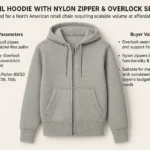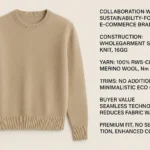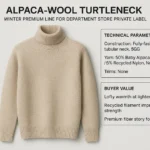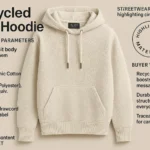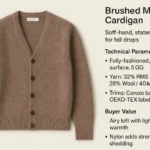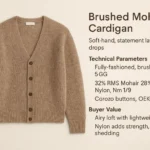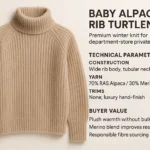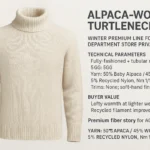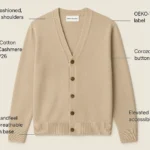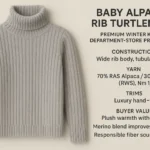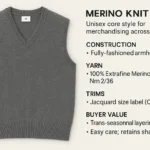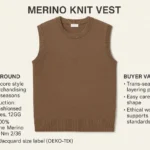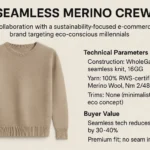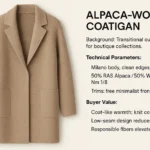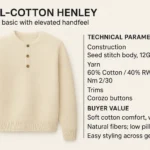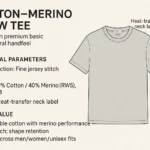

You might ask why GRS recycled yarn for eco knitwear is important. This yarn is made from old clothes and other recycled materials, transforming trash into new fibers. When you choose GRS recycled yarn for eco knitwear, you contribute to helping the planet.
Recycled yarn is created from old clothes and leftover fabric, as well as other recycled items like PET bottles. These materials are kept out of landfills and are not incinerated. Instead, companies collect and clean them, turning them into fibers. These fibers are then spun into new yarn, which helps materials last longer, keeps trash out of landfills, and reduces methane gas emissions from decomposing clothes.
By selecting GRS recycled yarn for eco knitwear, you are making a positive impact on the earth and helping to reduce waste.
Key Takeaways
GRS recycled yarn turns old clothes into new fibers. This helps cut down on waste and keeps the planet safe.
Picking GRS certified yarn means you support good quality. It also means you care about safety and fair work for people.
Recycled yarn needs less energy and water than new yarn. This helps lower your carbon footprint a lot.
Check for the GRS label on products. This shows they follow tough recycling and safety rules.
When you choose eco knitwear made with GRS recycled yarn, you help reuse materials. This keeps waste low and helps the earth.
GRS certification makes sure bad chemicals are limited. This keeps your clothes safer for you and nature.
Recycled yarn is just as strong and comfy as new fibers. You still get good quality and comfort.
Every time you buy GRS recycled products, you help the planet. You also support fair and honest ways to make things.
What Is GRS Recycled Yarn
Recycled Yarn Basics
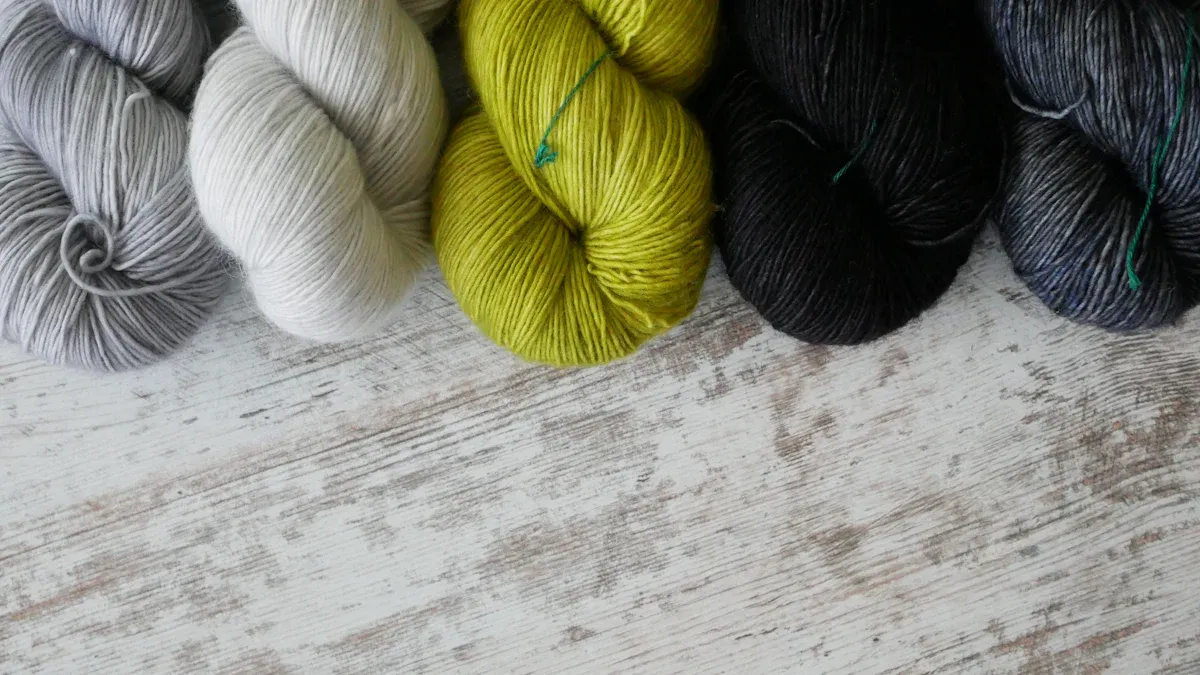
You might see GRS recycled yarn in eco-friendly clothes. GRS means Global Recycled Standard. This standard shows the yarn is made from recycled things. It also means the yarn meets high rules for quality and being good for the earth. When you pick GRS recycled yarn, you help turn waste into new fibers for clothes.
Recycled yarn starts with old clothes and leftover fabric. Factories also collect scraps and waste from making things. These items get cleaned and broken down into fibers. The fibers are spun into new yarn. This keeps waste out of landfills and gives old materials a new use.
Did you know? Making GRS recycled yarn uses less energy than making new yarn from raw stuff. You help the earth by picking recycled fibers.
Here is a table that shows where GRS recycled yarn comes from:
Type of Waste | Description |
|---|---|
Pre-consumer waste | Waste from factories, like yarn waste and fabric scraps. |
Post-consumer waste | Used clothes and home textiles, like sheets and towels. |
When you look at GRS recycled yarn and yarn from new fibers, you see a big difference. Making new polyester starts with crude oil. Factories turn oil into chemicals, which uses lots of energy and hurts the earth. Recycling polyester, called rPET, uses old materials instead. This way, less fossil fuel is needed and less waste is made. GRS certification checks that recycling meets high rules for the earth and people. You get a product that is better for the planet and for workers.
How GRS Certification Works
You may wonder how a company gets GRS certification for its yarn. The process has clear steps to make sure the yarn meets strict rules. Here is how it goes:
Find a trusted group to check and audit the company.
Send in an application with needed papers, like test reports and supply chain records.
The company gets checked at its buildings to see if it follows GRS rules.
The company gets a GRS certificate if it passes the check.
GRS certification checks every step in the supply chain. You can trust that the recycled yarn you buy follows rules for recycled content, safe chemicals, and fair work. The process uses outside audits to make sure companies do things right. This helps you feel good about your choices.
Trusted Sources and Sustainability
You should know which groups give GRS recycled yarn its certification. Trusted groups are:
Control Union
Ecocert
SGS
Intertek is also a trusted group for the Global Recycled Standard. These groups check that companies follow the rules and keep quality high.
GRS certification helps the earth in many ways:
GRS certification checks that recycled content is real.
It follows good ways to make things in the supply chain.
Outside audits make sure companies follow earth and people rules.
The standard is managed with help from recyclers, suppliers, and stores.
It checks for recycled materials and follows how things are made.
Companies must show a chain of custody and get checked by pros.
You help the earth when you pick GRS recycled yarn. The standard makes sure companies use recycled stuff and follow good ways to make things. You support a system that cares about the earth and people. GRS recycled yarn lets you make better choices for the planet and for others.
Global Recycling Standard Explained
Certification Criteria
You might wonder how yarn meets the global recycling standard. This standard has clear rules for recycled yarn. You should look for yarn that follows these rules. That way, you know you are picking eco-friendly products. The global recycling standard checks for recycled content and traceability. It also looks at ethical production, social rules, environmental impact, and chemical safety. You can see how the global recycling standard is different from other standards in the table below.
Criteria | RCS Requirements | GRS Requirements |
|---|---|---|
Recycled Materials | 5% to 100% recycled content | 20% to 100% recycled content (50% for logo) |
Traceability | Required throughout production process | Required throughout production process |
Required | Required | |
Social Compliance | Compliance with ILO standards | Social impact and compliance required |
Environmental Compliance | Not specified | Environmental impact and compliance required |
Chemical Restrictions | Not specified | Chemical restrictions required |
You can see that grs needs more recycled content and tougher rules. The global recycling standard also checks for how it affects the earth and people. When you pick yarn that meets grs rules, you help both the planet and workers.
Traceability and Chain of Custody
You want to know where your yarn comes from. The global recycling standard lets you trace yarn from start to finish. Every step in the supply chain gets checked. You can see how old clothes or bottles turn into new yarn. The grs system follows recycled materials at each stage. You get proof that your yarn is really recycled and meets the global recycling standard.
Tip: Always look for grs certification on labels. This helps you trust the product and know it follows the global recycling standard.
You support honest companies when you check for traceability. The global recycling standard helps you make better choices for the earth.
Social and Environmental Standards
You care about workers and the environment. The global recycling standard has strong rules for both. Grs certification asks companies to treat workers fairly. Workers must be safe. The global recycling standard limits harmful chemicals in making yarn. You help protect people and nature when you pick grs certified yarn.
Grs certification checks for fair labor rules.
Worker safety is important at every step.
The global recycling standard limits harmful chemicals.
You also support companies that care about people and the earth. The global recycling standard checks recycled materials and makes sure rules are followed. You make a difference by choosing grs certified products.
Chemical Restrictions
You want your clothes to be safe for you and the earth. The Global Recycled Standard has strong rules for chemicals in recycled yarn. These rules help keep you, workers, and nature safe.
Factories use chemicals to clean and color yarn. Some chemicals can hurt people and the planet. GRS does not let factories use dangerous chemicals in certified yarn. You can trust GRS recycled yarn to avoid harmful stuff.
GRS checks for things like heavy metals, toxic dyes, and bad solvents. There are strict limits for each group of chemicals. Factories must follow these rules at every step. Auditors test samples to make sure banned chemicals are not used.
Here is a table with examples of chemicals GRS restricts:
Chemical Group | Examples | Why Restricted |
|---|---|---|
Heavy Metals | Lead, Mercury, Cadmium | Toxic to humans and wildlife |
Toxic Dyes | Azo dyes, Formaldehyde | Can cause allergies and cancer |
Hazardous Solvents | Benzene, Toluene | Harmful to workers and air quality |
Flame Retardants | PBDEs, PBBs | Persist in environment, toxic |
You can see GRS covers many kinds of chemicals. The standard updates its list often. You get better safety as science finds new risks.
Tip: Always look for GRS certification on yarn labels. This helps you avoid yarn with unsafe chemicals.
You help keep water, air, and soil clean by picking GRS recycled yarn. Factories must treat dirty water and control air pollution. You support safer jobs for people who make your clothes.
GRS also wants companies to teach workers about chemical safety. Workers learn how to handle materials and stay safe. You support fair treatment and health for everyone in the supply chain.
You make a smart choice when you pick GRS recycled yarn. You get products that meet high safety rules. You help cut pollution and protect your family. You also support companies that care about people and the earth.
You can feel proud of your choice. GRS chemical rules make eco knitwear safer for you and better for the planet.
GRS Recycled Yarn for Eco Knitwear
Eco-Friendly Approach in Knitwear
When you pick grs recycled yarn for eco knitwear, you help the earth. Factories use old clothes, plastic bottles, and leftover fabric to make new fibers. This keeps waste out of landfills and gives it a new use in knit tops. You help lower your carbon footprint by making this choice.
Regenerated yarns keep waste away from landfills.
You save water and energy when making these yarns.
Less new raw material is needed, so less carbon is made.
Using recycled yarn saves more water and energy than cotton farming.
You help reuse textile waste and support a circular economy.
Note: Wearing knit tops made from grs recycled yarn helps the planet and saves resources.
Performance vs. Virgin Fibers
You may wonder if grs recycled yarn works as well as new yarn. The answer is yes. Recycled fibers are strong and comfortable like virgin fibers. Your clothes will last and stretch well.
Here is a table that shows how recycled polyester yarn compares to virgin polyester yarn:
Property | Recycled Polyester Yarn | Virgin Polyester Yarn |
|---|---|---|
Offers similar durability | High durability | |
Elasticity | Comparable elasticity | High elasticity |
You can see grs recycled yarn gives you the same quality as new yarn. The fibers come from recycled fabrics and cotton, but they stay strong. Your eco knitwear will look nice and feel good.
Waste Reduction Benefits
Choosing grs recycled yarn for eco knitwear makes a big difference. This helps cut down on textile waste and keeps the planet cleaner. Factories collect old clothes and scraps and turn them into new fibers. This keeps waste out of landfills and lowers pollution.
You stop textile waste from building up.
Using recycled cotton fibers saves water and energy.
You help brands use more recycled fabrics in their clothes.
When you choose grs recycled yarn for eco knitwear, you join others who care about the earth. You help make clothes that use fewer resources and create less waste. Your choices help fashion and the planet’s health.
Environmental and Ethical Impact
Reducing Resource Use
You help save important resources by picking GRS recycled yarn. Making yarn from recycled things uses less water and energy. Factories do not need to take as many new resources from the earth. This helps protect nature and keeps the planet healthy for everyone.
Making pre-consumer recycled yarn uses up to 60% less energy than regular yarn.
Greenhouse gas emissions go down by 32% with recycled yarn.
Using recycled materials can cut landfill waste by 65%.
Recycled fiber yarn saves energy and resources by using fewer raw materials.
You can see your choices really matter. By choosing recycled yarn, you help lower pollution and keep trash out of landfills. This helps make the world cleaner and safer for the future.
Tip: Every time you pick recycled yarn, you help save water, energy, and cut down on waste.
Supporting Circular Economy
You help the circular economy when you buy things made with GRS recycled yarn. In a circular economy, materials get used again and again. They do not get thrown away. This keeps resources in use for a long time.
When you buy knitwear made from recycled yarn, you help close the loop. Old clothes, scraps, and bottles become new yarn. This means we need fewer new materials and make less waste. You help create a cycle where products last longer and less trash goes to landfills.
Here is how the circular economy works for GRS recycled yarn:
Step | What Happens |
|---|---|
Collection | Factories gather old textiles, bottles, and scraps |
Processing | Materials get cleaned and turned into fibers |
Yarn Production | Fibers are spun into new yarn |
New Products | Yarn becomes new knitwear |
Recycling Again | Used clothes can be recycled again |
You help the planet and support better ways to make things by picking recycled yarn. This keeps resources in use and helps the earth stay healthy.
Ethical Production Practices
You also help workers when you choose GRS certified yarn. The Global Recycled Standard has strict rules for worker safety and rights. These rules help protect people who make your clothes.
Factories must keep workers safe.
Workers get fair pay.
Labor rights are followed at every step.
Auditors check worker contracts and factory safety. They talk to workers to make sure rules are followed. Factories must not use dangerous chemicals and must clean dirty water. This keeps workers safe and helps the environment.
Note: When you pick GRS certified knitwear, you support fair work and help make better jobs for people everywhere.
You make a good impact by picking products that care about people and the planet.
Identifying GRS Certified Products
Recognizing Labels
You want to be sure your knitwear is eco-friendly. Look for the Global Recycled Standard (GRS) label on tags or packaging. The GRS logo should be clear and easy to see. There might be a license number near the logo. This number helps you check if the certification is real.
Tip: Always look for spelling mistakes or blurry logos. These can show the certification is fake.
You should also find the company name and address on the label. Make sure they match the brand or supplier you trust. The label should say what the product is, like “knitwear” or “sweater.” This helps you know the certification is for your item.
Questions for Brands
You can ask brands questions to make sure the GRS certification is real. Use these steps to help you feel good about your choice:
Question/Step | Description |
|---|---|
Look up the license number on the Textile Exchange website. | |
Request TC copies with batch numbers | Ask for papers that show batch numbers for the product. |
Confirm audit reports and validity period | Make sure the audit reports are current and not expired. |
Inspect material visually | Check if the color, texture, and quality look the same. |
You can also use these tips when you talk to brands:
Check the dates on the certificates.
Watch for spelling errors or bad logos.
Make sure the company name and address are correct.
See if the certification covers your type of product.
Note: Brands that care about the earth will answer your questions and show proof.
Making Sustainable Choices
You help the planet when you pick knitwear made from GRS recycled yarn. These products save resources and cut down on waste. Making recycled yarn uses less energy and water. You also help lower the carbon footprint of your clothes.
Here is a table that shows why GRS recycled yarn is good:
Benefit | Description |
|---|---|
Using recycled yarn saves new materials and protects resources. | |
Waste Reduction | Using recycled materials helps stop textile waste from growing. |
Energy and Water Savings | Making recycled yarn uses less energy and water than new yarn. |
Carbon Footprint Reduction | Recycled yarn helps lower pollution compared to new materials. |
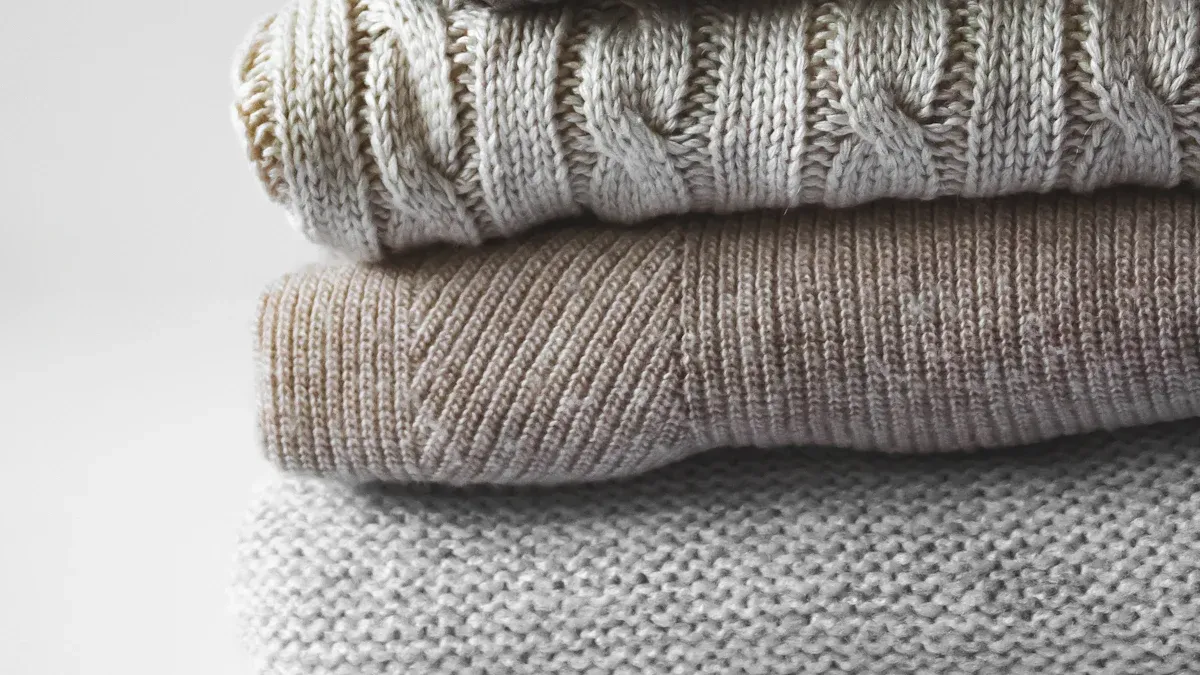
You also get knitwear that is soft, warm, and strong. Recycled yarn makes clothes comfy and tough. You can wear stylish sweaters that keep you warm and last a long time.
Soft and comfy
Strong and lasts long
Warm and cozy
Looks nice in many styles
When you pick GRS certified knitwear, you support circular fashion. Brands use recycled yarn to make sweaters that can be recycled again. This helps cut down on waste and saves new resources.
Choosing GRS certified products lets you help the earth and enjoy great knitwear.
Beyond Knitwear: GRS Applications
Other Textile Sectors
You may think GRS recycled yarn is just for sweaters. But it is used in many other things too. Many companies use GRS certified yarn to make their products better for the earth. In the textile world, recycled yarn is making a big change in many places.
Apparel Sector: More than 45% of recycled yarn goes into clothes. You can find it in t-shirts, jeans, jackets, and sportswear. Brands use GRS yarn to make eco-friendly clothes for people who care about the planet.
Home Furnishing Sector: Almost 40% of recycled yarn is used in home items. You might see it in carpets, curtains, bedding, and upholstery. These products help you have a greener home with comfort and style.
Automotive and Building Construction: Car makers and builders use GRS recycled yarn too. You may see it in car seats, inside panels, and insulation. These uses help cut waste and keep the environment cleaner.
Note: When you pick things made with GRS recycled yarn, you help make many parts of life more eco-friendly.
Here is a table that shows how different areas use GRS recycled yarn:
Sector | Common Products | Market Share (%) |
|---|---|---|
Apparel | T-shirts, jeans, jackets, sportswear | 45+ |
Home Furnishing | Carpets, curtains, upholstery | 40 |
Automotive & Construction | Car seats, panels, insulation | Growing |
You can see GRS recycled yarn is not just for fashion. It helps many industries lower their harm to the earth.
Future of GRS Certification
GRS certification will become even more important soon. More companies want to show they care about the earth. They use GRS standards to prove their products are really recycled and safe.
New technology will help track recycled materials better. You might see digital tags or QR codes on products. These let you check where the yarn came from and how it was made. This makes it easier for you to trust what you buy.
You will also see new products using GRS recycled yarn. Sports brands, furniture makers, and tech companies want to use more recycled materials. This trend helps cut waste and save resources.
Tip: Look for new labels and smart tags on products. These signs show a brand cares about the earth and help you make good choices.
As more people like you ask for eco-friendly products, GRS certification will keep growing. You help this change by choosing recycled yarn in all parts of your life.
Challenges and Opportunities
Adoption Barriers
Not every company uses GRS recycled yarn yet. One problem is mixed fabrics. Factories have trouble separating fibers in blends like polycotton. This makes recycling harder. It also limits what waste can become new yarn. High costs are another problem. Factories need special machines and skilled workers. These things cost a lot of money. In some places, the supply chain is weak. Companies in new markets cannot always get what they need.
Mixing recycled and new cotton is also hard. Spinners find that blending these fibers can lower yarn quality. People want soft and long-lasting clothes. So, companies must check quality very carefully. These problems show why not all brands use GRS recycled yarn yet.
Industry Innovations
New technology gives hope for better yarn. Chemical recycling helps factories make better recycled polyester yarn. These new ways let companies make stronger and smoother yarn. They can also make more yarn at once. Modern spinning machines use fast frames and special rotors. This makes yarn stronger and more even. Special systems remove dirt and keep yarn the same. This helps stop yarn from breaking.
Here is a table that shows some key innovations:
Innovation Type | Description |
|---|---|
Modern Spinning Machines | High-speed frames and rotors make smoother, stronger yarn. |
Precision Contamination Removal | Systems that improve yarn uniformity and reduce breakage. |
Pre-dyed Recycled Yarn | Uses colored waste fabrics, saving water, chemicals, time, and energy. |
Chemical Recycling Advances | Improves quality and scalability of recycled polyester filament yarn production. |
You might see pre-dyed recycled yarn in stores. This yarn uses colored waste, so factories do not dye it again. This saves water, chemicals, and energy. These new ideas make recycled yarn better for the earth. They also help more brands use it.
Future Trends
More brands will use GRS recycled yarn soon. Here are some trends you will see:
More people want recycled materials as brands care about the earth.
Companies will use more natural fiber blends to make greener products.
GRS certification will be more important for tracking and proving good work.
Brands will make eco yarns that work as well as regular yarns, so you get both quality and green choices.
Tip: When you pick GRS certified knitwear, you help these good changes and make fashion better for the future.
Your choices help make the world greener. GRS recycled yarn helps fashion be better for the earth in many ways:
It saves resources and cuts down on waste.
It uses less water and energy.
It helps keep materials in use for longer.
It gives you more eco-friendly products to pick.
Benefit Type | Description |
|---|---|
Uses recycled materials to cut waste and save resources | |
Transparency | Tracks recycled content through the supply chain |
Ethical Labor Practices | Protects workers and ensures safe conditions |
You can help by taking care of your knitwear. Pick products with certification. Try to build a wardrobe that is good for the earth. Every small choice you make helps people and the planet.
FAQ
What does GRS stand for?
GRS stands for Global Recycled Standard. This standard checks if yarn and fabric come from recycled materials. It also makes sure companies follow rules for safety and the environment.
How can you tell if a product uses GRS recycled yarn?
You can look for the GRS logo on the label. You may also see a license number. Brands should answer your questions and show proof if you ask.
Is GRS recycled yarn as strong as new yarn?
Yes, GRS recycled yarn can be just as strong and comfortable as new yarn. You get good quality and help the planet at the same time.
Why should you choose GRS recycled yarn for knitwear?
You help reduce waste and save resources. GRS recycled yarn uses less water and energy. You also support fair treatment for workers.
Can GRS recycled yarn be used in products other than clothes?
Yes! You can find GRS recycled yarn in home goods, car seats, and even building materials. Many industries use it to lower their impact on the earth.
Does GRS certification mean no harmful chemicals?
Yes. GRS certification has strict rules about chemicals. Factories must avoid dangerous substances. This keeps you, workers, and nature safe.
How do you care for knitwear made with GRS recycled yarn?
Wash your knitwear in cold water. Use gentle soap. Let it air dry. These steps help your clothes last longer and save energy.
What should you ask brands about GRS certification?
Ask for the GRS license number. Request proof of certification. Check if the product matches the certificate. Brands that care about the earth will answer your questions.